
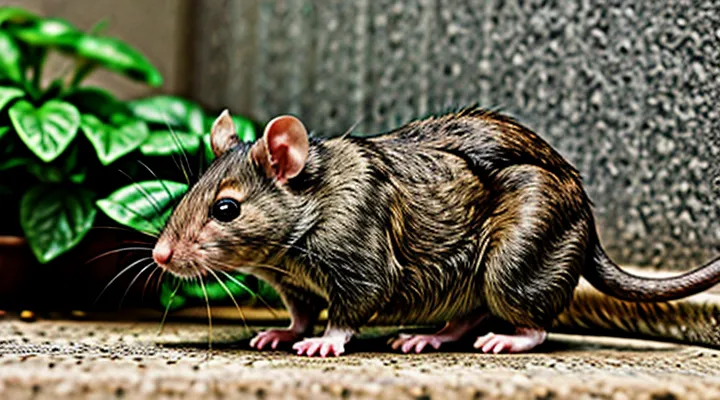
Understanding Rat Diarrhea
What is Diarrhea in Rats?
Normal Rat Droppings vs. Diarrhea
Normal rat feces are small, cylindrical pellets about 2‑4 mm in length, firm to the touch, and uniformly brown or dark brown. They are produced several times an hour when the animal is active and appear in tidy, separate piles. The surface is smooth, without mucus or liquid residue, and the odor is mild.
Diarrhea in rats manifests as a marked departure from these characteristics. Pellets become elongated, soft, and may lose their defined shape, often forming a wet, unformed mass. Color may shift to lighter brown, gray, or contain blood. Frequency increases dramatically, sometimes resulting in continuous staining of bedding. Accompanying signs include increased licking of the perianal area, lethargy, and a strong, unpleasant odor.
Key differences:
- Size & shape: firm, short cylinders vs. elongated, soft, irregular masses.
- Consistency: dry, firm vs. wet, mushy, sometimes liquid.
- Color: uniform dark brown vs. variable light brown, gray, or blood‑tinged.
- Frequency: intermittent, regular intervals vs. constant or markedly increased output.
- Bedding impact: clean, localized droppings vs. widespread wet staining.
Recognizing these distinctions enables prompt assessment of gastrointestinal health and guides appropriate veterinary intervention.
Potential Dangers of Diarrhea
Diarrhea in rats poses several serious health threats. Rapid fluid loss can lead to dehydration, which reduces blood volume and impairs organ function. Electrolyte disturbances accompany fluid depletion, causing muscle weakness, cardiac irregularities, and neurological signs such as tremors or seizures. Continuous nutrient loss results in weight reduction and diminished body condition, compromising the animal’s ability to recover from illness or injury.
Secondary complications arise when the gastrointestinal barrier is damaged. Bacterial translocation may trigger systemic infections, including septicemia, which can be fatal without prompt antimicrobial therapy. Persistent diarrhea also predisposes rats to intestinal ulceration and mucosal erosion, increasing the risk of hemorrhage. In breeding colonies, affected individuals may experience reduced fertility and lower litter survival, threatening population stability.
Timely intervention is essential. Immediate rehydration with appropriate electrolyte solutions, coupled with supportive nutrition, mitigates the most acute dangers. Veterinary assessment should identify underlying causes, allowing targeted treatment to prevent recurrence and protect overall colony health.
Common Causes of Diarrhea in Rats
Dietary Factors
Sudden Diet Changes
Sudden alterations in a rat’s diet are a primary trigger of intestinal upset, often manifesting as watery stools, increased frequency, and abdominal discomfort. Rapid introduction of new foods can disrupt the balance of gut microflora, overload the digestive enzymes, and alter osmotic pressure within the colon, all of which promote rapid transit and fluid loss.
Key physiological responses include:
- Immediate increase in fermentable carbohydrates that produce excess gas and short‑chain fatty acids, irritating the mucosa.
- Introduction of high‑fat or high‑protein meals that exceed the rat’s enzymatic capacity, leading to malabsorption and osmotic diarrhea.
- Abrupt reduction of fiber, which diminishes stool bulk and slows colonic water reabsorption.
- Presence of novel allergens or toxins in unfamiliar ingredients, provoking inflammatory reactions.
Effective management focuses on stabilizing the gastrointestinal environment and preventing dehydration:
- Revert to the rat’s original, well‑tolerated diet for at least 48 hours.
- Provide clean, fresh water constantly; supplement with an oral rehydration solution formulated for small rodents if stool output exceeds normal levels.
- Introduce a bland, low‑fiber diet (e.g., cooked plain rice and boiled chicken) in small, frequent portions for 2–3 days.
- Administer a probiotic product containing Lactobacillus spp. or Bifidobacterium spp. to restore microbial equilibrium, following the manufacturer’s dosage guidelines.
- If stools remain liquid after 72 hours, consider a short course of a veterinary‑prescribed antidiarrheal agent (e.g., loperamide) and evaluate for secondary infections.
Prevention requires gradual dietary transitions. Increase or decrease any new ingredient by no more than 10 % of the total ration each day, allowing the gut microbiota to adapt. Monitor stool consistency throughout the adjustment period and discontinue any food that provokes softening or increased frequency.
Inappropriate Foods
Inappropriate foods are a primary trigger of acute gastrointestinal upset in laboratory and pet rats. Certain items disrupt the delicate balance of gut flora, irritate the intestinal lining, or introduce toxins that precipitate watery stools.
Common problematic foods include:
- High‑fat products such as nuts, seeds, and fatty treats; excess fat overwhelms the rat’s limited digestive capacity.
- Sugary items like honey, fruit preserves, and processed snacks; rapid fermentation creates gas and osmotic diarrhea.
- Dairy derivatives (cheese, yogurt, milk); most rats lack sufficient lactase, leading to malabsorption and loose feces.
- Raw or undercooked grains (uncooked rice, oats); resistant starches ferment excessively, causing bowel disturbances.
- Citrus fruits and acidic juices; high acidity irritates the mucosa and accelerates motility.
- Spicy or heavily seasoned foods; capsaicin and similar compounds stimulate hypersecretion in the intestine.
- Human junk food (chips, crackers, processed meats); additives, preservatives, and high sodium content aggravate the gut environment.
When a rat presents with diarrhea, the first therapeutic step is to eliminate all suspect foods from the diet. Replace them with a balanced, commercially formulated rodent diet that provides appropriate protein, fiber, and moisture levels. Provide fresh water ad libitum, but consider adding a mild electrolyte solution if dehydration appears imminent.
If diarrhea persists beyond 24 hours, supportive care may include:
- Hydration therapy – oral rehydration salts mixed with water; subcutaneous fluids for severe cases.
- Probiotic supplementation – strains such as Lactobacillus spp. help restore normal flora.
- Fiber adjustment – small amounts of plain, cooked pumpkin or oat bran can bulk stools without causing further irritation.
- Veterinary assessment – to rule out secondary infections, parasites, or underlying disease requiring targeted medication.
Prompt removal of inappropriate dietary items, combined with controlled rehydration and gut‑supportive measures, typically resolves diarrheal episodes in rats within a few days. Continuous monitoring of food intake ensures long‑term gastrointestinal stability.
Overfeeding
Overfeeding introduces excessive nutrients that overwhelm a rat’s digestive capacity, often resulting in watery stools. Large meals delay gastric emptying, increase intestinal osmolarity, and stimulate rapid transit, all of which contribute to loose feces. Unbalanced diets rich in fats or sugars exacerbate microbial fermentation, producing gas and irritants that further destabilize gut function.
Typical signs associated with dietary excess include:
- Sudden increase in stool volume and frequency
- Soft, unformed feces with possible mucus
- Reduced appetite after the initial binge
- Mild abdominal distension or discomfort
If overfeeding is identified as the trigger, immediate dietary correction is essential. Management steps:
- Return to a measured feeding schedule, providing 10‑15 g of high‑quality rat chow per 100 g of body weight daily.
- Offer fresh water continuously; consider adding a small amount of electrolyte solution for severe fluid loss.
- Introduce bland, easily digestible foods such as boiled chicken or plain pumpkin for 24‑48 hours to soothe the gut.
- Gradually re‑introduce regular chow over the next two days, monitoring stool consistency.
Persistent diarrhea despite dietary adjustment warrants veterinary evaluation for secondary infections or underlying conditions. Probiotic supplements containing Lactobacillus spp. can restore microbial balance, while short‑term anti‑diarrheal agents may be prescribed by a professional.
Contaminated Food or Water
Contaminated food or water introduces pathogenic microorganisms, toxins, and parasites that disrupt the gastrointestinal balance of rats. Common agents include Salmonella, Escherichia coli, Campylobacter, and Giardia, which multiply rapidly in spoiled feed or unfiltered water sources. Ingestion of these agents triggers inflammation of the intestinal mucosa, resulting in increased fluid secretion and reduced absorption, which manifest as acute or chronic diarrhea.
Key pathways of contamination:
- Improper storage of grain, pellets, or fresh produce allowing bacterial growth.
- Use of standing water or water lines lacking regular sanitation.
- Exposure to fecal material from other rodents or wildlife.
- Contact with contaminated surfaces during handling or cage cleaning.
Clinical signs associated with ingestion of tainted consumables include watery stools, reduced appetite, weight loss, and dehydration. Laboratory analysis of stool samples confirms the presence of specific pathogens, guiding targeted therapy.
Effective management comprises:
- Immediate removal of the suspect food or water source and replacement with sterile, fresh supplies.
- Hydration support through oral electrolyte solutions or subcutaneous fluids to counter fluid loss.
- Antimicrobial or antiparasitic medication selected based on identified organism; broad‑spectrum agents may be used pending culture results.
- Environmental sanitation: thorough cleaning and disinfection of cages, feeding equipment, and water dispensers to prevent re‑exposure.
- Monitoring of stool consistency and body condition for at least 48 hours after intervention; escalation to veterinary care if symptoms persist or worsen.
Preventive measures focus on maintaining a clean feeding environment, storing feed at appropriate temperatures, and providing filtered water. Regular health checks and prompt isolation of affected individuals reduce the risk of outbreak within a colony.
Infections
Bacterial Infections
Bacterial infections are a leading cause of diarrheal disease in laboratory and wild rats. Pathogens such as Salmonella enterica, Shigella spp., Clostridium perfringens, Yersinia enterocolitica and Escherichia coli produce toxins or invade intestinal epithelium, disrupting absorption and triggering watery or muco‑bloody stools. Transmission occurs through contaminated feed, water, bedding, or direct contact, and stressors like overcrowding increase susceptibility.
Clinical presentation typically includes sudden onset of loose feces, dehydration, weight loss, and occasional abdominal discomfort. Diagnosis relies on:
- Fecal culture on selective media to isolate the organism.
- PCR assays for rapid species identification.
- Microscopic examination for leukocytes or parasites to exclude co‑infection.
Effective management combines antimicrobial therapy with supportive care:
- Empiric selection of broad‑spectrum antibiotics (e.g., enrofloxacin, doxycycline) pending culture results; adjust according to susceptibility testing.
- Fluid replacement using isotonic saline or lactated Ringer’s solution, administered subcutaneously or intravenously as needed.
- Electrolyte supplementation to correct imbalances.
- Environmental sanitation: autoclave bedding, sterilize feed, and disinfect cages with a 1 % sodium hypochlorite solution.
Preventive measures focus on biosecurity: quarantine new arrivals, implement routine health monitoring, and maintain optimal husbandry conditions to reduce stress and pathogen load.
Viral Infections
Viral infections are a frequent source of gastrointestinal disturbance in laboratory and wild rats, often presenting as watery or mucous‑laden stools. The most common agents include:
- Rat coronavirus (RCV) – induces proliferative enteritis, characterized by villous atrophy and severe diarrhea.
- Rotavirus A – targets immature enterocytes, leading to acute, self‑limiting diarrheal episodes.
- Adenovirus type 2 – causes necrotizing enterocolitis, with rapid onset of fecal loss and dehydration.
- Hepatitis E virus (HEV) genotype C – occasionally associated with enteric symptoms alongside hepatic involvement.
Pathogenesis typically involves direct viral replication in the intestinal epithelium, disruption of absorptive surfaces, and induction of inflammatory mediators that increase fluid secretion. Secondary bacterial overgrowth may exacerbate clinical signs.
Management strategies focus on controlling viral replication and supporting intestinal function:
- Isolation – separate affected animals to prevent aerosol and fecal–oral transmission.
- Environmental decontamination – use virucidal disinfectants (e.g., 0.5 % sodium hypochlorite) on cages, bedding, and feeding equipment.
- Supportive care – provide sterile, electrolyte‑balanced fluids; monitor weight and hydration status.
- Antiviral agents – limited efficacy; ribavirin has shown activity against RCV in experimental settings but is not routinely approved.
- Vaccination – commercially available RCV vaccines reduce incidence in breeding colonies; other viral vaccines remain under development.
Early detection through PCR screening of fecal samples enables prompt intervention, limiting spread and reducing mortality. Consistent biosecurity measures remain essential for maintaining colony health.
Parasitic Infestations
Parasitic infestations are a frequent source of diarrheal illness in laboratory and pet rats. Common agents include coccidian species (Eimeria spp.), pinworms (Syphacia muris), tapeworms (Hymenolepis nana), and protozoa such as Giardia duodenalis. Each parasite disrupts intestinal absorption, leading to loose, often mucus‑laden feces and, in severe cases, blood‑tinged stools.
Diagnosis relies on microscopic examination of fresh fecal samples. Techniques such as flotation, direct smear, and concentration methods reveal characteristic oocysts, eggs, or trophozoites. Repeated sampling may be necessary because intermittent shedding can mask low‑level infections.
Effective therapy follows a targeted pharmacologic regimen:
- Coccidiosis: fenbendazole 50 mg/kg orally for five consecutive days.
- Pinworm infection: ivermectin 0.2 mg/kg subcutaneously, repeated after two weeks.
- Tapeworms: praziquantel 5 mg/kg orally, single dose.
- Giardia: metronidazole 25 mg/kg orally twice daily for five days.
Adjunctive care includes supportive fluid therapy to correct dehydration and a bland diet low in fermentable fiber to reduce intestinal irritation. Environmental control reduces reinfection risk: daily removal of soiled bedding, thorough cage disinfection with diluted bleach, and isolation of newly acquired animals for at least two weeks before integration.
Preventive measures emphasize strict hygiene, regular fecal screening, and avoidance of cross‑contamination between colonies. Implementing these practices limits parasite load, stabilizes gut health, and minimizes the incidence of diarrhea attributable to parasitic causes.
Environmental Stressors
Poor Cage Hygiene
Poor cage hygiene creates an environment where pathogenic microorganisms proliferate, directly increasing the likelihood of diarrheal episodes in laboratory and pet rats. Accumulated urine, feces, and food residues raise moisture levels, fostering bacterial growth such as Salmonella and Clostridium species, as well as parasitic cysts. These agents breach the intestinal barrier, disrupt normal flora, and provoke inflammation that manifests as watery or muco‑containing stools.
Contaminated bedding also generates ammonia and other irritants that stress the respiratory and digestive systems. Chronic exposure weakens immune defenses, allowing opportunistic infections to establish more readily. Consequently, rats housed in unclean cages exhibit higher morbidity, reduced weight gain, and prolonged recovery periods.
Key hygiene‑related indicators of gastrointestinal disturbance include:
- Presence of fresh fecal deposits on cage walls or accessories.
- Persistent dampness or odor despite routine cleaning.
- Visible mold or fungal growth on bedding material.
- Increased frequency of grooming or scratching around the perineal area.
Effective mitigation requires systematic sanitation:
- Remove all bedding, food, and water containers weekly; replace with fresh, absorbent substrate.
- Clean cage surfaces with a mild, non‑toxic disinfectant; rinse thoroughly to eliminate residue.
- Wash feeding dishes and water bottles daily; sterilize weekly by boiling or using a dilute bleach solution.
- Inspect cages for damage; repair or replace compromised components that trap waste.
- Implement a schedule for spot cleaning multiple times per day to prevent buildup.
When diarrheal symptoms appear, immediate steps include isolating the affected rat, providing clean, warm water, and offering a bland, easily digestible diet such as boiled rice or plain oatmeal. Veterinary evaluation should follow to identify specific pathogens; treatment may involve targeted antibiotics, antiparasitic agents, or probiotic supplementation to restore gut balance. Continuous adherence to strict cage hygiene reduces recurrence and supports overall health.
Temperature Fluctuations
Temperature variations significantly influence the incidence and severity of diarrhea in laboratory rats. Sudden drops in ambient temperature can suppress immune function, alter gut motility, and promote overgrowth of pathogenic bacteria, all of which increase the likelihood of loose stools. Conversely, prolonged exposure to high temperatures can cause dehydration, stress‑induced hypermotility, and disruption of the normal microbiota, also leading to diarrheal episodes.
Effective management of temperature‑related diarrheal events requires precise environmental control and targeted interventions:
- Maintain room temperature within the species‑specific optimal range (18‑22 °C) with fluctuations not exceeding ±2 °C over 24 hours.
- Use calibrated heating pads or cooling mats to prevent localized extremes during cage cleaning or transport.
- Monitor core body temperature of affected animals at least twice daily; initiate fluid replacement therapy when rectal temperature falls below 36.5 °C.
- Adjust diet to include easily digestible, low‑fiber components during periods of temperature stress, reducing fermentable substrates that feed harmful microbes.
- Implement prophylactic probiotic supplementation to stabilize gut flora when ambient temperature trends upward for more than three days.
Rapid correction of abnormal temperature conditions, combined with supportive care, reduces the duration of diarrheal episodes and minimizes the risk of secondary complications such as electrolyte imbalance and weight loss.
Social Stress
Social stress is a recognized factor that disrupts gastrointestinal function in laboratory and pet rats. When rats experience crowding, hierarchy conflicts, or frequent handling, the hypothalamic‑pituitary‑adrenal axis releases cortisol, which alters gut motility and microbial balance. These physiological changes increase the likelihood of watery feces and abdominal cramping.
Key stressors that predispose rats to diarrheal episodes include:
- Overcrowded cages or inadequate ventilation
- Frequent changes in cage mates or hierarchy shifts
- Inconsistent feeding schedules or sudden diet alterations
- Excessive noise or lighting disturbances
- Repeated handling by unfamiliar personnel
Mitigating social stress reduces the incidence and severity of intestinal disturbances. Effective measures consist of:
- Maintaining a stable group composition with a clear dominant individual
- Providing a minimum of 0.5 sq ft of floor space per rat and ensuring proper airflow
- Implementing a regular feeding routine with gradual diet transitions
- Limiting exposure to loud sounds and bright lights, especially during the dark phase
- Training staff to handle rats calmly and consistently
When stress‑induced diarrhea occurs, treatment should address both symptom relief and underlying stressors. Immediate steps include rehydration with electrolyte solutions, temporary administration of a low‑dose probiotic to restore gut flora, and, if necessary, a short course of an appropriate antimicrobial under veterinary guidance. Concurrently, adjust housing conditions to eliminate the identified stressors, monitor the affected rat for improvement, and reassess the colony’s social environment to prevent recurrence.
Other Medical Conditions
Underlying Illnesses
Rats presenting with watery or muco‑blood‑laden feces often have an underlying disease that drives the intestinal disturbance. Identifying the primary condition is essential for effective management because symptomatic therapy alone rarely resolves the problem.
Common underlying illnesses include:
- Bacterial infections – Salmonella spp., Clostridium perfringens, and Escherichia coli can damage the mucosa and trigger severe diarrhea.
- Viral agents – Rotavirus, coronavirus, and Sendai virus attack enterocytes, leading to rapid fluid loss.
- Parasitic infestations – Coccidia (Eimeria spp.) and pinworms (Syphacia muris) cause mucosal irritation and malabsorption.
- Metabolic disorders – Liver failure, chronic renal insufficiency, and uncontrolled diabetes disrupt electrolyte balance and intestinal motility.
- Inflammatory bowel disease – Lymphocytic-plasmacytic enteritis produces chronic, often intermittent, loose stools.
- Neoplastic growths – Gastrointestinal tumors may obstruct or ulcerate the tract, resulting in bloody diarrhea.
Diagnostic work‑up should target these possibilities. Fecal smear and culture confirm bacterial or parasitic agents; PCR panels detect viral genomes; blood chemistry reveals hepatic, renal, or endocrine abnormalities; imaging or endoscopy identifies structural lesions. Biopsy provides definitive diagnosis for inflammatory or neoplastic conditions.
Treatment strategies align with the identified cause:
- Antibiotics for confirmed bacterial pathogens, selected based on sensitivity testing.
- Antiviral or supportive care for viral infections, emphasizing fluid replacement and thermoregulation.
- Antiparasitic drugs such as fenbendazole or ivermectin for coccidia and pinworms.
- Management of metabolic disease through diet modification, insulin therapy, or hepatic support agents.
- Immunosuppressive therapy (e.g., corticosteroids) for inflammatory bowel disease, combined with dietary fiber to normalize transit.
- Surgical intervention for obstructive tumors, followed by postoperative analgesia and nutrition.
Addressing the root illness eliminates the diarrheal stimulus, reduces recurrence risk, and improves overall health outcomes in affected rats.
Medication Side Effects
Medication used to control diarrhea in rats often produces unintended physiological responses. Recognizing these responses is essential for safe therapeutic outcomes.
Common drug classes and their typical adverse reactions include:
- Antibiotics (e.g., amoxicillin, enrofloxacin). Diarrhea recurrence, loss of appetite, hepatic enzyme elevation, hypersensitivity skin lesions.
- Probiotics (e.g., Lactobacillus spp.). Bloating, gas accumulation, occasional transient vomiting.
- Anti‑parasitics (e.g., fenbendazole). Neurological tremors, reduced weight gain, leukopenia.
- Antidiarrheal agents (e.g., loperamide). Constipation, abdominal distension, decreased intestinal motility leading to bacterial overgrowth.
Vigilant observation of clinical signs allows early identification of side effects. Regular weighing, stool examination, and blood chemistry panels provide objective data. When adverse reactions emerge, dose adjustment, drug rotation, or supportive care—such as fluid therapy and electrolyte supplementation—mitigates harm.
Implementing a structured monitoring protocol reduces treatment‑related complications while maintaining efficacy against diarrheal disease in laboratory and pet rats.
Diagnosing Rat Diarrhea
Observing Symptoms
Frequency and Consistency of Stool
Stool frequency and consistency provide immediate insight into the gastrointestinal condition of a rat. Elevated defecation rates and altered texture reflect the intensity of intestinal disturbance and help differentiate between mild irritation and severe infection.
Normal rat feces are small, firm, and dark brown, produced two to three times daily. Deviations from this baseline indicate pathology.
Typical abnormal patterns include:
- Frequent, watery stools: indicates acute secretory diarrhea, often linked to bacterial toxins or viral infection.
- Loose, semi‑solid pellets: suggests moderate inflammation or dietary intolerance.
- Dry, hard pellets with reduced output: may signal dehydration secondary to prolonged fluid loss.
- Blood‑streaked or mucus‑laden stools: points to invasive pathogens or ulcerative processes.
Assessment of these parameters directs therapeutic choices. Persistent watery output warrants fluid replacement and antimicrobial agents targeting enteric bacteria. Semi‑solid diarrhea may respond to dietary modification and anti‑inflammatory medication. Presence of blood or mucus calls for diagnostic testing and targeted antimicrobial or antiparasitic treatment. Monitoring stool changes throughout therapy confirms efficacy and guides dosage adjustments.
Other Associated Symptoms (e.g., Lethargy, Dehydration)
The diarrheal condition in rats frequently presents with additional clinical signs that signal systemic involvement. Recognizing these signs enables timely intervention and reduces the risk of complications.
Common accompanying manifestations include:
- Lethargy or reduced activity levels
- Dehydration, evident by skin tenting, sunken eyes, and dry mucous membranes
- Weight loss despite normal food availability
- Decreased appetite or complete refusal to eat
- Abdominal distension caused by gas accumulation
- Pale or discolored mucous membranes indicating anemia or hypovolemia
Lethargy reflects the animal’s effort to conserve energy while coping with fluid loss and electrolyte imbalance. Dehydration compromises circulation, impairs organ function, and can precipitate shock if untreated. Weight loss and anorexia exacerbate nutritional deficits, further weakening immune defenses.
Veterinary assessment should measure body weight, hydration status, and temperature, and may include blood chemistry to evaluate electrolyte concentrations. Immediate fluid therapy, electrolyte replacement, and supportive care address the most critical issues, while underlying causes such as infection, dietary indiscretion, or stress require targeted treatment. Monitoring the progression of these associated symptoms provides a practical gauge of therapeutic effectiveness and overall prognosis.
Veterinary Examination
Physical Assessment
Physical assessment of a rat presenting with diarrheal illness begins with a rapid visual survey. Observe coat condition, activity level, and respiratory effort. Note any signs of dehydration such as skin tenting, sunken eyes, and reduced urine output. Record body weight; a loss of more than 5 % in 24 hours signals significant fluid deficit.
Proceed to vital sign measurement. Rectal temperature should be taken with a calibrated thermometer; normal range is 37.5–38.5 °C. Pulse can be assessed at the femoral artery, with a rate of 250–450 beats/min considered typical for an adult. Respiratory rate of 70–120 breaths/min indicates normal ventilation; tachypnea may accompany metabolic acidosis.
Examine the abdomen. Gently palpate for distension, rigidity, or palpable masses. Soft, non‑tender abdomen suggests mild irritation, while firm or painful abdomen points to severe inflammation or obstruction. Assess the anal region for fissures, prolapse, or excessive staining.
Collect and evaluate stool. Place a fresh sample on a white surface to determine consistency, color, and presence of blood or mucus. Liquid, watery stools with a yellow‑green hue are common in acute gastrointestinal upset; blood indicates hemorrhagic colitis.
Assess mucous membranes. Press the gingival area lightly; rapid capillary refill (<2 seconds) reflects adequate perfusion. Pale or cyanotic membranes suggest anemia or hypoxia.
Document findings in a systematic format, for example:
- Coat and behavior: ruffled, lethargic, normal activity
- Hydration status: skin tenting present, eyes sunken
- Weight change: 6 % loss over 12 hours
- Temperature: 38.2 °C
- Pulse: 320 bpm, regular
- Respiration: 95 breaths/min, shallow
- Abdominal palpation: mild distension, no pain
- Stool: watery, yellow‑green, no blood
- Mucous membranes: pink, capillary refill 1.5 seconds
These objective data guide therapeutic decisions, including fluid replacement, antimicrobial selection, and monitoring intervals. Accurate, repeatable assessment ensures timely intervention and improves prognosis for rats suffering from diarrheal disease.
Diagnostic Tests
Veterinarians assess acute or chronic watery stools in laboratory and pet rats through a series of diagnostic procedures designed to identify infectious agents, nutritional deficiencies, and systemic disease.
Initial evaluation includes a thorough physical exam and collection of fecal material. Direct microscopic examination of fresh samples reveals motile parasites such as Giardia or Coccidia. Fecal flotation with a zinc sulfate solution concentrates ova and cysts for identification. Polymerase chain reaction (PCR) panels target bacterial pathogens (e.g., Salmonella, Clostridium perfringens) and viral genomes, providing rapid and specific results.
When parasitism is suspected but not confirmed by microscopy, enzyme‑linked immunosorbent assays (ELISA) detect antigens of Giardia and Cryptosporidium. Culture of fecal swabs on selective media isolates bacterial organisms, allowing antimicrobial susceptibility testing. Blood samples are analyzed for complete blood count and serum chemistry, highlighting dehydration, electrolyte imbalance, or organ dysfunction that may accompany severe diarrhea.
Imaging techniques support differential diagnosis. Abdominal radiographs identify intestinal obstruction, foreign bodies, or gas patterns suggestive of dysbiosis. Ultrasonography evaluates intestinal wall thickness and mesenteric lymph nodes, assisting in the detection of inflammatory or neoplastic processes.
A concise list of commonly employed tests:
- Fecal smear and wet mount microscopy
- Zinc sulfate flotation for ova and cysts
- PCR panels for bacterial and viral pathogens
- ELISA for specific parasitic antigens
- Fecal culture with antimicrobial susceptibility
- Complete blood count and serum chemistry panel
- Abdominal radiography
- Abdominal ultrasonography
Interpretation of these results guides targeted therapy, ranging from antiparasitic medication and antimicrobial agents to fluid replacement and dietary modification. Prompt, accurate diagnostics reduce morbidity and improve recovery rates in affected rodents.
Treatment Options for Rat Diarrhea
Home Care and Supportive Measures
Hydration Management
Effective hydration management is essential for rats experiencing acute diarrheal episodes. Dehydration assessment should begin with evaluation of skin turgor, mucous membrane moisture, capillary refill time, and body weight loss. Mild fluid deficits can be corrected orally, while moderate to severe losses require parenteral support.
- Oral rehydration: administer a balanced solution containing 0.9 % sodium chloride, 5 % dextrose, and potassium chloride at 10 ml/kg every 2 hours. Ensure the solution is warm and palatable to encourage intake.
- Subcutaneous administration: deliver isotonic crystalloid (e.g., lactated Ringer’s) at 5 ml per 10 g body weight, divided into two equal doses 12 hours apart.
- Intravenous therapy: for rapid correction, infuse 0.9 % saline or lactated Ringer’s at 20 ml/kg over 1 hour, followed by maintenance fluids calculated at 40 ml/kg/day, adjusted for ongoing losses.
Electrolyte balance must be monitored by measuring serum sodium, potassium, chloride, and bicarbonate levels every 12 hours. Replace deficits with appropriate supplements: add 20 mmol/L potassium chloride to maintenance fluids when serum potassium falls below 3.5 mmol/L, and adjust sodium concentration to maintain 135–145 mmol/L.
Fluid therapy should continue until stool consistency normalizes, weight stabilizes, and clinical signs of dehydration resolve. Record intake and output meticulously; urine output of at least 0.5 ml per hour indicates adequate renal perfusion. Transition to regular water and diet only after sustained improvement to prevent relapse.
Dietary Adjustments
Dietary management is a primary component of addressing diarrheal episodes in laboratory or pet rats. Adjusting nutrient intake can reduce the frequency of loose stools, support intestinal healing, and prevent recurrence.
- Increase soluble fiber sources such as cooked pumpkin or oat bran to bulk feces and regulate transit time.
- Provide constant access to clean, fresh water; consider adding an electrolyte solution for severe cases.
- Introduce low‑fat, easily digestible protein, for example boiled chicken breast or whey‑based formulas, to lessen pancreatic strain.
- Incorporate probiotic‑rich foods like plain yogurt (unsweetened) or commercially available rodent probiotics to restore beneficial gut flora.
- Eliminate known irritants: citrus fruits, spicy items, high‑sugar treats, and excessive raw vegetables.
Implement changes gradually, monitoring stool consistency and overall behavior. Record daily observations for at least a week; if improvement stalls, adjust fiber levels or consult a veterinarian for supplemental medication. Consistent dietary oversight, combined with proper hydration, forms a reliable strategy for controlling rat diarrhea without reliance on pharmacological interventions.
Maintaining Hygiene
Maintaining strict hygiene is a primary factor in preventing and managing diarrheal episodes in laboratory and pet rats. Contaminated bedding, food, and water sources introduce pathogenic bacteria and parasites that trigger gastrointestinal upset, while dirty enclosures facilitate rapid spread among co‑habiting animals.
- Clean cages daily with hot water and a non‑abrasive detergent.
- Replace bedding completely at least once a week, or more often if soiled.
- Store dry feed in airtight containers; discard any wet or moldy portions.
- Provide fresh, filtered water each day; use a bottle with a clean nozzle.
Disinfection must follow each cleaning cycle. Apply a 10 % bleach solution or an EPA‑approved rodent disinfectant to all surfaces, allowing the recommended contact time before rinsing. Avoid harsh chemicals that can irritate the animals’ respiratory tracts; rinse thoroughly to eliminate residues.
Personnel should observe personal hygiene protocols to reduce cross‑contamination. Wash hands with soap and water before and after handling rats, wear disposable gloves when cleaning cages, and change clothing after each session. Separate work clothing from household garments to prevent accidental transfer of pathogens.
Record-keeping supports early detection of hygiene breaches. Log cage cleaning dates, disinfectant types, and any observed signs of diarrhea. Review entries weekly to identify patterns and adjust cleaning frequency as needed. Consistent documentation reinforces accountability and enhances overall health outcomes for the rat colony.
Veterinary Interventions
Antibiotics for Bacterial Infections
Antibiotics are integral to managing bacterial enteric disease in rats. Empirical therapy should target the most common pathogens, principally Salmonella and Clostridium species. Broad‑spectrum agents such as enrofloxacin (5 mg/kg subcutaneously once daily) and amoxicillin‑clavulanate (20 mg/kg orally twice daily) provide reliable coverage, but susceptibility testing is advisable when feasible.
Selection criteria include:
- Spectrum of activity matched to the identified or suspected organism.
- Pharmacokinetic properties ensuring adequate intestinal concentration.
- Minimal disruption of normal gut flora to reduce secondary overgrowth.
Dosage regimens must account for the rat’s weight and metabolic rate. Short courses (3–5 days) limit resistance development, while longer treatments are reserved for severe or recurrent infections. Monitoring fecal consistency and weight gain confirms therapeutic efficacy.
Resistance considerations:
- Prior exposure to fluoroquinolones or β‑lactams increases the likelihood of resistant strains.
- Rotating classes of antibiotics after culture‑guided therapy reduces selective pressure.
Adjunct measures support antibiotic action:
- Rehydration with isotonic fluids (10 ml/kg orally or subcutaneously) prevents dehydration from diarrhea.
- Probiotic supplementation (e.g., Lactobacillus species) restores microbial balance after antimicrobial treatment.
When culture results are unavailable, initiating therapy with a combination of enrofloxacin and amoxicillin‑clavulanate covers a broad range of bacterial agents while awaiting diagnostic confirmation. Adjustments based on sensitivity data optimize outcomes and mitigate resistance risk.
Antiparasitic Medications
Antiparasitic drugs are a primary component of therapeutic protocols for rodents presenting with watery or muco‑bloody stools caused by intestinal parasites. Common etiological agents include Hymenolepis spp., Syphacia spp., Trichuris spp., and protozoa such as Giardia and Coccidia. Effective eradication of these organisms reduces mucosal inflammation and restores normal nutrient absorption.
Therapeutic options fall into several pharmacological classes:
- Benzimidazoles (e.g., fenbendazole, albendazole) – disrupt microtubule formation, broad‑spectrum activity against nematodes and some cestodes.
- Macrocyclic lactones (e.g., ivermectin, moxidectin) – enhance chloride channel opening, effective against Syphacia and Sarcoptes species.
- Nitroimidazoles (e.g., metronidazole, ronidazole) – generate free radicals that damage protozoan DNA, indicated for Giardia and Coccidia.
- Aminoglycoside derivatives (e.g., pyrantel pamoate) – act as nicotinic agonists, causing spastic paralysis of nematodes.
Dosage calculations must consider body weight, species‑specific pharmacokinetics, and route of administration. Oral suspensions are preferred for ease of delivery; however, subcutaneous injections provide rapid plasma levels for severe infestations. Treatment courses typically span 3–7 days, with repeat dosing after the parasite’s life cycle to eliminate newly hatched stages. Monitoring fecal examinations before, during, and after therapy confirms eradication and detects emerging resistance.
Adjunctive measures include fluid replacement, electrolyte balance, and dietary adjustments to support gut healing. Regular sanitation and quarantine of new stock reduce reinfection risk, complementing pharmacological control.
Probiotics
Probiotics are live microorganisms that, when administered in adequate amounts, colonize the rat gut and influence the resident microbiota. They compete with pathogenic bacteria, produce antimicrobial substances, and stimulate intestinal mucosal immunity, thereby reducing the frequency and severity of diarrheal episodes.
In diarrheal conditions, probiotics restore microbial balance, enhance short‑chain fatty‑acid production, and strengthen epithelial barrier function. These actions limit pathogen overgrowth, decrease intestinal permeability, and accelerate recovery of normal stool consistency.
- Lactobacillus rhamnosus – adheres to intestinal epithelium, inhibits Salmonella and E. coli.
- Bifidobacterium animalis – promotes short‑chain fatty‑acid synthesis, supports mucosal health.
- Enterococcus faecium – produces bacteriocins that suppress Clostridium spp.
- Saccharomyces boulardii – yeast strain that neutralizes toxins and modulates inflammatory pathways.
Dosage recommendations for adult laboratory rats typically range from 10⁸ to 10⁹ colony‑forming units (CFU) per day, delivered via mixed feed or oral gavage. Treatment courses of 7–14 days are sufficient to achieve microbial stabilization; longer administration may be required for chronic cases. Ensure probiotic viability by storing products at 4 °C and using fresh preparations for each feeding.
Safety considerations include avoiding strains with known antibiotic resistance genes and monitoring for adverse reactions such as excessive gas or bloating. Probiotics can be combined with fluid therapy, electrolyte supplementation, and targeted antibiotics without reducing efficacy, provided that antibiotic selection does not eradicate the probiotic species. Regular health assessments are essential to confirm therapeutic response and adjust the regimen accordingly.
Medications for Symptomatic Relief
Effective management of rat diarrhea focuses on alleviating symptoms while addressing the underlying cause. Symptomatic relief relies on medications that control fluid loss, restore intestinal balance, and reduce inflammation.
Antidiarrheal agents such as loperamide can decrease intestinal motility, limiting stool frequency. Use a dose of 0.1 mg/kg orally every 8–12 hours, monitoring for signs of constipation. Bismuth subsalicylate provides both antisecretory and antimicrobial effects; administer 10 mg/kg once daily, ensuring the product is free of aspirin to avoid toxicity.
Probiotic supplements introduce beneficial bacteria that compete with pathogenic strains. A formulation containing Lactobacillus spp. and Bifidobacterium spp. should be given at 1 × 10⁹ CFU per kilogram once daily for a minimum of five days. Prebiotic fibers, such as inulin, support probiotic colonization when added at 0.5 g/kg in the diet.
Fluid therapy is essential to replace losses and prevent dehydration. Isotonic electrolyte solutions (e.g., lactated Ringer’s) are delivered subcutaneously at 10 ml/kg every 4 hours until normal hydration status is restored. Oral rehydration fluids may be offered in a syringe for animals able to drink.
Intestinal protectants, including sucralfate, form a protective coating on the mucosa, reducing irritation. Administer 20 mg/kg orally every 12 hours for up to three days. Non‑steroidal anti‑inflammatory drugs are generally avoided; instead, low‑dose meloxicam (0.1 mg/kg once daily) may be used for severe inflammation, provided gastrointestinal tolerance is assessed.
All medications must be prescribed by a qualified veterinarian, with dosage adjustments for young, pregnant, or compromised rats. Continuous observation for adverse reactions—such as lethargy, excessive sedation, or worsening diarrhea—is critical. Prompt cessation of the offending drug and reassessment of the treatment plan ensure optimal outcomes.
Preventing Rat Diarrhea
Optimal Diet and Nutrition
Gradual Diet Changes
Gradual adjustments to a rat’s diet are essential for managing and preventing persistent loose stools. Sudden introduction of new foods can disrupt the delicate balance of intestinal flora, leading to increased motility and watery feces. By implementing incremental changes, caretakers give the digestive system time to adapt, reducing the risk of exacerbating diarrhea.
Begin with a baseline diet that provides consistent fiber, protein, and moisture levels. Introduce a single novel ingredient at a ratio of 10 % of the total feed, mixing it thoroughly with the existing ration. Maintain this proportion for three to five days while monitoring stool consistency, appetite, and weight. If no deterioration occurs, increase the new component by another 10 % and repeat the observation period. Continue this stepwise escalation until the desired dietary modification is fully incorporated.
Key considerations during the transition:
- Fiber source: Add soluble fibers such as oat bran or psyllium gradually; they absorb excess water and promote bulk formation.
- Protein quality: Replace a portion of standard rodent pellets with lean, cooked chicken or boiled egg whites in small increments to avoid excess nitrogen that can irritate the gut.
- Hydration: Ensure fresh water remains available; excessive moisture in the diet can worsen stool liquidity, so balance wet and dry foods carefully.
- Probiotics: Introduce cultured bacteria (e.g., Lactobacillus spp.) at low doses alongside diet changes to support microbial equilibrium.
If diarrhea persists despite careful diet progression, evaluate additional factors such as parasites, bacterial infection, or environmental stressors. In such cases, veterinary consultation and targeted therapy become necessary. Nevertheless, a methodical, phased approach to feeding adjustments remains a cornerstone of effective management for rat gastrointestinal disturbances.
High-Quality Rat Food
High‑quality rat food provides balanced protein, fat, fiber, vitamins and minerals essential for normal gut function. Adequate protein (18‑20 % of the diet) supports intestinal mucosa regeneration, while soluble and insoluble fiber (4‑6 %) promotes regular peristalsis and stabilizes microbial populations. Essential fatty acids improve membrane integrity, and micronutrients such as vitamin A, B‑complex, calcium and magnesium prevent deficiencies that can predispose to digestive upset.
Proper nutrition reduces the likelihood of watery stools by maintaining a stable intestinal environment. Fiber regulates stool consistency, prebiotic ingredients encourage beneficial bacteria, and the absence of excessive sugars or artificial additives limits fermentable substrates that can trigger diarrhea.
Key criteria for selecting commercial rat feed:
- Ingredient list begins with whole grains, legumes or meat meals; no unnamed “by‑products”.
- Fiber source clearly identified (e.g., oat bran, beet pulp).
- Minimal added sugars, starches or fillers such as corn gluten meal.
- Inclusion of prebiotic fibers (inulin, chicory root) or probiotic cultures.
- Guaranteed analysis matching the nutritional ranges cited above.
When preparing homemade mixes, combine a measured proportion of high‑protein rodent pellets, fresh vegetables (leafy greens, carrots), limited fruit (no more than 5 % of total intake), and a small amount of cooked lean meat or boiled egg. Ensure all components are fresh, free of pesticides and introduced gradually to avoid abrupt dietary changes.
Feeding protocol:
- Offer measured portions twice daily; remove uneaten food after four hours.
- Provide constant access to clean water; consider a hydration supplement if ambient temperature exceeds 24 °C.
- Observe stool consistency weekly; adjust fiber content if stools become soft or hard.
- Record any sudden changes in appetite or waste; consult a veterinarian promptly if diarrhea persists despite dietary optimization.
Fresh Water Availability
Access to clean, uncontaminated water directly influences the health of rats’ gastrointestinal systems. Adequate fresh water dilutes intestinal contents, supports normal peristalsis, and maintains mucosal integrity, reducing the likelihood of diarrhea.
Insufficient water intake produces dehydration, which concentrates fecal matter and accelerates transit irregularities. The resulting imbalance often manifests as watery stools, loss of electrolytes, and increased stress on the colon.
Contaminated water introduces pathogenic microorganisms—such as Salmonella, E. coli, and Giardia—that invade the intestinal lining, provoke inflammation, and trigger acute diarrheal episodes. Chemical pollutants, including heavy metals and disinfectant residues, also disrupt microbial flora and impair absorption.
Effective management of diarrheal conditions in rats requires attention to water quality:
- Provide a continuous supply of fresh, filtered water.
- Replace water daily to prevent bacterial growth.
- Use water testing kits to monitor for pathogens and contaminants.
- During treatment, administer oral rehydration solutions calibrated for rodent electrolyte needs.
- Incorporate probiotic supplements to restore healthy gut flora after infection.
Restoring and maintaining a reliable source of pure water eliminates a primary environmental factor that contributes to intestinal disturbances, thereby supporting recovery and preventing recurrence.
Maintaining a Clean Environment
Regular Cage Cleaning
Regular cage cleaning removes fecal contamination, residual food, and moisture that foster bacterial overgrowth and parasite proliferation. These environmental factors directly increase the risk of gastrointestinal upset in rats, leading to loose stools and dehydration.
Effective cleaning routine includes:
- Daily removal of droppings and uneaten food.
- Spot‑cleaning of water bottles and feeding dishes each day.
- Full substrate change and cage disinfection at least once weekly.
- Use of a safe, non‑abrasive disinfectant; rinse thoroughly before returning animals.
- Inspection of bedding for damp spots; replace immediately to prevent mold growth.
Consistent hygiene lowers pathogen load, reduces stress‑induced gut disturbances, and supports the efficacy of medical interventions when diarrhea occurs. Maintaining a clean enclosure therefore complements diagnostic and therapeutic measures aimed at restoring normal stool consistency.
Proper Ventilation
Proper ventilation directly influences the health of laboratory or pet rats by controlling air quality, humidity, and temperature. Stagnant air promotes the accumulation of ammonia from urine, fosters mold growth, and raises ambient humidity, all of which create conditions favorable for pathogenic bacteria and parasites that trigger intestinal upset.
Insufficient airflow also elevates stress levels in rodents, weakening immune defenses and increasing susceptibility to infections that manifest as diarrhea. By maintaining a constant exchange of fresh air, the environment remains dry, odor‑free, and less hospitable to disease agents.
Key ventilation practices:
- Install exhaust fans that achieve at least 6 air changes per hour in enclosed cages or rooms.
- Use high‑efficiency particulate air (HEPA) filters to remove airborne microbes.
- Position intake vents opposite exhaust points to create a uniform flow pattern.
- Monitor relative humidity, keeping it between 40 % and 60 % to prevent bacterial proliferation.
- Verify temperature stability (20 °C – 24 °C) to avoid heat‑induced stress.
During treatment, a well‑ventilated setting accelerates recovery by reducing re‑exposure to irritants and maintaining optimal respiratory function. Clean air lowers the risk of secondary infections, allowing therapeutic interventions to focus on restoring gut balance without additional environmental complications.
Stress Reduction
Stable Environment
A consistent environment reduces the incidence of gastrointestinal upset in laboratory and pet rodents. Stable temperature (20‑22 °C) prevents thermal stress that can alter gut motility. Controlled humidity (45‑55 %) limits bacterial proliferation in bedding and feed. Regular cleaning schedules remove fecal contamination, decreasing exposure to pathogenic organisms.
Consistent lighting cycles (12 h light/12 h dark) regulate circadian rhythms, supporting normal digestive enzyme production. Uniform feeding times and a balanced diet maintain microbial equilibrium in the colon, lowering the risk of dysbiosis‑related diarrhea.
When diarrhea occurs, a stable setting aids recovery:
- Constant temperature reduces metabolic strain, allowing the immune system to focus on pathogen clearance.
- Stable humidity prevents desiccation of mucosal surfaces, preserving barrier integrity.
- Minimal cage disturbances lower stress hormones that otherwise suppress immunity.
- Predictable feeding schedules provide steady nutrient intake, supporting tissue repair.
Implementing these environmental controls complements pharmacological interventions and accelerates resolution of diarrheal episodes in rats.
Appropriate Socialization
Appropriate socialization reduces stress‑induced gastrointestinal upset in rats, thereby decreasing the incidence of loose stools. Rats are highly social mammals; isolation or overcrowding can trigger hormonal changes that disrupt gut motility and microbial balance.
Key practices for effective social interaction:
- Group compatible individuals of similar age and temperament; monitor for aggression and separate problematic members promptly.
- Provide shared enrichment items such as tunnels, chew toys, and nesting material to encourage cooperative play and exploration.
- Rotate group composition gradually when introducing new rats, allowing a minimum of 48 hours of visual contact before physical integration.
- Maintain consistent handling routines, letting each rat experience gentle human contact multiple times per week to build trust without causing anxiety.
Consistent social exposure supports a stable microbiome, which contributes to regular bowel function. When rats exhibit reduced stress levels, the frequency of watery feces declines, and recovery from existing diarrhea accelerates with standard therapeutic measures. Implementing these socialization guidelines alongside proper diet and hygiene forms a comprehensive strategy for managing rat gastrointestinal health.
Regular Health Checks
Regular health examinations are essential for early identification of gastrointestinal disturbances in pet rats. Routine veterinary visits allow clinicians to assess stool consistency, weight trends, and hydration status, providing baseline data against which abnormal changes can be measured.
During a check‑up, the veterinarian typically performs:
- Physical inspection of the abdomen and perianal area.
- Fecal analysis for parasites, bacterial overgrowth, and viral agents.
- Blood work to detect inflammatory markers, electrolyte imbalances, and organ function.
- Review of diet, housing conditions, and recent stressors that may precipitate diarrhea.
Consistent monitoring reduces the risk of severe dehydration and secondary complications by enabling prompt therapeutic intervention. Early detection also informs targeted treatment strategies, such as antimicrobial therapy, probiotic supplementation, or dietary adjustments, thereby improving recovery outcomes.
Owners who maintain a schedule of quarterly examinations create a reliable health record, facilitating quicker differentiation between acute episodes and chronic patterns. This systematic approach supports effective management of rat gastrointestinal health and minimizes the likelihood of recurrent diarrheal events.