
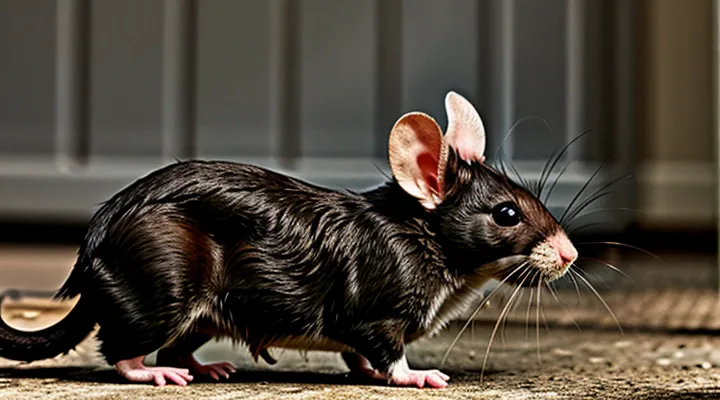
Understanding Large-Eared Rat Breeds
Origin and History
Development of Dumbo Rats
Dumbo rats originated in the 1990s through selective breeding of standard pet rats that displayed naturally enlarged ear pinnae. Breeders identified individuals with pronounced ear growth and repeatedly paired them, establishing a line distinguished by the hallmark ear size.
The trait results from a recessive mutation affecting cartilage development in the auricular region. Homozygous carriers exhibit the full ear enlargement, while heterozygotes retain normal ear dimensions. Maintaining the phenotype requires careful genetic tracking; breeding two carriers guarantees a 25 % chance of producing offspring with the desired ear size, a 50 % chance of carriers, and a 25 % chance of normal‑ear rats.
Development of the breed also produced secondary characteristics: softer fur, a tendency toward a more docile temperament, and a slightly larger body mass compared with conventional laboratory strains. These features emerged as by‑products of the selection pressure for ear size and have become identifiers of the line.
Effective husbandry for large‑eared rats includes:
- Spacious cages to accommodate increased mobility and prevent ear injuries.
- Soft bedding to reduce pressure on the delicate pinnae.
- Regular ear inspections for signs of infection or debris buildup.
- Balanced diet rich in protein and essential fatty acids to support cartilage health.
- Environmental temperature control, avoiding extreme cold that can stiffen ear cartilage.
Consistent application of these practices sustains the health of the breed while preserving the distinctive ear morphology that defines Dumbo rats.
Other Large-Eared Varieties
Large‑eared rat varieties share distinct anatomical and behavioral traits that set them apart from standard breeds. Their ears exceed typical proportions, often covering a significant portion of the skull, which influences hearing acuity, thermoregulation, and susceptibility to ear‑related conditions. Coat textures range from smooth to curly, while body size remains comparable to standard rats, allowing integration into existing housing setups.
Key varieties include:
- Mini‑Dumbo – reduced body mass, proportionally large ears; calm disposition, minimal grooming needs.
- Long‑Eared – elongated ear cartilage, heightened sensitivity to drafts; requires insulated cages and regular ear inspections.
- Rex‑Eared – curly fur combined with oversized ears; prone to ear wax buildup, benefits from weekly cleaning.
- Hairless Large‑Eared – absent fur, exposed ears; demands humidity control and skin moisturization to prevent drying.
Health considerations focus on ear hygiene and temperature regulation. Accumulated debris can obstruct airflow, leading to infections; routine inspection and gentle cleaning with saline solution mitigate risk. Large ear surface area accelerates heat loss; supplemental bedding and ambient temperature maintenance (20‑22 °C) prevent hypothermia.
Nutrition parallels that of typical rats: high‑protein pellets, fresh vegetables, limited treats. Adequate calcium and vitamin E support cartilage health, especially in breeds with extensive ear cartilage. Water sources must remain clean to avoid bacterial contamination of the ear canal.
Environmental enrichment remains essential. Toys that encourage chewing reduce stress and promote ear muscle development. Cage size should allow free movement without crowding, facilitating natural ear positioning and preventing chronic bending.
Overall, proper monitoring, controlled climate, and tailored hygiene protocols ensure the well‑being of large‑eared rat strains beyond the primary variety.
Physical Characteristics
Ear Size and Shape
Large‑eared rat varieties display ear dimensions that exceed those of standard laboratory or pet breeds. The pinnae typically measure 1.5 to 2.5 cm in length, with a surface area proportionate to head width, creating a pronounced silhouette. Shape varies from broadly rounded to slightly elongated, often with a gentle taper toward the tip. Skin over the ears is thin, highly vascularized, and covered by a sparse layer of short hair, which facilitates heat exchange but also increases susceptibility to dehydration and trauma.
Effective management of ear morphology requires attention to several factors:
- Temperature regulation: Maintain ambient temperatures between 18 °C and 24 °C; extreme heat can cause rapid fluid loss through the expansive ear surface.
- Humidity control: Keep relative humidity at 45‑55 % to prevent drying of the delicate epidermis.
- Physical protection: Inspect enclosures for protruding objects; provide soft bedding and avoid cages with narrow openings that could pinch the pinnae.
- Hygiene: Clean ear canals weekly with a veterinarian‑approved saline solution to remove wax buildup and reduce infection risk.
- Nutritional support: Include omega‑3 fatty acids and vitamin E in the diet to strengthen skin elasticity and promote vascular health.
Monitoring ear condition—checking for swelling, discoloration, or crusting—allows early detection of problems and supports the overall well‑being of large‑eared rat breeds.
Body Type and Size
Large‑eared rats typically exhibit a compact, muscular build. The torso is short, with a broad chest that supports strong forelimbs. Hindquarters are slightly elevated, giving a low‑profile silhouette when the animal stands. Body length, measured from nose to the base of the tail, ranges from 8 to 12 cm in mature individuals, while the tail adds an additional 5 to 9 cm. Adult weight falls between 150 g and 250 g, with females generally lighter than males.
Key dimensions and care implications:
- Chest girth: 6–8 cm; a spacious cage floor prevents compression of the ribcage and promotes healthy breathing.
- Ear size: 2–3 cm in length; large ears increase heat loss, requiring ambient temperatures between 18 °C and 24 °C to avoid hypothermia.
- Leg musculature: well‑developed; provide climbing structures with sturdy rungs to support strong forelimb activity and prevent joint strain.
- Tail length: proportionate to body; ensure bedding is low‑dust and non‑abrasive to avoid tail injuries during movement.
Nutrition should match the animal’s robust frame. Diets high in protein (18–20 % of total calories) and moderate in fat (5–7 %) supply the muscle mass needed for active locomotion. Regular weight monitoring detects deviations from the 150–250 g range, signaling potential health issues such as obesity or malnutrition.
Hygiene practices must address the enlarged ear surface. Clean the outer ear folds weekly with a cotton swab dampened in a mild saline solution to prevent wax buildup and infection. Observe for redness, swelling, or discharge; immediate veterinary assessment is required if symptoms appear.
Overall, understanding the specific body proportions of large‑eared rats informs enclosure design, temperature regulation, dietary planning, and preventive health measures, ensuring optimal well‑being for this distinctive breed.
Coat Types
Coat texture directly influences grooming frequency, temperature regulation, and skin health in large‑eared rat varieties. Understanding each coat type allows owners to tailor nutrition, habitat humidity, and cleaning routines for optimal well‑being.
- Short, dense coat – smooth to the touch, sheds minimally, requires weekly spot‑cleaning of the fur. Provide a dry environment and a balanced protein diet to maintain coat integrity.
- Medium‑length coat – slightly longer fibers increase the likelihood of matting. Brush gently twice a week, increase ambient humidity to 50‑60 % to prevent dry skin, and supplement with omega‑3 fatty acids.
- Long, silky coat – prone to tangles and debris accumulation. Daily combing prevents knot formation; a humidifier helps retain moisture in the fur. Regular inspection for skin irritation is essential.
- Curly or wavy coat – unique curl pattern traps dirt, demanding thorough brushing every other day. Use a soft‑bristle brush to avoid pulling; maintain moderate humidity and monitor for alopecia.
- Hairless or minimal‑hair coat – skin exposed to environmental factors; keep bedding dust‑free, maintain stable temperature (68‑74 °F), and apply a mild, fragrance‑free moisturizer if dryness appears.
Each coat type dictates specific care protocols, yet all share the requirement for regular health checks, clean living conditions, and a diet rich in essential nutrients. Adjusting environmental parameters and grooming schedules according to coat characteristics ensures the comfort and longevity of rats with pronounced ears.
Care and Husbandry for Large-Eared Rats
Housing Requirements
Cage Size and Setup
Large‑eared rats require an enclosure that accommodates their active nature and generous ear size without restricting movement. A minimum floor area of 120 cm × 60 cm (approximately 48 in × 24 in) per pair provides sufficient space for exploration and social interaction; larger groups benefit from proportionally increased dimensions. Height should be at least 30 cm (12 in) to allow vertical climbing, a natural behavior for this breed.
The cage frame must be constructed from sturdy, rust‑free metal or solid hardwood to prevent deformation under constant use. Wire spacing should not exceed 1 cm (0.4 in) to deter escape while maintaining adequate airflow. A solid base made of washable plastic or metal simplifies disinfection and prevents moisture accumulation.
Key accessories for a functional habitat include:
- Multi‑level platforms and ramps constructed from chew‑safe wood or acrylic.
- Hideaways such as PVC tunnels, ceramic huts, or woven shelters to reduce stress.
- Nesting material (e.g., shredded paper or aspen bedding) placed in a designated corner.
- A water bottle with a stainless‑steel spout and a heavy‑base food dish to prevent tipping.
Placement of the enclosure should be on a stable surface away from direct sunlight, drafts, and temperature fluctuations. Regular maintenance involves weekly removal of soiled bedding, daily topping off of fresh water, and a full cleaning cycle with mild, non‑toxic detergent every two weeks. Inspect wire integrity and lock mechanisms regularly to ensure safety.
By adhering to these specifications, owners provide a secure, stimulating environment that supports the health and well‑being of rats with pronounced ears.
Bedding and Enrichment
Bedding for large‑eared rats must be absorbent, dust‑free, and safe for chewing. Aspen shavings, paper‑based pellets, and untreated hemp provide the required moisture control while minimizing respiratory irritation. Avoid pine or cedar, whose aromatic oils can damage delicate nasal passages. Replace the substrate at least twice weekly to prevent ammonia buildup and maintain a dry environment.
Enrichment supports the breed’s heightened auditory and tactile senses. Provide a variety of textures such as untreated cardboard tunnels, natural wood blocks, and silicone chew toys. Rotate items weekly to sustain interest and encourage exploratory behavior. Include auditory stimuli—soft music or recorded natural sounds—at low volume to engage the species’ large ears without causing stress. Regular handling sessions, puzzle feeders, and climbing structures promote mental agility and physical health, reducing the likelihood of stereotypic behaviors.
Diet and Nutrition
Balanced Rat Diet
A balanced diet is essential for rats with pronounced ear size, as their metabolic demands differ slightly from average specimens. Proper nutrition supports ear cartilage development, auditory health, and overall vitality.
-
Protein: 18‑20 % of calories from high‑quality sources such as cooked chicken, boiled egg, or commercial rodent pellets fortified with animal protein. Protein aids tissue repair and growth of enlarged ear structures.
-
Fat: 5‑7 % of calories from unsaturated fats found in nuts, seeds, and small amounts of vegetable oil. Fat supplies energy for active grooming and thermoregulation, which large ears amplify.
-
Fiber: 10‑12 % of diet from timothy hay, wheat bran, and fresh vegetables. Fiber ensures gastrointestinal motility and prevents fecal impaction, a common issue in rodents with higher body mass.
-
Vitamins and Minerals: Adequate calcium, phosphorus, and vitamin D are critical for bone and cartilage integrity. Include calcium‑rich foods (e.g., low‑fat cheese, fortified plant milks) and occasional vitamin D supplements under veterinary guidance.
-
Water: Constant access to clean, fresh water prevents dehydration, which can exacerbate ear skin dryness. Use a sipper bottle to maintain hygiene.
Feeding schedule should consist of two measured meals per day, each providing a consistent portion of the total caloric requirement. Monitor body condition weekly; adjust portions if weight fluctuates beyond a 5 % range. Observe ear skin for signs of irritation or excess oil, which may indicate dietary imbalance.
Regular veterinary checks, combined with the outlined nutritional framework, promote optimal health for rats distinguished by their large ears.
Treats and Supplements
Treats and supplements for large‑eared rats must complement a balanced diet while addressing the breed’s heightened auditory sensitivity and energetic disposition. High‑quality protein sources, such as freeze‑dried insects or low‑fat jerky, support muscle development and auditory nerve health. Calcium‑rich options—soft cheese, fortified yogurt, or calcium tablets—prevent bone demineralization common in fast‑growing individuals. Vitamin E and omega‑3 fatty acids, found in small amounts of flaxseed oil or fish oil, protect inner‑ear cells from oxidative stress.
Recommended items:
- Small pieces of boiled chicken breast (no seasoning) – 1–2 g per day.
- Freeze‑dried mealworms – 0.5 g, three times weekly.
- Low‑fat cottage cheese – 1 g, twice weekly.
- Calcium supplement (powder) – 0.1 g mixed into fresh water, weekly.
- Fish oil capsule – 1 mg per kg body weight, twice weekly.
Supplementation should follow veterinary guidance. Excess calcium can cause urinary calculi; over‑feeding fatty treats may lead to obesity and hearing‑related inflammation. Monitor weight, coat condition, and activity level weekly. Adjust portions if any signs of digestive upset appear.
Water‑soluble multivitamin powders, administered once a week, provide B‑complex vitamins that sustain energy metabolism. Avoid sugary snacks, artificial sweeteners, and high‑fat nuts, as they increase the risk of metabolic disorders and impair auditory function. Regular health checks ensure that nutritional interventions remain appropriate for the specific physiological demands of large‑eared rats.
Health Considerations
Common Health Issues
Large‑eared rats are prone to several health conditions that require vigilant monitoring. Respiratory infections frequently arise because the breed’s prominent ear structures can harbor excess moisture, creating an environment conducive to bacterial and viral agents. Early signs include sneezing, nasal discharge, and labored breathing; prompt veterinary assessment is essential to prevent progression.
Dental problems are common due to the species’ continuously growing incisors. Overgrowth leads to malocclusion, difficulty eating, and oral ulcerations. Regular inspection of the teeth and provision of appropriate chew objects help maintain proper length and alignment.
Skin disorders often affect the extensive ear folds. Moisture accumulation can cause dermatitis, fungal infections, and ulceration. Clean, dry ear canals and routine grooming reduce the risk of inflammation and secondary infection.
Typical health concerns
- Respiratory infections (bacterial, viral, fungal)
- Dental malocclusion and overgrowth
- Ear dermatitis and fungal otitis
- Gastrointestinal stasis caused by stress or diet
- Parasite infestations (mites, lice)
Preventive and therapeutic measures
- Keep enclosure humidity between 40‑50 % and ensure adequate ventilation.
- Provide daily fresh water and a balanced diet rich in fiber to support digestion and dental health.
- Offer safe chew toys and rotate them to promote natural tooth wear.
- Clean ears with a veterinarian‑approved solution, dry thoroughly, and inspect weekly for redness or discharge.
- Schedule routine veterinary examinations at least twice a year, including dental checks and parasite screening.
Adhering to these guidelines minimizes the incidence of common ailments and supports the overall well‑being of large‑eared rats.
Ear-Related Problems
Large‑eared rat breeds are prone to specific ear‑related health issues because the expanded auricular surface creates an environment where moisture, debris, and parasites can accumulate more readily than in short‑eared varieties.
Common ear problems include:
- Otitis externa (inflammation of the outer ear canal) caused by bacterial or fungal overgrowth.
- Mite infestations, especially Radfordia spp., that thrive in the warm, humid folds of the pinna.
- Wax buildup leading to blockage, discomfort, and secondary infection.
- Traumatic injuries from scratching or rough handling, resulting in bruising or lacerations.
- Progressive hearing loss associated with chronic inflammation or age‑related degeneration.
Effective management relies on regular observation and targeted interventions. Recommended practices are:
- Daily visual inspection of both ears for redness, swelling, discharge, or parasites.
- Weekly cleaning with a veterinarian‑approved ear solution, applied with a soft cotton tip and avoiding deep insertion.
- Immediate treatment of identified mites or bacterial infections using prescribed topical or systemic medications.
- Maintenance of a dry living environment; provide bedding that absorbs moisture and reduce humidity levels to below 60 %.
- Scheduled veterinary examinations at least twice yearly to monitor ear health and adjust care protocols as needed.
Implementing these measures minimizes the incidence of ear‑related complications and supports overall well‑being in rats with pronounced auricular development.
Veterinary Care
Large‑ear rats require veterinary attention focused on ear health, nutrition, and routine preventive measures. Regular examinations allow early detection of infections, dental overgrowth, and respiratory issues common in this phenotype.
Ear care is paramount. Clean the outer ear with a veterinarian‑approved solution weekly; avoid inserting cotton swabs deep into the canal. Inspect for redness, discharge, or odor, and seek professional treatment at the first sign of otitis.
Nutrition impacts ear and skin condition. Provide a balanced diet rich in protein and low in excess fats; incorporate fresh vegetables for vitamins A and E, which support epithelial health. Monitor body condition to prevent obesity, a risk factor for musculoskeletal strain in breeds with pronounced ear cartilage.
Dental health influences overall wellbeing. Schedule semi‑annual dental checks; trim overgrown incisors under sedation if necessary. Provide chew toys to promote natural wear and reduce the likelihood of malocclusion.
Preventive care includes vaccination against common rodent pathogens, quarterly parasite screenings, and annual blood work to assess organ function. Maintain a clean enclosure, replace bedding regularly, and control humidity to limit fungal growth that can affect the ears.
A concise care checklist:
- Weekly ear cleaning with prescribed solution
- Visual ear inspection for inflammation or debris
- Balanced diet with adequate vitamins
- Semi‑annual dental examination and trimming
- Vaccination schedule adherence
- Quarterly parasite testing
- Annual blood panel and organ assessment
- Enclosure sanitation and humidity control
Consistent veterinary oversight, combined with diligent at‑home practices, sustains the health of large‑ear rat breeds and minimizes the incidence of breed‑specific ailments.
Socialization and Behavior
Interaction with Humans
Large‑eared rats readily form bonds with people when introduced to calm, consistent handling. Gentle restraint during routine health checks reduces stress, allowing clear observation of ear condition and overall well‑being. Frequent, brief sessions encourage trust without overwhelming the animal.
Interaction benefits both parties. Humans gain insight into the animal’s temperament, while the rats receive mental stimulation that mitigates boredom‑related behaviors such as excessive chewing or self‑grooming. Direct contact, such as hand‑feeding small treats, reinforces positive associations and supports weight management.
Effective communication relies on body language. Slow, deliberate movements signal safety; sudden gestures trigger defensive ear flattening or retreat. Vocal cues, including soft tones, complement tactile signals and help establish a predictable environment.
Key practices for responsible human‑rat interaction:
- Schedule daily handling periods of 5–10 minutes per rat.
- Use both hands to support the torso and avoid pressure on the ears.
- Observe ear posture; erect ears indicate alertness, flattened ears suggest fear.
- Provide enrichment items (tunnels, chew toys) during interaction to promote exploration.
- Rotate handling order to prevent dominance hierarchies among multiple rats.
Regular assessment of ear health during contact sessions enables early detection of infections or injuries. Prompt veterinary care, combined with proper hygiene, preserves the breed’s distinctive auditory features and contributes to long‑term welfare.
Group Dynamics
Large‑eared rats exhibit distinct social structures that affect health, breeding success, and enclosure management. Understanding group dynamics is essential for maintaining stable colonies and preventing stress‑related diseases.
Individuals establish a hierarchy through brief confrontations, scent marking, and dominance displays. Dominant rats control access to food, nesting material, and preferred sleeping spots. Subordinate members typically avoid direct conflict, positioning themselves near peripheral zones of the cage. This arrangement reduces aggression but may limit the intake of high‑quality resources for lower‑ranked animals.
Breeding pairs should be selected from stable hierarchies. Introducing a new male into an established group often triggers territorial disputes lasting 24–48 hours, during which injuries are common. To minimize disruption, separate the newcomer in a neutral enclosure for at least one week before integration, allowing scent exchange without physical contact.
Group size influences environmental requirements. A colony of four to six large‑eared rats needs a minimum floor area of 0.5 m², with multiple levels and hiding places to accommodate hierarchical spacing. Overcrowding accelerates cortisol release, leading to weight loss and immunosuppression.
Key practices for managing group dynamics:
- Observe daily interactions; intervene only when physical injury occurs.
- Rotate enrichment items to prevent monopolization by dominant individuals.
- Provide identical feeding stations to reduce competition.
- Conduct regular health checks, focusing on bite wounds and respiratory signs.
- Record hierarchy changes after any introduction or removal of members.
Consistent monitoring and structured enrichment support harmonious colonies, enhance reproductive outcomes, and promote overall welfare of rats with prominent ears.
Enrichment and Play
Large‑eared rats require stimulation that matches their heightened auditory and tactile perception. Enrichment should engage both senses while encouraging natural foraging and climbing behaviors.
- Multi‑level cages with sturdy platforms and ramps
- Hide‑aways constructed from untreated wood or cardboard
- Chewable items such as natural branches, sisal rope, and mineral blocks
- Puzzle feeders that dispense small food portions when manipulated
- Audio devices playing low‑volume rustling or soft music to exploit sensitive hearing
Rotate objects every two to three weeks to prevent habituation. Observe each rat for signs of stress or over‑excitement; remove items that cause aggressive biting or excessive noise. Ensure all materials are non‑toxic and free of sharp edges.
Regular play sessions outside the cage, supervised on a secure, escape‑proof surface, reinforce muscle development and social interaction. Provide a shallow ball pit or a tunnel system to mimic burrowing. Limit session length to ten minutes per animal to avoid fatigue.
Consistent enrichment supports weight management, dental health, and mental well‑being in breeds with pronounced ear size. Properly planned play schedules and varied stimuli reduce stereotypic behaviors and promote a balanced, healthy life.
Choosing a Large-Eared Rat
Reputable Breeders
When seeking a source for large‑eared rats, verify the breeder’s credentials before any transaction. Established breeders typically maintain a registered business name, provide a physical address, and possess a valid animal‑care license. Documentation of health screenings—such as tests for respiratory infections, parasites, and genetic anomalies—demonstrates a commitment to animal welfare.
Key indicators of reliability include:
- Transparent breeding records showing lineage, age, and health history for each animal.
- Availability of a written contract outlining guarantees, return policies, and post‑sale support.
- Positive references from previous customers and membership in recognized rodent‑breeding associations.
- Regular facility inspections, clean housing conditions, and evidence of proper nutrition and enrichment.
Reputable breeders often offer guidance on husbandry specific to the breed’s prominent ears, such as recommended cage dimensions, humidity control, and ear‑care routines. They may supply starter kits containing appropriate bedding, chew toys, and dietary recommendations tailored to the breed’s metabolic needs.
Maintain communication after purchase; a responsible breeder will answer questions, provide veterinary contacts, and update care protocols as new research emerges. This ongoing relationship ensures the health of the rats and supports the owner’s ability to meet the breed’s unique requirements.
Adoption Considerations
Adopting a large‑eared rat requires careful assessment of several practical factors. Prospective owners should verify that the animal’s size and ear length do not exceed the spatial limits of their habitat. A cage with a minimum floor area of 0.5 m² and a height of at least 40 cm accommodates the breed’s extended auditory appendages and facilitates comfortable movement.
Health considerations demand a veterinarian experienced with exotic rodents. Large ears can predispose individuals to ear infections and mites; regular inspections and prompt treatment are essential. Vaccination records, deworming history, and a recent health check should be obtained before finalizing the adoption.
Social dynamics influence welfare. These rats thrive in groups of three or more, provided that introductions are gradual and monitored for aggression. If a single rat is adopted, the owner must commit to daily interaction to prevent loneliness and stress‑related behaviors.
Financial responsibilities include:
- Initial veterinary examination and possible ear‑specific treatments.
- Ongoing costs for high‑quality bedding, enrichment toys, and a balanced diet rich in protein and fiber.
- Replacement of cage components that may wear out due to vigorous chewing.
Legal and ethical aspects must not be overlooked. Verify that local regulations permit ownership of this specific rodent type and that the source follows reputable breeding practices, avoiding animals from unlicensed or profit‑driven operations. Documentation confirming the rat’s origin and health status should accompany the adoption paperwork.
Temperament and Compatibility
The large‑eared rat exhibits a calm disposition combined with high curiosity. Individuals readily explore new objects, demonstrate consistent grooming habits, and respond positively to regular handling. Their sociability extends to both human caretakers and conspecifics, reducing stress when housed in groups.
Activity peaks during twilight hours; brief sessions of supervised play prevent boredom. The breed learns simple tasks quickly, indicating strong problem‑solving ability. Consistent interaction reinforces trust and minimizes defensive biting.
Compatibility with people varies by age group. Adults and seniors benefit from the rat’s low‑maintenance nature and steady affection. Children should receive supervision to ensure gentle handling, as the species tolerates short periods of handling but may react defensively to rough treatment. The breed’s size and ear structure do not affect its suitability for indoor companionship.
Compatibility with other rats follows established social hierarchies. Cohabitation is optimal with same‑sex groups or mixed groups containing one dominant male. Introducing new members requires a quarantine period of at least two weeks and gradual visual exposure before physical contact. Overcrowding leads to increased aggression and fur loss.
Compatibility with other household pets includes:
- Dogs: Acceptable when the dog is leashed or confined during rat interaction; supervision is mandatory.
- Cats: Generally unsafe; predatory instinct makes cohabitation risky.
- Birds: Potential stress for both species; separate enclosures recommended.
Overall, the temperament of large‑eared rats supports integration into most domestic environments when proper social structures and supervision are maintained.