
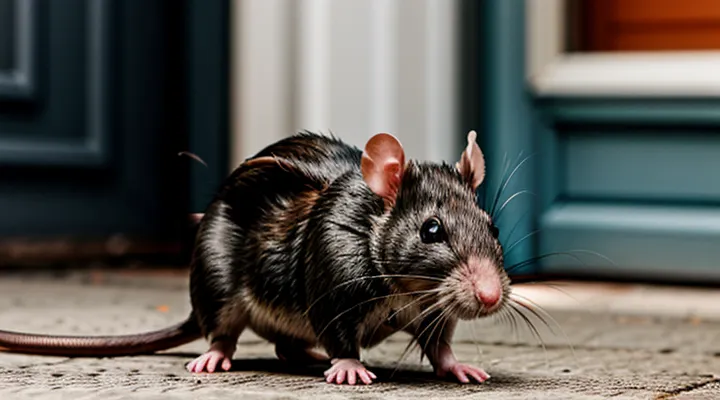
Understanding Rat Respiratory Health
Recognizing Abnormal Breathing
Flank Breathing: What it Looks Like
Flank breathing manifests as pronounced movement of the lateral thoracic wall while the animal inhales and exhales. The ribs expand outward on each side, creating a visible bulge that follows the rhythm of respiration. This motion is most evident when the animal is at rest, as the lateral muscles contract to draw air into the lungs.
Typical characteristics include:
- Symmetrical rise and fall of both sides of the rib cage;
- Minimal abdominal displacement compared with thoracic expansion;
- Rapid, shallow cycles when the animal is stressed or experiencing airway obstruction;
- Audible wheeze that coincides with each inspiratory effort.
Distinguishing flank breathing from normal respiration requires observation of the amplitude and timing of the lateral movements. In healthy subjects, side expansion is modest, and the breath cycle is regular. Excessive lateral motion, especially when paired with audible wheezing, signals respiratory distress or an underlying condition such as upper airway obstruction, fluid accumulation, or neuromuscular impairment.
The visual pattern of flank breathing often accompanies the side‑dominant breathing pattern observed in rodents that exhibit wheezing. The combination suggests compromised airway patency, increased airway resistance, or inflammation. Recognizing the characteristic lateral expansion enables early identification of the physiological factors driving the abnormal breathing pattern and guides targeted diagnostic and therapeutic actions.
Wheezing: The Sounds to Listen For
Wheezing is a distinct, noisy airflow that signals airway restriction. When a rat breathes from one side, the presence of wheeze often reveals the specific pathological process affecting the respiratory system.
Typical wheeze characteristics include:
- Pitch: high‑frequency tones (up to 2 kHz) suggest narrowed bronchi; lower‑frequency sounds (below 500 Hz) often indicate larger airway obstruction.
- Timing: expiratory wheeze points to bronchiolar collapse during exhalation; inspiratory wheeze reflects obstruction that becomes apparent when the airway opens on inhalation.
- Quality: fine, musical wheeze denotes mild, diffuse constriction; coarse, rattling wheeze suggests mucus accumulation or severe narrowing.
- Persistence: continuous wheeze across several breaths may indicate chronic inflammation; intermittent bursts are common with acute irritation or foreign material.
Recognizing these acoustic patterns helps differentiate between causes such as allergic inflammation, bacterial pneumonia, fluid buildup, or structural anomalies that force the animal to favor one nostril. Accurate auditory assessment, combined with visual observation of side‑biased breathing, provides a reliable indicator of the underlying respiratory disturbance.
Why Rats are Prone to Respiratory Issues
The Delicate Nature of Their Respiratory System
Rats possess a respiratory system that balances high oxygen demand with a compact anatomical layout. Air enters through narrow nasal passages, passes a short trachea, and reaches bronchi that branch into extremely fine alveolar sacs. The alveolar walls are only a few micrometers thick, allowing rapid diffusion but leaving little margin for structural compromise.
Key structural characteristics include:
- Airway diameters averaging 0.5 mm, prone to collapse under increased resistance.
- Alveolar surface area maximized relative to body mass, increasing susceptibility to edema.
- Muscular control of the diaphragm and intercostal muscles limited by the animal’s small thoracic cavity.
These features render rats vulnerable to conditions that produce lateral breathing and audible wheezing. Primary triggers are:
- Upper‑respiratory infections that inflame mucosal lining, narrowing passages.
- Inhalation of dust, smoke, or volatile chemicals that irritate bronchial smooth muscle, causing constriction.
- Aspiration of food particles or foreign material leading to partial obstruction.
- Congenital malformations such as tracheal stenosis or malformed cartilage rings.
- Cardiovascular stress that elevates pulmonary pressure, forcing the animal to breathe through alternative thoracic routes.
When airflow encounters increased resistance, rats often shift to side‑wall expansion of the thorax, a compensatory mechanism that produces the characteristic lateral breathing pattern. Concurrent turbulent flow through narrowed bronchi generates wheeze‑like sounds detectable during auscultation.
Accurate identification of the underlying cause requires careful observation of breathing rhythm, auscultatory assessment of wheeze frequency, and, when possible, radiographic or endoscopic examination. Prompt intervention—antibiotics for infection, removal of irritants, or surgical correction of obstructions—helps preserve the fragile pulmonary architecture and prevents progression to respiratory failure.
Environmental Factors That Contribute
Side breathing and wheezing in rats signal compromised airway function. Persistent exposure to adverse environmental conditions accelerates the onset of these symptoms and can worsen existing respiratory disease.
- Inadequate ventilation allows accumulation of airborne irritants.
- Elevated humidity fosters mold growth and bacterial proliferation.
- Dust particles from bedding, feed, or cage material provoke inflammatory responses.
- Ammonia, generated by urine decomposition, irritates the tracheal epithelium.
- Temperature fluctuations stress thermoregulatory mechanisms, leading to bronchoconstriction.
- Volatile organic compounds from cleaning agents or disinfectants act as chemical irritants.
- Allergens such as pollen, animal dander, or fungal spores trigger hypersensitivity.
- Overcrowding increases pathogen load and limits airflow.
- Smoke from heating or nearby combustion sources introduces particulate matter.
Research links each factor to measurable changes in respiratory rate, lung compliance, and wheeze intensity. Reducing ammonia levels, maintaining stable temperature and humidity, employing low‑dust bedding, and ensuring continuous fresh‑air exchange collectively lower the incidence of side breathing and wheezing in laboratory and pet rat populations.
Common Causes of Respiratory Distress
Infectious Agents
Mycoplasma pulmonis
Mycoplasma pulmonis is a cell‑wall‑deficient bacterium that colonizes the respiratory tract of laboratory and pet rats. The organism adheres to the epithelium of the trachea and bronchi, evading host defenses and establishing chronic infection.
Infection induces inflammation of the lower airways, thickening of the bronchial walls and production of exudate. These changes increase airway resistance, forcing the animal to expand the thoracic cavity laterally during inspiration. The narrowed passages generate audible wheezing during both inhalation and exhalation.
Typical clinical manifestations include:
- Lateral or “side‑to‑side” breathing movements
- High‑pitched wheezes audible without auscultation
- Nasal discharge, often serous to muco‑purulent
- Reduced activity and weight loss in advanced cases
Definitive diagnosis relies on:
- Culturing respiratory samples on specialized agar under microaerophilic conditions
- Polymerase chain reaction assays targeting Mycoplasma‑specific genes
- Histopathology showing peribronchial infiltrates and epithelial hyperplasia
Control measures consist of:
- Housing rats in pathogen‑free environments
- Using antibiotic regimens effective against mycoplasmas, such as tetracyclines or macrolides
- Implementing routine screening of breeding colonies to prevent vertical transmission
Understanding the role of Mycoplasma pulmonis clarifies why affected rats display side‑dominant respiration and wheezing, and guides targeted therapeutic interventions.
Bacterial Infections
Bacterial infections are a frequent underlying factor in rats that exhibit lateral breathing and audible wheezing. These pathogens invade the respiratory tract, provoke inflammation, and obstruct airflow, resulting in abnormal thoracic movements and harsh expiratory sounds.
Common bacterial agents include:
- Pasteurella multocida: colonizes the nasal passages and lungs, produces purulent exudate, and may cause pleuritis.
- Streptococcus pneumoniae: induces alveolar consolidation, leading to reduced lung compliance and audible wheeze.
- Klebsiella pneumoniae: generates thick mucus, obstructs bronchi, and contributes to side‑to‑side chest expansion.
- Mycoplasma pulmonis: attaches to respiratory epithelium, disrupts ciliary function, and creates a persistent wheezing pattern.
Pathophysiology follows a sequence: bacterial adherence → epithelial damage → inflammatory cell infiltration → edema and exudate formation → airway narrowing. The resulting increase in airway resistance forces the animal to engage accessory muscles, producing the characteristic lateral chest motion.
Diagnostic approach:
- Clinical observation of side breathing and wheeze.
- Radiographic imaging to detect infiltrates or pleural effusion.
- Nasal or lung lavage for bacterial culture and sensitivity testing.
- Hematology to identify leukocytosis or neutrophilia.
Treatment protocol:
- Empiric broad‑spectrum antibiotics (e.g., enrofloxacin, doxycycline) pending culture results.
- Supportive care: humidified oxygen, nebulized saline to thin secretions.
- Anti‑inflammatory agents (e.g., meloxicam) to reduce edema.
- Isolation of affected individuals to prevent colony spread.
Prevention measures focus on hygiene and health monitoring:
- Regular cage cleaning and disinfection.
- Quarantine of new arrivals for at least two weeks.
- Routine health checks to detect early respiratory signs.
- Vaccination against Klebsiella and Streptococcus strains where available.
Recognizing bacterial infection as a cause of atypical breathing patterns enables timely intervention, reduces morbidity, and preserves the overall health of laboratory or pet rat populations.
Viral Infections
Rats exhibiting lateral chest movements and audible wheezing often suffer from viral respiratory infections. These pathogens attack the upper and lower airways, leading to inflammation, mucus accumulation, and bronchial constriction, which together produce the characteristic side‑to‑side breathing pattern and harsh sounds on exhalation.
Common viral agents include:
- Sendai virus – primary cause of murine parainfluenza, induces severe bronchiolitis.
- Mycoplasma pulmonis – frequently co‑infects with viruses, amplifies airway obstruction.
- Rat coronavirus (RCV) – targets alveolar epithelium, results in diffuse lung inflammation.
- Adenovirus strains – cause epithelial necrosis and secondary bacterial colonisation.
- Hantavirus – rare in laboratory colonies, may trigger hemorrhagic pulmonary syndrome.
Pathophysiological mechanisms:
- Viral replication damages ciliated cells, impairing mucociliary clearance.
- Cytokine release (IL‑6, TNF‑α) increases vascular permeability, producing edema.
- Airway smooth‑muscle hyperreactivity narrows bronchioles, forcing the animal to use accessory muscles and generate lateral thoracic excursions.
- Accumulated secretions generate turbulent airflow, heard as wheezes.
Diagnostic approach:
- Clinical observation of side‑to‑side thoracic motion and wheezing.
- Nasal or oropharyngeal swabs for PCR detection of viral nucleic acids.
- Chest radiographs showing peribronchial infiltrates.
- Histopathology confirming viral inclusion bodies and inflammatory infiltrates.
Management strategies:
- Isolation of affected individuals to prevent spread.
- Supportive care: humidified oxygen, gentle bronchodilators, and fluid therapy.
- Antiviral agents (e.g., ribavirin) administered under veterinary guidance for specific viruses.
- Antimicrobial prophylaxis when secondary bacterial infection is suspected.
Preventive measures focus on rigorous biosecurity, regular health monitoring, and vaccination where available, reducing the incidence of viral respiratory disease and its associated abnormal breathing patterns.
Environmental Irritants
Ammonia Levels in Enclosures
Ammonia accumulates in rodent enclosures when urine and feces decompose, especially in poorly ventilated cages. Elevated concentrations irritate the respiratory mucosa, leading to abnormal lateral breathing patterns and audible wheezing in affected rats. The irritant effect is dose‑dependent; even modest increases above 15 ppm can provoke noticeable respiratory distress.
Sources of excess ammonia include infrequent cleaning, high animal density, wet bedding, and inadequate airflow. When nitrogenous waste is not promptly removed, bacterial activity converts it to ammonia, which then volatilizes into the cage atmosphere. Persistent exposure compromises ciliary function, reduces oxygen exchange efficiency, and predisposes rats to secondary infections.
Effective control measures:
- Clean cages daily, removing soiled bedding and waste.
- Use low‑dust, highly absorbent bedding materials.
- Maintain cage temperature and humidity within optimal ranges (20‑24 °C, 40‑60 % RH) to limit bacterial growth.
- Ensure continuous airflow through ventilation slots or filtered air systems.
- Monitor ammonia with portable sensors, adjusting management practices when levels approach 10 ppm.
Regular assessment of ammonia concentrations, combined with strict hygiene and ventilation protocols, directly reduces the incidence of side breathing and wheezing, supporting overall respiratory health in laboratory and pet rat populations.
Dust and Bedding Choices
Dust particles and bedding material are primary contributors to respiratory distress in rodents, often manifesting as lateral breathing and audible wheeze. Fine particulate matter irritates the nasal passages and lower airways, reducing airflow and prompting compensatory side‑to‑side thoracic movements. Bedding that releases fibers or dust can exacerbate this effect, especially in confined environments where air exchange is limited.
Key considerations for minimizing dust‑related respiratory problems:
- Choose low‑dust bedding such as paper‑based products, compressed wood pulp, or hemp; avoid pine, cedar, or scented varieties that emit volatile compounds and fine debris.
- Replace bedding regularly, typically every 3–5 days, to prevent accumulation of settled particles.
- Store unused bedding in airtight containers to limit exposure to ambient dust before use.
- Implement a filtration system or HEPA‑rated air purifier to capture airborne particles, maintaining indoor particulate concentrations below 5 µg/m³.
- Conduct routine health checks for signs of labored breathing, noting any correlation with recent bedding changes.
By selecting bedding with minimal particulate release and maintaining a clean, well‑ventilated habitat, caretakers can significantly reduce the incidence of side breathing and wheezing in rats, supporting overall respiratory health.
Scented Products and Aerosols
Rats exposed to scented products and aerosols often develop abnormal breathing patterns, including lateral respiration and audible wheezing. Volatile organic compounds (VOCs) released from fragrances act as irritants to the delicate respiratory epithelium, provoking bronchoconstriction and mucus hypersecretion. Aerosol droplets penetrate deep into the alveolar space, delivering particulate matter and dissolved chemicals directly to the airway surface.
Key agents in scented formulations that provoke respiratory distress include:
- Eucalyptol, camphor, and menthol, which stimulate sensory nerves and trigger reflex bronchospasm.
- Synthetic fragrance aldehydes (e.g., cinnamaldehyde, benzaldehyde) that disrupt surfactant function.
- Phenoxyethanol and parabens, known to elicit inflammatory responses in rodent airway tissue.
- Propylene glycol, a carrier in many sprays, which can cause osmotic irritation when aerosolized.
Aerosol delivery systems contribute additional risk factors:
- Fine particle size (<5 µm) enables deposition in the lower respiratory tract.
- Propellant gases (e.g., butane, propane) produce transient hypoxia and irritant effects.
- Repeated exposure to fogger or mist applications raises cumulative airway load, intensifying wheeze frequency.
Mitigation strategies focus on environmental control and product selection. Removing scented candles, plug‑in diffusers, and aerosolized cleaners from rodent housing eliminates primary VOC sources. When fragrance use is unavoidable, choose formulations with low‑irritancy essential oils and verify that aerosol output complies with particle‑size limits below 10 µm. Regular ventilation and air filtration reduce ambient concentrations, decreasing the likelihood of side‑breathing episodes and wheezing in affected rodents.
Allergies
Identifying Potential Allergens
Rats that exhibit lateral breathing and audible wheezing often suffer from respiratory irritation triggered by environmental allergens. Accurate identification of these substances is essential for effective mitigation.
Key allergen categories include:
- Dust mites and their fecal particles – accumulate in bedding, nesting material, and cage corners.
- Mold spores – proliferate on damp substrates, cardboard boxes, and humid bedding.
- Plant pollen – infiltrates cages through ventilation or contaminated food.
- Insect fragments – shed from beetles, flies, or mites that may inhabit storage areas.
- Chemical irritants – cleaning agents, aerosolized disinfectants, and scented bedding additives.
Diagnostic steps:
- Conduct visual inspection of the enclosure for visible mold growth, excess moisture, or accumulated debris.
- Collect air samples using a portable particulate monitor to quantify dust and spore concentrations.
- Perform swab tests on bedding and surfaces for mite antigens and insect residues.
- Review the composition of food and treats for pollen or botanical additives.
- Replace suspect materials with hypoallergenic alternatives and monitor respiratory changes over 48‑72 hours.
Eliminating identified allergens reduces airway inflammation, stabilizes breathing patterns, and diminishes wheezing episodes in affected rodents.
Other Contributing Factors
Heart Conditions
Abnormal lateral breathing and wheezing in rats often signal underlying cardiac pathology. The respiratory pattern reflects compromised circulatory function, and several heart disorders are directly linked to this presentation.
- Congestive heart failure increases pulmonary venous pressure, leading to fluid accumulation in lung tissue. Fluid impairs airway patency and forces the animal to adopt side‑lying breaths to reduce thoracic resistance, producing audible wheeze.
- Valvular insufficiency, particularly mitral regurgitation, creates regurgitant flow that elevates left atrial pressure. Elevated pressure transmits to pulmonary capillaries, provoking edema and obstructive airflow during exhalation.
- Cardiomyopathy reduces myocardial contractility, decreasing stroke volume. Reduced cardiac output limits oxygen delivery, prompting compensatory rapid, shallow breaths from the lateral thorax and triggering wheezing as airways narrow under hypoxic stress.
- Pericardial tamponade restricts ventricular filling, causing abrupt drops in systemic pressure. The animal responds with irregular side‑to‑side breathing attempts to maximize lung expansion while airway resistance generates wheeze.
Diagnostic evaluation should include echocardiography to assess chamber size and valve function, thoracic radiography to detect pulmonary edema, and electrocardiography for rhythm abnormalities. Early identification of cardiac involvement prevents progression to severe respiratory distress and improves survival outcomes.
Tumors
Tumor growth within the thoracic cavity frequently produces lateral respiratory movements and audible wheezing in laboratory rats. Neoplastic tissue can compress the trachea, bronchi, or lung parenchyma, reducing airway diameter and generating turbulent airflow. Vascular invasion by the tumor may lead to pulmonary edema, further impairing gas exchange and prompting the animal to adopt a side‑to‑side breathing pattern to maximize ventilation of unobstructed lung regions.
Common neoplasms that interfere with normal respiration include:
- Mediastinal lymphomas that encroach on the trachea and major bronchi
- Pulmonary adenocarcinomas causing alveolar collapse and pleural effusion
- Nasal cavity carcinomas obstructing the upper airway, forcing mouth breathing and side‑to‑side thoracic motion
- Metastatic sarcomas infiltrating the diaphragm, limiting its excursion
The mechanical obstruction increases airway resistance, producing high‑pitched wheezes during expiration. Compression of pulmonary vessels diminishes perfusion, creating ventilation‑perfusion mismatch and hypoxemia. The resulting hypoxic drive triggers rapid, shallow breaths that alternate between the left and right thoracic walls, a pattern readily observed during clinical examination.
Veterinarians and researchers identify these respiratory signs by auscultation for wheeze, observation of irregular thoracic movement, and imaging studies such as radiography or micro‑CT. Histopathology confirms tumor type and extent of airway involvement.
Management focuses on early detection, removal of the mass when feasible, and supportive care with oxygen supplementation and bronchodilators. In experimental settings, tumor‑induced respiratory distress can confound physiological measurements; therefore, accurate attribution of side breathing and wheezing to neoplastic causes is essential for data integrity.
Stress and Immune Suppression
Abnormal lateral respiration and wheezing in rats often stem from physiological disturbances linked to psychological stress and weakened immune defenses. Acute or chronic stress activates the hypothalamic‑pituitary‑adrenal axis, elevating glucocorticoid levels that suppress cytokine production and impair mucosal immunity. Reduced immune surveillance permits opportunistic pathogens to colonize the lower airway, provoking inflammation that narrows bronchioles and generates wheezing sounds.
Key mechanisms connecting stress‑induced immunosuppression to respiratory dysfunction include:
- Neuroendocrine modulation: Elevated cortisol diminishes neutrophil activity and hampers antibody synthesis, lowering resistance to bacterial and viral agents that irritate the airway.
- Inflammatory cascade alteration: Suppressed interleukin‑1 and tumor‑necrosis‑factor release limits effective recruitment of immune cells, delaying clearance of mucus and debris.
- Airway smooth‑muscle tone: Stress‑related sympathetic activation increases bronchial constriction, forcing the animal to adopt a side‑lying breathing pattern to maintain oxygen intake.
Consequently, rats experiencing sustained stress exhibit compromised immune responses, heightened susceptibility to respiratory infections, and a propensity for side‑biased breathing coupled with audible wheeze. Mitigating stressors and supporting immune function are essential strategies for preventing these respiratory manifestations.
When to Seek Veterinary Care
Signs of Urgent Concern
When a rat exhibits side‑to‑side respiratory effort combined with audible wheezing, certain clinical indicators demand immediate veterinary intervention. Delayed response can result in rapid deterioration, organ failure, or death.
Key emergency signs include:
- Sudden collapse or inability to remain upright
- Marked cyanosis of the tongue, gums, or extremities
- Respiratory rate exceeding 150 breaths per minute or irregular breathing patterns
- Audible high‑pitched wheeze that intensifies with minimal movement
- Profuse nasal discharge that is blood‑tinged or purulent
- Extreme lethargy, unresponsiveness to stimuli, or seizures
- Rapid heart rate accompanied by weak peripheral pulses
Observation of any of these factors should prompt urgent transport to a qualified exotic‑animal clinic for diagnostic imaging, oxygen therapy, and targeted treatment.
Preparing for a Vet Visit
When a rat shows labored breathing and wheezing, a veterinary appointment becomes urgent. Preparation begins with systematic observation. Note the frequency and duration of side‑to‑side breaths, any audible wheeze, changes in posture, and whether the rat is reluctant to move or eat. Record the exact time each symptom appears and any triggers such as temperature changes, handling, or recent introductions of other animals.
Gather the rat’s health history. Include age, weight, previous illnesses, vaccinations, recent medications, and any recent diet alterations. If the rat has been treated for parasites, infections, or dental problems, list dates and drug names. Bring copies of any prior veterinary records or lab results.
Create a safe transport environment. Use a well‑ventilated carrier lined with soft, non‑abrasive material. Keep the carrier away from drafts, direct sunlight, and extreme temperatures. Place a small water dish to prevent dehydration, but avoid excessive food that could spill and cause stress.
Prepare questions for the veterinarian. Examples include: possible respiratory infections, allergic reactions, environmental irritants, and the need for diagnostic imaging or laboratory tests. Ask about recommended home care, medication administration, and signs that require immediate attention.
Before the visit, limit exposure to strong scents, aerosols, or cleaning chemicals that could aggravate the respiratory system. Ensure the rat’s cage is clean, with fresh bedding and adequate ventilation, to reduce additional stressors.
By documenting symptoms, assembling medical records, providing a stable transport setting, and planning targeted questions, owners equip the veterinarian with the information needed for accurate diagnosis and effective treatment.