
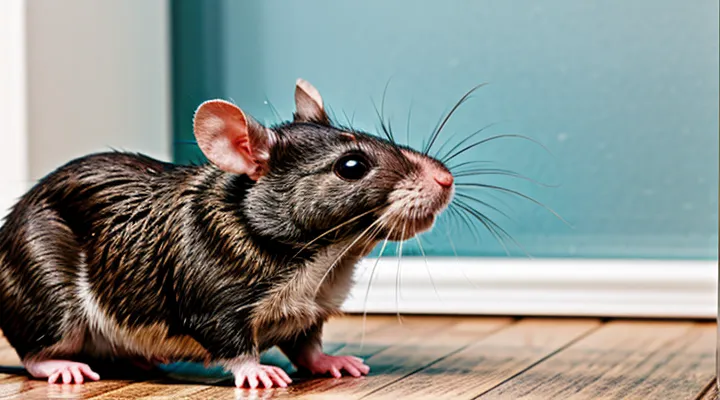
Normal Rat Breathing vs. Labored Breathing
Signs of Respiratory Distress
Rats experiencing respiratory distress exhibit observable changes that signal compromised airway function. Recognizing these indicators enables timely intervention and reduces the risk of severe outcomes.
Typical manifestations include:
- Rapid, shallow breaths exceeding 120 breaths per minute
- Audible wheezing or high‑pitched whistling during inhalation or exhalation
- Open‑mouth breathing, often accompanied by flared nostrils
- Visible effort such as abdominal muscle contractions or chest heaving
- Cyanotic discoloration of the ear pinna or tail tip, indicating oxygen deprivation
- Lethargy or sudden collapse, reflecting systemic hypoxia
- Unusual posture, such as arching the back to facilitate airflow
Additional observations may involve excessive saliva, nasal discharge, or a persistent cough. Any combination of these signs warrants immediate assessment and supportive care, including supplemental oxygen and, when appropriate, veterinary consultation.
Sounds Associated with Breathing Problems
Audible indicators provide the quickest clue that a rat is experiencing respiratory distress. Recognizing specific sounds allows caretakers to intervene before hypoxia develops.
Common respiratory sounds include:
- Wheezing – continuous, musical tone during exhalation; suggests bronchial constriction or fluid accumulation.
- Stridor – high‑pitched, harsh noise on inhalation; points to upper‑airway obstruction such as nasal tumor or swollen turbinates.
- Gasping – irregular, desperate breaths with audible effort; reflects severe hypoxia or acute airway blockage.
- Raspy or crackling breaths – intermittent popping or crackle during both phases of respiration; often indicates pulmonary edema or pneumonia.
- Persistent panting – rapid, shallow breaths without obvious exertion; may result from fever, pain, or metabolic imbalance.
- Coughing or hacking – short, sharp expulsions of air; can accompany infectious agents or foreign material in the trachea.
When any of these sounds are detected, immediate actions should include isolating the animal, minimizing stress, and preparing supplemental oxygen. Veterinary evaluation is required to identify underlying pathology and to administer appropriate treatment such as bronchodilators, antibiotics, or anti‑inflammatory medication. Continuous monitoring of auditory cues remains essential for assessing therapeutic response and preventing fatal outcomes.
Common Causes of Breathing Difficulties in Rats
Mycoplasma pulmonis (Murine Respiratory Mycoplasmosis)
Mycoplasma pulmonis is the primary bacterial agent responsible for murine respiratory mycoplasmosis, a condition that frequently manifests as labored breathing in rats. The organism lacks a cell wall, rendering it resistant to β‑lactam antibiotics and enabling it to adhere tightly to the respiratory epithelium. Transmission occurs through direct contact, aerosolized secretions, and contaminated bedding; vertical spread from dam to offspring is also documented.
Clinical presentation includes:
- Nasal or ocular discharge, often serous to muco‑purulent
- Rhinitis, sinusitis, and otitis media
- Interstitial pneumonia with alveolar consolidation visible on radiographs
- Progressive dyspnea, especially during exertion or in cold environments
Diagnosis relies on a combination of culture on specialized media, polymerase chain reaction targeting the 16S rRNA gene, and serology for specific antibodies. Histopathology reveals peribronchial lymphoid hyperplasia and infiltrates of neutrophils and macrophages.
Therapeutic options focus on antimicrobials capable of penetrating the cell membrane, such as tetracyclines (doxycycline) or macrolides (azithromycin). Treatment courses typically last 10–14 days, with supportive care that includes humidified chambers, temperature regulation, and supplemental oxygen for severe cases.
Control measures emphasize biosecurity:
- Quarantine of new arrivals for a minimum of four weeks, with PCR screening
- Regular sanitation of cages, water bottles, and feed troughs using agents effective against mycoplasmas
- Use of mycoplasma‑free breeding colonies and avoidance of overcrowding
Understanding the pathogenic mechanisms of Mycoplasma pulmonis and implementing targeted diagnostic and management strategies are essential for mitigating respiratory distress in rat populations.
Symptoms of Mycoplasma
Mycoplasma infection is a frequent contributor to respiratory problems in laboratory and pet rats. The organism colonizes the upper and lower airways, producing inflammation that impairs normal ventilation. Clinicians identify the following clinical signs as indicative of Mycoplasma‑related breathing difficulty:
- Nasal or ocular discharge, often clear to slightly mucoid
- Frequent sneezing or snuffling noises
- Audible wheezing or high‑pitched breathing during inspiration and expiration
- Coughing episodes, especially when the animal is handled
- Labored thoracic movements, visible as increased effort to draw air
- Reduced activity levels and mild lethargy
- Progressive weight loss despite adequate food intake
- Elevated body temperature detectable by rectal measurement
These manifestations may appear singly or in combination, and their severity correlates with the bacterial load and the host’s immune status. Early detection through systematic observation of the listed symptoms enables prompt therapeutic intervention, which can prevent escalation to severe hypoxia and associated complications.
Transmission of Mycoplasma
Mycoplasma species are frequent agents of respiratory disease in laboratory and pet rats, provoking nasal discharge, labored breathing, and reduced oxygen intake. The organisms lack a rigid cell wall, enabling them to adhere to epithelial surfaces and evade certain antimicrobial agents, which intensifies pulmonary involvement.
Transmission occurs through several mechanisms:
- Direct nose‑to‑nose or oral contact between animals.
- Inhalation of aerosolized droplets expelled during sneezing or coughing.
- Contaminated bedding, food dishes, and cage accessories (fomite transmission).
- Vertical passage from dam to offspring during gestation or nursing.
- Indirect spread via personnel handling infected rodents without proper protective equipment.
High animal density, inadequate ventilation, and chronic stress increase susceptibility by facilitating pathogen persistence and impairing host immunity. Co‑infection with other respiratory bacteria or viruses further amplifies disease severity.
Control and supportive strategies include:
- Immediate isolation of symptomatic individuals to prevent herd exposure.
- Rigorous cage sanitation, regular bedding replacement, and disinfection of equipment with agents effective against cell‑wall‑deficient bacteria.
- Use of validated mycoplasma‑specific antibiotics (e.g., tetracyclines) following susceptibility testing.
- Provision of supplemental oxygen and humidified air to alleviate hypoxia.
- Monitoring of colony health through periodic PCR screening of nasal swabs and serological assays.
Implementation of these measures reduces transmission risk, mitigates respiratory compromise, and improves overall welfare of affected rat populations.
Other Bacterial Infections
Respiratory distress in rats often results from bacterial pathogens beyond the most frequently cited agents. Species such as Klebsiella pneumoniae, Streptococcus pneumoniae, and Pseudomonas aeruginosa colonize the upper and lower airways, producing purulent exudate that impedes airflow. These organisms release toxins and inflammatory mediators that exacerbate tissue edema and compromise gas exchange.
Clinical signs include rapid, shallow breathing, audible wheezing, nasal discharge, and reduced activity. Laboratory confirmation relies on culture of tracheal or lung tissue, polymerase chain reaction assays targeting species‑specific genes, and cytological examination of bronchoalveolar lavage fluid. Antibiotic susceptibility testing guides targeted therapy, as resistance patterns vary among isolates.
Management strategies comprise:
- Prompt initiation of appropriate antimicrobial agents based on sensitivity results.
- Supportive oxygen therapy to maintain adequate oxygen saturation.
- Hydration and nutritional support to counteract metabolic demands.
- Environmental control, ensuring low humidity and optimal ventilation to limit bacterial proliferation.
Preventive measures focus on strict biosecurity, regular cage cleaning, and quarantine of new arrivals. Vaccination against Streptococcus spp. is available for laboratory colonies and can reduce incidence. Monitoring colony health with routine respiratory examinations facilitates early detection and reduces the likelihood of severe respiratory compromise.
Streptococcal Infections
Streptococcal infections are a frequent bacterial cause of respiratory distress in rats. The organisms colonize the upper airway, produce toxins, and trigger inflammatory exudate that narrows the trachea and bronchi, directly impairing airflow.
The infection initiates with mucosal adherence, followed by rapid multiplication and release of streptolysins. Resulting tissue edema and purulent discharge obstruct the nasopharynx, producing audible wheezing, labored breaths, and reduced oxygen saturation.
Observable signs include nasal discharge, sneezing, audible stridor, open‑mouth breathing, lethargy, and weight loss. In severe cases, cyanosis and sudden death may occur without prompt intervention.
Diagnosis relies on clinical observation combined with laboratory confirmation. Samples for culture or polymerase chain reaction should be obtained from nasal swabs, tracheal lavage, or lung tissue. Hematology often reveals neutrophilic leukocytosis; radiographs may show bronchial thickening.
Effective management consists of antimicrobial therapy and supportive care:
- Administer a bactericidal antibiotic (e.g., enrofloxacin or amoxicillin‑clavulanate) at the recommended dosage for 7–10 days.
- Provide humidified oxygen to alleviate hypoxia.
- Maintain ambient temperature between 20–24 °C to reduce metabolic demand.
- Offer high‑calorie, easily digestible food and ensure constant access to fresh water.
- Monitor respiratory rate and pulse oximetry every 4–6 hours; adjust treatment if deterioration persists.
Early identification and aggressive treatment reduce mortality and promote full recovery of affected rats.
Bordetella bronchiseptica
Bordetella bronchiseptica is a Gram‑negative bacterium that colonizes the respiratory tract of rodents, especially rats. The organism adheres to ciliated epithelium, produces toxins that impair mucociliary clearance, and induces inflammation, leading to reduced airflow and labored breathing.
Clinical manifestations in rats include:
- Nasal discharge, often serous or purulent
- Sneezing and audible wheezing
- Rapid, shallow respiration
- Reduced activity and weight loss
Transmission occurs through direct contact, aerosolized droplets, and contaminated bedding. The pathogen survives several days in moist environments, facilitating spread within densely populated cages.
Diagnosis relies on:
- Observation of characteristic respiratory signs
- Collection of nasal or tracheal swabs for culture or PCR confirmation
- Radiographic evaluation to detect bronchial thickening or pulmonary infiltrates
Therapeutic measures focus on antimicrobial therapy and supportive care:
- Antibiotics effective against B. bronchiseptica, such as doxycycline or enrofloxacin, administered according to veterinary prescription
- Supplemental oxygen to alleviate hypoxia
- Warm, humidified environments to ease mucous clearance
- Fluid therapy for dehydration resulting from fever or reduced intake
Prevention strategies include strict quarantine of new arrivals, regular cleaning of cages and equipment, and maintaining low humidity levels to limit bacterial persistence. Vaccination options are limited for rats; therefore, biosecurity and early detection remain the primary defenses against respiratory compromise caused by this organism.
Viral Infections
Viral infections are a frequent origin of respiratory distress in laboratory and pet rats. Pathogens such as Sendai virus, rat coronavirus, and hantavirus infect the upper and lower airways, provoke inflammation, and impair gas exchange.
Typical agents and their effects:
- Sendai virus – targets nasal epithelium, spreads to lungs, produces serous exudate and interstitial pneumonia.
- Rat coronavirus (RCV) – induces bronchiolitis, necrosis of ciliated cells, and fluid accumulation.
- Hantavirus – causes hemorrhagic pulmonary syndrome, rapidly decreasing oxygen saturation.
Clinical manifestations include:
- Nasal discharge, sneezing, or audible wheezing.
- Labored breathing, especially during exertion.
- Reduced activity, weight loss, and cyanotic mucous membranes in severe cases.
Diagnosis relies on:
- Observation of respiratory signs combined with temperature and weight monitoring.
- Laboratory confirmation through PCR, serology, or viral culture of nasal or lung samples.
- Radiographic or CT imaging to assess pulmonary infiltrates.
Assistance strategies:
- Isolation – prevent spread to uninfected cohorts; use dedicated cages and equipment.
- Environmental control – maintain temperature at 20‑22 °C, humidity below 60 %, and provide high‑efficiency particulate air filtration.
- Supportive care – administer warmed, humidified oxygen; ensure hydration with subcutaneous fluids; provide easily digestible, high‑calorie diet.
- Pharmacologic measures – consider antiviral agents (e.g., ribavirin) under veterinary guidance; use bronchodilators or anti‑inflammatory drugs to reduce airway resistance.
- Monitoring – record respiration rate, pulse oximetry, and body weight daily; adjust treatment based on clinical response.
Prompt identification of viral etiology and implementation of these measures significantly improve survival and reduce the risk of secondary bacterial complications.
Environmental Factors
Rats experience respiratory distress when environmental conditions compromise airway function or gas exchange. Poor air quality, extreme temperatures, and inadequate humidity directly impair breathing efficiency.
- Airborne pollutants: Dust, ammonia, and volatile organic compounds irritate mucous membranes, increase airway resistance, and trigger inflammation.
- Temperature extremes: Heat raises metabolic demand, causing faster breathing that can become shallow if oxygen supply is limited. Cold induces bronchoconstriction, reducing airflow.
- Humidity imbalance: Low humidity dries nasal passages, leading to crust formation and obstruction. Excessive moisture fosters mold growth, releasing spores that aggravate the respiratory tract.
- Ventilation deficits: Stagnant air prevents removal of carbon dioxide and accumulation of harmful gases, creating a hypoxic environment.
- Chemical exposure: Pesticides, cleaning agents, and scented products introduce toxic substances that damage lung tissue and impair oxygen uptake.
Mitigation strategies focus on maintaining optimal environmental parameters and removing irritants.
- Install high‑efficiency filtration to eliminate dust and chemical particles.
- Regulate temperature within 18‑24 °C (64‑75 °F) and keep fluctuations minimal.
- Keep relative humidity between 45 % and 55 % using humidifiers or dehumidifiers as needed.
- Ensure continuous fresh‑air exchange through vents or fans, aiming for at least 10 air changes per hour.
- Store chemicals outside the animal housing area; use unscented, non‑toxic cleaning agents.
Regular monitoring of air quality, temperature, and humidity, combined with prompt correction of deviations, reduces the incidence of breathing difficulties and supports recovery in affected rats.
Ammonia Buildup from Urine
Ammonia released from rat urine accumulates rapidly in poorly ventilated enclosures. The gas irritates the nasal mucosa and lower airway epithelium, leading to inflammation, bronchoconstriction, and reduced oxygen exchange. Persistent exposure can progress to labored breathing, coughing, and, in severe cases, respiratory failure.
Key mechanisms:
- Mucosal irritation: Ammonia’s alkaline nature damages ciliary cells, impairing mucus clearance.
- Inflammatory response: Irritated tissues release cytokines that increase airway resistance.
- Acid‑base imbalance: Inhaled ammonia raises blood pH, disrupting normal respiratory regulation.
Signs indicating ammonia‑related distress:
- Rapid, shallow breaths
- Audible wheezing or clicking sounds
- Nasal discharge with a pungent odor
- Decreased activity or lethargy
Preventive measures:
- Ensure at least 15 air changes per hour in cages.
- Use absorbent bedding and replace it daily.
- Install activated carbon filters or ammonia‑neutralizing agents.
- Monitor humidity; high moisture accelerates ammonia production.
Immediate assistance for affected rats:
- Transfer the animal to a well‑ventilated area or clean cage.
- Provide fresh, humidified air to soothe irritated passages.
- Administer a bronchodilator or anti‑inflammatory medication under veterinary guidance.
- Re‑evaluate enclosure conditions to eliminate the source of excess ammonia.
Regular testing of cage air with ammonia detectors helps maintain concentrations below 25 ppm, a threshold associated with minimal respiratory impact. Consistent environmental control reduces the risk of ammonia‑induced breathing difficulty and supports overall rat health.
Dust and Bedding Choices
Dust levels and bedding materials directly influence respiratory health in pet rats. Fine particles suspended in the air irritate nasal passages and lungs, increasing the likelihood of labored breathing, nasal discharge, and chronic inflammation. Selecting low‑dust substrates reduces the concentration of airborne irritants and supports clearer airways.
- Paper‑based bedding (e.g., shredded newspaper, paper pellets) generates minimal dust, absorbs moisture, and allows easy removal of waste.
- Aspen shavings contain low resin content and produce fewer particles than pine or cedar, which emit volatile compounds that aggravate the respiratory system.
- Untreated fleece blankets provide a dust‑free, washable surface; however, they require regular laundering to prevent bacterial buildup.
- Coconut fiber (coir) can be suitable when thoroughly pre‑soaked and dried, as moisture reduces dust release, but raw coir may still contain fine fibers that become airborne.
Avoid bedding that releases strong aromas or high levels of particulate matter, such as scented pine or cedar chips, as these substances exacerbate airway constriction. Regular cleaning—removing soiled sections, vacuuming the enclosure with a HEPA filter, and maintaining low humidity—prevents dust accumulation and supports effective breathing assistance.
Scented Products and Irritants
Scented household items frequently introduce airborne chemicals that can provoke respiratory distress in rats. Essential‑oil sprays, plug‑in air fresheners, perfumed bedding, and fragranced cleaners release volatile compounds capable of irritating the delicate airway lining of rodents. Exposure often manifests as rapid, shallow breathing, audible wheezing, or nasal discharge.
Common sources of respiratory irritation include:
- Essential‑oil based diffusers (e.g., eucalyptus, peppermint, citrus)
- Plug‑in or aerosol air fresheners containing phthalates or synthetic musks
- Perfumed pet bedding or litter additives
- Cleaning agents with ammonia, bleach, or strong solvents
- Smoke from incense, candles, or tobacco products
- Dust from shredded paper, wood shavings, or insulation fibers
These substances trigger inflammation of the nasal mucosa and lower airway, reduce ciliary function, and increase airway resistance. The resulting hypoxia can quickly worsen if the irritant remains present in the environment.
Mitigation measures:
- Eliminate scented products from the animal’s enclosure and surrounding room.
- Replace scented bedding with plain, dust‑free material such as untreated paper or aspen shavings.
- Use unscented, mild cleaning solutions; rinse surfaces thoroughly before re‑entry.
- Ensure adequate ventilation by opening windows or employing a filtered air system.
- Monitor the rat for changes in breathing pattern; seek veterinary evaluation if distress persists.
Prompt removal of offending aromas and implementation of clean, unscented conditions constitute the primary strategy for alleviating breathing difficulties in rats.
Allergies
Allergies are a frequent contributor to respiratory distress in rats. Inhaled or ingested allergens trigger immune responses that inflame the airways, narrow the trachea, and increase mucus production, all of which impair normal breathing.
Common allergens affecting rats include:
- Dust from bedding materials (e.g., wood shavings, paper pulp)
- Mold spores in damp environments
- Pollen that settles on food or cage surfaces
- Food additives such as soy, wheat, or artificial flavors
- Chemical irritants from cleaning agents or aerosols
The physiological reaction typically involves histamine release, bronchoconstriction, and swelling of the nasal passages. Persistent exposure can lead to chronic rhinitis, sinusitis, or asthma‑like symptoms, manifesting as rapid, shallow breaths, audible wheezing, or audible labored inhalation.
Management strategies focus on minimizing allergen exposure and supporting airway function:
- Replace dusty bedding with low‑dust alternatives such as paper or hemp.
- Maintain humidity below 60 % and ensure proper ventilation to inhibit mold growth.
- Store food in sealed containers; select hypoallergenic diets free of common protein triggers.
- Use fragrance‑free, non‑aerosol cleaning products; rinse surfaces thoroughly before re‑entering the cage.
- Consult a veterinarian for antihistamines or bronchodilators when clinical signs persist despite environmental control.
Monitoring respiratory rate and observing for changes in behavior (e.g., reduced activity, nasal discharge) enables early detection of allergic episodes and timely intervention, reducing the risk of severe breathing impairment.
Heart Conditions
Rats experiencing respiratory distress often have underlying cardiac disorders that impair oxygen delivery. Reduced cardiac output lowers arterial oxygen saturation, forcing the respiratory system to work harder and producing labored breathing.
Common heart conditions associated with respiratory difficulty include:
- Congestive heart failure, which elevates pulmonary pressure and causes fluid accumulation in the lungs.
- Myocardial infarction, leading to abrupt loss of contractile function and systemic hypoxia.
- Arrhythmias, especially tachyarrhythmias, that decrease diastolic filling time and compromise blood oxygenation.
- Valvular disease, resulting in regurgitation or stenosis that overloads the pulmonary circuit.
Intervention strategies focus on stabilizing cardiac performance and supporting ventilation:
- Administer diuretics to reduce pulmonary edema and improve gas exchange.
- Provide inotropic agents to enhance myocardial contractility and maintain systemic circulation.
- Use antiarrhythmic drugs to restore normal rhythm and prevent further hypoxic episodes.
- Apply supplemental oxygen or mechanical ventilation when spontaneous breathing is insufficient.
Monitoring includes continuous ECG, pulse oximetry, and arterial blood gas analysis to assess treatment efficacy and adjust therapeutic measures promptly.
Tumors and Growths
Tumors and growths within the thoracic cavity or nasal passages are frequent contributors to respiratory impairment in laboratory and pet rats. Neoplastic tissue can obstruct the trachea, compress the bronchi, or invade lung parenchyma, reducing airway patency and impairing gas exchange. Primary lung carcinoma, mediastinal lymphoma, and nasal adenocarcinoma are among the most commonly reported neoplasms that produce dyspnea. Secondary metastatic lesions originating from abdominal or mammary tumors may also extend into the respiratory tract, creating similar functional limitations.
Key pathological mechanisms include:
- Physical blockage of airflow by solid masses.
- Compression of vascular structures, leading to pulmonary edema.
- Infiltration of respiratory epithelium, causing inflammation and mucus hypersecretion.
Effective assistance requires prompt diagnosis and targeted intervention. Diagnostic steps involve high‑resolution imaging (micro‑CT or radiography) and cytological sampling via fine‑needle aspiration. Therapeutic options comprise:
- Surgical excision when the mass is localized and resectable.
- Chemotherapy protocols tailored to tumor histology, such as cyclophosphamide for lymphoid neoplasms.
- Palliative measures, including supplemental oxygen, bronchodilators, and anti‑inflammatory agents to alleviate airway resistance.
Monitoring respiratory rate, effort, and oxygen saturation provides objective criteria for assessing treatment response and adjusting care plans. Early identification of neoplastic obstruction markedly improves survival prospects and quality of life for affected rodents.
Providing Immediate Assistance for a Rat with Breathing Problems
Isolation and Stress Reduction
Isolation of a rat experiencing respiratory distress limits exposure to airborne irritants, aggressive cage‑mates, and sudden noises that can exacerbate breathing effort. A quiet, dedicated enclosure reduces sympathetic activation, allowing the animal’s airway muscles to function with less interference.
Effective stress‑reduction measures include:
- Placement in a single‑occupancy cage away from high‑traffic zones.
- Maintenance of stable temperature (18‑22 °C) and humidity (40‑60 %).
- Minimal handling; when necessary, use gentle, slow movements.
- Provision of low‑stimulus enrichment such as a nesting pad and a single chewable object to satisfy natural behaviors without provoking excitement.
- Consistent lighting schedule to avoid circadian disruption.
Continuous observation of respiratory rate, effort, and nasal discharge confirms whether isolation and stress mitigation improve airflow. A measurable decline in tachypnea and reduced nasal secretions indicate successful intervention, supporting recovery of normal breathing patterns.
Ensuring a Clean and Calm Environment
A clean and tranquil habitat reduces the risk of respiratory distress in rats. Dust, mold, and strong odors irritate the nasal passages and lungs, leading to labored breathing and potential infection. Regular removal of waste, thorough cleaning of bedding, and ventilation with filtered air create conditions that support unobstructed airflow.
Maintaining calmness limits stress‑induced hyperventilation. Sudden noises, overcrowding, and aggressive handling elevate cortisol levels, which can exacerbate breathing problems. Provide ample space, limit loud activities, and handle rats gently to preserve a steady breathing pattern.
Practical steps:
- Replace bedding weekly with low‑dust, absorbent material.
- Clean cages with mild, non‑fragrant disinfectant; rinse thoroughly.
- Install a small, quiet fan to circulate fresh air without creating drafts.
- Monitor temperature and humidity; keep within 18‑22 °C and 40‑60 % relative humidity.
- Observe rats for sneezing, wheezing, or open‑mouth breathing; intervene promptly.
Consistent application of these measures creates an environment where rats are less likely to develop or worsen respiratory difficulties, supporting overall health and comfort.
First Aid Measures (e.g., Steam Therapy)
A rat exhibiting rapid, shallow, or labored breaths requires immediate intervention to prevent hypoxia. Prompt first‑aid actions can stabilize the animal while professional care is arranged.
Steam therapy delivers moist, warm air that loosens mucus and eases airway constriction. Prepare a shallow container with hot (not boiling) water, cover it with a lid, and place the rat nearby, ensuring the animal cannot touch the liquid. Keep the enclosure ventilated, monitor temperature to stay below 40 °C, and limit exposure to 5‑10 minutes. Observe the rat for signs of improved airflow or distress.
Complementary measures include:
- Raising humidity in the cage with a damp towel or commercial humidifier, avoiding saturation that could foster mold.
- Positioning the rat upright on a soft surface to facilitate lung expansion.
- Gently massaging the thoracic region to promote sputum mobilization, using minimal pressure.
- Checking for nasal discharge or oral secretions; if present, wipe carefully with a warm, damp cloth.
If breathing does not improve within 15 minutes, if cyanosis appears, or if the rat becomes unresponsive, contact a veterinarian without delay. Continuous observation and rapid escalation are essential for survival.
Veterinary Diagnosis and Treatment Options
Diagnostic Procedures
Diagnosing respiratory distress in rats requires systematic evaluation to identify underlying pathology and guide treatment. Initial assessment includes observation of breathing rate, effort, and audible sounds, followed by a thorough physical examination of the thorax and nasal passages.
Key diagnostic tools:
- Radiography – lateral and ventrodorsal views reveal pulmonary infiltrates, pleural effusion, or skeletal abnormalities.
- Computed tomography – provides high‑resolution cross‑sections for detecting subtle lesions such as emphysema or bronchial obstruction.
- Arterial blood gas analysis – measures PaO₂, PaCO₂, and pH, quantifying gas exchange impairment.
- Pulse oximetry – offers non‑invasive monitoring of peripheral oxygen saturation during rest and stress.
- Bronchoscopy – permits direct visualization of airway mucosa, collection of lavage fluid, and targeted biopsies.
- Microbiological culture – isolates bacterial, viral, or fungal agents from tracheal swabs, lung tissue, or lavage specimens.
- Complete blood count and biochemistry – detect systemic inflammation, anemia, or metabolic disturbances linked to respiratory disease.
- Necropsy with histopathology – confirms diagnoses when antemortem methods are inconclusive, revealing cellular changes, fibrosis, or neoplasia.
Interpretation of findings should correlate imaging patterns with gas exchange data and laboratory results to differentiate infectious, inflammatory, traumatic, or neoplastic causes. Re‑evaluation after initial treatment assesses response and informs adjustments to therapeutic protocols.
Physical Examination and Auscultation
Physical examination of a rat presenting with respiratory distress begins with gentle handling to reduce stress. Assess the animal’s posture, noting any hunched or extended neck position that may indicate effortful breathing. Observe the thoracic wall for asymmetry, intercostal retractions, or abnormal movements during inspiration and expiration. Palpate the chest lightly to detect crepitus, masses, or tenderness that could suggest trauma or infection.
Auscultation follows the visual and tactile assessment. Use a pediatric or small-animal stethoscope, placing the diaphragm over the left and right thoracic quadrants. Record the following parameters:
- Respiratory rate (breaths per minute) compared with normal range for the species and age.
- Rhythm (regular vs. irregular) and depth (shallow vs. deep).
- Presence of abnormal sounds: wheezes, crackles, stridor, or diminished airflow.
- Symmetry of airflow between hemithoraces; unilateral reduction may point to obstruction or pneumothorax.
Interpretation of findings should correlate with potential etiologies such as upper airway obstruction, lower respiratory infection, pulmonary edema, or cardiac compromise. Abnormal auscultatory signs combined with visual cues—e.g., nasal flaring, open-mouth breathing, or cyanosis—prompt immediate supportive measures and diagnostic testing.
X-rays and Imaging
Radiographic and advanced imaging techniques provide essential information for diagnosing respiratory distress in laboratory and pet rats. Conventional X‑ray films reveal the size and shape of the thoracic cavity, allowing detection of pulmonary infiltrates, pleural effusion, or mediastinal masses that may obstruct airflow. Lateral and ventrodorsal projections differentiate between alveolar patterns and interstitial changes, supporting identification of infectious, inflammatory, or neoplastic processes.
Computed tomography (CT) supplies cross‑sectional detail beyond plain radiography. Thin‑slice reconstructions display bronchial wall thickening, bronchiectasis, or small nodules that could be missed on two‑dimensional images. High‑resolution CT quantifies lung volume loss and evaluates the extent of emphysematous changes, guiding therapeutic decisions such as oxygen supplementation or surgical intervention.
Magnetic resonance imaging (MRI) offers superior soft‑tissue contrast without ionizing radiation. T2‑weighted sequences highlight fluid accumulation in the lungs or surrounding tissues, useful for assessing edema or abscess formation. Diffusion‑weighted imaging can differentiate between inflammatory and malignant lesions, informing the choice of antimicrobial or oncologic treatment.
Ultrasound, though limited by air interference, proves valuable for detecting pleural effusion and evaluating diaphragmatic motion. Real‑time imaging assists in guiding thoracocentesis or biopsy procedures, reducing procedural risk.
Key diagnostic contributions of imaging modalities:
- Confirm presence and location of obstructive lesions.
- Distinguish between infectious, inflammatory, and neoplastic causes.
- Quantify severity of pulmonary compromise.
- Direct minimally invasive interventions.
- Monitor response to treatment over time.
Effective use of X‑ray and advanced imaging therefore enhances the ability to pinpoint underlying factors of rat respiratory difficulty and to implement targeted assistance measures.
Swabs and Culture Testing
Swab collection provides the primary specimen for identifying infectious agents responsible for respiratory compromise in rats. Proper technique minimizes contamination and preserves organism viability. Use sterile polyester‑tipped or flocked swabs; avoid cotton, which absorbs transport medium. Insert the swab gently into the nasal passage or trachea, rotate 2–3 times, and withdraw without contacting external surfaces. Immediately place the swab into a pre‑filled transport tube containing appropriate medium (e.g., Amies or Stuart) and keep at 4 °C until processing, ideally within 24 hours.
Culture testing transforms the collected material into a diagnostic result. Follow these steps:
- Inoculation – Streak the swab onto selective and non‑selective agar plates (e.g., chocolate, blood, MacConkey) to support growth of common respiratory pathogens such as Streptococcus pneumoniae, Pseudomonas aeruginosa, and Mycoplasma spp.
- Incubation – Maintain plates at 35–37 °C with 5 % CO₂ for aerobic organisms; use anaerobic chambers for obligate anaerobes. Incubation periods range from 24 hours to 7 days depending on the organism.
- Identification – Examine colony morphology, perform Gram staining, and apply biochemical panels or MALDI‑TOF mass spectrometry for species confirmation.
- Sensitivity testing – Conduct disk diffusion or broth microdilution assays to determine antimicrobial susceptibility, guiding therapeutic decisions.
Interpretation of culture results must consider background flora and sample quality. Presence of heavy growth of known pathogens, especially when accompanied by clinical signs of dyspnea, indicates a likely etiologic role. Mixed cultures may require repeat sampling to isolate the primary agent.
Limitations include false‑negative outcomes when organisms are fastidious or present in low numbers, and the inability of culture alone to detect viral or atypical bacterial agents. Complementary molecular techniques (PCR) can augment detection for agents such as Bordetella bronchiseptica or rat coronavirus.
Timely swab collection and systematic culture provide essential data for diagnosing and managing respiratory distress in rats, enabling targeted antimicrobial therapy and reducing morbidity.
Medical Treatments
Respiratory distress in rats demands prompt, evidence‑based intervention. Effective medical management combines pharmacologic therapy, supportive care, and, when necessary, emergency procedures.
Pharmacologic options target inflammation, infection, and bronchoconstriction. Commonly employed agents include:
- Broad‑spectrum antibiotics (e.g., enrofloxacin, ampicillin) for bacterial pneumonia.
- Antifungal medications (e.g., itraconazole) when fungal pathogens are identified.
- Bronchodilators such as albuterol or terbutaline to relax airway smooth muscle.
- Corticosteroids (e.g., dexamethasone) to reduce severe inflammation, administered under veterinary supervision.
- Mucolytics (e.g., N‑acetylcysteine) to facilitate clearance of thick secretions.
Supportive measures maintain oxygenation and fluid balance. Oxygen supplementation via a calibrated flowmeter or cage‑mounted diffuser raises arterial oxygen tension and relieves hypoxia. Intravenous or subcutaneous fluid therapy corrects dehydration and supports circulation, especially in cases with fever or sepsis. Nutritional support, including high‑calorie gel diets, prevents catabolism during prolonged illness.
Emergency interventions address acute airway obstruction or severe hypoxemia. Endotracheal intubation, performed by a trained veterinarian, secures the airway for mechanical ventilation. Inhalation of nebulized saline or hypertonic solutions can temporarily improve mucosal clearance. Rapid administration of epinephrine may reverse anaphylactic bronchospasm, but dosage must be calculated precisely for the animal’s weight.
Monitoring protocols ensure treatment efficacy and early detection of complications. Continuous pulse oximetry, periodic blood gas analysis, and radiographic evaluation of the thoracic cavity guide adjustments in therapy. Documentation of dosage, response, and adverse effects supports evidence‑based refinement of protocols.
Long‑term management focuses on preventing recurrence. Regular health screenings, environmental control to reduce dust and ammonia, and vaccination against common respiratory pathogens reduce the incidence of future episodes.
Antibiotics
Antibiotics become relevant when bacterial infection underlies a rat’s impaired ventilation. Primary bacterial agents include Streptococcus pneumoniae, Pasteurella multocida, and Bordetella bronchiseptica. Targeted antimicrobial therapy reduces pulmonary inflammation, improves gas exchange, and prevents secondary complications.
- First‑line agents: Enrofloxacin (10 mg/kg, subcutaneous, once daily) for Gram‑negative organisms; amoxicillin‑clavulanate (20 mg/kg, oral, twice daily) for mixed flora.
- Alternative options: Doxycycline (5 mg/kg, oral, every 12 h) for atypical pathogens; trimethoprim‑sulfamethoxazole (30 mg/kg, oral, twice daily) when resistance to fluoroquinolones is documented.
- Dosage adjustments: Reduce dose by 25 % in animals with hepatic impairment; increase interval by 50 % in renal failure.
Effective use requires culture and sensitivity testing whenever feasible. Empirical treatment may be initiated in acute distress, but should be refined within 48 hours based on laboratory results. Monitoring includes respiratory rate, temperature, and blood work to detect hematologic or hepatic toxicity. Discontinuation occurs when clinical signs resolve and follow‑up cultures show bacterial eradication. Continuous evaluation prevents the emergence of resistant strains and safeguards long‑term therapeutic efficacy.
Bronchodilators
Bronchodilators are pharmacological agents that relax airway smooth muscle, increasing the diameter of the bronchi and improving airflow in rats experiencing respiratory distress. They counteract bronchoconstriction caused by inflammation, allergic reactions, or environmental irritants.
Common bronchodilators employed in laboratory rodents include:
- β2‑adrenergic agonists (e.g., albuterol, terbutaline): stimulate cyclic AMP production, leading to smooth‑muscle relaxation.
- Anticholinergics (e.g., ipratropium bromide): block muscarinic receptors, reducing vagal tone‑induced constriction.
- Methylxanthines (e.g., theophylline): inhibit phosphodiesterase, raising intracellular cAMP levels.
Administration routes for rats are typically inhalation via nebulization or intraperitoneal injection when inhalation devices are unavailable. Dosing must reflect the animal’s weight and species‑specific pharmacokinetics; excessive doses can provoke tachycardia, tremors, or seizures.
Effective use of bronchodilators requires:
- Confirmation that airway narrowing is the primary contributor to dyspnea, using clinical signs such as audible wheezing or reduced tidal volume.
- Baseline monitoring of respiratory rate, oxygen saturation, and heart rate before treatment.
- Re‑assessment 15–30 minutes after drug delivery to evaluate improvement and detect adverse reactions.
- Adjustment of dosage or selection of an alternative class if the initial response is inadequate.
When bronchodilators are insufficient, adjunct therapies such as corticosteroids, antihistamines, or humidified oxygen may be necessary to address underlying inflammation or mucus accumulation. Proper documentation of drug type, dose, and response ensures reproducibility and animal welfare in experimental settings.
Anti-inflammatory Drugs
Anti‑inflammatory medications reduce swelling and edema in the upper airway, a common factor that limits airflow in rodents experiencing respiratory distress. By stabilizing cell membranes and inhibiting prostaglandin synthesis, these agents relieve tissue congestion and improve gas exchange.
Non‑steroidal anti‑inflammatory drugs (NSAIDs) such as meloxicam, carprofen and ketoprofen are frequently employed in laboratory rats. Their primary action is cyclooxygenase inhibition, which lowers prostaglandin‑mediated inflammation. Typical dosing ranges from 0.5 mg kg⁻¹ to 5 mg kg⁻¹ administered subcutaneously or orally, depending on the specific compound and severity of symptoms. NSAIDs provide rapid reduction of mucosal swelling but may impair platelet function and increase risk of gastrointestinal ulceration, especially with prolonged use.
Corticosteroids, including dexamethasone and prednisolone, offer a broader anti‑inflammatory profile by suppressing multiple inflammatory pathways. Administration of dexamethasone at 0.2 mg kg⁻¹ intraperitoneally can markedly decrease airway inflammation within hours. Corticosteroids carry risks of immunosuppression, hyperglycemia, and delayed wound healing; therefore, they are reserved for severe cases where NSAIDs prove insufficient.
When selecting an anti‑inflammatory regimen for rats with breathing difficulty, consider the following factors:
- Underlying cause (e.g., bacterial infection, allergen exposure, trauma)
- Duration of treatment required
- Potential drug interactions with antibiotics or bronchodilators
- Individual tolerance and prior adverse reactions
Monitoring parameters include respiratory rate, nasal airflow, and signs of gastrointestinal distress. Adjust dosage or switch agents if adverse effects emerge. Combining anti‑inflammatory therapy with supportive measures—such as humidified oxygen and environmental temperature control—optimizes recovery and minimizes the likelihood of chronic respiratory impairment.
Nebulization Therapy
Nebulization delivers a fine aerosol of medication directly to the respiratory tract, providing rapid relief for rats experiencing airway obstruction, inflammation, or infection. The method bypasses oral absorption, reduces systemic side effects, and ensures drug contact with the bronchial epithelium.
Typical indications include:
- Bronchial hyper‑reactivity caused by allergens or irritants
- Bacterial or fungal pneumonia confirmed by culture or imaging
- Asthmatic episodes triggered by stress or environmental changes
Equipment consists of a small‑volume compressor, a nebulizer cup compatible with veterinary syringes, and a mask or chamber designed for rodent use. Proper fit prevents aerosol loss and minimizes stress.
Protocol steps:
- Verify drug dosage according to body weight (commonly 0.1–0.2 mg/kg for bronchodilators, 1–2 mg/kg for antibiotics).
- Dilute the medication with sterile saline to the recommended volume (usually 1–2 mL).
- Prime the nebulizer to eliminate air bubbles.
- Place the rat in a calm environment, secure the mask, and start the compressor.
- Continue nebulization for 5–10 minutes, observing respiratory rate and behavior.
- After treatment, monitor for improvement in breathing pattern and check for adverse reactions such as coughing or nasal discharge.
Benefits of nebulization therapy include quick onset of action, targeted delivery, and the ability to combine bronchodilators with antimicrobials in a single session. Limitations involve the need for specialized equipment, potential stress for the animal, and the requirement for precise dosing to avoid overdose.
Veterinary oversight is essential. Professionals assess the underlying cause, select appropriate pharmacologic agents, and adjust treatment frequency—typically once or twice daily during acute phases, tapering as symptoms resolve. Regular follow‑up examinations confirm airway clearance and prevent relapse.
Supportive Care
Rats experiencing respiratory distress require prompt supportive measures to stabilize airway function and prevent secondary complications. The primary objectives are to ensure adequate oxygen intake, maintain hydration, and reduce physiological stress.
- Administer supplemental oxygen through a small‑volume flow meter or an oxygen cage; flow rates of 0.5–1 L/min are typical for adult rats.
- Keep ambient temperature between 20 °C and 24 °C to avoid hypothermia, which can exacerbate breathing problems.
- Provide warm, sterile saline subcutaneously or intraperitoneally to counteract dehydration; volume should not exceed 10 ml/kg per session.
- Use a humidified environment to ease mucosal irritation; a simple ultrasonic humidifier set to low output is sufficient.
- Monitor respiratory rate and effort every 15 minutes during the acute phase; normal adult rates range from 70 to 120 breaths per minute.
Long‑term care focuses on maintaining airway patency and supporting recovery. Administer prescribed bronchodilators or antibiotics according to veterinary guidance, adjusting doses for body weight. Offer easily digestible, high‑calorie foods such as soaked pellets or soft fruit puree to encourage intake without imposing additional respiratory load. Limit handling to essential procedures and perform all actions in a quiet area to minimize stress‑induced tachypnea.
Caretakers should keep emergency supplies—oxygen tubing, sterile syringes, warming pads—readily accessible. Record all observations, including temperature, weight, and respiratory parameters, to detect trends early. Regular veterinary check‑ups are essential for adjusting treatment plans and confirming resolution of the underlying cause.
Oxygen Therapy
Oxygen therapy provides supplemental respiratory support for rats experiencing impaired breathing. The intervention raises arterial oxygen tension, alleviates hypoxemia, and stabilizes metabolic function while underlying causes are addressed.
Implementation begins with assessment of respiratory rate, effort, and blood oxygen saturation. When saturation falls below 90 % or clinical signs of distress appear, a controlled flow of medical‑grade oxygen is introduced. Delivery methods include:
- Caged oxygen chamber: Encloses the animal in a sealed environment with a regulated oxygen concentration (typically 30–40 %). Suitable for groups or prolonged treatment.
- Nasal cannula or mask: Applies low‑volume flow (0.5–1 L/min) directly to the snout, allowing precise titration and continuous observation.
- Oxygen‑enriched bedding: Infuses oxygen into the bedding material for passive exposure; used for mild cases or post‑acute recovery.
Key parameters to monitor during therapy:
- Pulse oximetry: Continuous reading of SpO₂ to verify improvement.
- Respiratory pattern: Observe for reduced effort and normalized rate.
- Heart rate and temperature: Detect stress or adverse reactions.
- Behavioral response: Ensure the rat remains active and feeds normally.
Potential complications include mucosal drying, oxidative stress, and carbon dioxide retention if flow rates exceed metabolic demand. To mitigate risks, humidify the oxygen stream, limit exposure to the minimum effective duration, and reassess arterial blood gases when feasible.
Successful oxygen therapy integrates with additional measures such as antimicrobial treatment, airway clearance, and environmental control (temperature, humidity). When applied promptly and monitored rigorously, supplemental oxygen significantly improves survival prospects for rats with respiratory compromise.
Fluid Therapy
Fluid therapy addresses the dehydration and hypovolemia that often accompany respiratory distress in rats. Low plasma volume reduces perfusion of the lungs, exacerbating hypoxia and increasing the work of breathing. Restoring circulatory volume improves tissue oxygen delivery and supports mucosal hydration, which helps maintain airway patency.
Crystalloid solutions such as lactated Ringer’s or 0.9 % sodium chloride are first‑line choices. They provide isotonic replacement without significant oncotic shift. Colloid preparations (e.g., hydroxyethyl starch) may be indicated when rapid plasma expansion is required, but they carry a higher risk of coagulopathy. Hypertonic saline is reserved for severe hypovolemia when small‑volume boluses are needed.
Administration routes depend on the urgency of the situation. Intravenous infusion delivers fluids directly to the circulation and is preferred for acute cases. Subcutaneous injection offers a slower, safer method for maintenance therapy when venous access is difficult. Intraperitoneal injection is occasionally used in research settings but provides less predictable absorption.
Typical dosing follows weight‑based calculations. A bolus of 10 mL kg⁻¹ administered over 5–10 minutes restores intravascular volume quickly. Maintenance rates range from 2 to 4 mL kg⁻¹ h⁻¹, adjusted upward if respiratory effort remains elevated. Fluid selection and rate must consider concurrent electrolyte losses, especially sodium and potassium, which influence respiratory muscle function.
Monitoring includes:
- Respiratory rate and effort
- Mucous membrane color and capillary refill time
- Body weight changes
- Urine output (≥0.5 mL kg⁻¹ h⁻¹)
- Blood gas analysis when available
These parameters guide adjustments to fluid volume and composition, preventing over‑infusion.
Complications arise from excessive fluid administration. Pulmonary edema manifests as increased respiratory effort and auscultatory crackles. Electrolyte imbalances, particularly hypernatremia or hypokalemia, can worsen muscle weakness and breathing irregularities. Prompt recognition and correction of these issues are essential to avoid secondary deterioration.
Prevention of Rat Respiratory Issues
Optimal Cage Environment
An optimal cage environment reduces the risk of respiratory distress in laboratory and pet rats by controlling factors that directly affect airway health.
Temperature should remain within the species‑specific comfort zone, typically 20–24 °C (68–75 °F). Excess heat increases humidity, which promotes fungal growth and irritates the nasal passages. Cooling devices must be placed to avoid drafts that force cold air across the animals’ faces.
Air quality depends on ventilation rate, filter efficiency, and substrate selection.
- Ventilation: provide at least 10 air changes per hour, using low‑velocity fans to prevent turbulence.
- Filtration: install HEPA filters to capture dust, mold spores, and endotoxins. Replace filters according to manufacturer schedule.
- Substrate: choose low‑dust bedding such as paper‑based or aspen shavings; avoid cedar, pine, or scented products that emit volatile compounds.
Cleaning protocols influence aerosolized particles. Perform spot cleaning daily to remove urine and feces, and conduct a full cage change weekly with disinfectants that are safe for rodents and leave no residual vapors. Ensure all equipment is rinsed and dried before reuse.
Lighting should mimic natural cycles, providing 12 hours of light and 12 hours of darkness. Continuous illumination raises stress hormones, which can exacerbate airway inflammation. Use LED fixtures with minimal heat output to avoid raising cage temperature.
By maintaining stable temperature, adequate ventilation, low‑dust bedding, rigorous cleaning, and appropriate lighting, caretakers create conditions that support healthy breathing and lower the incidence of respiratory problems in rats.
Ventilation and Air Quality
Ventilation and air quality are critical factors in managing respiratory problems in rats. Poor airflow and contaminated environments increase the risk of labored breathing, nasal discharge, and reduced oxygen intake.
Effective ventilation reduces concentrations of harmful gases such as ammonia, carbon dioxide, and volatile organic compounds. Maintaining appropriate temperature and humidity limits the growth of mold and bacteria, which can irritate the respiratory tract.
Key actions to improve ventilation and air quality:
- Install exhaust fans or air exchange systems to provide continuous fresh air flow.
- Use high‑efficiency particulate air (HEPA) filters to capture dust, dander, and aerosolized pathogens.
- Monitor ammonia levels regularly; keep concentrations below 25 ppm to prevent mucosal irritation.
- Keep relative humidity between 40 % and 60 % to avoid excessive dryness or condensation.
- Clean cages, bedding, and ventilation ducts weekly to remove accumulated waste and debris.
- Position cages away from direct drafts and chemical storage areas to prevent temperature fluctuations and exposure to fumes.
Implementing these measures creates a stable environment that supports normal breathing patterns and reduces the incidence of respiratory distress in rats. Continuous observation of respiratory rate and behavior, combined with routine air quality testing, ensures early detection of problems and timely corrective action.
Appropriate Bedding Materials
Rats with respiratory problems are highly sensitive to airborne particles released by their bedding. Excessive dust or chemical residues can trigger inflammation, worsen congestion, and increase the risk of infection. Selecting a substrate that minimizes irritants is a fundamental preventative measure.
Effective bedding for compromised breathing exhibits three qualities: minimal dust production, high absorbency, and chemical neutrality. Materials that meet these criteria reduce aerosolized particles and limit moisture‑driven mold growth, both of which directly affect airway health.
- Paper‑based pellets or shredded paper (e.g., kiln‑dried, chlorine‑free varieties) – virtually dust‑free, absorbent, biodegradable.
- Aspen wood shavings – low in aromatic oils, produces negligible dust compared to pine or cedar.
- Hemp fiber bedding – soft texture, high absorbency, natural antimicrobial properties, low dust output.
- Recycled cotton or flax fiber – tightly woven, minimal shedding, washable for extended use.
Maintenance practices reinforce the benefits of suitable bedding. Replace the substrate entirely every two to three weeks, or sooner if it becomes damp or soiled. Spot‑clean daily to remove urine and feces, preventing bacterial proliferation. When using washable fibers, launder at 60 °C and dry thoroughly before reuse. Regular ventilation of the enclosure further dilutes residual particles, supporting clearer breathing pathways.
Diet and Nutrition
Dietary composition directly influences respiratory health in laboratory and pet rats. Deficiencies or excesses of specific nutrients can exacerbate airway inflammation, reduce oxygen transport efficiency, and impair the animal’s ability to recover from respiratory insults.
Key nutrients that support optimal breathing include:
- Vitamin E – antioxidant that protects lung tissue from oxidative damage.
- Vitamin C – enhances immune response and reduces inflammatory mediators in the airway.
- Omega‑3 fatty acids – EPA and DHA modulate inflammation and improve pulmonary surfactant function.
- Selenium – co‑factor for glutathione peroxidase, which neutralizes free radicals in lung cells.
- Iron – essential for hemoglobin synthesis; adequate levels ensure efficient oxygen carriage.
Foods that should be limited or excluded because they aggravate respiratory symptoms:
- High‑fat processed treats that promote obesity and restrict diaphragmatic movement.
- Dairy products that can increase mucus production in sensitive individuals.
- Sugary snacks that foster dysbiosis, potentially leading to systemic inflammation.
Feeding strategies that aid recovery from breathing difficulty:
- Provide fresh, low‑fat vegetable matter rich in vitamins C and E (e.g., kale, broccoli, bell peppers).
- Supplement the diet with a measured amount of fish oil or algae‑derived omega‑3 source, adhering to recommended dosage for rodents.
- Ensure water is clean and readily available to prevent dehydration, which thickens mucus secretions.
- Offer small, frequent meals to reduce metabolic load and maintain steady nutrient absorption.
Monitoring body condition and adjusting the diet in response to weight changes or clinical signs helps maintain airway patency and supports the rat’s overall resilience to respiratory challenges.
Regular Health Checks
Regular health examinations provide the earliest opportunity to identify respiratory distress in pet rats before symptoms become severe. Veterinarians assess airway function, monitor breathing rate, and record any abnormal sounds, allowing swift intervention.
Key elements of a routine check include:
- Visual inspection of nasal passages and oral cavity for discharge or swelling.
- Measurement of respiratory rate at rest and during mild activity.
- Auscultation of thoracic sounds to detect wheezes, crackles, or diminished airflow.
- Evaluation of body condition score and weight trends, which can reflect underlying pulmonary issues.
- Screening for common pathogens such as Mycoplasma pulmonis through culture or PCR when indicated.
Veterinary guidelines suggest examinations at least every six months for adult rats, with quarterly visits for breeding colonies or individuals with a history of breathing problems. Younger animals benefit from more frequent assessments during the first year of life.
Implementing a consistent schedule improves treatment outcomes by catching infections, allergies, or anatomical abnormalities while they remain manageable. Early therapeutic measures—antibiotics, anti‑inflammatory agents, or environmental adjustments—are more effective, reducing the likelihood of chronic impairment or fatal complications.
Quarantine for New Rats
Quarantine of newly acquired rats is a critical preventive measure for respiratory health. Isolating newcomers for a minimum of two weeks limits exposure to pathogens that can trigger breathing problems, such as Mycoplasma pulmonis, viral infections, and bacterial pneumonias. During this period, any early signs of labored breathing, nasal discharge, or wheezing become immediately observable, allowing rapid intervention before the condition spreads to established colonies.
Effective quarantine protocol includes:
- Separate cage with sterilized bedding, food, and water.
- Controlled temperature (18‑22 °C) and humidity (40‑60 %) to reduce stress on the respiratory system.
- Daily health checks focusing on respiratory rate, effort, and nasal secretions.
- Immediate veterinary consultation if abnormal breathing patterns appear.
Supporting respiratory function while rats remain in quarantine involves:
- Providing high‑quality, low‑dust food and water to minimize airway irritation.
- Maintaining air filtration or HEPA‑filtered enclosures to remove airborne contaminants.
- Limiting handling to essential procedures; excessive disturbance can exacerbate respiratory strain.
- Administering prescribed antibiotics or bronchodilators only under veterinary guidance.
After the quarantine period, a thorough cleaning of the cage and equipment, combined with a health certification from a veterinarian, confirms that the rats are free from infectious agents that could impair breathing. Implementing these steps consistently safeguards both new and existing rats from respiratory complications.
Long-Term Management and Prognosis
Chronic Respiratory Disease
Chronic respiratory disease in rats represents a persistent impairment of the pulmonary system that leads to reduced airflow, impaired gas exchange, and progressive loss of function. The condition commonly manifests as labored breathing, nasal discharge, and decreased activity, and it frequently underlies observed breathing difficulties in laboratory and pet rodents.
Typical etiologies include:
- Long‑term exposure to particulate matter, dust, or aerosolized chemicals that irritate the airway epithelium.
- Persistent infection with pathogens such as Mycoplasma pulmonis or Pneumocystis spp., which induce inflammatory lesions.
- Genetic predisposition to structural abnormalities of the trachea or alveoli, often identified in specific inbred strains.
- Age‑related degeneration of lung tissue, resulting in reduced elasticity and compromised clearance mechanisms.
Management strategies focus on alleviating symptoms and slowing disease progression:
- Environmental control: maintain low humidity, filter air, and eliminate irritants to reduce ongoing insult to the respiratory tract.
- Pharmacologic intervention: administer bronchodilators, mucolytics, or anti‑inflammatory agents as prescribed by a veterinarian.
- Nutritional support: provide diets enriched with omega‑3 fatty acids and antioxidants to bolster immune function and tissue repair.
- Regular health monitoring: conduct periodic auscultation, radiography, and microbial screening to detect exacerbations early.
Effective intervention requires coordination between caretakers and veterinary professionals, ensuring that each component of the treatment plan addresses the underlying chronic condition while mitigating acute breathing distress.
Quality of Life Considerations
Rats suffering from respiratory distress experience reduced activity, altered feeding patterns, and heightened stress, all of which directly affect their overall welfare. Maintaining a stable environment mitigates these impacts. Consistent temperature (20‑22 °C) and humidity (45‑55 %) prevent airway irritation and support normal metabolic rates.
Adequate nutrition is essential. Soft, nutrient‑dense foods reduce the effort required for chewing and swallowing, while frequent small meals ensure caloric intake despite diminished appetite. Hydration should be monitored; water bottles with low‑profile spouts prevent accidental inhalation of droplets.
Environmental enrichment must be adapted to the animal’s limited stamina. Simple items such as low‑height tunnels or gentle chew toys provide mental stimulation without prompting vigorous exercise. Monitoring should focus on:
- Respiratory rate and pattern (normal: 70‑150 breaths per minute)
- Body condition score (maintain ≥ 3 on a 5‑point scale)
- Grooming behavior (absence may signal discomfort)
Pain management and anti‑inflammatory treatment, prescribed by a veterinarian, improve comfort and facilitate breathing. Regular veterinary assessments enable early detection of complications, allowing timely adjustments to medication or supportive care.
Social interaction remains beneficial. Cohabitation with compatible conspecifics reduces isolation stress, but cage density should be limited to avoid overcrowding and increased airborne irritants. Clean bedding, free of dust and strong scents, further protects airway health.
Overall, a comprehensive approach that addresses temperature, humidity, nutrition, enrichment, medical treatment, and social factors sustains a higher quality of life for rats coping with breathing difficulties.
End-of-Life Decisions
Rats experiencing severe respiratory distress often reach a point where end-of-life considerations become necessary. The decision hinges on objective assessment of the animal’s condition, the likelihood of recovery, and the potential for prolonged suffering.
Key factors for evaluating whether euthanasia is appropriate include:
- Persistence of dyspnea despite optimal medical intervention.
- Rapid decline in weight, hydration status, or activity level.
- Inability to eat, drink, or maintain normal grooming behavior.
- Presence of irreversible lung pathology confirmed by imaging or necropsy.
Legal and ethical frameworks require that the decision be made by a qualified veterinarian in consultation with the animal’s caretaker. The veterinarian must:
- Document the clinical findings that justify humane euthanasia.
- Explain the prognosis and alternatives, if any, in clear terms.
- Obtain informed consent from the owner before proceeding.
When euthanasia is elected, the recommended method follows accepted veterinary standards to ensure a swift and painless outcome. Intravenous administration of a barbiturate agent, dosed according to the animal’s weight, provides immediate loss of consciousness followed by cardiac arrest. Post‑procedure, owners should be offered guidance on disposal of remains and emotional support resources.
Consistent record‑keeping, transparent communication, and adherence to professional guidelines protect both the animal’s welfare and the caretaker’s peace of mind during this difficult decision.