
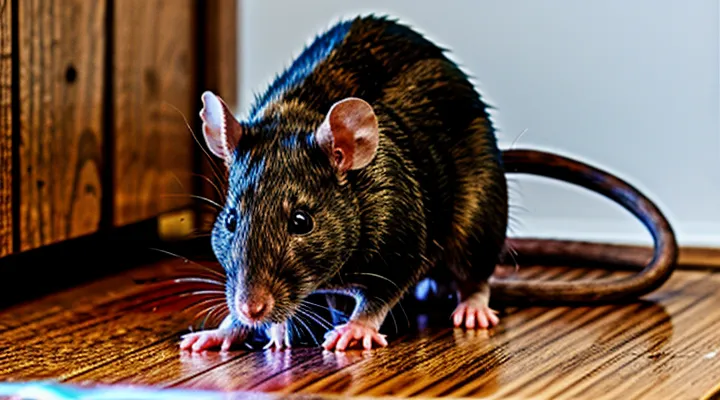
Understanding Rat Bleeding
Normal Bleeding vs. Abnormal Bleeding
Normal bleeding in rats occurs when the vascular system is intact and the clotting cascade functions efficiently. Minor incisions, such as those from routine handling or minor injuries, produce a brief, low‑volume flow that stops within seconds to minutes as platelets aggregate and fibrin forms. The blood appears bright red, clotting is rapid, and the animal shows no signs of distress or systemic anemia.
Abnormal bleeding represents a disruption of hemostasis. It may arise from coagulopathies, severe trauma, infections that damage tissue, or exposure to anticoagulant substances. Characteristics include prolonged oozing, large clots that fail to stabilize, dark or diluted blood, and accompanying clinical signs such as lethargy, pallor, or rapid weight loss. Persistent bleeding can lead to hypovolemia and secondary organ failure if untreated.
Key distinctions:
- Duration: normal stops within minutes; abnormal persists beyond 5 minutes.
- Volume: normal is microscopic to a few drops; abnormal can be milliliters per hour.
- Color and consistency: normal is bright, quickly clotting; abnormal may be dark, watery, and resistant to clot formation.
- Animal response: normal shows normal activity; abnormal triggers reduced mobility, increased respiratory rate, and possible shock.
Effective management requires rapid identification of abnormal patterns, followed by targeted interventions. Initial steps include applying direct pressure, using hemostatic agents, and assessing vital parameters. Laboratory evaluation of platelet count, prothrombin time, and activated partial thromboplastin time guides specific therapy, such as vitamin K administration for anticoagulant poisoning or plasma transfusion for clotting factor deficiencies. Continuous monitoring ensures that bleeding resolves and prevents recurrence.
Common Causes of Rat Bleeding
Traumatic Injuries
Traumatic injuries are a primary source of hemorrhage in laboratory and pet rats. Blunt force, penetrating wounds, and bite injuries disrupt vascular integrity, leading to rapid blood loss. Immediate identification of the injury type guides the urgency of intervention and the selection of hemostatic techniques.
Common traumatic lesions include:
- Contusion with subcutaneous hemorrhage
- Laceration of the tail or limbs
- Puncture wounds from cage hardware or conspecific aggression
- Avulsion of the ear or nasal cartilage
Assessment begins with visual inspection for active bleeding, swelling, and discoloration. Palpation confirms hematoma formation and evaluates tissue firmness. If bleeding persists after gentle pressure, apply a sterile gauze pad with direct pressure for 2–3 minutes before considering advanced measures.
Treatment protocols consist of:
- Direct pressure to achieve hemostasis
- Topical hemostatic agents (e.g., gelatin sponge, oxidized cellulose) for superficial cuts
- Suturing of deep lacerations using fine absorbable monofilament
- Intravenous fluid therapy (crystalloid solution, 10 ml/kg) to restore circulatory volume
- Analgesic administration (e.g., buprenorphine, 0.05 mg/kg) to reduce stress and pain
Post‑procedure monitoring includes hourly checks of heart rate, capillary refill time, and hemoglobin levels for the first 24 hours. Stabilized rats should remain in a quiet, temperature‑controlled environment to promote wound healing and prevent secondary injury.
Internal Injuries
Internal injuries in rats refer to damage to organs, blood vessels, or cavities that produce hemorrhage without external signs. Such trauma frequently originates from blunt force, invasive procedures, or pathological processes that compromise vascular integrity.
Typical sources of internal bleeding include:
- Impact injuries from falls or cage mishandling
- Penetrating wounds caused by sharp objects or aggressive conspecifics
- Gastrointestinal ulceration or perforation
- Hepatic or splenic rupture due to toxins or metabolic disorders
- Tumor invasion disrupting normal vasculature
Accurate diagnosis relies on clinical observation of pallor, lethargy, and abdominal distension, complemented by imaging techniques such as radiography, ultrasonography, or computed tomography. Laboratory analysis of hematocrit and serum biochemistry assists in quantifying blood loss and identifying organ dysfunction.
Therapeutic measures consist of:
- Immediate fluid resuscitation with isotonic crystalloids to restore circulatory volume
- Blood transfusion when hematocrit falls below critical thresholds
- Analgesic and anti‑inflammatory administration to reduce secondary injury
- Surgical intervention to repair perforations, ligate bleeding vessels, or remove necrotic tissue
- Post‑operative monitoring of vital signs, urine output, and coagulation parameters
Prompt identification and targeted management of internal injuries markedly improve survival prospects in affected rodents.
Infections
Infections are a primary factor behind hemorrhagic disorders in laboratory and pet rats. Bacterial pathogens such as Streptococcus pneumoniae, Clostridium perfringens, and Leptospira spp. can damage vascular integrity, leading to spontaneous or trauma‑induced bleeding. Viral agents, notably rat coronavirus (RCV) and hantavirus, cause endothelial dysfunction and coagulopathy, which manifest as petechiae, epistaxis, or gastrointestinal hemorrhage. Parasitic infestations, including Toxoplasma gondii and Nippostrongylus brasiliensis, may provoke inflammatory lesions that compromise capillary walls.
Diagnosis relies on a combination of clinical observation, laboratory testing, and imaging:
- Physical examination for active bleeding sites and mucosal discoloration.
- Complete blood count to detect anemia, thrombocytopenia, or leukocytosis.
- Coagulation profile (PT, aPTT) to assess clotting factor deficiencies.
- Microbiological cultures or PCR assays targeting suspected bacterial or viral agents.
- Histopathology of affected tissues for definitive identification of parasitic involvement.
Treatment protocols should be tailored to the identified pathogen and the severity of hemorrhage:
- Empirical broad‑spectrum antibiotics (e.g., enrofloxacin, ampicillin) pending culture results, followed by pathogen‑specific therapy.
- Antiviral agents (e.g., ribavirin) where efficacy has been documented, complemented by supportive care.
- Antiparasitic medications such as sulfadiazine‑pyrimethamine for Toxoplasma infection.
- Intravenous fluid therapy and blood transfusions to restore circulatory volume and oxygen‑carrying capacity.
- Vitamin K administration and plasma transfusion to correct coagulopathies.
- Strict environmental sanitation and quarantine to prevent transmission within colonies.
Preventive measures include regular health monitoring, vaccination where available, and rigorous biosecurity practices. Early detection and prompt, targeted intervention reduce mortality and limit the spread of infectious agents that precipitate bleeding in rats.
Coagulation Disorders
Coagulation disorders are a primary factor in unexplained hemorrhage observed in laboratory rats. Deficiencies or dysfunctions of clotting proteins disrupt the normal cascade that converts fibrinogen to fibrin, leading to prolonged bleeding times and spontaneous bruising. Genetic mutations, autoimmune destruction of clotting factors, and toxic exposure to anticoagulant rodenticides are the most frequent origins of these disorders.
Common coagulation abnormalities in rats include:
- Factor VIII deficiency – analogous to hemophilia A, results in severe bleeding after minor trauma.
- Factor IX deficiency – comparable to hemophilia B, produces similar clinical signs with a slightly longer clotting time.
- Von Willebrand disease – reduces platelet adhesion and stabilizes factor VIII, causing mucosal bleeding and prolonged bleeding after cuts.
- Liver‑derived clotting factor insufficiency – hepatic injury or disease lowers synthesis of multiple factors, leading to a broad coagulopathy.
- Acquired inhibitor formation – immune response generates antibodies against specific clotting proteins, rapidly impairing hemostasis.
Effective management requires rapid identification and correction of the underlying defect. Treatment protocols typically involve:
- Replacement therapy – administration of plasma, cryoprecipitate, or recombinant clotting factors to restore deficient proteins.
- Antifibrinolytic agents – tranexamic acid or aminocaproic acid reduce clot breakdown, supporting hemostasis in cases with heightened fibrinolysis.
- Vitamin K supplementation – counteracts anticoagulant rodenticide toxicity by restoring γ‑carboxylation of vitamin K‑dependent factors.
- Supportive care – pressure dressings, transfusion of packed red blood cells, and monitoring of coagulation parameters (PT, aPTT, fibrinogen) guide ongoing therapy.
Prompt laboratory assessment and targeted replacement therapy minimize mortality and improve recovery in rats experiencing bleeding due to coagulation disorders.
Tumors and Growths
Tumors and growths represent a significant source of hemorrhagic episodes in laboratory rats. Neoplastic lesions can disrupt normal vascular architecture, leading to spontaneous or trauma‑induced bleeding. Common malignant and benign entities associated with bleeding include:
- Fibrosarcomas and hemangiosarcomas, which frequently infiltrate surrounding blood vessels.
- Adenocarcinomas of the gastrointestinal tract, prone to ulceration and mucosal erosion.
- Subcutaneous mast cell tumors, capable of releasing vasoactive mediators that increase capillary fragility.
- Metastatic lesions in the liver or spleen, where necrotic foci precipitate intraperitoneal bleeding.
Diagnosis relies on physical examination, imaging (radiography, ultrasound, or CT), and histopathology to confirm tumor type and assess vascular involvement. Treatment strategies focus on controlling hemorrhage and addressing the underlying neoplasm:
- Surgical excision of accessible masses, combined with hemostatic techniques (cauterization, ligation, or topical agents).
- Systemic chemotherapy tailored to tumor histology, aiming to reduce tumor burden and associated bleeding risk.
- Radiation therapy for localized control when surgery is contraindicated.
- Supportive care, including fluid therapy, blood transfusion, and iron supplementation, to stabilize the animal during acute bleeding events.
Prompt identification of tumor‑related bleeding and implementation of targeted interventions markedly improve survival prospects and reduce morbidity in affected rats.
Reproductive Issues in Female Rats
Female rats experience several reproductive conditions that can manifest as vaginal or uterine bleeding, directly influencing the assessment of hemorrhagic disorders. Hormonal imbalances, such as estrous cycle irregularities, may lead to prolonged estrus or metestrus, resulting in atypical blood loss. Endocrine disorders, including hyperprolactinemia, disrupt normal ovarian function and can produce persistent discharge.
Uterine pathology represents a common source of bleeding. Endometrial hyperplasia, pyometra, and uterine neoplasms generate hemorrhage that may be confused with primary bleeding disorders. Ovarian cysts and luteal degeneration also release blood into the reproductive tract, contributing to overall blood loss.
Infection and inflammation exacerbate reproductive bleeding. Bacterial vaginitis, uterine infections, and parasitic infestations damage mucosal integrity, producing oozing or clots. Systemic conditions such as coagulopathies amplify the severity of these lesions, demanding careful differentiation.
Effective management requires a two‑step approach: diagnosis and targeted therapy.
-
Diagnostic measures
• Vaginal cytology to determine estrous stage
• Ultrasonography for uterine and ovarian assessment
• Hematologic profiling to detect clotting abnormalities
• Microbial culture of discharge for infection identification -
Therapeutic interventions
• Hormonal regulation with estradiol or progesterone analogs to restore cycle regularity
• Antibiotic regimens based on culture sensitivity for bacterial infections
• Antiparasitic treatment when indicated
• Surgical removal of neoplastic tissue or severely damaged uterine sections
• Hemostatic agents (e.g., tranexamic acid) and vitamin K supplementation for coagulopathy correction
Monitoring includes serial cytology, repeat imaging, and blood work to verify resolution of bleeding and restoration of reproductive health. Prompt identification of reproductive sources prevents misinterpretation of bleeding etiology and supports comprehensive care for female rats.
Identifying Bleeding in Rats
Recognizing External Bleeding
Wounds and Lacerations
Rats sustain wounds and lacerations from bites, cage injuries, or environmental hazards. These injuries break skin integrity, expose blood vessels, and can lead to rapid blood loss because of the animal’s high metabolic rate.
Typical sources of bleeding include:
- Incised cuts from sharp objects or aggressive encounters.
- Puncture wounds caused by traps or contaminated debris.
- Abrasions that erode superficial capillaries.
Immediate management focuses on controlling hemorrhage and preventing infection. Steps are:
- Apply gentle pressure with sterile gauze for 2–3 minutes; extend if bleeding persists.
- Inspect the wound for active arterial spurting; if present, use a hemostatic agent or a temporary tourniquet applied proximal to the site.
- Clean the area with isotonic saline; avoid harsh antiseptics that may damage tissue.
- Administer a topical antimicrobial ointment; cover with a non‑adhesive dressing.
- Monitor for signs of hypovolemia—pale mucous membranes, lethargy, rapid heartbeat—and provide fluid therapy if needed.
Long‑term care includes daily dressing changes, observation for swelling or discharge, and, when indicated, suturing under anesthesia to approximate tissue edges. Analgesics such as meloxicam mitigate pain and reduce stress, which supports healing.
Preventive measures reduce the incidence of wounds: maintain clean cage environments, eliminate sharp objects, and provide enrichment that discourages aggressive behavior. Regular health checks enable early detection of minor injuries before they progress to severe bleeding.
Bleeding from Orifices
Bleeding from the orifices of rats indicates a serious internal disorder that requires prompt veterinary intervention. Common sources include gastrointestinal ulceration, severe coagulopathy, trauma to the nasal passages, and reproductive tract rupture. Each source manifests with distinct patterns: melena or hematochezia signals gastrointestinal loss, epistaxis points to nasal vessel damage, while vaginal or penile bleeding suggests reproductive injury.
Diagnosis begins with a thorough physical examination, followed by laboratory analysis of blood clotting parameters, complete blood count, and biochemical profile. Imaging techniques—radiography or ultrasonography—help locate internal lesions, and endoscopic inspection provides direct visualization of nasal or gastrointestinal mucosa.
Effective treatment relies on stabilizing the animal and addressing the underlying cause:
- Immediate fluid therapy and blood transfusion to restore circulatory volume.
- Administration of broad‑spectrum antibiotics to prevent secondary infection.
- Specific hemostatic agents (e.g., vitamin K, tranexamic acid) for coagulopathy.
- Surgical repair for perforated organs or traumatic wounds.
- Supportive care, including analgesics and nutritional support, to promote recovery.
Preventive measures focus on maintaining a clean environment, providing a balanced diet rich in essential nutrients, and monitoring for signs of stress or injury. Regular health checks enable early detection of conditions that could lead to orifice bleeding, reducing mortality risk in laboratory and pet rat populations.
Detecting Internal Bleeding
Behavioral Changes
Bleeding in rats triggers distinct alterations in daily activities, social interactions, and physiological responses. Recognizing these behavioral shifts aids in early identification of hemorrhagic conditions and informs therapeutic decisions.
Affected rodents often display reduced locomotion, preferring to remain in one corner of the cage. This immobility reflects discomfort and the body's attempt to conserve energy for hemostasis. Concurrently, grooming frequency declines, indicating diminished motivation to maintain fur condition. Food and water intake may drop sharply, leading to weight loss within 24‑48 hours of onset. Social hierarchy can be disrupted; dominant individuals may withdraw, while subordinate rats show increased aggression toward cage mates, possibly driven by heightened stress hormones.
Monitoring these signs provides practical guidance for intervention:
- Record movement patterns using video tracking or direct observation at regular intervals.
- Measure daily consumption of feed and water; a decrease exceeding 30 % warrants immediate veterinary assessment.
- Track body weight and coat condition to detect rapid deterioration.
- Observe interactions among co‑habiting rats; any escalation in aggression or isolation should be documented.
When behavioral anomalies appear, prompt diagnostic testing—such as hematocrit measurement or imaging of suspected bleed sites—should follow. Treatment protocols typically combine fluid resuscitation, hemostatic agents, and analgesics. Adjustments to dosing may be required if the animal exhibits severe lethargy or refuses oral medication, necessitating injectable alternatives. Continuous behavioral monitoring throughout therapy enables evaluation of recovery progress and detection of complications, such as re‑bleeding or infection.
In summary, behavioral changes constitute early, observable markers of hemorrhagic events in rats. Systematic observation, quantitative recording, and swift medical response based on these indicators improve outcomes and reduce mortality.
Physical Symptoms
Rats experiencing significant blood loss display a predictable set of clinical signs. Rapid onset of pallor in the mucous membranes and skin indicates reduced circulating red blood cells. Weakness and reduced activity levels often accompany the anemia, as the animal conserves energy. Respiratory rate increases to compensate for diminished oxygen transport, producing shallow, rapid breathing. The abdomen may become distended if internal bleeding accumulates, while external wounds appear as fresh, dark red oozing or clotted blood. In severe cases, shock manifests through cold extremities, a rapid heart rate, and a drop in body temperature.
Typical physical manifestations include:
- Pale or white gums and ear pinnae
- Lethargy or inability to maintain normal posture
- Tachypnea (fast, shallow breaths)
- Abdominal swelling or palpable fluid accumulation
- Visible bleeding from wounds or orifices, often with dark clots
- Cold paws and reduced peripheral temperature
- Elevated heart rate detectable by auscultation
Recognition of these symptoms enables prompt veterinary intervention, which is essential to prevent irreversible organ damage and mortality.
Diagnostic Approaches
Veterinary Examination
Physical Assessment
Physical assessment of a bleeding rat begins with rapid visual inspection. Identify the source, noting whether the hemorrhage is external, mucosal, or internal. Record the color and consistency of the blood; bright red suggests arterial flow, while darker fluid indicates venous or post‑mortem leakage.
Evaluate the animal’s vital parameters. Measure pulse rate at the femoral artery, respiratory rate, and rectal temperature. Compare findings with normal ranges for the species and weight class; tachycardia, tachypnea, or hypothermia often accompany significant blood loss.
Examine mucous membranes for pallor, which signals decreasing hemoglobin. Check capillary refill time; prolonged refill (>2 seconds) reflects compromised perfusion. Perform a gentle abdominal palpation to detect distension or organ tenderness that may indicate internal bleeding.
Assess the extent of fluid loss. Weigh the rat before and after the event if possible, or estimate volume based on the size of the wound and observed pooling. Document any clot formation; the presence of clots may limit ongoing loss but also suggest coagulopathy if clotting is abnormal.
Collect supporting data:
- Hematocrit and hemoglobin values from a blood sample.
- Coagulation profile (PT, aPTT) to identify clotting disorders.
- Electrolyte panel to detect hypovolemia‑related shifts.
- Imaging (ultrasound or radiography) when internal bleeding is suspected.
Interpretation of these findings directs treatment. Persistent hypotension, rapid heart rate, and pale mucosa require immediate fluid resuscitation. Abnormal coagulation results prompt administration of plasma or specific clotting factors. Continuous reassessment every 15 minutes ensures that interventions are effective and that bleeding has been controlled.
History Taking
A thorough interview with the owner is the first step in evaluating a bleeding rat. Accurate data guide differential diagnosis, identify risk factors, and determine the urgency of intervention.
Key elements to obtain include:
- Species, strain, age, sex, and weight.
- Exact time of onset and any observed progression.
- Estimated volume and frequency of blood loss; description of color, consistency, and source (e.g., oral, nasal, gastrointestinal, cutaneous).
- Presence of accompanying signs such as lethargy, anorexia, weight loss, respiratory distress, or neurological changes.
- Recent trauma, cage cleaning accidents, or interactions with conspecifics.
- Current diet, supplemental feeds, and any recent changes in food composition.
- Exposure to anticoagulant rodenticides, medications (including vitamins, supplements, or antibiotics), and prior veterinary treatments.
- History of chronic diseases, reproductive status, and breeding history.
- Environmental conditions: temperature fluctuations, humidity, ventilation, and bedding material.
Interpretation of the collected information should focus on distinguishing primary hemorrhagic disorders (e.g., coagulopathies, hepatic insufficiency) from secondary causes (e.g., trauma, neoplasia, toxic exposure). Correlating the bleeding pattern with systemic signs narrows the list of likely etiologies and informs the selection of diagnostic tests such as complete blood count, coagulation profile, and imaging studies. Prompt identification of life‑threatening hemorrhage facilitates immediate stabilization measures, while recognition of chronic or mild bleeding directs supportive care and targeted therapy.
Diagnostic Tests
Blood Tests
Blood testing is essential for diagnosing hemorrhagic disorders in laboratory rodents. A complete blood count (CBC) provides red‑cell indices, hemoglobin concentration, and platelet count, allowing rapid assessment of anemia and thrombocytopenia that often accompany severe bleeding. Coagulation profiling—including prothrombin time (PT), activated partial thromboplastin time (aPTT), and fibrinogen level—identifies deficiencies in clotting factors or consumptive coagulopathy.
Biochemical panels reveal organ dysfunction that may precipitate bleeding, such as hepatic insufficiency indicated by elevated alanine aminotransferase (ALT) and aspartate aminotransferase (AST). Renal impairment, reflected by increased blood urea nitrogen (BUN) and creatinine, can exacerbate coagulopathy through uremic platelet dysfunction.
Microbial and parasitic screening detects infections that cause vascular damage. Blood smear examination, polymerase chain reaction (PCR), and serology identify pathogens like Leptospira spp., Mycoplasma spp., and hemorrhagic viruses. Toxicology screens for anticoagulant rodenticides (e.g., warfarin, bromadiolone) differentiate accidental poisoning from intrinsic disorders.
Sample collection must consider volume limits (≤1 mL per 100 g body weight) and anticoagulant choice (EDTA for CBC, citrate for coagulation). Proper technique—cardiac puncture under anesthesia or tail vein sampling—reduces iatrogenic hemorrhage that could confound results.
Interpretation of results guides therapeutic decisions. Confirmed anemia may require transfusion of packed red cells; thrombocytopenia often warrants platelet transfusion or immunosuppressive therapy. Abnormal coagulation parameters prompt administration of fresh frozen plasma, vitamin K, or specific antidotes for rodenticides. Continuous monitoring through repeat testing ensures treatment efficacy and early detection of complications.
Imaging Studies
Imaging provides objective evidence for locating and characterizing hemorrhagic lesions in laboratory rats, guiding therapeutic interventions.
Common modalities include:
- Plain radiography – detects skeletal or thoracic blood accumulation, offers rapid screening.
- Ultrasound – visualizes soft‑tissue hematomas, assesses organ perfusion, permits real‑time guidance for drainage.
- Computed tomography – yields high‑resolution cross‑sections, identifies internal bleeding sites, quantifies volume.
- Magnetic resonance imaging – supplies superior soft‑tissue contrast, distinguishes active bleeding from chronic hematoma, useful for brain and spinal assessments.
- Digital subtraction angiography – maps vascular architecture, detects active extravasation, facilitates embolization.
- Scintigraphy with radiolabeled blood‑pool agents – highlights active hemorrhage, complements anatomical studies.
Selection of a technique depends on the suspected bleeding location, required spatial resolution, and the animal’s physiological status. Radiography and ultrasound excel in emergency settings due to speed and accessibility; CT and MRI are preferred for detailed evaluation of deep or complex hemorrhages; angiography is reserved for cases where intervention is planned.
Interpretation of imaging findings must consider species‑specific anatomy and typical hemorrhage patterns in rats. Correlation with clinical signs and laboratory data refines diagnosis and informs the choice of surgical, pharmacologic, or supportive treatment. Accurate imaging thus reduces diagnostic uncertainty and improves outcome for bleeding disorders in rodent models.
Biopsy
Biopsy provides definitive tissue diagnosis when a rat presents with unexplained hemorrhage. The procedure involves removing a small sample of affected tissue for microscopic examination, allowing clinicians to distinguish between inflammatory lesions, neoplastic growths, vascular malformations, and coagulopathies that may cause bleeding.
Key steps include:
- Preparation: Anesthetize the animal, sterilize the site, and select an appropriate instrument (e.g., punch, needle, or scalpel) based on lesion size and location.
- Sampling: Obtain a core or excisional specimen that includes both the lesion and adjacent normal tissue to assess margins.
- Preservation: Place the sample in formalin or a suitable fixative promptly to prevent autolysis.
- Analysis: Pathologists evaluate cellular architecture, vascular integrity, and presence of foreign material or tumor cells, often employing special stains or immunohistochemistry.
Interpretation of biopsy results guides therapeutic choices:
- Identification of vascular tumors or hemangiomas may lead to surgical excision or targeted embolization.
- Detection of inflammatory infiltrates suggests antimicrobial or anti‑inflammatory treatment.
- Evidence of coagulopathy prompts laboratory testing for clotting factor deficiencies and administration of plasma or specific factor concentrates.
Potential complications include hemorrhage at the biopsy site, infection, and tissue distortion that can obscure histological assessment. Mitigation strategies involve meticulous hemostasis, aseptic technique, and minimizing sample size while preserving diagnostic value.
In summary, biopsy serves as a critical diagnostic tool for rats with bleeding disorders, enabling precise classification of underlying pathology and informing targeted intervention.
Treatment Strategies
Emergency Care
Stopping External Bleeding
Control of external hemorrhage in rats requires rapid, precise action to prevent shock and mortality. Direct pressure applied with a sterile gauze pad is the first and most effective measure. Maintain pressure for at least three minutes, extending the time if bleeding persists. If the wound is large, a pressure bandage using a roll of gauze and elastic wrap should be applied, ensuring the wrap is snug but not so tight as to impede circulation.
When pressure alone does not stop bleeding, consider the following interventions:
- Hemostatic agents: Apply a commercially available hemostatic powder or sponge directly to the wound; these products promote clot formation and are safe for small mammals.
- Tourniquet placement: Use only for limb injuries where proximal control is essential. Position the tourniquet 2–3 cm distal to the joint, tighten until bleeding ceases, and record the application time. Remove after 15–20 minutes to avoid tissue damage.
- Suturing: For clean, incised wounds larger than 5 mm, place simple interrupted sutures with absorbable material. Ensure knots are secure but not overly tight.
After hemostasis, disinfect the area with a mild antiseptic such as povidone‑iodine diluted to 0.5 % or chlorhexidine solution. Cover the wound with a non‑adhesive dressing and monitor the rat for signs of continued bleeding, swelling, or infection. Provide a warm, quiet environment and limit handling for at least 24 hours.
Seek veterinary assistance if any of the following occur:
- Bleeding resumes despite applied measures.
- The rat shows pale mucous membranes, rapid breathing, or lethargy.
- The wound is contaminated, deep, or located near vital structures.
- Signs of systemic infection develop, such as fever or discharge.
Prompt, methodical management of external bleeding dramatically improves outcomes for affected rodents.
Supportive Care
Supportive care stabilizes rats experiencing hemorrhage, mitigates secondary complications, and creates conditions for definitive therapy to succeed.
Key elements include:
- Fluid replacement: isotonic crystalloids administered intravenously or subcutaneously to restore circulating volume and maintain perfusion.
- Blood product administration: packed red blood cells or whole blood transfused when hemoglobin falls below critical thresholds, with cross‑matching to prevent transfusion reactions.
- Pain control: opioid or non‑steroidal analgesics given at dose‑adjusted intervals to reduce stress‑induced catecholamine surges that can worsen bleeding.
- Temperature management: external heat sources or warming pads employed to prevent hypothermia, a common consequence of severe blood loss.
- Nutritional support: high‑calorie, easily digestible diets offered once oral intake resumes, supplemented with vitamins and minerals to aid tissue repair.
- Monitoring: frequent assessment of heart rate, respiratory rate, mucous membrane color, capillary refill time, and hematocrit values to guide ongoing therapy.
- Wound care: sterile dressings applied to external bleeding sites; topical hemostatic agents used when appropriate, avoiding excessive pressure that could impair tissue viability.
Implementation demands aseptic technique, accurate dosage calculations based on body weight, and documentation of all interventions. Adjustments are made according to real‑time clinical parameters, ensuring that supportive measures remain aligned with the animal’s evolving physiological status.
Medical Treatments
Antibiotics
Antibiotics are a primary component of therapeutic protocols for hemorrhagic conditions in rodents when bacterial infection is confirmed or highly suspected. Empirical selection should consider the most common pathogens associated with bleeding lesions, such as Streptococcus spp., Staphylococcus spp., and Clostridium spp., and the local antimicrobial resistance profile.
Effective agents include:
- Penicillins (e.g., ampicillin, amoxicillin) for susceptible gram‑positive organisms.
- Cephalosporins (e.g., ceftriaxone, cefotaxime) for broader coverage, including some gram‑negative bacteria.
- Fluoroquinolones (e.g., enrofloxacin) when resistance to beta‑lactams is documented.
- Metronidazole for anaerobic infections, especially those involving Clostridium species.
Dosage regimens must achieve therapeutic plasma concentrations without exceeding toxic thresholds; subcutaneous or intraperitoneal routes are standard for laboratory rats. Treatment duration typically spans 7–10 days, adjusted according to clinical response and repeat culture results. Monitoring includes daily assessment of bleeding severity, wound appearance, and systemic signs such as fever or lethargy. Failure to resolve hemorrhage despite appropriate antimicrobial therapy warrants re‑evaluation for alternative etiologies, including coagulopathies or toxin exposure.
Anti-inflammatory Drugs
Anti‑inflammatory agents are routinely employed to mitigate tissue damage and reduce hemorrhagic severity in laboratory rats. Their primary action involves inhibition of cyclo‑oxygenase enzymes, which lowers prostaglandin synthesis and diminishes vascular permeability.
Commonly used classes include:
- Non‑steroidal anti‑inflammatory drugs (NSAIDs) such as meloxicam, carprofen and ketoprofen.
- Steroidal anti‑inflammatory drugs (corticosteroids) such as dexamethasone and prednisolone.
- Selective COX‑2 inhibitors like celecoxib, which provide anti‑inflammatory effects with reduced gastrointestinal toxicity.
Selection criteria depend on the bleeding etiology, animal health status, and experimental protocol. NSAIDs are preferred for acute bleeding because of rapid onset and ease of oral administration. Corticosteroids are reserved for cases where immune‑mediated inflammation contributes to hemorrhage, given their broader immunosuppressive profile.
Dosage regimens are species‑specific. For adult rats, meloxicam is typically administered at 1–2 mg kg⁻¹ subcutaneously every 24 hours; dexamethasone is given at 0.1–0.2 mg kg⁻¹ intraperitoneally once daily. Adjustments are required for juvenile or compromised subjects to avoid over‑suppression of hemostasis.
Potential adverse effects include gastrointestinal ulceration (NSAIDs), delayed wound healing (corticosteroids), and renal impairment (both classes). Monitoring protocols should incorporate daily weight checks, fecal occult blood testing, and serum creatinine measurement to detect early toxicity.
When anti‑inflammatory therapy is combined with hemostatic agents, timing is critical. Initiating anti‑inflammatory treatment after primary hemostasis reduces the risk of interfering with clot formation while still providing tissue protection. Continuous evaluation of bleeding parameters ensures that therapeutic benefits outweigh the risk of prolonged hemorrhage.
Vitamin K Therapy
Vitamin K therapy corrects coagulopathy in rodents experiencing hemorrhagic episodes. The vitamin acts as a cofactor for γ‑carboxylation of clotting factors II, VII, IX, and X, restoring enzymatic activity essential for fibrin formation.
Therapeutic protocol
- Formulation: Phytonadione (vitamin K₁) solution for injection; oral tablets may be used when gastrointestinal absorption is intact.
- Dosage: 0.5–2 mg/kg administered intravenously or intraperitoneally; repeat dosing every 12–24 hours until coagulation parameters normalize.
- Administration: Slow IV push (over 1–2 minutes) to avoid abrupt hypotension; intraperitoneal injection for lab‑based studies where IV access is impractical.
Monitoring
- Measure prothrombin time (PT) and activated partial thromboplastin time (aPTT) before treatment and every 6 hours thereafter.
- Target PT reduction to within 1.5–2 times the control value.
Adverse effects
- Hypercoagulability leading to thrombosis, especially with repeated high doses.
- Injection site irritation; rare anaphylactoid reactions.
Contraindications
- Known hypersensitivity to vitamin K preparations.
- Severe hepatic insufficiency where synthetic capacity for clotting factors is irreversibly compromised.
Practical considerations
- Store lyophilized vitamin K in a dark, refrigerated environment; reconstitute immediately before use.
- Combine with fresh frozen plasma in cases of massive blood loss to provide immediate clotting factor supply while vitamin K restores synthesis.
Effective vitamin K therapy reduces mortality in rats with bleeding disorders by reestablishing functional coagulation cascades, provided dosing, monitoring, and supportive measures follow the outlined guidelines.
Blood Transfusions
Blood transfusion provides immediate restoration of circulating volume in rats experiencing acute hemorrhage. The procedure replaces lost erythrocytes, plasma proteins, and clotting factors, stabilizing hemodynamics and preventing organ failure.
Indications for transfusion include:
- Blood loss greater than 15 % of total volume.
- Persistent tachycardia, hypotension, or pale mucous membranes despite fluid resuscitation.
- Laboratory evidence of severe anemia (hematocrit < 25 %) or coagulopathy.
Donor selection requires healthy, age‑matched rats free of infectious agents. Blood is drawn from the lateral tail vein or retro‑orbital sinus using heparin‑coated syringes to prevent clotting. Collected volume should not exceed 10 % of the donor’s total blood volume; excess is replaced with sterile isotonic solution.
Transfusion technique:
- Warm recipient to prevent vasoconstriction.
- Administer blood slowly (0.5–1 ml min⁻¹) through a catheter placed in the femoral or tail vein.
- Monitor heart rate, blood pressure, and respiratory pattern continuously.
- Adjust rate if signs of overload (elevated central venous pressure, pulmonary edema) appear.
Potential complications comprise transfusion reactions, hemolysis, and volume overload. Mitigation strategies include cross‑matching donor and recipient blood when feasible, using leukoreduced products to reduce immunogenicity, and limiting total infused volume to 20 % of recipient blood volume within a 24‑hour period. Regular post‑transfusion blood counts verify efficacy and detect delayed adverse effects.
Surgical Interventions
Surgical management becomes necessary when spontaneous or trauma‑induced hemorrhage in rats cannot be controlled by conservative measures. Immediate intervention restores circulatory stability, prevents hypovolemic shock, and reduces mortality risk.
Typical procedures include:
- Ligation of bleeding vessels using fine silk or synthetic sutures.
- Electrocautery to seal small arterial or venous branches.
- Direct vessel repair with microsurgical suturing for larger defects.
- Hemostatic clamp application followed by tissue excision when necrotic tissue contributes to bleeding.
- Intra‑abdominal packing with absorbable material to tamponade diffuse bleeding.
Effective surgery requires:
- Inhalation or injectable anesthesia tailored to the animal’s size and health status.
- Maintenance of normothermia throughout the operation.
- Continuous monitoring of heart rate, blood pressure, and oxygen saturation.
- Administration of isotonic fluids and, when indicated, blood products to compensate for losses.
- Use of topical hemostatic agents (e.g., gelatin sponge, fibrin sealant) to augment mechanical control.
Post‑operative care focuses on:
- Analgesia with non‑steroidal anti‑inflammatory drugs or opioids to minimize stress.
- Daily wound inspection for signs of infection or re‑bleeding.
- Gradual re‑introduction of normal diet and hydration.
- Laboratory assessment of hemoglobin and clotting parameters to verify recovery.
When performed by trained personnel under aseptic conditions, surgical intervention yields rapid hemostasis and favorable survival rates. Prompt recognition of cases requiring operative treatment and adherence to the outlined protocols are critical for optimal outcomes.
Post-Treatment Care and Monitoring
After surgical or medical intervention for rodent hemorrhage, immediate care focuses on wound protection, infection prevention, and physiological stability. Clean the incision site with sterile saline, apply a non‑adherent dressing, and secure it without excessive tension. Administer prescribed antibiotics according to the dosing schedule; omit any deviation unless directed by a veterinarian.
- Maintain ambient temperature between 20 °C and 24 °C to support thermoregulation.
- Provide a high‑protein, low‑fiber diet to promote tissue repair.
- Ensure constant access to fresh water to prevent dehydration.
- Limit handling to essential procedures; when handling is required, use gentle restraint to avoid stress‑induced vasoconstriction.
Monitoring proceeds on a daily basis for the first week, then every other day until full recovery. Key parameters include:
- Bleeding: Observe for fresh blood, oozing, or discoloration at the wound margin.
- Swelling: Measure limb circumference or abdominal girth to detect edema.
- Temperature: Record body temperature; hypothermia may indicate systemic compromise.
- Behavior: Note changes in activity, grooming, or appetite that could signal pain or infection.
- Laboratory values: Perform complete blood count and coagulation profile on days 3 and 7 to verify hemostasis and rule out anemia.
Any deviation from normal ranges—persistent bleeding, rising temperature, reduced intake, or lethargy—requires immediate veterinary reassessment. Adjust analgesic dosage or introduce additional supportive therapies based on clinical judgment. Documentation of each observation ensures traceability and facilitates outcome analysis.
Prevention of Rat Bleeding
Environmental Safety
Environmental safety directly influences the incidence of rodent hemorrhage and the effectiveness of medical response. Poor sanitation, inadequate waste disposal, and cluttered habitats increase stress and injury risk among urban rats, leading to frequent bleeding episodes. Contaminated water sources expose wounded animals to pathogens that can spread to humans and other wildlife.
Key preventive actions include:
- Securing garbage containers with tight lids to limit access to food waste.
- Removing standing water and repairing leaks to reduce habitat moisture.
- Implementing regular pest‑control inspections that prioritize humane trapping and prompt removal of injured rodents.
- Maintaining clear pathways and eliminating debris that can cause cuts or abrasions.
- Using rodent‑resistant building materials and sealing entry points to prevent infestation.
When bleeding occurs, treatment protocols must consider environmental contaminants. Recommended steps are:
- Isolate the affected animal in a clean, ventilated enclosure.
- Apply sterile gauze to control hemorrhage, avoiding contact with potentially toxic surfaces.
- Disinfect the wound with an approved antiseptic that does not leave harmful residues.
- Monitor for signs of infection, especially if the animal was exposed to polluted conditions.
- Dispose of all used materials according to hazardous‑waste guidelines to prevent secondary contamination.
Integrating these safety measures reduces the frequency of rat bleeding incidents and limits the spread of disease within the ecosystem.
Proper Nutrition
Proper nutrition directly influences the severity and recovery of hemorrhagic conditions in rats. Adequate intake of specific nutrients supports blood clotting mechanisms, maintains vascular integrity, and accelerates tissue repair.
Key dietary components include:
- Vitamin K – essential for synthesis of clotting factors; sources are leafy greens such as kale and spinach, as well as fermented soy products.
- Vitamin C – strengthens capillary walls and promotes collagen formation; abundant in bell peppers, citrus fruits, and broccoli.
- Iron – required for hemoglobin production; provided by lean meat, lentils, and fortified cereals.
- Copper and zinc – cofactors in enzymatic processes that regulate clot formation; found in nuts, seeds, and shellfish.
- Protein – supplies amino acids for tissue regeneration; high‑quality sources include whey, egg whites, and soy isolate.
A balanced diet should limit substances that impair coagulation, such as excessive omega‑6 fatty acids and anticoagulant rodenticides. Monitoring water intake ensures proper hydration, which aids in maintaining blood volume and pressure.
When a rat exhibits active bleeding, immediate dietary adjustments can complement medical interventions. Introduce easily digestible, nutrient‑dense foods in small, frequent meals to avoid gastrointestinal stress. Supplementation with a calibrated dose of vitamin K1 (phytonadione) may be warranted under veterinary guidance.
Long‑term feeding protocols that consistently meet the outlined nutrient requirements reduce the likelihood of spontaneous hemorrhage and improve outcomes for rats undergoing treatment for bleeding disorders.
Regular Health Checks
Regular health examinations are essential for early detection of hemorrhagic disorders in laboratory and pet rats. Systematic screening identifies underlying conditions such as coagulopathies, parasitic infestations, or neoplastic lesions before clinical signs become severe.
During each check, the veterinarian should:
- Inspect mucous membranes for pallor or excessive discharge.
- Palpate the abdomen and limbs to locate internal or external bleeding sites.
- Collect blood samples for complete blood count, clotting profile, and biochemical analysis.
- Perform fecal examinations to rule out blood‑feeding parasites.
- Review the animal’s diet, housing, and handling practices for factors that may impair vascular integrity.
Documentation of findings creates a baseline for comparison, allowing precise monitoring of disease progression or treatment response. When abnormalities appear, targeted interventions—such as vitamin K supplementation, antiparasitic therapy, or surgical removal of tumors—can be initiated promptly, reducing morbidity and mortality associated with rat hemorrhage. Regular monitoring thus serves as a proactive strategy that complements diagnostic and therapeutic measures for bleeding disorders in rodents.
Managing Underlying Conditions
Effective control of rat hemorrhage requires identification and treatment of the primary disorders that predispose to bleeding. Common underlying conditions include coagulopathies, hepatic insufficiency, severe bacterial infections, neoplastic processes, and nutritional deficiencies. Each condition demands a specific diagnostic approach and targeted therapy.
- Coagulopathies: Perform clotting panel (PT, aPTT, fibrinogen) and screen for anticoagulant rodenticide exposure. Administer vitamin K₁ intramuscularly or intravenously, and consider fresh frozen plasma for immediate correction.
- Hepatic insufficiency: Evaluate liver enzymes, bilirubin, and albumin levels. Provide hepatoprotective agents such as silymarin, ensure adequate protein intake, and correct hypoglycemia with dextrose solutions.
- Bacterial sepsis: Collect blood cultures, initiate broad‑spectrum antibiotics (e.g., enrofloxacin or ampicillin) pending results, and monitor for disseminated intravascular coagulation. Replace clotting factors with plasma if DIC is confirmed.
- Neoplasia: Conduct imaging (ultrasound, radiography) and biopsy to determine tumor type. Implement chemotherapy protocols appropriate for the identified malignancy, and use surgical excision when feasible.
- Nutritional deficits: Measure serum levels of vitamin C, vitamin K, and minerals. Supplement deficiencies orally or parenterally, and adjust diet to meet species‑specific requirements.
Supportive measures complement disease‑specific interventions. Maintain hemodynamic stability with isotonic crystalloids, correct anemia through packed red blood cell transfusion when hemoglobin falls below 7 g/dL, and apply local pressure or topical hemostatic agents to active bleed sites. Continuous monitoring of vital signs, hematocrit, and coagulation parameters guides therapeutic adjustments and reduces mortality risk.