
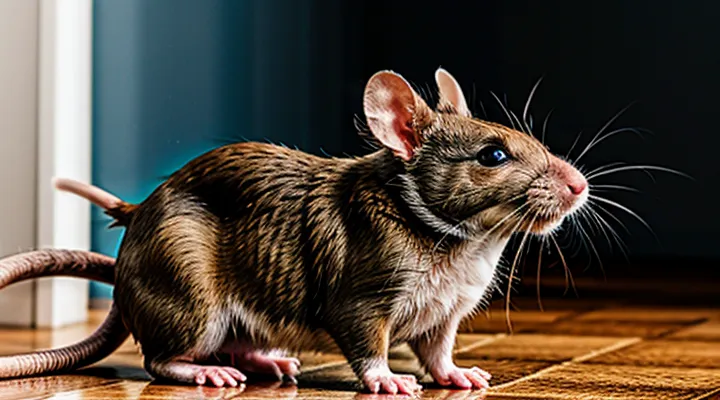
Introduction to Pet Rats
A Brief History of Rats as Companions
Rats have accompanied humans for thousands of years, shifting from symbolic creatures to deliberate companions.
-
Ancient Egypt (c. 3000 BCE): Rats appeared on tomb paintings and were occasionally kept for their perceived protective qualities. Evidence suggests they were fed and housed, indicating early domestication attempts.
-
Classical Greece and Rome (8th century BCE – 5th century CE): Literary sources mention rats as pets for children and scholars, valued for their curiosity and ease of care. Aristotle recorded observations of rats living in domestic settings.
-
Middle Ages (5th – 15th centuries): Rats were primarily regarded as pests; however, some monastic records describe monks raising them for laboratory experiments, laying groundwork for scientific use.
-
18th century Enlightenment: Naturalists like Carl Linnaeus classified rats, and European aristocrats began keeping them in menageries to study behavior, marking a transition toward intentional companionship.
-
19th century scientific research: Rats served as subjects in medical experiments, especially in physiology and pathology. Their manageable size and rapid reproduction made them ideal for controlled studies, reinforcing human‑rat interaction.
-
Early 20th century pet trade: Commercial breeders emerged in the United States and United Kingdom, offering domesticated varieties such as the fancy rat. Pet stores marketed them as low‑maintenance companions, expanding public acceptance.
-
Late 20th century to present: Rat ownership spreads globally; breed standards develop, and animal‑rights organizations advocate for humane treatment. Contemporary owners cite intelligence, social bonding, and small footprint as reasons for choosing rats as household companions.
The historical trajectory demonstrates rats’ evolution from symbolic figures to scientifically valued subjects and, ultimately, to recognized domestic animals. This background informs current discussions about the advantages and challenges of maintaining rats as household pets.
Understanding Rat Intelligence and Social Behavior
Rats demonstrate advanced cognitive functions comparable to those of larger mammals. Laboratory studies show they can navigate mazes, solve puzzles, and remember solutions for weeks, indicating strong spatial memory and learning capacity. Their ability to discriminate colors, shapes, and odors enables complex problem‑solving in novel situations.
Social organization in rat colonies follows a clear dominance hierarchy. Dominant individuals assert control through posturing and brief aggressive displays, while subordinate members exhibit submissive behaviors such as lowered posture and avoidance. Grooming exchanges reinforce bonds and reduce stress; reciprocal grooming is a reliable indicator of affiliation. Vocalizations, ultrasonic squeaks, and scent marking convey information about territory, reproductive status, and alarm signals. These communication channels operate continuously, allowing rapid group coordination.
Implications for companion care:
- Provide multiple enrichment objects (tunnels, chew toys, foraging puzzles) to satisfy exploratory drive and prevent stereotypic behavior.
- House rats in pairs or small groups to meet innate social requirements; solitary housing often leads to increased anxiety and aggression.
- Rotate enrichment items regularly to maintain novelty and stimulate cognitive engagement.
- Observe grooming and interaction patterns; changes may signal health issues or social tension.
- Offer consistent handling sessions to foster trust; rats can recognize individual human voices and scents, enhancing human‑rat bonding.
Understanding rat cognition and social dynamics informs responsible ownership, ensuring environments that match their intellectual and communal needs.
Advantages of Keeping a Pet Rat
Affectionate and Sociable Nature
Building a Bond with Your Rat
Establishing trust with a domesticated rat requires consistent interaction, proper handling, and environmental enrichment. Begin each session by offering a treat within reach, allowing the rat to approach voluntarily. Gradual hand‑over‑hand contact, starting with brief, gentle strokes, conditions the animal to associate human touch with safety.
Maintain a predictable routine. Feed, clean, and play at the same times each day; rats detect irregularities and may become anxious. A stable schedule reinforces the expectation that the caretaker is a reliable source of resources.
Provide a spacious cage equipped with tunnels, chew toys, and climbing structures. Physical exploration reduces stress and encourages the rat to seek companionship after activity. Rotate toys weekly to sustain interest and prevent boredom.
Use positive reinforcement during training exercises. Reward desired behaviors—such as stepping onto a finger or responding to a name cue—with small food pieces. Repetition solidifies the connection between the action and the reward, making the rat more responsive to human cues.
Monitor body language. Flattened ears, a tucked tail, or rapid breathing signal discomfort; a relaxed posture, upright ears, and gentle whisker movement indicate readiness for interaction. Adjust handling intensity accordingly to avoid fear conditioning.
Implement these practices consistently, and the rat will develop a strong, reciprocal bond characterized by curiosity, affection, and cooperative behavior.
Interaction with Owners
Rats develop strong bonds with people through regular handling, vocalizations, and scent exchange. Consistent, gentle contact conditions them to accept human presence, reduces fear, and enables clear communication of needs.
- Tactile interaction – Daily short sessions of cradling and stroking improve muscle tone in the animal and reinforce trust. Over‑handling can cause stress; limiting sessions to 5–10 minutes prevents fatigue.
- Auditory cues – High‑frequency squeaks signal excitement or discomfort. Owners who learn to differentiate these sounds can respond appropriately, preventing escalation of anxiety.
- Scent familiarity – Rats recognize the owner’s scent on bedding or hands. Introducing new scents without gradual exposure may trigger avoidance behavior.
- Positive reinforcement – Offering treats for specific actions, such as stepping onto a platform, shapes desired behaviors without coercion. Consistency in reward timing is essential for reliable learning.
- Social reciprocity – Allowing the rat to explore the owner’s lap or shoulder fosters mutual grooming-like interactions, which mirror natural social grooming among conspecifics.
Potential drawbacks arise when interaction patterns are inconsistent. Irregular handling leads to heightened startle responses; sudden loud noises during contact can cause irreversible fear conditioning. Additionally, excessive physical contact may result in bite injuries if the rat perceives a threat.
Effective owner‑rat interaction balances affection with respect for the animal’s autonomous behavior. Structured routines, attentive observation of vocal and body signals, and measured reinforcement produce a cooperative relationship that enhances the pet’s welfare and the owner’s satisfaction.
High Intelligence and Trainability
Learning Tricks and Commands
Training a pet rat involves consistent repetition, clear signals, and short sessions that match the animal’s attention span. Rats respond best to hand‑held cues and gentle voice tones; excessive force or loud commands disrupt learning.
Typical tricks and commands include:
- Sit – guide the rat onto a low platform, reward with a treat, repeat until the rat pauses without prompting.
- Spin – hold a treat above the head, move it in a circular motion, reward when the rat follows the path.
- Target – attach a small stick to a treat, teach the rat to touch the tip with its nose, then use the stick to direct movement.
- Recall – call the rat’s name while offering a favorite snack, reinforce each successful return.
Benefits of teaching tricks are measurable: increased mental stimulation reduces stereotypic behavior, strengthens the bond between owner and animal, and provides a structured way to assess health through performance consistency. Challenges include the need for daily practice, potential frustration if sessions exceed five minutes, and the requirement for a quiet environment free of sudden disturbances. Selecting appropriate rewards—small pieces of fruit, vegetable, or specialized rat treats—maintains motivation without causing weight gain.
Enrichment Activities
Enrichment activities are essential for maintaining the physical health and mental stimulation of a domesticated rat. Regular access to varied toys, tunnels, and climbing structures encourages natural foraging behavior, reduces stress, and prevents the development of stereotypic movements such as excessive grooming or repetitive pacing.
- Puzzle feeders: Require the animal to manipulate objects to obtain food, promoting problem‑solving skills.
- Chewable items: Wooden blocks, untreated cardboard, or safe mineral rods satisfy the rodent’s instinct to gnaw, supporting dental health.
- Vertical space: Shelves, ropes, and hammocks allow climbing, enhancing muscular development and providing a sense of control over the environment.
- Social interaction: Daily handling, training sessions, and supervised play with compatible conspecifics reinforce bonding and improve responsiveness to cues.
- Environmental variation: Rotating toys and rearranging cage layout every few days prevents habituation and keeps exploratory drive active.
Neglecting enrichment can lead to obesity, weakened immune function, and increased aggression toward owners or cage mates. Conversely, overloading the enclosure with excessive or unsafe objects may cause injuries or impede cleaning routines. Balancing variety with safety, and monitoring the rat’s response to each stimulus, ensures that enrichment contributes positively to the overall welfare of the pet.
Relatively Low Maintenance
Space Requirements for Cages
Adequate cage space directly influences a rat’s health, behavior, and longevity. When evaluating a potential small‑mammal companion, the dimensions of the enclosure must meet specific standards rather than rely on generic suggestions.
- Minimum floor area: at least 2 sq ft (≈0.19 m²) per adult rat.
- Height: minimum 12 in (30 cm) to accommodate climbing structures.
- Volume: 1 cubic ft (≈28 L) per rat provides sufficient air circulation and movement room.
- Multi‑rat households: add the same floor area and volume for each additional animal, plus extra space for shared toys and tunnels.
Sufficient room encourages natural foraging, nesting, and exercise, reducing stress‑related ailments such as obesity, dental wear, and repetitive‑behavior disorders. Rats with ample space exhibit higher activity levels, stronger immune responses, and more complex social interactions.
Conversely, cramped enclosures limit exploration, force constant contact with waste, and increase aggression among cohabitants. Overcrowding accelerates the spread of parasites and respiratory infections, and may lead to skeletal deformities due to restricted movement.
Practical measures include selecting a wire‑mesh or acrylic cage with removable panels for cleaning, installing multiple levels to maximize usable area, and regularly assessing the layout for blocked pathways. Adding chew‑safe enrichment items should not compromise the clear floor space required for unrestricted movement.
Dietary Needs
Pet rats require a balanced diet that mirrors their omnivorous nature in the wild. Their meals should consist of high‑quality commercial rat pellets as the primary source of protein, fat, vitamins, and minerals. Fresh foods supplement the pellets and provide additional nutrients:
- Cooked lean meats (chicken, turkey) – 1–2 teaspoons per day, finely chopped.
- Hard‑boiled eggs – occasional source of protein and choline.
- Fresh vegetables (broccoli, carrots, peas, spinach) – 1–2 tablespoons daily, washed and diced.
- Small fruit portions (apple, banana, berries) – limited to 1 teaspoon because of sugar content.
- Whole grains (brown rice, oatmeal) – ½ teaspoon, cooked and cooled.
Water must be available at all times in a clean, tip‑free bottle; rats drink 15–30 ml per day. Treats such as small pieces of cheese or nuts should be offered sparingly, not exceeding 5 % of total caloric intake. Foods to exclude include raw potatoes, chocolate, caffeine, citrus peels, and any seasoned or salty items, as they can cause gastrointestinal distress or toxicity.
Regular monitoring of body condition and stool consistency helps detect nutritional deficiencies early. If a rat shows signs of weight loss, dull coat, or abnormal behavior, adjust the diet and consider a veterinary consultation for possible supplementation (e.g., vitamin E, calcium). Consistency in feeding schedule—providing meals at the same times each day—supports stable metabolism and reduces stress.
Cost-Effectiveness
Initial Setup Expenses
Rats require a specific set of items before they can be introduced to a home environment. The following categories represent the primary financial outlay for a new rat owner.
- Cage: solid‑bottom enclosure, minimum 2 ft × 2 ft × 1 ft; price range $50–$150.
- Bedding: absorbent, dust‑free material such as paper or aspen; approximately $10–$20 for a 5‑lb pack.
- Food: commercial rat pellets, 1 lb bag lasts about one month; cost $5–$10.
- Water system: sipper bottle with stainless‑steel tube; $5–$12.
- Hideout or shelter: small wooden house or PVC tunnel; $8–$15.
- Enrichment toys: chew blocks, tunnels, wheels (minimum 8‑inch diameter); $10–$25.
- Cleaning supplies: cage scrub brush, mild disinfectant; $5–$10.
- Initial veterinary consultation: health check, vaccination if recommended; $30–$60.
One‑time expenses typically total $106–$297, depending on brand quality and cage size. Ongoing monthly costs, primarily food, bedding, and occasional toy replacement, average $15–$30. Budgeting for these items ensures a stable environment and reduces the likelihood of health issues that could increase later expenses.
Ongoing Care Costs
Rats require a steady outlay of resources throughout their lives. Food expenses include a balanced commercial pellet or mix, fresh vegetables, and occasional treats; budgeting $15‑$25 per month covers these items for one or two individuals. Bedding must be replaced weekly to maintain hygiene; high‑quality wood shavings or paper products typically cost $5‑$10 per week. Veterinary care adds a predictable component: annual health examinations range from $50 to $100, while emergency treatment or disease management can exceed $200. Regular parasite prevention and vaccinations, where available, should be factored into the yearly budget.
Additional costs support mental and physical well‑being. Enrichment items—tunnels, chew toys, climbing structures—wear out and need replacement every few months, averaging $10‑$20 per quarter. Cage cleaning supplies, such as disinfectants and liners, add another $5‑$10 monthly. If the rat is housed with a partner, double the food and bedding quantities, but many enrichment costs remain similar.
Summary of ongoing expenses (per rat, monthly average):
- Food: $15‑$25
- Bedding: $20‑$40 (weekly replacement)
- Enrichment: $5‑$10
- Cleaning supplies: $5‑$10
- Veterinary (annual spread): $8‑$15
Total monthly commitment ranges from $53 to $90, excluding unforeseen medical emergencies. Planning for these recurring costs ensures the animal’s health and reduces the risk of neglect.
Cleanliness and Hygiene
Grooming Habits
Rats require regular grooming to maintain health and prevent odor. Daily inspection of fur and skin reveals parasites, wounds, or excessive shedding. Brushing with a soft‑bristle brush removes loose hair and distributes natural oils, reducing matting and the likelihood of skin irritation.
Nail trimming prevents overgrowth that can cause gait abnormalities or accidental scratches. A small animal nail clipper used once a week typically suffices; careful restraint minimizes stress. Dental health depends on continuous gnawing of safe chew toys; without adequate wear, incisors may overgrow, leading to malocclusion and feeding difficulties.
Bathing is generally unnecessary and can strip protective oils. If a rat becomes soiled, a damp cloth wipe followed by thorough drying is preferred. Specialized grooming wipes designed for small rodents offer an alternative for spot cleaning without immersion.
Benefits of diligent grooming
- Reduced risk of respiratory infections caused by fur debris.
- Lower odor levels, improving household comfort.
- Early detection of health issues through routine visual checks.
- Enhanced coat appearance, contributing to a positive owner perception.
Potential drawbacks
- Time commitment of 5–10 minutes per day for inspection and brushing.
- Need for specialized tools (nail clippers, grooming brushes) and occasional veterinary visits for nail or dental care.
- Risk of stress if handling is abrupt; proper habituation required.
Overall, consistent grooming supports a rat’s well‑being while imposing manageable responsibilities on the caretaker.
Minimizing Odor
Rats produce noticeable smell mainly from urine, feces, and food residues that accumulate in the cage. The odor level correlates with cleaning frequency, bedding material, diet composition, and cage ventilation.
Effective odor control relies on several practical measures:
- Clean the cage at least once daily; remove soiled bedding, droppings, and leftover food.
- Use absorbent, low‑dust bedding such as paper pulp or aspen shavings; avoid cedar or pine, which release strong aromatic compounds.
- Provide a balanced diet low in protein and fat; excess protein increases urine concentration.
- Install a small fan or ensure the enclosure is placed in a well‑ventilated area to disperse airborne particles.
- Add odor‑neutralizing agents, such as activated charcoal filters or non‑toxic enzymatic cleaners, to the cage lid.
Consistent application of these steps keeps the environment fresh and reduces the likelihood that odor will become a deterrent for keeping a rat as a companion.
Disadvantages of Keeping a Pet Rat
Short Lifespan
Emotional Impact of Loss
Rats form strong bonds with owners, often leading to deep affection that resembles relationships with larger pets. When a rat dies, the loss can trigger intense emotional reactions, including sadness, guilt, and a sense of emptiness. The brevity of a rat’s lifespan—typically two to three years—means owners may experience repeated cycles of attachment and bereavement, which can amplify the impact of each loss.
Grief manifests in several ways:
- Persistent thoughts about the deceased animal, sometimes interfering with daily tasks.
- Physical symptoms such as fatigue, changes in appetite, or sleep disturbances.
- Heightened emotional sensitivity, resulting in tearfulness or irritability in situations unrelated to the loss.
Coping mechanisms that prove effective include:
- Acknowledging the bond and allowing grief to unfold without self‑judgment.
- Sharing memories with fellow rat enthusiasts or support groups, which normalizes the experience and provides perspective.
- Maintaining routines that honor the pet, such as creating a small memorial or preserving a favorite toy.
- Seeking professional help if symptoms persist beyond a few weeks, especially when they impair functioning.
Understanding the emotional toll of losing a rat helps owners prepare for the eventual transition, reducing the risk of unresolved grief and supporting healthier adjustment after the pet’s death.
Considerations for Ownership
Owning a rat requires careful planning of the living environment. A cage sized at least 24 × 24 × 30 inches provides sufficient space for climbing, nesting, and exercise. Include multiple levels, solid flooring, and secure ventilation to prevent injury and maintain air quality.
A balanced diet is essential for health. Commercial rodent pellets should form the staple, supplemented with fresh vegetables (e.g., carrots, broccoli) and occasional protein sources such as boiled egg or mealworms. Avoid sugary treats and limit citrus fruits to prevent digestive upset.
Health maintenance involves regular veterinary check‑ups, vaccination where applicable, and monitoring for common ailments like respiratory infections, skin lesions, and tumors. Clean the cage weekly, replace bedding, and disinfect accessories to reduce pathogen load.
Rats are highly social; solitary individuals often develop stress‑related behaviors. Housing at least two compatible rats promotes mental stimulation and reduces aggression. Observe hierarchy dynamics and provide enrichment toys, tunnels, and chewable items to prevent boredom.
Legal considerations vary by jurisdiction. Verify local regulations regarding exotic pet ownership, licensing requirements, and any restrictions on specific rat breeds before acquisition.
Financial commitment includes initial costs for cage, accessories, and veterinary care, followed by ongoing expenses for food, bedding, and health services. Estimate monthly outlay to ensure sustainable care.
Time investment is significant. Daily interaction, cage cleaning, and monitoring of health indicators demand consistent attention. Evaluate personal schedule to confirm the ability to meet these responsibilities.
Susceptibility to Health Issues
Common Rat Ailments
Rats kept as companion animals are prone to several health problems that can affect their wellbeing and the caretaker’s responsibilities. Recognizing typical conditions, monitoring symptoms, and applying preventive measures reduce morbidity and support a longer, healthier life for the pet.
Common ailments include:
- Respiratory infections – caused by bacteria such as Streptococcus or viruses; symptoms: sneezing, nasal discharge, labored breathing. Prompt veterinary antibiotics or antiviral therapy and a dry, well‑ventilated habitat are essential.
- Dermatophyte skin infections (ringworm) – fungal colonization leads to hair loss, scaly patches, and itching. Diagnosis by fungal culture; treatment with topical antifungals and environmental decontamination prevents spread.
- Mouth and dental disease – overgrown incisors, gingivitis, or abscesses result in reduced food intake and weight loss. Regular inspection of teeth, provision of chew toys, and veterinary dental cleaning maintain oral health.
- Gastrointestinal distress – diarrhea or constipation may stem from dietary imbalance, parasites, or stress. Adjusting fiber content, ensuring clean water, and administering appropriate anthelmintics address the issue.
- Tumors – malignant or benign growths, particularly mammary adenomas and fibrosarcomas, appear as palpable masses. Early detection through routine palpation and veterinary imaging improves treatment outcomes.
- Metabolic bone disease – inadequate calcium or vitamin D intake leads to skeletal weakness and fractures. Balanced diet enriched with calcium and exposure to safe UVB light mitigate risk.
Preventive strategies focus on proper cage sanitation, a nutritionally complete diet, regular health checks, and immediate veterinary consultation when abnormal behavior or physical signs emerge. Implementing these measures minimizes disease incidence and enhances the quality of life for rats living in domestic settings.
Veterinary Care Expenses
Owning a rat requires regular veterinary attention, which represents a measurable portion of the overall budget for a small‑animal companion.
Routine veterinary care typically includes an annual physical examination, basic blood work, and preventive parasite control. Prices vary by region, but most clinics charge between $30 and $60 for the exam, $20 to $40 for a complete blood count, and $15 to $30 for ectoparasite treatment. Adding a vaccination schedule—when offered—adds $10 to $25 per injection.
Illness or injury can increase expenses dramatically. Common rat ailments such as respiratory infections, dental overgrowth, and gastrointestinal problems often demand diagnostic imaging, culture and sensitivity testing, and a course of prescription medication. Emergency visits may cost $80 to $150 for initial assessment, with additional fees for laboratory analysis ($30 to $70) and treatment (antibiotics $15 to $40, supportive care $20 to $50). Severe cases requiring hospitalization can exceed $300.
Preventive strategies reduce the likelihood of costly interventions. Regular cage cleaning, balanced nutrition, and environmental enrichment limit exposure to pathogens and stress‑related disorders. Early detection through monthly weight checks and observation of behavior helps identify problems before they require intensive treatment.
Financial planning should address these predictable and unpredictable costs. Setting aside a monthly reserve of $20 to $30 covers routine care and minor ailments. For owners seeking additional protection, pet insurance policies for small mammals typically cost $5 to $12 per month and reimburse a percentage of veterinary bills after deductibles. Comparing plans and reviewing coverage limits ensures that unexpected expenses do not become a financial burden.
Specific Housing Requirements
Cage Size and Enrichment Essentials
A rat’s enclosure must provide enough room for movement, exercise, and natural behaviors. The minimum floor area for a single adult rat is 2 sq ft (approximately 0.19 m²); for a pair, increase to at least 4 sq ft. Height should allow vertical climbing—minimum 12 in (30 cm) for basic setups, 18 in (45 cm) or more for multi‑level designs. A wire‑mesh cage with a solid bottom prevents escapes and protects against foot injuries; stainless steel or coated metal frames resist chewing.
Enrichment items are essential for mental health and physical fitness:
- Climbing structures: branches, ladders, or plastic platforms positioned at varying heights.
- Hiding places: wooden houses, PVC tubes, or inverted flower pots to reduce stress.
- Chewable objects: untreated wood blocks, mineral chews, or cardboard to maintain dental wear.
- Foraging opportunities: scatter food in paper tubes, use puzzle feeders, or hide treats under bedding.
- Tactile variety: paper bedding, shredded tissue, or safe fabric strips encourage digging and nesting.
Regular cleaning maintains hygiene and reduces odor. Replace bedding weekly, scrub surfaces with mild, rodent‑safe disinfectant, and rinse water bottles daily. Proper ventilation prevents respiratory issues; ensure at least three air exchanges per hour without creating drafts.
By adhering to these size guidelines and providing diverse, rotatable enrichment, owners create a safe, stimulating environment that supports the well‑being of pet rats.
Environmental Control
When a rat is kept as a companion animal, the owner must regulate temperature, humidity, ventilation, and space to prevent disease and stress. Ideal ambient temperature ranges from 65 °F to 75 °F (18 °C–24 °C); temperatures outside this band increase metabolic strain and can trigger respiratory problems. Humidity should remain between 40 % and 60 % to avoid fungal growth on bedding and skin irritation. Adequate airflow, achieved with a cage positioned away from drafts and direct sunlight, reduces ammonia buildup from urine, preserving respiratory health.
Proper enclosure size influences activity levels and social behavior. A minimum floor area of 2 sq ft (0.19 m²) per rat provides enough room for nesting, climbing, and foraging. Larger spaces lower the frequency of territorial aggression and support natural exploratory instincts. Regular cleaning—removing waste daily and replacing bedding weekly—maintains low pathogen load. Using absorbent, dust‑free substrate such as paper pellets minimizes respiratory irritants.
Advantages of strict environmental control
- Consistent temperature and humidity lower incidence of respiratory and skin infections.
- Controlled airflow prevents toxic ammonia concentrations, extending lifespan.
- Spacious, well‑ventilated cages promote physical activity, reducing obesity risk.
- Routine cleaning curtails parasite and bacterial proliferation.
Disadvantages of intensive control
- Continuous monitoring requires time, equipment, and energy costs.
- Over‑regulation may limit the animal’s exposure to mild environmental variations that foster adaptability.
- Excessive cleaning can disturb established scent marks, potentially increasing stress in socially bonded rats.
- Investment in climate‑control devices (heaters, humidifiers) may be prohibitive for some owners.
Balancing precision with practicality yields a stable habitat that supports health while avoiding unnecessary complexity. Regular assessment of temperature, humidity, and cleanliness, combined with adequate space, forms the foundation of responsible rat ownership.
Potential for Destructive Behavior
Chewing Habits
Pet rats possess an innate drive to gnaw, a behavior rooted in continuous tooth growth. Their incisors elongate throughout life, requiring regular abrasion to prevent overgrowth that can impair eating and lead to injury. Providing appropriate chew objects—such as untreated wood blocks, cardboard tubes, or mineral-rich chew toys—maintains dental health and reduces the risk of oral complications.
The chewing instinct also influences habitat maintenance. Untended gnawing can damage cage components, furniture, and wiring if the animal lacks suitable alternatives. Regular replacement of chew items and inspection of enclosure materials mitigate structural wear and preserve safety.
Benefits linked to the habit include mental stimulation. Engaging with chew toys promotes exploration, reduces stress, and curtails stereotypic behaviors like excessive licking or bar-biting. In environments where enrichment is limited, unchecked gnawing may become destructive, posing a drawback for owners who cannot allocate time for daily object rotation.
Key considerations for prospective owners:
- Supply a variety of safe, chewable materials; rotate them weekly.
- Inspect teeth monthly; seek veterinary care if incisors appear uneven.
- Choose cage components made of chew‑resistant plastics or metal.
- Monitor for signs of over‑gnawing, such as chewed wires or damaged furniture.
Understanding and accommodating the rat’s chewing needs directly affects both welfare outcomes and the practicality of maintaining the animal in a home setting.
Protecting Your Home
Keeping a rat as a companion animal introduces specific challenges for household safety. Effective protection of the living environment depends on controlling hygiene, preventing damage, and limiting disease transmission.
- Use a solid‑bottom cage with a lockable latch; inspect hinges weekly for wear.
- Position the enclosure on a non‑slip mat to contain bedding and prevent floor scratches.
- Replace bedding regularly; choose low‑dust materials such as paper pulp to reduce airborne particles.
- Seal all electrical cords and small openings with protective tubing; rats can chew through untreated plastic and rubber.
- Store food in sealed containers; discard leftovers promptly to avoid attracting pests.
- Perform weekly deep cleaning of the cage, including disinfection of surfaces with a diluted veterinary‑grade sanitizer.
- Conduct routine health checks on the rat; isolate the animal if signs of respiratory infection appear to protect other occupants.
- Install a pet‑friendly air purifier in the room where the cage resides to filter allergens and odors.
Adhering to these practices maintains structural integrity, preserves indoor air quality, and safeguards both the pet and the household.
Social Needs and Requirements
Importance of Multiple Rats
Keeping more than one rat significantly enhances the animal’s welfare. Rats are highly social; isolation can lead to stress, reduced appetite, and abnormal behaviors. A companion provides constant interaction, reducing the likelihood of these problems.
Multiple rats also improve mental stimulation. They engage in mutual grooming, play, and hierarchy establishment, which promotes natural behaviors and prevents boredom. Such activity supports healthy neural development and strengthens immune function.
From a practical perspective, a pair or small group simplifies handling. When one rat is calm, the others tend to follow, making routine care—such as cage cleaning, health checks, and training—more efficient.
Key advantages of a multi‑rat household:
- Behavioral stability: Social bonds mitigate aggression and anxiety.
- Physical health: Reduced stress hormones correlate with lower incidence of respiratory and skin issues.
- Enrichment: Continuous interaction supplies varied sensory experiences without additional toys.
- Owner convenience: Group dynamics ease habituation to handling, decreasing the time needed for each session.
Conversely, solitary rats may exhibit heightened fear of humans, require extensive daily interaction, and demand extra enrichment resources to compensate for the lack of a peer. Therefore, opting for multiple rats aligns with both animal welfare standards and owner practicality.
Time Commitment for Interaction
Rats require regular, focused interaction to remain healthy and socially satisfied. Daily handling sessions of 10–15 minutes establish trust, reduce stress, and allow owners to monitor physical condition. Structured play, using tunnels, climbing structures, and chew toys, should occupy 20–30 minutes each day; this stimulates natural foraging behavior and prevents boredom‑related problems such as excessive gnawing.
Interaction also includes routine health checks: brief visual inspections of fur, eyes, and paws during each handling period, plus a thorough examination once a week lasting 5–10 minutes. Social enrichment through gentle vocal communication and scent exchange with cage mates adds another 5 minutes of focused attention per session.
Typical weekly time commitment:
- Handling and trust‑building: 70–105 minutes
- Structured play: 140–210 minutes
- Weekly health inspection: 5–10 minutes
- Social enrichment: 35 minutes
Overall, a responsible caretaker should allocate approximately 3–4 hours per week exclusively for direct interaction with a pet rat. Failure to meet this schedule increases the risk of stress‑induced disorders and diminishes the animal’s overall well‑being.
Public Perception and Misconceptions
Overcoming Stereotypes
Rats often evoke fear and disgust because popular culture portrays them as dirty, disease‑carrying pests. Scientific studies and owner experiences contradict these images. Laboratory data show that domesticated rats have low pathogen transmission rates when housed in clean environments, and veterinary guidelines confirm that regular grooming and cage maintenance keep them hygienic. Behavioral research demonstrates that pet rats exhibit curiosity, problem‑solving abilities, and social bonding comparable to other small mammals. These facts form the basis for challenging negative assumptions.
Pet owners can actively dismantle misconceptions through three practical steps:
- Education: Share peer‑reviewed articles and veterinary advice that detail rats’ health standards, lifespan, and temperament. Present quantitative data, such as the average lifespan of 2‑3 years and the low incidence of zoonotic diseases in properly cared for specimens.
- Visibility: Invite acquaintances to observe rats in play, highlighting their agility, gentle handling, and interactive nature. Demonstrations of rats navigating mazes or responding to name cues provide tangible evidence of intelligence and trainability.
- Community engagement: Participate in local animal‑rights groups or online forums to discuss responsible rat ownership, answer questions, and correct misinformation. Collective testimony from multiple owners reinforces credibility and normalizes the presence of rats as companion animals.
By grounding discussions in empirical evidence, showcasing positive interactions, and fostering open dialogue, the entrenched negative image of rats can be replaced with an informed, balanced perspective that recognizes them as suitable and rewarding companions.
Educating Others
Educating prospective owners about the advantages and disadvantages of keeping a rat as a companion animal requires clear, factual information.
Rats possess notable strengths that appeal to many households.
- High intelligence enables problem‑solving and interactive play.
- Small size fits limited living spaces and reduces furniture wear.
- Short lifespan (2–3 years) limits long‑term commitment.
- Low maintenance costs compared with larger mammals.
Equally important are the challenges that must be communicated.
- Susceptibility to respiratory infections demands vigilant health monitoring.
- Social nature obliges owners to provide companionship, either through multiple rats or regular interaction.
- Strong odor can develop without routine cage cleaning and proper ventilation.
- Legal restrictions exist in some jurisdictions, requiring verification of local regulations.
Effective instruction combines these points with practical guidance. Present detailed care protocols, such as cage dimensions, substrate selection, and dietary requirements, alongside emergency procedures for illness. Use visual aids to illustrate proper handling techniques and sanitation schedules. Provide resources for reputable breeders, shelters, and veterinary specialists experienced with rodents.
Assessment of understanding should follow each educational session. Short quizzes covering hygiene, nutrition, and behavior can identify knowledge gaps. Follow‑up consultations reinforce correct practices and address emerging concerns.
By delivering concise, evidence‑based content and verifying comprehension, educators enable informed decisions regarding rat companionship and promote responsible pet ownership.
Responsible Rat Ownership
Choosing a Healthy Rat
Reputable Breeders vs. Pet Stores
Choosing a source for a pet rat influences health, temperament, and long‑term care requirements. Reputable breeders and pet stores differ in animal origin, health screening, and owner support.
Reputable breeders
- Conduct health checks for common conditions such as respiratory infections and tumors before sale.
- Provide lineage records, enabling selection of rats with known temperaments and genetic traits.
- Offer guidance on diet, housing, and enrichment tailored to the specific strain.
- Allow prospective owners to observe the breeding environment, confirming cleanliness and proper ventilation.
Pet stores
- Supply rats sourced from large breeding facilities, often with limited individual health documentation.
- May lack detailed information on lineage, making temperament prediction difficult.
- Provide minimal post‑sale advice, typically limited to generic care sheets.
- Operate on high turnover, increasing the risk of stress‑related illnesses and aggressive behavior.
When evaluating options, prioritize sources that demonstrate transparent health protocols, documented ancestry, and ongoing owner education. These factors reduce veterinary costs, improve animal welfare, and increase the likelihood of a stable, sociable pet rat.
Signs of a Healthy Rat
A healthy rat displays clear, unclouded eyes that respond promptly to light and movement. The ears are free of crust, wax, or odor, and the fur lies smooth and glossy without bald patches or excessive dandruff. Skin around the neck and tail should be supple, without redness, swelling, or scabs.
- Active, curious behavior; frequent exploration of the cage and interaction with toys or humans.
- Steady, moderate weight appropriate for the rat’s age and breed; ribs are not prominently visible, yet a gentle press on the abdomen yields no resistance.
- Robust appetite; regular consumption of a balanced diet including pellets, fresh vegetables, and occasional protein treats.
- Normal, well‑formed droppings: small, dark, and dry, without mucus, blood, or unusual odor.
- Clean, pink, and moist nose; no discharge or crusting.
- Teeth that are evenly aligned, showing no overgrowth, sharp edges, or signs of chewing difficulty.
- Absence of respiratory noises; breathing is quiet, and there is no wheezing, sneezing, or nasal discharge.
- Tail that is firm, straight, and free of lesions, cracks, or swelling.
Consistent observation of these indicators enables early detection of health issues and supports proper care for a pet rat.
Essential Cage Setup
Bedding and Substrate Choices
Choosing the right bedding directly affects a rat’s comfort, hygiene, and respiratory health.
Absorbent materials such as paper-based bedding (e.g., shredded paper, recycled cardboard) provide high moisture retention, simplify spot cleaning, and generate minimal dust. These qualities lower the risk of respiratory irritation and keep the enclosure dry. However, paper products can become compacted quickly, requiring frequent replacement to prevent mold growth.
Wood shavings offer excellent odor control and are inexpensive. Aspen and pine (without aromatic oils) are preferable; they limit respiratory issues compared to cedar, which releases volatile compounds harmful to small mammals. Wood shavings tend to produce more dust, and loose particles may be ingested, posing a choking hazard.
Corncob bedding absorbs moisture well and resists mold, but its coarse texture can irritate delicate footpads. Additionally, corncob dust may exacerbate allergies in sensitive rats.
Reusable options such as fleece liners eliminate disposable waste and allow thorough washing. Fleece retains heat, supporting thermoregulation in cooler environments, yet it requires regular laundering to prevent bacterial buildup.
A practical approach combines layers: a thin, low‑dust wood shavings base for odor control, topped with a paper or fleece layer for comfort. This hybrid setup balances absorbency, cleanliness, and foot health.
Key considerations when selecting substrate:
- Dust level: low dust reduces respiratory risk.
- Absorption capacity: high capacity limits moisture accumulation.
- Texture: soft, non‑abrasive surface protects footpads.
- Odor control: effective neutralization maintains a pleasant environment.
- Cost and sustainability: reusable options lower long‑term expenses and waste.
Regular monitoring of bedding condition—checking for dampness, clumping, or foul odor—ensures timely replacement and maintains optimal health standards for pet rats.
Toys and Accessories
Appropriate toys and accessories are essential for a rat kept as a companion animal. They satisfy natural foraging instincts, promote dental wear, and encourage exercise.
- Chew items: untreated wood blocks, mineral chews, safe plastic tubes.
- Climbing structures: rope ladders, woven hammocks, multi‑level platforms.
- Enrichment puzzles: treat‑dispensing balls, hidden‑food mazes, flip‑top containers.
- Tunnels and tubes: plastic or cardboard passages of at least 2 cm diameter to allow free movement.
- Bedding accessories: hammocks, nest boxes, hide‑aways that fit the cage dimensions.
- Feeding tools: weighted bowls, clip‑on water bottles with stainless‑steel spouts.
Selection criteria focus on material safety, size compatibility, and durability. Non‑toxic, untreated wood and food‑grade plastics prevent health issues. Items should be large enough to avoid accidental ingestion and sturdy enough to endure constant gnawing.
Benefits include reduced stress, improved muscular tone, and lower incidence of dental overgrowth. Regular rotation of toys maintains interest and prevents habituation.
Potential drawbacks involve initial expense, routine cleaning, and the need to supervise new items for wear that could create sharp edges. Replacing damaged accessories promptly eliminates injury risk.
Overall, a well‑chosen set of toys and accessories supports physical and mental well‑being, making rat ownership more rewarding while minimizing health concerns.
Diet and Nutrition
Commercial Rat Foods
Commercial rat diets are formulated to meet the high metabolic rate and omnivorous palate of pet rats. Products fall into three categories: dry pellets, mixed seed‑grain blends, and specialty treats.
- Dry pellets contain balanced protein (18‑22 %), fat (5‑7 %), fiber, vitamins, and minerals. Brands such as Mazuri Rat & Mouse and Oxbow Essentials offer formulations that eliminate the need for supplemental nutrients.
- Seed‑grain mixes provide variety and encourage natural foraging behavior. Typical ratios include 40‑50 % grains, 20‑30 % seeds, and 10‑15 % dried legumes. Because these mixes are calorie‑dense, owners must monitor portion size to prevent obesity.
- Specialty treats—freeze‑dried insects, fruit chews, and calcium blocks—serve as enrichment and source of additional micronutrients. They should not exceed 5‑10 % of daily intake.
Key considerations when selecting commercial rat food:
- Protein level must align with growth or maintenance needs; juveniles require the higher end of the range, while adult rats thrive on lower protein.
- Ingredient transparency is essential; avoid products with excessive fillers, artificial colors, or added sugars.
- Shelf life and storage conditions affect nutrient stability; keep dry foods in airtight containers away from humidity.
- Cost per kilogram varies widely; bulk purchases of pellets often reduce long‑term expense compared with small‑packet treats.
Feeding guidelines recommend offering 1‑2 ½ cups of dry pellets per adult rat per day, supplemented with measured portions of seed‑grain mix and occasional treats. Fresh water should be available at all times, and any uneaten wet food must be removed within two hours to prevent spoilage.
Commercial rat foods simplify nutrition management, provide consistent nutrient profiles, and support health when chosen and administered correctly. Improper selection—such as low‑protein blends or high‑sugar treats—can lead to deficiencies, obesity, or dental issues, underscoring the importance of informed product evaluation.
Safe Fruits and Vegetables
When a rat is kept as a companion, diet quality directly influences health, behavior, and lifespan. Fresh produce should complement a balanced commercial pellet base, providing vitamins, fiber, and hydration without introducing toxins or excessive sugars.
Safe fruits
- Apple (core removed, no seeds)
- Blueberries
- Strawberries (cut into small pieces)
- Raspberries
- Pear (seedless)
- Kiwi (peeled)
- Mango (pitted)
- Banana (limited portions)
Safe vegetables
- Carrot (shredded)
- Broccoli (florets)
- Spinach (fresh, washed)
- Kale (chopped)
- Bell pepper (any color, seeded)
- Zucchini (sliced)
- Cucumber (skin removed)
- Peas (fresh or frozen, thawed)
These items may be offered daily in modest amounts, typically no more than a tablespoon per fruit or vegetable for an adult rat. Introduce each new food individually and observe for adverse reactions such as diarrhea or loss of appetite. Avoid citrus, grapes, raisins, avocado, and raw potatoes, as they contain compounds harmful to rodents. Regularly wash all produce to remove pesticides, and store perishable items in the refrigerator to maintain freshness.
Health Monitoring and Preventative Care
Regular Health Checks
Regular health examinations are a fundamental responsibility for anyone who keeps a rat as a companion animal. Early detection of disease, monitoring of growth, and verification of vaccination status all depend on consistent veterinary assessments.
- Physical inspection: weight, body condition, fur quality, eye clarity, and dental alignment.
- Laboratory analysis: fecal flotation for parasites, blood work for organ function, and urine screening for metabolic disorders.
- Dental evaluation: inspection of incisor length and wear patterns to prevent malocclusion.
- Vaccination and parasite control review: confirmation of up‑to‑date immunizations and deworming schedules.
A practical schedule includes a comprehensive check at adoption, a follow‑up after four weeks, then semi‑annual examinations for adult rats. Juvenile rats require monthly visits until six months of age, after which the interval can be extended.
Signs that warrant immediate veterinary attention are sudden weight loss, nasal discharge, abnormal stool consistency, lethargy, or visible dental overgrowth. Prompt intervention reduces the risk of severe complications and supports a longer, healthier lifespan for the animal.
When to Seek Veterinary Attention
Rats can develop health issues that progress rapidly; timely veterinary intervention prevents suffering and reduces treatment costs. Recognize the following conditions as immediate reasons to contact a veterinarian:
- Sudden loss of appetite lasting more than 24 hours
- Persistent nasal discharge, sneezing, or coughing
- Swelling, lumps, or ulcerated skin lesions
- Red, watery eyes or ocular discharge
- Diarrhea or abnormal stool consistency, especially with blood
- Unexplained weight loss or rapid weight gain
- Labored breathing, open‑mouth respiration, or wheezing
- Signs of pain when handling, such as teeth grinding, hunching, or vocalization
- Severe lethargy, unresponsiveness, or seizures
Even minor symptoms, such as occasional sneezing or a brief drop in food intake, warrant a veterinary check if they persist beyond a day. Routine examinations every six months enable early detection of dental overgrowth, respiratory infections, and metabolic disorders common in captive rodents. Vaccination is not standard for pet rats, but prophylactic parasite control and a balanced diet remain essential preventive measures. Prompt professional assessment ensures optimal recovery and maintains the animal’s quality of life.
Training and Socialization Tips
Handling and Taming
Proper handling is essential for a rat’s willingness to cooperate and for owner safety. Begin with gentle, short sessions; allow the animal to sniff the hand before any contact. Support the body with both hands—one under the chest, the other supporting the hindquarters—to prevent injury and reduce stress. Keep movements smooth, avoid sudden gestures, and maintain a calm voice.
Taming progresses through consistent exposure and positive reinforcement. Follow a structured routine:
- Offer a small treat from the hand each time the rat approaches voluntarily.
- Gradually increase the duration of hand‑holding, starting with a few seconds and extending to several minutes as the rat remains relaxed.
- Introduce brief periods of free‑range exploration in a safe enclosure while the owner remains nearby, encouraging the rat to return for food or a familiar scent.
- Incorporate gentle petting along the back and sides once the rat displays calm behavior during handling.
Regular interaction reinforces trust and reduces fear responses. A rat that is accustomed to human contact will exhibit fewer defensive bites and will more readily accept grooming, health checks, and transportation. Conversely, neglecting consistent handling can lead to chronic skittishness, making routine care more difficult.
Positive Reinforcement
Positive reinforcement involves delivering a desirable stimulus immediately after a rat performs a target behavior, thereby increasing the likelihood of repetition. In the setting of a domesticated rodent, the technique replaces punishment with reward, aligning the animal’s natural curiosity with the owner’s training goals.
Applying this method streamlines habit formation, reduces stress, and fosters reliable responses to cues such as “come,” “stay,” or “stop biting.” Rats quickly associate specific actions with food treats, gentle petting, or brief play sessions, which accelerates learning and minimizes the need for corrective measures.
- Offer a small, high‑value treat (e.g., a piece of fruit or a commercial rodent snack) within two seconds of the desired action.
- Pair the reward with a consistent verbal cue or hand signal to create a clear link between signal and outcome.
- Limit each training episode to five minutes, allowing several repetitions before the rat’s attention wanes.
- Gradually increase the interval between behavior and reward to build endurance while maintaining occasional reinforcement to prevent extinction.
Consistent use of positive reinforcement enhances a rat’s confidence, encourages exploratory behavior, and strengthens the human‑animal bond. Owners report smoother handling, fewer behavioral problems, and a more engaging companionship experience when training relies on reward‑based principles.
Final Considerations Before Adopting
Lifestyle Compatibility
Rats adapt well to a range of domestic environments, but their suitability depends on specific lifestyle factors.
-
Space: A single rat requires a cage of at least 18 × 12 × 12 inches. Multi‑rat households need larger enclosures to prevent territorial stress. Apartments with limited floor area can accommodate a properly sized cage, whereas cramped or cluttered spaces may hinder enrichment placement.
-
Time commitment: Rats are active during twilight hours and demand daily interaction for several minutes. Owners with irregular schedules or frequent travel should arrange reliable care, as prolonged isolation can lead to depression and health decline.
-
Noise tolerance: Vocalizations and occasional scurrying are typical. Quiet living situations, such as shared bedrooms, may be disturbed, while louder households are less affected.
-
Cleanliness: Bedding changes and waste removal are required every 2–3 days to maintain hygiene and prevent respiratory issues. Individuals averse to frequent cleaning may find the upkeep demanding.
-
Allergies: Rodent dander can trigger reactions. Prospective caretakers with known sensitivities should undergo testing before acquisition.
-
Financial considerations: Initial costs include a secure cage, bedding, and enrichment items; ongoing expenses cover food, veterinary visits, and replacement supplies. Budget constraints influence long‑term feasibility.
-
Social environment: Rats thrive on companionship, either from human interaction or fellow rats. Single‑pet households must allocate extra time for social engagement, whereas families with multiple pets can integrate rats into the group dynamic.
Assessing these parameters against personal routines, living conditions, and resources determines whether a rat aligns with the owner’s lifestyle.
Long-Term Commitment
Rats have an average lifespan of two to three years, which translates into a multi‑year responsibility for owners. Daily feeding, cage cleaning, and regular health checks must be maintained throughout this period, without interruption.
Key aspects of the long‑term commitment include:
- Consistent nutrition – high‑quality rodent pellets supplemented with fresh vegetables, adjusted for age and health status.
- Environmental upkeep – weekly deep cleaning of the enclosure, routine replacement of bedding, and periodic inspection for wear or damage.
- Health monitoring – observation of weight, coat condition, and behavior to detect early signs of illness; veterinary visits at least once annually.
- Social interaction – provision of enrichment, toys, and companionship, either through pair housing or daily handling, to prevent boredom and stress.
- Financial planning – budgeting for food, bedding, enrichment items, and veterinary care over the expected lifespan.
Failure to sustain these practices can lead to premature health decline, behavioral issues, or the need to rehome the animal, undermining the initial decision to keep a rat as a companion.
Preparing for a Pet Rat
When bringing a rat into the home, the first priority is a secure, appropriately sized enclosure. A minimum floor area of 2 ft × 3 ft accommodates a single adult; larger dimensions are advisable for multiple rats. Choose a cage with solid sides, a lockable door, and a wire mesh floor covered by a detachable tray for easy cleaning. Provide a solid base—plastic or glass—to prevent gnawing damage.
Bedding must be absorbent, dust‑free, and safe for ingestion. Aspen shavings, paper pulp, or recycled paper products meet these criteria. Avoid cedar and pine, which emit volatile oils harmful to respiratory systems. Place a nest box in a quiet corner; line it with shredded tissue for warmth and comfort.
Nutrition requires a balanced combination of commercial rat pellets, fresh vegetables, and occasional protein sources. Offer pellets as the staple, supplemented with small portions of leafy greens (e.g., kale, romaine) and carrots. Limit fruit to a few bites per week to prevent excess sugar. Provide a water bottle with a stainless‑steel spout, checking daily for leaks and refilling with fresh water.
Health management begins with a veterinary examination within the first week of acquisition. A qualified exotic‑animal practitioner can assess weight, dental alignment, and overall condition. Schedule routine check‑ups every three to four months and monitor for signs of respiratory distress, skin lesions, or abnormal behavior.
Social interaction is essential; rats are highly gregarious. Housing at least two same‑sex individuals reduces stress and promotes natural behaviors. Introduce newcomers gradually in a neutral space, observing for aggression. Daily handling builds trust; use gentle, slow motions, supporting the body to prevent injury.
Sanitation involves spot‑cleaning soiled bedding daily and a full cage overhaul weekly. Replace all bedding, clean surfaces with a mild, unscented detergent, and rinse thoroughly. Disinfect accessories—bottles, toys, and wheels—using a dilute bleach solution (1 % concentration) followed by a rinse to eliminate pathogens.
Legal considerations vary by jurisdiction. Verify that local regulations permit rat ownership and that no permits are required. Some residential complexes impose restrictions; obtain written confirmation before acquisition.
Finally, assemble essential supplies before the rat arrives: cage, bedding, water bottle, food dish, chew toys, climbing structures, and a hideout. Having these items ready ensures a smooth transition, minimizes stress, and establishes a stable environment from day one.