
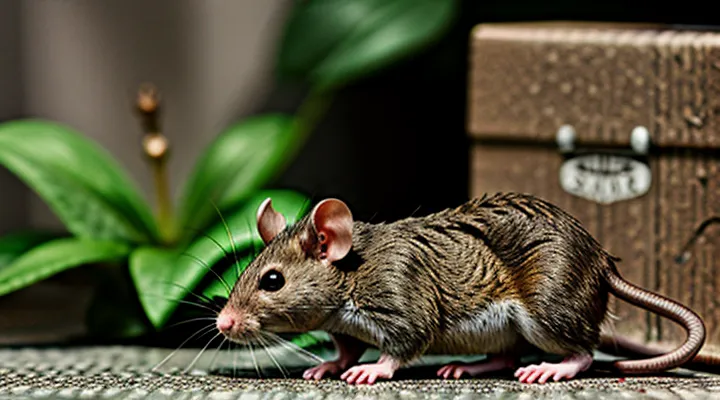
Understanding the Problem: Why Safe Deratization Matters
The Dangers of Rodents
Health Risks
Rodent control programs that prioritize safety must recognize several health hazards that can arise from improper implementation. Chemical agents used to eliminate rats and mice may cause acute toxicity if applied without protective equipment, leading to respiratory irritation, skin burns, or systemic poisoning. Inadequate ventilation during fumigation increases inhalation risk, especially for vulnerable populations such as children, the elderly, and individuals with pre‑existing respiratory conditions.
Biological threats persist when dead rodents are not removed promptly. Decomposing bodies become sources of pathogens, including Leptospira, hantavirus, and Salmonella, which can contaminate surfaces, food supplies, and water sources. Direct contact with contaminated carcasses or droppings may result in cutaneous infections or gastrointestinal illness.
Improper disposal of bait and contaminated waste introduces secondary exposure. Animals that scavenge on discarded poison can suffer secondary poisoning, and humans handling waste without gloves risk dermal absorption of toxic residues. Environmental runoff from untreated bait stations may pollute groundwater, creating long‑term community health concerns.
Key health risks can be summarized as follows:
- Acute chemical toxicity (respiratory, dermal, systemic)
- Disease transmission from carcasses and excreta
- Secondary poisoning of non‑target species
- Contamination of food, water, and surfaces
- Long‑term environmental exposure leading to chronic health effects
Mitigating these risks requires strict adherence to personal protective equipment protocols, immediate removal and proper disposal of dead rodents, secure bait placement to prevent accidental contact, and thorough decontamination of affected areas. Implementing these safeguards preserves the intended safety of rodent management operations while protecting public health.
Property Damage
Rats and mice cause extensive structural and financial loss in residential, commercial, and industrial settings. Their gnawing habit compromises wiring, insulation, and building materials, leading to fire hazards, water leaks, and compromised integrity.
Common forms of damage include:
- Chewed electrical cables, creating short‑circuit risks.
- Damaged plumbing, resulting in leaks and mold growth.
- Destroyed insulation, reducing energy efficiency.
- Compromised structural timber, weakening load‑bearing elements.
- Contaminated food stores, prompting waste and health concerns.
Safe rodent control techniques limit these impacts by eliminating access points, applying low‑toxicity attractants, and deploying mechanical traps. Sealing gaps in foundations, walls, and roofs prevents entry. Bait stations formulated with reduced‑risk compounds limit exposure to non‑target species while maintaining effectiveness. Regular inspection schedules detect early signs of activity, allowing prompt intervention before extensive damage occurs.
Property owners should implement a systematic plan: conduct a thorough perimeter audit, install exclusion barriers, position traps in high‑traffic zones, monitor bait stations weekly, and document findings. This approach minimizes repair costs, safeguards infrastructure, and maintains a safe environment for occupants.
The Pitfalls of Traditional Deratization Methods
Chemical Baits: Risks to Non-Target Species
Chemical baits are a primary tool for controlling rodent populations, yet their toxicity extends beyond target rats and mice. Non‑target wildlife, domestic animals, and humans can suffer acute or chronic effects when bait is ingested directly, consumed as secondary prey, or exposed through contaminated environments.
Key pathways of unintended exposure include:
- Direct consumption of bait by birds, amphibians, or small mammals attracted to the same food sources.
- Secondary poisoning when predators or scavengers eat poisoned rodents.
- Environmental contamination from bait residues leaching into soil or water, affecting invertebrates and aquatic organisms.
Acute toxicity manifests as rapid onset of neurological or cardiovascular failure, often resulting in death within hours. Sublethal exposure can impair reproduction, growth, and immune function, leading to population declines over time. Species with high trophic positions, such as raptors and owls, are especially vulnerable due to bioaccumulation through the food chain.
Mitigation strategies require precise application techniques and rigorous monitoring:
- Deploy bait stations that restrict access to target species, using size‑controlled entry points and lock‑out mechanisms.
- Select active ingredients with low secondary toxicity, such as anticoagulants with limited mammalian uptake, and apply the minimum effective dose.
- Conduct pre‑application surveys to identify the presence of protected or sensitive species within the treatment area.
- Implement buffer zones around water bodies, nesting sites, and wildlife corridors to prevent drift and runoff.
- Record bait placement, quantity, and environmental conditions to facilitate post‑application assessments and regulatory compliance.
Regulatory frameworks typically mandate risk assessments, label instructions, and reporting of non‑target incidents. Compliance with these requirements reduces legal liability and supports sustainable pest management practices. Continuous evaluation of bait performance, coupled with adaptive adjustments to placement and formulation, ensures effective rodent control while safeguarding ecological integrity.
Traps: Humane Concerns
Effective rodent control requires careful evaluation of trap-related welfare issues. Traps that cause prolonged distress or injury conflict with ethical standards and can undermine public acceptance of pest‑management programs.
Live‑capture devices, such as cage traps, minimize pain when checked frequently and released promptly. Snap traps, while quick‑acting, must meet precise spring tension specifications to ensure instantaneous incapacitation; otherwise, they risk bruising or incomplete kills. Glue boards generate prolonged suffering and are widely regarded as unacceptable in humane protocols.
Best practices for humane trapping:
- Inspect cage traps at intervals of no more than two hours; release captured animals at a safe distance from the infested site.
- Calibrate snap mechanisms according to manufacturer guidelines; replace worn springs immediately.
- Eliminate glue‑based products from all control plans.
- Document capture rates, mortality outcomes, and animal condition to verify compliance with welfare criteria.
Monitoring programs should record trap performance metrics, adjust device selection based on observed humane outcomes, and ensure that all personnel receive training on ethical handling. Continuous oversight guarantees that rodent management remains both effective and compassionate.
Safe and Effective Deratization Strategies
Non-Toxic Baiting Solutions
Food-Based Attractants
Food-based attractants serve as primary lures in rodent control programs that prioritize safety. Effective attractants combine high palatability with low non‑target toxicity, ensuring rapid ingestion by rats and mice while minimizing environmental risk.
- Grain mixtures (wheat, barley, corn) fortified with protein or fat additives.
- Fruit‑derived baits (apples, bananas, berries) blended with attractant oils.
- Commercially formulated attractant gels containing molasses or honey.
- Seed‑oil emulsions enriched with aromatic compounds (e.g., cinnamon, anise).
Formulation considerations include:
- Palatability measured by consumption rate in field trials.
- Toxicant compatibility; attractant must not neutralize active ingredients.
- Moisture content to prevent spoilage and mold growth.
- Stability under temperature fluctuations typical of storage and deployment sites.
Safe application guidelines:
- Apply bait at densities recommended by regulatory agencies, typically 0.5–1 g per square meter.
- Position bait stations away from food preparation areas, water sources, and wildlife corridors.
- Conduct regular inspections to verify bait integrity and replace depleted units.
- Record placement coordinates, bait type, and observation dates to support compliance audits.
Adherence to these practices maximizes capture efficiency while preserving human health and ecological balance.
Dehydrating Baits
Dehydrating baits provide a non‑chemical alternative for managing rodent populations while minimizing environmental impact. The formulation typically combines a high‑energy carbohydrate matrix with a desiccating agent such as silica gel, calcium propionate, or magnesium chloride. Rodents ingest the bait, and the desiccant absorbs moisture from the gastrointestinal tract, leading to gradual dehydration and mortality within 24–48 hours.
Key operational considerations include:
- Palatability: Incorporate attractants (e.g., wheat germ, peanut butter) to ensure rapid acceptance by rats and mice.
- Dosage: Provide 0.5–1 g of bait per individual, calibrated to deliver an effective desiccant dose without causing immediate distress.
- Placement: Position baits in concealed, low‑traffic areas near nesting sites; use tamper‑resistant stations to protect non‑target species.
- Temperature stability: Store at 10‑30 °C; extreme heat can reduce efficacy by volatilizing the desiccant.
- Regulatory compliance: Verify that active ingredients meet local pest‑control guidelines; maintain safety data sheets on site.
Safety protocols require personal protective equipment (gloves, goggles) during handling, and thorough hand‑washing after exposure. Disposal of unused bait follows hazardous‑waste procedures to prevent accidental ingestion by wildlife or domestic animals. Monitoring after deployment should include visual checks for bait consumption and periodic assessment of rodent activity levels to confirm control effectiveness.
Humane Trapping Techniques
Live Traps: Catch and Release Protocols
Live traps provide a humane alternative for controlling rodent populations while minimizing chemical exposure. The devices capture individuals without injury, allowing relocation to suitable habitats far from human structures.
Effective catch‑and‑release operations follow a defined sequence:
- Select a trap model with smooth interior surfaces and a trigger mechanism calibrated for the target species’ weight range.
- Position traps along established runways, near walls, and close to food sources. Align entrances perpendicular to the wall to encourage entry.
- Bait each trap with a small amount of high‑energy food (e.g., peanut butter, dried fruit) placed on a removable platform to prevent contamination.
- Inspect traps at intervals not exceeding two hours during active periods (dusk to dawn). Prompt removal reduces stress and prevents escape.
- Wear gloves when handling captured rodents. Transfer the animal to a ventilated container, then release at a distance of at least 1 km from the original site, preferably in a natural area with adequate cover and food availability.
- Reset the trap with fresh bait and resume monitoring.
Recordkeeping supports compliance and evaluation. Log each capture with date, time, location, species, and release site coordinates. Analyze trends to adjust trap density and placement, ensuring sustained population reduction without excessive recapture.
Regular maintenance extends trap lifespan and preserves efficacy. Clean interiors with mild detergent, inspect springs for wear, and replace damaged components before each deployment cycle.
Snap Traps: Proper Placement and Disposal
Snap traps provide rapid, humane elimination of rats and mice when installed correctly and handled responsibly. Their mechanical action prevents chemical exposure, reduces secondary poisoning risk, and offers immediate verification of capture.
Effective placement follows precise criteria. Position traps where rodent activity is confirmed, such as along walls, behind appliances, and near entry points. Align the trigger mechanism perpendicular to the wall to allow natural running routes. Avoid areas with heavy foot traffic, pet pathways, or food preparation surfaces. Secure traps on stable surfaces to prevent tipping.
- Identify fresh droppings, gnaw marks, or grease trails.
- Place traps 1–2 inches from the wall, with the trigger end facing the rodent’s expected approach.
- Use a bait that is attractive but does not attract non‑target species (e.g., peanut butter on a small strip of cardboard).
- Set multiple traps at intervals of 6–12 feet in high‑traffic zones.
- Check traps at least once daily; remove inactive traps to prevent accidental activation.
Disposal must eliminate health hazards and environmental contamination. Wear disposable gloves when retrieving captured rodents. Place each specimen in a sealable plastic bag, then transfer to a second bag for double containment. Dispose of the double‑bagged material according to local regulations for animal waste, typically via approved landfill or incineration services. Clean trap components with a disinfectant solution, rinse thoroughly, and allow to air‑dry before storage or reuse.
Adhering to these placement and disposal protocols ensures that snap traps function safely, maintain sanitary conditions, and comply with occupational health standards.
Exclusion and Prevention: The First Line of Defense
Sealing Entry Points
Sealing entry points eliminates the primary routes rodents use to access buildings, thereby reducing the need for chemical or lethal interventions. Effective sealing creates a physical barrier that prevents new infestations and supports ongoing pest management programs.
- Conduct a thorough inspection of the exterior and interior, focusing on gaps around doors, windows, utility penetrations, vents, and foundation cracks.
- Measure each opening to determine the appropriate material thickness and type.
- Choose durable, non‑toxic materials such as stainless‑steel mesh, cement‑based mortar, expanding foam rated for pest control, or heavy‑duty metal flashing.
- Apply sealants according to manufacturer instructions, ensuring complete coverage and a tight fit around irregular shapes.
- Verify the integrity of each repair by testing for airflow or using a flashlight to detect remaining voids.
- Schedule periodic reviews, especially after renovations or seasonal weather changes, to address new or expanded gaps.
Safety considerations include selecting sealants that do not emit hazardous fumes, avoiding materials that could trap non‑target wildlife, and complying with local building codes. Documentation of all sealing actions aids in tracking progress and demonstrating compliance during inspections.
Maintaining Sanitation
Maintaining sanitation is a fundamental component of effective rodent control programs. Clean environments remove food sources, nesting materials, and shelter, thereby reducing the attraction and survivability of rats and mice.
Key sanitation practices include:
- Prompt removal of food waste from floors, countertops, and storage areas.
- Sealing containers with tight‑fitting lids and using pest‑proof bins.
- Regular cleaning of spills, crumbs, and residues in production, kitchen, and dining zones.
- Eliminating standing water and fixing leaks that provide hydration.
- Storing dry goods off the floor and away from walls to prevent rodent access.
- Implementing strict waste‑disposal protocols, including daily collection and secure compaction.
Routine inspection reinforces sanitation standards. Inspectors should verify that all waste containers are intact, surfaces are free of debris, and structural gaps are sealed. Documentation of findings supports corrective actions and compliance verification.
Integrating these measures with safe pest‑eradication techniques creates a comprehensive approach that minimizes rodent populations while protecting human health and food safety.
Yard Maintenance
Effective yard maintenance reduces the likelihood of rodent infestations while supporting safe control practices. Regular trimming of grass and vegetation eliminates shelter and food sources, making the area less attractive to rats and mice. Removing debris, such as piles of leaves, wood, or compost, prevents nesting sites. Proper storage of waste in sealed containers blocks access to food.
Key maintenance actions include:
- Cutting grass to a height of 3–4 inches and keeping edges clear.
- Pruning low branches that create bridges between trees and structures.
- Disposing of fallen fruit, nuts, and other edible material promptly.
- Inspecting and repairing cracks in foundations, fences, and exterior walls.
- Elevating firewood stacks at least 12 inches off the ground and covering them with a tarp.
- Using metal or concrete barriers around garden beds to deter burrowing.
These measures complement chemical‑free control methods, such as live traps and exclusion devices, by reducing the need for intervention. Consistent implementation creates an environment where rodents find limited shelter and resources, aligning with humane and safe pest management objectives.
Natural Deterrents
Scent-Based Repellents
Scent‑based repellents rely on volatile compounds that rodents find unpleasant, providing a non‑lethal option for rodent control. The approach exploits the acute olfactory system of rats and mice, which reacts to specific odors by avoiding contaminated zones.
Common active ingredients include:
- Predator urine extracts (e.g., fox, ferret)
- Essential oils such as peppermint, eucalyptus, and citronella
- Capsaicin derived from chili peppers
- Ammonia or chlorine‑based vapors
- Synthetic pheromone disruptors
These substances trigger aversion through irritation of nasal receptors or perception of threat cues. The resulting behavioral response reduces entry into treated areas without harming non‑target species.
Safety profile emphasizes low toxicity. Products approved for residential use contain concentrations below occupational exposure limits, pose minimal risk to children and pets, and degrade rapidly in open air. Proper ventilation and adherence to label instructions prevent accidental inhalation or skin irritation.
Effective deployment follows a systematic pattern:
- Identify entry points, nesting sites, and food storage zones.
- Place absorbent pads or sachets 12–18 inches apart along walls, under appliances, and near openings.
- Replace or refresh materials every 2–4 weeks, depending on ambient temperature and odor intensity.
- Monitor rodent activity with traps or visual inspections to verify deterrent performance.
Field trials report activity reductions ranging from 40 % to 80 % when scent repellents are combined with sealing of structural gaps. Success correlates with maintaining consistent odor levels; diminished concentration leads to rapid habituation.
Limitations include limited radius of effect—typically 3–6 feet—and the potential for rodents to acclimate after prolonged exposure. Regular rotation of scent types mitigates tolerance, while integration with exclusion techniques sustains long‑term control.
A comprehensive safe strategy incorporates scent deterrents, physical barriers, and sanitation measures to limit food sources. This multilayered approach maximizes efficacy while minimizing reliance on toxic chemicals.
Predatory Scents
Predatory scents exploit the innate fear response of rats and mice, prompting avoidance or rapid retreat from treated zones. Synthetic analogues of fox urine, ferret gland secretions, and owl feather extracts mimic natural predator cues, disrupting foraging patterns without physical contact.
Effective deployment requires precise concentration, uniform coverage, and periodic reapplication. Over‑dilution diminishes deterrent effect; excessive concentration may cause habituation. Recommended practice:
- Prepare a 1 % solution in water or a compatible carrier.
- Apply to entry points, walls, and travel pathways using a spray bottle or fogger.
- Re‑treat every 7–10 days in high‑traffic areas; extend interval to 21 days where activity is low.
Safety considerations include using non‑toxic carriers, avoiding direct contact with food surfaces, and storing formulations in sealed containers away from children and pets. Personal protective equipment—gloves and eye protection—is advisable during mixing and application.
Integrating predatory scents with mechanical exclusion, sanitation, and trapping creates a multi‑modal strategy that reduces reliance on rodenticides while maintaining control efficacy. Continuous monitoring of activity levels confirms the scent’s impact and informs adjustment of dosage or supplemental methods.
Integrated Pest Management (IPM) for Rodents
Assessment and Monitoring
Effective rodent eradication programs rely on systematic assessment and continuous monitoring to ensure safety and efficacy. Initial surveys identify species composition, population density, and activity hotspots through visual counts, bait stations, and motion‑activated cameras. Data from these surveys guide the selection of appropriate control agents and deployment strategies, minimizing non‑target exposure.
Baseline environmental parameters—temperature, humidity, and food availability—are recorded before intervention. This information establishes reference points for evaluating post‑treatment changes and detecting unintended ecological impacts.
Implementation of control measures follows a documented plan that includes:
- Placement density and spacing of traps or bait stations according to surveyed activity zones.
- Rotation of bait types to prevent resistance development.
- Use of tamper‑proof containers and exclusion devices to protect non‑target species.
Monitoring continues throughout the operation. Weekly inspections verify trap functionality, bait integrity, and capture rates. Captured specimens are counted, identified, and, when required, submitted for laboratory analysis to confirm species and assess health status.
Post‑treatment evaluation compares capture data against baseline figures. Decline percentages, residual activity, and re‑infestation signs determine whether additional cycles are necessary. All observations are logged in a centralized database, enabling trend analysis and compliance reporting to regulatory authorities.
Long‑term surveillance extends for at least three months after the final control action. Sentinel stations remain active to detect resurgence. Environmental samples—soil, water, and food residues—are periodically tested for residual chemicals, ensuring that concentrations remain within safety thresholds.
The integration of precise assessment and rigorous monitoring creates a feedback loop that optimizes safe rodent control, protects ecosystems, and fulfills legal obligations.
Combination of Methods
Effective rodent management often requires integrating several techniques to achieve reliable results while minimizing health and environmental risks. Combining physical, chemical, and biological strategies creates redundancy, reduces the chance of resistance, and limits exposure to hazardous substances.
Physical barriers such as sealed entry points, metal mesh, and trap stations provide immediate exclusion and capture. Chemical controls, when applied, should be limited to low‑toxicity baits positioned behind secure barriers to prevent non‑target access. Biological agents, including rodent‑specific pathogens or predatory species, complement the other measures by targeting populations that evade traps.
A practical integrated protocol might include:
- Inspection and sealing of all potential ingress routes.
- Installation of snap or electronic traps in high‑traffic zones.
- Deployment of anticoagulant‑free bait stations with tamper‑resistant designs.
- Introduction of natural predators (e.g., barn owls) or rodent‑specific viruses under veterinary supervision.
- Ongoing monitoring through visual checks and motion‑activated cameras to adjust tactics promptly.
Coordinating these elements ensures continuous pressure on rodent populations, reduces reliance on any single method, and aligns with safety standards for occupants and the surrounding ecosystem. Regular evaluation and documentation of outcomes support adaptive management and compliance with regulatory guidelines.
Ongoing Maintenance and Evaluation
Effective rodent eradication programs require continuous oversight to preserve safety and efficacy. After initial deployment of control measures, a schedule of inspections confirms that traps, baits, and exclusion barriers remain functional and correctly positioned. Personnel must verify that devices are free of damage, that bait concentrations comply with regulatory limits, and that any signs of non‑target exposure are documented promptly.
Ongoing evaluation follows a systematic cycle:
- Record trap catches weekly, noting species, sex, and location.
- Compare capture data against predefined thresholds to detect population rebounds.
- Conduct environmental sampling for residual toxicity levels in feed, water, and soil.
- Review incident reports for accidental exposures or equipment failures.
- Adjust placement density, bait formulation, or device type based on trend analysis.
- Submit quarterly performance summaries to supervisory authorities for compliance verification.
Maintaining this regimen ensures that rodent control remains both humane and compliant with health standards, while preventing resurgence and minimizing ecological impact.