
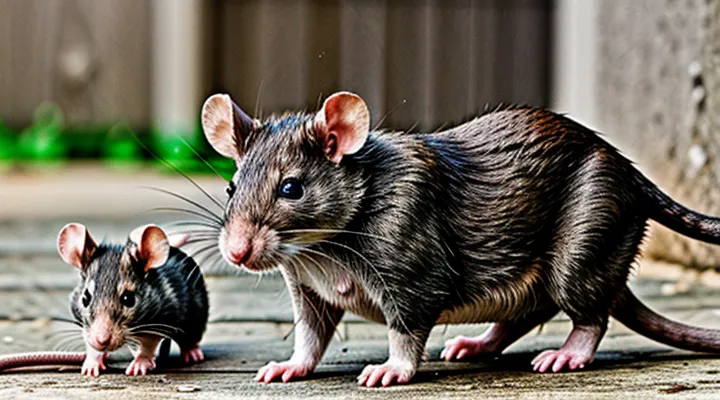
The Miracle of Rat Reproduction
Understanding the Gestation Period
The gestation period for laboratory and domestic rats averages 21‑23 days, with slight variation among strains and environmental conditions. Precise timing is critical for planning interventions, such as health assessments or nutritional adjustments, because fetal development progresses rapidly during this interval.
During pregnancy, the female experiences marked endocrine shifts that increase basal metabolism, stimulate uterine growth, and alter behavior. Adequate protein (18‑20 % of diet), calcium, and essential fatty acids support embryonic organ formation and prevent maternal depletion. Continuous access to clean water and a stable temperature (20‑24 °C) reduces stress, which can shorten or extend gestation unpredictably.
Key considerations for managing the gestation phase:
- Monitor weight gain; a 10‑15 % increase signals successful implantation.
- Observe for abdominal enlargement and nipple development, typically appearing by day 12.
- Provide a nesting material supply around day 15 to encourage proper nest construction.
- Avoid handling after day 18 unless necessary, as disturbance may trigger premature labor.
Understanding these parameters enables accurate prediction of parturition, ensuring that the mother and her future litter receive optimal care from conception through birth.
The Birth Process
Rats typically experience a gestation period of 21‑23 days, after which the female gives birth to a litter ranging from six to twelve pups. During parturition the mother assumes a curled posture, facilitating the smooth passage of each pup through the birth canal. The pups emerge hairless, blind, and dependent on the mother for warmth and nutrition.
Immediately after birth the dam performs several critical actions:
- Licking: Stimulates respiration and removes amniotic membranes.
- Nursing: Initiates milk let‑down; rat milk is rich in protein and immunoglobulins essential for early immune development.
- Nest maintenance: Rearranges bedding to provide uniform temperature, preventing hypothermia.
The first 24 hours are decisive for pup survival. The mother’s continuous presence maintains optimal thermal conditions, while her milk supply supplies the calories required for rapid growth. Any disruption—such as premature separation or inadequate nesting material—can increase mortality rates dramatically.
By the fourth day, the pups’ eyes open and fur begins to develop, marking the transition to partial independence. Nevertheless, the mother continues to nurse until weaning occurs around three weeks of age, at which point the juveniles acquire solid food and begin to explore the environment under maternal supervision.
Neonatal Care: First Days of Rat Pups
Initial Mother-Pup Bonding
Mother rats establish a strong connection with their newborns within the first few hours after birth. This attachment relies on tactile stimulation, scent exchange, and auditory cues. The dam repeatedly nuzzles each pup, depositing her own odor onto their fur, which creates a recognizable chemical signature that the litter uses for identification and safety.
Key components of the early bonding process include:
- Physical contact: Continuous grooming and gentle pressure from the mother maintain body temperature and stimulate pup development.
- Scent marking: The dam’s saliva and glandular secretions coat the pups, producing a unique family scent that reinforces group cohesion.
- Vocal communication: Soft, high‑frequency calls emitted by the mother guide the pups toward nursing sites and signal readiness to feed.
Successful initial bonding reduces the likelihood of pup abandonment, ensures efficient milk transfer, and promotes rapid growth. Disruption of any of these mechanisms—such as excessive handling by humans or environmental stressors—can impair the mother‑pup relationship and jeopardize offspring survival.
Nutritional Needs of Pups
Mother's Milk Composition
Mother rat milk is a dynamic fluid designed to meet the rapid growth demands of neonates. Its composition evolves throughout the lactation period, shifting from a colostral phase rich in immune factors to a mature phase optimized for energy provision.
Key components include:
- Proteins: High‑quality whey and casein fractions supply essential amino acids; immunoglobulins (IgG, IgA, IgM) dominate early secretion, providing passive immunity.
- Lipids: Triacylglycerols constitute the primary energy source; the fatty‑acid profile features a mix of saturated, monounsaturated, and polyunsaturated chains, notably arachidonic and docosahexaenoic acids critical for neural development.
- Carbohydrates: Lactose serves as the main carbohydrate, supporting gut flora and calcium absorption.
- Vitamins and minerals: Vitamin A, D, E, and K appear in concentrations sufficient for skeletal and visual maturation; calcium, phosphorus, magnesium, and zinc facilitate bone mineralization.
- Bioactive molecules: Hormones (prolactin, growth hormone), growth factors (IGF‑1, EGF), and oligosaccharides modulate gut maturation and microbial colonization.
During the first 48 hours, immunoglobulin concentration can exceed 10 g L⁻¹, declining to baseline levels by day 10 as the pups’ own immune system matures. Fat content rises from approximately 5 % in colostrum to 12 % in mature milk, aligning with the increasing caloric requirement of rapidly gaining pups. Lactose concentration remains relatively stable around 5–6 % throughout lactation.
Overall, the precise balance of macronutrients, micronutrients, and bioactive agents in rat maternal milk underpins the physiological transition from birth to independence.
Supplemental Feeding Considerations
Supplemental feeding becomes necessary when a mother rat cannot provide sufficient milk, when litters are unusually large, or when pups are orphaned. The goal is to maintain normal growth rates and prevent dehydration or hypoglycemia.
- Use a commercial rodent milk replacer formulated for rats; human infant formula lacks essential nutrients and can cause digestive upset. Dilute the replacer with sterile, lukewarm water to the concentration specified by the manufacturer.
- Prepare feeding equipment that can deliver 0.1–0.2 ml per pup per feeding. A 1 ml syringe with a fine‑gauge (30‑32 G) feeding needle provides precise control.
- Warm the formula to 37 °C before each session. Test temperature by placing a drop on the inner wrist; it should feel comfortably warm, not hot.
- Feed pups every 3–4 hours, including nighttime intervals, until they reach 10 g body weight. Increase volume gradually as weight gains stabilize.
- Position each pup on its back, support the head, and introduce the needle to the side of the mouth. Avoid forcing the formula; allow the pup to swallow naturally.
- Record weight before each feeding. A gain of 1–2 g per day indicates adequate nutrition; stagnation or loss signals a problem requiring immediate veterinary assessment.
- Sterilize all feeding tools after each use by autoclaving or soaking in a 10% bleach solution followed by thorough rinsing with sterile water.
- Transition to solid food at 3 weeks of age. Introduce a high‑protein rodent mash, gradually reducing formula volume over several days.
Monitoring hydration status, body temperature, and weight trends ensures that supplemental feeding supports healthy development without introducing infection or nutritional imbalances.
Maintaining a Safe Environment
Nesting Material Selection
Choosing appropriate nesting material directly influences the health and development of newborn rats. Soft, absorbent, and non‑toxic substances create a stable microenvironment that retains warmth, reduces moisture loss, and prevents skin irritation. Materials must be easy for the dam to manipulate, allowing her to construct a compact nest that shields the pups from drafts and contaminants.
Key criteria for material selection include:
- Absorbency: High capacity to wick away urine and dampness, keeping the nest dry.
- Thermal insulation: Fibrous or plush textures that retain heat without overheating.
- Safety: Free of sharp edges, chemicals, or allergens that could harm delicate skin.
- Availability: Readily sourced, cost‑effective, and replaceable without disrupting the colony.
Commonly recommended options:
- Paper‑based bedding (e.g., shredded paper or cellulose): Excellent absorbency, low dust, and easy to shape.
- Commercial nest pads (soft fleece or polyester blends): Superior insulation, reusable after washing, but require regular cleaning to avoid bacterial buildup.
- Untreated cotton fibers: Gentle on skin, moderate absorbency, and biodegradable.
Materials that should be avoided are those containing scented additives, pine or cedar shavings, and any synthetic fibers that generate static or shed particles. Static can cause skin abrasions, while scented products may stress the dam and impede nursing behavior.
Implementing a rotation schedule—replacing the nest material every 24‑48 hours—maintains hygiene and prevents mold growth. Monitoring the nest for signs of dampness, odor, or excessive debris allows timely intervention before health issues arise. By adhering to these guidelines, caretakers ensure that the nesting environment supports optimal growth and survival of the young rats.
Temperature and Humidity Control
Maintaining a stable microclimate is critical when rearing newborn rats. Temperature and humidity directly affect thermoregulation, growth rate, and immune function.
The ideal ambient temperature for neonates ranges from 30 °C to 32 °C during the first week, decreasing to 26 °C–28 °C by the third week. Heat sources such as ceramic heat emitters, thermostatically controlled heating pads, or incubators provide consistent warmth without generating drafts. Position the heat source above, not directly over, the nest to prevent overheating of the pups’ heads.
Relative humidity should remain between 50 % and 60 % to prevent dehydration while avoiding excess moisture that encourages mold growth. Humidifiers equipped with hygrometers, or water‑filled containers placed near the cage, can sustain the target range. Ensure proper ventilation to circulate air and prevent condensation on cage walls.
Regular monitoring supports rapid response to fluctuations:
- Use calibrated digital thermometers and hygrometers placed at pup level.
- Record readings at least twice daily; adjust heating or humidifying devices as needed.
- Verify uniformity by checking multiple points within the enclosure.
Prompt correction of deviations preserves pup vitality and reduces mortality, facilitating successful development.
Developmental Stages of Rat Pups
Week One: Early Development
Physical Milestones
Rat pups undergo a rapid sequence of physical changes that signal readiness for increased independence. Recognizing each stage enables effective husbandry and reduces the risk of developmental complications.
- Birth (Day 0): Weight ranges from 5 g to 7 g; pups are hairless, eyes closed, and incapable of thermoregulation without maternal warmth.
- Eye opening (Day 13‑15): Pigmented eyelids separate; visual cues begin to influence feeding behavior.
- Fur development (Day 10‑12): Sparse whiskers appear, followed by a complete coat by Day 16, providing insulation and tactile feedback.
- Incisor eruption (Day 14‑18): Primary incisors emerge, allowing solid food manipulation.
- Locomotion (Day 8‑10): Pups achieve coordinated crawling; by Day 12 they can stand briefly and explore the nest.
- Weaning (Day 21‑23): Transition from milk to solid diet; weight gain stabilizes, and digestive enzymes mature.
- Sexual maturity (Day 45‑55): Testes descend in males; estrous cycles commence in females, indicating reproductive capability.
Caregivers must monitor weight daily, maintain ambient temperature of 26 °C ± 2 °C until fur is fully developed, and provide a high‑protein solid diet at weaning. Failure to observe these milestones can result in stunted growth, increased susceptibility to infection, and delayed reproductive readiness.
Sensory Development
The early sensory system of newborn rats develops rapidly, guiding their ability to locate the nest, recognize the mother’s milk, and avoid hazards. At birth, tactile receptors dominate; whisker follicles (vibrissae) provide immediate feedback about the nest’s texture, while cutaneous mechanoreceptors detect pressure and temperature changes. Within the first week, auditory pathways mature, allowing pups to respond to the dam’s vocalizations, and the visual system gains functional acuity by the end of the second week.
Caregivers can influence this progression through environmental management and targeted stimulation:
- Maintain a stable nest temperature (30‑32 °C) to support thermoreceptor function and prevent hypothermia‑induced sensory deficits.
- Provide soft, non‑abrasive bedding to encourage whisker exploration without causing injury.
- Limit sudden loud noises; introduce low‑volume maternal calls to reinforce auditory discrimination.
- Ensure consistent lighting cycles (12 h light/12 h dark) to promote normal retinal development.
Monitoring sensory milestones offers early detection of developmental abnormalities. Absence of startle reflexes, delayed response to maternal scent, or lack of whisker‑driven navigation suggests potential neurological impairment and warrants veterinary assessment. Regular observation of these indicators, combined with appropriate environmental support, optimizes the sensory health of rat offspring under human care.
Week Two: Increased Activity
Exploration and Play
Rats and their young rely on active exploration and play to develop sensory acuity, motor coordination, and social competence. These behaviors emerge within the first weeks of life and intensify as pups gain independence.
Typical activities include:
- Sniffing and investigating bedding, tunnels, and objects;
- Manipulating lightweight items such as paper strips or plastic tubes;
- Engaging in gentle chases and mock wrestling with littermates;
- Navigating three‑dimensional spaces by climbing and leaping.
Caretakers can facilitate healthy development by providing a structured yet flexible environment:
- Offer a variety of safe, chew‑resistant materials that encourage tactile interaction.
- Arrange a network of tunnels, platforms, and hideouts to promote spatial learning.
- Rotate objects weekly to sustain novelty and prevent habituation.
- Maintain a consistent cleaning schedule to reduce pathogen risk while preserving scent cues.
- Supervise group play sessions, intervening only when aggression escalates.
The combined effect of these practices enhances neural plasticity, improves problem‑solving ability, and strengthens sibling bonds, laying a foundation for resilient adult rats.
Socialization within the Litter
Socialization among newborn rats begins immediately after birth and shapes the future behavior of each pup. Direct contact with littermates promotes development of communication signals, establishes dominance hierarchies, and reduces anxiety in later environments. The mother’s grooming reinforces tactile cues and encourages reciprocal grooming among siblings, which strengthens group cohesion.
Effective practices for enhancing litter socialization include:
- Providing a spacious, clean nesting area that allows unrestricted movement and interaction.
- Maintaining a stable temperature to prevent stress that can inhibit normal play behavior.
- Limiting human disturbance during the first two weeks to preserve natural peer dynamics.
- Introducing gentle, varied tactile stimuli (e.g., soft brush strokes) after weaning to broaden sensory experiences.
- Monitoring for signs of aggression; intervening only when injury risk is evident, as occasional mild competition supports hierarchy formation.
Research indicates that litters with balanced social exposure exhibit improved problem‑solving abilities, faster adaptation to new cages, and reduced stereotypic behaviors. Consistent peer interaction therefore constitutes a fundamental component of comprehensive offspring care for laboratory and pet rats alike.
Weaning and Solid Foods
Introduction to Solid Foods
Introducing solid foods to young rats marks the transition from exclusive nursing to a more varied diet. Begin the process when pups are approximately three weeks old, as their incisors have emerged and they can grasp small particles. Provide a shallow dish of moist, easily chewable items to encourage exploration without risk of choking.
Key considerations for a successful introduction:
- Offer soft, grain‑based pellets or finely ground laboratory chow; these mimic the texture of natural seeds.
- Include small portions of fresh vegetables such as carrots, spinach, or zucchini, finely diced to prevent large bites.
- Add a protein source like boiled egg white or low‑fat cottage cheese, limited to a teaspoon per day to avoid excess calories.
- Maintain a consistent feeding schedule, presenting solids twice daily for 10–15 minutes while continuing maternal milk access.
Monitor intake closely. Signs of acceptance include active nibbling and increased body weight. Signs of intolerance—diarrhea, lethargy, or refusal to eat—require immediate adjustment of food type or quantity and consultation with a veterinarian.
Gradual reduction of milk should accompany solid food acceptance. By six weeks of age, solid foods should constitute the majority of the diet, with water available at all times. Proper hygiene, regular cleaning of feeding dishes, and rotation of food items help prevent bacterial growth and ensure nutritional balance for the growing pups.
Gradual Reduction of Nursing
The transition from exclusive nursing to independent feeding is a critical stage in the development of laboratory and pet rats. During this period the dam’s milk production declines while the pups increase solid‑food consumption, reducing dependence on the mother and preparing the litter for separation.
- Begin weaning at 21 days of age; prior to this, pups typically consume only milk.
- Introduce high‑protein pelleted diet alongside the nest material; place food in shallow dishes to encourage exploration.
- Reduce nursing sessions gradually: limit dam‑pup contact to three short periods per day for the first 48 hours, then to two sessions, and finally to a single brief interaction before full separation.
- Monitor pup weight daily; a stable or increasing weight indicates successful transition.
- Observe behavior for signs of stress or inadequate intake, such as excessive vocalization, reduced activity, or weight loss exceeding 5 % of body mass.
Successful weaning requires careful timing, consistent food availability, and regular health checks. By following a structured reduction in nursing, caretakers ensure that rat offspring develop adequate feeding skills while maintaining physiological stability.
Common Challenges and Solutions
Recognizing Health Issues in Pups
Signs of Illness
Monitoring health in a breeding pair and their offspring prevents loss and promotes rapid recovery. Early detection relies on observable changes in behavior, appearance, and physiological function.
Adult rats display distinct indicators of disease. Common signs include:
- Reduced activity or lethargy
- Loss of appetite or failure to eat
- Unkempt fur, excessive grooming, or hair loss
- Nasal or ocular discharge
- Labored breathing, wheezing, or audible cough
- Diarrhea or abnormal stool consistency
- Swelling of limbs, abdomen, or facial area
- Unusual vocalizations or increased aggression
Pup health requires particular attention because symptoms progress quickly. Critical observations are:
- Failure to gain weight or weight loss
- Lack of nursing behavior, such as not seeking the dam’s nipples
- Abnormal posture, including hunching or inability to move
- Pale or mottled skin, especially around the ears and tail
- Moist, discolored eyes or mouth
- Persistent trembling or shivering
- Sudden death without prior signs, indicating acute infection
Any combination of these symptoms warrants immediate veterinary assessment. Prompt isolation of the affected individual, sanitation of the cage, and supportive care improve outcomes for the entire litter.
Basic First Aid
When a rat or its offspring suffers injury, immediate assessment determines the appropriate response. Check breathing, pulse, and level of consciousness before proceeding with any intervention.
Apply basic first‑aid measures in the following order:
- Control bleeding – Apply a sterile gauze pad with gentle pressure; if bleeding persists, use a clean cloth and maintain pressure for several minutes.
- Clean wounds – Rinse with lukewarm saline solution; avoid harsh antiseptics that may damage delicate tissue.
- Stabilize fractures – Immobilize the affected limb using a soft splint made from padded material; secure without restricting circulation.
- Treat burns – Cool the area with cool (not cold) water for 10‑15 minutes; cover with a non‑adhesive sterile dressing.
- Address shock – Keep the animal warm, elevate the hindquarters slightly, and monitor heart rate; seek veterinary care promptly.
Monitor vital signs every five minutes until professional help arrives. Record observations such as temperature, respiration rate, and any changes in behavior. Provide a quiet, stress‑free environment to reduce anxiety and support recovery.
If the condition worsens—persistent bleeding, difficulty breathing, or loss of consciousness—transport the rat or pup to a qualified veterinarian without delay.
Addressing Behavioral Problems
Aggression in the Mother
Maternal aggression in laboratory and pet rats arises primarily from hormonal shifts that accompany parturition. Elevated prolactin and oxytocin levels increase protective instincts, prompting the dam to defend the nest against perceived threats.
Key factors that intensify aggressive responses include:
- Sudden changes in temperature or lighting that disturb the nest environment.
- Introduction of unfamiliar scents, objects, or handling procedures.
- Premature removal of pups or excessive grooming by humans.
- Presence of other adult rats, especially males, near the nesting area.
Typical manifestations consist of rapid vocalizations, lunging toward an intruder, biting or scratching, and vigorous nest rearrangement. These actions often occur when a caretaker approaches the nest or when the litter is disturbed.
Effective control measures focus on minimizing stressors and respecting the dam’s natural protective behavior:
- Provide a secluded, low‑traffic nesting chamber with consistent temperature and humidity.
- Limit handling to brief, gentle sessions after the first week postpartum, when aggression usually declines.
- Use clean, scent‑free gloves and tools if interaction is necessary.
- Avoid placing other adult rats near the mother’s cage during the early lactation period.
Caretakers should monitor the dam’s behavior daily, recording any escalation in aggression. Intervention is warranted only when the dam endangers the pups, such as excessive biting that results in injury. In such cases, separate the pups into a secondary enclosure with a soft substitute nest, allowing the mother to recover without constant confrontation. Continuous observation, stable environmental conditions, and minimal disturbance together reduce aggressive incidents while supporting healthy development of the offspring.
Runts and Weak Pups
Runts and weak pups are the smallest and most fragile members of a litter. Their low birth weight, reduced vigor, and limited ability to compete for milk make them vulnerable to hypoglycemia, dehydration, and infection.
Effective intervention begins immediately after birth. Provide supplemental feeding with a calibrated syringe or droplet feeder, using a formula designed for neonatal rodents. Offer small, frequent doses (e.g., 0.1 ml every 2 hours) to maintain stable blood glucose levels. Warm the pups with a heating pad set to 30–32 °C, monitoring temperature to prevent overheating.
Environmental adjustments support recovery. Place runts in a separate nest segment lined with soft, absorbent material to reduce competition. Keep the nest dry and free of waste, replacing bedding daily. Limit disturbance to minimize stress.
Continuous observation ensures timely response. Record weight daily; a gain of at least 1 g per day indicates adequate nutrition. Watch for signs of lethargy, abnormal breathing, or skin discoloration, and intervene with veterinary care if needed. Once the pups reach 75 % of normal litter weight, begin gradual integration with siblings and reduce supplemental feeding.
Environmental Stressors
Noise and Disturbances
Noise and disturbances can compromise the health and development of rat mothers and their litters. Sudden sounds trigger acute stress responses, increasing cortisol levels in the dam and reducing maternal grooming. Elevated stress diminishes milk production, leading to slower weight gain in pups. Continuous low‑frequency vibrations interfere with nest stability, causing pups to expend energy repositioning rather than feeding.
Key impacts:
- Physiological stress: heightened heart rate, reduced lactation.
- Behavioral changes: decreased nest attendance, increased agitation.
- Developmental delays: lower growth rates, impaired sensory maturation.
Mitigation measures:
- Locate breeding enclosures in quiet rooms away from HVAC units, traffic corridors, and loud equipment.
- Install sound‑absorbing panels or acoustic foam on walls and ceilings.
- Schedule routine cage cleaning and husbandry tasks during designated quiet periods.
- Use low‑noise lighting and ventilation systems; verify that fans operate below 30 dB.
- Monitor ambient sound with a decibel meter; maintain levels under 50 dB during daylight and under 40 dB at night.
Implementing these controls stabilizes the maternal environment, supports consistent nurturing behavior, and promotes optimal growth trajectories for the young.
Overcrowding
Overcrowding in a breeding environment compromises the health and development of juvenile rats. Limited space forces pups to compete for food, water, and nesting material, leading to uneven growth rates and increased mortality. High density elevates stress hormones, which suppress immune function and make the group more susceptible to respiratory infections and parasites. Accumulated waste in confined areas raises ammonia levels, causing ocular irritation and respiratory distress. Social hierarchy becomes more pronounced, resulting in aggressive encounters that can cause injuries among the young.
Effective management of population density requires precise control of cage dimensions, litter size, and environmental enrichment. Key actions include:
- Allocate at least 0.5 square feet of floor space per adult rat and additional space for each pup.
- Restrict each breeding pair to a maximum of eight offspring before weaning.
- Provide multiple nesting zones and chewable objects to disperse activity and reduce competition.
- Conduct weekly cleaning to remove droppings and urine, maintaining ammonia concentrations below 25 ppm.
- Monitor weight gain and behavior daily; intervene promptly if any pup falls behind growth benchmarks or displays signs of chronic stress.
Implementing these measures sustains optimal growth conditions, minimizes disease transmission, and promotes harmonious social interactions within the colony.
Post-Weaning Care and Integration
Preparing Pups for Independence
Rats transition from dependence to self‑sufficiency during a brief but critical developmental window. Successful preparation requires systematic management of nutrition, environment, and behavior.
Nutrition shifts from maternal milk to solid food between days 14 and 21. Introduce high‑protein pellets gradually, supplementing with fresh vegetables and occasional protein treats. Monitor body condition daily; a stable weight gain of 2–3 g per day indicates adequate intake.
Environmental enrichment accelerates skill acquisition. Provide nesting material, climbing structures, and tunnels that encourage exploration. Rotate objects weekly to prevent habituation and stimulate problem‑solving abilities.
Social competence develops through controlled peer interaction. Group pups in small cohorts for 30‑minute sessions twice daily, allowing gentle grooming and play while supervising aggression. Gradual exposure to unfamiliar conspecifics builds adaptability.
Health vigilance remains essential. Conduct weekly physical examinations, checking for signs of respiratory distress, skin lesions, or abnormal feces. Maintain a clean cage, replace bedding regularly, and ensure ventilation meets species‑specific standards.
Key steps for fostering independence:
- Begin weaning at day 14; replace milk with pellets over a 5‑day period.
- Offer diverse, nutritionally balanced solid foods; adjust portions based on weight trends.
- Install climbing and tunneling apparatus; modify layout biweekly.
- Schedule structured peer‑interaction sessions; monitor for dominant behavior.
- Perform weekly health checks; keep hygiene protocols strict.
Adhering to this protocol equips rat pups with the physiological resilience and behavioral competence necessary for autonomous living.
Socialization with Humans
Rats become comfortable with people when exposure begins within the first weeks of life. Early handling reduces fear responses and encourages trust, which benefits both the mother and her pups during daily care.
- Begin gentle contact at three to five days old, using brief, calm strokes on the back and sides.
- Increase session length by one minute each day, maintaining a quiet environment to prevent stress.
- Introduce the handler’s scent by placing a clean cloth with the person’s odor in the nest for short periods.
- Rotate caregivers every few days to prevent dependence on a single individual while preserving the pups’ adaptability.
Consistent interaction supports the development of social skills that persist into adulthood. Pups that receive regular human contact display lower aggression toward cage mates and respond more readily to health checks, facilitating routine veterinary procedures.
When the mother is present, avoid abrupt removal of pups for extended handling. Short, scheduled sessions preserve the maternal bond and prevent disruption of nursing cycles. After weaning, continue daily handling for at least two weeks to reinforce the established trust.
Proper socialization integrates seamlessly with overall offspring care, enhancing the rat’s welfare and simplifying long‑term management.
Introducing Pups to New Environments
Introducing rat pups to unfamiliar surroundings requires a systematic approach that minimizes stress and promotes adaptation. Begin by selecting a neutral enclosure that differs from the home cage in size, substrate, and layout. Place the new cage in a quiet area, away from loud equipment and heavy foot traffic, to prevent sensory overload.
Prepare the environment before the pups arrive. Provide nesting material identical to that used in the primary nest, ensuring familiarity in texture and scent. Include a few familiar objects—such as a piece of the home cage wall or a favorite chewable item—to create recognizable landmarks. Maintain temperature within the thermoneutral range (22‑26 °C) and ensure adequate ventilation without drafts.
When transferring the pups, follow these steps:
- Gentle handling – Use soft, gloved hands to lift each pup by the base of the tail, avoiding direct pressure on the body.
- Immediate placement – Set the pup directly onto the prepared nesting area; do not pause on foreign surfaces.
- Observation period – Allow a 10‑minute interval for the pup to explore before introducing additional littermates or the dam.
- Gradual integration – After the initial observation, introduce the remaining pups in the same manner, monitoring for signs of agitation or aggression.
- Reunion with dam – Once all pups are settled, return the dam to the new enclosure. Observe her behavior for at least 30 minutes to confirm acceptance and proper nursing.
Record key metrics—body temperature, weight, and activity level—at 30‑minute intervals during the first two hours. Any deviation from baseline indicates the need for immediate intervention, such as returning the pups to the original cage or adjusting environmental parameters.
Concluding the exposure, retain the new enclosure for a minimum of 24 hours to allow the litter to acclimate fully. Continuous monitoring ensures that the transition supports healthy development and reinforces parental care behaviors.