
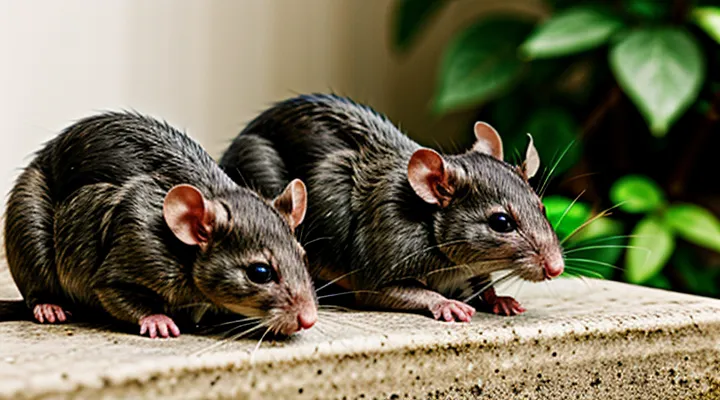
Understanding Raspy Breathing in Rats
What is Raspy Breathing?
Normal vs. Abnormal Rat Breathing
Rats normally respire at a rate of 70–150 breaths per minute while at rest, with each inhalation producing a quiet, low‑amplitude airflow. Thoracic movement is smooth, and the nasal passages remain clear, allowing unobstructed air passage. Oxygen saturation stays above 95 % under typical laboratory conditions, and arterial blood gases reflect a balanced pH and carbon dioxide level.
Abnormal breathing manifests as irregular rhythm, increased effort, or audible noise. Common indicators include:
- Respiratory rate exceeding 200 breaths per minute or dropping below 60, indicating tachypnea or bradypnea.
- Presence of harsh, rattling sounds during inspiration or expiration, suggesting airway obstruction or fluid accumulation.
- Visible retractions of the intercostal muscles or flaring of the nostrils, reflecting increased work of breathing.
- Decline in oxygen saturation below 90 % and a shift toward acidosis in blood gas analysis.
These deviations often precede or accompany conditions such as upper‑respiratory infections, pulmonary edema, or neurogenic respiratory dysfunction. Prompt identification of the abnormal pattern enables targeted interventions, including humidified oxygen, bronchodilators, or antimicrobial therapy, to mitigate the progression toward respiratory failure.
Common Causes of Raspy Breathing
Respiratory Infections
Raspy breathing in rats frequently signals underlying respiratory infections. Pathogens that target the lower airway include Streptococcus pneumoniae, Mycoplasma pulmonis, Pseudomonas aeruginosa, and respiratory viruses such as Sendai virus. Fungal agents, notably Aspergillus species, may also provoke airway inflammation.
Infected animals exhibit audible wheezing, increased respiratory rate, nasal discharge, and reduced activity. Lung auscultation often reveals crackles or stridor. Progressive hypoxia may develop if the infection spreads unchecked.
Diagnostic workflow combines physical assessment with imaging and laboratory tests. Chest radiographs identify infiltrates or consolidation; bronchoalveolar lavage provides specimens for culture, PCR, or histopathology. Complete blood count typically shows neutrophilia or lymphocytosis, depending on the etiologic agent.
Therapeutic measures focus on pathogen eradication and symptom relief:
- Empiric broad‑spectrum antibiotics (e.g., enrofloxacin, doxycycline) adjusted after culture results.
- Antiviral agents (e.g., ribavirin) when viral PCR confirms infection.
- Antifungal drugs (e.g., itraconazole) for confirmed fungal involvement.
- Supportive care: humidified oxygen, fluid therapy, and analgesia.
- Environmental control: enhanced ventilation, reduced humidity, and routine cage disinfection to prevent reinfection.
Prompt identification and targeted treatment reduce morbidity and restore normal respiratory patterns in affected rats.
Mycoplasma pulmonis
Mycoplasma pulmonis is a small, wall‑less bacterium that frequently colonizes the upper respiratory tract of laboratory rats, leading to audible, harsh breathing patterns. Infection spreads through direct contact, aerosolized secretions, and contaminated bedding, making it common in densely housed colonies.
The organism adheres to ciliated epithelium, induces chronic inflammation, and stimulates excess mucus production. These changes narrow the airway lumen, increase airway resistance, and generate the characteristic rattling sound during respiration.
Affected rats display nasal discharge, sneezing, labored inhalation, and a persistent, raspy expiratory noise. Weight loss and reduced activity often accompany severe disease.
Diagnostic confirmation relies on:
- Culture of nasal or tracheal swabs on specialized mycoplasma media.
- Polymerase chain reaction (PCR) targeting species‑specific DNA sequences.
- Serological assays detecting antibodies against M. pulmonis.
Therapeutic interventions include:
- Macrolide antibiotics (e.g., tylosin, azithromycin) administered via drinking water or injection.
- Tetracycline derivatives (e.g., doxycycline) for cases resistant to macrolides.
- Supportive care with humidified air and nasal saline to reduce mucus viscosity.
- Isolation of treated individuals to prevent reinfection.
Prevention focuses on strict biosecurity: routine health monitoring, quarantine of new arrivals, regular cage cleaning, and use of mycoplasma‑free breeding stock. Implementing these measures reduces the incidence of respiratory distress linked to M. pulmonis in rat colonies.
Other Bacterial Infections
Rats presenting with noisy, labored respiration often suffer from bacterial infections that are secondary to the primary respiratory condition. The most frequently identified pathogens include:
- Pasteurella multocida – induces purulent nasal discharge and bronchial inflammation; responds to enrofloxacin or doxycycline.
- Mycoplasma pulmonis – causes chronic bronchitis and interstitial pneumonia; treatment relies on tiamulin or tylosin combined with supportive care.
- Streptococcus pneumoniae – leads to acute alveolar inflammation; susceptible to penicillin G or ampicillin.
- Klebsiella pneumoniae – associated with severe septic pulmonary lesions; requires third‑generation cephalosporins such as cefotaxime.
Accurate diagnosis demands culture of tracheal swabs or PCR screening of lung tissue. Radiographic examination confirms the extent of alveolar consolidation, while complete blood counts reveal neutrophilic shifts indicative of bacterial involvement.
Therapeutic protocol should incorporate:
- Targeted antimicrobial based on susceptibility testing.
- Nebulized saline to improve mucociliary clearance.
- Warm, humidified environment to reduce airway irritation.
- Monitoring of weight, temperature, and respiratory rate every 12 hours.
Failure to address concurrent bacterial infection may prolong respiratory distress and increase mortality despite treatment of the primary cause. Prompt identification and appropriate antimicrobial therapy are essential components of an effective management plan.
Viral Infections
Raspy respiration in laboratory rats frequently signals viral involvement of the lower airway. Clinical observation of harsh, audible breaths often precedes overt signs of illness, prompting immediate investigation.
Common viral agents associated with this respiratory pattern include:
- Sendai virus (murine parainfluenza)
- Rat coronavirus (RCV)
- Rat parvovirus (RV)
- Rat adenovirus (RAd)
These pathogens replicate in the tracheobronchial epithelium, trigger cellular necrosis, and provoke inflammatory infiltrates. Resulting edema and mucus accumulation narrow airways, producing the characteristic coarse breathing sounds.
Diagnosis relies on a combination of:
- Direct observation of breathing irregularities
- Quantitative PCR targeting viral genomes in nasal or lung tissue
- Serological assays detecting specific antibodies
- Histopathological examination of lung sections for viral cytopathic effects
Therapeutic measures focus on mitigating respiratory distress and limiting viral spread:
- Supportive oxygen supplementation to maintain adequate oxygenation
- Administration of broad‑spectrum antivirals (e.g., ribavirin) where efficacy is documented
- Empirical antibacterial agents to address secondary bacterial pneumonia
- Intranasal saline irrigation to reduce mucus viscosity
Preventive strategies emphasize biosecurity:
- Strict quarantine of new arrivals
- Use of individually ventilated cages with HEPA filtration
- Routine health monitoring through sentinel programs
- Vaccination against Sendai virus where licensed formulations exist
Prompt identification of viral etiology and implementation of targeted care reduce morbidity and improve recovery rates in affected rodent colonies.
Environmental Factors
Environmental conditions exert a decisive influence on the onset and severity of raspy breathing in laboratory rats. Poor air quality, characterized by elevated concentrations of ammonia, carbon dioxide, and volatile organic compounds, irritates the respiratory epitheli l and triggers mucus hypersecretion. Inadequate ventilation permits accumulation of these pollutants, especially in cages with high animal density.
Temperature extremes aggravate airway resistance. Ambient temperatures above 28 °C increase metabolic demand, raise respiratory rate, and promote dehydration of mucosal surfaces. Conversely, temperatures below 18 °C induce bronchoconstriction through sympathetic activation. Relative humidity outside the optimal range of 40–60 % either dries the airway lining (low humidity) or fosters fungal growth (high humidity), both of which contribute to noisy expiratory sounds.
Dust particles derived from bedding, feed, or cage liners pose a mechanical irritant. Fine cellulose fibers and grain fragments deposit on the tracheobronchial tree, stimulating cough reflexes and producing harsh breath sounds. Chronic exposure to these particulates predisposes rats to inflammatory airway disease, which manifests as persistent raspiness.
Key environmental risk factors
- Elevated ammonia (>25 ppm) from urine accumulation
- Inadequate air exchange (<15 changes hour⁻¹)
- Ambient temperature >28 °C or <18 °C
- Relative humidity <40 % or >60 %
- High dust load from bedding or feed (>0.5 mg m⁻³)
Mitigation strategies focus on source control and environmental monitoring. Routine cage cleaning reduces ammonia and dust. Installing high-efficiency particulate air (HEPA) filtration and maintaining a minimum of 15 air changes per hour lower pollutant concentrations. Temperature and humidity should be regulated by calibrated HVAC systems, with continuous data logging to detect deviations.
When raspy breathing persists despite environmental correction, pharmacologic intervention may be warranted. Bronchodilators (e.g., albuterol) alleviate bronchoconstriction, while mucolytics (e.g., N‑acetylcysteine) thin secretions. Supportive care includes supplemental oxygen delivered via a humidified chamber to maintain arterial oxygen saturation above 95 %.
Effective management of respiratory noise in rats therefore requires systematic assessment of housing parameters, prompt remediation of identified hazards, and targeted therapeutic measures when physiological dysfunction remains.
Ammonia Levels
Ammonia accumulation in laboratory and housing environments is a primary factor influencing respiratory distress in rodents. Elevated ammonia originates from urea breakdown in urine and feces, volatilizing under inadequate ventilation. Concentrations exceeding 25 ppm routinely correlate with audible wheezing and increased respiratory effort in rats.
Key effects of high ammonia on the respiratory tract include:
- Irritation of nasal mucosa, leading to inflammation and mucus hypersecretion.
- Damage to ciliated epithelium, impairing clearance of airway secretions.
- Stimulation of bronchoconstriction, producing the characteristic rasping sound during respiration.
Accurate monitoring employs portable electrochemical sensors calibrated to detect 0–100 ppm ranges. Routine measurements should be taken at cage level and in the broader animal facility to identify hotspots. Data logs enable trend analysis and timely intervention before clinical signs emerge.
Mitigation strategies focus on source control and environmental management:
- Increase air exchange rates to maintain ammonia below 10 ppm.
- Implement frequent cage cleaning, removing soiled bedding and waste.
- Use absorbent litter materials with high nitrogen-binding capacity.
- Install localized scrubbers or activated carbon filters in high‑density housing units.
Pharmacological support may involve bronchodilators or anti‑inflammatory agents, but the most effective approach remains reduction of ambient ammonia. Consistent application of the above measures restores normal breathing patterns and prevents recurrence of raspy respiration.
Dust and Bedding
Dust particles and bedding material are frequent irritants that provoke harsh respiratory sounds in laboratory rats. Inhaled dust deposits on the mucosal lining of the upper airway, triggering inflammation, mucus hypersecretion, and bronchoconstriction. These physiological changes reduce airway diameter and increase airflow turbulence, producing the characteristic rasping noise.
Common bedding substrates differ in particulate generation:
- Aspen wood chips: low dust, moderate absorbency.
- Corncob: high fiber, elevated dust content when dry.
- Paper-based products: minimal dust, high absorbency.
- Softwood shavings: variable dust levels depending on processing.
Selecting low‑dust bedding reduces exposure to airborne particulates and mitigates respiratory irritation. Additional measures include:
- Maintaining humidity between 40‑60 % to suppress dust suspension.
- Performing weekly cage cleaning to remove accumulated debris.
- Using high‑efficiency particulate air (HEPA) filters in ventilation systems.
- Monitoring respiratory rates and acoustic signatures to detect early onset of abnormal breathing.
Pharmacological intervention focuses on anti‑inflammatory and bronchodilatory agents. Short‑acting β2‑agonists alleviate bronchoconstriction, while corticosteroids diminish mucosal edema. Treatment protocols should be combined with environmental control to prevent recurrence.
Humidity and Temperature
Humidity and temperature are pivotal environmental variables that influence the incidence and severity of raspy respiration in laboratory rats. Elevated ambient humidity reduces airway surface dehydration, thereby limiting mucus viscosity and facilitating mucociliary clearance. Conversely, low relative humidity accelerates drying of the respiratory epithelium, promotes crust formation, and aggravates audible wheezing.
Temperature affects metabolic rate and ventilation patterns. Mildly elevated cage temperatures (22‑24 °C) sustain optimal thermoregulation, preventing cold‑induced bronchoconstriction. Temperatures below 18 °C trigger sympathetic activation, increase respiratory frequency, and may exacerbate turbulent airflow that produces raspy sounds.
Key interactions between humidity and temperature include:
- High humidity combined with moderate temperature maintains airway moisture and stabilizes airway caliber.
- Low humidity paired with cool environments intensifies mucosal irritation and predisposes to inflammatory airway changes.
- Excessive heat (>27 °C) despite high humidity can cause hyperventilation, leading to respiratory fatigue and audible stridor.
Therapeutic adjustments focus on environmental control:
- Set relative humidity to 45‑55 % using calibrated humidifiers; monitor with hygrometers placed at cage level.
- Maintain cage temperature within 22‑24 °C; employ thermostatically regulated heating pads or climate‑controlled rooms.
- Conduct daily inspections for signs of mucus accumulation; increase humidity promptly if drying is observed.
- Integrate automated climate systems that log humidity and temperature, allowing rapid correction of deviations.
By regulating these parameters, researchers can reduce the frequency of raspy breathing episodes, improve animal welfare, and enhance the reliability of respiratory studies.
Allergies and Irritants
Allergic reactions and exposure to irritants are frequent contributors to harsh, noisy respiration in laboratory rats. These agents provoke airway inflammation, mucus hypersecretion, and bronchoconstriction, which together generate the characteristic raspiness.
Common allergens include:
- Dust mites (Dermatophagoides spp.) present in bedding
- Rodent‐derived proteins from urine and dander
- Food proteins such as soy or casein in chow
- Mold spores that develop in humid cages
Typical irritants comprise:
- Ammonia generated from urine breakdown
- Volatile organic compounds from cleaning agents
- Particulate matter from cage debris
- Smoke or scented oils introduced during handling
Pathophysiology involves IgE‑mediated mast cell degranulation for allergens and direct epithelial damage for irritants. Both pathways activate cytokine cascades (e.g., IL‑4, IL‑5, TNF‑α) that recruit eosinophils and neutrophils, leading to airway edema and increased secretions.
Diagnostic steps:
- Observe respiratory pattern and audible quality of breathing.
- Perform nasal lavage or bronchoalveolar lavage to detect eosinophils or elevated histamine.
- Conduct skin prick or serum IgE testing for specific allergens.
- Measure ambient ammonia and particulate concentrations in the housing environment.
Treatment protocol:
- Eliminate identified allergens: switch to low‑protein bedding, use filtered feed, sterilize cages regularly.
- Reduce irritant load: maintain ammonia below 25 ppm, employ high‑efficiency particulate air (HEPA) filtration, avoid scented chemicals.
- Pharmacologic intervention: administer antihistamines (e.g., diphenhydramine) for allergic cases, and inhaled corticosteroids or bronchodilators for inflammatory bronchoconstriction.
- Supportive care: provide humidified oxygen and monitor weight and hydration status.
Effective management requires simultaneous control of environmental triggers and targeted medical therapy to restore normal breathing patterns in affected rats.
Heart Conditions
Rats exhibiting harsh respiratory sounds frequently develop cardiac abnormalities that exacerbate breathing difficulties. Elevated pulmonary pressure commonly leads to right‑ventricular hypertrophy, while chronic hypoxia may trigger arrhythmias and reduced myocardial contractility. These heart conditions directly influence the severity and persistence of the respiratory symptomatology observed in experimental models.
Key cardiac manifestations associated with the respiratory disturbance include:
- Right‑ventricular enlargement caused by increased pulmonary vascular resistance.
- Atrial and ventricular arrhythmias induced by hypoxic stress.
- Decreased left‑ventricular ejection fraction due to myocardial hypoperfusion.
- Pericardial effusion secondary to inflammatory processes in the thoracic cavity.
Effective management combines respiratory and cardiac interventions. Administration of vasodilators such as sildenafil reduces pulmonary arterial pressure, thereby alleviating right‑ventricular load. Beta‑adrenergic blockers help stabilize arrhythmic episodes, while ACE inhibitors improve overall cardiac output. Supportive oxygen therapy mitigates hypoxia, limiting further myocardial injury. Monitoring electrocardiographic parameters and echocardiographic indices ensures timely adjustment of therapeutic regimens.
Tumors and Growths
Tumors and growths within the thoracic cavity are a frequent source of abnormal respiratory sounds in laboratory rats. Primary pulmonary neoplasms, such as adenocarcinomas and bronchioloalveolar carcinomas, compress airways and reduce lung compliance, producing a harsh, rattling breath. Metastatic lesions originating from extrapulmonary sites, especially mammary and hepatic tumors, can infiltrate the pleura or bronchial tree, generating similar acoustic disturbances. Benign masses, including fibrous hamartomas and lipomas, may also obstruct bronchi when positioned centrally, contributing to the same clinical presentation.
Diagnostic evaluation proceeds in a stepwise manner:
- Physical examination confirms the presence of coarse, inspiratory sounds.
- Radiographic imaging identifies mass location, size, and effect on lung fields.
- Computed tomography provides three‑dimensional detail, differentiating solid from cystic components.
- Histopathological analysis of biopsy specimens determines tumor type and grade.
Therapeutic interventions depend on tumor classification and stage:
- Surgical excision removes localized masses, restores airway patency, and alleviates respiratory noise.
- Radiation therapy targets unresectable lesions, reducing size and improving airflow.
- Chemotherapeutic protocols, often employing doxorubicin or cisplatin, control systemic disease and limit metastatic spread.
- Palliative measures, such as bronchodilators and anti‑inflammatory agents, mitigate symptom severity while definitive treatment proceeds.
Effective management of thoracic neoplasms reduces the incidence of raspy breathing, improves animal welfare, and enhances the reliability of experimental outcomes.
Other Medical Conditions
Rats exhibiting harsh, noisy respiration often present additional medical problems that can confound diagnosis and influence therapeutic choices. Recognizing these concurrent conditions enables targeted interventions and improves outcomes.
Common comorbidities include:
- Upper respiratory tract infections (viral, bacterial, or fungal) that produce mucus accumulation and airway obstruction.
- Cardiovascular disease, such as congestive heart failure, which generates pulmonary edema and contributes to labored breathing.
- Anemia, reducing oxygen-carrying capacity and prompting compensatory rapid, noisy breaths.
- Obesity, impairing diaphragmatic movement and increasing airway resistance.
- Exposure to irritants (ammonia, dust, volatile chemicals) that inflame the mucosa and exacerbate respiratory noise.
- Neurological disorders affecting the respiratory centers, leading to irregular breathing patterns.
- Pulmonary neoplasia, causing localized obstruction and audible breath sounds.
Diagnostic protocols should incorporate complete blood counts, thoracic imaging, cardiac evaluation, and environmental assessments to differentiate primary respiratory pathology from these secondary contributors. Treatment regimens must address each identified condition—antimicrobial therapy for infections, diuretics for cardiac overload, iron supplementation for anemia, weight management for obesity, and removal of environmental irritants—to alleviate the noisy breathing and restore normal respiratory function.
Diagnosing Raspy Breathing
Initial Assessment and Observation
Initial assessment begins with a systematic visual and auditory inspection of each animal. The observer notes the presence of coarse expiratory sounds, the frequency of audible episodes, and any associated changes in posture or activity level. Ambient temperature, humidity, and cage ventilation are recorded to rule out environmental contributors.
Key observational criteria include:
- Respiratory rate measured over a full minute, compared with species‑specific baseline ranges.
- Duration and intensity of harsh breaths, rated on a standardized scale (e.g., mild, moderate, severe).
- Presence of nasal discharge, sneezing, or audible wheeze during inspiration.
- Body condition score and weight loss, indicating possible systemic involvement.
- Behavior such as lethargy, grooming reduction, or abnormal nesting, suggesting discomfort.
Following visual assessment, objective data are gathered. Pulse oximetry or arterial blood gas analysis quantifies oxygen saturation and carbon dioxide retention. Thoracic auscultation with a calibrated stethoscope confirms the acoustic profile of the abnormal breathing. Radiographic imaging, performed in a lateral and ventrodorsal projection, identifies pulmonary infiltrates, airway obstruction, or pleural effusion.
Documentation of all findings in a standardized form enables comparison across time points and facilitates rapid identification of deteriorating cases. Immediate intervention is guided by the severity of the observed parameters, while mild presentations may be monitored with repeat assessments at 12‑hour intervals.
Veterinary Examination
Physical Examination
Physical examination is the first step in evaluating a rodent presenting with abnormal respiratory sounds. The practitioner should assess the animal in a calm environment to minimize stress‑induced tachypnea.
- Observe the breathing pattern from a lateral view; note any audible harshness, irregular rhythm, or increased effort.
- Palpate the thorax gently to detect asymmetry, crepitus, or tenderness that may indicate pleural involvement.
- Measure respiratory rate by counting breaths for 30 seconds and multiplying by two; normal adult rats breathe 70–115 breaths per minute, deviations suggest pathology.
- Inspect the nasal passages and oral cavity for secretions, edema, or obstruction that could contribute to noisy respiration.
- Auscultate the lungs with a high‑frequency stethoscope; identify wheezes, crackles, or diminished breath sounds, documenting their location and intensity.
- Evaluate heart rate and peripheral perfusion (e.g., capillary refill) to rule out systemic compromise secondary to respiratory distress.
- Record body temperature; hypothermia may accompany severe respiratory impairment.
In addition to the external assessment, the examiner should consider the animal’s recent history, including exposure to irritants, infectious agents, or allergens, as these factors often underlie the observed respiratory abnormalities. Accurate documentation of the findings guides subsequent diagnostic imaging, laboratory testing, and therapeutic decisions.
Auscultation
Auscultation provides direct assessment of respiratory acoustics in laboratory rats presenting with harsh breathing sounds. By placing a calibrated stethoscope on the thoracic wall, investigators capture frequency, intensity, and timing of abnormal noises such as coarse crackles, wheezes, and stridor. The procedure requires light anesthesia to minimize stress while preserving spontaneous respiration; the animal’s dorsal recumbency exposes the ventral thorax for optimal acoustic transmission.
Key auscultatory observations include:
- Coarse crackles during inspiration, indicating fluid accumulation or alveolar collapse.
- High‑pitched wheezes on expiration, suggesting airway narrowing from inflammation or bronchospasm.
- Continuous stridor throughout the respiratory cycle, reflecting upper airway obstruction or laryngeal edema.
- Absence of normal breath sounds, which may point to severe hypoventilation or pleural effusion.
Interpretation of these findings guides differential diagnosis. For example, inspiratory crackles often accompany pulmonary edema secondary to heart failure, while expiratory wheezes correlate with bronchial irritation from inhaled irritants or infection. Persistent stridor frequently signals laryngeal edema caused by allergic reactions or traumatic intubation.
Therapeutic decisions rely on auscultatory data combined with ancillary tests. When crackles dominate, diuretics and fluid restriction are prioritized; wheeze‑predominant cases benefit from bronchodilators and anti‑inflammatory agents; stridor warrants systemic corticosteroids and airway humidification. Continuous monitoring of acoustic changes allows rapid assessment of treatment efficacy, as resolution of abnormal sounds typically precedes normalization of arterial blood gases.
Standardizing auscultation technique improves reproducibility across studies. Recommended practices include:
- Calibration of the stethoscope frequency response before each session.
- Documentation of sound characteristics using a scoring sheet (intensity 0–3, timing, location).
- Repetition of recordings at defined intervals (baseline, 30 min, 2 h post‑intervention).
Consistent application of these protocols enhances the reliability of respiratory assessments in rats with harsh breathing patterns, supporting accurate identification of underlying causes and timely implementation of targeted therapies.
Diagnostic Tests
Radiography (X-rays)
Radiographic imaging supplies direct visualization of thoracic structures that can underlie noisy respiration in laboratory rats. By exposing the animal to a calibrated X‑ray beam, clinicians obtain high‑resolution silhouettes of the lungs, airways, and mediastinal tissues, enabling rapid identification of pathologies that may provoke abnormal breathing sounds.
Key diagnostic contributions of radiography include:
- Detection of pulmonary infiltrates, consolidations, or edema that restrict airflow.
- Identification of tracheal or bronchial obstruction caused by foreign bodies, tumors, or inflammatory masses.
- Assessment of pleural effusion or pneumothorax, conditions that impair lung expansion.
- Evaluation of cardiac silhouette for enlargement that may compress adjacent airways.
When radiographic findings reveal a specific cause, therapeutic measures can be targeted accordingly. For example, evidence of bacterial pneumonia prompts antimicrobial therapy, while visualization of a localized mass may lead to surgical excision or radiation treatment. In cases of fluid accumulation, thoracocentesis or diuretic administration reduces pressure on the respiratory apparatus.
Routine use of X‑ray examinations in rats exhibiting labored breathing shortens the interval between symptom onset and appropriate intervention, thereby improving recovery rates and minimizing experimental variability.
Blood Tests
Blood analysis provides objective data for evaluating respiratory distress in rodents. Laboratory values clarify whether inflammation, infection, metabolic imbalance, or organ dysfunction contributes to abnormal breathing patterns.
Key assays include:
- Complete blood count (CBC) with differential: detects leukocytosis, neutrophilia, or eosinophilia that suggest bacterial, viral, or allergic processes.
- Arterial blood gas (ABG) measurement: quantifies PaO₂, PaCO₂, and pH, revealing hypoxemia, hypercapnia, or acid‑base disturbances.
- Serum chemistry panel: assesses electrolytes, renal function (creatinine, BUN), hepatic enzymes, and glucose, identifying systemic derangements that may exacerbate respiratory effort.
- C-reactive protein or other acute‑phase proteins: indicate systemic inflammation when elevated.
Interpretation of results directs therapeutic decisions. Elevated white‑blood‑cell count with a left shift typically warrants antimicrobial therapy; hypoxemia on ABG necessitates supplemental oxygen or ventilation support; metabolic acidosis prompts correction of underlying electrolyte or renal abnormalities; abnormal liver enzymes may require hepatoprotective agents.
Treatment protocols integrate these findings. Antibiotics are selected based on culture data when available or empirical coverage guided by leukocyte patterns. Fluid therapy is adjusted according to electrolyte and renal status, avoiding volume overload that could worsen pulmonary edema. Oxygen delivery and, if needed, positive‑pressure ventilation are calibrated to ABG targets, maintaining PaO₂ above 80 mm Hg and PaCO₂ within normal limits. Regular re‑evaluation of blood parameters ensures therapeutic efficacy and early detection of complications.
Nasal Swabs and Cultures
Nasal swabs provide a direct sample of the upper respiratory tract, allowing identification of bacterial, viral, or fungal agents responsible for noisy respiration in laboratory rats. Swabs are collected with sterile, flexible applicators inserted gently into each nostril, rotated to acquire epithelial cells and secretions, then placed in transport media to preserve viability. Prompt processing minimizes over‑growth of contaminating flora and ensures accurate culture results.
Culturing the swab material on selective and non‑selective agar plates yields quantitative data on pathogen load. Typical media include blood agar for Streptococcus spp., MacConkey agar for Gram‑negative rods, and Sabouraud dextrose agar for fungi. Incubation at 37 °C for 24–48 hours produces colonies that can be identified by morphology, Gram staining, and biochemical tests. Molecular methods, such as PCR, may complement culture by detecting fastidious organisms that fail to grow under standard conditions.
The diagnostic information guides therapeutic decisions:
- Confirmed bacterial infection → targeted antimicrobial therapy based on susceptibility testing.
- Viral detection → supportive care, isolation, and, where available, antiviral agents.
- Fungal isolation → antifungal treatment and environmental decontamination.
Repeated nasal swabbing during treatment monitors pathogen clearance and informs adjustments to drug regimens. Proper aseptic technique, timely transport, and adherence to incubation protocols are essential for reliable results and effective management of labored breathing in rats.
Biopsy
Biopsy supplies direct information about lung and airway pathology responsible for abnormal respiratory sounds in laboratory rats. Tissue samples obtained from the trachea, bronchi, or lung parenchyma reveal inflammatory infiltrates, fibrosis, or neoplastic changes that may underlie harsh breathing. Histological examination distinguishes infectious agents, such as bacterial or fungal colonies, from non‑infectious lesions, enabling targeted therapeutic decisions.
Key procedural considerations include:
- Selection of sampling site based on auscultation findings and imaging results.
- Use of sterile, fine‑gauge needles or micro‑scissors to minimize trauma.
- Immediate fixation of specimens in formalin or appropriate preservative for microscopic analysis.
- Application of special stains (e.g., Gram, PAS, GMS) to identify microorganisms.
- Correlation of histopathology with clinical signs, laboratory data, and radiographic images.
Interpretation of biopsy results guides treatment strategies. Identification of bacterial pneumonia prompts antimicrobial therapy, whereas detection of interstitial fibrosis suggests anti‑inflammatory or antifibrotic agents. Neoplastic lesions require oncologic protocols, potentially including surgery or chemotherapeutic regimens. When biopsy yields normal tissue, alternative etiologies such as upper airway obstruction or neuromuscular dysfunction should be investigated.
Regular integration of biopsy findings into experimental protocols improves diagnostic accuracy, reduces unnecessary drug administration, and enhances welfare outcomes for affected rodents.
Treatment Approaches for Raspy Breathing
Antibiotics
Types of Antibiotics
Antibiotics are a primary therapeutic option when bacterial pathogens contribute to respiratory distress in laboratory rats. Selection of an appropriate agent depends on the suspected or confirmed organism, drug pharmacokinetics in rodents, and the potential impact on experimental outcomes.
Common classes used for respiratory infections include:
- Beta‑lactams (penicillins, ampicillin, amoxicillin, and extended‑spectrum cephalosporins) – effective against many Gram‑positive and some Gram‑negative respiratory pathogens.
- Fluoroquinolones (enrofloxacin, ciprofloxacin) – broad‑spectrum activity, high tissue penetration, and suitability for severe infections.
- Tetracyclines (doxycycline, minocycline) – useful for atypical organisms such as Mycoplasma spp. and Chlamydia spp.
- Macrolides (azithromycin, erythromycin) – target atypical and some Gram‑positive bacteria, also possess anti‑inflammatory properties.
- Aminoglycosides (gentamicin, amikacin) – potent against aerobic Gram‑negative rods, typically administered parenterally.
Dosage regimens must reflect the rat’s weight and the drug’s half‑life to maintain therapeutic concentrations without causing toxicity. Intraperitoneal injection is common for systemic delivery, while aerosolized formulations provide direct airway exposure for agents such as enrofloxacin.
Monitoring clinical response and, when feasible, performing culture and sensitivity testing guide adjustments in therapy. Resistance patterns in laboratory colonies necessitate periodic review of empiric protocols to ensure continued efficacy.
Duration and Administration
Raspy respiration in laboratory rats demands a clear schedule for therapeutic intervention. Effective management relies on defined treatment periods and precise delivery methods to achieve consistent outcomes.
Typical treatment courses extend from 3 days for acute pharmacologic agents to 4 weeks for chronic modulators. Short‑term protocols focus on rapid symptom relief, while long‑term regimens aim to modify underlying pathophysiology and prevent recurrence.
Administration routes include oral gavage, intraperitoneal injection, and subcutaneous infusion. Choice of route depends on drug properties, required plasma concentration, and animal welfare considerations. Oral delivery provides ease of use for prolonged dosing; intraperitoneal injection ensures rapid systemic exposure; subcutaneous infusion offers steady-state levels for agents with short half‑lives.
Common dosing schedules:
- Day 1–3: High‑dose oral gavage, twice daily.
- Day 4–14: Reduced oral dose, once daily.
- Day 15–28: Continuous subcutaneous infusion via osmotic pump, calibrated to maintain target plasma concentration.
Adjustment of duration and frequency should follow pharmacokinetic monitoring and clinical response, with modifications documented for each experimental cohort.
Anti-inflammatory Medications
Anti‑inflammatory agents constitute a primary pharmacological approach for mitigating airway irritation that underlies harsh respiratory sounds in laboratory rats. Inflammation of the tracheobronchial mucosa increases airway resistance, triggers mucus hypersecretion, and produces the characteristic raspiness. Suppressing this inflammatory cascade restores airway patency and reduces audible breathing disturbances.
Effective drug categories include:
- Non‑steroidal anti‑inflammatory drugs (NSAIDs) such as ibuprofen and meloxicam; they inhibit cyclooxygenase enzymes, decreasing prostaglandin‑mediated edema.
- Glucocorticoids (e.g., dexamethasone, prednisolone); they down‑regulate cytokine production, stabilize lysosomal membranes, and limit leukocyte infiltration.
- Selective COX‑2 inhibitors (celecoxib); they provide anti‑inflammatory benefits with reduced gastrointestinal toxicity compared with non‑selective NSAIDs.
- Phosphodiesterase‑4 inhibitors (roflumilast); they attenuate neutrophil activation and mucus secretion in the lower airways.
Dosage selection must reflect the rat’s weight, species‑specific metabolism, and the severity of respiratory irritation. Typical regimens employ oral gavage or subcutaneous injection at 1–5 mg kg⁻¹ for glucocorticoids and 5–10 mg kg⁻¹ for NSAIDs, administered once or twice daily for a period of 3–7 days. Monitoring includes respiratory rate, audible breath quality, and serum markers of inflammation (e.g., C‑reactive protein, IL‑6).
Potential adverse effects demand vigilance. NSAIDs may provoke gastric ulceration; prophylactic proton‑pump inhibitors or antacids mitigate this risk. Glucocorticoids can induce immunosuppression, hyperglycemia, and adrenal suppression; tapering schedules and periodic glucose assessment reduce complications. COX‑2 inhibitors carry a modest cardiovascular risk, necessitating baseline cardiac evaluation in susceptible strains.
In experimental protocols, anti‑inflammatory treatment is typically introduced after confirming the presence of raspy breathing through acoustic analysis or visual inspection of the thoracic region. Early intervention, within 24 hours of symptom onset, yields the greatest improvement in respiratory sound amplitude and overall animal welfare.
Bronchodilators
Bronchodilators are pharmacological agents that relax airway smooth muscle, thereby increasing airway diameter and reducing resistance to airflow. In experimental models of harsh respiration in rodents, they are employed to counteract bronchoconstriction that contributes to abnormal breathing sounds.
Typical bronchodilators used in rat studies include:
- β2‑adrenergic agonists (e.g., albuterol, salbutamol): activate cyclic AMP pathways, produce rapid smooth‑muscle relaxation, and are administered via inhalation or intraperitoneal injection at 0.1–1 mg/kg.
- Muscarinic antagonists (e.g., ipratropium, tiotropium): block acetylcholine‑mediated contraction, often combined with β2‑agonists for synergistic effect; dosing ranges from 0.05–0.5 mg/kg.
- Methylxanthines (e.g., theophylline): inhibit phosphodiesterase, increase intracellular cAMP, and provide modest bronchodilation; therapeutic plasma concentrations in rats are 10–20 µg/mL.
Efficacy assessment relies on quantitative measurements such as plethysmography‑derived respiratory resistance, tidal volume, and acoustic analysis of breath sounds. Studies consistently show a reduction in the frequency and intensity of noisy breaths within 10–30 minutes after drug administration, with effects lasting 1–4 hours depending on the agent and route.
Safety considerations include:
- Monitoring heart rate and blood pressure, as β2‑agonists may cause tachycardia.
- Observing for anticholinergic side effects (dry mouth, urinary retention) with muscarinic blockers.
- Avoiding plasma theophylline concentrations above 30 µg/mL to prevent seizures.
When selecting a bronchodilator for treatment protocols, prioritize agents with rapid onset, reproducible dosing, and minimal systemic toxicity. Combination therapy, using a β2‑agonist together with a muscarinic antagonist, often yields superior improvement in airway patency compared with monotherapy.
Supportive Care
Nebulization and Humidifiers
Nebulization delivers aerosolized medication directly to the respiratory tract, reducing airway irritation that often underlies harsh breathing sounds in laboratory rodents. Common agents include saline, bronchodilators (e.g., albuterol) and mucolytics (e.g., N‑acetylcysteine). Devices operate at particle sizes of 1–5 µm, ensuring deposition in the lower airways. Treatment sessions typically last 5–10 minutes, repeated once or twice daily until clinical improvement stabilizes.
Humidifiers increase ambient moisture, preventing desiccation of the nasal epithelium and tracheal mucosa. Maintaining relative humidity between 45 % and 60 % in cages reduces the viscosity of airway secretions, facilitating clearance. Ultrasonic or evaporative models are suitable for rodent housing; they require regular cleaning to avoid microbial growth.
Practical guidelines for integrating these modalities:
- Verify that aerosol concentration matches the recommended dose for the specific agent; excess can cause bronchial hyperreactivity.
- Monitor temperature and humidity levels with calibrated sensors; fluctuations beyond the target range may negate therapeutic benefits.
- Rotate nebulization and humidification schedules to prevent habituation and ensure continuous airway support.
- Document respiratory rate, sound intensity and body weight before each session to assess efficacy.
Potential adverse effects include transient coughing after aerosol exposure and condensation‑related skin irritation when humidity is excessive. Adjust device settings promptly if such signs appear. Proper implementation of nebulization and controlled humidity constitutes an evidence‑based component of respiratory care for rats exhibiting raspy breathing.
Oxygen Therapy
Oxygen therapy provides a rapid means to correct hypoxemia associated with harsh respiratory sounds in laboratory rats. Supplemental oxygen increases arterial partial pressure of oxygen, improves tissue oxygen delivery, and reduces the work of breathing.
Typical administration uses a sealed chamber or nose‑cone system delivering 40–100 % oxygen at flow rates of 0.5–2 L min⁻¹, adjusted to maintain peripheral oxygen saturation above 95 % as measured by pulse oximetry. Continuous flow is preferred for acute episodes; intermittent delivery may suffice for milder cases.
Key procedural steps include:
- Verify chamber integrity and gas concentration with an oxygen analyzer.
- Place the animal in a supine position to facilitate lung expansion.
- Initiate oxygen delivery while monitoring respiratory rate, effort, and pulse oximetry.
- Reduce oxygen concentration gradually after stabilization to avoid suppression of endogenous respiratory drive.
Potential adverse effects encompass hyperoxia‑induced oxidative stress, pulmonary vasoconstriction, and barotrauma if pressure exceeds safe limits. Antioxidant supplementation (e.g., vitamin E) can mitigate oxidative damage in prolonged therapy.
Evidence from rodent studies demonstrates that early oxygen supplementation shortens the duration of noisy breathing, lowers mortality, and improves histopathological outcomes in models of airway inflammation and neurogenic respiratory dysfunction.
Effective oxygen therapy therefore requires precise gas delivery, vigilant monitoring, and timely weaning to balance oxygenation benefits against the risk of hyperoxic injury.
Fluid Therapy
Raspy respiration in laboratory rats often signals pulmonary congestion, dehydration, or metabolic imbalance. Fluid loss from fever, infection, or increased respiratory effort reduces plasma volume, impairs oxygen delivery, and aggravates airway irritation. Restoring intravascular volume alleviates these effects and supports mucosal hydration, which can lessen noisy breathing.
Fluid therapy aims to correct hypovolemia, improve tissue perfusion, and maintain electrolyte balance. Indications include:
- Persistent tachypnea with audible wheeze
- Decreased skin turgor or sunken eyes
- Elevated hematocrit or blood urea nitrogen
- Low arterial oxygen saturation despite supplemental oxygen
Selection of intravenous solutions depends on the underlying disturbance:
- Isotonic crystalloids (0.9 % sodium chloride, lactated Ringer’s) for pure volume replacement
- Balanced electrolyte solutions (Plasma‑Lyte) when acid–base status requires correction
- Hypertonic saline (3 % NaCl) for rapid plasma expansion in severe shock, followed by isotonic fluids to avoid hypernatremia
- Colloids (hydroxyethyl starch, albumin) for oncotic support when capillary leak is evident
Administration protocols typically begin with a bolus of 10 ml kg⁻¹ over 15–30 minutes, reassessing respiratory pattern and hemodynamics. Subsequent maintenance rates range from 5 to 10 ml kg⁻¹ h⁻¹, adjusted for ongoing losses, temperature, and renal function. Continuous monitoring of weight, urine output, and serum electrolytes guides dose modifications.
Potential adverse effects include fluid overload, pulmonary edema, and electrolyte shifts. Early detection relies on auscultation for crackles, measurement of thoracic circumference, and serial blood gas analysis. Prompt reduction of infusion rates or transition to diuretics prevents exacerbation of noisy breathing.
In summary, judicious fluid therapy addresses the circulatory deficits that contribute to raspy breathing in rats, improves oxygen transport, and supports recovery when combined with appropriate antimicrobial or anti‑inflammatory measures.
Environmental Management
Improving Cage Hygiene
Maintaining a clean environment is essential for preventing and managing respiratory distress in laboratory rats. Accumulated bedding, droppings, and dust increase aerosolized particles that irritate the upper airway, leading to harsh breathing sounds and reduced oxygen exchange. Regular removal of waste and replacement of bedding reduces pathogen load and particulate matter, directly lowering the incidence of pulmonary inflammation.
Effective cage hygiene practices include:
- Daily spot‑cleaning to eliminate visible waste.
- Weekly full bedding change using low‑dust, absorbent material.
- Routine disinfection of cage surfaces with an approved, non‑toxic sanitizer.
- Monitoring humidity to stay below 60 % to prevent mold growth.
- Providing adequate ventilation through filtered airflow systems.
Implementing these measures supports therapeutic protocols by decreasing the need for antibiotics and bronchodilators. Clean cages also facilitate accurate assessment of treatment efficacy, as respiratory symptoms are less likely to be confounded by environmental irritants. Consistent hygiene therefore serves as a preventive and adjunctive strategy in controlling rat respiratory disorders.
Ventilation and Air Quality
Raspy breathing observed in laboratory rats often signals compromised respiratory function linked to the environment in which the animals are housed. The condition frequently emerges when ventilation fails to maintain optimal air quality, allowing accumulation of irritants and depletion of oxygen.
Key air‑quality parameters influencing respiratory health include:
- Carbon dioxide concentration above 2 % (2000 ppm)
- Ammonia levels exceeding 25 ppm
- Particulate matter (PM2.5) above 35 µg/m³
- Relative humidity outside the 30–70 % range
Elevated carbon dioxide and ammonia irritate the airway mucosa, provoke bronchoconstriction, and reduce gas‑exchange efficiency. Excess particulate matter deposits in the lower respiratory tract, triggering inflammation that manifests as harsh, rattling breaths. Inadequate humidity disrupts mucociliary clearance, further aggravating the condition.
Mitigating raspy breathing requires targeted ventilation and air‑quality management:
- Install high‑efficiency particulate‑air (HEPA) filters to remove dust and microbial spores.
- Employ continuous airflow systems delivering at least 30 air changes per hour, calibrated to keep CO₂ below 0.5 % (500 ppm).
- Integrate ammonia scrubbers or biofilters to maintain concentrations under 10 ppm.
- Monitor humidity with automated sensors, adjusting humidifiers or dehumidifiers to stay within the optimal range.
Regular measurement of gas concentrations, particulate load, and humidity, combined with prompt corrective actions, stabilizes the respiratory environment and reduces the incidence of raspy breathing in experimental rats.
Appropriate Bedding Choices
Appropriate bedding directly affects the severity of respiratory irritation in laboratory rats. Low‑dust substrates reduce particulate exposure, while highly absorbent materials limit ammonia buildup from urine, both of which are linked to raspy breathing episodes.
Recommended bedding options:
- Paper‑based pellets or compressed sheets (minimal dust, high absorbency)
- Aspen wood shavings (low aromatic oils, moderate dust)
- Hemp fiber bedding (excellent moisture control, low particulate release)
- Corn‑based pellets (high absorbency, low dust when properly conditioned)
Bedding to avoid:
- Pine shavings (volatile oils irritate mucosa)
- Cedar shavings (phenolic compounds exacerbate airway inflammation)
- Unprocessed corncob (high dust content, uneven absorption)
- Dusty cellulose products (increase particulate load)
Selection criteria:
- Dust generation measured in mg m⁻³ should not exceed 0.5 mg m⁻³ under standard cage conditions.
- Ammonia concentration in cage air must remain below 25 ppm after 24 h, achievable with bedding that retains >80 % of urine moisture.
- Material should be free of aromatic terpenes or phenols that trigger mucosal inflammation.
Implementing the recommended bedding reduces the frequency of labored respiration, supports recovery during therapeutic interventions, and prevents recurrence of airway compromise. Regular replacement of bedding, combined with weekly cage cleaning, sustains low environmental irritants and promotes stable respiratory health.
Surgical Interventions
Surgical intervention becomes necessary when pharmacological therapy fails to alleviate abnormal noisy respiration in laboratory rats. The decision to operate rests on confirmed structural abnormalities, refractory airway obstruction, or persistent diaphragmatic dysfunction identified through imaging or endoscopic examination.
Procedures commonly employed include:
- Tracheal reconstruction – resection of stenotic segments followed by end-to-end anastomosis to restore lumen diameter.
- Laryngeal cartilage modification – partial laryngectomy or cartilage thinning to reduce supraglottic obstruction.
- Diaphragmatic plication – suturing of weakened diaphragmatic muscle to improve respiratory mechanics in cases of chronic paralysis.
- Bronchial sleeve resection – removal of localized bronchial lesions with subsequent reattachment to preserve airway continuity.
Pre‑operative assessment must verify anesthetic tolerance, evaluate cardiovascular stability, and ensure adequate analgesic planning. Intra‑operative monitoring of oxygen saturation and end‑tidal CO₂ is essential to detect early respiratory compromise.
Post‑operative care focuses on airway patency, infection prevention, and pain control. Regular bronchoscopy or fluoroscopy during the first week evaluates anastomotic integrity and identifies potential dehiscence. Successful surgical resolution typically results in marked reduction of inspiratory stridor and normalization of respiratory rate within 48–72 hours.
Holistic and Complementary Therapies
Raspy respiration in laboratory rats often reflects airway irritation, infection, or neuro‑respiratory dysfunction. Conventional pharmacotherapy targets inflammation or infection, yet many researchers incorporate non‑pharmacological interventions to support recovery and reduce stress‑related exacerbation.
- Acupuncture – thin needles inserted at specific points modulate autonomic balance, decreasing bronchial hyper‑reactivity.
- Herbal extracts – standardized preparations of licorice root, mullein, and thyme provide mucolytic and anti‑inflammatory effects when administered in low‑dose aqueous solutions.
- Aromatherapy – inhalation of diluted eucalyptus or peppermint essential oils improves airway clearance without compromising olfactory function.
- Homeopathy – highly diluted remedies such as Bryonia or Nux vomica are selected based on symptom patterns and have been reported to alleviate cough frequency.
- Dietary modification – inclusion of omega‑3‑rich oils and antioxidant‑dense foods (e.g., blueberries) supports mucosal integrity.
- Environmental enrichment – humidity control (45‑55 % RH), filtered air, and reduced ambient noise lower irritant exposure, facilitating smoother breathing patterns.
Empirical data from rodent models indicate that these modalities can lower respiratory rate, reduce mucus viscosity, and improve oxygen saturation when combined with standard antibiotics or bronchodilators. Mechanistic insights suggest modulation of cytokine release, enhancement of mucociliary transport, and attenuation of sympathetic overactivity.
Implementation requires systematic assessment: baseline respiratory metrics, identification of underlying cause, selection of compatible therapies, and continuous monitoring for adverse reactions (e.g., hypersensitivity to herbal constituents). Integration should follow a stepwise protocol—begin with environmental adjustments, add dietary support, and introduce targeted modalities such as acupuncture or aromatherapy as tolerated. Documentation of dose, frequency, and observed outcomes ensures reproducibility and facilitates refinement of the treatment regimen.
Prevention and Management
Proactive Measures
Regular Veterinary Check-ups
Regular veterinary examinations provide the most reliable means of early detection and management of respiratory disturbances in laboratory and pet rats. During each visit, the clinician records weight, body condition, and respiratory rate, then auscultates the thorax to identify abnormal sounds such as coarse or wheezing noises. Blood samples are taken for complete blood count and biochemical profiling, which reveal inflammatory markers or metabolic imbalances that may contribute to airway irritation. Radiographic imaging, when indicated, confirms the presence of nasal congestion, sinusitis, or pulmonary infiltrates.
A structured checklist ensures consistency across appointments:
- Visual inspection of nasal passages for discharge or crusting.
- Measurement of respiratory frequency at rest and after mild exertion.
- Auscultation of lung fields for crackles, stridor, or diminished breath sounds.
- Collection of nasal swabs for bacterial culture and antimicrobial susceptibility testing.
- Evaluation of environmental factors, including cage ventilation, bedding material, and humidity levels.
Intervention strategies depend on findings from the examination. If bacterial infection is confirmed, targeted antibiotic therapy is initiated based on culture results. Persistent inflammation may require anti‑inflammatory agents or nebulized saline to moisten airway surfaces. Environmental modifications, such as improving airflow and reducing dust‑producing bedding, are implemented concurrently to prevent recurrence.
Scheduled check-ups at four‑to‑six‑week intervals allow clinicians to monitor treatment efficacy, adjust dosages, and detect secondary complications promptly. Documentation of each assessment creates a longitudinal health record, facilitating pattern recognition and evidence‑based adjustments to care protocols. Regular veterinary oversight thus minimizes the progression of raspy breathing symptoms and supports overall respiratory health in rats.
Proper Nutrition
Proper nutrition directly influences the incidence and severity of noisy respiration in laboratory rats. Deficiencies or imbalances in dietary components can exacerbate airway irritation, while balanced feeds support mucosal health and immune competence.
Key dietary elements that mitigate respiratory disturbances include:
- High‑quality protein sources (e.g., casein, soy isolate) to maintain tissue repair and antibody production.
- Adequate levels of omega‑3 fatty acids (fish oil, flaxseed) that reduce inflammatory mediators in the airway.
- Sufficient vitamin A and vitamin E, both recognized for maintaining epithelial integrity and antioxidant protection.
- Trace minerals such as zinc and selenium, essential for enzymatic functions that counter oxidative stress.
- Controlled fiber content to prevent gastrointestinal distress, which can indirectly affect breathing patterns.
Implementation guidelines:
- Provide a standard rodent chow formulated according to the National Research Council recommendations, ensuring consistency across experimental groups.
- Supplement the base diet with measured amounts of fish oil (approximately 1 % of total calories) to achieve therapeutic omega‑3 concentrations without altering caloric balance.
- Monitor serum levels of vitamin A, vitamin E, zinc, and selenium monthly; adjust supplementation to keep concentrations within established physiological ranges.
- Maintain a regular feeding schedule (e.g., twice daily) to avoid fasting periods that may trigger stress‑related respiratory changes.
- Record body weight and feed intake weekly; sudden deviations may signal underlying nutritional or respiratory issues.
Evidence from controlled studies demonstrates that rats receiving the outlined nutritional regimen exhibit lower frequencies of harsh breathing sounds, reduced histopathological signs of airway inflammation, and faster recovery when therapeutic interventions are applied. Consequently, integrating precise dietary management into experimental protocols constitutes a critical component of both preventive and remedial strategies for respiratory abnormalities in rats.
Stress Reduction
Raspy respiration in laboratory rats often reflects heightened sympathetic activity. Reducing environmental and procedural stress lowers catecholamine release, thereby diminishing airway irritation and improving airflow stability.
Stress triggers autonomic imbalance that increases bronchial smooth‑muscle tone and promotes inflammatory mediator release. The resulting constriction contributes to audible, irregular breathing patterns. Controlling stress therefore addresses a primary physiological driver of the condition.
Effective stress‑reduction techniques include:
- Gradual habituation to handling and experimental setups.
- Provision of enrichment objects such as nesting material and tunnels.
- Maintenance of a consistent light‑dark cycle with minimal disturbances.
- Application of low‑intensity auditory masking to dampen sudden noises.
- Administration of anxiolytic agents only when behavioral interventions prove insufficient.
Integrating these measures into experimental protocols reduces the incidence of noisy breathing episodes. Combining environmental conditioning with pharmacological support yields more reliable respiratory data and enhances animal welfare.
Monitoring and Early Detection
Raspy respiration in laboratory rodents signals respiratory distress and may indicate underlying pathology, infection, or environmental stress. Prompt identification reduces morbidity and improves experimental reliability.
Continuous observation combines physiological recording with behavioral assessment. Key indicators include increased inspiratory effort, audible wheezing, reduced tidal volume, and altered breathing frequency. Detecting deviations from baseline values within minutes enables timely intervention.
- Implanted telemetry probes measure respiratory pressure and rate in real time.
- Whole‑body plethysmography provides non‑invasive assessment of airflow patterns and respiratory timing.
- High‑resolution video coupled with acoustic analysis captures audible wheeze and labored breathing.
- Pulse oximetry monitors arterial oxygen saturation, offering indirect evidence of impaired ventilation.
Data streams feed automated algorithms that compare current measurements to established normal ranges. Thresholds trigger alerts via software dashboards or audible alarms, allowing staff to verify the condition and initiate treatment protocols.
Integration of early‑detection outputs with therapeutic guidelines streamlines decision‑making: elevated wheeze intensity prompts bronchodilator administration; sustained hypoxia initiates supplemental oxygen; persistent abnormal patterns warrant diagnostic imaging or antimicrobial therapy. This systematic approach minimizes progression to severe respiratory failure and supports animal welfare and research integrity.
Long-term Care for Chronic Conditions
Rats that develop persistent wheezing represent a valuable model for studying chronic respiratory disorders. The condition often arises from prolonged exposure to irritants, recurrent bacterial or viral infections, and inherited susceptibility. When the underlying cause remains unresolved, the animal progresses to a stable yet debilitating state that requires ongoing management.
Effective care begins with accurate diagnosis, followed by targeted therapy to alleviate airway obstruction and reduce inflammation. Short‑term interventions—bronchodilators, antimicrobial agents, and anti‑inflammatory drugs—stabilize the clinical picture, but they do not address the underlying chronicity.
Long‑term management focuses on maintaining respiratory function and preventing exacerbations. Core elements include:
- Regular assessment of breathing patterns and pulse oximetry to detect early decline.
- Environmental control: low‑dust bedding, filtered air, and temperature stability.
- Nutritional support rich in antioxidants and omega‑3 fatty acids to modulate inflammatory pathways.
- Scheduled administration of low‑dose inhaled corticosteroids or leukotriene antagonists to sustain airway patency.
- Periodic imaging and histopathology to monitor structural changes in the lung tissue.
Implementing these measures reduces the frequency of acute episodes, prolongs survival, and improves the quality of data obtained from experimental studies. Consistent documentation of interventions and outcomes enables refinement of protocols and contributes to the broader understanding of chronic respiratory disease management in laboratory animals.