
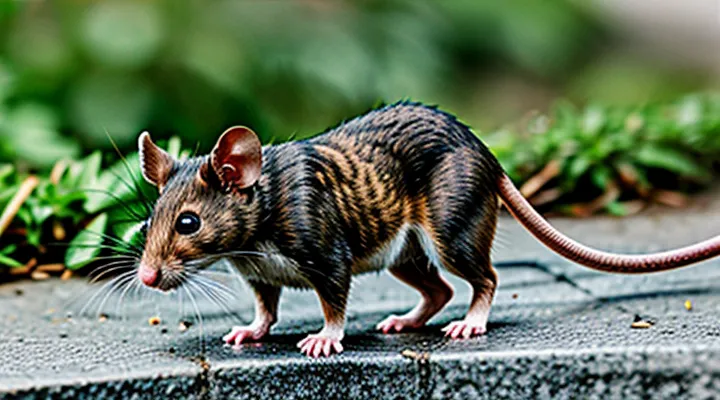
Understanding Rabies in Animals
The Rabies Virus
The rabies virus belongs to the genus Lyssavirus within the family Rhabdoviridae. It is an enveloped, negative‑sense single‑stranded RNA virus approximately 180 nm in length. The viral genome encodes five structural proteins: nucleoprotein (N), phosphoprotein (P), matrix protein (M), glycoprotein (G) and the RNA polymerase (L). The glycoprotein mediates attachment to neuronal receptors and initiates entry into host cells.
In murine hosts, infection follows exposure to infected saliva through bites or contaminated surfaces. After peripheral inoculation, the virus travels retrograde along peripheral nerves to the central nervous system. The incubation period in mice ranges from 7 to 21 days, depending on the site and dose of exposure. Viral replication in the brain triggers neuronal dysfunction and eventual fatal encephalitis.
Observed clinical manifestations in laboratory and wild mice include:
- Hyperexcitability and tremors
- Progressive paralysis beginning in hind limbs
- Excessive salivation and foaming at the mouth
- Aggressive biting or uncharacteristic docility
- Respiratory distress leading to terminal apnea
These signs reflect the neurotropic nature of the pathogen and its capacity to disrupt autonomic and motor pathways. Early detection relies on recognizing the combination of hyperactive behavior and salivation, while definitive diagnosis requires laboratory confirmation of viral antigen or RNA in brain tissue.
Transmission Routes
Rabies spreads among mice through several well‑documented pathways. Direct inoculation occurs when an infected animal bites or scratches a mouse, depositing virus‑laden saliva into the wound. Salivary exposure without penetration also transmits the virus if the mucous membranes or abraded skin contact contaminated saliva. Aerosolized virus particles can infect mice housed in confined, poorly ventilated environments where infected material is present, especially during necropsy or laboratory procedures. Indirect transmission follows contact with contaminated bedding, cages, or feeding equipment that has been exposed to infectious saliva or neural tissue. Although rare, transplacental passage has been reported, allowing the virus to reach offspring during gestation. Each route contributes to the propagation of rabies within mouse colonies and requires specific biosecurity measures to prevent outbreak.
Early Symptoms of Rabies in Mice
Behavioral Changes
Aggression and Irritability
Aggression and irritability are prominent early indicators of rabies infection in laboratory mice. Infected animals display sudden increases in territorial behavior, frequent attacks on cage mates, and heightened responsiveness to minimal stimuli. These reactions replace the normal social tolerance observed in healthy cohorts and often result in observable physical confrontations.
Typical manifestations include:
- Persistent lunging or charging at objects and conspecifics;
- Rapid, erratic movements coupled with vocalizations;
- Reduced latency before initiating aggressive encounters;
- Elevated bite force and frequency of biting attempts.
The shift toward hostile conduct reflects viral interference with central nervous system pathways that regulate fear and social restraint. Monitoring these behavioral changes enables rapid detection of the disease and informs timely intervention protocols.
Unusual Tameness
Rabies infection in laboratory rodents can produce behavioral alterations that differ from classic signs seen in larger mammals. One such alteration is an unexpected increase in docility, where mice approach humans without the typical flight response.
The tameness manifests as:
- Persistent proximity to handlers
- Lack of avoidance when exposed to predators or unfamiliar objects
- Reduced vocalizations and defensive movements
Neuropathological studies show that the virus targets the amygdala and associated limbic structures, diminishing fear circuitry and promoting approach behavior. This neurochemical suppression may be mistaken for domestication, yet it reflects a pathological state.
When unusual docility is observed, it should be evaluated alongside other rabies indicators, such as:
- Excessive salivation or foaming
- Progressive paralysis, especially of the hind limbs
- Uncharacteristic aggression preceding the calm phase
- Weight loss and lethargy
Laboratory confirmation requires brain tissue analysis (e.g., direct fluorescent antibody test) and should be performed in a biosafety‑level‑2 facility. Immediate isolation of the affected cohort, use of personal protective equipment, and notification of veterinary health authorities are mandatory. Euthanasia of symptomatic animals is recommended to prevent viral spread.
Physical Manifestations
Neurological Signs
Rabies infection in laboratory mice produces a distinct set of neurological manifestations that evolve rapidly after the incubation period. Early alterations often include hyperexcitability and heightened responsiveness to tactile or acoustic stimuli. As the disease progresses, the following signs become evident:
- Incoordination of gait and loss of balance, frequently observed as a wobbling or drifting pattern while moving.
- Tremor and spontaneous muscle twitching affecting forelimbs, hind limbs, or facial musculature.
- Abnormal posturing, such as opisthotonus (arched back) or rigidity of the neck and trunk.
- Seizure activity ranging from brief myoclonic jerks to prolonged convulsive episodes.
- Paralysis of hind limbs, sometimes preceded by flaccidity in the forelimbs.
- Excessive salivation and foaming, reflecting dysfunction of cranial nerve control.
- Aggressive or unusually docile behavior, indicating disruption of limbic system regulation.
These neurological signs reflect the virus’s affinity for the central nervous system, specifically targeting brainstem nuclei, spinal cord gray matter, and peripheral nerves. Their appearance typically signals the terminal phase of the infection, after which mortality occurs within hours to a day. Monitoring the progression of these symptoms provides a reliable framework for assessing disease severity and evaluating therapeutic interventions in murine models.
Motor Dysfunction
Rabies infection in laboratory mice produces a distinct pattern of motor impairment that reflects viral invasion of central nervous system regions governing movement. The virus targets brainstem nuclei, spinal motor neurons, and cerebellar circuits, resulting in progressive loss of coordinated activity.
Observable motor abnormalities include:
- Hind‑limb paresis progressing to complete paralysis
- Tremor or shivering of forelimbs and tail
- Ataxic gait with frequent stumbling
- Hypertonic limb posturing and rigidity
- Involuntary spasms or clonic jerks
These signs emerge after an incubation period of 7–14 days, intensify during the prodromal phase, and culminate in severe paralysis preceding fatal outcome. Electrophysiological recordings reveal diminished compound muscle action potentials, while histopathology shows neuronal degeneration, perivascular cuffing, and viral antigen accumulation in motor pathways.
Therapeutic interventions that target viral replication or modulate neuroinflammation can delay onset of motor dysfunction, but once clinical signs appear, progression is rapid. Quantitative assessment of locomotor deficits using open‑field tracking or rotarod performance provides reliable metrics for evaluating disease severity and treatment efficacy in experimental studies.
Advanced Stages of Rabies in Mice
Paralytic Rabies
Muscle Weakness
Rabies infection in laboratory mice frequently produces neuromuscular impairment, with muscle weakness serving as an early and reliable indicator of disease progression. The symptom emerges within 3–5 days after intracerebral or peripheral inoculation, preceding overt paralysis.
Observations of weakness include reduced grip strength, diminished locomotor activity, and failure to sustain posture on elevated platforms. Researchers commonly record these changes using:
- Grip‑strength meters calibrated for small rodents.
- Open‑field tracking systems that quantify speed and distance traveled.
- Tail‑suspension tests that reveal loss of tone in hindlimb muscles.
The underlying mechanism involves viral replication in brainstem nuclei that control motor neurons, leading to decreased neurotransmitter release at the neuromuscular junction. Degeneration of spinal cord motor pathways further compromises contractile force, producing a characteristic flaccid presentation.
Detection of muscle weakness informs diagnostic algorithms, allowing early confirmation of rabies exposure before the onset of generalized paralysis. Weakness scoring integrates with serological and histopathological data to improve specificity of case identification.
In experimental settings, pronounced weakness mandates immediate intervention. Humane endpoints require cessation of procedures once grip strength falls below 30 % of baseline or when mice can no longer maintain upright posture, thereby minimizing suffering while preserving scientific validity.
Difficulty Swallowing
Difficulty swallowing, or dysphagia, is a frequent neurological sign in mice infected with the rabies virus. The virus attacks brainstem nuclei that regulate the pharyngeal and esophageal muscles, resulting in reduced coordination of the swallowing reflex. Affected rodents display prolonged latency before initiating a swallow, irregular tongue movements, and occasional regurgitation of food or water. These alterations often precede more severe motor disturbances and can serve as an early indicator of central nervous system involvement.
The manifestation has several practical implications:
- Indicates involvement of cranial nerves V, IX, and X, confirming neurotropic spread of the pathogen.
- Correlates with progressive hypoxia due to aspiration, which can accelerate mortality.
- Provides a measurable endpoint for experimental studies evaluating therapeutic interventions or viral attenuation.
- Aids differential diagnosis, distinguishing rabies from other encephalitic agents that rarely produce dysphagia in murine subjects.
Monitoring swallowing efficiency through video‑fluoroscopic or bite‑force assessments yields quantitative data on disease progression and treatment efficacy. Early detection of dysphagia therefore enhances both scientific understanding and experimental reliability in rabies research involving mice.
Furious Rabies
Increased Aggression
Infected mice frequently exhibit heightened aggression, a hallmark behavioral alteration associated with rabies infection. The aggression manifests as rapid, unprovoked attacks on conspecifics, handlers, or inanimate objects, often accompanied by intense biting and lunging motions. These actions replace normal exploratory or grooming behaviors, indicating a shift in the central nervous system’s control of motor output.
Underlying mechanisms involve viral replication in the limbic system, particularly the amygdala and hypothalamus, which regulate fear and territorial responses. Viral-induced inflammation and neurotransmitter dysregulation, especially elevated norepinephrine and reduced GABAergic inhibition, amplify excitatory pathways that drive hostile conduct. The progression typically follows a predictable timeline:
- Early stage (24–48 hours post‑exposure): mild irritability, occasional startling responses.
- Mid stage (48–72 hours): onset of overt aggression, increased bite force, reduced latency to attack.
- Late stage (72 hours onward): persistent, uncontrolled aggression, often fatal to cage mates.
Recognition of this aggressive phenotype is critical for laboratory safety and experimental interpretation. Protective measures, such as double‑gloving and barrier cages, mitigate the risk of injury. Moreover, quantifying aggression intensity provides a reliable proxy for disease progression, supporting the evaluation of antiviral interventions or vaccine efficacy in murine models.
Self-Mutilation
Self‑mutilation is a recognized behavioral manifestation of lyssavirus infection in laboratory mice. The virus targets the central nervous system, causing neuropathological changes that disrupt normal pain perception and motor control. As a result, affected animals may gnaw or bite their own limbs, tail, or facial tissues without evident external stimulus.
Key characteristics of this behavior include:
- Persistent gnawing of paws, tail, or ears
- Rapid progression from mild irritation to severe tissue loss
- Absence of protective grooming responses
- Correlation with heightened aggression toward conspecifics
Neurochemical studies link the phenomenon to dysregulation of serotonin and dopamine pathways, which modulate impulsivity and nociception. Histopathological examinations frequently reveal neuronal degeneration in the brainstem and cerebellum, regions governing motor coordination and sensory integration.
Early detection of self‑injurious actions permits timely humane interventions, such as analgesic administration or euthanasia, to prevent unnecessary suffering and to maintain the integrity of experimental data.
Differentiating Rabies from Other Conditions
Common Mouse Illnesses
Mice frequently encounter a range of infectious and non‑infectious conditions that affect research outcomes and colony health. Viral, bacterial, parasitic, and metabolic disorders dominate the disease spectrum, while ectoparasites and environmental stressors contribute to morbidity.
- Sendai virus – acute respiratory distress, nasal discharge, lethargy.
- Mouse hepatitis virus (MHV) – enteric and hepatic inflammation, weight loss.
- Mycoplasma pulmonis – chronic respiratory disease, sneezing, bronchitis.
- Salmonella spp. – septicemia, diarrhea, high mortality in neonates.
- Heligmosomoides polygyrus – intestinal nematode infection, anemia, reduced growth.
- Ectoparasites (mites, lice) – skin irritation, secondary bacterial infection, impaired grooming.
Rabies infection in rodents presents with a distinct clinical picture. Early signs include agitation, excessive vocalization, and uncoordinated movement. Progression leads to paralysis of the hind limbs, hypersalivation, and loss of the righting reflex. Advanced stages feature convulsions, coma, and eventual death. The incubation period varies from several days to weeks, depending on viral load and exposure route.
Diagnosis relies on direct fluorescent antibody testing of brain tissue post‑mortem, PCR amplification of viral RNA from saliva or brain, and serological assays for neutralizing antibodies. Preventive measures encompass strict quarantine, vaccination of personnel handling rodents, and exclusion of wildlife vectors. Therapeutic options are limited; once clinical signs appear, euthanasia is the humane standard to prevent further spread.
Effective colony management integrates regular health monitoring, prompt identification of symptomatic individuals, and adherence to biosecurity protocols to minimize the impact of these prevalent mouse ailments.
Diagnostic Challenges
Diagnosing rabies infection in laboratory mice presents several practical obstacles. Clinical signs—such as reduced activity, tremors, or excessive salivation—are indistinguishable from those caused by other neurotropic viruses, bacterial infections, or toxic exposures. The brevity of the disease course, often less than 48 hours from onset to death, limits the observation window for reliable symptom assessment.
Sample acquisition adds complexity. Brain tissue must be harvested promptly and preserved under strict cold-chain conditions to prevent degradation of viral RNA and antigens. Small body size restricts the amount of material available for multiple assays, forcing laboratories to prioritize tests and potentially omit confirmatory procedures.
Laboratory techniques exhibit variable sensitivity and specificity. Direct fluorescent antibody testing requires well‑preserved sections and experienced personnel; false‑negative results increase when tissue fixation is suboptimal. Reverse‑transcription PCR offers higher detection rates but can be inhibited by residual blood or tissue debris, necessitating thorough nucleic‑acid extraction protocols. Virus isolation in cell culture remains the gold standard but demands biosafety level 3 facilities and several days of incubation, delaying diagnosis.
Effective resolution of these challenges relies on standardized protocols for clinical monitoring, rapid tissue collection, and validated molecular assays. Consistent application reduces misinterpretation of overlapping symptoms and improves the reliability of rabies detection in murine models.
Implications for Public Health
Risk to Humans
Rabies infection in laboratory mice can create a zoonotic hazard for individuals who handle these animals or their tissues. The virus is present in saliva, neural tissue, and brain homogenates, and accidental exposure may lead to transmission to humans.
Key pathways of human risk include:
- Percutaneous injury – bites, scratches, or needle sticks that breach the skin and introduce infectious material.
- Mucous‑membrane contact – splashes of saliva or brain extract onto eyes, nose, or mouth.
- Inhalation of aerosolized particles – rare but possible during necropsy or tissue processing in poorly ventilated spaces.
Occupational groups with elevated exposure probability are laboratory technicians, veterinary staff, and researchers working with infected rodent colonies. The probability of transmission after a documented exposure is low compared with classical vectors such as dogs, yet the consequence of a human rabies case remains fatal without prompt post‑exposure prophylaxis.
Preventive measures mandated by health authorities:
- Use of double gloves, face shields, and disposable protective clothing during any procedure involving potentially infected mice.
- Immediate thorough washing of skin or mucous membranes with soap and water after any breach.
- Availability of rabies immune globulin and vaccine for rapid post‑exposure treatment.
- Strict adherence to biosafety level‑2 (or higher) containment protocols, including engineering controls to limit aerosol generation.
Monitoring programs that record all incidents of animal bites, scratches, or spills enable timely risk assessment and documentation required for regulatory compliance.
Prevention Strategies
Effective control of rabies manifestations in laboratory mice requires a comprehensive prevention program. Core components include:
- Vaccination of all susceptible animal colonies and caretaker species with a validated rabies vaccine, ensuring seroconversion before introduction to mouse facilities.
- Strict quarantine of new mouse shipments for a minimum of 30 days, with daily health monitoring and rapid diagnostic testing for rabies antigens.
- Implementation of biosafety level 2 (or higher) protocols: sealed cages, HEPA‑filtered airflow, and double‑door access to prevent accidental exposure.
- Mandatory use of personal protective equipment—gloves, lab coats, face shields—by personnel handling mice or contaminated materials.
- Routine environmental decontamination using approved virucidal agents, focusing on cages, bedding, and work surfaces.
- Integrated pest management to eliminate wild rodents and other potential rabies reservoirs from the facility perimeter.
- Continuous training programs that reinforce recognition of rabies signs in rodents and outline emergency response procedures, including immediate isolation and veterinary consultation.
- Documentation of all preventive actions in a centralized log, facilitating traceability and compliance audits.
Adherence to these measures minimizes the risk of rabies transmission to mice, staff, and surrounding animal populations, preserving both research integrity and public health safety.