
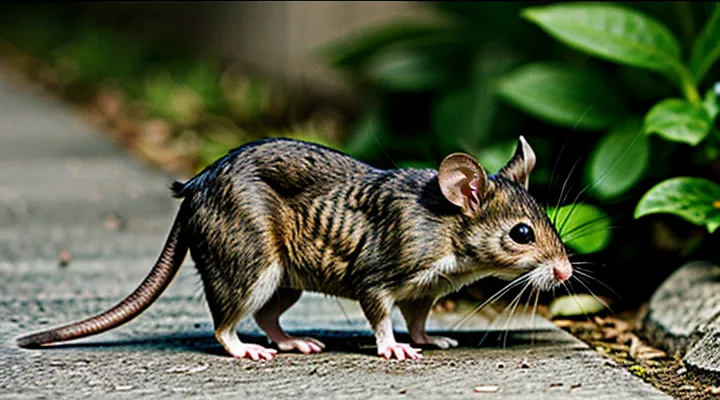
Understanding Rabies
What is Rabies?
Rabies is an acute, invariably fatal encephalitis caused by viruses of the genus Lyssavirus. The pathogen is a single‑stranded RNA virus that replicates in peripheral nerves before reaching the central nervous system. Transmission occurs through the saliva of infected animals, most commonly via bites, but also through scratches or mucosal exposure to contaminated secretions.
Key biological features:
- Enveloped virion with a helical nucleocapsid.
- Genome encodes five proteins: nucleoprotein (N), phosphoprotein (P), matrix protein (M), glycoprotein (G), and RNA polymerase (L).
- Glycoprotein mediates attachment to neuronal acetylcholine receptors and subsequent endocytosis.
- Replication proceeds in the cytoplasm, avoiding host nuclear defenses.
Clinical progression in mammals, including mice, follows a predictable pattern:
- Incubation – variable period (days to months) dependent on inoculation site and viral load.
- Prodromal phase – subtle behavioral changes, agitation, or lethargy.
- Furious or paralytic form – hyperexcitability, hydrophobia, excessive salivation, or progressive paralysis leading to respiratory failure.
Diagnosis relies on detection of viral antigens in brain tissue (fluorescent antibody test) or PCR amplification of viral RNA from saliva, cerebrospinal fluid, or tissue samples. Post‑exposure prophylaxis, consisting of wound cleansing, rabies immunoglobulin, and a series of inactivated vaccine injections, remains the only effective preventive measure. Once clinical signs appear, no therapy alters the inevitable outcome.
Rabies Virus: Structure and Transmission
Rabies virus, a member of the Lyssavirus genus, infects murine hosts and causes a fatal encephalitic disease. The pathogen is an enveloped, bullet‑shaped virion measuring approximately 180 nm in length and 75 nm in diameter. Its architecture consists of:
- A lipid bilayer derived from the host cell membrane, embedded with the viral glycoprotein (G) responsible for receptor binding and membrane fusion.
- An internal matrix protein (M) that links the envelope to the ribonucleoprotein core.
- A helical ribonucleoprotein complex formed by the nucleoprotein (N) tightly associated with the single‑stranded, negative‑sense RNA genome (~12 kb).
- Phosphoprotein (P) that stabilizes the N‑RNA complex and facilitates replication.
- Large polymerase protein (L) that carries out transcription and replication of the viral genome.
Transmission to mice occurs primarily through direct exposure to infected saliva. Key routes include:
- Bite wounds that introduce virus‑laden saliva into peripheral tissue.
- Scratches or abrasions contaminated with saliva during aggressive encounters.
- Inhalation of aerosolized saliva in confined environments with high viral load.
- Rare vertical transmission from infected dams to offspring via placental or lactational routes.
After entry, the virus travels retrograde along peripheral nerves to the central nervous system, where replication leads to widespread neuronal dysfunction and death. Control measures focus on preventing bites, maintaining strict quarantine of infected colonies, and administering prophylactic vaccination where feasible.
Rabies in Mice
Susceptibility of Mice to Rabies
Natural Hosts vs. Spillover
Rabies persists primarily in wildlife reservoirs such as carnivorous mammals and chiropterans, which maintain the virus through sustained transmission cycles. These species exhibit recurrent infections, efficient viral shedding in saliva, and behavioral patterns that facilitate spread among conspecifics.
Mice acquire the virus mainly through accidental exposure to infected reservoirs. Spillover occurs when a mouse encounters contaminated saliva during predation, scavenging, or contact with infected carcasses. The event is typically singular, lacks onward transmission, and results in high mortality without establishing a self‑sustaining chain.
Key distinctions between established reservoirs and incidental hosts:
- Transmission continuity – reservoirs support ongoing virus circulation; spillover hosts experience isolated infections.
- Viral shedding – reservoirs release infectious particles in saliva; mice rarely shed virus before death.
- Population impact – reservoir infections may persist at low prevalence; spillover leads to rapid die‑off of affected individuals.
- Epidemiological role – reservoirs drive regional disease dynamics; mice serve as dead‑end hosts that signal environmental exposure.
Understanding the contrast guides surveillance strategies. Monitoring reservoir species provides early warning of enzootic activity, while detection of rabies in mice indicates recent cross‑species transmission and may prompt targeted investigation of local wildlife interactions. Control measures focus on reducing reservoir contact with domestic animals and limiting opportunities for accidental exposure of rodents.
Symptoms of Rabies in Mice
Behavioral Changes
Rabies infection in mice produces distinct alterations in normal activity patterns, feeding behavior, and social interactions. Infected individuals abandon nocturnal foraging routines, increase daytime locomotion, and display heightened aggression toward conspecifics. These changes facilitate viral transmission by encouraging close contact and bite exposure.
Key behavioral manifestations include:
- Persistent pacing and restlessness, especially in confined environments.
- Reduced grooming and self‑care, leading to visible coat deterioration.
- Frequent attempts to bite or claw handlers and cage mates.
- Unusual vocalizations, such as high‑pitched squeaks, preceding aggressive episodes.
- Loss of typical avoidance of bright light, resulting in prolonged exposure to illuminated areas.
Neurological examination reveals that the virus targets the limbic system and brainstem, disrupting neurotransmitter regulation and motor control. The resulting hyperactivity and irritability correlate with viral replication in salivary glands, ensuring efficient spread through saliva during aggressive encounters.
Monitoring these behavioral signs allows early identification of rabies in laboratory mouse colonies, supporting timely quarantine and protective measures for personnel and other animals.
Physical Manifestations
Rabies infection in mice produces a distinct set of physical signs that develop rapidly after the incubation period. Early manifestations include excessive drooling and difficulty swallowing, reflecting viral invasion of the salivary glands and brainstem nuclei. Neurological impairment follows, characterized by tremors, ataxia, and loss of coordinated movement. As the disease advances, mice display progressive paralysis that typically begins in the hind limbs and spreads anteriorly, culminating in respiratory failure.
Key observable symptoms are:
- Hyper-salivation and frothy oral secretions
- Uncontrolled twitching and muscle tremors
- Unsteady gait, stumbling, and inability to maintain balance
- Hind‑limb weakness progressing to complete paralysis
- Constricted pupils and altered ocular reflexes
- Rapid weight loss and dehydration due to reduced intake
Terminal stages involve generalized convulsions and cessation of breathing, marking the inevitable outcome of the infection.
Progression of the Disease in Mice
Rabies virus infection in laboratory and wild mice follows a predictable temporal pattern after peripheral exposure. The incubation period varies with inoculation site, dose, and mouse strain, typically ranging from 7 to 21 days. During this phase, viral particles travel via peripheral nerves to the dorsal root ganglia, replicating minimally and producing no overt clinical signs.
Clinical progression can be divided into three distinct stages:
- Prodromal stage (1–2 days): Subtle behavioral changes such as reduced grooming, mild ataxia, and slight hypothermia appear. Viral antigen is detectable in peripheral nerves and early central nervous system (CNS) regions.
- Neurological stage (2–5 days): Aggressive hyperexcitability, tremors, paralysis of hind limbs, and excessive salivation emerge. Viral replication intensifies in the brainstem, hippocampus, and cerebral cortex, leading to widespread neuronal dysfunction.
- Terminal stage (1–2 days): Profound paralysis, respiratory failure, and death occur. Virus is abundant in the salivary glands, facilitating transmission to new hosts.
Pathological examination reveals neuronal necrosis, gliosis, and perivascular cuffing, especially in the hippocampus and thalamus. Immunohistochemistry shows viral nucleoprotein concentrated in synaptically connected regions, confirming the retrograde axonal transport mechanism. Understanding these temporal milestones enables accurate diagnosis, timely intervention, and effective containment in both experimental and field settings.
Incidence and Prevalence in Wild Mouse Populations
Rabies infection among wild mouse populations presents a measurable health concern for both wildlife and domestic animals. Surveillance data collected from North America, Europe, and parts of Asia indicate that the virus is detected in 0.1–0.5 % of trapped rodents, with peak prevalence observed during spring and early summer when rodent activity intensifies. Laboratory confirmation relies on reverse‑transcriptase polymerase chain reaction (RT‑PCR) and immunofluorescence assays performed on brain tissue samples.
Key epidemiological observations include:
- Geographic clusters in temperate zones where rabies‑competent carnivores, such as foxes and raccoons, overlap with high rodent density.
- Seasonal spikes correlated with breeding cycles, which increase intra‑species contact.
- Higher infection rates in peri‑urban environments where waste accumulation attracts both rodents and stray carnivores.
- Limited evidence of sustained mouse‑to‑mouse transmission; most cases appear linked to spill‑over from infected predators.
Longitudinal studies suggest that prevalence remains relatively stable over multi‑year periods, with occasional local surges linked to outbreaks in sympatric carnivore reservoirs. Population modeling estimates that a single infected mouse contributes minimally to overall viral maintenance, yet serves as a sentinel indicator of broader ecosystem exposure.
Effective monitoring requires systematic trapping, prompt sample processing, and integration of rodent data into regional rabies surveillance programs. Incorporating these metrics improves risk assessments for zoonotic transmission and informs targeted vaccination strategies for at‑risk wildlife and domestic species.
Transmission and Public Health Implications
Mouse-to-Human Transmission Risk
Bite Exposure
Bite exposure from mice represents a direct route for the transmission of rabies virus, a neurotropic pathogen capable of causing fatal encephalitis. The virus is present in the salivary glands of infected rodents and can be inoculated into human tissue during a bite, allowing rapid entry into peripheral nerves.
Incidence of rabies in murine populations is low compared to carnivores, yet documented cases demonstrate that wild and laboratory mice can harbor the virus, especially in regions where rabies is endemic among wildlife reservoirs. Bite incidents are most common in occupational settings, pest‑control activities, and during handling of laboratory colonies.
After a bite, the virus migrates retrograde along axons toward the central nervous system. Clinical signs in humans typically emerge within 2‑12 weeks, beginning with nonspecific fever and progressing to agitation, hydrophobia, and paralysis. Early neurological involvement correlates with a high case‑fatality rate.
Immediate response to a mouse bite includes:
- Thorough irrigation of the wound with soap and running water for at least 15 minutes.
- Application of an antiseptic solution to reduce bacterial contamination.
- Prompt consultation with a healthcare professional experienced in zoonotic infections.
- Evaluation for post‑exposure prophylaxis (PEP), which consists of wound cleaning, rabies immunoglobulin administration around the bite site, and a series of rabies vaccinations according to the recommended schedule.
Failure to initiate PEP within the first few days after exposure markedly reduces the likelihood of successful disease prevention.
Non-Bite Exposure
Non‑bite transmission of rabies to mice occurs through exposure to infected saliva, urine, feces, or neural tissue that contacts mucous membranes, broken skin, or the respiratory tract. The virus remains viable in these materials for several hours under ambient conditions, allowing indirect infection when mice gnaw contaminated bedding, ingest contaminated feed, or inhale aerosolized droplets.
Key mechanisms include:
- Mucosal contact: saliva or tissue fluids contacting the eyes, nose, or mouth can introduce the virus without a bite.
- Percutaneous entry: scratches or abrasions that encounter contaminated surfaces provide a portal for viral entry.
- Inhalation: aerosolized rabies particles generated during handling of infected carcasses may reach the respiratory epithelium.
- Oral ingestion: consumption of contaminated food or water introduces the virus to the gastrointestinal tract.
Experimental data show that mice exposed to high‑titer rabies suspensions via these routes develop clinical disease comparable to that observed after direct bite exposure. Viral loads required for non‑bite infection are greater than those needed for direct inoculation, reflecting the reduced efficiency of indirect pathways.
Preventive measures focus on minimizing environmental contamination, using personal protective equipment when handling suspect specimens, and maintaining strict sanitation of cages and feeding stations. Regular monitoring of mouse colonies for unexplained neurological signs aids early detection, reducing the risk of unnoticed spread through non‑bite exposure.
Prevention and Control Measures
Wildlife Management
Rabies infection in mouse populations poses a measurable threat to both wildlife ecosystems and public health, because infected rodents can serve as vectors for the virus to predators, domestic animals, and humans. The disease spreads through saliva during aggressive encounters or bites, and asymptomatic carriers may maintain viral reservoirs in natural habitats.
Effective wildlife management targets three core objectives: early detection of viral presence, reduction of rodent–predator interaction that facilitates transmission, and mitigation of environmental conditions that favor disease persistence. Implementing these objectives requires coordinated surveillance, population regulation, and habitat interventions.
Practical actions include:
- Systematic trapping and testing of rodents in high‑risk zones to establish prevalence data.
- Deployment of oral rabies vaccine baits designed for small mammals, calibrated to avoid non‑target species exposure.
- Habitat modification such as removal of dense ground cover and reduction of food sources that attract large mouse congregations.
- Predator management to maintain natural control while preventing excessive predation that could increase bite incidents.
- Public education programs informing landowners and field workers about safe handling and reporting procedures.
Continuous evaluation through longitudinal data collection, statistical analysis of infection trends, and adaptive adjustment of control measures ensures that management strategies remain responsive to changing epidemiological patterns.
Pet Vaccination Programs
Pet vaccination programs are essential for controlling zoonotic threats that can originate in laboratory and domestic rodent colonies. By immunizing companion animals against rabies, owners reduce the risk of accidental exposure to infected mice, which may serve as reservoirs for the virus.
Key elements of an effective program include:
- Mandatory initial vaccination for all dogs and cats, followed by booster doses according to veterinary guidelines.
- Record‑keeping systems that track vaccination dates, product batch numbers, and revaccination intervals.
- Public education campaigns that explain the link between unvaccinated pets and potential transmission from infected rodents.
- Coordination with veterinary clinics to ensure vaccine availability and proper cold‑chain management.
Regular serological testing verifies immune response, confirming that the administered vaccine provides adequate protection. In regions where laboratory mouse facilities operate, veterinary authorities often require proof of pet vaccination as a condition for facility licensing, thereby creating an additional barrier against cross‑species spread.
Compliance monitoring involves periodic inspections, documentation audits, and, when necessary, enforcement actions such as fines or suspension of animal ownership privileges. These measures collectively sustain herd immunity within the pet population, limiting the probability that a rabies‑positive mouse will transmit the pathogen to a domestic animal and, subsequently, to humans.
Diagnostic Methods for Rabies
Post-Mortem Brain Examination
Post‑mortem brain examination is the definitive method for confirming rabies infection in murine specimens. Tissue collection follows euthanasia under approved biosafety protocols, ensuring containment of the virus. The brain is removed en bloc, placed on ice, and processed within 30 minutes to preserve viral antigens and nucleic acids.
Key procedures include:
- Fixation: immersion in 10 % neutral‑buffered formalin for at least 48 hours to inactivate the virus while maintaining histological integrity.
- Sectioning: transverse slices of 5 mm thickness allow systematic sampling of the hippocampus, cerebral cortex, thalamus, and brainstem, regions known to harbor high viral loads.
- Diagnostic assays:
- Direct fluorescent antibody test (dFA): slides stained with anti‑rabies conjugate reveal intraneuronal inclusions under a fluorescence microscope.
- Immunohistochemistry (IHC): monoclonal antibodies detect viral nucleoprotein in formalin‑fixed sections, providing morphological context.
- Reverse transcription PCR (RT‑PCR): extracts from frozen tissue quantify viral RNA, supporting dFA/IHC results and enabling strain typing.
Interpretation criteria are strict: detection of rabies antigen in any brain region confirms infection, while negative dFA coupled with positive RT‑PCR warrants repeat testing to exclude sampling error. Documentation includes photographic records of fluorescence patterns, detailed maps of positive sections, and quantitative PCR cycle thresholds.
Safety considerations mandate work in a certified biosafety level 3 laboratory, use of double‑gloving, face protection, and autoclaving of all waste. Decontamination of surfaces with 10 % sodium hypochlorite eliminates residual infectivity.
The comprehensive approach outlined above provides reliable confirmation of rabies virus presence in mouse brains, facilitates epidemiological tracking, and supports experimental studies on disease pathogenesis.
Live Animal Testing Challenges
Live‑animal experiments remain essential for understanding the neuropathogenesis of rabies in murine models, yet they generate a distinct set of operational and ethical obstacles. Researchers must secure specialized containment facilities that meet biosafety level‑3 standards, enforce strict decontamination protocols, and maintain continuous environmental monitoring to prevent accidental exposure. The financial burden of constructing and certifying such laboratories often exceeds the budget of academic programs, limiting the scope of investigations.
The physiological variability of mice introduces additional complexity. Genetic background, age, and sex influence susceptibility to viral invasion, demanding larger cohort sizes to achieve statistical power. Precise dosing of the virus requires calibrated inoculation equipment and real‑time verification of viral load, otherwise data reproducibility suffers. Moreover, the short lifespan of the disease model restricts the observation window for long‑term immune responses, compelling investigators to schedule multiple overlapping studies.
Ethical considerations impose mandatory review cycles and detailed justification of animal use. Institutional animal care committees require comprehensive welfare plans, including analgesia, humane endpoints, and post‑mortem monitoring. Compliance documentation adds administrative workload and prolongs project timelines.
Key challenges include:
- High infrastructure costs for containment and monitoring.
- Biological variability demanding extensive sample sizes.
- Precise viral dosing and verification procedures.
- Limited observation periods for chronic outcomes.
- Stringent ethical review and documentation requirements.
Treatment and Post-Exposure Prophylaxis
Rabies infection in mice requires immediate intervention because once neurological signs appear, therapeutic success is negligible. The primary clinical response involves humane euthanasia to prevent suffering and eliminate a potential source of virus transmission.
For laboratory colonies, prevention supersedes treatment. Routine immunization of rodent caretakers with a licensed rabies vaccine reduces occupational risk. When a mouse is confirmed or suspected to carry rabies, the enclosure should be quarantined, and all exposed personnel must undergo post‑exposure prophylaxis (PEP).
PEP protocol includes:
- Thorough irrigation of any bite or scratch with soap and water for at least 15 minutes.
- Administration of rabies immune globulin (RIG) at a dose of 20 IU/kg, infiltrated around the wound when feasible.
- Initiation of a vaccine series using a human diploid cell rabies vaccine (HDCV) or purified chick embryo cell vaccine (PCECV) on days 0, 3, 7, and 14; a fifth dose on day 28 is recommended for immunocompromised individuals.
Veterinary care for mice that survive exposure without clinical disease focuses on observation for a minimum of 30 days. During this period, animals should be housed individually, monitored for behavioral changes, and tested by direct fluorescent antibody (DFA) or RT‑PCR if neurological signs develop.
In summary, the management of rabies in mice relies on prompt euthanasia for affected animals, strict containment of suspected cases, and a structured PEP regimen for humans exposed to potentially infected rodents.
Research and Future Directions
Studying Rabies Pathogenesis in Mouse Models
Studying rabies pathogenesis in mouse models provides a controlled platform for dissecting viral mechanisms that lead to lethal encephalitis. Mice support replication of fixed and street strains, allowing researchers to monitor infection from peripheral entry to central nervous system (CNS) involvement. The model reproduces key stages observed in natural hosts: viral attachment to nicotinic acetylcholine receptors at neuromuscular junctions, retrograde axonal transport, and widespread neuronal spread.
Critical experimental parameters include:
- Inoculation route (intramuscular, subcutaneous, intracerebral) to mimic natural exposure or accelerate CNS invasion.
- Virus dose, expressed in 50 % lethal dose (LD₅₀), to define the threshold for clinical disease.
- Host genotype, with knockout or transgenic lines revealing the contribution of innate immunity, interferon signaling, and neuronal receptors.
- Time points for tissue collection, enabling kinetic analysis of viral RNA, protein expression, and inflammatory markers.
Quantitative assays such as real‑time PCR, immunohistochemistry, and plaque‑forming unit counts generate reproducible data on viral load and tissue distribution. Histopathology routinely shows neuronal degeneration, perivascular cuffing, and glial activation, correlating with clinical signs like paralysis, hypersalivation, and altered behavior. Flow cytometry of splenic and brain‑resident immune cells identifies cytokine profiles that differentiate protective versus pathological responses.
The mouse system serves as a preclinical test bed for antiviral candidates, monoclonal antibodies, and vaccine constructs. Dose‑response curves derived from survival studies provide efficacy benchmarks that translate to larger animal models and, ultimately, to human therapeutic strategies. By integrating genetic manipulation, high‑throughput sequencing, and imaging modalities, researchers generate a comprehensive map of rabies virus dissemination and host defense mechanisms, advancing the understanding of this neurotropic disease.
Developing New Vaccines and Therapies
Rabies infection in laboratory mice poses a significant obstacle for biomedical research and public‑health surveillance. The virus exploits the murine nervous system, leading to rapid disease progression and high mortality, which underscores the need for targeted prophylactic and therapeutic interventions.
Recent efforts concentrate on three main avenues:
- Recombinant subunit vaccines that express the rabies glycoprotein in bacterial or viral vectors, providing antigenic stimulation without live virus exposure.
- mRNA vaccine platforms delivering codon‑optimized rabies glycoprotein sequences, enabling rapid production and dose flexibility.
- Broad‑spectrum antiviral compounds that inhibit viral entry or replication, such as small‑molecule inhibitors of the viral polymerase and monoclonal antibodies targeting conserved epitopes.
Pre‑clinical evaluation follows a defined pipeline: in‑vitro neutralization assays, dose‑response studies in mouse models, assessment of immunogenicity via serum neutralizing antibody titers, and safety profiling for adverse neurological effects. Successful candidates advance to controlled challenge trials, where survival rates and clinical scores provide quantitative efficacy metrics.
Regulatory pathways require demonstration of consistent batch quality, stability under storage conditions, and compliance with Good Laboratory Practice standards. Integration of these criteria accelerates translation from experimental formulations to licensed products capable of reducing rabies‑related mortality in murine populations and, by extension, mitigating zoonotic risk.
Surveillance and Monitoring Programs
Effective surveillance of rabies among rodent populations requires systematic data acquisition, risk assessment, and rapid response mechanisms. Programs must integrate field sampling, laboratory confirmation, and epidemiological analysis to detect viral presence and transmission trends.
Key elements of a monitoring framework include:
- Regular trapping of wild and laboratory mice in high‑risk zones.
- Collection of saliva, brain tissue, and blood specimens for reverse‑transcription polymerase chain reaction (RT‑PCR) or immunofluorescence testing.
- Geospatial mapping of positive cases to identify clusters and environmental correlates.
- Continuous updating of pathogen databases accessible to public‑health agencies and veterinary services.
- Coordination with wildlife management authorities to align rodent control measures with disease data.
Data handling protocols demand standardized reporting forms, secure digital storage, and real‑time dashboards that display incidence rates and temporal shifts. Cross‑validation with neighboring jurisdictions enhances detection of spill‑over events and supports regional containment strategies.
Challenges such as limited funding, variable trap success, and the need for biosafety‑level facilities are mitigated by:
- Prioritizing sentinel sites near human habitation and livestock operations.
- Employing portable diagnostic kits to reduce reliance on central laboratories.
- Training field personnel in sample preservation and personal protective equipment usage.
Sustained monitoring ensures early identification of rabies incursions in murine hosts, informs targeted vaccination or culling campaigns, and protects public health and animal welfare. Continuous evaluation of program performance, guided by measurable indicators such as sampling coverage and diagnostic turnaround time, drives improvements and maintains operational readiness.