
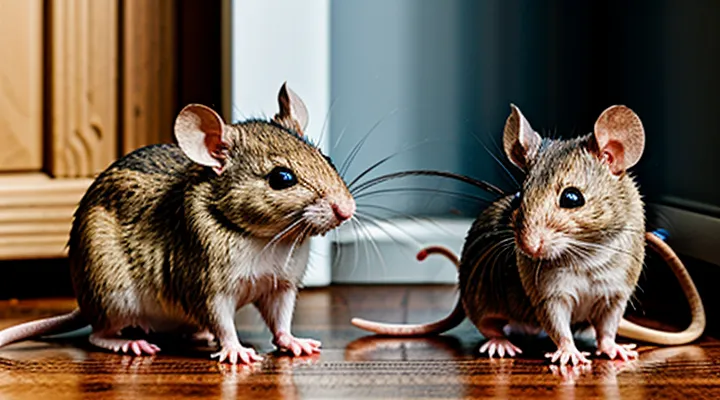
Understanding the Problem: The Sounds of Mice
Identifying Mouse Noises
Mice produce distinct sounds that reveal their activity and location. Recognizing these noises is essential for preserving a quiet household.
Typical mouse noises include:
- Scratching – rapid, intermittent rustling against walls, insulation, or stored items; often heard near concealed passages.
- Scurrying – light, rapid footfalls on hard surfaces; audible when mice move across floors, cabinets, or countertops.
- Squeaking – high‑pitched chirps emitted during social interaction or when startled; most noticeable in confined spaces such as wall voids.
- Gnawing – steady, dull grinding on wood, plastic, or wiring; indicates the point of entry or nesting material.
Time patterns help pinpoint sources. Activity peaks at dusk and dawn, when mice search for food. Continuous sounds through the night suggest a nest, while sporadic bursts indicate foraging trips. Location clues arise from sound direction: louder scratching near walls points to concealed routes; scurrying on hard floors signals surface travel.
Effective identification combines auditory observation with visual inspection. Follow the sound to the nearest wall or floor joint, examine for droppings, gnaw marks, or shredded material. Document frequency and intensity to differentiate between occasional intruders and established colonies, enabling targeted mitigation while maintaining household serenity.
Why Mice Make Noise
Mice produce sound for several biological and environmental reasons that can disrupt household tranquility.
- Communication – vocalizations such as squeaks and chirps convey alarm, mating readiness, or social hierarchy within a colony.
- Foraging activity – rapid gnawing on food, insulation, or structural elements generates rustling and cracking noises.
- Nest construction – shredding of paper, fabric, or wood to build nests creates repetitive scraping sounds.
- Territorial defense – aggressive chattering occurs when intruders or predators are detected, signaling a defensive response.
- Stress reactions – exposure to bright light, loud background noise, or human disturbance triggers heightened vocal activity.
These noises arise from innate behaviors essential to survival, reproduction, and colony cohesion. Reducing them requires limiting access to food, sealing entry points, and providing silent, secure nesting materials. Implementing such measures directly diminishes the auditory signatures of mouse activity, contributing to a more peaceful home environment.
Effective Strategies for Quiet Mouse Management
Exclusion: Preventing Entry
Sealing Entry Points
Mice gain access to a residence through gaps as small as a quarter inch. Unsealed cracks, utility openings, and poorly fitted doors provide pathways that compromise household tranquility.
Typical entry locations include:
- Gaps around pipe and cable penetrations
- Openings beneath foundation walls and crawl‑space vents
- Spaces behind appliances such as refrigerators and dishwashers
- Unfinished basements and attic hatch seams
- Exterior door frames lacking weatherstripping
To eliminate these pathways, follow a systematic approach:
- Conduct a thorough visual inspection of interior and exterior walls, focusing on joints, corners, and where different building materials meet.
- Use a stainless‑steel mesh or copper flashing to cover larger openings; these materials resist gnawing.
- Apply expanding polyurethane foam or silicone sealant to fill smaller cracks, ensuring the product remains flexible for building movement.
- Install door sweeps and weatherstripping on all exterior doors; verify tight closure without gaps.
- Secure vent covers with metal screens of appropriate mesh size; replace damaged screens promptly.
After sealing, schedule quarterly checks to verify the integrity of all repairs. Replace any deteriorated material immediately to maintain a barrier that prevents rodent intrusion and preserves a quiet home environment.
Using Mouse-Proof Materials
Using materials specifically designed to block rodents is the most reliable method for maintaining a silent, undisturbed residence. Small mammals exploit any opening larger than a quarter of an inch; eliminating those pathways prevents the squeaks and scurrying sounds that disrupt household tranquility.
- Steel‑grade mesh (¼‑inch or smaller apertures) for vent covers and foundation cracks.
- Copper or aluminum flashing for sealing gaps around pipes and ducts.
- Rigid foam insulation panels with sealed edges for attic and crawl‑space access points.
- Silicone‑based caulk for sealing seams in walls, baseboards, and door frames.
- Self‑adhesive rodent‑resistant tape for temporary repairs on wooden trim.
Installation begins with a thorough inspection of exterior walls, foundation, and roof eaves. Apply steel mesh to any vent or chimney opening, then fasten with stainless‑steel screws to avoid corrosion. Wrap copper flashing around pipe penetrations, overlapping layers to create a continuous barrier. Insert rigid foam panels into gaps, then seal edges with silicone caulk to ensure an airtight seal. Finally, reinforce all seams with rodent‑resistant tape, checking for wear during routine maintenance.
A comprehensive barrier eliminates entry routes, reduces auditory disturbances, and protects structural elements from gnawing damage. Consistent inspection and prompt repair of compromised sections preserve the effectiveness of the mouse‑proof system over time.
Trapping and Removal
Humane Trapping Methods
Humane trapping provides an effective way to remove mice while preserving a peaceful living environment. These devices capture rodents without inflicting injury, allowing owners to release them far from the residence. Proper placement and regular monitoring minimize stress for both occupants and captured animals.
Key considerations for successful humane trapping include:
- Selection of live‑catch traps – plastic or metal cages with a spring‑loaded door that closes when the mouse enters.
- Bait choice – use small amounts of peanut butter, cheese, or sunflower seeds to attract mice without creating strong odors.
- Trap positioning – place devices along walls, behind appliances, and near known activity zones; mice travel close to surfaces.
- Check frequency – inspect traps at least twice daily to prevent prolonged confinement, which can cause dehydration or overheating.
- Release protocol – transport captured mice at least five miles away from the home, preferably into a wooded or field area, and release them at dusk to reduce predation risk.
Implementing these practices ensures that mouse removal aligns with a quiet, undisturbed household while respecting animal welfare.
Professional Pest Control
Professional pest control offers a systematic approach to eliminating mouse activity and preserving a tranquil household. Certified technicians begin with a thorough inspection, identifying entry points, nesting sites, and signs of activity. Detailed reports document findings and recommend targeted interventions.
Effective treatment combines immediate eradication with long‑term prevention. Options include:
- Bait stations placed in concealed locations, calibrated to local regulations.
- Snap traps positioned along walls and behind appliances for rapid capture.
- Rodent‑proof sealing of gaps using steel wool, caulk, or expandable foam.
- Integrated pest management plans that schedule regular monitoring and follow‑up visits.
Safety considerations govern every step. Technicians wear personal protective equipment, select low‑toxicity products, and follow label instructions to protect residents and pets. Documentation of chemical use and disposal complies with environmental standards.
Choosing a provider involves verifying licensing, reviewing client references, and confirming warranty terms. Transparent pricing outlines initial treatment costs and any recurring service fees. Consistent application of these practices reduces mouse presence, minimizes noise disturbances, and sustains a peaceful living environment.
Deterrents and Repellents
Natural Deterrents
Natural deterrents provide an effective, low‑impact approach to maintaining a quiet household free from rodent activity. They rely on sensory aversion, habitat modification, and biological control without the need for chemical pesticides.
Mice are highly sensitive to strong odors. Applying a few drops of peppermint, eucalyptus, or clove essential oil on cotton balls and placing them near suspected entry points creates an environment that rodents find hostile. Refresh the oil every few days to sustain potency.
Physical barriers prevent access. Insert steel wool into gaps around pipes, vents, and cracks, then seal with caulk. The coarse texture deters gnawing while remaining invisible to occupants.
Predator cues exploit instinctual fear. Commercially available products containing fox, coyote, or owl urine can be spread lightly in attics, basements, and crawl spaces. The scent signals danger, prompting mice to relocate.
Encouraging natural predators supports long‑term control. Allowing a domestic cat or installing bird‑of‑prey nesting boxes outdoors reduces mouse populations through predation, decreasing the likelihood of indoor incursions.
Maintain a clean environment. Store food in airtight containers, promptly clean crumbs, and dispose of garbage in sealed bins. Eliminating readily available nourishment removes a primary attractant, reinforcing the effectiveness of the deterrents listed above.
Electronic Repellents: Do They Work?
Electronic repellents are devices that emit ultrasonic or electromagnetic frequencies intended to deter rodents. The technology relies on the premise that mice perceive high‑frequency sounds or altered electromagnetic fields as uncomfortable, prompting them to vacate the area.
Effectiveness data are mixed. Controlled laboratory studies show a temporary reduction in activity when mice are exposed to continuous ultrasonic bursts, but habituation occurs within days, after which the deterrent effect disappears. Field trials in residential settings report variable outcomes: some households notice fewer sightings, while others observe no change despite prolonged device operation.
Key factors influencing performance include:
- Frequency range: Ultrasonic models typically operate between 20 kHz and 65 kHz; frequencies below 20 kHz are audible to humans and may cause annoyance.
- Power density: Low‑output emitters fail to reach concealed nesting sites, limiting coverage.
- Placement: Devices positioned near entry points, walls, and ceiling junctions achieve broader distribution than centrally located units.
- Species behavior: Mice adapt quickly to non‑lethal stimuli, reducing long‑term efficacy.
For homeowners seeking a quiet environment, electronic repellents should be considered supplementary rather than primary control measures. Integrating physical barriers, sanitation, and, when necessary, targeted trapping yields more reliable results in maintaining a mouse‑free residence.
Maintaining a Mouse-Free and Quiet Home
Regular Home Maintenance
Regular upkeep of a residence eliminates sources of noise and disruption, creating an environment where calm prevails. Routine inspections identify wear, loose components, and potential failures before they generate rattling, squeaking, or sudden sounds that disturb occupants.
- Inspect doors and windows for proper sealing; adjust hinges, tighten screws, and replace worn weatherstripping.
- Lubricate moving parts such as garage door tracks, sliding closet doors, and window mechanisms to prevent friction‑induced creaks.
- Service HVAC filters and ducts quarterly; clogged filters cause uneven airflow and humming that can be heard throughout the home.
- Test and secure plumbing fixtures; tighten loose faucet handles and replace aging washers to stop drips and occasional water hammer.
- Examine flooring and subfloor connections; re‑fasten loose boards and address squeaky joists with appropriate shims or screws.
- Clean and maintain appliances; defrost freezers, clear lint from dryer vents, and ensure refrigerator coils are free of dust to reduce motor noise.
Consistent execution of these actions reduces incidental sounds, supports structural integrity, and sustains a peaceful household. Establish a maintenance calendar, assign responsibilities, and document completed tasks to guarantee ongoing tranquility.
Food Storage Practices
Effective food storage is a cornerstone of a tranquil household. Properly sealed containers, organized pantries, and regular inventory checks eliminate odors and residues that attract rodents, thereby preserving silence in living spaces.
- Use airtight, rodent‑proof containers for grains, cereals, and pet food.
- Store perishables in the refrigerator or freezer promptly after purchase.
- Keep dry goods on shelving, not on the floor, to prevent easy access.
- Label items with purchase dates and rotate stock to use older products first.
- Dispose of waste in sealed bins and remove trash regularly.
Routine inspections reinforce these measures. Scan pantry shelves for torn packaging, spills, or signs of gnawing. Repair damaged seals immediately. Clean shelves with a mild detergent and a dry cloth to remove crumbs. Maintain a schedule for deep cleaning, preferably monthly, to ensure no hidden food sources remain.
By integrating disciplined storage habits with systematic monitoring, a home remains quiet, free from the disturbances caused by unwelcome rodent activity.
Monitoring for Re-infestation
Effective monitoring prevents mouse populations from returning after an initial eradication effort.
First, establish a baseline by documenting all observed activity before treatment. Record locations of droppings, gnaw marks, and any audible evidence. Retain this information in a simple spreadsheet or notebook, noting dates and specific rooms.
Second, implement a regular inspection schedule. Conduct visual checks weekly for the first month, then bi‑weekly for the next two months, and monthly thereafter. During each visit, examine:
- Baseboards and corners for fresh droppings
- Electrical wiring and insulation for chew damage
- Food storage areas for unsecured packages
- Previously placed traps for new captures
Third, deploy passive detection devices. Motion‑activated cameras positioned near known travel routes capture nocturnal movement without disturbing residents. Sticky boards placed under appliances provide continuous data on rodent traffic.
Fourth, maintain environmental controls that discourage re‑entry. Seal gaps larger than ¼ inch with steel wool and caulk, store dry goods in airtight containers, and keep clutter to a minimum. These actions reduce attractants and limit entry points.
Finally, review collected data weekly. Any recurrence of signs—new droppings, fresh gnaw marks, or camera footage—should trigger immediate action, such as resetting traps or re‑applying bait stations. Prompt response limits population growth and preserves a peaceful living environment.