
Understanding the Source of the Odor
Identifying Mouse Infestation Signs
Droppings and Urine Stains
Rodent droppings and urine stains are primary sources of persistent indoor odor. Immediate removal prevents bacterial growth and eliminates the smell at its source.
- Wear disposable gloves and a mask before handling any material.
- Collect solid droppings with a damp paper towel; discard in a sealed bag.
- Saturate urine‑stained areas with an enzymatic cleaner; allow the product to break down proteins for the recommended dwell time.
- Rinse the surface with warm water; dry thoroughly to stop moisture‑driven odor development.
- Apply a disinfectant containing quaternary ammonium compounds or diluted bleach (1 part bleach to 10 parts water) to kill residual pathogens.
- For porous materials (carpet, upholstery), use a specialized pet‑odor remover that penetrates fibers; follow with a steam‑cleaning cycle if possible.
After cleaning, increase air circulation by opening windows or using an exhaust fan. Place activated charcoal or baking‑soda containers in affected rooms to absorb lingering volatiles. Repeating the cleaning cycle within 24 hours ensures complete odor eradication and reduces the likelihood of mouse re‑infestation.
Gnaw Marks and Damage
Gnaw marks indicate where mice have accessed food, nesting material, or shelter, creating pathways that spread odor throughout the home. Identifying these bite patterns on wood, plastic, or wiring helps locate the source of the smell and prevents further contamination.
- Examine baseboards, cabinets, and appliance cords for fresh, shallow cuts; deeper, irregular holes suggest repeated activity.
- Follow gnaw trails to potential entry points such as gaps under doors, vents, or utility openings.
- Inspect insulation and wall cavities for chewed fibers, which can retain urine and feces, intensifying the odor.
Repairing damage removes the environment that sustains the scent. Use steel wool or metal mesh to fill small holes before sealing with caulk or wood filler. Replace heavily chewed sections of wiring or structural wood to eliminate hidden reservoirs of waste. After repairs, clean the affected area with an enzymatic cleaner that breaks down organic residues; avoid solely scented disinfectants, which mask rather than eradicate the odor.
Prompt elimination of gnaw marks and associated damage reduces the risk of lingering smells and discourages further rodent activity, supporting a faster, more effective odor removal process.
Live or Dead Mice Sightings
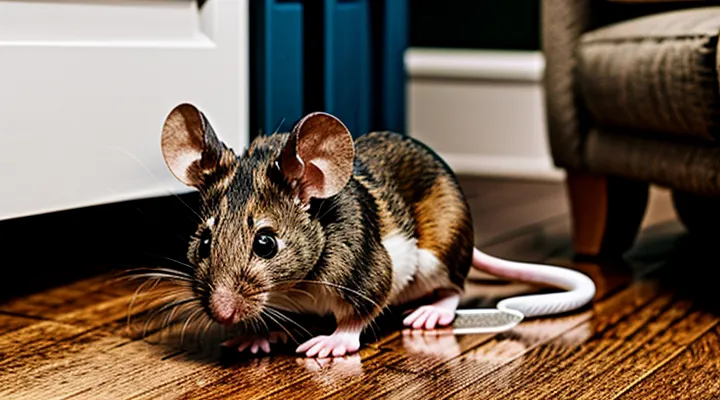
When a mouse is seen alive or its carcass is discovered, the odor source becomes apparent and can be addressed immediately. Identifying the exact location of the sighting allows targeted cleaning, preventing the smell from spreading throughout the home.
Locate the droppings, urine stains, and any remnants of the animal. Use a disposable glove and a paper towel to pick up the body, placing it in a sealed plastic bag before discarding it in an outdoor trash container. Clean the surrounding area with an enzymatic cleaner specifically formulated for rodent waste; these products break down proteins that cause lingering smells.
After removal, follow these steps to neutralize odor:
- Ventilate the room for at least 30 minutes by opening windows and using fans.
- Apply a 1:1 mixture of white vinegar and water to surfaces where urine may have soaked; let it sit for 10 minutes, then wipe dry.
- Sprinkle baking soda on carpets or upholstery, leave for 15 minutes, then vacuum thoroughly.
- Use an ozone generator or activated charcoal bags for 2‑4 hours in sealed spaces to absorb residual compounds.
Inspect adjacent rooms for secondary signs of activity, such as gnaw marks or additional droppings. Seal any discovered entry points with steel wool and caulk to stop further incursions and the associated odor. Regular monitoring and prompt cleaning after each sighting keep the indoor environment free of the characteristic mouse smell.
Pinpointing Odor Hotspots
Locating Entry Points
Identify potential ingress locations before sealing any openings. Mice exploit gaps as small as a quarter‑inch; therefore, examine the building envelope thoroughly.
Check the exterior foundation. Look for cracks in concrete, loose bricks, or gaps around drainage pipes. Use a flashlight to spot dark crevices, then press a thin piece of cardboard against suspected holes; a mouse will push the material aside.
Inspect doors and windows. Verify that weatherstripping is intact and that door sweeps touch the floor. Measure the clearance under each door; any space larger than ½ inch requires a seal.
Examine utility penetrations. Seal around cables, vent pipes, and chimney flues with steel wool followed by caulk. Replace damaged vent covers with mesh screens rated for rodent exclusion.
Survey the roof and attic. Locate openings around roof vents, soffits, and eaves. Ensure that all vent covers have fine mesh and that no loose shingles expose interior spaces.
Survey interior walls and floors. Use a mirror on an extendable pole to view behind baseboards and under cabinets. Look for gnaw marks, droppings, or fresh urine stains; these indicate active entry points.
Document each finding and prioritize based on size and proximity to high‑traffic mouse areas. Apply appropriate sealing materials—steel wool, copper mesh, expanding foam, or cement—immediately after identification to prevent further odor sources.
Checking Behind Appliances and Furniture
Inspecting the space behind appliances and furniture is essential when removing rodent odor from a home. Mice often nest in these concealed areas, leaving droppings, urine, and scent glands that contribute to persistent smells. Overlooking these spots allows odor to linger despite surface cleaning.
Typical hidden locations include:
- The gap between the refrigerator and the wall.
- The space under the stove or oven.
- The area behind the dishwasher and washing machine.
- The undersides of sofas, chairs, and bed frames.
- Crawl spaces or utility closets adjacent to large appliances.
Effective inspection and cleaning follow a precise routine:
- Unplug and move each appliance at least 12 inches from the wall.
- Use a flashlight to examine the entire exposed surface, noting any stains, droppings, or gnaw marks.
- Remove debris with a disposable cloth or paper towel; seal waste in a plastic bag before disposal.
- Apply a disinfectant solution (e.g., diluted bleach 1:10) to all contacted surfaces; let it sit for 5‑10 minutes.
- Rinse with clean water and dry thoroughly to prevent moisture buildup.
- Sprinkle an enzymatic odor‑neutralizer on any remaining residue; follow product instructions for dwell time.
- Return the appliance to its original position, ensuring a small clearance gap to discourage future nesting.
Repeat the same process for furniture, lifting cushions and checking the frame interior. Regularly maintaining clear gaps and conducting periodic inspections will prevent odor recurrence and deter further rodent activity.
Inspecting Attics and Basements
Inspecting attics and basements is essential when addressing rodent odor throughout a home. These areas often provide shelter, nesting material, and waste accumulation that release pungent smells. Identifying hidden sources early prevents the odor from spreading to living spaces.
- Examine insulation for shredded material, droppings, or urine stains. Replace contaminated sections and clean surrounding surfaces with an enzymatic cleaner.
- Check joist spaces and floor cavities for gnaw marks, entry holes, and nesting debris. Seal openings with steel mesh or caulk to block future access.
- Locate any dead rodents. Remove carcasses promptly, wearing gloves and a mask, then disinfect the area with a solution of 1 part bleach to 10 parts water.
- Inspect drainage pipes and sump pits for moisture buildup that attracts mice. Install covers and maintain dry conditions.
- Use a portable air purifier with activated carbon in each space after cleaning to capture residual odor molecules.
Regularly repeat the inspection cycle after the initial treatment. A systematic approach eliminates the source of the smell, restoring a neutral indoor environment.
Immediate Odor Neutralization Techniques
Airing Out the Space
Opening Windows and Doors
Opening windows and doors creates a direct pathway for stale, odor‑laden air to exit the interior. Fresh outdoor air replaces it, diluting the concentration of mouse scent molecules and reducing their persistence on surfaces.
Effective ventilation requires strategic placement and timing:
- Position a window or door on the side where the odor is strongest; open it fully.
- Create cross‑flow by opening a second opening on the opposite wall or across the house.
- Run a box or oscillating fan near one opening, directing air toward the opposite opening to accelerate exchange.
- Maintain airflow for at least 30 minutes; extend to an hour if the smell is intense.
- Repeat the process in the early morning or late evening when outdoor humidity is lower, enhancing evaporation of odor compounds.
Safety considerations include securing screens to prevent additional rodents from entering and monitoring weather conditions to avoid excessive heat or cold exposure inside the home. After ventilation, wipe down surfaces with an appropriate cleaner to remove any residual residue that may have settled during the air exchange.
Using Fans for Ventilation
Mouse odor lingers because volatile compounds become trapped in indoor air and on surfaces. Introducing fresh air quickly dilutes the smell and carries away contaminants. Fans provide the most efficient method for moving air through a space without extensive remodeling.
Position a high‑capacity floor or box fan near the source of the odor. Direct the airflow toward an open window, door, or exhaust vent to create a continuous exchange. Keep the fan running for at least 30 minutes, then increase the duration if the smell persists. For larger rooms, use two fans in a push‑pull arrangement: one pushes stale air out, the other draws fresh air in.
Practical steps:
- Open all windows and exterior doors that lead to the affected area.
- Place a fan so its front faces the opening, ensuring unobstructed airflow.
- Set the fan to the highest speed safe for continuous operation.
- Monitor the room for 15‑20 minutes; if the odor remains, relocate the fan to a different spot or add a second unit.
- After the odor diminishes, keep the fans running for an additional 10 minutes to clear residual particles.
Regular use of fans after cleaning, sealing entry points, and removing waste will maintain low odor levels and prevent future buildup.
Surface Cleaning and Disinfection
Removing Droppings and Debris
Removing mouse droppings and debris is essential for eliminating the source of odor. Begin by wearing disposable gloves and a mask to prevent exposure to pathogens. Identify all accumulation sites—kitchens, pantries, behind appliances, and dark corners. Use a disposable paper towel or a damp cloth to collect solid waste; avoid sweeping, which can aerosolize particles.
Disinfect the cleaned area with a solution of at least 1 % bleach (one part bleach to nine parts water) or an EPA‑registered rodent‑kill disinfectant. Apply the solution, let it sit for five minutes, then wipe dry with a fresh cloth. For porous surfaces such as carpet or upholstery, place a disposable liner over the area, spray disinfectant, and allow thorough drying before vacuuming with a HEPA‑rated filter.
Dispose of all contaminated materials in a sealed plastic bag, then place the bag in an outdoor trash container. Wash hands and any reusable equipment with hot, soapy water after removal.
Key actions:
- Wear protective gloves and mask.
- Collect droppings with disposable tools; avoid sweeping.
- Apply a 1 % bleach solution or approved disinfectant; dwell time five minutes.
- Clean porous items with liners and HEPA vacuum.
- Seal and discard waste in an outdoor bin.
- Perform hand hygiene and equipment sanitation.
Completing these steps removes the primary odor contributors, allowing subsequent odor‑neutralizing measures to work effectively.
Using Enzymatic Cleaners
Enzymatic cleaners break down the organic compounds that cause mouse odor. The enzymes target proteins, fats, and urine crystals, converting them into harmless substances that can be rinsed away.
- Choose a product labeled for pet or rodent waste; it must contain protease, lipase, and amylase enzymes.
- Apply the cleaner directly to the affected area while it is still damp; saturation ensures contact with all residues.
- Allow the solution to sit for the manufacturer‑recommended dwell time (usually 5–15 minutes) to let the enzymes work fully.
- Rinse or blot the surface with clean water, then dry thoroughly to prevent mold growth.
- Repeat the process on heavily contaminated spots; a second treatment often eliminates lingering odor.
Safety considerations include wearing gloves, testing the cleaner on an inconspicuous spot to confirm material compatibility, and ensuring proper ventilation if the product emits a strong scent. Enzymatic cleaners work faster than traditional detergents because they neutralize the source rather than merely masking it, making them a practical option for rapid odor removal in homes with mouse infestations.
Applying Disinfectants
Disinfectants neutralize bacterial by‑products that contribute to rodent odor and destroy residual scent glands left behind by mice. Applying the right product eliminates the source of the smell faster than ventilation alone.
- Hydrogen peroxide (3‑6 %) – breaks down organic matter, safe for most surfaces.
- Enzyme‑based cleaners – target urine proteins, ideal for carpets and upholstery.
- Quaternary ammonium compounds – effective on hard, non‑porous areas such as countertops and baseboards.
- Bleach solution (1 part bleach to 9 parts water) – powerful on sealed surfaces, requires thorough rinsing.
Begin by removing visible debris. Sweep or vacuum the affected zone, then wipe with a damp cloth to loosen dried residue. Open windows and run a fan to provide airflow; wear gloves and eye protection throughout the process.
Apply the chosen disinfectant according to label instructions. For sprays, coat the area evenly, ensuring full coverage of crevices and corners. For liquids, pour onto a clean cloth and wipe surfaces until the product saturates the material. Maintain the recommended contact time—typically 5–10 minutes—to guarantee microbial kill.
After the dwell period, wipe excess liquid with a dry cloth or allow the surface to air‑dry. Inspect the spot; repeat the application if odor persists. Dispose of cleaning materials in a sealed bag to prevent re‑contamination.
Consistent use of disinfectants after each mouse sighting prevents odor buildup and reduces the likelihood of repeated infestations.
Absorbing and Masking Odors
Activated Charcoal Placement
Activated charcoal absorbs volatile compounds that cause the distinct smell associated with rodents. Its porous structure traps molecules, reducing odor intensity without chemicals.
Effective placement follows these principles:
- Position bags or loose granules in areas where mice have been active: under appliances, behind cabinets, and inside closets.
- Place a small amount near entry points such as door cracks, window sills, and ventilation grates to intercept odor before it spreads.
- Distribute charcoal evenly across the floor of basements or crawl spaces, where dampness and limited airflow often amplify smells.
- Use airtight containers for charcoal placed in damp locations; the container prevents moisture from saturating the material while still allowing odor absorption.
Maintain performance by replacing or reactivating charcoal every 30–45 days. Exposure to sunlight for a few hours restores some adsorption capacity, but for optimal results, purchase fresh material. Clean surrounding surfaces before adding new charcoal to avoid re‑contamination.
Strategic positioning of activated charcoal eliminates lingering rodent odor quickly, complements other remediation methods, and requires minimal effort.
Baking Soda Application
Baking soda neutralizes the ammonia‑based scent left by rodents through a simple chemical reaction. Sprinkle a generous layer—about one to two tablespoons per square foot—onto carpets, floorboards, and upholstery where mouse activity is suspected. Allow the powder to sit for at least 12 hours; the longer contact time increases odor absorption.
After the waiting period, vacuum the area thoroughly, using a high‑efficiency filter to capture the dust. Repeat the process weekly until the smell disappears completely. For confined spaces such as cabinets or closets, place an open container of baking soda (approximately ½ cup) on a shelf; replace the contents every two weeks to maintain continuous odor control.
Key considerations:
- Use food‑grade baking soda to avoid introducing harmful chemicals.
- Test a small, hidden spot first to ensure the material does not discolor.
- Combine with thorough cleaning (soap‑water wipe‑down) for optimal results.
- Keep the powder away from pets and children, storing any unused portion in a sealed container.
When applied correctly, baking soda provides a rapid, low‑cost solution that eliminates mouse odor without the need for specialized products.
Coffee Grounds and Vinegar
Mouse odor in a home can be stubborn, but two common kitchen items provide effective neutralization. Coffee grounds and white vinegar act on the source of the smell and the lingering vapors, offering quick results without specialized products.
Coffee grounds absorb odor molecules and release a pleasant scent. To use them:
- Place a thin layer of dry grounds in a shallow container near the affected area.
- Refresh the grounds every 24 hours to maintain absorption capacity.
- Dispose of spent grounds in a sealed bag to prevent re‑contamination.
White vinegar neutralizes volatile compounds through acidity. Application steps:
- Mix equal parts distilled water and white vinegar in a spray bottle.
- Lightly mist the floor, baseboards, and any surfaces where mouse scent persists.
- Allow the solution to air‑dry; the vinegar odor evaporates, leaving no trace of the original smell.
For maximum efficiency, combine both methods: start with a vinegar mist to break down odor molecules, then position coffee grounds to capture the released scents. Ensure the area is well‑ventilated during and after treatment. Avoid direct contact with food preparation surfaces until the mixture has fully evaporated. This approach delivers rapid odor reduction using items already available in most households.
Commercial Odor Eliminators
Commercial odor eliminators provide rapid, targeted control of rodent scent in residential environments. Formulations typically contain oxidizing agents, enzymatic catalysts, or activated carbon, each designed to neutralize volatile compounds rather than mask them. Oxidizers such as hydrogen peroxide break down odor molecules at the chemical level; enzymes degrade organic residues that sustain the smell; activated carbon adsorbs airborne particles, reducing perceptible intensity.
Effective use follows a simple protocol:
- Identify the source: locate droppings, nesting material, and urine stains.
- Clean the area with a detergent or disinfectant to remove visible debris.
- Apply the chosen commercial product according to label instructions, ensuring adequate coverage of surfaces and air spaces.
- Allow the product to act for the recommended dwell time before ventilating the room.
Selection criteria focus on safety, potency, and ease of application. Products certified low‑odor and non‑toxic are suitable for households with children or pets. Concentrated sprays reduce the number of applications needed, while aerosol foggers reach concealed cavities such as wall voids and attic spaces.
When used correctly, commercial odor eliminators can reduce detectable rodent scent within hours, complementing other swift mitigation measures such as thorough cleaning and sealing entry points. Regular monitoring after treatment ensures the odor does not recur, confirming the long‑term success of the intervention.
Preventing Future Odor Problems
Sealing Entry Points
Caulking Cracks and Holes
Sealing cracks and holes blocks mouse access, stops urine and feces from entering walls, and eliminates the source of lingering odor. Unsealed gaps allow rodents to hide, deposit waste, and disperse scent through ventilation shafts and floorboards.
Caulking creates a durable barrier that resists moisture and deters gnawing. The material fills irregular spaces, preventing residue from soaking into porous surfaces where it would otherwise emit a persistent smell.
Procedure
- Identify all openings larger than a quarter‑inch, including gaps around pipes, baseboards, and door frames.
- Clean each opening with a vacuum or brush to remove debris and dried excrement.
- Apply a high‑quality, paint‑compatible silicone or acrylic caulk using a steady pressure, ensuring the bead fully contacts both sides of the crack.
- Smooth the caulk with a gloved finger or a caulking tool to eliminate air pockets.
- Allow the sealant to cure according to the manufacturer’s timeline before exposing the area to traffic or moisture.
Regular inspection of sealed areas maintains effectiveness. Reapply caulk where cracks reappear or where the original seal has deteriorated. This preventative measure reduces rodent infiltration and removes the primary conduit for odor accumulation.
Repairing Gaps in Walls and Floors
Repairing gaps in walls and floors directly reduces mouse odor by denying rodents entry points and eliminating hidden nesting sites. Sealed openings prevent waste accumulation, which is the primary source of the smell.
- Identify gaps larger than ¼ in using a flashlight and a thin probe.
- Clean the area around each opening with a disinfectant to remove residual urine or feces.
- Apply a suitable sealant: silicone caulk for small cracks, expanding foam for larger voids, and wood filler for structural holes.
- Allow the sealant to cure fully before re‑applying any paint or flooring material.
- Inspect the sealed areas after 48 hours to confirm no new drafts or re‑opening.
Repaired surfaces also facilitate better ventilation, allowing any remaining odor to disperse more efficiently. Regular maintenance of these barriers sustains a mouse‑free environment and minimizes future odor issues.
Installing Mesh on Vents
Mice often enter homes through ventilation openings, leaving urine and feces that create a persistent, unpleasant odor. Blocking these entry points with fine mesh prevents new contamination and stops the source of the smell from spreading.
Mesh installed on vents serves two functions: it denies rodents access while allowing airflow to continue unhindered. The barrier is inexpensive, easy to fit, and eliminates the need for chemical repellents that can irritate occupants.
Installation steps
- Measure the vent opening (width and height) to determine the required mesh size.
- Cut a piece of stainless‑steel or heavy‑duty nylon mesh that exceeds the opening dimensions by at least one inch on each side.
- Attach the mesh to the vent frame using self‑tapping screws or zip ties, ensuring a tight, gap‑free seal.
- Seal the perimeter with a thin bead of silicone caulk to block any remaining cracks.
- Verify airflow by turning on the system; adjust the mesh if resistance is noticeable.
Regular inspection of the mesh for tears or displacement keeps the barrier effective. Cleaning the surface with a mild detergent removes dust that could reduce ventilation efficiency. Reinstall the mesh promptly after any renovation that alters vent dimensions. This straightforward measure curtails rodent ingress, thereby removing the primary source of odor quickly and reliably.
Maintaining Cleanliness and Hygiene
Regular Vacuuming and Mopping
Regular vacuuming removes hair, dander, and urine particles that settle on floors and upholstery. These residues release volatile compounds responsible for the characteristic mouse smell. A high‑efficiency particulate air (HEPA) filter captures particles as small as 0.3 µm, preventing them from re‑entering the indoor environment.
Mopping with an enzymatic cleaner dissolves organic matter left behind after vacuuming. Enzymes break down proteins in urine and feces, neutralizing odor at the molecular level. Use warm water, a microfiber mop, and follow the manufacturer’s dilution instructions to maximize effectiveness.
Key practices for maintaining odor‑free interiors:
- Vacuum high‑traffic areas daily; include baseboards and corners where droppings accumulate.
- Replace vacuum bags or empty canisters after each use to avoid re‑contamination.
- Mop hardwood, tile, and laminate floors twice weekly; extend to cabinets and countertops if mouse activity is suspected.
- Allow surfaces to air‑dry completely before walking to prevent moisture‑related mold growth.
Consistent execution of these steps reduces the concentration of odor‑causing substances, thereby eliminating the detectable mouse scent from living spaces.
Proper Food Storage
Proper food storage directly reduces the likelihood of mouse activity, which in turn lessens odor problems throughout the home. Mice are attracted to accessible, unsecured food sources; eliminating those sources removes the primary incentive for infestation.
- Store dry goods in airtight containers made of plastic, glass, or metal. Seal lids tightly after each use.
- Refrigerate perishable items such as meat, cheese, and cooked leftovers within two hours of preparation. Keep the refrigerator temperature at or below 40 °F (4 °C).
- Place pet food in sealed bins and remove uneaten portions after each feeding. Avoid leaving bowls on the floor overnight.
- Dispose of waste promptly. Transfer kitchen trash to a sealed bin with a tight‑fitting lid and empty it regularly.
- Keep pantry shelves clear of spills. Clean up crumbs and residues immediately with a damp cloth.
Consistent implementation of these practices deprives rodents of nourishment, discourages nesting, and prevents the buildup of bacterial by‑products that contribute to unpleasant smells. Maintaining a disciplined storage routine therefore serves as a fundamental measure for controlling mouse‑related odor in residential environments.
Prompt Trash Disposal
Prompt trash disposal is essential for controlling rodent odor in residential environments. Mice are attracted to food residues and waste; when garbage accumulates, it provides both a food source and a breeding ground for odor‑producing bacteria. Removing trash quickly interrupts this cycle and reduces the intensity of the smell.
Key actions for immediate waste management:
- Empty kitchen and bathroom bins at least once daily, preferably after each meal preparation.
- Use bins with tight‑fitting lids to prevent mice from accessing discarded food.
- Transfer waste into sealed, odor‑resistant bags before placing them in the bin.
- Store outdoor trash cans away from doorways and seal them with lockable lids.
- Clean any spills in the bin interior with a mild disinfectant to eliminate residual scent particles.
Consistent application of these practices deprives rodents of sustenance, limits bacterial growth, and accelerates the dissipation of unpleasant odors throughout the home.
Utilizing Mouse Deterrents
Peppermint Oil and Other Natural Repellents
Peppermint oil acts as a potent deterrent for rodents and masks lingering odor with its strong menthol scent. Apply a few drops to cotton balls and place them in hidden corners, behind appliances, and near entry points. Replace the cotton every 2–3 days to maintain efficacy.
Other natural substances provide comparable results:
- Eucalyptus oil: dilute 10 ml in 500 ml water, spray around baseboards and crawl spaces.
- Clove oil: soak small cloth pieces, position near suspected nesting sites; clove’s phenolic compounds repel mice and reduce smell.
- Citrus peels: distribute fresh orange or lemon peels in trash bins and under sinks; the citric aroma discourages activity and masks waste odor.
- White vinegar: wipe surfaces with a 1:1 vinegar‑water solution; the acidity neutralizes odor molecules and creates an unpleasant environment for rodents.
For all remedies, ensure the area is dry before reapplying. Combine several methods in high‑traffic zones to achieve faster odor elimination without chemical sprays.
Ultrasonic Devices
Ultrasonic devices emit high‑frequency sound waves that rodents find uncomfortable, prompting them to vacate treated areas. The same frequencies also disrupt the bacterial activity responsible for the characteristic smell left by mouse urine and feces, reducing odor intensity without chemicals.
To integrate ultrasonic units into an odor‑control strategy, follow these steps:
- Position each unit at least one foot from walls or furniture to prevent sound reflection and ensure even coverage.
- Operate devices continuously for a minimum of 48 hours after a mouse sighting; most models include a timer for automatic shut‑off during daylight hours.
- Combine ultrasonic treatment with thorough cleaning of contaminated surfaces; the sound alone does not remove physical residues.
Effectiveness depends on room size and ventilation. Devices rated for 300‑square‑foot coverage typically handle a single bedroom or small office; larger spaces require multiple units or supplemental approaches such as activated charcoal filters. Ultrasonic emitters produce no audible noise for humans, making them suitable for bedrooms and living areas.
Safety considerations include keeping units away from pets that may be sensitive to high‑frequency sounds, and avoiding placement near water sources to prevent electrical hazards. Maintenance is limited to occasional dust removal from the speaker grille; most units have a lifespan of two to three years before performance degrades.
Cost ranges from $30 for basic models to $120 for units with adjustable frequency settings and remote control. Investing in a higher‑priced device can provide more precise targeting of odor‑prone zones, potentially shortening the overall remediation period.
Trapping and Removal Strategies
Effective control of rodent odor begins with promptly capturing and removing the source. Live‑catch traps, snap traps, and electronic devices each provide rapid containment. Place traps along walls, behind appliances, and near known activity zones; rodents tend to travel close to surfaces. Use bait such as peanut butter, dried fruit, or commercial lure to increase capture rates. Check traps every few hours, dispose of caught animals in sealed bags, and clean the trap surfaces with a disinfectant solution to prevent lingering scent.
After removal, eliminate residual odor by targeting urine and feces deposits. Follow these steps:
- Locate stains using a blacklight or a strong UV flashlight.
- Soak affected areas with an enzymatic cleaner designed for pet waste; allow the product to penetrate for at least 15 minutes.
- Rinse with warm water and dry thoroughly.
- Apply a thin layer of activated charcoal or a commercial odor‑absorbing powder to the cleaned surface; leave for several hours before vacuuming.
Finally, block entry points to stop re‑infestation. Seal cracks, gaps around pipes, and openings beneath doors with steel wool, caulk, or expandable foam. Regularly inspect the perimeter and interior for new breaches, reinforcing them immediately. Consistent trapping, thorough sanitation, and diligent exclusion together eradicate mouse odor swiftly and prevent its return.