
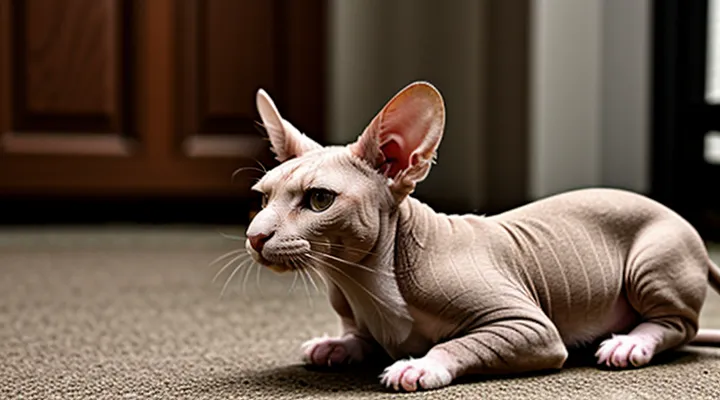
Understanding the Hairless Rat
Distinctive Physical Traits
Appearance and Genetic Origin
The Sphynx rat is distinguished by a smooth, hair‑free coat that reveals the underlying skin. Body proportions match those of standard laboratory rats: a streamlined head, elongated torso, and a long, hairless tail. Skin coloration follows the animal’s pigment genes, producing shades ranging from pink to black, with occasional mottling where residual hair follicles remain.
This breed originated through selective breeding of spontaneous hairless mutations discovered in laboratory colonies during the late 20th century. Breeders combined the recessive hairless allele (hl) with robust genetic lines to stabilize the trait while preserving overall health. The hairless condition follows an autosomal recessive inheritance pattern; two carriers must mate to produce offspring that express the phenotype.
Key genetic facts:
- The hl allele is located on chromosome 12 and disrupts keratin production.
- Homozygous hl/hl individuals display the hairless phenotype; heterozygous carriers appear normal.
- Breeding programs maintain genetic diversity by introducing unrelated lines every few generations to avoid inbreeding depression.
Sensitivity to Environment
Sphynx rats lack fur, making them highly responsive to ambient conditions. Their skin must remain dry, warm, and free from irritants to prevent stress and disease.
- Temperature: optimal range 22‑26 °C (71‑79 °F); exposure to drafts or sudden drops below 20 °C (68 °F) can cause hypothermia.
- Humidity: ideal relative humidity 45‑55 %; excessive moisture encourages skin infections, while very low humidity dries the epidermis.
- Air quality: volatile organic compounds from cleaning agents or scented products irritate respiratory passages and skin.
- Lighting: bright, direct light may increase heat loss; indirect, stable illumination reduces stress.
These environmental sensitivities affect the overall evaluation of keeping a Sphynx rat.
- Positive aspects: controlled indoor climate allows precise management of temperature and humidity; absence of fur eliminates shedding and allergen concerns for owners.
- Negative aspects: continuous monitoring of enclosure climate adds operational complexity; failure to maintain stable conditions leads to rapid health decline, increasing veterinary costs and caretaker responsibility.
Behavioral Profile
Socialization and Interaction Needs
Sphynx rats are highly social mammals that thrive on regular contact with both conspecifics and human caretakers. Their natural inclination toward group living means that isolation can quickly lead to stress, reduced immune function, and stereotypic behaviors.
Effective interaction requires several consistent actions:
- Daily handling sessions lasting 5–10 minutes per rat, allowing the animal to become accustomed to human scent and touch.
- Provision of at least one compatible cage‑mate to satisfy species‑specific affiliative drives.
- Enrichment items such as tunnels, chewable objects, and climbing structures that encourage exploratory play and social grooming.
- Quiet, predictable routines that minimize sudden disturbances and reinforce a sense of safety.
When these needs are met, owners observe notable advantages:
- Enhanced mental stimulation promotes active foraging and problem‑solving, reducing the incidence of repetitive pacing.
- Strong human‑rat bonds facilitate easier health monitoring, as rats readily present for examinations when accustomed to handling.
- Group housing often yields richer vocalizations and social cues, providing rewarding observational opportunities for enthusiasts.
Conversely, neglecting socialization and interaction creates significant drawbacks:
- Single‑rat housing frequently triggers aggression toward the caretaker, manifested by biting or heightened fear responses.
- Insufficient enrichment leads to weight loss, fur loss, and increased susceptibility to respiratory infections.
- Persistent stress elevates cortisol levels, shortening lifespan and compromising breeding success.
Balancing the demanding interaction schedule with the rat’s innate sociability determines whether the experience leans toward a rewarding pet ownership model or an unsustainable commitment.
Intelligence and Enrichment
Sphynx rats display rapid problem‑solving abilities, recognizing patterns and adapting to new obstacles within minutes. Their capacity for spatial memory enables them to navigate complex cage layouts and locate hidden food items after a single exposure. This intelligence translates into a need for varied stimuli; without it, the animals may develop repetitive behaviors that indicate stress.
Enrichment strategies must address both cognitive and physical dimensions. Effective measures include:
- Puzzle feeders that require manipulation to release food, encouraging dexterity and mental engagement.
- Rotating tunnels and climbing structures, which challenge spatial awareness and prevent habituation.
- Interactive sessions with safe, novel objects (e.g., wooden chew sticks, textured fabrics) that stimulate exploratory instincts.
- Short, daily handling periods that reinforce trust and allow owners to assess problem‑solving progress.
Benefits of meeting these requirements are evident: heightened activity levels, reduced incidence of stereotypic motions, and improved overall health. Conversely, insufficient enrichment can lead to increased aggression toward cage mates, diminished appetite, and a higher likelihood of escape attempts, which pose safety risks for both the rat and the caretaker. Balancing mental stimulation with practical maintenance demands careful planning but directly influences the quality of life for a Sphynx rat.
Advantages of Keeping a Sphynx Rat
Unique Aesthetics and Appeal
The hairless Sphynx rat stands out for its striking visual profile, which influences potential owners’ decisions. Its smooth, furless skin reveals musculature and vascular patterns rarely seen in typical rodents, creating a sleek, almost sculptural appearance. The lack of fur highlights subtle color variations in the skin, ranging from pinkish tones to darker pigmented patches, adding depth to its look.
Aesthetic advantages include:
- Immediate visual novelty that distinguishes the animal in exhibitions or home settings.
- Enhanced visibility of health indicators; skin condition can be assessed without fur obstruction.
- Compatibility with themed décor, as the rat’s minimalist form complements modern interior designs.
Potential drawbacks linked to the unique appearance are:
- Increased susceptibility to temperature fluctuations; the exposed skin requires constant ambient control to prevent hypothermia.
- Higher maintenance of skin hygiene; regular cleaning prevents buildup of oils and debris that become visible without fur.
- Limited availability of breeding stock, making acquisition more difficult and often more costly.
Overall, the Sphynx rat’s distinctive aesthetics provide compelling visual appeal while imposing specific environmental and care requirements that must be weighed in any ownership evaluation.
Minimal Grooming Requirements
Minimal grooming is a notable advantage for owners of hair‑less rodents. The lack of fur eliminates daily brushing, reduces shedding, and simplifies coat maintenance. Consequently, cleaning routines focus primarily on skin care rather than fur management.
Benefits
- Fewer grooming tools required; a soft cloth or occasional wipe suffices.
- Lower risk of hair‑related allergies for household members.
- Reduced time commitment compared to species with dense coats.
Considerations
- Skin can become dry or oily; regular inspection and occasional moisturising are necessary.
- Urine and droppings may stain bare skin, demanding frequent habitat cleaning.
- Absence of fur removes a natural barrier against minor injuries, increasing the need for careful handling.
Overall, the streamlined grooming regimen saves time and resources, yet owners must remain vigilant about skin health and habitat hygiene.
Reduced Allergens
Potential Benefits for Mild Allergy Sufferers
Sphynx rats lack fur, which means they shed significantly less dander than coated rodents. For individuals who experience mild allergic reactions, the reduced presence of airborne particles translates into a measurable decrease in symptom triggers.
- Lower dander levels diminish nasal congestion and sneezing episodes.
- Minimal shedding simplifies routine cleaning; vacuuming and dusting become less frequent.
- Direct skin contact produces fewer allergenic proteins, allowing safer handling for people with sensitive skin.
Veterinary research confirms that hairless rodents generate less airborne allergen than their haired counterparts. Nevertheless, saliva and urine still contain proteins capable of eliciting reactions, so regular cage sanitation and hand washing remain essential. The net effect is a more manageable environment for those whose allergies are not severe.
High Level of Interaction
A Sphynx rat demands frequent engagement, which shapes both the owner’s experience and the animal’s welfare.
Positive aspects of intense interaction
- Rapid bonding; the rat quickly recognizes individual handlers, fostering trust.
- Enhanced mental stimulation; regular handling prevents boredom and reduces stereotypic behaviors.
- Early detection of health issues; tactile checks reveal skin lesions or respiratory problems before they worsen.
Negative aspects of intense interaction
- Time commitment; daily sessions of 15–30 minutes are necessary to maintain social stability.
- Potential stress; excessive handling or abrupt movements can trigger anxiety, especially in timid individuals.
- Risk of habituation; over‑familiarity may diminish the rat’s natural curiosity, leading to reduced exploratory behavior.
Balancing the need for constant contact with realistic schedules determines whether the high interaction level contributes to a rewarding pet‑keeping arrangement.
Challenges and Specialized Care Requirements
Vulnerability of the Skin
Preventing Abrasions and Injuries
A hairless rat’s exposed skin is vulnerable to cuts, burns and ulcerations. Preventive measures focus on habitat design, handling techniques, hygiene and health monitoring.
- Enclose the cage with smooth, non‑abrasive materials. Avoid wire mesh floors; use solid platforms covered with soft bedding such as fleece or shredded paper. Remove sharp edges from accessories and regularly inspect chew toys for splinters.
- Maintain ambient temperature between 22 °C and 26 °C. Low temperatures cause the animal to seek warmth on hot surfaces, increasing the risk of burns. Provide a heated pad set to a low, constant temperature, and verify that it does not exceed safe limits.
- Apply a thin layer of hypoallergenic, fragrance‑free moisturizer twice daily. The product should contain lanolin or vitamin E to preserve skin elasticity and reduce cracking. Discontinue use if redness or swelling appears.
- Practice gentle handling. Support the entire torso with both hands, avoid gripping the tail, and limit restraint to short periods. Train household members to use the same method to prevent accidental pinching.
- Schedule weekly visual inspections. Look for erythema, scabs or hairline wounds. Document findings and consult a veterinarian promptly if lesions enlarge or discharge appears.
- Rotate chew items weekly to prevent wear‑induced splinters. Choose items made from untreated willow or apple wood, and discard them when surfaces become rough.
Consistent application of these protocols minimizes skin trauma, supports overall well‑being, and reduces veterinary costs associated with injury treatment.
Management of Dry Skin
Managing dry skin is a critical factor when evaluating the merits of caring for a hairless rodent. The animal’s exposed epidermis loses moisture rapidly, making skin health a decisive element in the overall assessment of ownership.
Effective dry‑skin control relies on four practical measures:
- Environmental humidity: Maintain ambient moisture between 45 % and 55 % using a humidifier or water‑filled terracotta vessels. Monitor levels with a hygrometer and adjust promptly after seasonal changes.
- Nutritional support: Provide a balanced diet enriched with omega‑3 fatty acids, vitamin E, and essential fatty acids. Supplementation should follow veterinary dosage recommendations to avoid excess intake.
- Topical care: Apply a fragrance‑free, hypoallergenic moisturizer specifically formulated for small mammals. Reapply after bathing or when the skin appears tight or flaky.
- Health surveillance: Schedule regular veterinary examinations to detect dermatitis, parasites, or underlying metabolic disorders. Early intervention prevents progression to severe dehydration of the skin.
Integrating these protocols reduces the risk of skin complications, thereby influencing the overall evaluation of keeping a hairless rat as a pet.
Critical Temperature Regulation
Necessity of Warm Housing
Sphynx rats lack insulating fur, making ambient temperature a primary factor in their well‑being. Without adequate warmth, they expend excessive energy to maintain core temperature, leading to weight loss, weakened immune response, and heightened susceptibility to respiratory infections.
Optimal housing temperature falls between 68 °F and 74 °F (20 °C–23 °C). Maintaining this range reduces metabolic strain, supports normal activity levels, and promotes stable growth rates. Consistent warmth also prevents skin lesions caused by prolonged exposure to drafts or cold surfaces.
Implementation requires reliable heat sources such as ceramic heat emitters, thermostatically controlled heating pads, or insulated enclosures. Continuous temperature monitoring—using digital probes with alarm functions—ensures conditions remain within target limits and alerts owners to sudden fluctuations.
Potential drawbacks include increased electricity costs, the necessity of regular equipment maintenance, and the risk of overheating if thermostatic controls fail. Over‑heating can cause dehydration, heat stress, and skin burns, especially in densely populated cages where airflow is limited.
Key considerations for warm housing
- Target temperature: 68 °F–74 °F (20 °C–23 °C)
- Heat source: low‑EMF ceramic emitter or thermostatically regulated pad
- Monitoring: digital thermometer with alarm, checked daily
- Ventilation: mesh panels or small fans to circulate air and prevent hotspots
- Backup: secondary heat source or battery‑powered unit for power outages
Balancing these factors secures a stable thermal environment, directly influencing the health outcomes of a hairless rat and shaping the overall evaluation of keeping such a pet.
Dangers of Drafts and Cold Exposure
Hairless rats require a consistently warm environment; exposure to drafts or low temperatures directly threatens their health, a factor that weighs heavily when evaluating the merits of ownership.
- Rapid loss of body heat can lead to hypothermia, reducing metabolic efficiency and impairing organ function.
- Cold stress weakens the respiratory tract, increasing susceptibility to bacterial and viral infections.
- Persistent chill elevates cortisol levels, producing chronic stress that diminishes immune response.
- Extended exposure raises the risk of mortality, especially in young or compromised individuals.
Effective prevention involves sealing enclosure gaps, positioning the cage away from windows or ventilation ducts, and maintaining ambient temperature within the species‑specific range. Supplemental heating devices, such as low‑intensity heat pads, should be monitored to avoid burns while providing a stable thermal buffer. Regular temperature checks and observation of the rat’s behavior allow early detection of discomfort, ensuring that the potential drawbacks of keeping a hairless rat are managed proactively.
Increased Metabolic Rate
Higher Caloric Intake Demands
Higher caloric requirements are a defining characteristic of the Sphynx rat. The breed’s rapid metabolism and lean body composition demand a diet that delivers more energy per gram than typical pet rats. Owners must provide nutrient‑dense foods, frequent meals, and occasional supplemental calories to prevent weight loss and maintain optimal activity levels.
Positive aspects
- Increased feeding frequency promotes regular interaction, strengthening the human‑animal bond.
- Nutrient‑rich diets encourage robust immune function, reducing susceptibility to common ailments.
- Controlled calorie provision allows precise management of body condition, facilitating research or exhibition standards.
Negative aspects
- Elevated food costs arise from premium protein sources and specialized supplements.
- Continuous monitoring is necessary; failure to meet caloric needs can result in rapid decline in health and vigor.
- Greater feeding complexity may deter novice owners lacking experience with high‑energy pet nutrition.
Balancing these factors is essential for responsible care. Accurate portion calculation, routine weight checks, and consultation with a veterinary nutritionist mitigate risks while leveraging the benefits of the Sphynx rat’s heightened energy demand.
Frequent Feeding Schedules
Frequent feeding schedules directly affect the health, behavior, and management workload of a Sphynx rat. Consistency in meal timing stabilizes blood glucose, supports dental health, and reduces stress‑related aggression. Conversely, the same routine demands more daily attention and may increase the risk of overfeeding if portions are not carefully measured.
Advantages
- Steady nutrient intake prevents hypoglycemia, especially in young or active individuals.
- Predictable meals simplify monitoring of weight and appetite changes.
- Regular feeding intervals encourage natural foraging behavior, reducing boredom.
- Small, frequent portions facilitate precise caloric control, aiding in obesity prevention.
Disadvantages
- Requires multiple daily feedings, limiting owner flexibility and increasing time commitment.
- Higher frequency raises the chance of accidental over‑portioning, leading to weight gain.
- Frequent handling may cause stress for rats that prefer less human interaction.
- Increased cleaning frequency due to more frequent food spills and waste accumulation.
Common Health Concerns
Respiratory System Susceptibility
Hairless rats are prone to respiratory challenges because their lack of fur reduces natural insulation and moisture retention. The exposed skin allows rapid heat loss, prompting the animal to increase breathing rate to maintain body temperature, which can strain the pulmonary system. Low ambient humidity further dries the nasal passages, diminishing mucosal barriers that normally trap pathogens. Consequently, infections such as bacterial pneumonia or viral colds appear more frequently in these rodents than in furred counterparts.
Advantages related to respiratory monitoring include:
- Clear visibility of chest movements, facilitating early detection of irregularities.
- Absence of fur simplifies cleaning of cages, reducing accumulation of dust that could irritate the airway.
Disadvantages encompass:
- Elevated susceptibility to respiratory infections due to compromised mucosal protection.
- Greater sensitivity to temperature fluctuations, which may trigger stress‑induced hyperventilation.
- Requirement for controlled humidity levels, adding complexity to habitat management.
Effective mitigation involves maintaining stable ambient temperature, providing a humidifier to keep relative humidity between 45‑55 %, and regularly inspecting the animal for signs of nasal discharge or labored breathing. Failure to address these factors increases the likelihood of chronic respiratory issues, potentially outweighing the benefits of keeping a hairless rat as a pet.
Eye and Tear Duct Issues
Eye and tear duct health directly influences the suitability of a Sphynx rat as a pet. The breed’s hairless skin leaves the ocular surface exposed, increasing susceptibility to dryness, irritation, and bacterial colonisation.
Typical problems include keratitis caused by insufficient tear film, blockage of nasolacrimal ducts leading to excessive tearing, and secondary infections that may progress rapidly without treatment. Early signs manifest as reddened sclera, crusted discharge, frequent pawing at the eyes, or reduced visual response.
Compromised vision impairs foraging and social interaction, elevating stress levels and potentially shortening lifespan. Prompt veterinary assessment is essential when symptoms appear, as delayed intervention can result in permanent damage.
Preventive care:
- Maintain ambient humidity between 50‑60 % to support tear production.
- Clean the peri‑ocular area daily with sterile saline wipes to remove debris.
- Provide a diet rich in omega‑3 fatty acids to enhance mucosal health.
- Schedule quarterly ophthalmic examinations with a small‑animal specialist.
These considerations add complexity to the decision to keep a Sphynx rat. While the breed offers unique companionship, the requirement for vigilant ocular maintenance represents a tangible drawback that must be weighed against the animal’s distinctive traits.
Evaluating Suitability for Ownership
Financial and Time Commitment
Costs of Specialized Housing and Veterinary Care
Owning a hairless rat demands financial resources beyond those required for conventional pet rodents. The primary expense is a climate‑controlled enclosure. A solid‑bottom cage with insulated walls, a reliable heating pad or ceramic heater, and a thermostat can cost between $150 and $300. Supplemental heating plates and temperature monitors add $30‑$70 each. Because the animal lacks fur, bedding must be low‑dust, absorbent, and easy to sanitize; premium paper or hemp bedding runs $15‑$25 per month.
Veterinary care for a Sphynx rat is also specialized. Routine examinations often require a veterinarian experienced with exotic mammals, whose fees range from $70 to $120 per visit. Preventive measures such as parasite screenings, skin health assessments, and vaccinations (where available) add $40‑$80 per appointment. Emergency or surgical interventions can exceed $300, reflecting the need for anesthesia and post‑operative monitoring in a species prone to hypothermia.
Additional recurring costs include:
- Nutritional supplements (vitamin C, omega‑3 oils): $10‑$20 monthly.
- Enrichment items (climbing structures, chew toys made of safe materials): $20‑$40 each, replaced periodically.
- Insurance or emergency fund allocation: suggested $15‑$30 monthly to offset unexpected medical bills.
These financial commitments influence the overall feasibility of keeping a hairless rat. Prospective owners must evaluate whether the higher upfront and ongoing expenditures align with their budgetary constraints.
Daily Interaction Time Required
A Sphynx rat requires consistent daily contact to maintain health and social stability. Minimum engagement includes 30 minutes of gentle handling, supplemented by 15–30 minutes of environmental enrichment such as tunneling toys, foraging puzzles, and supervised floor time. Interaction should be divided into multiple short sessions to prevent stress, with each session lasting 5–10 minutes.
Advantages of meeting the time requirement
- Strengthened bond reduces aggression and improves handling confidence.
- Regular stimulation prevents obesity, skeletal issues, and abnormal grooming behaviors.
- Predictable routine facilitates early detection of illness through observable changes.
Disadvantages of the time requirement
- Owners with limited schedules may struggle to allocate the needed minutes, leading to neglect.
- Increased interaction demands may conflict with other pets or household responsibilities.
- Failure to provide sufficient daily contact can result in anxiety, reduced lifespan, and costly veterinary interventions.
Ethical Considerations
Sourcing from Responsible Breeders
Responsible breeders adhere to documented health screening, maintain clean breeding environments, and provide detailed lineage records. These practices reduce the incidence of hereditary disorders and ensure that each Sphynx rat meets established welfare standards.
Advantages of acquiring a Sphynx rat from a reputable source include:
- Confirmed health status through veterinary examinations and genetic testing.
- Consistent temperament resulting from early socialization and proper handling.
- Access to breeder expertise on nutrition, enclosure requirements, and preventive care.
- Availability of replacement or support agreements should health issues arise.
Disadvantages associated with this procurement method are:
- Purchase price significantly exceeds that of market-sourced animals.
- Limited supply due to strict breeding quotas and ethical constraints.
- Potential narrowing of the gene pool if breeders prioritize specific traits.
- Necessity for prospective owners to verify breeder credentials, which demands time and research.
Balancing these factors is essential when evaluating the overall merits and drawbacks of maintaining a hairless Sphynx rat as a pet.
Commitment to Lifelong Care
A Sphynx rat demands continuous, individualized attention for the entirety of its life. The animal’s short lifespan, typically 2‑3 years, concentrates the responsibility into a limited timeframe, yet the intensity of care does not diminish.
- Daily interaction to maintain social confidence and reduce stress‑related behaviors.
- Balanced diet of high‑quality pellets, occasional fresh vegetables, and controlled treats to prevent obesity and nutritional deficiencies.
- Weekly cage cleaning, including substrate replacement and equipment sanitation, to avoid respiratory infections common in hairless rodents.
- Regular health monitoring: weight checks, grooming of delicate skin, and observation for signs of skin irritation or dental problems.
- Scheduled veterinary examinations, preferably with a practitioner experienced in exotic small mammals, to address preventive care and emergent issues.
The commitment translates into measurable obligations. Time allocation averages 15‑30 minutes each day for handling, feeding, and enclosure upkeep. Financial outlay includes recurring costs for specialized diet, grooming supplies, and veterinary services, often exceeding $500 annually. Emotional investment is inherent; owners must remain responsive to the rat’s needs, recognizing that neglect can quickly lead to health decline.
When evaluating the advantages and disadvantages of housing a Sphynx rat, the lifelong care requirement serves as a decisive factor. Prospective owners must assess whether they can sustain the described routine without interruption; failure to do so undermines the animal’s welfare and negates any perceived benefits of ownership.