
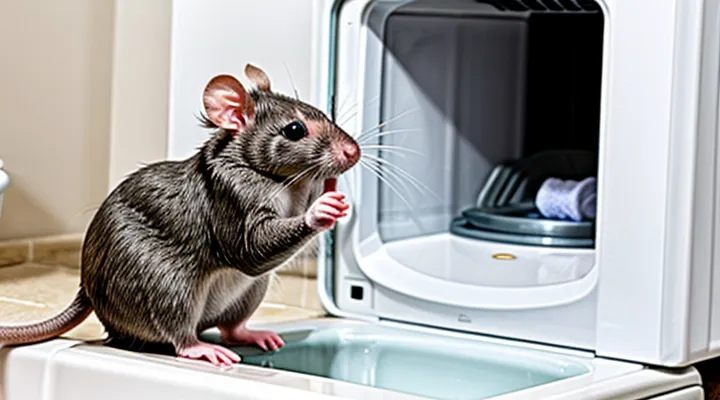
Understanding When and Why to Bathe Your Pet Rat
Common Reasons for Bathing
Medical Necessity
Effective domestic cleaning of pet rats is a medical requirement, not a cosmetic preference. Regular bathing eliminates bacterial colonies that can cause dermatitis, respiratory infections, and systemic illness. Removing contaminant buildup on fur and skin reduces the risk of opportunistic pathogens entering wounds or the nasal passages.
Key health benefits include:
- Prevention of skin irritations and ulcerations caused by excess oil and debris.
- Reduction of ectoparasite infestations such as mites and lice, which transmit disease.
- Lowering of aerosolized allergens that trigger respiratory distress in both rats and owners.
- Facilitation of early detection of injuries or abnormal discharge during the washing process.
Failure to maintain a consistent cleaning routine increases veterinary costs and may shorten the animal’s lifespan. Incorporating a structured washing schedule aligns with veterinary guidelines for small mammals and supports overall physiological stability.
Odor Control
Effective home bathing of pet rats requires attention to odor control to keep the living area pleasant and prevent bacterial growth. Odors originate mainly from residual urine, feces, and skin oils that remain after a wash. Removing these sources promptly reduces the smell and protects both the animal and the owner from respiratory irritation.
Key practices for managing odor:
- Rinse the rat thoroughly with lukewarm water to flush out urine and waste before applying any cleanser.
- Use a mild, unscented soap formulated for small mammals; avoid strong fragrances that can mask odor without eliminating it.
- After washing, pat the animal dry with a clean, absorbent towel and place it in a well‑ventilated, warm area for at least 15 minutes.
- Clean the washing basin and any tools immediately with a diluted disinfectant, then rinse and dry them completely.
- Replace bedding daily and use a low‑dust, absorbent substrate to capture any remaining moisture that could produce odor.
Regular grooming, including weekly nail trimming and occasional fur brushing, further minimizes debris that contributes to smell. Maintaining a consistent cleaning schedule for cages, water bottles, and feeding dishes eliminates lingering sources of odor and supports overall health.
Dirt and Debris Removal
Removing visible dirt and debris is the first essential step before any bath. The animal’s coat should be inspected for soil, food particles, and loose fur. A gentle dry brush eliminates most contaminants without stressing the rat.
- Use a soft‑bristle brush or a fingertip brush.
- Move in the direction of hair growth.
- Apply light pressure to avoid skin irritation.
- Pay special attention to the tail, hindquarters, and under the chin.
After dry brushing, a damp, lint‑free cloth can wipe remaining grit. The cloth should be moistened with warm (not hot) water and wrung out thoroughly. Wipe each body segment once, avoiding the ears and eyes.
Choose tools that are easy to clean and disinfect between uses. Store brushes in a sealed container to prevent bacterial growth. Ensure the bathing area is low‑traffic, quiet, and free of strong odors that could distress the pet.
These procedures eliminate surface contaminants, reduce the risk of infection, and prepare the rat for the subsequent washing stage.
When Not to Bathe Your Rat
Stress and Health Risks
Washing a pet rat in a domestic environment can trigger physiological stress, which compromises immune function and predisposes the animal to disease. Elevated cortisol levels observed during handling and immersion reduce white‑blood‑cell activity, impairing the body’s ability to fend off bacterial and fungal infections. Rapid temperature fluctuations caused by cold water or drafts increase the risk of hypothermia, especially in juveniles with limited thermoregulatory capacity.
Key health hazards associated with improper cleaning practices include:
- Skin abrasions from aggressive scrubbing, providing entry points for opportunistic pathogens.
- Respiratory irritation from inhalation of soap residues or aerosolized water droplets, leading to bronchitis or pneumonia.
- Gastrointestinal upset caused by accidental ingestion of cleansing agents, resulting in diarrhea and dehydration.
Mitigation strategies recommended by veterinary professionals:
- Use lukewarm water (30‑32 °C) and a mild, unscented rodent‑safe cleanser.
- Limit exposure time to no more than 30 seconds per session.
- Dry the rat thoroughly with a soft towel and keep it in a warm, draft‑free area until body temperature stabilizes.
Adhering to these guidelines minimizes stress‑induced immunosuppression and reduces the likelihood of acute and chronic health complications.
Natural Grooming Habits
Pet rats rely on innate grooming behaviors that maintain coat health, skin integrity, and parasite control. Understanding these behaviors is essential when implementing a home washing routine, because interference with natural processes can cause stress or skin damage.
Rats engage in several distinct grooming activities:
- Self‑grooming: Rats use their forepaws and mouth to clean fur, remove debris, and distribute natural oils. This activity occurs several times daily and concentrates on the head, ears, and tail.
- Social grooming: Group members nibble each other’s fur, especially around hard‑to‑reach areas such as the back and hindquarters. This reinforces social bonds and assists in parasite removal.
- Dust bathing: In the wild, rats roll in loose substrate to absorb excess oil and dislodge parasites. Domestic rats may exhibit a reduced version of this behavior when provided with suitable bedding.
When washing pet rats at home, align the procedure with these natural habits:
- Limit water exposure to brief, targeted rinses that mimic the moisture of a dust bath. Use lukewarm water and avoid submerging the entire body.
- Apply a mild, rodent‑safe cleanser only to areas that the animal cannot reach, such as the ventral abdomen. Rinse thoroughly to prevent residue that could hinder oil distribution.
- After drying, allow the rat to resume self‑grooming immediately. Provide a clean, dry surface for the animal to rub against, facilitating the redistribution of oils.
- Encourage social grooming by re‑introducing cage mates after the wash, provided all individuals are calm and free of injuries.
By respecting the rat’s intrinsic grooming patterns, owners can achieve effective coat maintenance while minimizing stress and preserving the animal’s natural hygiene mechanisms.
Preparing for Your Rat's Bath
Gathering Necessary Supplies
Appropriate Shampoo
Choosing a shampoo for domestic rats requires attention to composition, pH balance, and safety. Rats have delicate skin and a thin fur coat; products designed for humans or large animals often contain harsh detergents, fragrances, or preservatives that can cause irritation, dermatitis, or respiratory distress.
Key characteristics of a suitable rat shampoo:
- Mild surfactants – non‑ionic or amphoteric agents that cleanse without stripping natural oils.
- pH 6.5–7.5 – aligns with the rat’s skin surface to maintain barrier integrity.
- Fragrance‑free – eliminates volatile compounds that may trigger sneezing or stress.
- Absence of parabens, sulfates, and dyes – reduces risk of allergic reactions.
- Hypoallergenic or veterinary‑approved – ensures formulation has been tested on small mammals.
When selecting a product, verify that the label specifies suitability for small rodents or laboratory animals. Certified veterinary grooming shampoos, pediatric baby washes, or specially marketed “small‑pet” formulas typically meet the above criteria. Avoid any shampoo that lists ingredients such as sodium lauryl sulfate, menthol, tea tree oil, or essential oil blends, as these can be toxic when absorbed through the skin or inhaled.
Application guidelines:
- Prepare lukewarm water (approximately 30 °C).
- Wet the rat’s fur thoroughly; avoid submerging the head.
- Apply a small amount of shampoo, lather gently with fingertips, and massage for no longer than 30 seconds.
- Rinse completely with clean water to eliminate residue.
- Pat dry with a soft towel; allow the animal to air‑dry in a warm, draft‑free area before returning it to its cage.
Regular use of an appropriate shampoo, combined with occasional spot cleaning, maintains coat cleanliness while preserving skin health.
Towels
Towels are a necessary tool when drying a pet rat after a bath. They absorb moisture quickly, reduce the risk of chilling, and prevent skin irritation caused by prolonged dampness.
Choose towels that are soft, lint‑free, and sized to cover the entire animal without excess folding. Microfiber or high‑thread‑count cotton provides gentle contact while maximizing absorbency. Avoid fabrics with rough textures or loose fibers that can embed in the rat’s fur.
During the drying phase, follow a consistent sequence: gently press the towel against the back and sides to remove bulk water, then pat the tail, ears, and paws individually. Do not rub vigorously; a light patting motion preserves the delicate fur and skin. Rotate to a dry section of the towel if it becomes saturated before the animal is fully dry.
Maintain towel hygiene by laundering after each use. Use a hot water cycle (minimum 60 °C) with a mild detergent, rinse thoroughly, and dry on high heat to eliminate residual bacteria. Store clean towels in a sealed container to protect them from contamination between sessions.
Warm Water
Warm water is the most suitable medium for cleaning pet rats because it relaxes their skin and fur, reduces shock, and helps dissolve debris without causing temperature stress.
The optimal temperature range lies between 37 °C and 40 °C (98 °F–104 °F). Water below this range may be uncomfortable, while temperatures above can lead to burns or hyperthermia. Use a calibrated thermometer to verify the temperature before each wash.
Key considerations when preparing warm water:
- Fill a shallow basin with enough water to submerge the rat’s body without deep immersion; a depth of 2–3 cm suffices.
- Add a few drops of a rat‑safe, fragrance‑free cleanser if required; excessive soap can strip natural oils.
- Test the water with a fingertip; the sensation should feel warm, not hot.
- Maintain the temperature throughout the session by adding small amounts of lukewarm water if it begins to cool.
During the wash, keep the rat’s head above water, support its body gently, and rinse thoroughly to remove all soap residues. After washing, pat the animal dry with a soft towel and monitor its body temperature for a few minutes to ensure it has returned to normal.
Small Basin or Sink
A small basin or sink provides a stable, controllable environment for washing pet rats. Its size should accommodate a single rat comfortably, allowing enough water depth for gentle submersion without risk of drowning. Choose a non‑slippery surface, such as a silicone mat or textured plastic, to prevent the animal from slipping while being rinsed.
Before use, fill the basin with lukewarm water (approximately 30–35 °C). Add a few drops of a mild, rabbit‑safe cleanser if the rat’s fur is heavily soiled; otherwise, plain water suffices. Test the temperature with a fingertip to ensure it is not scalding. Place a soft towel nearby for immediate drying after the bath.
Key considerations for the basin or sink:
- Capacity: holds 1–2 liters, enough for one rat and water movement.
- Material: non‑porous, easy‑to‑sanitize plastic or stainless steel.
- Shape: shallow depth (2–3 cm) with smooth edges to avoid injury.
- Stability: sits flat on a countertop or table; optional non‑slip base improves safety.
- Cleaning: disassemble and rinse with hot water after each use; sterilize weekly with a diluted bleach solution (1 % concentration) followed by thorough rinsing.
Using a properly sized basin or sink eliminates the need for improvisation, reduces stress on the animal, and supports consistent hygiene practices for domestic rat care.
Treats
Treats are essential tools for reinforcing cooperative behavior during home rat bathing. Offer a small, high‑value reward immediately after each step—such as entering the water, remaining still, or tolerating gentle rinsing—to create a clear association between the cleaning process and a positive outcome. Consistency in timing prevents confusion and encourages the animal to anticipate the reward.
Select treats that are safe for rodents and easy to consume quickly. Recommended options include:
- Tiny pieces of unsweetened dried fruit (e.g., apricot, banana)
- Small fragments of plain cooked chicken or turkey
- Commercial rat pellets broken into bite‑size portions
- Low‑fat cheese cubes, no larger than a pea
- Specialized rodent soft treats formulated without added sugars or salts
Avoid foods high in fat, sugar, or salt, as they can upset the rat’s digestive system and undermine health. Store treats in a sealed container to maintain freshness and prevent contamination. Use a separate, clean surface for dispensing treats to keep the washing area hygienic.
Integrate the reward system into the entire cleaning routine: begin with a treat before water exposure, present another after the wash, and finish with a final treat during the drying phase. This sequence sustains motivation, reduces stress, and promotes repeatable, calm behavior in future bathing sessions.
Setting Up the Bathing Area
Ensuring a Warm Environment
Maintaining a suitable temperature while bathing a pet rat prevents hypothermia and stress. Rats lose heat quickly when wet; a warm environment stabilizes body temperature and supports normal physiological function.
Key actions to create a warm setting:
- Pre‑heat the washing area to around 24‑26 °C (75‑79 °F) using a space heater or warm room.
- Fill the water container with lukewarm water (approximately 30‑32 °C / 86‑90 °F); test with a thermometer before use.
- Place a soft towel or heating pad beneath the rat’s holding surface, ensuring the surface temperature does not exceed 30 °C (86 °F) to avoid burns.
- Limit exposure time; keep the bath under five minutes unless the rat is accustomed to longer sessions.
- After washing, dry the rat promptly with a low‑heat hair dryer on a gentle setting or a warm towel, then return it to its cage for a few minutes of undisturbed recovery.
Continuously observe the rat’s behavior. Signs of discomfort—shivering, prolonged immobility, or vocalization—indicate that the temperature is insufficient. Adjust heating sources or water temperature immediately to maintain a stable, comfortable environment throughout the cleaning process.
Minimizing Distractions
Effective rat bathing at home demands a focused environment. Any interruption can cause the animal to panic, increasing the risk of injury and compromising hygiene. Maintaining concentration ensures the process proceeds smoothly and safely.
To reduce distractions, implement the following measures:
- Prepare all supplies—warm water, gentle shampoo, towel, and a secure basin—before bringing the rat into the wash area.
- Choose a quiet room away from high‑traffic zones; close doors and silence electronic devices.
- Inform household members of the scheduled cleaning time and request that they avoid entering the space.
- Eliminate visual stimuli by covering windows or turning off bright lights; use soft, indirect lighting instead.
- Keep the rat’s cage closed and secure to prevent sudden escapes that could divert attention.
A distraction‑free setting allows the caregiver to monitor water temperature, control washing duration, and rinse thoroughly without hesitation. The result is a clean, stress‑free pet and a more efficient grooming routine.
The Bathing Process
Introduction to Water
Gentle Handling
Gentle handling is essential when bathing a pet rat to prevent stress and injury. Approach the animal calmly, supporting its body with both hands to maintain stability. Keep the grip light but secure, allowing the rat to feel safe while you work.
- Hold the rat in a cupped position, with one hand supporting the chest and the other gently guiding the hindquarters.
- Use lukewarm water (approximately 37 °C) to avoid shock; pour slowly over the back, avoiding the face and ears.
- Apply a small amount of rodent‑safe shampoo, massaging lightly without rubbing hard; focus on the fur and skin, not the delicate tail.
- Rinse thoroughly with a gentle stream, ensuring no residue remains, which could cause irritation.
- Dry the rat using a soft towel, patting rather than rubbing; keep the animal wrapped briefly to retain warmth.
Maintain a quiet environment, limit handling time to a few minutes, and observe the rat’s reactions. If the animal shows signs of distress, pause, comfort, and resume only when calm. Consistent gentle technique builds trust, making future washings smoother and safer.
Gradual Immersion
Gradual immersion refers to introducing a pet rat to water in stages, allowing the animal to adjust to temperature and sensation without shock. This method minimizes stress and reduces the risk of respiratory complications that can arise from sudden submersion.
Begin by assembling all necessary items: a shallow, non‑slippery basin, lukewarm water (approximately 30 °C), a soft towel, and a mild, veterinary‑approved cleanser. Ensure the environment is quiet, free of drafts, and the water level does not exceed the rat’s belly height.
- Place the rat on a dry towel, gently patting the fur to remove loose debris.
- Lower the rat’s front paws into the water, keeping the rear end elevated. Observe for signs of discomfort; if observed, pause and dry the paws before proceeding.
- Slowly increase immersion by allowing the hind limbs to touch the water while supporting the body with one hand. Maintain a calm voice and steady hand throughout.
- Apply a small amount of cleanser to the fur, avoiding the face and ears. Use a soft fingertip or cotton swab to work the solution through the coat, focusing on the tail and underbelly.
- Rinse by gently pouring lukewarm water over the fur, keeping the head above water to prevent entry into the nostrils or ears.
- Lift the rat from the basin, immediately wrapping it in a dry towel. Pat the coat until moisture is removed, then place the animal in a warm, draft‑free area to recover.
After the wash, monitor the rat for at least fifteen minutes. Normal breathing, alert behavior, and a clean coat indicate successful immersion. Repeat the procedure only when necessary, typically every two to three weeks, to maintain hygiene without overexposure to water.
Washing Your Rat
Applying Shampoo
When washing a pet rat, choose a mild, unscented shampoo formulated for small mammals or a veterinary‑approved product. Human shampoos, especially those containing fragrances or harsh detergents, can irritate the delicate skin and disrupt the natural oils.
Begin with water at body temperature (approximately 37 °C). Fill a shallow basin or sink with enough liquid to submerge the rat’s torso while keeping the head above water. Wet the fur gently, avoiding forceful streams that may cause stress.
Apply a few drops of shampoo to the back, spreading it with fingertips in a smooth, circular motion. Work the lather toward the limbs, ensuring coverage of the undercoat without pulling hair. Limit the contact time to 30–45 seconds; prolonged exposure can lead to dryness.
Rinse thoroughly using the same lukewarm water, confirming that no residue remains. Residual shampoo can cause skin irritation and increase the risk of infection. After rinsing, pat the rat dry with a soft, absorbent towel; avoid rubbing, which may damage the fur.
Finally, place the animal in a warm, draft‑free area until completely dry. Monitor for signs of discomfort or skin abnormalities before returning the rat to its enclosure.
Careful Scrubbing
Careful scrubbing removes debris and excess fur oils while protecting delicate skin and whiskers.
Gather a shallow basin, lukewarm water (approximately 37 °C), a pet‑safe mild shampoo, a soft silicone brush, and a clean towel. Test water temperature with a fingertip before placing the rat.
- Place the rat gently in the water, supporting the body to prevent stress.
- Apply a few drops of shampoo to the brush, not directly to the animal.
- Stroke the brush lightly along the back, moving from head to tail in short, controlled passes.
- Concentrate on areas with visible dirt—under the belly, around the hindquarters, and between toes—while avoiding the eyes, ears, and genital region.
- Rinse thoroughly with clean lukewarm water, ensuring no soap residue remains.
After rinsing, wrap the rat in a soft towel, pat dry without rubbing, and inspect the coat for cuts or parasites. Return the animal to a warm, draft‑free environment until fully dry. Regular, meticulous scrubbing maintains coat health and reduces the risk of skin infections.
Avoiding Eyes and Ears
When cleaning a pet rat, keep water away from the eyes and ears to prevent irritation and infection. Use a damp cloth or cotton ball to wipe the face, stopping short of the ocular and auditory openings. Apply gentle pressure only on the fur surrounding these areas; do not force liquid into the sockets.
- Hold the rat securely but gently to limit sudden movements.
- Dampen a soft, lint‑free cloth with lukewarm water; avoid soaking the material.
- Lightly swipe the fur around the eyes, taking care not to touch the cornea.
- Dab the outer ear folds with a separate cloth; do not insert any material into the ear canal.
- After cleaning, pat the surrounding skin dry with a clean towel to eliminate residual moisture.
If the rat shows signs of discomfort—squinting, excessive scratching, or ear rubbing—re‑evaluate the technique and consult a veterinarian. Maintaining dryness in the ocular and auditory regions reduces the risk of bacterial growth and supports overall health.
Rinsing Thoroughly
Ensuring No Residue Remains
When washing pet rats at home, the final rinse must eliminate all cleaning agents. Residual soap can irritate the animal’s skin, cause ingestion during grooming, and lead to infection. Use lukewarm water that is comfortable to the rat’s touch; avoid water that is too hot or cold, which can trap residues.
Steps to guarantee a residue‑free wash:
- Choose a mild, fragrance‑free detergent formulated for small animals.
- Apply the detergent to the rat’s coat, gently lather, and massage for no longer than 30 seconds.
- Rinse with a steady stream of lukewarm water, ensuring water flows over the entire body until bubbles disappear.
- Conduct a second rinse with distilled or filtered water to remove any remaining detergent particles.
- Pat the rat dry with a clean, lint‑free towel; avoid rubbing, which can embed residue in the fur.
- Inspect the coat visually and by touch; the fur should feel smooth and free of soap film.
After the wash, place the rat in a warm, draft‑free area until fully dry. Verify that the bedding and cage remain free of detergent traces to prevent secondary exposure.
Post-Bath Care
Drying Your Rat
Towel Drying
Towel drying completes the cleaning routine for pet rats by removing excess moisture and preventing temperature loss.
Choose a towel that is highly absorbent, free of loose fibers, and laundered without detergent residues. A single, dedicated towel reduces cross‑contamination and ensures consistent performance.
Drying technique:
- Place the rat on a flat, non‑slippery surface.
- Gently press the towel against the body, starting with the head and moving toward the tail.
- Pat the fur lightly; avoid vigorous rubbing that could damage delicate skin or coat.
- Continue until the towel no longer feels damp, typically 1–2 minutes per animal.
- Allow the rat to remain in the towel for a brief additional period to stabilize body temperature.
Maintain the towel’s hygiene by washing it in hot water after each use and fully drying before the next session. Replace the towel when it shows signs of wear or reduced absorbency.
Maintaining Warmth
Maintaining body temperature after a bath is essential for a pet rat’s recovery and health.
Use water that mirrors the animal’s normal body heat, ideally between 37 °C and 38 °C (98 °F–100 °F). Verify temperature with a reliable thermometer before immersion; water that is too cold induces rapid heat loss, while water that is too hot risks burns.
Immediately after rinsing, place the rat on a clean, highly absorbent towel. Gently press to remove excess moisture; avoid vigorous rubbing that can damage the delicate fur. If rapid drying is needed, position a low‑intensity heat lamp at a safe distance (no closer than 30 cm) and limit exposure to a maximum of 5 minutes, ensuring the surface temperature does not exceed 30 °C (86 °F).
Keep the surrounding environment stable. Maintain room temperature between 22 °C and 24 °C (72 °F–75 °F) and eliminate drafts. A pre‑warmed cage or a low‑setting heating pad can provide a warm microclimate while the rat regains its natural coat insulation.
Monitor the animal for signs of hypothermia:
- Shivering or tremors
- Lethargic posture
- Pale or bluish extremities
If any of these symptoms appear, increase ambient warmth immediately and re‑dry the rat using a towel and gentle airflow.
Consistently applying these temperature‑control measures during and after cleaning prevents stress, supports immune function, and promotes swift recovery.
Comfort and Reward
Providing Treats
Providing treats during home rat cleaning serves as immediate reinforcement that encourages calm behavior and cooperation. A small, easily consumable reward given right after a gentle rinse signals that the procedure is safe and can reduce stress.
Select treats that are nutritionally appropriate and free of ingredients that could compromise hygiene. Recommended options include:
- Tiny pieces of fresh fruit (apple, banana) without seeds or pits.
- Commercial rodent pellets broken into bite‑size fragments.
- Lightly roasted, unsalted sunflower seeds.
Administer the treat within seconds of completing the wash, before the animal has a chance to become distracted. This timing links the positive outcome directly to the cleaning action.
Avoid treats that are sticky, oily, or heavily seasoned, as they can contaminate the fur and prolong drying time. Store treats in a sealed container to maintain freshness and prevent bacterial growth.
Incorporate treat training into a regular washing schedule. Consistency builds a predictable routine, allowing the rat to anticipate the reward and respond with reduced resistance each session.
By integrating appropriate incentives, the cleaning process becomes more efficient, hygienic, and less stressful for both pet and caretaker.
Monitoring for Stress
When bathing a pet rat, continuous observation of the animal’s behavior is essential to prevent distress. The washing process should be brief, gentle, and conducted in a calm environment; any signs of agitation must prompt immediate interruption.
Typical stress indicators
- Rapid, shallow breathing
- Vocalizations such as high‑pitched squeaks
- Attempts to escape the water or the holder’s grasp
- Rigid posture or excessive grooming of the paws
- Sudden cessation of movement followed by trembling
Methods to minimize stress
- Use lukewarm water (approximately 30 °C) and limit exposure to 30 seconds or less.
- Place the rat on a non‑slippery surface; support the body with one hand while the other guides the head.
- Speak softly and maintain a steady, low‑frequency tone.
- Keep the surrounding area quiet and free of sudden movements.
Monitoring practices
- Record the duration of each wash, temperature of the water, and any stress signs observed.
- Compare observations across multiple sessions to identify patterns or increasing sensitivity.
- Adjust future washing frequency or technique based on documented reactions.
By systematically tracking physiological and behavioral responses, owners can ensure that grooming remains a safe, low‑stress activity for their rats.
Alternative Cleaning Methods
Spot Cleaning
Using Damp Cloths
Using a slightly damp, lint‑free cloth is the safest method for cleaning a pet rat’s fur without exposing the animal to excess moisture. The cloth should be moistened with lukewarm water and wrung out until only a thin film of moisture remains. This moisture level removes dirt while preventing the skin from becoming soggy, which can lead to hypothermia.
Steps for applying a damp cloth:
- Wet the cloth, then twist it until it feels barely damp to the touch.
- Gently press the cloth against the rat’s back, moving from head to tail in smooth strokes.
- Rotate the cloth to a clean section after each pass to avoid redistributing debris.
- Pay special attention to the neck, limbs, and tail, where fur can trap food particles.
- After cleaning, allow the rat to air‑dry in a warm, draft‑free area for a few minutes before returning it to its cage.
Regular use of this technique removes surface grime, reduces the risk of skin irritation, and maintains the coat’s natural insulation. It also minimizes stress compared with full‑body baths, which can be disruptive for small rodents.
Dust Baths
Safe Dust Bath Options
Providing a pet rat with a dust bath complements regular grooming and helps maintain skin health. Safe dust bath materials should be clean, non‑toxic, and fine‑grained to prevent injury.
- Commercial chinchilla dust, specifically labeled as dust‑free of silica, offers a reliable option.
- Organic corncob bedding, shredded to a powder consistency, is inexpensive and widely available.
- Calcium carbonate powder, used in small quantities, supplies gentle abrasive action without harsh chemicals.
When preparing a dust bath, follow these steps:
- Select a shallow, escape‑proof container with smooth sides.
- Fill the container with 1–2 cm of the chosen dust, ensuring the surface remains level.
- Place the bath in a quiet area of the cage, away from food and water dishes.
- Observe the rat for a few minutes; typical behavior includes rolling, scratching, and shaking.
Maintain hygiene by removing soiled dust daily and replacing it with fresh material every 2–3 days. If the rat shows signs of respiratory irritation, discontinue the current dust and test an alternative substrate. Consistent monitoring guarantees that the dust bath remains a beneficial supplement to regular cleaning routines.