
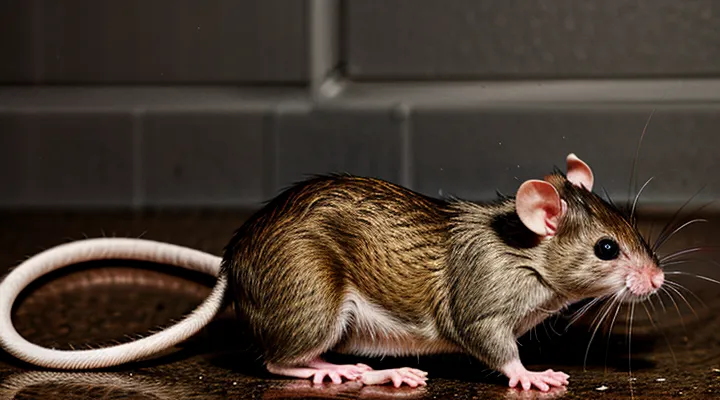
Early Stages: From Conception to Implantation
The Fertilization Process
The fertilization of a female rat begins with the release of mature oocytes from the ovarian follicles during the estrus phase. Ovulated oocytes enter the ampulla of the oviduct, where they await sperm that have migrated from the uterus.
Key events in the rat fertilization process:
- Spermatozoa undergo capacitation within the female reproductive tract, acquiring the ability to penetrate the zona pellucida.
- The acrosome reaction releases enzymes that dissolve the zona pellucida, allowing sperm to contact the oocyte plasma membrane.
- Fusion of sperm and oocyte membranes creates a diploid zygote, marking the completion of fertilization.
- The zygote initiates the first mitotic division within the oviduct, leading to cleavage and the formation of a morula.
Photographic documentation captures each stage: ovulation, sperm entry, zygote formation, and early cleavage. Sequential images provide visual confirmation of timing, cellular morphology, and the progression from fertilization to the early embryo, supporting detailed analysis of rat gestation.
Hormonal Changes and Early Development
The gestating female rat experiences a rapid shift in endocrine activity that prepares the uterus for embryo survival and supports fetal growth. Within hours after fertilization, luteinizing hormone triggers ovulation, and the subsequent formation of the corpus luteum initiates progesterone synthesis. Progesterone maintains endometrial receptivity, suppresses uterine contractility, and modulates immune tolerance toward the developing conceptus.
Key hormones and their primary actions include:
- «Progesterone»: stabilizes the uterine lining, inhibits myometrial contractions, and regulates expression of implantation‑related genes.
- «Estrogen»: rises gradually, enhances uterine blood flow, and stimulates epithelial proliferation.
- «Prolactin»: increases during early gestation, contributes to luteal maintenance and supports mammary gland development.
- «Relaxin»: appears mid‑gestation, facilitates cervical softening and ligament relaxation, preparing the pelvis for parturition.
Embryonic development proceeds through well‑defined stages. By day 4 post‑coitum, the blastocyst implants into the decidualized uterine wall, establishing direct contact with maternal tissues. Cellular differentiation yields the inner cell mass, which will form the embryo proper, and the trophoblast, responsible for placental formation. Between days 6 and 10, the primitive streak forms, marking the onset of gastrulation and the establishment of the three germ layers. Early organogenesis commences by day 12, with the neural tube, heart tube, and somites becoming visible under microscopic observation.
The coordinated hormonal environment ensures that uterine conditions remain optimal for implantation, that embryonic structures receive adequate nutrient and oxygen supply, and that maternal physiology adapts to accommodate the growing offspring.
Visual Journey: A Week-by-Week Photo Guide
Week 1: Microscopic Beginnings
During the first week after mating, the embryo undergoes rapid cellular events that are observable only through high‑resolution microscopy. Fertilization produces a zygote that initiates a series of mitotic divisions called cleavage. By the third day, the embryo reaches the eight‑cell stage, and subsequent divisions generate a morula composed of approximately 16–32 cells. Around day 4, the morula transforms into a blastocyst, characterized by an inner cell mass and an outer trophoblast layer. The blastocyst expands to a diameter of 100–150 µm, a size readily captured in photomicrographs that display distinct cell boundaries and nucleic staining patterns.
Implantation begins on day 5, when the trophoblast adheres to the uterine epithelium. Microscopic images reveal the formation of implantation chambers, with trophoblast cells penetrating the endometrial lining. At this stage, the embryo establishes its first connection to maternal blood supply, a process evident in sagittal sections that show early vascular sprouts surrounding the developing conceptus.
Key observations for week 1 include:
- Cleavage progression from zygote to morula (days 1–3)
- Blastocyst formation and expansion (day 4)
- Initiation of uterine attachment and implantation (days 5–7)
- Morphological markers such as cell polarity, nuclear condensation, and trophoblast invasion
These microscopic findings provide a foundational reference for the gestational timeline in rats, establishing the cellular architecture that will support subsequent organogenesis.
Week 2: Embryo Formation and Organogenesis
During the second week of rat pregnancy, the embryo undergoes rapid cellular differentiation, establishing the foundations of all major organ systems. By day 8, the blastocyst has implanted firmly within the uterine wall, and the inner cell mass begins to organize into distinct layers: ectoderm, mesoderm, and endoderm. These germ layers give rise to the nervous system, musculature, circulatory structures, and internal organs, respectively.
Key developmental milestones in this period include:
- Formation of the neural tube from the ectoderm, which will later develop into the brain and spinal cord.
- Emergence of the somites along the mesodermal axis, precursors of vertebrae and skeletal muscle.
- Initiation of the primitive heart tube, initiating rhythmic contractions that circulate embryonic blood.
- Development of the early gut tube from the endoderm, establishing the basis for the gastrointestinal tract and associated organs.
Morphological changes are observable in high‑resolution photographs of pregnant rats, revealing the expanding uterine contents and the increasing opacity of the embryonic structures. Histological sections illustrate the delineation of organ primordia, confirming the coordinated progression of organogenesis during this critical phase.
Week 3: Fetal Development and Rapid Growth
Week three marks a pivotal phase of embryogenesis in the laboratory rat. By the end of this period the conceptus has transitioned from a simple blastocyst to a recognizable fetus with distinct anatomical structures.
Cellular proliferation drives a measurable increase in size; the embryo expands from approximately 2 mm to 6 mm in crown‑rump length. Organ primordia appear in a predictable sequence:
- Neural tube closes, establishing the central nervous system framework.
- Limb buds emerge, outlining future fore‑ and hind‑limbs.
- Heart tube undergoes looping, initiating circulatory function.
- Early formation of the liver, pancreas, and kidneys becomes evident.
- Placental attachment intensifies, enhancing nutrient and gas exchange.
Morphologically, the cranial region shows the first signs of facial segmentation, while somites differentiate into vertebral precursors. The rapid growth is supported by heightened maternal hormone levels, particularly progesterone and estrogen, which sustain uterine environment stability.
Photographic documentation typically captures the transparent embryonic sac, allowing visualization of limb bud protrusion and vascular development. High‑resolution images reveal the intricate branching of the yolk sac vasculature, indicating the onset of functional circulation.
By the conclusion of week three, the fetus possesses a rudimentary yet recognizable body plan, setting the stage for subsequent organ maturation and functional specialization.
Maternal Changes During Pregnancy
Physical Transformations and Weight Gain
Physical changes in a gestating rat progress through clearly defined stages. Early gestation is marked by enlargement of the abdominal cavity as the uterus expands to accommodate embryos. The skin over the abdomen stretches, and the mammary glands become more prominent, preparing for lactation.
Weight gain follows a predictable pattern. Initial increase is modest, reflecting embryonic development and fluid accumulation. As fetal growth accelerates, adipose tissue deposits expand, contributing to a rapid rise in body mass. By the final week, the rat may weigh up to 70 % more than its pre‑pregnancy baseline.
Key aspects of the transformation include:
- Uterine volume increase of 10–15 times the original size.
- Mammary gland development, with alveolar buds proliferating and secretory tissue thickening.
- Adipose tissue expansion, especially in the dorsal and perirenal regions.
- Circulatory adjustments, such as elevated blood volume and cardiac output, supporting nutrient delivery to fetuses.
These physiological adaptations ensure sufficient space, nutrition, and thermal regulation for the developing litter, while also preparing the mother for the postpartum period.
Behavioral Shifts and Nesting Instincts
During gestation, the female rat exhibits distinct behavioral modifications that facilitate successful reproduction. Hormonal fluctuations, particularly elevated progesterone and estrogen, drive a transition from exploratory activity to focused maternal preparation.
Key behavioral shifts include:
- Reduced locomotor activity, especially during the latter half of gestation.
- Increased time spent in the nesting area, with frequent inspection of bedding material.
- Heightened vigilance toward potential threats, reflected in altered response latency to novel stimuli.
Nesting instincts intensify as parturition approaches. The rat gathers and arranges soft materials, forming a compact structure that provides thermal insulation and protection for the forthcoming litter. This process follows a predictable sequence:
- Selection of suitable substrate, often cotton or shredded paper.
- Accumulation of material through repeated transport with the forepaws.
- Compaction of the gathered mass, creating a dome‑shaped nest.
- Final adjustment, involving grooming of the nest interior to ensure cleanliness.
The emergence of these behaviors correlates with the expression of prolactin and oxytocin receptors in brain regions governing maternal care. Observational studies consistently document that nests constructed earlier in gestation are less elaborate, while those completed within 24 hours before delivery achieve maximal structural complexity. This progression underscores the adaptive significance of nesting as a preparatory response to the demands of offspring rearing.
Nutritional Needs and Care
Adequate nutrition supports fetal development, maternal health, and successful delivery in a gestating rat. Energy requirements increase by approximately 20 % during the second half of gestation; therefore, a diet containing 18–20 % protein, 4–5 % fat, and balanced carbohydrates is recommended. Calcium and phosphorus levels should be maintained at a ratio of 1.5:1 to facilitate skeletal formation, while vitamin E and selenium supplementation reduce oxidative stress. Water consumption typically rises to 30–40 ml per day; continuous access to clean, fresh water prevents dehydration and supports milk production after parturition.
Key aspects of care include:
- Daily monitoring of body weight; a gain of 2–3 g per day indicates appropriate nutrient intake.
- Provision of soft bedding to reduce pressure on the abdomen and minimize injury.
- Limiting handling to essential procedures, performed gently to avoid stress‑induced hormonal disruptions.
- Maintaining ambient temperature between 20 °C and 24 °C and relative humidity of 45‑55 % to create a stable environment.
- Ensuring that feed is free from contaminants and stored in airtight containers to preserve nutrient integrity.
«Adequate protein intake is essential» for embryonic tissue growth, while «consistent electrolyte balance» supports cardiovascular function throughout pregnancy. Adjustments to the diet should be made in consultation with a veterinary nutritionist, particularly for strains with specific metabolic needs. Proper nutritional management and attentive husbandry collectively enhance litter size, pup viability, and maternal recovery.
Birth and Postpartum: The Arrival of Pups
The Birthing Process: Signs and Stages
The birthing process in a pregnant laboratory rat follows a predictable pattern that can be identified through specific physiological and behavioral cues. Recognizing these cues enables accurate timing of delivery and appropriate care for both dam and offspring.
Key indicators of imminent labor include:
- Swelling of the mammary glands and visible milk secretion.
- Increased nesting activity, with the dam arranging bedding material into a compact nest.
- Elevated body temperature by 0.5–1 °C measured rectally.
- Restlessness and frequent changes of posture, often accompanied by vocalizations.
The parturition sequence comprises three distinct stages:
- Pre‑delivery (Stage I) – Contractions of the uterine wall intensify, leading to cervical dilation. The dam may exhibit intermittent quiescence interspersed with short bouts of agitation.
- Delivery (Stage II) – Pups are expelled one by one, each accompanied by a brief pause before the next. The average interval between births ranges from 2 to 5 minutes. The dam typically licks each neonate to stimulate respiration and clear amniotic fluid.
- Post‑delivery (Stage III) – The uterus contracts to expel the placenta and residual membranes. The dam gathers the pups, maintaining them within the nest and initiating nursing behavior.
Monitoring these signs and stages provides a reliable framework for managing the reproductive cycle of the rat, ensuring optimal outcomes for experimental or breeding programs.
Postpartum Care and Lactation
Post‑delivery management of a laboratory rat requires systematic observation of the dam and her litter. Immediate attention focuses on nest integrity, temperature regulation, and the dam’s ability to initiate nursing. Ensure the enclosure provides a dry, insulated nesting material; replace if dampness occurs within the first 12 hours. Maintain ambient temperature between 22 °C and 26 °C to support thermoregulation of neonates.
Nutritional support for the dam should include a high‑energy diet enriched with 20 % protein and additional omega‑3 fatty acids. Provide ad libitum access to fresh water and a palatable supplement containing calcium and vitamin D to sustain milk production. Monitor body weight daily; a loss exceeding 10 % of pre‑partum weight signals insufficient intake and warrants intervention.
Lactation assessment can be performed by gentle palpation of the mammary glands to confirm engorgement and milk flow. Record the frequency of nursing bouts; healthy dams typically nurse every 1–2 hours. If nursing is irregular, evaluate for signs of mastitis, such as swelling or discharge, and administer appropriate antimicrobial therapy under veterinary guidance.
Key postpartum practices:
- Verify nest cleanliness and replace bedding as needed.
- Maintain stable temperature and humidity levels.
- Supply a high‑calorie, protein‑rich diet with essential micronutrients.
- Observe dam’s weight and food consumption daily.
- Check mammary gland condition and nursing frequency.
- Respond promptly to any signs of infection or distress.
Long‑term care includes gradual weaning at post‑natal day 21, reduction of supplemental feeding, and monitoring of pup growth curves. Documentation of all observations ensures reproducibility and animal welfare compliance.
Early Development of Rat Pups
The early stages of rat offspring development occur within a gestation period of approximately 21 days. Cellular division begins immediately after fertilization, forming a morula that progresses to a blastocyst by embryonic day 4 (E4). Implantation into the uterine wall follows, establishing the placenta and initiating nutrient exchange.
Key developmental milestones include:
- E6–E8: Formation of the three germ layers (ectoderm, mesoderm, endoderm) and the primitive streak, which determines the body axis.
- E9–E11: Emergence of the neural tube, the first recognizable brain structures, and the beginning of somite segmentation that will give rise to the vertebral column.
- E12–E14: Development of major organ systems such as the heart, which starts beating autonomously, and the lungs, which form primitive alveolar buds. Limb buds become visible, and digit formation commences.
- E15–E18: Rapid growth of the fetal body, differentiation of the sensory organs, and maturation of the gastrointestinal tract. Hair follicles appear, and the fetus gains the ability to move within the uterine environment.
- E19–E21: Final maturation of the respiratory and circulatory systems, accumulation of body fat, and preparation for parturition. The pups are fully formed and ready for birth.
Throughout these phases, morphological changes are documented through high‑resolution imaging, providing visual confirmation of each developmental transition. The resulting photographic series illustrates the progression from a microscopic blastocyst to a fully formed neonate, offering a comprehensive visual reference for researchers studying rodent embryology.