
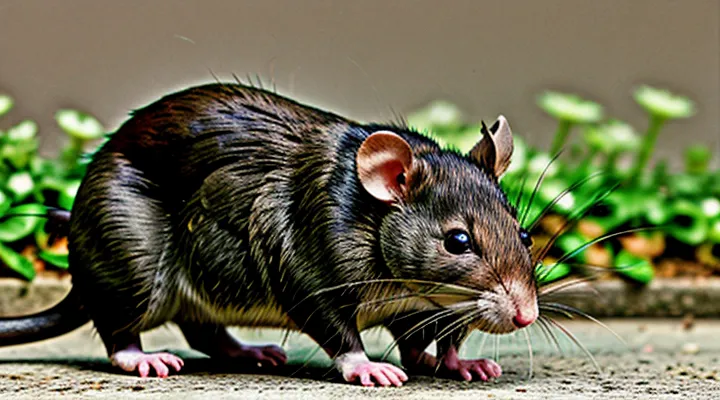
Understanding Prednisone
What is Prednisone?
Mechanism of Action
Prednisone, a synthetic glucocorticoid, exerts its effects in rats by binding to cytoplasmic glucocorticoid receptors (GR). The ligand‑receptor complex undergoes a conformational change that allows translocation into the nucleus, where it interacts with glucocorticoid response elements (GRE) on target genes. This interaction modulates transcription in two principal ways:
- Transactivation: Up‑regulation of anti‑inflammatory and metabolic genes such as serum albumin, phosphoenolpyruvate carboxykinase, and annexin‑1, leading to reduced cytokine production, inhibition of phospholipase A₂, and enhanced gluconeogenesis.
- Transrepression: Interference with transcription factors NF‑κB, AP‑1, and IRF3, resulting in decreased expression of pro‑inflammatory cytokines (IL‑1β, IL‑6, TNF‑α) and chemokines.
In addition to genomic actions, prednisone elicits rapid, non‑genomic effects through membrane‑associated GR or direct modulation of ion channels, contributing to vasoconstriction and altered neuronal excitability. The combined genomic and non‑genomic pathways produce the characteristic immunosuppressive, anti‑inflammatory, and metabolic outcomes observed after systemic administration in rodent models.
Pharmacokinetics in Rodents
Prednisone pharmacokinetics in rodents demand precise characterization to support experimental design and data interpretation. Absorption after oral administration is rapid, with peak plasma concentrations typically observed within 30–60 minutes. Food presence can delay Tmax by 15–30 minutes and modestly reduce Cmax, but does not substantially alter overall exposure (AUC). Subcutaneous injection yields a slower absorption phase, extending Tmax to 1–2 hours while maintaining comparable bioavailability to the oral route.
Distribution follows a biphasic pattern: an initial rapid phase reflecting vascular perfusion, followed by a slower equilibrium with peripheral tissues. Prednisone exhibits moderate plasma protein binding (≈70 % to albumin and corticosteroid‑binding globulin). Volume of distribution ranges from 0.8 to 1.2 L/kg, indicating limited tissue sequestration. Brain penetration is low, consistent with the compound’s polarity and active efflux mechanisms at the blood‑brain barrier.
Metabolism occurs primarily in the liver via 11β‑hydroxysteroid dehydrogenase type 1, converting prednisone to its active metabolite prednisolone. The hepatic clearance rate averages 0.12 L/h/kg in adult rats, with a half‑life of 1.5–2 hours for the parent drug. Age and sex influence metabolic velocity; younger males display up to 20 % higher clearance than older females.
Excretion proceeds mainly through renal pathways, with 60–70 % of administered dose recovered in urine as prednisolone conjugates within 24 hours. Biliary elimination contributes a minor fraction (<10 %). Urinary pH manipulation can modestly affect excretion rates, but routine adjustments are unnecessary for standard dosing protocols.
Key pharmacokinetic parameters for typical experimental regimens:
- Dose range: 0.5–5 mg/kg, administered once daily or in divided doses.
- Sampling schedule: pre‑dose, 0.5 h, 1 h, 2 h, 4 h, 8 h, and 24 h post‑administration.
- Analytical method: LC‑MS/MS with lower limit of quantification at 0.5 ng/mL for both prednisone and prednisolone.
- Data analysis: non‑compartmental approach for AUC, Cmax, Tmax, clearance, and half‑life calculations.
Implementing these guidelines ensures reproducible pharmacokinetic profiles, facilitating reliable assessment of prednisone’s therapeutic and side‑effect spectra in rat models.
Indications for Prednisone Use in Rats
Inflammatory Conditions
Autoimmune Diseases
Prednisone is routinely employed in rodent models to replicate the therapeutic effects observed in human autoimmune disorders. Researchers select this glucocorticoid when the experimental aim includes suppression of pathological immune activation, evaluation of cytokine modulation, or assessment of disease progression under anti‑inflammatory treatment.
Key considerations for implementation:
- Timing of administration – Initiate dosing at the onset of clinical signs or during the pre‑clinical phase, depending on whether the study focuses on prevention or reversal of disease. Early intervention reveals mechanisms of immune tolerance; delayed treatment mirrors clinical relapse scenarios.
- Dosage selection – Convert human equivalent doses to rat body surface area, typically ranging from 0.5 mg/kg to 5 mg/kg daily. Adjust based on disease severity, strain susceptibility, and pharmacokinetic data. Titration studies identify the minimal effective concentration that reduces pathology without inducing overt immunosuppression.
- Route of delivery – Oral gavage ensures precise dosing; subcutaneous implantation of slow‑release pellets provides steady plasma levels for chronic protocols. Choice depends on study duration and stress tolerance of the animal cohort.
- Monitoring parameters – Track body weight, blood glucose, and adrenal gland histology to detect systemic side effects. Measure disease‑specific biomarkers (e.g., autoantibody titers, inflammatory cytokines) to confirm pharmacodynamic impact.
- Control groups – Include vehicle‑treated and untreated cohorts to differentiate drug‑specific effects from natural disease course. Parallel use of alternative immunosuppressants can contextualize prednisone’s relative potency.
When applied correctly, prednisone administration in rats yields reproducible attenuation of autoimmune pathology, facilitating mechanistic insights and preclinical validation of adjunctive therapies.
Allergic Reactions
Prednisone is routinely employed in rat experiments to suppress immune activity, yet allergic reactions can compromise data integrity and animal welfare. Recognizing signs of hypersensitivity—such as rapid swelling, erythema, respiratory distress, and pruritus—allows investigators to intervene before systemic effects develop.
Effective management of allergic responses relies on precise dosing, route selection, and pre‑emptive monitoring. Intraperitoneal injection of prednisone at 1–2 mg kg⁻¹ daily minimizes peak plasma concentrations that trigger mast cell degranulation. Oral administration, divided into twice‑daily doses, reduces gastrointestinal irritation and limits abrupt antigen exposure. Pre‑treatment with antihistamines (e.g., diphenhydramine 10 mg kg⁻¹) 30 minutes before prednisone can attenuate immediate hypersensitivity.
Practical recommendations:
- Record body weight and baseline skin condition before each dose.
- Observe rats for at least 15 minutes post‑administration; note any respiratory changes or dermal reactions.
- Adjust dose incrementally if mild edema appears; discontinue and consult veterinary staff for severe manifestations.
- Maintain a log of antihistamine co‑administration and outcomes to refine protocols.
Adhering to these guidelines ensures that prednisone’s immunosuppressive benefits are realized while minimizing the risk of allergic complications in rat studies.
Immunosuppression
Transplantation Models
Prednisone administration is a standard component of rat transplantation experiments aimed at suppressing immune rejection and evaluating graft longevity. The drug’s pharmacokinetics in rodents dictate precise timing and dosage to achieve consistent immunomodulation without excessive toxicity.
In transplantation models, prednisone is typically introduced either before graft implantation (pre‑emptive regimen) or shortly after surgery (post‑operative regimen). Pre‑emptive dosing reduces early inflammatory responses, while post‑operative dosing allows assessment of acute rejection dynamics. Researchers select the regimen based on the specific endpoint of the study.
Common transplantation models that incorporate prednisone include:
- Skin grafts – dose range 1–2 mg/kg/day, initiated 24 h before graft placement, continued for 7–14 days to monitor rejection kinetics.
- Heart heterotopic transplants – 0.5–1 mg/kg/day, started on day 0 or day 1 post‑implantation, maintained for 14–28 days to evaluate chronic vasculopathy.
- Kidney allografts – 1 mg/kg/day, oral or subcutaneous, began on day 2 after surgery, continued for 30 days to assess functional recovery and histological injury.
- Liver transplants – 0.75 mg/kg/day, initiated on day 0, combined with calcineurin inhibitors for synergistic suppression, duration 21–35 days.
- Islet cell transplantation – 0.5 mg/kg/day, started 12 h before implantation, tapered over 10 days to minimize β‑cell toxicity while preserving graft function.
Route of administration influences bioavailability. Oral gavage provides steady plasma concentrations but may cause stress; subcutaneous injection yields rapid absorption and is preferred for short‑term high‑dose protocols. Continuous infusion via osmotic pumps offers stable levels for long‑term studies, reducing handling‑related variability.
Key considerations when integrating prednisone into transplantation protocols:
- Dose titration – adjust based on body weight, strain susceptibility, and concurrent immunosuppressants to avoid over‑suppression.
- Monitoring – track weight, glucose, and blood pressure weekly; elevated glucose indicates glucocorticoid‑induced hyperglycemia, which can confound graft outcomes.
- Timing of taper – gradual reduction after the critical rejection window prevents rebound inflammation; typical taper schedules decrease the dose by 10–20 % every 2–3 days.
- Combination therapy – pairing prednisone with agents such as cyclosporine or tacrolimus enhances efficacy, allowing lower steroid doses and reducing side‑effects.
By aligning prednisone dosing schedules with the specific demands of each transplantation model, investigators obtain reproducible data on immune modulation and graft performance while maintaining animal welfare standards.
Disease Modulation
Prednisone administration in rat models provides a versatile tool for manipulating disease trajectories. The glucocorticoid’s anti‑inflammatory and immunosuppressive actions enable researchers to induce, suppress, or alter pathological processes across a range of conditions, including autoimmune arthritis, experimental colitis, and neuroinflammatory disorders.
Effective disease modulation hinges on three variables: dose intensity, timing relative to disease onset, and route of delivery. Adjusting these parameters yields predictable shifts in clinical signs, histopathology, and molecular markers.
- Dose intensity: Low‑dose regimens (0.5–1 mg/kg/day) primarily attenuate cytokine production without complete immune blockade; high‑dose protocols (5–10 mg/kg/day) achieve rapid suppression of inflammatory cascades but increase risk of metabolic side effects.
- Timing: Initiation before disease induction serves as a prophylactic approach, limiting lesion development; administration after symptom emergence tests therapeutic reversal capacity.
- Route of delivery: Oral gavage ensures systemic exposure; intraperitoneal injection offers rapid peak concentrations; subcutaneous implants provide sustained release for chronic studies.
Pharmacodynamic outcomes correlate with measurable endpoints. In collagen‑induced arthritis, prednisone reduces joint swelling, lowers serum IL‑6, and preserves cartilage integrity. In dextran sulfate sodium‑induced colitis, the drug diminishes colon ulceration scores and restores epithelial barrier proteins. Neuroinflammatory models show decreased microglial activation and improved locomotor performance after scheduled dosing.
Selecting the appropriate regimen requires alignment with the experimental hypothesis, target pathology, and ethical considerations. Precise reporting of dose, schedule, and administration route ensures reproducibility and facilitates cross‑study comparisons of disease modulation effects.
Other Therapeutic Applications
Central Nervous System Disorders
Prednisone is routinely employed in rodent investigations of central nervous system (CNS) pathology to modulate inflammatory cascades that contribute to neuronal damage. The glucocorticoid penetrates the blood‑brain barrier, suppresses microglial activation, and reduces cytokine production, thereby providing a pharmacological tool for studying disease mechanisms and therapeutic interventions.
Effective use of prednisone in rats requires precise timing relative to the onset of CNS insult. Administration prior to injury (pre‑treatment) attenuates acute inflammatory responses, while post‑injury dosing (within the first 24 hours) limits secondary degeneration. Chronic models, such as experimental autoimmune encephalomyelitis, benefit from sustained low‑dose regimens to mimic prolonged glucocorticoid exposure observed in clinical settings.
Standardized dosing protocols improve reproducibility:
- Acute injury models: 1–2 mg kg⁻¹ intraperitoneally, single dose administered 30 minutes before or immediately after the insult.
- Sub‑chronic models: 0.5–1 mg kg⁻¹ intraperitoneally, once daily for 5–7 days.
- Chronic autoimmune models: 0.2–0.5 mg kg⁻¹ intraperitoneally, administered every other day for 3–4 weeks.
Route of administration influences pharmacokinetics; intraperitoneal injection yields rapid systemic exposure, whereas subcutaneous delivery provides steadier plasma concentrations. Vehicle selection (e.g., sterile saline with a minimal amount of dimethyl sulfoxide) must avoid confounding neurotoxic effects.
Outcome assessment should combine behavioral, histological, and molecular endpoints. Motor coordination tests (rotarod, beam walk), pain sensitivity assays (von Frey filament), and cognitive evaluations (Morris water maze) quantify functional impact. Immunohistochemistry for Iba1, GFAP, and NeuN determines glial activation and neuronal survival. Quantitative PCR or ELISA for TNF‑α, IL‑1β, and IL‑6 validates anti‑inflammatory efficacy.
Safety considerations include monitoring body weight, blood glucose, and adrenal axis suppression. Repeated high‑dose exposure can induce hyperglycemia and immunosuppression, potentially confounding disease phenotypes. Adjustments to dosing frequency or tapering schedules mitigate these risks.
In sum, judicious selection of timing, dosage, and administration route enables reliable interrogation of CNS disorders in rat models using prednisone, while systematic outcome measures and safety monitoring ensure experimental integrity.
Oncological Studies
Prednisone is employed extensively in rat oncology experiments to modulate immune responses, reduce inflammation, and mimic clinical corticosteroid therapy. Researchers administer the drug to evaluate tumor growth kinetics, assess therapeutic combinations, and study steroid‑induced side‑effects.
Standard dosing regimens range from 0.5 mg/kg to 5 mg/kg body weight, delivered once daily by oral gavage or subcutaneous injection. Lower doses (0.5–1 mg/kg) are used for chronic immunosuppression, while higher doses (2–5 mg/kg) provide acute anti‑inflammatory effects. Treatment duration typically spans 7–28 days, aligned with the experimental timeline of tumor induction or drug testing.
Key considerations for successful implementation include:
- Timing relative to tumor inoculation: Initiate prednisone either before tumor cell implantation to examine prophylactic immunosuppression, or after tumor establishment to assess impact on established disease.
- Route of administration: Oral gavage ensures consistent systemic exposure; subcutaneous injection offers rapid absorption and may reduce stress associated with repeated handling.
- Pharmacokinetic monitoring: Measure plasma prednisolone levels to confirm target exposure, especially when combining with chemotherapeutic agents that alter steroid metabolism.
- Control of confounding variables: Maintain consistent housing conditions, diet, and handling practices, as corticosteroids influence glucose homeostasis, weight, and behavior.
Data from multiple studies indicate that prednisone can accelerate tumor progression in immunogenic models, yet it may enhance the efficacy of certain cytotoxic drugs by mitigating treatment‑related inflammation. Careful selection of dose, schedule, and experimental endpoint is essential to generate reproducible and translationally relevant results.
Prednisone Dosage and Administration in Rats
Determining Appropriate Dosage
Factors Influencing Dosage
Prednisone dosage in rats depends on a set of physiological and experimental variables that must be quantified before treatment. Accurate dosing minimizes adverse effects and ensures reproducible outcomes across studies.
Key determinants include:
- Strain and genetic background – metabolic enzymes differ among common strains (e.g., Sprague‑Dawley vs. Wistar), altering drug clearance.
- Body weight and growth stage – dosing is typically expressed per kilogram; juvenile animals exhibit faster metabolism than adults.
- Sex – hormonal differences can modify glucocorticoid receptor expression and drug distribution.
- Baseline health status – inflammatory or immunological conditions can up‑regulate glucocorticoid‑binding proteins, affecting free drug levels.
- Route of administration – oral, intraperitoneal, and subcutaneous delivery produce distinct absorption kinetics; bioavailability must be measured for each route.
- Dosing frequency and interval – single vs. repeated dosing changes plasma half‑life and receptor saturation; interval timing should align with the drug’s elimination half‑life.
- Treatment duration – chronic exposure leads to receptor down‑regulation and adrenal suppression, requiring dose adjustments over time.
- Concurrent medications – enzyme inducers or inhibitors (e.g., CYP3A modulators) can accelerate or retard prednisone metabolism.
- Environmental factors – ambient temperature, housing density, and handling stress influence endogenous cortisol levels, thereby interacting with exogenous prednisone effects.
- Circadian rhythm – glucocorticoid sensitivity peaks at specific times of day; aligning administration with the animal’s active phase improves efficacy.
Each factor should be measured or estimated for the specific experimental cohort, and dosage calculations must incorporate these variables to achieve the intended pharmacological profile.
Species-Specific Considerations
Prednisone administration in rats requires attention to physiological and genetic traits that differ markedly from other laboratory species. Rats metabolize glucocorticoids through hepatic enzymes (CYP3A, 2C) at rates that produce rapid clearance; consequently, dosing intervals must be shorter than those used in mice or larger mammals to maintain therapeutic plasma concentrations.
Strain selection influences drug response. Commonly used strains—Sprague‑Dawley, Wistar, and Fischer 344—exhibit distinct basal corticosterone levels and immune profiles, which alter susceptibility to prednisone‑induced immunosuppression and adrenal suppression. Selecting a strain whose hormonal baseline aligns with the experimental hypothesis minimizes confounding variability.
Age and sex affect pharmacodynamics. Juvenile rats display heightened sensitivity to glucocorticoid‑mediated growth inhibition, while aged animals show reduced hepatic clearance, extending drug half‑life. Male and female rats differ in estrogen‑mediated modulation of glucocorticoid receptor expression, necessitating sex‑specific dose adjustments.
Route of delivery dictates bioavailability and stress impact. Oral gavage introduces variable absorption due to gastric pH fluctuations; subcutaneous implantation of slow‑release pellets provides steady exposure but may provoke local inflammation. Intraperitoneal injection yields rapid peak concentrations but carries risk of peritoneal irritation.
Key considerations can be summarized:
- Metabolic rate: Adjust dosing frequency to compensate for rapid hepatic clearance.
- Strain-specific immunity: Choose a strain whose immune baseline matches study objectives.
- Age/sex: Scale doses according to developmental stage and gender‑related receptor expression.
- Administration route: Match delivery method to desired pharmacokinetic profile while minimizing procedural stress.
Failure to incorporate these species‑specific factors compromises reproducibility and may generate misleading conclusions about prednisone efficacy or toxicity in rodent models.
Routes of Administration
Oral Administration
Oral delivery of prednisone to rats remains the most common route for systemic glucocorticoid exposure in experimental models. The method provides rapid absorption from the gastrointestinal tract, predictable plasma concentrations, and ease of repeated dosing without surgical intervention.
Accurate dosing requires preparation of a homogeneous suspension or solution. Preferred vehicles include 0.5 % methylcellulose, 1 % carboxymethylcellulose, or a minimal amount of dimethyl sulfoxide diluted in sterile water. Vigorously vortex the mixture before each administration to prevent sedimentation. Use a calibrated gavage needle (20–22 G) appropriate for the animal’s weight to deliver the exact volume.
Key procedural steps:
- Calculate the dose in mg kg⁻¹ based on the study’s pharmacodynamic objectives. Typical ranges for chronic studies are 0.5–5 mg kg⁻¹; acute anti‑inflammatory protocols may employ 10–30 mg kg⁻¹.
- Convert the dose to a volume using the concentration of the prepared suspension (e.g., 5 mg ml⁻¹).
- Restrain the rat gently, insert the gavage needle to a depth of 2–3 cm, and dispense the calculated volume steadily.
- Observe the animal for 1–2 minutes post‑gavage to confirm successful delivery and monitor for regurgitation or aspiration.
Timing of administration influences circadian glucocorticoid rhythms. Deliver doses during the early dark phase (e.g., ZT12–14) to align with the peak endogenous cortisol surge in nocturnal rodents, thereby reducing confounding stress responses. For experiments requiring steady‑state exposure, administer the drug at the same clock time each day.
Safety considerations include:
- Verify needle patency before each use to avoid tissue injury.
- Maintain sterility of the preparation to prevent gastrointestinal infection.
- Record body weight daily; adjust the dose accordingly to preserve dose accuracy throughout the study.
- Monitor for typical glucocorticoid side effects such as weight loss, hyperglycemia, and immunosuppression; intervene with supportive care if needed.
Proper execution of oral prednisone dosing ensures reproducible pharmacological effects, facilitates comparison across studies, and minimizes variability introduced by alternative delivery routes.
Injectable Forms
Injectable prednisone provides rapid systemic exposure in rodent studies, allowing precise timing of glucocorticoid peaks. Commercially available formulations include aqueous suspension, oil‑based solution, and lyophilized powder for reconstitution. Each preparation demands specific handling to preserve potency and minimize adverse reactions.
Aqueous suspension (e.g., 5 mg ml⁻¹) is suitable for subcutaneous injection in the dorsal neck region. Prior to use, vortex the vial for 30 seconds to ensure uniform particle distribution. Administer 0.1–0.2 ml per 100 g body weight, adjusting the dose to achieve the desired mg kg⁻¹ exposure. Injection volume should not exceed 0.5 ml per site to prevent tissue irritation.
Oil‑based solution (e.g., 10 mg ml⁻¹ in sesame oil) enables intramuscular delivery with prolonged release. Warm the syringe to room temperature before drawing the dose to reduce viscosity. Inject into the quadriceps muscle using a 27‑gauge needle, limiting volume to 0.2 ml per 100 g body weight. Follow with a brief observation period for signs of local inflammation.
Lyophilized powder requires sterile reconstitution with preservative‑free saline. Reconstitute to a concentration of 1 mg ml⁻¹, vortex briefly, and use within 24 hours. Intraperitoneal injection of 0.05 ml per gram of body weight delivers rapid systemic levels; however, ensure aseptic technique to avoid peritonitis.
Key procedural considerations:
- Calculate dose based on individual rat weight; record exact mass before injection.
- Use calibrated syringes; verify needle gauge and length appropriate for the selected route.
- Store unopened vials at 2–8 °C, protect from light. Once opened, keep on ice and discard after 48 hours.
- Document batch number, expiration date, and preparation time in the experimental log.
Adverse effects such as localized swelling, hemorrhage, or behavioral changes must be reported immediately. Adjust dosing schedule or switch formulation if toxicity emerges. Proper execution of injectable prednisone protocols yields reproducible glucocorticoid exposure essential for mechanistic and therapeutic investigations in rats.
Duration of Treatment
Prednisone administration in rodent experiments requires careful definition of treatment length to align drug exposure with the biological endpoint. Acute protocols typically span 1–7 days, providing sufficient glucocorticoid exposure to suppress inflammation or alter gene expression without inducing extensive systemic adaptation. Chronic regimens extend from 14 days to several months, enabling investigation of long‑term immunomodulation, metabolic alterations, or disease progression. Selection of duration depends on the target pathology, the pharmacodynamic window of interest, and the anticipated onset of prednisone‑induced side effects.
Key considerations for determining treatment length:
- Disease model timeline – match drug exposure to the phase when the model exhibits measurable pathology (e.g., peak edema, tumor growth, or autoimmune flare).
- Pharmacokinetic profile – account for the half‑life of prednisone in rats (~30 min) and the accumulation of its active metabolite, prednisolone, when planning repeated dosing.
- Dose‑frequency relationship – maintain consistent plasma concentrations by administering the drug once or twice daily; adjust interval if the study involves circadian influences.
- Tapering strategy – implement a gradual reduction after prolonged exposure (≥2 weeks) to mitigate adrenal suppression and rebound inflammation.
- Endpoint sensitivity – ensure that the chosen duration allows detection of primary outcomes (histology, cytokine levels, behavioral scores) while minimizing confounding comorbidities such as weight loss or hyperglycemia.
Empirical guidelines derived from peer‑reviewed studies suggest the following ranges for common applications: anti‑inflammatory assays – 3–5 days; autoimmune disease induction – 10–21 days; metabolic syndrome investigations – 4–12 weeks; tumor xenograft models – 2–8 weeks. Adjustments should be made based on pilot data, species‑specific response, and ethical considerations.
Potential Side Effects and Complications
Short-Term Effects
Metabolic Disturbances
Prednisone administration in laboratory rats induces a predictable pattern of metabolic alterations that must be anticipated when designing experiments. Acute dosing (single injection of 1–5 mg kg⁻¹, intraperitoneally) produces a rapid rise in blood glucose within 30–60 minutes, mediated by hepatic gluconeogenesis and peripheral insulin resistance. Chronic protocols (daily doses of 0.5–2 mg kg⁻¹ for ≥7 days) amplify these effects and add secondary disturbances.
Typical metabolic disturbances observed include:
- Hyperglycemia and impaired glucose tolerance
- Elevated serum triglycerides and cholesterol
- Increased free fatty acid concentrations
- Protein catabolism reflected by reduced serum albumin and muscle mass loss
- Electrolyte imbalances, notably hypokalemia and sodium retention
- Weight gain from fluid accumulation or weight loss from muscle wasting, depending on dose and duration
Mitigation strategies rely on precise timing and dosing. Short‑term studies benefit from a single low‑dose injection performed 2–4 hours before endpoint measurements to capture peak glucocorticoid activity while limiting chronic effects. Long‑term investigations should incorporate gradual dose escalation, periodic glucose and lipid profiling, and supplemental insulin or dietary modifications when persistent hyperglycemia threatens animal welfare. Continuous monitoring of body weight, serum electrolytes, and protein markers ensures that metabolic side effects remain within acceptable experimental limits.
Selection of the administration route influences systemic exposure. Intraperitoneal injection yields rapid absorption and higher peak concentrations, whereas subcutaneous implantation of slow‑release pellets provides stable plasma levels over weeks, reducing fluctuations in metabolic parameters. Choice of route should align with the intended metabolic outcome and the tolerance of the animal model.
Behavioral Changes
Prednisone administered to laboratory rats produces measurable alterations in a range of behaviors. Acute exposure (single dose, 1–5 mg kg⁻¹, intraperitoneal) often yields transient hyperactivity followed by reduced locomotion within 2–4 hours. Chronic regimens (daily dosing, 1–3 mg kg⁻¹, oral gavage, ≥ 7 days) consistently depress spontaneous activity and increase immobility in open‑field assessments.
Behavioral domains most affected include:
- Anxiety‑like responses: Elevated plus‑maze shows decreased open‑arm entries and time, indicating heightened anxiety after ≥ 5 days of treatment.
- Social interaction: Reduced frequency of affiliative contacts in resident‑intruder tests; effect size grows with cumulative dose.
- Cognitive performance: Novel‑object recognition and Morris water‑maze reveal impaired acquisition and retention after ≥ 14 days of prednisone.
- Feeding and reward: Decreased sucrose preference and lower food‑intake rates, reflecting anhedonia and metabolic suppression.
- Stress reactivity: Enhanced corticosterone release measured after restraint stress, correlating with behavioral inhibition.
Timing of assessment is critical. Behavioral testing performed within 24 hours of the last dose captures acute glucocorticoid effects, whereas evaluations after a wash‑out period (48–72 hours) isolate longer‑lasting adaptations. Dose‑response relationships are linear for anxiety and cognition but plateau for locomotor suppression at doses above 2 mg kg⁻¹.
Standardized protocols—open‑field (5 min, 100 cm × 100 cm arena), elevated plus‑maze (5 min, 50 cm arms), social interaction (10 min, dyadic encounter), and cognitive tests (training days 1–5, probe day 6)—provide reproducible metrics. Reporting should include exact dose, route, duration, and testing interval to enable cross‑study comparisons and meta‑analysis of prednisone‑induced behavioral phenotypes in rats.
Long-Term Effects
Immunosuppression Risks
Prednisone administered to laboratory rats suppresses cellular and humoral immunity by reducing cytokine production, inhibiting T‑cell proliferation, and diminishing antibody synthesis. The degree of suppression correlates with dose, duration, and route of administration; higher oral doses (>5 mg/kg/day) for periods exceeding two weeks produce profound lymphopenia and impaired macrophage function.
Key immunosuppressive risks include:
- Increased susceptibility to opportunistic infections – bacterial (e.g., Staphylococcus aureus), fungal (e.g., Candida albicans), and viral agents proliferate more readily in glucocorticoid‑treated animals.
- Delayed wound healing – reduced fibroblast activity and collagen deposition extend closure times for surgical incisions.
- Reactivation of latent pathogens – dormant viral genomes (e.g., rat parvovirus) may reactivate, leading to systemic illness.
- Impaired vaccine efficacy – antigen‑specific antibody titers decline after immunization when prednisone is present.
- Hematologic abnormalities – neutropenia and reduced natural killer cell activity compromise innate defenses.
Mitigation strategies rely on precise dosing schedules and monitoring:
- Initiate treatment at the lowest effective dose; adjust upward only after confirming target anti‑inflammatory effect.
- Limit continuous exposure to a maximum of 14 days; employ tapering protocols to restore endogenous cortisol production.
- Conduct regular complete blood counts and differential leukocyte analyses to detect early lymphocyte depletion.
- Implement prophylactic antimicrobial regimens when prolonged therapy exceeds 7 days, selecting agents active against common rat pathogens.
- Schedule immunizations at least 7 days before prednisone initiation or after a washout period of 5–7 days post‑treatment.
Recognition of these risks enables researchers to balance the therapeutic benefits of glucocorticoid suppression with the need to preserve immune competence in rat models.
Endocrine System Impacts
Prednisone administration in rats produces measurable alterations in multiple endocrine pathways. The glucocorticoid’s potent anti‑inflammatory properties stem from its interaction with glucocorticoid receptors, which simultaneously modulate hormone synthesis and secretion.
Glucocorticoid‑induced suppression of the hypothalamic‑pituitary‑adrenal (HPA) axis is evident after repeated dosing. Corticotropin‑releasing hormone (CRH) output declines, leading to reduced adrenocorticotropic hormone (ACTH) levels and subsequent adrenal cortical atrophy. Recovery of basal corticosterone concentrations requires a tapering regimen that gradually re‑stimulates the axis.
Metabolic effects include:
- Enhanced hepatic gluconeogenesis, raising fasting blood glucose.
- Decreased peripheral insulin sensitivity, observable in glucose tolerance tests.
- Promotion of lipolysis in adipose tissue, resulting in elevated circulating free fatty acids.
Reproductive hormones are also affected. Chronic exposure lowers circulating testosterone in male rodents and reduces estradiol concentrations in females, reflecting disrupted gonadotropin release. These changes correlate with diminished spermatogenic activity and altered estrous cycling.
Thyroid function shows modest suppression. Serum thyroxine (T4) declines while thyroid‑stimulating hormone (TSH) may remain unchanged, indicating peripheral conversion impairment rather than central regulatory failure.
Bone metabolism is indirectly influenced through endocrine pathways. Elevated glucocorticoid levels reduce osteocalcin expression and increase urinary calcium excretion, contributing to osteopenia.
Overall, prednisone’s impact on the rat endocrine system encompasses HPA axis inhibition, glucose dysregulation, reproductive hormone suppression, thyroid hormone alteration, and bone turnover disruption. Careful dosing schedules, appropriate duration, and gradual withdrawal mitigate these effects and preserve physiological homeostasis.
Organ-Specific Damage
Prednisone administration in rats produces reproducible lesions in several organs, and the pattern of injury depends on dose, duration, and route of delivery. Acute high‑dose exposure (≥10 mg/kg) commonly results in hepatic necrosis, characterized by centrilobular loss of hepatocytes, inflammatory infiltrates, and elevated serum transaminases. Subchronic regimens (1–4 mg/kg daily for 2–4 weeks) lead to hepatic steatosis and mild fibrosis, detectable by histological grading and collagen staining.
Renal toxicity appears as glomerular sclerosis, tubular atrophy, and interstitial fibrosis. Dose‑dependent proteinuria and increased serum creatinine correlate with histopathological findings. Cardiovascular effects include myocardial thinning, reduced contractility, and perivascular fibrosis, observable through echocardiography and histology. Central nervous system damage manifests as hippocampal neuronal loss, gliosis, and altered neurotransmitter levels, which impair learning and memory tasks.
Additional organ involvement comprises:
- Gastrointestinal tract: mucosal erosion, ulceration, and reduced mucus production.
- Skeletal system: decreased bone mineral density, trabecular thinning, and impaired osteoblast activity.
- Immune organs: thymic involution and splenic lymphoid depletion, leading to reduced lymphocyte counts.
Severity escalates with cumulative exposure; withdrawal after prolonged treatment may partially reverse some changes, yet fibrosis and bone loss often persist. Accurate dosing schedules, periodic monitoring of organ function, and inclusion of protective agents (e.g., antioxidants, bisphosphonates) mitigate damage while preserving the therapeutic benefits of prednisone in experimental rat models.
Monitoring and Management
Monitoring Parameters
Clinical Observations
Clinical observations recorded during prednisone administration in laboratory rats reveal consistent physiological and behavioral patterns. Acute administration (single dose) produces rapid reduction in inflammatory swelling, detectable within 1–2 hours. Chronic dosing (daily administration for ≥7 days) leads to measurable weight gain, hyperglycemia, and thymic atrophy. Notable dermatological changes include thinning of the epidermis and delayed wound closure. Gastrointestinal effects manifest as increased gastric ulceration frequency, especially at doses exceeding 5 mg·kg⁻¹ day⁻¹.
Key observations:
- Body weight: progressive increase of 5–10 % over a 14‑day period at moderate doses; higher increments correlate with dose escalation.
- Blood glucose: fasting glucose rises by 30–50 % after 5 days of continuous treatment; insulin tolerance tests show diminished responsiveness.
- Immune parameters: peripheral lymphocyte count declines by 20–35 % after 7 days; splenic histology displays reduced follicular density.
- Behavior: reduced locomotor activity observed in open‑field tests; anxiety‑like behavior escalates in elevated‑plus‑maze assays.
- Organ weights: adrenal glands enlarge by 15 % in chronic regimens; liver weight remains stable, but histopathology shows mild steatosis at high doses.
Mortality rates remain low (<2 %) when dosing adheres to established safety margins; however, severe immunosuppression can predispose to opportunistic infections, evidenced by increased bacterial load in lung cultures after prolonged treatment. Monitoring of these clinical signs provides essential feedback for adjusting dose schedules and evaluating therapeutic windows in experimental protocols.
Laboratory Assessments
Laboratory assessments are essential for quantifying the pharmacological impact of prednisone in rat experiments. Researchers typically select endpoints that reflect glucocorticoid activity across multiple biological systems, allowing precise interpretation of dose‑response relationships and treatment duration.
Key assessment categories include:
- Physiological measurements: body weight, food and water intake, and organ weights (e.g., adrenal, thymus, spleen) recorded at predefined intervals.
- Biochemical analyses: plasma cortisol, glucose, cholesterol, and electrolyte concentrations measured by enzymatic assays or mass spectrometry.
- Hematological profiling: complete blood count with differential, focusing on neutrophil-to-lymphocyte ratios as markers of immunosuppression.
- Immunological tests: cytokine panels (IL‑1β, IL‑6, TNF‑α) quantified via ELISA, and lymphocyte proliferation assessed by ^3H‑thymidine incorporation.
- Histopathology: tissue sections stained with H&E or specific antibodies to evaluate inflammatory infiltrates, fibrosis, and cellular atrophy in lung, liver, and kidney.
- Behavioral observations: locomotor activity, anxiety-like behavior in open‑field tests, and pain thresholds measured with von Frey filaments.
Timing of sample collection aligns with the pharmacokinetic profile of prednisone. Baseline data are obtained before the first dose; subsequent collections occur at peak plasma concentrations (typically 1–2 hours post‑administration) and during the elimination phase (6–24 hours) to capture acute and chronic effects. Repeated measures at weekly intervals provide insight into adaptive changes and potential toxicity.
Data integration across these modalities yields a comprehensive picture of glucocorticoid efficacy and safety, supporting dose optimization and translational relevance to human therapeutic strategies.
Strategies for Side Effect Management
Dose Adjustments
Prednisone dosing in rodent experiments requires precise adjustments to achieve therapeutic effects while minimizing toxicity. Dose selection begins with a weight‑based calculation, typically expressed in milligrams per kilogram of body weight. Direct scaling from human doses is unreliable; instead, allometric conversion factors derived from metabolic rate differences provide more accurate starting points.
Key variables influencing dose modification include:
- Body weight and growth stage – juveniles metabolize glucocorticoids faster; reduce dose proportionally to body mass.
- Sex and strain – hormonal profiles and genetic background affect clearance; adjust by 10‑20 % when comparing male and female subjects of the same strain.
- Disease model – inflammatory or immune‑mediated conditions often require higher exposure; increase dose incrementally until desired biomarker suppression is observed.
- Route of administration – oral gavage yields lower bioavailability than subcutaneous injection; compensate with a 1.5‑2‑fold dose increase for oral delivery.
- Frequency and interval – single daily dosing maintains steady plasma levels; split dosing may be needed for prolonged suppression, reducing peak concentrations.
Practical titration protocol:
- Initiate therapy with 1–2 mg/kg daily, administered subcutaneously, for adult rats of average weight (250–300 g).
- Assess physiological markers (e.g., blood glucose, corticosterone, leukocyte count) after 48 hours.
- If markers indicate insufficient suppression, increase dose by 0.5 mg/kg increments; if adverse signs such as weight loss or hyperglycemia appear, reduce dose by the same increment.
- Re‑evaluate every 3–4 days; maintain the lowest dose that achieves target biomarker levels.
Long‑term studies should incorporate periodic reassessment of body weight and metabolic status, adjusting the dose accordingly to prevent cumulative toxicity.
Supportive Care
Supportive care is indispensable when administering glucocorticoids to laboratory rats, because immunosuppression and metabolic disturbances frequently accompany treatment. Adequate hydration prevents renal compromise and facilitates drug clearance; subcutaneous or oral electrolyte solutions should be provided daily, especially during high‑dose regimens. Nutritional intake must remain stable; palatable, high‑calorie chow or supplemental gel packs compensate for appetite loss and catabolism induced by corticosteroid therapy.
Monitoring protocols should include daily body‑weight measurement, temperature checks, and observation for signs of infection or gastrointestinal bleeding. Blood sampling at predetermined intervals allows assessment of glucose, electrolytes, and complete blood counts, guiding adjustments in supportive interventions. Analgesic administration, such as buprenorphine at 0.05 mg/kg subcutaneously, mitigates discomfort from invasive procedures without interfering with glucocorticoid activity.
Key components of supportive care:
- Fluid therapy: sterile isotonic saline or balanced electrolyte solutions, 10 ml/kg per day.
- Nutritional support: enriched diet, oral supplements, or syringe‑fed formula when oral intake declines.
- Infection prophylaxis: aseptic handling, isolation of immunosuppressed animals, and, when justified, broad‑spectrum antibiotics.
- Pain management: non‑opioid NSAIDs or low‑dose opioids, titrated to avoid additional stress.
- Environmental control: temperature 22 ± 2 °C, humidity 50 ± 10 %, and bedding that reduces skin irritation.
Implementation of these measures reduces morbidity, maintains experimental integrity, and ensures ethical standards throughout glucocorticoid studies in rats.
Ethical Considerations and Regulatory Guidelines
Animal Welfare
Minimizing Distress
When administering prednisone to rats, the primary objective is to achieve therapeutic effect while limiting animal distress. Effective distress reduction relies on precise planning, consistent execution, and continuous observation.
- Provide a habituation period of at least seven days before the first dose; allow animals to adapt to handling, cage changes, and the dosing environment.
- Choose the least invasive route compatible with study goals; oral gavage or medicated feed often cause less tissue irritation than subcutaneous injections.
- Use appropriately sized, calibrated syringes and flexible gavage needles to avoid esophageal injury.
- Implement gentle restraint techniques; train staff to apply minimal pressure and release promptly after dosing.
- Offer environmental enrichment (nesting material, shelters) throughout the study to maintain normal behavior patterns.
- Monitor clinical signs at least twice daily: body weight, posture, grooming, locomotion, and respiratory rate. Record deviations and intervene immediately.
- Apply analgesic or supportive care when signs of pain or discomfort appear, even if not directly related to prednisone administration.
- Define humane endpoints based on objective criteria (e.g., >15 % weight loss, persistent lethargy, severe ulceration). Euthanize according to approved protocols when thresholds are reached.
Documentation of each step, including dosing times, volumes, and observed responses, ensures reproducibility and facilitates ethical review. By integrating these practices, researchers can maintain scientific integrity while minimizing distress associated with prednisone treatment in rat models.
Humane Endpoints
Prednisone administration in rodent studies can alter disease progression and mask clinical signs, making the definition of humane endpoints essential for ethical compliance and data integrity. Researchers must establish objective criteria before dosing begins, documenting each parameter in the protocol approved by the institutional animal care committee.
Typical humane endpoints for rats receiving glucocorticoid therapy include:
- Body weight loss ≥ 20 % of baseline despite nutritional support.
- Persistent hypothermia (core temperature < 35 °C) lasting more than 2 hours.
- Severe lethargy or inability to reach food and water sources.
- Visible ulceration, necrosis, or uncontrolled hemorrhage.
- Respiratory distress characterized by labored breathing or cyanosis.
- Uncontrolled seizures or convulsions lasting more than 5 minutes.
Because prednisone can suppress inflammation and pain responses, additional monitoring is required. Daily assessments should record grooming behavior, posture, and response to gentle handling. Blood chemistry should be checked for hyperglycemia, electrolyte imbalance, and elevated cortisol metabolites, which may indicate systemic stress even when outward signs are minimal.
When any endpoint is reached, immediate euthanasia using an approved method is mandatory. Documentation of the event, including time, observed signs, and justification, must be entered into the study record to ensure transparency and compliance with regulatory standards.
Compliance with Research Protocols
Institutional Animal Care and Use Committee (IACUC) Guidelines
The Institutional Animal Care and Use Committee (IACUC) establishes the regulatory framework for any study involving prednisone administration to rats. Researchers must submit a detailed protocol that includes scientific rationale, anticipated benefits, and justification for the chosen dosage. The protocol should reference relevant literature, demonstrate that the dose falls within established safety margins, and explain why alternative methods are insufficient.
Key elements required by the IACUC:
- Species selection and justification for using rats.
- Description of the route, frequency, and duration of prednisone treatment.
- Calculation of the maximum tolerated dose based on body weight and pharmacokinetic data.
- Anticipated adverse effects and mitigation strategies, such as supportive care or dose adjustments.
- Criteria for humane endpoints, including weight loss thresholds, behavioral changes, and clinical signs of distress.
- Monitoring schedule with specific time points for health assessments, blood sampling, and behavioral observations.
- Personnel qualifications, confirming that all individuals handling the animals possess appropriate training in rodent handling, drug administration, and welfare assessment.
The committee also requires comprehensive record-keeping. Daily logs must document each animal’s health status, administered dose, and any deviations from the protocol. Any adverse event triggers an immediate review, and corrective actions must be recorded.
If the study involves repeated dosing or long‑term exposure, the IACUC mandates periodic progress reports. These reports summarize cumulative data on animal welfare, drug efficacy, and any protocol amendments. Approval for continuation depends on the committee’s evaluation of these reports.
Compliance with IACUC guidelines ensures that prednisone studies in rats meet ethical standards, minimize animal suffering, and produce reliable scientific outcomes.
Reporting Standards
When documenting experiments that involve prednisone administration in rats, adhere to established reporting standards to ensure reproducibility, ethical compliance, and regulatory acceptance. Detailed reporting facilitates peer evaluation and meta‑analysis across laboratories.
Report animal demographics precisely: species, strain, sex, age, weight, and source. Include housing conditions such as cage type, bedding, temperature, humidity, light‑dark cycle, and enrichment. Specify ethical approval identifiers and adherence to national welfare guidelines.
Describe the prednisone regimen comprehensively. Provide the chemical name, purity, manufacturer, and lot number. State the dose in mg/kg, rationale for dose selection, route of administration (e.g., oral gavage, intraperitoneal injection), vehicle composition, and administration schedule (frequency, duration, timing relative to circadian rhythms). Record any dose adjustments or tapering protocols.
Detail experimental procedures that may influence outcomes. Enumerate surgical or invasive interventions, anesthesia agents, and analgesics, including dosages and timing. Document any concurrent treatments or dietary modifications.
Present outcome measures with clarity. Define primary and secondary endpoints, measurement techniques, equipment calibration, and observer blinding. Include raw data or summary statistics (mean, standard deviation, confidence intervals) for each group. Report statistical methods, software versions, and criteria for significance.
Disclose any deviations from the planned protocol, including premature animal loss, protocol amendments, or unexpected adverse events. Provide justification and impact assessment for each deviation.
Finally, ensure that all supplementary information—such as detailed protocols, raw data files, and analysis scripts—is accessible through repositories or as appendices, enabling full transparency and facilitating future replication.