
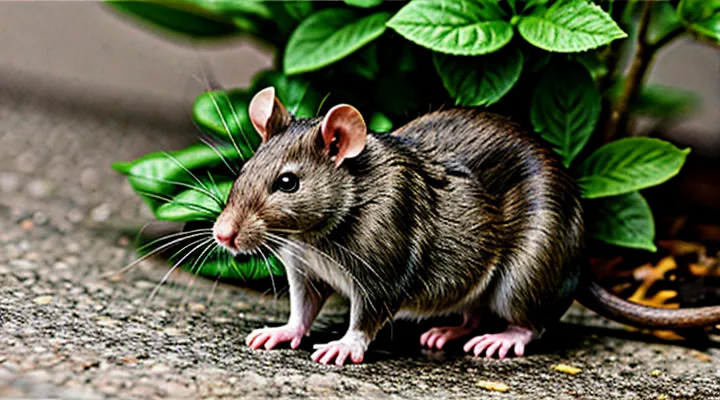
Introduction to Prednisone in Rat Studies
What is Prednisone?
Mechanism of Action
Prednisone, a synthetic glucocorticoid, is rapidly converted to its active form, prednisolone, by hepatic 11β‑hydroxysteroid dehydrogenase in rats. The active compound diffuses into cells, where it binds cytoplasmic glucocorticoid receptors (GR). The ligand‑receptor complex undergoes a conformational change, dissociates from heat‑shock proteins, and translocates into the nucleus. Inside the nucleus it interacts with glucocorticoid response elements (GREs) on DNA, leading to transcriptional activation of anti‑inflammatory genes and repression of pro‑inflammatory genes.
Key molecular events include:
- Direct binding of the GR‑prednisolone complex to GREs, up‑regulating proteins such as annexin‑1 and IkBα.
- Interference with transcription factors NF‑κB and AP‑1, resulting in reduced synthesis of cytokines (IL‑1β, IL‑6, TNF‑α) and chemokines.
- Induction of enzymes involved in gluconeogenesis (PEPCK, G6Pase) and inhibition of peripheral glucose uptake, producing a net hyperglycemic effect.
- Promotion of proteolysis in skeletal muscle and redistribution of leukocytes from peripheral blood to bone marrow.
The combined genomic actions generate potent anti‑inflammatory and immunosuppressive outcomes, which are essential for controlling experimental inflammation models in rats. Non‑genomic effects, such as rapid modulation of membrane ion channels and second‑messenger pathways, may contribute to early onset of physiological changes within minutes of administration.
When implementing dosing protocols, consider that peak glucocorticoid activity occurs 1–2 hours after intraperitoneal injection, aligning with the timing of maximal gene transcription changes. Repeated dosing leads to cumulative suppression of the hypothalamic‑pituitary‑adrenal axis; therefore, withdrawal periods should be incorporated to restore endogenous cortisol production.
Pharmacokinetics in Rats
Prednisone pharmacokinetics in rats are defined by rapid oral absorption, extensive tissue distribution, hepatic metabolism, and renal excretion. Oral dosing yields peak plasma concentrations within 30–60 minutes, indicating high bioavailability. The drug’s volume of distribution ranges from 0.8 to 1.2 L/kg, reflecting substantial binding to plasma proteins (≈ 80 % albumin) and penetration into peripheral compartments.
Hepatic metabolism converts prednisone to its active metabolite prednisolone via 11β‑hydroxysteroid dehydrogenase. Cytochrome P450 isoforms CYP3A1/2 dominate oxidative pathways, producing hydroxylated and conjugated metabolites eliminated in urine and bile. The metabolic clearance rate averages 0.12 L/h/kg, with inter‑individual variability linked to enzyme expression levels.
Elimination follows first‑order kinetics; the terminal half‑life is 1.5–2.0 hours, and total systemic clearance approximates 0.15 L/h/kg. Urinary excretion accounts for 30–40 % of the dose, while the remainder is expelled via feces after biliary secretion.
Practical dosing considerations:
- Administer prednisone by oral gavage at 1–5 mg/kg depending on experimental goals.
- Collect blood samples at 0.25, 0.5, 1, 2, 4, and 8 hours post‑dose to capture absorption, distribution, and elimination phases.
- Use validated LC‑MS/MS methods with a lower limit of quantification of 5 ng/mL for plasma.
- Maintain animals under consistent temperature (22 ± 2 °C) and light cycles to reduce physiological variability.
Accurate pharmacokinetic profiling enables precise dose adjustment, ensures reproducible therapeutic exposure, and supports reliable interpretation of downstream pharmacodynamic outcomes.
Common Applications in Research
Anti-inflammatory Effects
Prednisone administered to laboratory rats produces a rapid decrease in inflammatory markers. Within 30 minutes of a single intraperitoneal injection, prostaglandin synthesis is inhibited, reducing edema and leukocyte infiltration at the site of injury. Repeated dosing maintains suppressed cytokine production, allowing researchers to model chronic inflammation attenuation.
Key parameters influencing the anti‑inflammatory response:
- Dose range: 1–5 mg kg⁻¹ body weight yields measurable suppression without overt immunosuppression; doses above 10 mg kg⁻¹ increase risk of adrenal suppression.
- Route of administration: Intraperitoneal injection ensures consistent plasma levels; oral gavage provides slower absorption, suitable for long‑term studies.
- Timing: Peak effect occurs 1–2 hours post‑injection; repeat dosing every 24 hours sustains reduction in tissue swelling.
- Assessment methods: Quantify paw edema, measure serum C‑reactive protein, and perform histological scoring of inflammatory cell density.
Monitoring guidelines:
- Record body weight daily; significant loss may indicate excessive glucocorticoid activity.
- Observe behavioral changes such as reduced grooming, which can signal systemic side effects.
- Conduct serum cortisol assays weekly to evaluate hypothalamic‑pituitary‑adrenal axis suppression.
Adhering to these parameters ensures reproducible anti‑inflammatory outcomes while minimizing adverse effects in rat models.
Immunosuppressive Properties
Prednisone suppresses rat immune function by binding glucocorticoid receptors, altering transcription of cytokine genes, and reducing lymphocyte proliferation. The drug decreases production of interleukin‑2, interferon‑γ, and tumor necrosis factor‑α, leading to diminished T‑cell activation and impaired macrophage activity. These effects are dose‑dependent and reversible upon withdrawal.
When applying prednisone to rats, follow these parameters:
- Initiate treatment with 1–2 mg kg⁻¹ body weight, administered intraperitoneally or orally, based on experimental design.
- Maintain the chosen dose for a minimum of 48 h to achieve measurable immunosuppression; extend only with justification.
- Monitor peripheral blood lymphocyte counts and serum cytokine levels at 24‑hour intervals to confirm suppression.
- Reduce dosage gradually (0.2–0.5 mg kg⁻¹ per day) during tapering to prevent rebound immune activity.
Repeated dosing beyond 7 days may cause adrenal atrophy and heightened infection risk; adjust protocol accordingly. Verify that control groups receive equivalent vehicle to isolate prednisone’s immunosuppressive impact.
Specific Disease Models
Prednisone administration in rat studies requires model‑specific parameters to achieve reproducible outcomes. Researchers must align dosage, route, and treatment duration with the pathophysiology of each disease model.
- Collagen‑induced arthritis – 1 mg/kg daily, intraperitoneal injection, initiated on day 7 post‑immunization; continue for 14 days to suppress joint inflammation without compromising animal welfare.
- Lipopolysaccharide‑induced sepsis – 0.5 mg/kg single dose, subcutaneous injection, given 1 hour after LPS challenge; monitor cytokine levels for 24 hours to assess anti‑inflammatory effect.
- Experimental autoimmune encephalomyelitis – 2 mg/kg every other day, oral gavage, starting at disease onset (typically day 10) and maintained for 21 days to modulate demyelination.
- Bleomycin‑induced pulmonary fibrosis – 0.75 mg/kg daily, intraperitoneal injection, commenced on day 3 after bleomycin administration; continue for 10 days to evaluate fibrosis attenuation.
- Streptozotocin‑induced diabetes – 1.5 mg/kg every 48 hours, intramuscular injection, beginning 2 weeks after hyperglycemia confirmation; extend treatment for 4 weeks to examine glucocorticoid‑mediated metabolic effects.
Key procedural considerations apply across models: verify rat weight weekly, adjust dose accordingly; use sterile syringes to prevent infection; record clinical signs and body‑weight changes daily; adhere to institutional animal‑care guidelines. Proper randomization and blinding reduce bias, while consistent timing of administration (same hour each day) minimizes circadian variability.
Administration Guidelines
Dosage Regimen
Acute Dosing
Acute dosing of prednisone in rats requires precise calculation of the dose, rapid administration, and immediate observation of physiological responses. The dose is expressed in milligrams per kilogram of body weight (mg kg⁻¹). Typical acute experiments employ a single dose ranging from 1 mg kg⁻¹ to 10 mg kg⁻¹, depending on the intended pharmacodynamic effect.
Preparation of the injection solution must ensure complete dissolution of prednisone in a suitable vehicle, such as sterile saline with a small proportion of dimethyl sulfoxide (≤ 5 %). The final concentration should allow delivery of the calculated volume in ≤ 0.5 mL per 200 g rat to avoid excessive fluid load.
Administration is performed intraperitoneally or subcutaneously using a 27‑gauge needle. The injection site is disinfected, and the needle is inserted at a shallow angle to minimize tissue trauma. The syringe is withdrawn slowly to prevent reflux.
Post‑injection monitoring includes:
- Recording of body temperature and heart rate at 15‑minute intervals for the first two hours.
- Assessment of locomotor activity and grooming behavior.
- Blood sampling at 30 minutes, 1 hour, and 2 hours to measure plasma prednisone concentration.
Data collection ends when the acute response stabilizes, typically within 4 hours. All procedures must comply with institutional animal care guidelines and be documented in the experimental log.
Chronic Dosing
The protocol for chronic prednisone administration in rats requires precise dose calculation, consistent preparation, and systematic monitoring.
- Calculate the daily dose in milligrams per kilogram of body weight. Typical chronic regimens range from 0.5 mg/kg to 5 mg/kg, adjusted according to experimental objectives and observed physiological responses.
- Prepare a homogeneous suspension or solution using a suitable vehicle (e.g., 0.5 % methylcellulose or sterile saline). Confirm solubility and stability; filter-sterilize if the vehicle permits.
- Administer the dose once daily, preferably at the same circadian time to reduce variability. Oral gavage is the standard route; ensure the gavage needle size matches the animal’s age and size.
- Record body weight, food intake, and clinical signs before each administration. Adjust the dose if weight changes exceed 5 % of the previous measurement.
- Replace the dosing solution every 24 hours to prevent degradation. Store the stock solution at 4 °C, protected from light.
- Maintain a log of administration times, volumes delivered, and any adverse events. Use this record for statistical analysis and reproducibility.
Adhering to these steps ensures reliable chronic exposure to prednisone, minimizes inter‑animal variability, and supports ethical compliance.
Dose-Response Considerations
Prednisone administration in rats demands precise dose‑response planning to achieve reproducible outcomes. Initial dosing should be based on body weight (mg kg⁻¹) and calibrated against known pharmacodynamic thresholds in rodents. Typical therapeutic ranges span 0.5–5 mg kg⁻¹ daily, with higher concentrations reserved for acute inflammation models. Dose escalation must follow a stepwise protocol, allowing at least 24 h between increments to monitor physiological adaptation.
Key considerations include:
- Route of delivery: Oral gavage provides consistent systemic exposure; subcutaneous injection offers rapid onset but may produce localized irritation.
- Frequency: Single daily doses align with the circadian rhythm of glucocorticoid receptors; multiple administrations within 24 h can lead to receptor desensitization.
- Pharmacokinetic variability: Age, sex, and strain influence clearance rates; younger male rats often exhibit faster metabolism, requiring modestly higher doses to maintain target plasma levels.
- Safety margins: Observe for signs of immunosuppression, hyperglycemia, and weight loss; adjust dosage promptly if adverse effects exceed predefined thresholds.
Experimental design should incorporate a control group receiving vehicle alone and at least three dose levels to characterize the dose‑response curve. Blood sampling at 0, 2, 6, and 24 h post‑dose provides data for calculating area under the curve (AUC) and half‑life, essential for refining dosing schedules. Documentation of all variables ensures that dose‑response relationships are accurately interpreted and reproducible across studies.
Routes of Administration
Oral Administration
Oral delivery of prednisone to rats requires accurate dose calculation, proper formulation, and careful gavage technique.
Determine the required dose by multiplying the animal’s body weight (kg) by the selected mg kg⁻¹ regimen, commonly 1–5 mg kg⁻¹ per day. Record the calculated amount in milligrams for each individual.
Prepare the drug immediately before administration. Dissolve or suspend prednisone in a vehicle that maintains stability and palatability, such as 0.5 % methylcellulose, 0.9 % saline, or a low‑percentage DMSO solution. Mix until a uniform suspension is achieved; avoid visible particles or precipitation.
Administer the preparation using an oral gavage needle sized for the rat’s weight (typically 20‑22 G for 200‑300 g animals). Follow these steps:
- Restrain the rat gently but securely.
- Hold the gavage needle at a 30‑45° angle to the palate.
- Advance the needle along the esophageal curvature, avoiding the trachea.
- Deliver the calculated volume, not exceeding 10 mL kg⁻¹.
- Observe the animal for signs of regurgitation; repeat gavage if necessary.
Schedule dosing at the same clock time each day, preferably in the early light phase, to limit variability caused by circadian rhythms.
Document body weight, food intake, and any adverse reactions daily. Adjust the dose proportionally if weight changes exceed 5 % of the baseline.
Wear disposable gloves and eye protection during preparation and gavage. Dispose of used needles in a sharps container and clean work surfaces with an appropriate disinfectant.
Parenteral Administration
Parenteral delivery of prednisone to laboratory rats provides rapid systemic exposure and precise control over plasma concentrations, essential for experimental consistency. The route bypasses gastrointestinal metabolism, reducing variability associated with oral absorption.
Accurate dosing begins with individual body‑weight measurement (g). Multiply the target dose (mg kg⁻¹) by the weight (kg) to obtain the required milligram amount. Dissolve the calculated prednisone quantity in a sterile, isotonic carrier such as physiological saline or phosphate‑buffered saline, ensuring complete solubility. Prepare solutions under aseptic conditions, filter through a 0.22 µm membrane, and label with concentration, date, and batch identifier.
Recommended injection practices:
- Intravenous (IV): Use a 27‑30 G catheter, injection volume ≤0.1 mL per 100 g body weight, administer slowly to avoid circulatory overload.
- Intraperitoneal (IP): Employ a 26‑28 G needle, volume ≤0.5 mL per 100 g, inject into the lower right quadrant to minimize organ injury.
- Subcutaneous (SC): Select a 25‑27 G needle, volume ≤0.2 mL per 100 g, create a tented skin fold before insertion to ensure proper depot formation.
After injection, observe each rat for at least 30 minutes. Record respiration rate, locomotor activity, and any signs of distress (e.g., piloerection, tremor). Document dosage, route, and observation outcomes in a dedicated log. Maintain sterile equipment throughout the procedure and dispose of sharps according to institutional biosafety protocols.
Preparation and Storage
Solution Preparation
Prepare a sterile, accurately dosed prednisone solution before each experiment. Use analytical‑grade prednisone powder, a suitable solvent, and calibrated equipment. Follow these steps:
- Weigh the required amount of prednisone on a balance with ±0.1 mg accuracy.
- Dissolve the powder in a minimal volume of 100 % ethanol or dimethyl sulfoxide (DMSO) to create a concentrated stock; vortex until fully solubilized.
- Transfer the stock to a sterile container, then dilute with sterile physiological saline (0.9 % NaCl) or phosphate‑buffered saline (PBS) to achieve the final concentration required for the dosing regimen.
- Adjust the pH to 7.2 – 7.4 if necessary, using sterile NaOH or HCl, to maintain compatibility with rat physiology.
- Filter the final solution through a 0.22 µm syringe filter into a sterile vial; label with concentration, preparation date, and expiration time (no longer than 24 h at 4 °C).
- Store the vial at 4 °C protected from light; discard any solution that becomes turbid or discolored.
Accurate preparation ensures reliable dosing and reproducible pharmacological outcomes in rodent studies.
Storage Conditions
Prednisone intended for rodent studies must be kept under conditions that preserve potency and prevent contamination. Store the compound in a tightly sealed container protected from light. Maintain a temperature of 2‑8 °C in a laboratory refrigerator; avoid freezing, which can cause crystallization. If long‑term storage is required, keep the medication at –20 °C in a dedicated freezer, ensuring that temperature fluctuations are minimal. Do not store at room temperature for periods exceeding 30 days.
Recommended practices:
- Use amber‑colored vials or wrap containers in aluminum foil to block UV exposure.
- Label each container with the date of receipt, expiration date, and storage temperature.
- Inspect the material regularly for discoloration, precipitation, or moisture accumulation.
- Keep the storage area clean, dry, and free from strong odors that could affect the drug.
Adhering to these guidelines ensures consistent dosing and reliable experimental outcomes.
Potential Side Effects and Monitoring
Physiological Changes
Weight Fluctuations
When administering prednisone to rats, weight fluctuations serve as a primary indicator of drug effect and overall health status. Accurate monitoring of body mass allows researchers to adjust dosing, identify adverse reactions, and maintain experimental consistency.
Weight should be recorded daily at a consistent time, preferably before the first feed of the day. Use a calibrated analytical balance with a precision of at least 0.01 g. Record the raw measurement and calculate the percentage change relative to the baseline weight obtained before treatment initiation.
Typical patterns observed during prednisone exposure include:
- Initial gain (first 2–3 days): Fluid retention and increased appetite may produce a 3–5 % rise in body mass.
- Stabilization phase (days 4–7): Weight often plateaus as metabolic adjustments occur.
- Potential loss (after day 7): Catabolic effects of prolonged glucocorticoid exposure can lead to a 2–4 % decline, especially at higher doses.
If a rat exhibits weight change exceeding ±5 % from baseline within any 24‑hour period, reassess the dosage or consider supportive measures such as adjusted feeding schedules or supplemental hydration.
Document all weight data in a structured log, noting:
- Date and time of measurement.
- Individual identifier.
- Raw weight (g).
- Percentage change from baseline.
- Observations (e.g., lethargy, edema).
Consistent weight tracking ensures reliable interpretation of prednisone’s pharmacological impact and safeguards animal welfare throughout the study.
Metabolic Disturbances
Prednisone administered to rats induces several metabolic disturbances that require systematic monitoring and management. Hyperglycemia develops rapidly due to enhanced gluconeogenesis and reduced peripheral glucose uptake. Elevated plasma triglycerides and cholesterol result from altered lipid mobilization and hepatic synthesis. Protein catabolism increases, leading to loss of lean body mass and elevated circulating nitrogenous waste.
To mitigate these effects, implement the following protocol:
- Measure fasting blood glucose and insulin levels before the first dose and at 24‑hour intervals during treatment.
- Collect serum lipid profile (triglycerides, total cholesterol, HDL, LDL) weekly.
- Record body weight and calculate lean mass using dual‑energy X‑ray absorptiometry or carcass analysis every five days.
- Adjust prednisone dosage if glucose exceeds 200 mg/dL or if serum triglycerides rise above 150 mg/dL, considering supplemental insulin or lipid‑lowering agents.
- Provide a high‑protein, low‑fat diet to counteract protein catabolism; supplement with essential amino acids if nitrogen balance declines.
Continuous data collection enables early detection of metabolic derangements and informs dose modification, ensuring experimental integrity while preserving animal health.
Adrenal Suppression
Prednisone administration in rats commonly induces adrenal suppression, a reversible condition characterized by reduced endogenous corticosteroid production. Suppression results from negative feedback on the hypothalamic‑pituitary‑adrenal axis, leading to decreased ACTH release and atrophy of the adrenal cortex. The effect magnitude correlates with dose, duration, and frequency of treatment.
Key considerations for managing adrenal suppression:
- Initiate therapy with the lowest effective dose; typical regimens range from 1 to 5 mg kg⁻¹ per day, adjusted according to experimental endpoints.
- Limit continuous exposure; schedule intermittent dosing or taper gradually when treatment exceeds two weeks.
- Monitor plasma corticosterone levels weekly; values below 20 ng mL⁻¹ indicate significant suppression.
- Observe clinical signs such as lethargy, weight loss, and hypo‑glycemia; record body weight and food intake daily.
- Provide rescue glucocorticoid (e.g., low‑dose dexamethasone) during tapering phases to prevent adrenal crisis.
When discontinuing prednisone, reduce the dose by 25 % every 3–5 days until the animal reaches baseline endogenous production. Verify recovery by confirming corticosterone concentrations within the normal reference range (30–70 ng mL⁻¹) for at least one week before concluding the study. Failure to follow these protocols may compromise data integrity and animal welfare.
Behavioral Observations
Activity Levels
When administering prednisone to laboratory rats, monitoring activity levels provides a reliable indicator of drug effect and animal welfare. Activity should be recorded before treatment, during the dosing period, and after cessation to identify acute and chronic responses.
Baseline measurements establish each subject’s normal locomotion. Use an automated tracking system or infrared beam breaks to capture distance traveled, speed, and time spent in motion over a defined interval (e.g., 30 minutes). Record data at the same circadian phase each day to reduce variability.
During prednisone administration, observe the following patterns:
- Decreased total distance traveled may signal sedation or muscle weakness.
- Increased rest periods suggest fatigue or metabolic suppression.
- Erratic bursts of movement can indicate agitation or pain.
If activity declines by more than 30 % relative to baseline, consider adjusting the dose or providing supportive care. Conversely, a rise in activity exceeding 20 % may reflect hyperactivity, requiring evaluation for stress or dosing excess.
Post‑treatment monitoring should continue for at least 48 hours to detect rebound effects. Return to baseline activity confirms recovery; persistent deviations warrant histopathological assessment of muscle and neurological tissues.
Document all observations in a structured log, noting dose, route of administration, time of day, and any concurrent interventions. This systematic approach ensures reproducible results and safeguards animal health while evaluating the pharmacological impact of prednisone on rodent locomotor behavior.
Appetite Changes
Prednisone administration frequently alters food intake in laboratory rats. Acute dosing often produces a rapid increase in appetite, observable within 2–4 hours after injection. Chronic exposure typically leads to a progressive decline in consumption, detectable after 5–7 days of daily treatment. The magnitude of change correlates with dose intensity; low‑dose regimens (≤1 mg kg⁻¹ day⁻¹) may cause modest hyperphagia, whereas high‑dose protocols (≥5 mg kg⁻¹ day⁻¹) commonly suppress feeding.
Monitoring appetite requires consistent measurement of food disappearance and body‑weight trends. Recommended procedure:
- Weigh each rat at the same time each day, preferably before the light phase.
- Record the exact amount of chow provided and the residual amount after 24 hours.
- Calculate daily intake per kilogram of body weight to normalize across subjects.
- Plot intake versus time to identify abrupt shifts that may signal adverse metabolic response.
Interpretation of data should consider confounding variables such as stress, cage density, and circadian rhythm. If hyperphagia persists beyond the initial 48‑hour window, adjust the dosage downward or introduce a tapering schedule. Persistent hypophagia warrants supplemental nutrition, for example, brief provision of calorie‑dense gel or forced feeding, and may require cessation of prednisone.
When designing experiments, incorporate appetite metrics into the overall outcome assessment. Document baseline consumption for at least three days before drug initiation, then continue tracking throughout the treatment period. This approach ensures that appetite alterations are quantified, reproducible, and comparable across studies.
Ethical Considerations
Animal Welfare
Administration of prednisone to laboratory rats demands compliance with established welfare standards to minimize pain, distress, and physiological disruption. Researchers must secure approval from an institutional animal care and use committee before initiating any dosing regimen. All procedures should be documented in a detailed protocol that outlines justification, dosage calculations, route of administration, and humane endpoints.
Key welfare considerations include:
- Housing and enrichment: Provide temperature‑controlled cages, adequate bedding, nesting material, and opportunities for social interaction consistent with species‑specific behavior.
- Acclimation: Allow a minimum of five days for rats to adjust to the environment before drug exposure.
- Dose preparation: Use sterile, pyrogen‑free solutions; verify concentration with calibrated equipment to prevent dosing errors.
- Administration technique: Employ gentle restraint or anesthesia when required; avoid excessive force that could cause injury.
- Monitoring: Record body weight, food and water intake, and clinical signs at least twice daily. Immediate veterinary assessment is required for signs of severe immunosuppression, ulceration, or uncontrolled hyperglycemia.
- Pain management: Implement analgesic strategies when invasive procedures accompany drug delivery; select agents that do not interfere with prednisone’s pharmacodynamics.
- Humane endpoints: Define criteria for early euthanasia, such as >20 % body weight loss, persistent lethargy, or unmanageable infection, and execute according to AVMA guidelines.
All personnel involved in the study must complete training in rodent handling, glucocorticoid pharmacology, and emergency response. Documentation of training, observations, and corrective actions should be retained for audit and reproducibility.
Humane Endpoints
When administering prednisone to laboratory rats, monitoring animal welfare requires predefined humane endpoints that trigger immediate intervention or euthanasia to prevent undue suffering. These endpoints must be established before the study begins, documented in the protocol, and reviewed by the Institutional Animal Care and Use Committee (IACUC).
Key physiological and behavioral criteria include:
- Rapid weight loss exceeding 20 % of baseline body weight within 48 hours.
- Persistent hypothermia (core temperature < 35 °C) despite supportive care.
- Severe lethargy or inability to reach food and water for more than 12 hours.
- Marked respiratory distress, such as labored breathing or cyanosis.
- Uncontrolled bleeding, ulceration, or necrosis at injection sites or gastrointestinal tract.
- Neurological signs indicating severe encephalopathy, including seizures, ataxia, or loss of righting reflex.
Additional observations that may justify endpoint activation:
- Signs of severe immunosuppression, such as opportunistic infections unresponsive to treatment.
- Extreme dehydration, evidenced by skin tenting and sunken eyes.
- Persistent vomiting or diarrhea leading to electrolyte imbalance.
Implementation steps:
- Record baseline measurements (weight, temperature, activity) before prednisone exposure.
- Conduct at least twice‑daily assessments, increasing frequency if adverse signs appear.
- Apply the endpoint criteria consistently; once any threshold is met, initiate humane euthanasia according to approved methods.
Documenting each observation, decision, and outcome ensures compliance with ethical standards and provides reliable data for evaluating prednisone’s safety profile in rodent models.
Interpreting Results
Data Analysis Considerations
Statistical Methods
Statistical analysis of a prednisone administration protocol in rats must begin with a clear definition of the experimental unit and the primary outcome variables. Determine sample size by specifying the expected effect size, desired statistical power (commonly 0.80), and acceptable Type I error rate (usually 0.05). Use software such as G*Power or the pwr package in R to calculate the required number of subjects per group.
Randomize animals to treatment and control groups using a computer‑generated sequence. Apply allocation concealment and maintain blinding of investigators during data collection to reduce bias. Record each measurement with a unique identifier, date, and dosage information.
Before hypothesis testing, assess data distribution for each variable. Perform Shapiro‑Wilk or Kolmogorov‑Smirnov tests; if normality is rejected, consider data transformation or non‑parametric alternatives. For normally distributed continuous outcomes, apply two‑sample t‑tests (independent groups) or paired t‑tests (repeated measures). When comparing more than two groups, use one‑way ANOVA followed by Tukey’s HSD for pairwise comparisons; for repeated measures, employ repeated‑measures ANOVA or linear mixed‑effects models with appropriate covariance structures.
If data violate parametric assumptions, substitute Mann‑Whitney U test for two‑group comparisons and Kruskal‑Wallis test with Dunn’s post‑hoc for multiple groups. Categorical outcomes require chi‑square or Fisher’s exact test, depending on expected cell counts.
Report effect sizes (Cohen’s d for t‑tests, η² for ANOVA) alongside 95 % confidence intervals. Adjust p‑values for multiple testing using methods such as Bonferroni or Benjamini‑Hochberg false discovery rate control. Present all statistical procedures, software versions, and parameter settings in the methods section to ensure reproducibility.
Control Groups
Control groups provide the baseline against which the effects of prednisone can be measured. Each control group must be identical to the treatment group in every respect except for the administration of the drug. This includes strain, age, sex, housing conditions, diet, and handling procedures.
Typical control configurations include:
- Vehicle control – rats receive the same solvent or carrier used to dissolve prednisone, ensuring that observed responses are not attributable to the vehicle.
- Sham‑treated control – rats undergo all procedural steps (e.g., injection, restraint) without receiving any substance, isolating the influence of handling stress.
- Untreated control – rats remain in the colony without any experimental manipulation, establishing the natural physiological range.
When assigning animals to groups, randomization eliminates selection bias. Sample size should be calculated to achieve adequate statistical power, commonly using a power analysis with a predetermined alpha level (e.g., 0.05) and expected effect size. Blinding of observers to group identity prevents measurement bias during data collection.
Documentation of control conditions must be thorough. Records should list the vehicle composition, injection volume, timing relative to the light cycle, and any ancillary procedures. Consistency across control and treatment cohorts ensures that differences in outcome variables, such as serum cortisol or inflammatory markers, reflect the pharmacological action of prednisone rather than extraneous factors.
Limitations of Prednisone Use
Confounding Factors
When administering prednisone to laboratory rats, several variables can obscure the relationship between dose and physiological response. Recognizing and controlling these factors is essential for reproducible outcomes.
Key confounding variables include:
- Animal characteristics: age, sex, genetic strain, and weight influence glucocorticoid metabolism and immune modulation.
- Housing conditions: cage density, bedding type, ambient temperature, humidity, and lighting cycles affect stress levels and hormone baseline.
- Dietary factors: macronutrient composition, caloric intake, and timing of feeding alter drug absorption and hepatic clearance.
- Handling and procedural stress: frequency of cage cleaning, restraint techniques, and personnel familiarity introduce acute stress responses that interact with prednisone effects.
- Administration parameters: injection site, needle gauge, vehicle composition, and injection volume determine local irritation and systemic bioavailability.
- Drug preparation: batch-to-batch variation, storage temperature, and solvent stability can modify potency.
- Chronobiology: circadian fluctuations in endogenous cortisol and receptor expression make dosing time a critical determinant of efficacy.
Mitigation strategies involve standardizing animal selection criteria, maintaining uniform environmental conditions, employing consistent feeding schedules, minimizing handling disruptions, using a single injection site with identical technique, preparing prednisone solutions fresh from the same lot, and scheduling doses at the same hour each day. Documentation of each parameter in experimental records enables post‑hoc analysis of residual variability and supports transparent reporting.
Individual Variability
Individual variability profoundly influences the pharmacodynamic and pharmacokinetic outcomes of prednisone administration in laboratory rats. Genetic background, age, sex, and baseline adrenal function create distinct response profiles that can alter both therapeutic efficacy and adverse‑effect risk. When designing dosing regimens, researchers must quantify these variables to ensure reproducibility and interpretability of experimental results.
Key determinants of variability include:
- Strain differences – Metabolic enzyme expression and glucocorticoid receptor density vary among common strains (e.g., Sprague‑Dawley, Wistar, Fisher 344), affecting drug clearance and tissue sensitivity.
- Sex hormones – Estrogen and testosterone modulate glucocorticoid receptor signaling; male and female rats frequently exhibit divergent anti‑inflammatory responses at identical doses.
- Age – Juvenile and aged rodents display altered hepatic metabolism and hypothalamic‑pituitary‑adrenal axis feedback, requiring dose adjustments to avoid under‑ or over‑suppression.
- Health status – Pre‑existing inflammation, infection, or metabolic disorders can amplify or dampen prednisone’s effects, necessitating baseline assessments before treatment.
Accurate documentation of these factors, combined with standardized dosing calculations (e.g., mg/kg body weight, adjusted for surface area), reduces experimental noise and facilitates cross‑study comparisons. Failure to account for individual variability may lead to misinterpretation of drug efficacy, safety margins, and mechanistic conclusions.
Future Directions in Research
Research on glucocorticoid administration in rodent models has identified gaps that warrant systematic investigation. Future work should prioritize quantitative refinement of dosing regimens, ensuring reproducibility across laboratories and alignment with human therapeutic windows.
- Conduct dose‑response studies that integrate pharmacokinetic profiling, tissue distribution, and adrenal suppression markers to define minimal effective concentrations.
- Evaluate chronic exposure effects on metabolic, immunologic, and neurobehavioral endpoints, employing longitudinal designs and age‑matched controls.
- Elucidate molecular pathways modulated by prednisone through transcriptomic, proteomic, and epigenetic analyses in target organs such as lung, liver, and brain.
- Develop alternative delivery systems (e.g., osmotic pumps, biodegradable implants) to achieve stable plasma levels and reduce handling stress.
- Identify and validate peripheral and central biomarkers that predict therapeutic response and adverse outcomes, facilitating early detection of toxicity.
- Test combinatorial regimens that pair prednisone with anti‑inflammatory agents, immunomodulators, or metabolic modulators to enhance efficacy while minimizing side effects.
- Compare interspecies variability by extending studies to other rodent strains and larger mammals, clarifying translational relevance to clinical practice.
- Integrate computational modeling to simulate dose‑time relationships, predict tissue exposure, and guide experimental design.
Systematic implementation of these directions will generate robust data sets, improve translational fidelity, and support evidence‑based refinement of glucocorticoid protocols in preclinical research.