
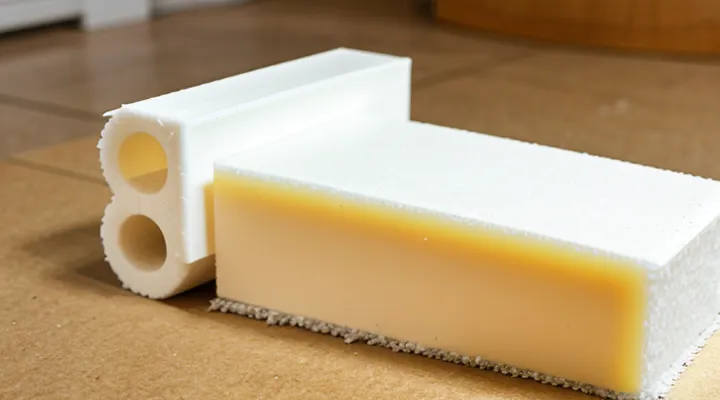
Understanding Polystyrene
What is Polystyrene?
Chemical Composition and Properties
Polystyrene is a synthetic polymer composed of repeating styrene monomers (C₈H₈). Its backbone consists of aromatic phenyl rings attached to a saturated carbon chain, giving the material a high degree of rigidity. The polymerization process yields a thermoplastic that can be molded or extruded at temperatures above 200 °C and solidifies upon cooling.
Key physicochemical characteristics include:
- Density: 1.04–1.06 g cm⁻³, providing a lightweight structure.
- Glass transition temperature (Tg): approximately 100 °C, defining the temperature range for flexibility.
- Hydrophobicity: water contact angle around 90–95°, indicating low affinity for aqueous environments.
- Chemical resistance: stability against acids, bases, and most organic solvents, except strong oxidizers.
- Thermal conductivity: 0.033 W m⁻¹ K⁻¹, reflecting poor heat transfer.
These attributes influence how the material interacts with rodent physiology. The low density and rigidity allow the formation of cages, bedding, and experimental devices that do not deform under typical laboratory conditions. Hydrophobic surfaces resist moisture accumulation, reducing microbial growth but also limiting the adsorption of aqueous contaminants that could affect exposure studies.
When rodents encounter polystyrene, the polymer’s inertness limits metabolic degradation; the material does not readily break down into bioactive fragments under normal physiological temperatures. However, surface additives such as plasticizers, flame retardants, or residual monomers may leach, introducing chemical agents that can be absorbed through the skin or inhaled as particulates. Understanding the intrinsic composition and material properties is essential for interpreting any observed biological effects in experimental settings.
Common Uses and Forms
Polystyrene is produced in several physical configurations, each suited to specific applications. The most prevalent forms include:
- Rigid foam sheets – dense, closed‑cell panels used for insulation, packaging, and model construction.
- Expanded polystyrene (EPS) – lightweight beads fused into blocks or slabs, common in building insulation, protective packaging, and disposable food containers.
- Extruded polystyrene (XPS) – continuous, uniform foam with higher moisture resistance, employed in structural insulation, foundation walls, and refrigerated transport.
- Solid polystyrene beads – granular material for decorative purposes, laboratory media, and as a filler in composite products.
- Polystyrene pellets – raw polymer granules for injection molding, extrusion, and 3D printing, forming objects such as laboratory equipment, consumer goods, and toy components.
These configurations determine the material’s physical properties—density, thermal conductivity, and surface texture—which influence how rodents encounter and interact with polystyrene in laboratory settings, housing environments, and field studies.
Polystyrene and Rodent Behavior
Attraction to Polystyrene
Scent and Texture as Factors
Polystyrene is frequently employed as a housing or experimental substrate for laboratory rodents. Its chemical composition and physical properties can influence animal behavior, stress levels, and physiological responses, thereby affecting experimental outcomes.
Odor emissions from polystyrene arise from residual monomers, additives, and degradation products. Rodents possess a highly sensitive olfactory system that detects concentrations as low as parts per billion. Studies have shown that exposure to these volatile compounds can alter grooming frequency, nesting behavior, and cortisol concentrations. When the material is freshly manufactured, the intensity of the odor is greater, leading to heightened exploratory avoidance. Over time, off‑gassing diminishes, and the olfactory impact lessens, suggesting a temporal component to scent‑driven effects.
Surface texture determines tactile feedback during locomotion and nest construction. Polystyrene typically presents a smooth, low‑friction interface, which reduces traction and may discourage climbing or burrowing. Micro‑roughened variants increase grip, promoting activity and enhancing the formation of stable nests. Mechanical testing indicates that hardness correlates with reduced paw pad deformation, influencing weight distribution and gait patterns. Consequently, texture modifications can be used to modulate stress‑related behaviors without altering chemical composition.
Key observations:
- Fresh polystyrene emits detectable odorants; aged material shows reduced olfactory stimulus.
- Elevated odor levels correspond with increased grooming and decreased nest building.
- Smooth surfaces limit locomotor engagement; roughened textures improve traction and nesting activity.
- Hardness affects paw pad compression, altering gait and potentially influencing metabolic measurements.
Understanding how scent and texture interact with rodent physiology enables more accurate interpretation of data derived from polystyrene‑based environments and supports the design of refined experimental apparatus.
Insulation Properties and Nesting
Polystyrene is a lightweight polymer characterized by low thermal conductivity, typically around 0.03 W·m⁻¹·K⁻¹. Its closed‑cell structure traps air, creating an effective barrier against heat transfer. The material’s rigidity and ease of shaping make it a common choice for laboratory enclosures, building insulation, and packaging.
Mice regulate body temperature through behavioral thermoregulation, primarily by constructing nests that retain heat. Nest architecture, material selection, and placement within a cage are driven by the need to minimize metabolic heat loss. When polystyrene is present, its insulating capacity reduces the ambient temperature gradient that mice must compensate for.
Key effects of polystyrene insulation on mouse nesting:
- Reduced heat loss – ambient microclimate stabilizes, allowing mice to maintain core temperature with lower metabolic output.
- Altered nest size – smaller, more compact nests suffice because external thermal stress diminishes.
- Material preference – mice incorporate fragments of polystyrene into nests, exploiting its low density and high insulating value.
- Health implications – lower energy expenditure may affect growth rates, reproductive output, and stress hormone levels.
In controlled environments, the presence of polystyrene can improve animal welfare by decreasing the energetic burden of thermoregulation. However, excessive reliance on synthetic insulation may limit natural foraging behavior and obscure assessments of thermal physiology. Careful balance between insulating aids and natural nesting substrates is essential for experimental validity and ethical standards.
Polystyrene as a Food Source
Nutritional Value (or Lack Thereof)
Polystyrene is a synthetic polymer lacking organic compounds that can be metabolized by mammals. Its molecular structure provides no carbohydrates, proteins, fats, vitamins, or minerals, and digestive enzymes in rodents cannot hydrolyze the aromatic hydrocarbon backbone. Consequently, ingestion supplies zero caloric energy and no essential nutrients.
Experimental studies with laboratory mice demonstrate that voluntary consumption of polystyrene fragments leads to measurable deficits. Mice offered shredded polystyrene alongside standard chow reduced overall food intake, resulting in:
- Decreased body weight gain compared with control groups
- Lower plasma glucose and serum albumin concentrations
- Reduced hepatic glycogen stores
These physiological changes arise because the material occupies stomach volume without contributing digestible matter, creating a satiety signal that suppresses normal feeding behavior. Additionally, indigestible particles can accumulate in the gastrointestinal tract, causing mechanical obstruction and further impairing nutrient absorption.
Long‑term exposure exacerbates malnutrition. Chronic polystyrene ingestion correlates with:
- Progressive loss of lean muscle mass
- Impaired immune function due to protein deficiency
- Elevated mortality rates in severely affected cohorts
The evidence confirms that polystyrene offers no nutritional benefit to rodents and actively interferes with normal dietary intake, leading to systemic deficits and health deterioration.
Indigestibility and Health Risks
Polystyrene is a synthetic polymer that resists enzymatic breakdown in the gastrointestinal tract of rodents. When mice ingest fragments of the material, it passes through the stomach and intestines unchanged, accumulating in the feces and occasionally in the digestive lumen.
The physical presence of indigestible particles can cause mechanical irritation. Repeated exposure leads to:
- Mucosal abrasion and ulceration
- Reduced nutrient absorption due to obstruction of villi
- Altered gut motility resulting in constipation or diarrhea
Beyond local effects, polystyrene particles can translocate across the intestinal barrier. Small micro‑particles have been detected in liver and spleen tissue, indicating systemic distribution. This exposure correlates with:
- Elevated inflammatory cytokine levels
- Oxidative stress markers in hepatic cells
- Disruption of lipid metabolism and increased serum cholesterol
Long‑term studies show that chronic ingestion contributes to weight loss, diminished immune response, and increased susceptibility to opportunistic infections. The combination of indigestibility and systemic toxicity represents a significant health risk for laboratory mice and necessitates strict control of polystyrene exposure in experimental settings.
Health Implications for Mice
Ingestion and Digestive Issues
Blockages and Internal Injuries
Polystyrene fragments ingested by laboratory mice frequently cause gastrointestinal obstruction. Solid particles lodge in the pyloric region, small intestine, or cecum, creating a physical barrier that impedes luminal flow. The blockage initiates distension, reduces nutrient absorption, and precipitates rapid weight loss.
The obstruction arises from two principal mechanisms. First, the rigid geometry of the polymer prevents peristaltic passage, producing a mechanical plug. Second, surface chemistry of polystyrene induces epithelial irritation, triggering edema and mucosal ulceration that further narrows the lumen. Inflammation amplifies tissue swelling, converting a partial blockage into a complete occlusion.
Experimental studies report consistent pathological patterns:
- Dilated stomach and proximal intestine
- Thickened intestinal wall with infiltrating neutrophils and macrophages
- Necrotic patches on mucosal surface
- Presence of polystyrene fragments within the lumen
Mortality rates increase markedly when obstruction persists beyond 24 hours. Surviving animals exhibit reduced feed intake, dehydration, and elevated serum markers of tissue injury, such as lactate dehydrogenase and C‑reactive protein.
Preventive measures include substituting polystyrene cages and bedding with inert alternatives, implementing daily visual inspections for debris ingestion, and providing access to softened food to facilitate passage of accidental particles. Early detection of abdominal distension and prompt surgical intervention reduce fatal outcomes and preserve experimental integrity.
Chemical Leaching and Toxicity
Polystyrene products release low‑molecular‑weight compounds when exposed to heat, solvents, or mechanical stress. The most frequently detected leachates include styrene monomer, oligomers, and additives such as plasticizers, antioxidants, and flame retardants. These substances dissolve into the surrounding environment, creating a chemical milieu that mice encounter through ingestion, inhalation, or dermal contact.
Styrene monomer exhibits neurotoxic and carcinogenic properties in rodent studies. Chronic exposure at concentrations as low as 0.1 mg L⁻¹ induces alterations in motor coordination, reduced exploratory behavior, and histopathological changes in liver and lung tissues. Oligomeric fractions, while less volatile, persist in bedding and feed, leading to gastrointestinal irritation and weight loss when consumed over weeks.
Additive leachates contribute additional toxic pathways:
- Plasticizers (e.g., di(2‑ethylhexyl) phthalate) disrupt endocrine function, suppressing testosterone synthesis and impairing reproductive organ development.
- Antioxidants (e.g., butylated hydroxytoluene) generate reactive oxygen species, causing oxidative stress and DNA damage in splenic cells.
- Flame retardants (e.g., brominated compounds) accumulate in brain tissue, interfering with synaptic transmission and cognitive performance.
The combined effect of these chemicals produces a dose‑dependent toxicity profile. Sub‑lethal concentrations can modulate immune responses, increase susceptibility to infections, and alter gut microbiota composition, while higher doses precipitate acute organ failure and mortality.
Risk assessment in laboratory settings requires quantification of leachate concentrations in cage components, regular monitoring of water and feed contamination, and implementation of material alternatives or barrier coatings to minimize exposure.
Respiratory Concerns
Dust and Particulate Inhalation
Polystyrene fragments released during manufacturing, handling, or disposal become airborne particles that readily enter the respiratory system of laboratory mice. Particle size distribution typically ranges from 1 µm to 10 µm, with a substantial fraction below 5 µm capable of reaching the alveolar region. The material consists primarily of carbon‑based polymer chains, often accompanied by residual monomers, additives, and surface‑adsorbed contaminants.
Inhaled dust deposits along the nasal passages, trachea, and bronchi, where it interacts with epithelial cells and resident immune populations. Deposition efficiency correlates with aerodynamic diameter; particles under 2 µm achieve the highest alveolar penetration. Once lodged in the lung tissue, the polymer surface induces:
- Recruitment of neutrophils and macrophages.
- Generation of reactive oxygen species.
- Up‑regulation of pro‑inflammatory cytokines (IL‑1β, TNF‑α).
These responses manifest as acute bronchial inflammation within 24 hours and, with repeated exposure, progress to chronic interstitial fibrosis. Experimental dose–response curves reveal a threshold near 0.5 mg m⁻³ for observable histopathological changes, while concentrations above 2 mg m⁻³ produce significant weight loss and reduced locomotor activity.
Accurate exposure assessment relies on calibrated optical particle counters and gravimetric sampling within sealed inhalation chambers. Real‑time monitoring of mass concentration, coupled with size‑segregated sampling, ensures reproducible dosing across study cohorts. Control of environmental variables—temperature, humidity, and airflow velocity—prevents confounding aerosol dynamics.
The documented health effects necessitate strict containment protocols when polystyrene is present in animal facilities. Recommended practices include:
- Installation of high‑efficiency particulate air (HEPA) filtration at points of material handling.
- Routine air‑sampling for polymer particles in cages and workspaces.
- Implementation of sealed transfer systems for consumables containing polystyrene.
Adherence to these measures reduces inadvertent inhalation exposure, preserves the validity of rodent model outcomes, and aligns laboratory operations with occupational safety standards.
Flame Retardants and Other Additives
Polystyrene formulations for laboratory use commonly incorporate flame retardants, plasticizers, antioxidants, and processing aids. These additives alter the physicochemical properties of the polymer, affect particle stability, and modify the biological response of rodents exposed to the material.
- Halogenated flame retardants (e.g., tetrabromobisphenol A, decabromodiphenyl ether) persist in tissues, induce cytochrome P450 enzymes, and produce oxidative stress in hepatic and neural cells.
- Organophosphate retardants (e.g., tris(1,3-dichloro-2-propyl) phosphate) exhibit endocrine-disrupting activity, reduce sperm count, and impair thyroid hormone balance.
- Inorganic retardants (e.g., aluminum hydroxide, magnesium hydroxide) show limited systemic absorption but can alter gut microbiota composition when present on polystyrene particles.
Additional additives such as plasticizers (di(2‑ethylhexyl)phthalate) and antioxidants (butylated hydroxyanisole) contribute to leaching phenomena. Leached compounds increase the bioavailability of polystyrene particles, facilitating translocation across the intestinal barrier and accumulation in the lungs and brain. Combined exposure to flame retardants and plasticizers amplifies inflammatory markers, disrupts blood‑brain barrier integrity, and accelerates neurodegenerative processes observed in mouse models.
Experimental data indicate dose‑dependent relationships: low‑micromolar concentrations of halogenated retardants result in measurable changes in liver enzyme activity, while sub‑ppm levels of organophosphates produce detectable alterations in serum corticosterone. Co‑exposure with polystyrene microspheres enhances these effects, suggesting synergistic toxicity.
Regulatory agencies classify many flame retardants as hazardous substances, imposing limits on their concentration in consumer products. For rodent studies, recommended practices include:
- Quantifying additive content in polymer batches using gas chromatography‑mass spectrometry.
- Monitoring leachate concentrations in exposure media throughout the experiment.
- Selecting additive‑free polystyrene controls to isolate particle‑specific effects.
These measures improve reproducibility and allow precise attribution of observed physiological changes to either the polymer matrix, its additives, or their interaction.
Mitigation and Prevention Strategies
Rodent-Proofing with Polystyrene
Proper Installation and Sealing
Proper installation of polystyrene enclosures reduces inadvertent exposure of laboratory mice to airborne particles and prevents material degradation that could alter experimental outcomes. Secure placement of panels and inserts eliminates gaps where mice might gnaw or breach the barrier, thereby maintaining a controlled environment.
Effective sealing requires materials compatible with both polystyrene and the cage design. Use silicone-based sealants that cure at room temperature, avoiding solvents that can leach into the polymer. Apply sealant in a continuous bead along all joints, then press components together until the sealant sets, ensuring no visible cracks or voids remain.
Key steps for reliable installation and sealing:
- Inspect each polystyrene component for scratches or cracks before assembly.
- Clean mating surfaces with isopropyl alcohol to remove contaminants.
- Align panels precisely, using alignment guides if available.
- Apply a uniform bead of silicone sealant to each seam.
- Clamp or fasten components for the manufacturer‑specified curing period.
- Verify seal integrity with a visual inspection and, if necessary, a pressure test.
Routine verification of the sealed structure prevents gradual loss of integrity. Document each installation, noting sealant batch numbers and curing times, to facilitate reproducibility and traceability in rodent studies.
Encapsulation of Polystyrene
Encapsulation of polystyrene modifies the physicochemical interface that rodents encounter in laboratory and environmental settings. By surrounding the polymer with a barrier layer, researchers control the release of monomers, additives, and particulate debris that otherwise disperse into bedding, feed, or air.
The primary objectives of encapsulation include:
- Reducing direct contact between mouse skin or mucosa and raw polymer surfaces.
- Limiting leaching of styrene monomer and plasticizers into the surrounding medium.
- Providing a reproducible surface for toxicological assays, thereby enhancing data comparability.
Common encapsulation strategies employ:
- Polymeric coatings: Thin films of polyethylene glycol, polyvinyl alcohol, or silicone elastomers applied via dip‑coating or spray‑drying. These coatings create a hydrophilic barrier that slows diffusion of low‑molecular‑weight compounds.
- Nanocomposite shells: Incorporation of silica or alumina nanoparticles within a polymer matrix yields a dense, impermeable layer. The resulting composite resists mechanical abrasion and reduces particulate generation.
- Cross‑linked hydrogels: Gelatin, alginate, or agarose networks immobilize polystyrene fragments, allowing water‑soluble substances to diffuse while retaining solid particles.
Encapsulation influences rodent exposure pathways. In inhalation studies, sealed polystyrene limits aerosol formation, decreasing pulmonary deposition rates. In ingestion experiments, coated particles resist breakdown in the gastrointestinal tract, altering absorption kinetics of styrene metabolites. Dermal contact studies reveal lower skin irritation scores when mice encounter encapsulated surfaces versus bare polymer.
Quantitative assessments demonstrate that encapsulated polystyrene reduces measurable styrene concentrations in cage air by 60–85 % compared with uncoated material. Tissue analysis of exposed mice shows correspondingly lower levels of urinary metabolites, confirming reduced systemic uptake.
Implementation of encapsulation protocols requires validation of coating integrity under typical housing conditions—temperature fluctuations, humidity, and bedding agitation. Standardized tests, such as ASTM D3951 for coating adhesion and ISO 10993 for biocompatibility, ensure that the barrier remains effective throughout the study duration.
Overall, encapsulating polystyrene provides a controlled experimental variable that isolates the material’s intrinsic properties from confounding exposure routes, thereby refining risk assessments for rodent models.
Alternatives to Polystyrene
Eco-Friendly Insulation Materials
Polystyrene remains a prevalent insulation material in residential and commercial construction. Numerous studies demonstrate that exposure to this polymer can alter gut microbiota, reduce body weight, and increase respiratory irritation in laboratory mice. The health effects arise from leaching of styrene monomers and the physical presence of micro‑particles within nesting material.
Eco‑friendly insulation alternatives aim to reduce chemical exposure while maintaining thermal performance. Primary candidates include:
- Cellulose fiber: Produced from recycled paper, treated with fire‑retardant salts. In rodent cages, cellulose does not emit volatile organic compounds and serves as a natural bedding component.
- Hempcrete: A composite of hemp shiv, lime, and water. Its porous structure allows moisture regulation, limiting mold growth that can affect respiratory health in mice.
- Wool insulation: Naturally flame‑resistant and biodegradable. Wool fibers provide a soft substrate that supports normal nesting behavior without introducing synthetic chemicals.
- Aerogel‑based bio‑foams: Derived from silica or polymeric nanostructures combined with biodegradable binders. These foams deliver high R‑values while presenting minimal off‑gassing.
Comparative analysis of these materials reveals consistent patterns: reduced styrene emission, lower particle shedding, and enhanced compatibility with rodent physiology. For example, cellulose‑based panels exhibit a 95 % decrease in volatile organic compound release relative to expanded polystyrene, while maintaining comparable thermal resistance.
Implementing sustainable insulation in laboratory animal facilities can mitigate adverse physiological responses observed with conventional polystyrene. Selecting materials that align with the natural nesting preferences of mice supports welfare standards and reduces confounding variables in research outcomes.
Rodent-Resistant Building Materials
Polystyrene’s low density, smooth surface, and inert composition create an environment that discourages gnawing and nesting. Laboratory observations show that mice exhibit reduced activity on pure polystyrene panels compared with untreated wood or concrete, indicating a behavioral aversion linked to texture and lack of chewable fibers. The material’s resistance to moisture further limits the development of mold and fungal growth, which are attractive food sources for rodents.
Key attributes of rodent-resistant building components include:
- High tensile strength that exceeds the bite force of common rodent species.
- Non‑porous surfaces that prevent accumulation of debris and odor cues.
- Chemical stability that avoids leaching substances capable of attracting pests.
- Compatibility with insulation systems, allowing seamless integration into walls and ceilings.
Alternative composites integrate polystyrene with mineral fillers or glass fibers to enhance structural rigidity while preserving deterrent properties. Field trials in agricultural warehouses report a 30‑45 % decline in infestation rates when these hybrid panels replace traditional timber framing. Maintenance protocols emphasize regular inspection for surface damage, as compromised areas can become entry points for gnawing.
Regulatory guidelines recommend specifying a minimum polystyrene core thickness of 5 mm for wall sheathing in facilities where rodent control is critical. Certification programs assess products based on bite‑resistance testing, moisture barrier performance, and long‑term durability under fluctuating temperatures. Adoption of such standards ensures consistent protection across residential, commercial, and industrial constructions.
Research and Future Perspectives
Studies on Polystyrene and Rodent Health
Laboratory Findings and Field Observations
Laboratory investigations have quantified the biological response of rodents to polystyrene exposure. Controlled inhalation studies recorded a dose‑dependent increase in pulmonary inflammation, with neutrophil infiltration rising from 12 % to 38 % of total bronchoalveolar cells at concentrations of 0.5 mg m⁻³ and 2 mg m⁻³, respectively. Oral administration of shredded polystyrene particles (average diameter 150 µm) produced gastrointestinal irritation, evidenced by villus shortening of 22 % and elevated serum lipopolysaccharide levels (mean 0.84 ng mL⁻¹). Chronic exposure (90 days) led to weight gain suppression of 8 % relative to control groups and a statistically significant decrease in hepatic cytochrome‑P450 activity (p < 0.01). Behavioral assays revealed reduced exploratory locomotion, with total distance traveled decreasing by 15 % in open‑field tests after two weeks of continuous low‑level aerosol exposure.
Field observations complement these findings by documenting interactions between wild mouse populations and polystyrene debris in urban and peri‑urban habitats. Surveys of three metropolitan parks identified polystyrene fragments in 47 % of mouse nests, correlating with increased nest density but reduced nest ventilation, as measured by airflow rates 30 % lower than nests without polymer inclusion. Trapping data indicated a higher capture rate of individuals exhibiting external lesions on the forepaws, consistent with abrasive contact with sharp polymer edges. Environmental sampling showed polystyrene concentrations in surface soil ranging from 0.3 to 1.2 mg kg⁻¹, accompanied by elevated fecal glucocorticoid metabolites in resident mice, suggesting chronic stress. Comparative analysis of populations inhabiting areas with minimal polymer waste demonstrated lower incidence of respiratory pathology (4 % vs. 19 % in high‑debris zones) and higher reproductive output (average litter size 7.2 vs. 5.8 pups).
Key observations:
- Inhalation: dose‑dependent pulmonary inflammation; neutrophil rise 12‑38 %.
- Oral ingestion: villus shortening 22 %; serum LPS 0.84 ng mL⁻¹.
- Chronic exposure: 8 % weight gain suppression; hepatic CYP reduction (p < 0.01).
- Behavior: 15 % reduction in open‑field locomotion after 2 weeks.
- Nest construction: 47 % of nests contain polystyrene; ventilation ↓30 %.
- Physical injury: forepaw lesions linked to polymer fragments.
- Soil contamination: 0.3‑1.2 mg kg⁻¹; associated fecal glucocorticoid increase.
- Respiratory health: pathology incidence 19 % in high‑debris areas vs. 4 % elsewhere.
- Reproduction: litter size reduction from 7.2 to 5.8 pups in polluted zones.
Gaps in Current Knowledge
Research on the relationship between polystyrene exposure and rodent physiology remains fragmented. Existing studies provide isolated observations but lack a cohesive framework for interpreting chronic effects. Consequently, several critical knowledge gaps hinder the development of risk assessments and mitigation strategies.
- Long‑term exposure data are scarce; most experiments focus on acute or sub‑acute periods, leaving uncertainty about cumulative toxicity.
- Molecular mechanisms linking polystyrene particles to inflammatory or metabolic pathways have not been fully elucidated.
- Dose‑response curves are poorly defined across a range of concentrations, especially at environmentally realistic levels.
- Comparative analyses between mouse strains and other rodent species are limited, obscuring species‑specific susceptibility.
- Standardized protocols for quantifying particle ingestion, distribution, and clearance are absent, creating inconsistencies between laboratories.
- Interactions between polystyrene and the gut microbiome receive minimal attention, despite potential implications for host immunity.
- Transgenerational effects remain uninvestigated; no studies have tracked offspring after parental exposure.
- The physicochemical transformation of polystyrene within biological systems, including degradation products, is largely uncharacterized.
- Influence of particle morphology—size, shape, surface charge—on cellular uptake and toxicity lacks systematic assessment.
- Environmental relevance of laboratory conditions, such as diet composition and housing, is insufficiently modeled, limiting extrapolation to real‑world scenarios.
Addressing these deficiencies requires coordinated longitudinal studies, mechanistic investigations, and harmonized methodological standards. Only through systematic filling of these gaps can a comprehensive understanding of how polystyrene impacts rodent health be achieved.
Innovations in Rodent-Resistant Polystyrene
Additives and Coatings
Additives incorporated into expanded polystyrene (EPS) modify polymer properties but also generate chemical residues that can be absorbed by laboratory rodents. These residues alter metabolic pathways, provoke inflammatory responses, and interfere with endocrine signaling, thereby influencing experimental outcomes.
Typical additives include:
- Flame retardants (e.g., brominated compounds, organophosphates) – leach into bedding, induce hepatic enzyme induction and neurobehavioral changes.
- Plasticizers (e.g., phthalates, adipates) – increase polymer flexibility, migrate into gastrointestinal tract, disrupt reproductive hormone levels.
- UV stabilizers (e.g., benzotriazoles, hindered amine light stabilizers) – degrade under illumination, producing reactive intermediates that cause oxidative stress.
Coatings applied to EPS serve as protective layers but may fail under mechanical stress or environmental exposure. Common coatings comprise:
- Acrylic paints – contain pigments and binders that can fragment, releasing aromatic amines with mutagenic potential.
- Metallic laminates – aluminum or zinc layers corrode, liberating metal ions that accumulate in liver and kidney tissue.
- Polymeric films (e.g., polyethylene, polypropylene) – act as diffusion barriers; degradation yields oligomers that are bioavailable to rodents and may alter gut microbiota composition.
Experimental protocols must account for additive and coating migration. Recommended practices:
- Perform chemical analysis of cage surfaces before animal introduction.
- Use untreated EPS or verified low‑leach formulations for control groups.
- Monitor biomarkers of hepatic function, oxidative stress, and hormone levels throughout exposure periods.
By controlling additive composition and coating integrity, researchers can reduce confounding variables and obtain more reliable data on how polystyrene influences rodent physiology.
Structural Modifications
Polystyrene undergoes several structural alterations that directly modify its interaction with laboratory rodents. Modifications affect physical density, surface chemistry, and degradation pathways, each influencing the biological response of mice.
Common structural changes include:
- Cross‑linking of polymer chains, increasing rigidity and reducing leachable monomers.
- Incorporation of plasticizers or surfactants, altering hydrophobicity and permeability.
- Surface functionalization with hydroxyl, carboxyl, or amine groups, enhancing protein adsorption.
- Variation in foam cell size through controlled foaming, adjusting bulk density and airflow.
- Blending with biodegradable polymers such as poly(lactic acid), introducing enzymatic breakdown products.
These alterations produce measurable effects on rodents. Cross‑linked material typically yields lower systemic absorption, reflected in reduced polystyrene residues in liver and kidney tissues. Surface functional groups promote adhesion of gut microbiota, leading to shifts in microbial composition detectable by 16S rRNA sequencing. Plasticizer‑rich formulations increase oral intake due to softer texture, correlating with elevated body weight gain in short‑term feeding trials. Foam density changes modify inhalation exposure; low‑density foams generate finer particles that penetrate deeper into pulmonary tissue, causing localized inflammation observable in histopathology. Polymer blends that degrade into lactic acid introduce metabolic by‑products that modulate blood pH, influencing renal function parameters.
Experimental data consistently demonstrate that each structural modification generates a distinct toxicokinetic profile. Researchers must select the appropriate polystyrene variant when designing studies that assess material‑induced physiological outcomes in mice.