
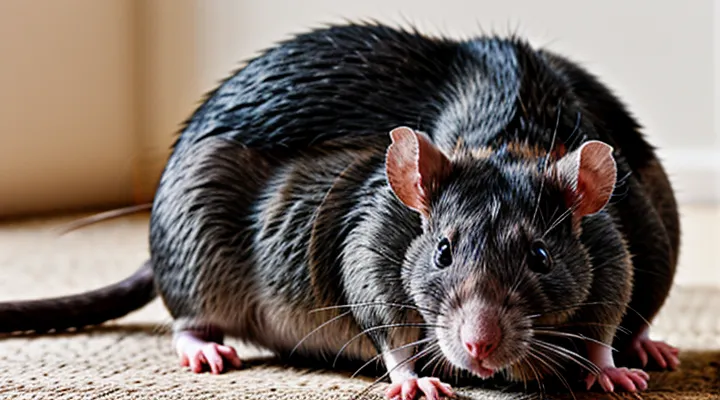
Recognizing Breathing Difficulty in Pet Rats
Common Signs to Watch For
Visible Symptoms
Rats experiencing respiratory distress display several observable signs that indicate compromised breathing. Recognizing these manifestations allows timely intervention and reduces the risk of severe complications.
- Open‑mouth breathing, especially when the rat holds its mouth ajar while at rest.
- Rapid or shallow respiration, noticeable as a quick rise and fall of the chest wall.
- Audible wheezing, crackles, or whistling sounds during inhalation or exhalation.
- Nasal discharge that may be clear, cloudy, or tinged with blood.
- Flared nostrils, with the external nares appearing enlarged during each breath.
- Lethargy coupled with a tendency to remain in a hunched posture, indicating reduced oxygen intake.
- Pale or bluish discoloration of the gums and inner ear pinna, reflecting low oxygen saturation.
- Unusual head bobbing or “paddling” motions, often a compensatory effort to increase airflow.
Additional observations may include reduced appetite, weight loss, and a reluctance to move, all of which can be secondary to inadequate ventilation. Prompt veterinary assessment is advisable when any combination of these symptoms appears, as they often signal underlying infections, allergic reactions, or environmental irritants that impair the rat’s respiratory function.
Auditory Clues
Auditory observations provide immediate insight into a rat’s respiratory condition. A high‑pitched wheeze heard during quiet moments often indicates airway obstruction, such as nasal discharge or a foreign object lodged in the nasal passage. A low, crackling sound that intensifies with movement suggests fluid accumulation in the lungs, commonly associated with pneumonia or heart‑related edema. Continuous soft snoring or snorting while the animal rests may reflect chronic nasal congestion from sinusitis or allergic inflammation.
Key auditory signs and their most probable underlying issues:
- Sharp wheezing: upper respiratory infection, nasal blockage, or tracheal irritation.
- Soft crackles on inspiration: pulmonary fluid, pneumonia, or congestive heart failure.
- Persistent snorting or snoring: chronic sinus congestion, allergic rhinitis, or dental malocclusion affecting nasal airflow.
- Gurgling or bubbling sounds during exhalation: aspiration of liquid or food particles into the airway.
Monitoring these sounds alongside visual symptoms enables early identification of the specific cause and guides prompt veterinary intervention.
Behavioral Changes
Respiratory distress in pet rats often manifests through distinct behavioral alterations. Observers should note any deviation from normal activity patterns, as these signs frequently precede more obvious physical symptoms.
- Decreased exploration: Rats that normally scurry around cages may linger in one spot or avoid climbing structures.
- Reduced grooming: A decline in self‑cleaning behavior can indicate discomfort or weakness.
- Social withdrawal: Affected individuals may isolate themselves from cage mates, showing less interest in communal play.
- Altered feeding habits: Hesitation to approach food, slower eating, or complete loss of appetite may accompany breathing compromise.
- Lethargy and prolonged resting: Excessive sleep or unwillingness to engage in typical bursts of activity suggests reduced oxygen intake.
These behavioral cues are valuable early indicators of underlying respiratory issues such as upper airway infections, allergic reactions, or structural abnormalities. Prompt recognition allows timely veterinary assessment, which can prevent progression to severe respiratory failure.
Primary Causes of Respiratory Issues
Respiratory Infections
Mycoplasma pulmonis
Mycoplasma pulmonis is a cell‑wall‑deficient bacterium that colonizes the respiratory tract of laboratory and pet rats, frequently leading to chronic pulmonary disease. The organism adheres to ciliated epithelium, evading immune clearance and provoking inflammation that narrows airways.
Typical manifestations include:
- Rapid, shallow breaths
- Audible wheezing or crackles
- Nasal or ocular discharge
- Reduced activity and weight loss
- Occasional fever
Transmission occurs through direct contact, aerosolized secretions, and contaminated bedding. Overcrowding, poor ventilation, and stress increase infection risk. The pathogen persists in carrier animals that may show no overt signs, creating a reservoir for ongoing spread.
Diagnosis relies on:
- Clinical observation of respiratory signs
- Radiographic evidence of lung consolidation
- Polymerase chain reaction or culture of tracheal swabs to confirm Mycoplasma DNA
Therapeutic protocols combine antimicrobial agents—most commonly macrolides such as tylosin or azithromycin—with supportive care, including humidified environments and nutritional supplementation. Early intervention improves outcomes; delayed treatment often results in irreversible lung damage.
Prevention emphasizes strict hygiene, regular cage cleaning, adequate airflow, and quarantine of new arrivals for at least two weeks. Routine health screening of breeding colonies helps identify asymptomatic carriers and limit outbreaks.
Bacterial Infections
Bacterial infections are a frequent source of respiratory distress in domestic rats. Pathogens commonly implicated include Streptococcus pneumoniae, Mycoplasma pulmonis, Pasteurella multocida, and Bordetella bronchiseptica. These organisms colonize the upper airway, provoke inflammation, and may progress to pneumonia, producing labored breathing, nasal discharge, and audible wheezes.
Diagnosis relies on a combination of clinical observation and laboratory testing. Veterinarians typically perform:
- Physical examination focusing on respiratory rate, effort, and auscultation findings.
- Radiographic imaging to identify pulmonary infiltrates or consolidation.
- Microbial culture or polymerase chain reaction (PCR) on nasal swabs, tracheal washes, or lung tissue to identify the specific bacterium.
- Hematology to detect leukocytosis or neutrophilia indicative of infection.
Effective treatment requires targeted antimicrobial therapy. Empirical choices often start with doxycycline or enrofloxacin, adjusted according to sensitivity results. Supportive care includes humidified air, fluid therapy, and nutritional support to maintain body condition during recovery.
Prevention emphasizes strict hygiene and quarantine practices. Measures that reduce bacterial exposure are:
- Regular cage cleaning with disinfectants effective against Gram‑positive and Gram‑negative organisms.
- Isolation of new arrivals for at least two weeks, with health monitoring before integration.
- Limiting contact with other species that may carry respiratory pathogens.
Prompt identification and appropriate antimicrobial intervention markedly improve outcomes for affected rats, minimizing the risk of chronic respiratory disease.
Viral Infections
Respiratory distress in pet rats can stem from viral agents that target the upper and lower airways. Viral replication damages ciliated epithelium, disrupts mucociliary clearance, and provokes inflammatory edema, all of which impair airflow.
- Sendai virus (murine parainfluenza) – primary cause of acute rhinitis and pneumonia.
- Rat coronavirus – associated with interstitial pneumonia and bronchiolar inflammation.
- Rat parvovirus – occasionally produces secondary respiratory signs during systemic infection.
Typical manifestations include nasal discharge, audible wheezing, rapid shallow breaths, and reduced activity. Fever or ocular discharge may accompany the primary respiratory signs, indicating systemic involvement.
Diagnosis relies on a combination of clinical assessment and laboratory testing. Nasal swabs or lung tissue processed by PCR provide definitive identification of viral nucleic acids. Radiography reveals pulmonary infiltrates, while complete blood counts may show lymphopenia characteristic of viral infection.
Therapeutic measures focus on supportive care. Supplemental oxygen, humidified environments, and fluid therapy address hypoxia and dehydration. Antiviral drugs are rarely indicated; broad‑spectrum antibiotics are reserved for confirmed secondary bacterial infections. Immunomodulatory agents should be used cautiously, as they may exacerbate viral replication.
Preventive strategies include strict quarantine of new arrivals, regular health screening, and vaccination where available. Maintaining optimal cage hygiene, controlling humidity, and minimizing stress reduce viral transmission risk. Isolation of symptomatic individuals curtails outbreak spread within a colony.
Environmental Factors
Ammonia Levels
Ammonia accumulation in a rat’s enclosure directly impacts respiratory health. High concentrations irritate the nasal passages and lungs, leading to labored breathing, wheezing, and increased risk of infection.
Typical sources include urine and feces that decompose in a poorly ventilated cage. When ammonia exceeds 10 ppm, rats often exhibit signs of distress; levels above 20 ppm can cause chronic inflammation and permanent damage to the respiratory tract.
Effective management relies on regular monitoring and environmental control:
- Measure ammonia with a calibrated detector at least weekly.
- Clean the cage daily, removing soiled bedding and spot‑cleaning waste.
- Replace bedding entirely every 1–2 weeks to prevent buildup.
- Ensure adequate airflow by using cages with ventilation slots or placing fans at low speed.
- Maintain a temperature range of 18–24 °C; higher temperatures accelerate ammonia volatilization.
Implementing these practices keeps ammonia within safe limits, reduces respiratory strain, and supports overall well‑being of pet rats.
Dust and Bedding
Dust and bedding are common environmental factors that can impair a pet rat’s respiratory function. Many commercial bedding products release fine particles that remain suspended in the air, especially when the cage is disturbed. Inhalation of these particles irritates the nasal passages and lungs, leading to sneezing, nasal discharge, labored breathing, and, in severe cases, pneumonia.
The composition of the bedding determines the level of airborne dust. Aspen shavings, paper-based substrates, and kiln‑dried hardwood chips typically produce less particulate matter than pine or cedar, which contain aromatic oils and high dust content. Even low‑dust products can become problematic if the cage is not cleaned regularly, allowing dust to accumulate on surfaces and in the filter.
Ventilation interacts with bedding quality. Poor airflow traps dust, increasing the concentration of irritants. Adequate cage ventilation, combined with a low‑dust substrate, reduces the risk of chronic respiratory irritation.
Practical measures to minimize dust‑related breathing problems:
- Choose bedding made from aspen, paper pulp, or specialized low‑dust rodent products.
- Avoid pine, cedar, or scented bedding that emits volatile compounds.
- Replace bedding completely at least once a week; spot‑clean daily to remove soiled material.
- Maintain cage ventilation by using a mesh top or a fan‑assisted airflow system.
- Monitor the rat for signs of nasal discharge or wheezing after bedding changes; revert to a different substrate if symptoms appear.
Implementing these steps directly reduces inhaled particulate exposure, supporting clearer airways and healthier respiration in pet rats.
Allergens
Allergens are a frequent trigger of respiratory distress in domestic rats. Inhaled particles can irritate the nasal passages and lungs, leading to rapid, shallow breathing, audible wheezing, or audible snorting. Common sources include:
- Wood shavings that release dust or contain mold spores
- Pollen that settles on bedding or cage surfaces
- Household chemicals such as disinfectants, aerosol sprays, and scented cleaners
- Tobacco smoke and vaping emissions that infiltrate the enclosure
- Fibrous materials like paper towels or cotton fibers that become airborne during handling
Exposure often produces inflammation of the upper airway, increased mucus production, and constriction of the bronchial passages. Rats may exhibit nasal discharge, sneezing, or a change in activity level as secondary signs. Reducing allergen load involves selecting low‑dust bedding (e.g., paper‑based or aspen), maintaining strict cage hygiene, and locating the enclosure away from drafts, windows, or areas where smoking occurs. When cleaning, use fragrance‑free, mild detergents and allow sufficient drying time before re‑introducing the animal.
If symptoms appear despite preventive measures, a veterinarian may prescribe antihistamines, bronchodilators, or corticosteroids to control inflammation. Monitoring the rat’s breathing rate and behavior during treatment provides feedback on allergen impact and therapeutic effectiveness.
Humidity
Humidity directly influences respiratory health in small rodents. Excessive moisture lowers air quality by encouraging mold, bacterial growth, and aerosolized pathogens, all of which can irritate the nasal passages and lungs. Low humidity, on the other hand, dries mucosal membranes, reducing their ability to trap and expel particles, which can lead to inflammation and compromised airflow.
Key ways humidity contributes to breathing difficulty in pet rats:
-
Elevated relative humidity (>60 %)
- Promotes fungal spores (e.g., Aspergillus) that colonize the upper airway.
- Increases the concentration of airborne bacteria and dust mites.
- Creates a warm, damp environment favoring respiratory infections such as pneumonia.
-
Reduced relative humidity (<30 %)
- Desiccates nasal epithelium, impairing mucociliary clearance.
- Facilitates the formation of static dust particles that are readily inhaled.
- Triggers bronchoconstriction in susceptible individuals.
Maintaining an optimal humidity range (40‑55 %) mitigates these risks. Use a calibrated hygrometer to monitor conditions, employ dehumidifiers or humidifiers as needed, and ensure proper ventilation to prevent stagnant air. Regular cleaning eliminates mold and reduces pathogen load, further protecting the rat’s airway function.
Other Medical Conditions
Heart Disease
Heart disease frequently underlies respiratory distress in domestic rats. Impaired cardiac function reduces blood flow to the lungs, leading to fluid accumulation, reduced oxygen exchange, and labored breathing.
Typical cardiac conditions affecting pet rats include:
- Congestive heart failure caused by left‑ventricular insufficiency
- Dilated or hypertrophic cardiomyopathy
- Valvular insufficiencies, especially of the aortic or mitral valves
- Pericardial effusion resulting from infection or neoplasia
Clinical signs that often accompany cardiac involvement are:
- Rapid, shallow breaths
- Nasal flaring or audible wheezes
- Cyanotic mucous membranes
- Lethargy and decreased appetite
- Abdominal swelling from ascites
Veterinary assessment should combine physical examination with diagnostic tools such as thoracic radiography, echocardiography, and electrocardiography. Blood analysis for cardiac biomarkers (e.g., troponin I) can confirm myocardial injury.
Management strategies focus on stabilizing circulation and reducing pulmonary congestion. Common interventions comprise:
- Diuretics (e.g., furosemide) to remove excess fluid
- ACE inhibitors or angiotensin‑II receptor blockers to decrease cardiac workload
- Positive inotropes (e.g., pimobendan) for contractility support
- Supplemental oxygen during acute episodes
Long‑term care involves regular monitoring of weight, respiratory rate, and heart rhythm, along with dietary adjustments to limit sodium intake and maintain optimal body condition. Early detection of cardiac abnormalities markedly improves prognosis for rats experiencing breathing difficulty.
Tumors
Tumors are a recognized source of respiratory impairment in pet rats. Neoplastic growths can obstruct airways, reduce lung capacity, or compress thoracic structures, leading to measurable breathing difficulty.
Typical tumor locations that affect ventilation include:
- Nasal cavity and sinus tissue
- Larynx and trachea
- Bronchial tree and lung parenchyma
- Mediastinal lymph nodes and thymus
Affected rats commonly display:
- Increased respiratory rate or effort
- Audible wheezing or stridor
- Nasal discharge or sneezing
- Reduced activity and weight loss
Diagnostic protocol generally involves:
- Physical examination with auscultation of thoracic sounds
- Radiographic imaging to identify masses or pulmonary infiltrates
- Computed tomography for detailed anatomic assessment
- Tissue sampling via fine‑needle aspiration or biopsy for histopathologic classification
Therapeutic measures depend on tumor type and stage. Options include surgical removal of accessible masses, chemotherapy protocols for malignant lesions, and palliative care such as oxygen supplementation and analgesia. Survival prospects correlate with early detection, complete excision, and tumor aggressiveness.
Allergic Reactions
Allergic reactions can precipitate respiratory distress in pet rats. Inhaled or contact allergens trigger inflammation of the upper and lower airways, leading to increased resistance to airflow and reduced oxygen exchange. Common allergens include dust from bedding, mold spores, cleaning agents, and proteins from food items such as soy or wheat. Direct exposure to these substances may cause swelling of the nasal passages, bronchoconstriction, and excess mucus production, all of which impair breathing.
Key clinical indicators of an allergic episode are:
- Audible wheezing or rapid, shallow breaths
- Nasal discharge that is clear or slightly mucoid
- Sneezing or frequent nose rubbing
- Facial swelling, especially around the eyes and muzzle
- Sudden onset of symptoms after a change in environment or diet
Veterinary assessment should involve a thorough history of recent environmental modifications, dietary changes, and any new products introduced to the cage. Diagnostic steps may include:
- Physical examination focusing on the respiratory tract
- Cytology of nasal secretions to detect eosinophils
- Allergen skin testing or serum IgE measurement when available
- Radiographic imaging to rule out concurrent infections or structural abnormalities
Management centers on eliminating the offending allergen and supporting airway function. Immediate measures consist of:
- Removing contaminated bedding and replacing it with low‑dust, hypoallergenic material such as paper pulp
- Switching to a bland, grain‑free diet if food proteins are suspected
- Cleaning the cage with mild, fragrance‑free solutions and rinsing thoroughly
- Administering prescribed antihistamines or corticosteroids to reduce inflammation, under veterinary guidance
Long‑term prevention requires maintaining a stable, low‑allergen environment. Regular monitoring for recurrence after any environmental change helps identify hidden triggers before they cause severe breathing impairment.
When to Seek Veterinary Care
Urgent Symptoms
Respiratory distress in a pet rat can progress rapidly; recognizing emergency signs is essential for timely veterinary intervention.
Urgent symptoms include:
- Open‑mouth breathing or panting at rest
- Audible wheezing, rattling, or high‑pitched squeaks during inhalation
- Rapid, shallow breaths exceeding 150 breaths per minute
- Visible effort such as flared nostrils, abdominal contractions, or neck muscle tension
- Bluish discoloration of the gums, tongue, or skin indicating cyanosis
- Collapse, loss of coordination, or sudden immobility
- Unexplained bleeding from the nose or mouth
- Persistent choking or gagging without relief
If any of these manifestations appear, seek professional care immediately. Delay increases the risk of irreversible damage or death, regardless of the underlying cause.
Importance of Early Intervention
Early detection of respiratory distress in a pet rat dramatically improves treatment outcomes. When a rat exhibits labored breathing, nasal discharge, or abnormal sounds, prompt veterinary assessment can prevent progression to severe illness.
Timely action offers several advantages:
- Rapid identification of underlying conditions such as bacterial pneumonia, viral infection, allergic reaction, or exposure to irritants.
- Immediate initiation of appropriate therapy, including antibiotics, anti‑inflammatories, or environmental modifications.
- Reduction of stress on the animal’s cardiovascular system, decreasing the risk of secondary complications.
- Shortened recovery period, which minimizes disruption to the rat’s normal activity and social behavior.
Owners should monitor for subtle changes:
- Increased respiratory rate at rest.
- Audible wheezing or clicking during exhalation.
- Persistent sneezing or clear mucus.
- Reduced appetite or lethargy accompanying breathing signs.
If any of these indicators appear, contacting a veterinarian within hours is advisable. Early intervention also facilitates diagnostic testing—radiography, culture, or blood work—while the disease is still in a manageable stage. Consequently, the probability of full recovery rises, and long‑term health complications are less likely.
Preventive Measures
Optimal Cage Environment
Ventilation
Ventilation directly influences respiratory health in pet rats. Inadequate air exchange can raise concentrations of ammonia, dust, and volatile organic compounds, all of which irritate the nasal passages and lung tissue. Elevated ammonia levels result from urine and feces accumulating in confined spaces; without sufficient airflow, the gas persists, causing mucosal inflammation and increasing the risk of pneumonia.
Key ventilation-related factors:
- Air turnover rate – at least 10–15 air changes per hour prevent buildup of harmful gases.
- Fresh‑air source – a window, vent, or filtered fan introduces oxygen‑rich air while removing stale air.
- Humidity control – relative humidity between 40 % and 60 % reduces pathogen survival without promoting mold growth.
- Draft avoidance – strong currents can chill the animal’s respiratory tract, leading to bronchoconstriction.
Owners should assess cage design for airflow openings, employ low‑noise fans if natural ventilation is limited, and monitor ammonia with simple test strips. Regular cleaning combined with proper ventilation minimizes irritants, supporting normal breathing and reducing the likelihood of respiratory disease.
Bedding Choices
Bedding material directly influences the quality of air that pet rats inhale, affecting the likelihood of respiratory distress. Dust particles, volatile compounds, and microbial growth from inappropriate substrates can obstruct nasal passages and irritate lung tissue.
Safe options include:
- Paper-based products (e.g., shredded paper, paper pellets)
- Aspen shavings, free of aromatic oils
- Coconut husk fibers, low in dust when properly processed
- Hemp bedding, minimal particulate release
Materials that increase risk:
- Cedar or pine shavings, containing phenols and high dust levels
- Corncob bedding, prone to mold in humid conditions
- Dusty cellulose or straw, generating airborne particles
- Scented or chemically treated substrates, releasing irritants
Select bedding that remains dry, low‑dust, and free of strong odors. Change the substrate at least once a week, and perform spot cleaning daily to remove urine and feces that foster bacterial growth. Store unused bedding in a sealed container to prevent contamination.
Consistently using low‑dust, non‑aromatic bedding reduces the exposure of rats to respiratory irritants, supporting clearer airways and healthier breathing patterns.
Cleaning Regimen
Improper cage hygiene frequently contributes to respiratory distress in domestic rats. Accumulated urine, feces, and dust elevate ammonia levels and foster mold growth, both of which irritate the upper airway and can trigger labored breathing.
A systematic cleaning routine reduces these hazards.
- Daily: Remove soiled bedding, wipe visible waste, and replenish fresh water.
- Every 2–3 days: Spot‑clean corners and accessories with a damp cloth to limit dust buildup.
- Weekly: Empty the entire cage, discard all bedding, and wash the interior with warm water and a mild, non‑toxic detergent. Rinse thoroughly to eliminate residue.
- Bi‑weekly: Disinfect the cage, food dishes, and toys using a diluted veterinary‑approved sanitizer; allow a complete drying period before reassembly.
- Monthly: Replace all fabric liners, filter any ventilation components, and inspect for signs of mold or mildew.
Each step targets a specific irritant. Daily waste removal curbs ammonia production; regular dust removal lowers airborne particulates; weekly washing eliminates lingering bacterial colonies; bi‑weekly sanitization destroys pathogens that may colonize the respiratory tract; monthly checks prevent mold colonization on soft materials.
Use bedding made of low‑dust wood shavings or paper, avoid scented cleaners, and maintain ambient airflow around the cage. Consistent adherence to this regimen creates an environment that minimizes the primary contributors to breathing difficulty in pet rats.
Nutritional Support
Adequate nutrition can mitigate respiratory distress in pet rats by strengthening the immune system, reducing inflammation, and supporting tissue repair.
Key nutrients that influence respiratory health include:
- Vitamin C – antioxidant that limits oxidative damage in airway tissues.
- Vitamin E – protects cell membranes from lipid peroxidation, helping maintain lung integrity.
- Omega‑3 fatty acids – eicosapentaenoic and docosahexaenoic acids modulate inflammatory pathways, decreasing mucus production and airway swelling.
- Zinc – essential for enzymatic functions that combat pathogens and promote epithelial regeneration.
- Protein – high‑quality sources (e.g., boiled egg, lean meat) supply amino acids required for the synthesis of respiratory muscles and immune proteins.
Practical feeding recommendations:
- Offer a balanced commercial rat diet fortified with the above vitamins and minerals; verify that the formulation lists added vitamin C, vitamin E, and zinc.
- Supplement with fresh foods: small portions of cooked chicken or turkey for protein; a few drops of fish oil for omega‑3s; a slice of orange or a few berries for natural vitamin C.
- Ensure constant access to clean, fresh water to facilitate mucociliary clearance and prevent dehydration of airway surfaces.
- Avoid high‑fat, high‑sugar treats that can exacerbate obesity, a risk factor for reduced lung capacity and compromised breathing.
Monitoring guidelines:
- Observe body condition score weekly; maintain a lean but healthy physique to reduce respiratory load.
- Record any changes in breathing patterns after dietary adjustments; improvement within a few days suggests a positive nutritional impact.
- Consult a veterinarian if symptoms persist despite optimized feeding, as underlying infections or anatomical issues may require medical intervention.
Stress Reduction
Breathing irregularities in pet rats often stem from environmental and physiological factors; chronic stress can exacerbate airway constriction and mucus production, worsening respiratory efficiency.
Stress activates the sympathetic nervous system, increasing heart rate and causing rapid, shallow breaths. Elevated cortisol levels may suppress immune function, allowing infections to develop more readily and intensify existing breathing problems.
Effective stress mitigation includes:
- Providing a quiet, low‑traffic enclosure with adequate hiding spaces.
- Maintaining stable temperature (18‑22 °C) and humidity (40‑60 %).
- Offering a consistent routine for feeding, cleaning, and handling.
- Limiting exposure to loud noises, sudden movements, and unfamiliar scents.
- Using gentle handling techniques: support the body, avoid grasping the tail, and keep sessions brief.
- Introducing enrichment items such as chew toys and tunnels to encourage natural foraging behavior.
Regular observation of respiratory rate, nasal discharge, and activity level helps gauge the impact of stress reduction measures. Improvements in breathing patterns typically appear within days of establishing a calmer environment and routine.