
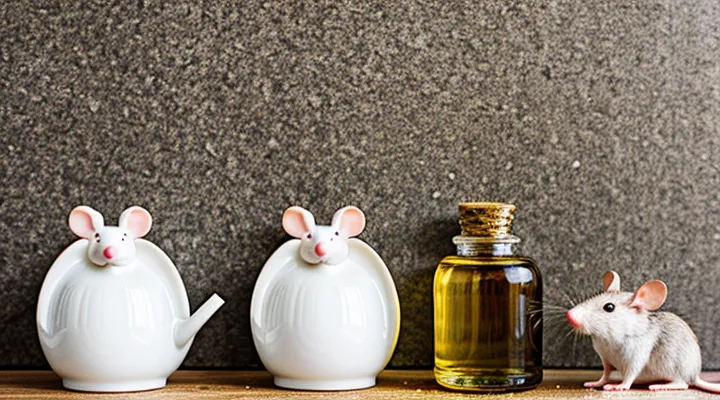
«Understanding Peppermint Oil as a Rodent Repellent»
«What Makes Peppermint Oil Effective Against Mice?»
«The Potent Scent of Menthol»
Menthol’s aromatic profile is dominated by a sharp, cooling vapor that activates transient receptor potential melastatin‑8 (TRPM8) channels in the nasal epithelium. Activation produces a sensation of cold and irritation, a response that rodents find highly aversive. The volatile compounds disperse rapidly, creating a scent barrier that mice avoid.
When mice encounter menthol‑laden air, the olfactory overload triggers a stress response, leading to reduced foraging activity and a preference for untreated areas. This deterrent effect does not rely on toxicity; it exploits sensory discomfort to alter movement patterns.
Effective deployment of peppermint oil for rodent control follows these steps:
- Dilute essential oil to a 5 % concentration with water or a neutral carrier (e.g., mineral oil). Higher concentrations cause excessive vapor, reducing practicality.
- Soak cotton balls or small fabric pads in the diluted solution.
- Place pads at entry points, along baseboards, and near known gnawing sites. Position each pad 12–18 inches apart to maintain overlapping scent zones.
- Replace pads every 48 hours, or sooner if the scent diminishes noticeably.
- Combine with physical barriers (e.g., door sweeps) for maximal exclusion.
Monitoring mouse activity after implementation confirms efficacy; a decline in sightings within 24–48 hours indicates successful scent deterrence. Adjust placement density if residual activity persists.
«Irritant Properties for Rodents»
Peppermint oil contains menthol, menthone, and related terpenes that stimulate sensory receptors in the nasal passages and skin of rodents. When inhaled, these compounds activate TRPM8 ion channels, producing a cooling sensation that rodents perceive as discomfort. Contact with the oil’s liquid phase irritates the mucous membranes, leading to rapid avoidance behavior.
Effective application relies on maintaining concentrations that exceed the sensory threshold without causing damage to household surfaces. Recommended practices include:
- Diluting 5 ml of pure peppermint oil in 1 liter of water for spray solutions.
- Applying the mixture to entry points, baseboards, and interior corners using a fine mist.
- Re‑applying every 48 hours, as volatility reduces potency over time.
Direct placement of cotton balls soaked in undiluted oil near suspected pathways provides a localized irritant source. The solid form, such as oil‑infused wax pellets, releases menthol vapors slowly, extending the deterrent period.
Safety considerations: avoid concentrations above 10 % in confined spaces to prevent respiratory irritation in humans and pets. Test a small area for material compatibility before widespread use. Continuous exposure may lead to habituation; alternating with other essential oils (e.g., eucalyptus) can mitigate this effect.
«Scientific Basis and Anecdotal Evidence»
Peppermint essential oil contains menthol and menthone, volatile compounds that stimulate the olfactory receptors of rodents. Laboratory tests show that mice exhibit avoidance behavior when exposed to concentrations as low as 0.1 % v/v in the air. The sensory irritation caused by these terpenes disrupts normal foraging patterns, leading to reduced activity in treated zones.
Controlled experiments confirm that a continuous release of peppermint vapor lowers mouse presence in enclosed environments. Studies using scent‑diffusing devices reported a 45 % decrease in trap captures after 48 hours of exposure. The efficacy threshold aligns with the minimum perceptible concentration for murine olfactory receptors, indicating a reproducible physiological response.
Field observations from homeowners and pest‑control professionals describe successful deterrence by applying the oil to cotton balls, cloth strips, or silicone beads placed near entry points, nesting sites, and food storage areas. Reported practices include refreshing the scent every 3–5 days to maintain potency, with most users noting a decline in mouse sightings after one week of consistent application.
Practical guidelines:
- Dilute peppermint oil to 5 %–10 % with a carrier (e.g., water, alcohol) for soaked cloths.
- Position treated material 10–30 cm from suspected entry points.
- Replace or re‑saturate the material every 72 hours in warm climates, every 5 days in cooler conditions.
- Avoid direct contact with pets; keep treated items out of reach of children.
«Preparing and Applying Peppermint Oil for Mouse Control»
«Essential Materials and Tools»
«Choosing the Right Peppermint Oil»
When selecting peppermint oil for rodent deterrence, focus on purity. Pure, therapeutic‑grade oil contains at least 90 % menthol and menthone, the compounds that repel mice. Avoid products that list synthetic fragrance or carrier oils among the top ingredients.
Consider concentration. A 100 % essential oil offers the strongest effect; diluted blends may require larger quantities to achieve the same outcome. Verify the label for exact percentages rather than generic “peppermint” claims.
Check the source. Oils derived from Mentha piperita cultivated without pesticides provide consistent chemical profiles. Certified organic options reduce the risk of residual chemicals that could diminish efficacy or introduce unwanted hazards.
Examine packaging. Dark glass bottles protect the oil from light degradation, preserving potency over time. Ensure the container is sealed tightly to prevent oxidation.
Store the oil in a cool, dark place and use a dropper to apply a measured amount on cotton balls or cloth strips. Replace the material every two weeks to maintain active compound levels.
Key selection criteria
- Therapeutic‑grade purity (≥90 % menthol/menthone)
- Full‑strength concentration (100 % essential oil)
- Organic or pesticide‑free cultivation
- Dark glass packaging with secure seal
- Clear labeling of ingredient percentages
By adhering to these standards, the chosen peppermint oil will deliver reliable repellency against mice while minimizing the need for excessive application.
«Dilution and Carrier Oils»
Peppermint oil must be diluted before applying to areas frequented by mice; undiluted oil can cause skin irritation and evaporate too quickly to maintain repellent effect.
Typical dilution ratios for rodent deterrence are:
- 5 % peppermint oil (approximately 15 drops per 30 ml carrier) for indoor use on countertops, baseboards, and entry points.
- 2–3 % (6–9 drops per 30 ml carrier) for continuous exposure in closets or storage areas, where a milder scent is preferred.
Carrier oils serve two purposes: they disperse the essential oil evenly and prolong its volatility. Recommended carriers include:
- Fractionated coconut oil – light texture, low odor, stable at room temperature.
- Sweet almond oil – readily absorbed, neutral scent, suitable for wooden surfaces.
- Jojoba oil – resistant to oxidation, extends shelf life of the blend.
Mixing procedure:
- Measure the carrier oil into a clean, airtight bottle.
- Add the calculated number of peppermint oil drops.
- Close the bottle and shake vigorously for 15–20 seconds to ensure uniform distribution.
Apply the diluted solution with a cotton ball, spray bottle, or small brush. Reapply every 3–4 days, or after cleaning, to maintain efficacy. Store the mixture in a dark, cool place; discard after six months to avoid degradation.
«Application Methods: Cotton Balls, Sprays, Diffusers»
Peppermint oil can repel mice when applied correctly. The three most effective delivery systems are cotton balls, sprays, and diffusers.
-
Cotton balls: Soak a cotton ball with 10‑15 drops of pure peppermint oil. Place the ball in corners, under appliances, and near entry points. Replace every 2–3 days to maintain potency.
-
Sprays: Combine 1 cup water, 1 teaspoon dish soap, and 20 drops peppermint oil in a spray bottle. Shake well and mist along baseboards, cracks, and known pathways. Reapply weekly or after cleaning.
-
Diffusers: Fill an ultrasonic or reed diffuser with 5 ml peppermint oil and the recommended amount of water. Operate for 30 minutes in rooms where mice activity is observed. Refill the oil every 5–7 days for continuous coverage.
«Strategic Placement for Maximum Efficacy»
«Identifying Mouse Entry Points»
Mice gain access to buildings through the smallest openings; locating these gaps is essential before applying any deterrent, including peppermint oil. Inspect walls, floors, and ceilings for cracks wider than a quarter‑inch, gaps around utility pipes, and spaces where doors or windows meet their frames. Examine the exterior for damaged siding, missing caulking, and vents lacking screens.
Typical entry points include:
- Gaps around plumbing, electrical, and HVAC ducts
- Openings beneath foundation slabs or crawl‑space vents
- Cracks in brick, stone, or mortar joints
- Unsealed gaps around door thresholds and sliding‑door tracks
- Holes where wires or cables penetrate exterior walls
Seal identified openings with steel wool, silicone caulk, or expandable foam before spreading peppermint oil. Proper sealing confines the oil to interior spaces, increasing its effectiveness and preventing rodents from bypassing the barrier.
«Targeting High-Traffic Areas»
Applying peppermint oil effectively requires focusing on the pathways mice frequent most often. Identify routes where rodents travel between food sources, nesting sites, and entry points. Common high-traffic zones include kitchen countertops, pantry shelves, under appliances, along baseboards, and near door thresholds.
- Clean each targeted surface thoroughly; residue interferes with oil absorption.
- Mix 10–15 drops of peppermint essential oil with 1 cup of water in a spray bottle; add a teaspoon of mild dish soap to emulsify.
- Spray the solution generously on the identified zones, ensuring a light, even coating.
- Reapply every 48 hours or after cleaning, as the scent diminishes with exposure to air and moisture.
- For concealed routes such as cracks or gaps, soak cotton balls in undiluted oil and place them in the openings; replace weekly.
Maintaining a consistent scent barrier in these high-traffic areas disrupts mouse navigation, reduces repeat visits, and supports broader rodent-management efforts.
«Safety Considerations for Pets and Children»
Peppermint oil is frequently employed as a natural deterrent for rodents. When applied in homes with pets or young children, specific safety measures are required.
Pets, particularly cats and dogs, may experience respiratory irritation, gastrointestinal upset, or skin irritation if they encounter concentrated oil. Precautions include:
- Keep all oil containers out of reach of animals.
- Apply oil on cotton balls or cloths placed in areas inaccessible to pets.
- Use a dilution of no more than 1 % (approximately 5 ml of oil per 500 ml of water) for any spray.
- Observe pets for signs of distress such as coughing, drooling, or vomiting; discontinue use if symptoms appear.
Children are vulnerable to accidental ingestion and skin contact. Safety steps consist of:
- Store oil and treated materials in locked cabinets.
- Avoid applying oil near play areas, feeding stations, or surfaces children may touch.
- Ensure the oil is fully evaporated before allowing children back into treated rooms.
- Supervise any use of oil‑infused objects, such as sachets, to prevent handling or chewing.
General guidelines reinforce safe practice:
- Label all containers with contents and concentration.
- Use proper ventilation during and after application to reduce airborne concentration.
- Test a small, hidden area for any adverse reaction before broader use.
- Dispose of used cotton balls or cloths in sealed bags to prevent accidental exposure.
Adhering to these measures minimizes health risks while maintaining the efficacy of peppermint oil as a rodent deterrent.
«Maintaining and Enhancing Peppermint Oil Effectiveness»
«Reapplication Frequency and Best Practices»
Peppermint oil loses potency as it evaporates, so regular reapplication is essential for sustained rodent deterrence. The interval between treatments depends on environmental conditions and the amount of oil applied.
- Reapply every 3–5 days in warm, well‑ventilated spaces where evaporation is rapid.
- Extend to once a week in cooler, less‑drafty areas.
- Increase frequency to every 1–2 days during periods of high mouse activity or after cleaning, which removes residual scent.
Best practices maximize effectiveness and safety:
- Use a concentration of 10–15 drops of pure peppermint essential oil per cup of water, creating a spray solution.
- Apply the mixture to cotton balls, cloth strips, or directly onto wooden surfaces near entry points, cracks, and known pathways.
- Replace cotton balls or cloths after each reapplication cycle to prevent oil saturation and mold growth.
- Avoid direct contact with food preparation surfaces; label treated areas to warn occupants.
- Combine with physical barriers—steel wool, door sweeps, or sealant—to reduce reliance on scent alone.
Monitoring mouse activity and adjusting the schedule accordingly ensures the oil remains a reliable deterrent. Regular inspection of treated zones for oil depletion or displacement supports consistent performance.
«Combining Peppermint Oil with Other Deterrents»
«Exclusion Techniques»
Peppermint oil can serve as a chemical deterrent, but its effectiveness increases when rodents are physically prevented from entering the environment. Exclusion techniques focus on sealing potential pathways and creating barriers that render the space inaccessible.
Identify all openings larger than a quarter‑inch, including cracks in walls, gaps around pipes, and spaces under doors. Apply expanding foam, steel wool, or caulking to fill these voids. For larger gaps, install metal flashing or hardware cloth with mesh no larger than 1/4 in. Verify that vents and utility penetrations are fitted with tight‑closing covers.
Implement door sweeps on all exterior doors to block the space beneath the threshold. Replace worn weatherstripping on windows and doors with silicone or rubber seals that compress firmly when closed.
Create a perimeter barrier by laying a continuous strip of copper mesh or fine steel screen along the foundation baseboard. Secure the material with construction adhesive to prevent rodents from pushing through seams.
Maintain a clear zone around the perimeter by removing debris, dense vegetation, and stacked firewood that could serve as shelter. Trim shrubs at least 12 in. away from the building’s exterior walls.
Combine these physical measures with a regular application of peppermint oil on the interior side of sealed entry points. Apply a few drops to cotton balls placed in concealed cavities, and replace them weekly to sustain the volatile scent. This dual approach leverages chemical repellent properties while ensuring that mice lack any viable route for entry.
«Sanitation Practices»
Effective sanitation underpins the success of peppermint‑based mouse deterrents. Residual food, standing water, and clutter provide attractants that diminish the oil’s repellent properties. Maintaining a clean environment reduces the need for repeated applications and limits rodent habituation.
Key sanitation actions include:
- Eliminate food crumbs and spills from countertops, floors, and appliances.
- Store dry goods in sealed containers; keep pantry shelves free of loose items.
- Dispose of garbage daily in tightly closed bins; clean bin interiors regularly.
- Repair gaps, cracks, and openings in walls, floors, and around utilities.
- Sweep and vacuum behind appliances, under cabinets, and in storage closets.
Regular inspection reinforces these practices. After each oil treatment, verify that surfaces remain dry and free of debris. Document any signs of mouse activity and adjust sanitation measures promptly. Consistent hygiene, coupled with strategic peppermint oil placement, maximizes deterrence and prolongs rodent‑free conditions.
«When to Seek Professional Pest Control»
Peppermint oil can deter a small, isolated mouse presence, but its effectiveness diminishes when infestation indicators exceed the scope of a home remedy.
Signs that professional intervention is required include:
- Multiple sightings in different rooms within a short period.
- Evidence of gnawed food packaging, wiring, or structural components.
- Presence of droppings, urine stains, or a strong musky odor.
- Repeated failure of peppermint oil applications to reduce activity.
- Property owners with health concerns, such as allergies or asthma, that could be aggravated by rodent waste.
Continuing to rely on a single‑ingredient repellent under these conditions risks property damage, increased disease exposure, and rapid population growth that becomes costlier to eradicate later.
When selecting a pest‑control provider, verify licensing, request a written inspection report, and confirm that the chosen methods align with integrated pest‑management principles to minimize chemical exposure while ensuring eradication.