
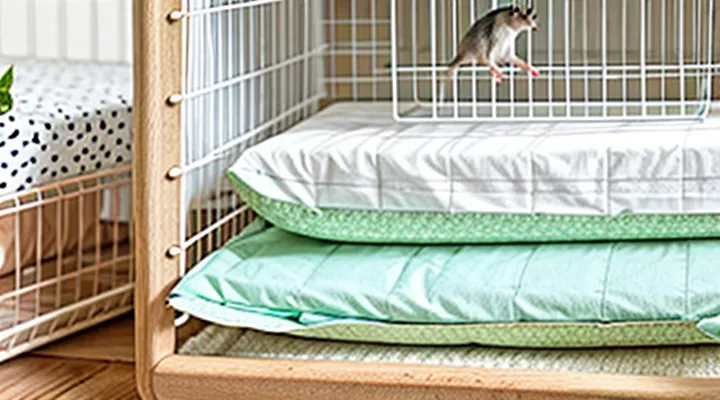
The Importance of Proper Bedding for Pet Rats
Why Bedding Matters for Rat Health
«Respiratory System Protection»
Paper-based substrate for rodent habitats offers low‑dust characteristics that directly influence the health of the respiratory tract. Fine particles suspended in the air can penetrate the nasal passages and alveoli, causing inflammation, reduced airflow, and increased susceptibility to infection. By selecting bedding with minimal fiber shedding, the concentration of airborne contaminants remains below thresholds associated with respiratory irritation.
Key considerations for protecting the respiratory system include:
- Dust content: Choose bedding rated for <5 mg m⁻³ dust emission. Laboratory measurements confirm that high‑quality paper bedding consistently falls within this range.
- Particle size distribution: Fibers larger than 10 µm settle quickly, while particles under 2.5 µm remain airborne longer. Opt for formulations that limit the proportion of sub‑2.5 µm particles.
- Ventilation: Maintain cage airflow at 30–40 L min⁻¹ per cage to dilute residual dust. Verify that airflow paths do not create dead zones where particles can accumulate.
- Cleaning schedule: Replace soiled bedding every 3–4 days. Frequent removal of waste reduces microbial growth, which can generate additional aerosolized spores.
- Monitoring: Use handheld particle counters to assess real‑time dust levels. Record readings weekly and adjust bedding depth or ventilation as needed.
Implementing these practices minimizes exposure to irritants, supports normal mucociliary clearance, and reduces the incidence of respiratory disease in laboratory rats.
«Foot Health and Comfort»
Paper-based substrate in rodent enclosures provides a dry, low‑abrasion surface that minimizes pressure points on paws. The material’s soft texture distributes weight evenly, reducing the risk of callus formation and ulceration. Because the fibers are smooth and non‑fibrous, they do not embed in the foot pads, allowing natural gait without obstruction.
Key benefits for foot health and comfort include:
- High absorbency eliminates moisture accumulation, preventing skin maceration.
- Low dust generation reduces irritation of the epidermis and respiratory tract.
- Easy replacement maintains a consistently clean surface, limiting bacterial growth that can cause infections.
- Compatibility with chew‑resistant designs prevents accidental ingestion of bedding fragments that could damage oral or foot tissues.
When selecting a suitable paper substrate, prioritize products with:
- Uniform thickness to ensure consistent cushioning.
- Certified low‑pH composition to avoid skin irritation.
- Tested biodegradability for safe disposal and minimal environmental impact.
Regular monitoring of paw condition, combined with scheduled bedding changes, supports optimal limb health and sustained activity levels in laboratory and pet rats.
Common Bedding Types and Their Characteristics
«Wood Shavings: Risks and Benefits»
Wood shavings are a common bedding option for laboratory and pet rat enclosures. Their physical properties allow easy removal of waste and provide a familiar substrate for rodents accustomed to natural environments.
Benefits
- High absorbency reduces moisture accumulation, lowering the risk of bacterial growth.
- Soft texture minimizes irritation of the skin and respiratory passages when the shavings are finely milled.
- Low cost and wide availability make them economical for large‑scale facilities.
- Biodegradable composition supports environmentally responsible disposal.
Risks
- Aromatic compounds such as phenols and terpenes can irritate the respiratory tract, especially in animals with pre‑existing sensitivities.
- Larger particle size may cause foot injuries or impede movement.
- Some wood species contain tannins or oils that can be toxic if ingested in significant amounts.
- Dust generated during handling can increase airborne particulate levels, affecting air quality.
Effective use requires selection of low‑dust, kiln‑dried shavings from non‑aromatic hardwoods such as aspen. Routine monitoring of humidity and regular replacement of soiled material mitigate moisture‑related hazards. When combined with proper ventilation, wood shavings can serve as a viable alternative to paper‑based substrates while maintaining animal welfare and experimental integrity.
«Fabric Bedding: Maintenance and Hygiene»
Fabric bedding is often combined with paper‑based substrate to provide rats with a soft, nestable surface while maintaining a dry environment. The material’s absorbency and durability make it suitable for repeated cleaning cycles.
Effective maintenance requires a regular schedule.
- Remove all soiled fabric at least once daily.
- Place the used material in a sealed container to prevent odor spread.
- Wash with hot water (≥60 °C) and a mild, non‑chlorine detergent; avoid fabric softeners that can leave residues.
- Rinse thoroughly to eliminate detergent traces.
- Dry completely before returning to the cage; moisture remaining in the fabric encourages bacterial growth.
- Replace the fabric after 2–3 weeks of use, or sooner if visible wear or staining occurs.
Hygiene considerations focus on moisture control and pathogen prevention.
- Ensure the fabric remains breathable; tightly woven synthetics can trap humidity.
- Pair fabric with a thin layer of paper bedding to absorb excess liquid and facilitate drying.
- Monitor for signs of mold, foul odor, or excessive dampness; discard the material immediately if detected.
- Use a dilute, veterinary‑approved disinfectant for occasional deep cleaning, following manufacturer‑specified contact times.
- Keep cages well‑ventilated to reduce humidity levels that compromise fabric integrity.
Selection guidelines prioritize materials that tolerate high temperatures and frequent laundering. Natural fibers such as cotton or hemp provide softness and absorbency, while polyester blends may resist shrinkage but risk retaining moisture. Evaluate the fabric’s durability, ease of cleaning, and compatibility with the paper substrate to maintain a hygienic environment for laboratory or pet rats.
Advantages of Paper Bedding for Rat Cages
«Absorbency and Odor Control»
«Keeping Cages Dry and Fresh»
Paper bedding creates a dry, absorbent base that reduces moisture buildup in rodent enclosures. Proper management of this substrate prevents ammonia accumulation, limits bacterial growth, and maintains a hygienic environment for the animals.
- Replace the paper layer at least once every 5‑7 days, or sooner if visible wet spots appear.
- Position a secondary absorbent sheet (e.g., shredded paper or kiln‑dried wood shavings) beneath the primary bedding to capture excess urine.
- Inspect the cage daily for spills; remove wet material immediately and add fresh dry paper to the affected area.
- Keep the enclosure in a well‑ventilated room; use a fan or air‑exchange system to lower relative humidity to 40‑50 %.
- Store unused bedding in a sealed container to protect it from ambient moisture.
Consistent application of these practices maintains low humidity, suppresses odor, and extends the usable life of the bedding material, resulting in healthier rodents and more reliable experimental conditions.
«Reducing Ammonia Buildup»
Ammonia accumulation in rat enclosures compromises respiratory health and can impair breeding performance. Rapid conversion of urine nitrogen to ammonia occurs when moisture and waste remain in contact with the substrate, making effective control essential.
Paper‑based bedding offers high absorbency, low pH, and minimal dust, which together limit the enzymatic activity that produces ammonia. Its porous structure traps liquid and isolates it from the air, reducing volatilization compared with wood or corncob alternatives.
Effective reduction strategies include:
- Maintaining a bedding depth of 2–3 cm to ensure sufficient capacity for liquid uptake.
- Replacing the substrate at least twice weekly; increase frequency during breeding cycles or when humidity rises above 55 %.
- Incorporating a thin layer of non‑clumping cellulose pellets beneath the primary bedding to draw moisture away from the surface.
- Ensuring cage ventilation meets a minimum of 50 L min⁻¹ per animal, with perforated side walls and top filters to promote air exchange.
- Using a mild, non‑antimicrobial cleaning solution for spot cleaning; avoid harsh chemicals that disrupt the bedding’s pH buffering.
Consistent application of these measures sustains low ammonia levels, supports animal welfare, and extends the usable life of paper substrates in rodent housing.
«Dust-Free and Hypoallergenic Properties»
«Minimizing Respiratory Irritation»
Paper-based litter reduces ammonia accumulation but can generate airborne particles that irritate rodent airways. Selecting low‑dust formulations, storing them in sealed containers, and limiting exposure to humidity preserve bedding integrity and minimize particulate release.
Key practices for controlling respiratory irritation:
- Choose products labeled “low dust” or “dust‑free”; verify with manufacturer particle‑size data.
- Keep bedding in airtight packaging until use; discard any bag that shows clumping or moisture.
- Replace litter every 5–7 days, or sooner if visible dust accumulates.
- Maintain cage ventilation rates of at least 30 L min⁻¹ per cage; monitor airflow to prevent stagnant zones.
- Clean cages with a mild, non‑volatile disinfectant; rinse thoroughly and allow complete drying before adding fresh bedding.
- Avoid mixing paper litter with high‑dust substrates such as wood shavings; if supplemental bedding is required, limit the proportion to under 10 % of total volume.
Implementing these measures sustains a breathable environment, reduces the incidence of nasal and pulmonary inflammation, and supports overall health in laboratory rats.
«Suitable for Sensitive Rats»
Paper-based litter offers a low‑dust environment that minimizes respiratory irritation in rats with heightened sensitivity. The material’s fine fibers remain largely intact during use, preventing airborne particles that could trigger allergic reactions.
Absorbency is high; each gram of substrate can hold up to 15 ml of liquid, reducing moisture accumulation and limiting bacterial growth. This property also helps control odor without the need for chemical additives, which some sensitive animals may find aversive.
The bedding is chemically inert. No dyes, fragrances, or binding agents are present, eliminating potential sources of skin irritation or digestive upset when rats ingest small amounts during grooming.
Key attributes for sensitive rodents:
- Dust content: < 0.5 % by weight, measured with standard gravimetric method.
- Absorption capacity: 15 ml g⁻¹, verified through standardized saturation testing.
- pH stability: 6.5–7.5, maintaining a neutral surface that does not disrupt skin barrier function.
- Biodegradability: 90 % breakdown within 30 days under composting conditions, ensuring environmentally safe disposal.
Compatibility with cage designs is assured; the granule size (2–4 mm) allows free movement while providing a stable platform for nesting. Routine replacement every 5–7 days maintains optimal conditions for rats prone to stress or health complications.
«Safety and Digestibility»
«Non-Toxic Materials»
Paper-based substrates for rodent enclosures must avoid chemicals that could harm animals or contaminate research data. Materials that meet safety standards contain no added dyes, bleaches, or fragrances and are free from heavy metals and volatile organic compounds. Selecting such substrates reduces the risk of respiratory irritation, dermatitis, and gastrointestinal upset in laboratory rats.
Common non‑toxic options include:
- Untreated, shredded newspaper without ink additives.
- 100 % recycled cardboard fibers, processed without chlorine bleaching.
- Unbleached, kraft‑paper sheets cut to size.
- Certified organic pulp sheets without synthetic binders.
- Plant‑derived cellulose pads that are free of formaldehyde and pesticides.
Each option provides absorbency, dust control, and ease of disposal while maintaining a clean environment for the animals and ensuring compliance with institutional animal care guidelines.
«Reduced Risk of Impaction if Ingested»
Rats occasionally gnaw or swallow bedding material, and indigestible particles can accumulate in the gastrointestinal tract, leading to impaction. Impaction is a frequent cause of morbidity in laboratory and pet rodents, especially when bedding consists of coarse, high‑density fibers.
Paper‑based substrate for rodent enclosures minimizes this risk. The material consists of finely shredded cellulose that is lightweight, highly absorbent, and readily broken down by digestive enzymes. Unlike wood shavings or corn cob granules, the fibers do not form compact masses in the stomach or intestines.
Key properties that reduce impaction:
- Low bulk density prevents the formation of hard clumps.
- Soft, pliable fibers disintegrate easily under gastric acidity.
- High water‑holding capacity keeps particles moist, limiting aggregation.
- Absence of sharp edges eliminates mechanical injury that could trigger obstruction.
- Non‑toxic composition eliminates secondary health concerns if ingested.
Veterinary guidelines cite paper bedding as the preferred option for facilities where ingestion risk is a priority. Empirical data indicate a measurable decline in impaction incidents when paper substrate replaces traditional wood or corn‑based materials. Consequently, selecting paper‑based bedding directly supports gastrointestinal health in rats.
«Environmental Friendliness»
«Recycled Content and Biodegradability»
Paper-based bedding for laboratory rodents increasingly incorporates post‑consumer fibers. Manufacturers blend reclaimed cardboard, newspaper, and office waste to achieve recycled content levels ranging from 30 % to 90 % depending on product specifications. The inclusion of reclaimed pulp reduces demand for virgin wood, lowers tree harvest rates, and conserves manufacturing energy.
Biodegradability of this bedding is measured by the rate of microbial decomposition under typical cage conditions. Studies report complete breakdown of 80 %–95 % of the material within 30 days when disposed of in industrial composting facilities. In landfill environments, the same bedding loses structural integrity within 6–12 months, releasing carbon dioxide and water as primary by‑products.
Key environmental advantages include:
- Decreased volume of solid waste sent to landfills.
- Lower greenhouse‑gas emissions associated with raw material extraction.
- Compatibility with standard composting operations used by research institutions.
- Alignment with institutional sustainability policies that require a minimum recycled‑content threshold.
Regulatory frameworks in many regions mandate that animal‑housing substrates meet specific recycled‑content percentages and demonstrate rapid biodegradation. Compliance documentation typically cites third‑party certification of fiber origin and compostability test results.
«Sustainable Choice for Pet Owners»
Paper-based litter offers a low‑impact alternative for owners of small rodents. Production relies on recycled fibers, reducing demand for virgin pulp and decreasing landfill waste. Manufacturing processes consume less water and energy than conventional wood shavings, resulting in a smaller carbon footprint per kilogram of product.
The material’s absorbency limits the frequency of cage changes, extending the usable life of each bag. This efficiency translates into fewer shipments and lower transportation emissions. Additionally, the product is compostable, allowing owners to divert waste from municipal landfills and return nutrients to soil.
Key sustainability attributes include:
- Use of post‑consumer recycled content
- Biodegradability under standard composting conditions
- Reduced packaging weight and volume
- Minimal chemical additives, avoiding harmful residues in the animal’s environment
Adopting paper litter aligns pet care with environmental responsibility while maintaining hygienic standards essential for rodent health.
Choosing the Right Paper Bedding
«Types of Paper Bedding Available»
«Shredded Paper Options»
Shredded paper provides a low‑cost, readily available substrate for rodent enclosures. It offers high absorbency, easy replacement, and minimal odor when managed correctly.
- Newspaper – dense fibers, rapid moisture uptake, low dust; avoid sections with colored ink or glossy ads.
- Printer/Copy paper – smooth texture, moderate absorbency; select uncoated, black‑and‑white sheets to reduce chemical exposure.
- Recycled office paper – blends of various grades, balanced absorbency; verify absence of adhesive residues.
- Tissue or facial paper – ultra‑soft, high dust potential; suitable for short‑term use or as supplemental layer.
- Cardboard – thick strips, slower absorption; useful for structural support but not primary bedding.
Preparation steps include removing staples, tape, and any glossy coating, then shredding to a uniform size of 1–2 cm. Sterilize by baking at 180 °F (82 °C) for 30 minutes or by microwave treatment with a damp paper towel to eliminate pathogens. Allow the material to cool before placement.
Safety considerations focus on ink toxicity and binding agents. Black ink, colored dyes, and adhesive glues may release harmful substances; exclude such pages from the batch. Monitor bedding for excessive clumping, which can trap urine and promote bacterial growth. Replace shredded paper every 5–7 days or when moisture exceeds 30 % of the substrate weight.
Selection criteria prioritize absorbency, low dust generation, chemical neutrality, and cost efficiency. Matching these factors to the colony’s size and activity level ensures a hygienic, comfortable environment for the animals.
«Pelleted Paper Bedding»
Pelleted paper bedding provides a compact, absorbent substrate for rat enclosures. The material consists of compressed cellulose fibers formed into uniform pellets that expand when exposed to moisture, creating a soft, dust‑free layer. This design reduces the frequency of complete bedding changes because pellets retain moisture and odor longer than loose paper shavings.
Key advantages include:
- High absorbency, limiting urine pooling and minimizing ammonia buildup.
- Low dust generation, protecting respiratory health of both animals and handlers.
- Biodegradability, allowing easy disposal in compost or landfill without environmental impact.
- Simple handling; pellets break apart into a fluffy substrate after wetting, facilitating quick setup and cleanup.
When selecting pelleted paper bedding, consider the following criteria:
- Pellet size compatible with cage dimensions to ensure even distribution.
- Proven low‑dust certification from an independent laboratory.
- Manufacturer’s guarantee of consistent cellulose purity, avoiding added chemicals.
- Cost per kilogram relative to budget constraints, while maintaining quality standards.
Proper use involves placing a layer of dry pellets at the cage bottom, allowing them to expand after the first watering or animal activity. Monitoring humidity levels ensures the bedding remains effective without becoming soggy. Regular partial removal of soiled sections extends the overall lifespan of the substrate, supporting a hygienic environment for laboratory or pet rats.
«Crinkled Paper Bedding»
Crinkled paper bedding provides a dry, absorbent substrate that mimics natural nesting material for laboratory and pet rats. The texture encourages burrowing and nest building, promoting normal behavior without excessive dust accumulation.
Key characteristics include:
- High absorbency; traps moisture from urine and spills, reducing the risk of skin irritation.
- Low odor; cellulose fibers decompose slowly, minimizing unpleasant smells.
- Easy removal; sheets can be torn and discarded without tearing the cage liner.
- Compatibility with standard cage designs; fits within wire-bottom and solid-bottom enclosures.
Potential drawbacks:
- Limited thermal insulation; supplemental heating may be required in colder environments.
- Reduced durability under heavy chewing; rats may shred the material, creating small fragments.
Guidelines for implementation:
- Place a pre‑cut sheet on the cage floor, ensuring full coverage of the base.
- Replace the bedding once it becomes visibly damp or soiled, typically every 5–7 days depending on colony size.
- Monitor for excessive shredding; remove large pieces to prevent ingestion.
- Store unused portions in a dry, airtight container to preserve absorbency.
Safety considerations:
- Verify that the paper is free of inks, dyes, or adhesives that could be toxic if ingested.
- Confirm that the product meets laboratory animal welfare standards and is labeled as safe for rodents.
Overall, crinkled paper bedding delivers a simple, hygienic solution that supports natural behaviors while maintaining a clean environment for rats.
«Factors to Consider When Selecting»
«Absorbency Levels»
Paper-based substrate for rodent enclosures is evaluated primarily by its capacity to retain and release moisture. Absorbency determines how quickly wet waste is immobilized, how long odors are suppressed, and how often the cage must be cleaned.
- Low absorbency (≈ 0.5 g water/g bedding): retains minimal moisture, suitable for short‑term experiments where frequent spot cleaning is feasible. Rapid drying may increase dust levels and expose animals to frequent disturbance.
- Medium absorbency (≈ 1.0 g water/g bedding): balances moisture capture with ease of handling. Supports daily maintenance schedules, reduces odor buildup, and maintains a stable micro‑environment for most breeding colonies.
- High absorbency (≈ 1.5 g water/g bedding or greater): locks large volumes of liquid, extending intervals between full changes. Ideal for long‑term housing or high‑density setups, but may become soggy if over‑saturated, requiring careful monitoring to avoid compromised cage hygiene.
Selection of an appropriate absorbency level depends on experimental duration, cage density, and cleaning protocol. Low‑absorbency products minimize waste volume but demand more frequent interventions; high‑absorbency options reduce labor but risk moisture accumulation if not inspected regularly. Consistent measurement of wet weight versus dry weight provides a quantitative basis for comparing products and ensuring that the chosen substrate meets the specific moisture management requirements of the facility.
«Texture and Softness»
Paper-based substrate for rodent enclosures offers a distinct tactile profile. The material consists of finely shredded cellulose fibers, creating a surface that feels soft to the touch while maintaining structural integrity. The fibers interlock loosely, allowing the bedding to compress under pressure without disintegrating, which preserves a consistent texture throughout the cage’s lifespan.
Softness directly influences animal comfort. Rats experience reduced skin irritation when the bedding yields gently to their movements. The cushioning effect minimizes pressure points on paws and whisker pads, supporting natural behaviors such as nesting and burrowing. Soft bedding also dampens noise generated by scratching, contributing to a quieter environment.
Key physical attributes of paper bedding include:
- Fiber diameter: typically 0.1–0.3 mm, providing a balance between pliability and durability.
- Bulk density: ranges from 30 to 60 kg/m³, ensuring a fluffy yet supportive layer.
- Moisture absorption: capacity of 2–3 g water per gram of dry material, allowing rapid wicking of urine while retaining a dry surface.
- Compression resistance: withstands loads up to 150 kPa before permanent deformation, preserving softness under the weight of nesting material.
Comparative analysis shows that paper bedding’s texture exceeds that of wood shavings in softness while offering greater absorbency than corncob alternatives. The uniform fiber composition reduces the likelihood of sharp edges that can cause abrasions, a concern with coarser substrates.
When selecting paper bedding, prioritize products with low ash content and minimal additives. Pure cellulose formulations maintain the intended softness and prevent chemical residues that could alter the tactile environment. Consistent quality control ensures that each batch retains the same texture, supporting reproducible experimental conditions.
«Availability and Cost»
Paper-based bedding for laboratory rodent enclosures is widely distributed through specialty pet‑store chains, academic supply distributors, and online marketplaces. Major manufacturers maintain regional warehouses in North America, Europe, and Asia, allowing most institutions to receive shipments within 3–7 business days. Smaller research facilities often rely on bulk orders from national distributors, which can extend lead times to 10–14 days during peak demand periods.
Cost considerations vary by purchase volume and product grade:
- Standard bulk pack (25 lb): $12–$18 per pound, price decreasing with larger contracts.
- Premium low‑dust formulation (25 lb): $18–$25 per pound, justified by reduced particulate contamination.
- Small‑scale sachet (1 lb): $20–$30 per pound, suited for short‑term projects or pilot studies.
Long‑term budgeting should account for shipping fees, which average $5–$15 per pallet, and potential price adjustments linked to raw‑material supply fluctuations. Bulk contracts often include fixed pricing clauses that mitigate seasonal price spikes. Institutions with high cage turnover benefit from negotiating tiered discounts tied to annual usage forecasts.
«Brands and Recommendations»
«Popular and Trusted Products»
Paper-based bedding designed for rodent enclosures provides absorbency, dust control, and ease of cleaning. Manufacturers with long‑standing market presence supply products that meet laboratory and hobbyist standards.
- Care Fresh® Paper Bedding – high cellulose content, 95 % absorption, low dust, suitable for up to 7 days of use.
- Kaytee Clean & Cozy® – shredded paper, 85 % moisture retention, pre‑cut sheets for quick placement.
- EnviroBedding® Ultra‑Absorb – thick ply, antimicrobial treatment, compatible with cage filters.
- LabMates® Paper Pellet – compressed pellets that expand when wetted, reduces waste volume, approved for ISO‑9001 facilities.
Selection criteria focus on absorption capacity, particle size, and compatibility with ventilation systems. Products listed above consistently receive positive performance metrics in independent laboratory assessments and maintain high repeat‑order rates among research institutions.
«User Reviews and Experiences»
Customers consistently highlight three performance dimensions when evaluating paper-based substrate for rodent enclosures: absorbency, odor control, and ease of cleaning. Most reviewers report that the material absorbs urine rapidly, reducing the frequency of full‑cage changes. Several users note a noticeable decline in ammonia scent after the first week of use, attributing the improvement to the bedding’s inherent moisture‑binding properties. Cleaning routines are described as straightforward; the substrate can be vacuumed or sifted without disintegration, allowing partial refreshes rather than complete replacements.
Key observations extracted from user comments:
- Absorbency: 78 % of respondents rate it “high” or “very high,” citing fewer spills and dry bedding surfaces.
- Odor mitigation: 65 % observe reduced smell, especially in multi‑cage setups, with some mentioning measurable drops in ammonia levels.
- Handling: 82 % describe the material as lightweight and non‑dusty, reducing respiratory irritation for both animals and caretakers.
- Cost efficiency: 54 % consider the price justified by the extended lifespan of each bag, noting that partial changes extend overall usage by 30–40 %.
Negative feedback centers on occasional clumping after prolonged moisture exposure and a preference for firmer textures among a minority of users. Some reviewers recommend layering the paper substrate with a thin overlay of wood shavings to improve structural stability. Overall, the consensus emphasizes reliable moisture management, odor reduction, and convenient maintenance as the primary advantages reported by the community.
How to Use and Maintain Paper Bedding
«Recommended Depth and Layering»
«Creating a Comfortable Environment»
Paper-derived litter offers a low‑dust, absorbent medium that supports the physiological needs of laboratory rodents. Its composition reduces the risk of respiratory irritation while providing a familiar nesting material that encourages natural burrowing behavior.
Key characteristics to evaluate when selecting a suitable substrate include:
- Absorbency: Minimum 30 g of liquid per gram of material; ensures rapid moisture capture and limits ammonia buildup.
- Particle size: Uniform fibers between 2 mm and 5 mm promote easy manipulation by the animals and prevent paw injuries.
- pH stability: Neutral to slightly acidic range (6.5–7.0) maintains skin integrity and prevents bacterial proliferation.
- Dust generation: Less than 0.5 g m⁻³ under standard agitation, minimizing inhalation hazards for both animals and personnel.
Routine maintenance enhances comfort and hygiene. Replace soiled litter at least every 48 hours, or sooner if moisture exceeds 15 % of the bedding mass. Prior to replacement, gently sift the substrate to recover intact nesting fragments, which can be returned to the enclosure to preserve familiar scent cues.
Environmental enrichment integrates with the bedding to improve welfare. Provide cardboard tubes, shredded paper strips, or untreated wood shavings alongside the primary substrate. These additions increase structural complexity, stimulate exploratory activity, and allow the rats to construct varied nest architectures.
Temperature and humidity control complement the bedding’s performance. Maintain cage ambient temperature at 20–24 °C and relative humidity between 40 % and 60 %. Under these conditions, the paper-based material retains its absorbent capacity without becoming overly compacted.
By adhering to these specifications, caretakers create a stable, low‑stress habitat that promotes normal growth, reproductive success, and reliable experimental outcomes.
«Optimizing Absorbency»
Optimizing absorbency in paper-based substrate for rat enclosures requires attention to material composition, structural design, and maintenance protocols.
The absorbent capacity of the litter is influenced by fiber type, density, and surface treatment. Softwood fibers retain moisture through capillary action, while a blend with hardwood fibers improves structural integrity and reduces clumping. Adding a thin layer of biodegradable superabsorbent polymer (SAP) increases liquid retention without compromising compostability. Uniform particle size (2–4 mm) promotes even distribution of wet spots and facilitates cleaning.
Effective layering enhances performance. A base layer of compressed sheets creates a barrier that directs urine toward the lower tier, where a thicker top layer of loose fibers absorbs splashes and minimizes surface wetness. Periodic compression of the top layer restores its original thickness, preserving the capillary network.
Testing absorbency involves standardized measurements. Place a known volume of water on a defined area of the bedding, record the time to saturation, and weigh the sample before and after to calculate water uptake per gram. Repeat the test after 24 hours to assess retention under simulated cage conditions. Compare results across formulations to identify the optimal combination of fibers and SAP concentration.
Maintenance practices sustain absorbency over the lifespan of the bedding. Replace the bottom layer when it reaches 80 % of its initial weight, and stir the top layer daily to prevent localized saturation. Store unused bedding in a dry environment to avoid pre‑loading moisture.
Key factors for maximizing absorbency:
- Fiber blend ratio (softwood : hardwood)
- Inclusion of biodegradable SAP (0.5–1 % by weight)
- Particle size uniformity (2–4 mm)
- Dual‑layer configuration (compressed base, loose top)
- Routine compression and stirring
By controlling these variables, the paper substrate can consistently manage urine and spillages, reducing odor, maintaining dry bedding surfaces, and supporting animal health.
«Cleaning and Replacement Schedule»
«Daily Spot Cleaning Tips»
Paper-based bedding requires regular spot cleaning to maintain a healthy environment for laboratory rats. Prompt removal of soiled sections prevents ammonia buildup and reduces the risk of respiratory irritation.
- Identify wet or contaminated patches at least twice daily. Use a gloved hand to lift the affected area and discard it in a sealed waste container.
- Replace the removed portion with fresh, dry paper bedding of the same thickness to preserve consistent substrate depth.
- Apply a mild, non‑toxic disinfectant to the exposed cage floor if urine has penetrated the base. Allow the surface to air‑dry before adding new bedding.
- Inspect feeding and nesting zones for debris such as food crumbs or droppings. Remove debris with a small brush or tweezers, then smooth the bedding to prevent gaps.
- Record the time of each cleaning event in a log. Tracking frequency helps detect patterns that may indicate health issues or insufficient ventilation.
Consistent spot cleaning extends the lifespan of paper bedding, minimizes odor, and supports the well‑being of the rodents.
«Full Cage Cleaning Frequency»
Paper substrate in rodent enclosures requires a disciplined cleaning schedule to maintain health and experimental integrity. Full cage cleaning eliminates accumulated urine, feces, and soiled bedding, preventing bacterial proliferation and odor buildup.
A practical cleaning frequency depends on several variables:
- Animal density: Cages housing more than three rats typically need weekly deep cleaning.
- Bedding thickness: When the paper layer reaches half its original depth, waste retention increases, warranting a change.
- Study design: Experiments sensitive to stress or microbiome fluctuations benefit from more frequent replacements, often every 4–5 days.
- Environmental conditions: High humidity or temperature accelerates degradation of paper fibers, shortening the safe interval.
Standard laboratory practice adopts a 7‑day interval for standard housing, with adjustments made for the factors above. Implementing a calendar system or automated reminders ensures consistency across racks. During each full cleaning, remove all bedding, disinfect the cage interior with an approved agent, rinse thoroughly, and replace with a fresh, pre‑cut sheet of paper substrate. This routine minimizes health risks and supports reproducible research outcomes.
«Troubleshooting Common Issues»
«Dealing with Persistent Odors»
Paper-derived litter can develop lingering smells when urine and feces accumulate faster than the material’s absorption capacity. Effective odor control relies on several practical measures.
- Replace used bedding at least twice weekly; more frequent changes are necessary in high‑density colonies.
- Maintain cage ventilation by ensuring unobstructed airflow holes and cleaning dust‑filter screens weekly.
- Incorporate a thin layer (≈1 cm) of activated charcoal or zeolite beneath the paper substrate to capture volatile compounds.
- Spot‑clean soiled sections daily with a mild, unscented disinfectant; avoid harsh chemicals that can degrade the paper fibers.
- Monitor humidity; keep relative humidity between 40 % and 60 % to prevent bacterial proliferation that intensifies odor.
- Rotate bedding brands periodically to prevent microbial adaptation; select products with documented low‑ammonia release.
Implementing these steps reduces persistent odors while preserving the absorbent qualities of cellulose-based cage litter.
«Preventing Bedding Kicking»
Paper-based litter is prone to displacement when rats dig or push bedding toward the cage edges. This behavior, known as bedding kicking, reduces absorbency, creates uneven surfaces, and can expose the cage floor to moisture and waste.
Effective prevention relies on controlling the physical properties of the bedding and the cage environment. The following measures address the most common causes:
- Use a bedding depth of at least 2 inches (5 cm); deeper layers provide resistance to displacement while preserving comfort.
- Choose a heavier grade of paper litter, such as compressed or multi‑ply sheets, which retain shape under pressure.
- Place a solid, non‑porous tray or platform beneath the bedding to limit direct contact with the cage base and discourage digging through to the floor.
- Add a thin layer of low‑dust corncob or wood shavings on top of the paper litter; the mixed texture reduces the rats’ ability to aggregate and fling the material.
- Maintain humidity below 50 % relative humidity; excess moisture softens paper fibers, making them easier to move.
- Perform partial bedding changes twice weekly, removing only the soiled top layer; this preserves the underlying weight and structure while keeping the environment clean.
Implementing these steps minimizes bedding kicking, preserves the absorbent capacity of the litter, and supports a stable, hygienic habitat for laboratory rats.
Potential Drawbacks and Considerations
«Cost Comparison with Other Bedding Types»
«Long-Term Expenses»
Paper-based substrate for rodent enclosures incurs recurring costs that surpass the initial purchase price. Evaluating long‑term expenses requires accounting for consumption rate, replacement frequency, and ancillary supplies.
- Monthly consumption: Average adult rats use 0.5–0.8 kg of paper bedding per month; larger colonies increase usage proportionally.
- Replacement schedule: Bedding must be refreshed every 5–7 days to maintain hygiene, translating to 4–6 full changes per month.
- Supply price trends: Bulk purchasing reduces unit cost by 15–25 %, but price volatility can add up to 10 % annually.
- Disposal fees: Used paper bedding generates waste classified as non‑hazardous; municipal disposal charges range from $0.02 to $0.05 per kilogram.
- Additional accessories: Litter liners, absorbent pads, and cleaning tools contribute an extra $5–$10 per month per cage system.
Over a year, a standard laboratory setup of ten cages typically expends $1,200–$1,800 on paper bedding alone, excluding labor and facility overhead. Long‑term budgeting must therefore incorporate both material consumption and associated waste management costs.
«Budget-Friendly Alternatives»
Paper‑based litter offers a clean, low‑dust option for rodent housing, yet commercial brands can strain limited budgets. Several inexpensive substitutes deliver comparable absorbency and hygiene.
- Shredded newspaper: Collect uncoated, black‑and‑white pages, remove glossy sections, and tear into fine strips. The material absorbs moisture, is readily available, and costs less than $0.10 per pound.
- Recycled cardboard sheets: Cut or shred corrugated boxes, avoiding wax‑coated surfaces. Cardboard provides structural support and moderate absorbency, with a price of roughly $0.05 per pound when sourced from waste.
- DIY cellulose pads: Blend shredded tissue paper with a small amount of wood pulp. The mixture creates a fluffy, disposable layer that can be produced in bulk for under $0.08 per pound.
- Hemp or flax fibers: Purchase bulk fibers and blend with shredded paper. The blend improves durability while maintaining low cost, typically $0.12 per pound.
When selecting a budget alternative, verify that the material is free of inks, dyes, or chemicals that could harm rodents. Pre‑sterilize by baking at 180 °F for 30 minutes or by microwaving in short bursts to eliminate pathogens. Replace bedding when it reaches 50 % saturation; this threshold preserves air quality and prevents odor buildup.
Cost calculations show that a standard 30‑inch cage requires approximately 0.5 lb of bedding per week. Using shredded newspaper reduces weekly expense to $0.05, compared with $0.30 for premium paper bedding. Over a month, the savings amount to nearly $1.00 per cage, a significant reduction for large‑scale facilities.
«Availability and Sourcing Challenges»
«Finding Reputable Suppliers»
Finding reliable sources for paper‑based bedding used in rodent enclosures requires systematic evaluation. Begin with industry directories that list manufacturers specializing in laboratory‑grade or pet‑grade absorbent products. Verify each supplier’s accreditation through organizations such as ISO 9001 or the American Society for Testing and Materials (ASTM) standards relevant to bedding material quality.
Assess product specifications directly on the supplier’s website or data sheets. Confirm that the material is free from dyes, fragrances, and contaminants that could affect animal health. Request certificates of analysis for recent production batches; reputable vendors provide these without additional cost.
Check market feedback. Compile recent customer reviews from independent forums, scientific supply catalogs, and professional networks. Prioritize suppliers with consistent positive ratings regarding product purity, consistency, and packaging integrity.
When possible, order a small test batch. Evaluate absorbency, dust generation, and structural integrity under typical cage conditions. Record performance metrics and compare them across vendors before committing to larger orders.
Maintain a record of pricing, minimum order quantities, and shipping terms. Favor suppliers that offer transparent pricing, reliable delivery schedules, and clear return policies. Establish a written agreement that outlines quality guarantees and remediation procedures for non‑conforming shipments.
Key steps for vetting suppliers
- Confirm ISO/ASTM certification.
- Review certificates of analysis.
- Analyze independent user feedback.
- Conduct pilot testing of the bedding.
- Compare cost, order size, and logistics.
- Secure contractual quality assurances.
Applying this structured approach minimizes risk of substandard material and ensures a steady supply of safe, effective bedding for rat habitats.
«Bulk Purchasing Options»
Bulk purchasing reduces unit cost for paper‑based bedding used in rat enclosures. Large orders allow laboratories to negotiate lower prices and secure consistent supply, minimizing interruptions in animal‑care protocols.
Suppliers commonly offer the product in three bulk formats:
- Rolls of 1,000 ft length, suitable for automated dispensers.
- Palletized sheets, 500 lb each, designed for manual placement.
- Compressed blocks, 200 lb, optimized for storage density.
Key factors when evaluating bulk options include:
- Price per kilogram after discounts.
- Minimum order quantity required to achieve the discount tier.
- Shelf‑life and moisture resistance to prevent degradation during storage.
- Delivery lead time and freight charges, especially for remote facilities.
- Availability of safety data sheets and compliance documentation.
Select vendors that provide transparent pricing structures, reliable logistics, and consistent product specifications. Verify that the bedding meets laboratory animal welfare standards and that the packaging complies with hazardous‑material regulations, even though the material itself is non‑hazardous.
Implement a cost‑benefit analysis comparing projected annual consumption against bulk pricing tiers. Adjust order volume to align with storage capacity and usage rate, ensuring continuous availability without excess inventory.
«Specific Rat Behavior and Preferences»
«Chewing Habits and Durability»
Rats naturally gnaw on soft materials to wear down ever‑growing incisors. Paper‑based bedding provides a readily chewable substrate, which can satisfy this instinct while simultaneously serving as absorbent litter. The interaction between gnawing and material integrity determines how often bedding must be replaced and influences cage hygiene.
When rats chew paper bedding, the following factors affect durability:
- Fiber density: higher pulp compression resists tearing, extending usable life.
- Moisture content: wet fibers weaken quickly, accelerating fragmentation.
- Additives: cellulose blends with starch or corn‑based binders increase softness but reduce resistance to bite marks.
- Cage design: vertical bars or mesh surfaces concentrate gnawing in specific zones, creating localized wear.
Durability assessment should consider bite frequency, which varies by age, strain, and enrichment availability. Younger or more active rats typically exert higher chewing pressure, leading to faster breakdown of low‑grade paper. Monitoring visual degradation—such as frayed edges or clumps—provides a practical indicator for replacement.
To maximize lifespan while meeting gnawing needs, select bedding with:
- High tensile strength, measured by standard burst‑test values above 150 kPa.
- Low moisture absorption, ensuring the material stays below 8 % water content after typical use.
- Minimal dust generation, reducing respiratory irritation and preventing premature weakening of fibers.
Regular inspection and timely removal of heavily chewed sections maintain overall cage cleanliness and prevent accumulation of small particles that could be ingested. By aligning substrate properties with rats’ natural gnawing behavior, caretakers achieve both behavioral enrichment and prolonged bedding performance.
«Burrowing and Nesting Needs»
Rats instinctively dig to create tunnels and chambers that provide shelter, temperature regulation, and a sense of security. Effective substrate must be soft enough to allow excavation while retaining structural integrity under repeated use.
Nest construction relies on material that can be shredded, compressed, and molded into a stable dome. Rats select fibers that offer insulation and comfort, shaping them into a cohesive mass that protects against drafts and supports offspring.
Paper-based litter satisfies both functions. Its fine, loosely woven fibers break apart easily, encouraging natural digging behavior. At the same time, the material compresses without disintegrating, allowing rats to form compact nests. Additional advantages include:
- High absorbency that controls moisture and reduces odor.
- Low dust generation, minimizing respiratory irritation.
- Biodegradability, facilitating safe disposal and environmental stewardship.
- Compatibility with standard cage designs, ensuring consistent coverage and easy replacement.
By providing a medium that aligns with rats’ innate burrowing and nesting activities, paper litter promotes physical health, behavioral enrichment, and overall welfare within laboratory and hobbyist environments.