
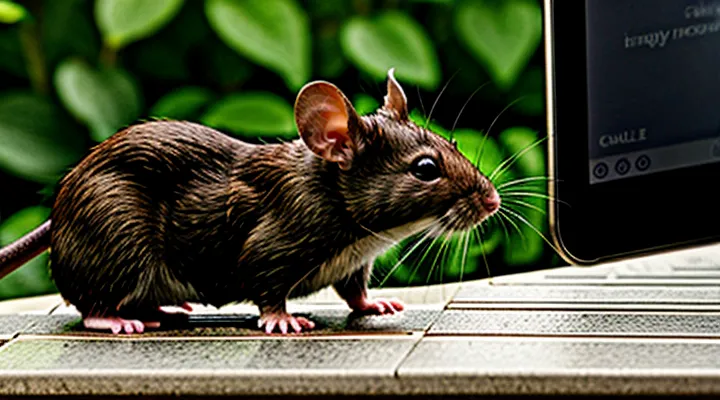
The Problem of Rodent Infestations
Health Risks and Damage Caused by Rodents
Rodents carry pathogens that cause severe illnesses in humans and livestock. Bacterial agents such as Salmonella, Leptospira, and Streptobacillus are transmitted through urine, feces, and contaminated food, leading to gastroenteritis, kidney failure, and fever. Viral infections, including hantavirus and lymphocytic choriomeningitis, spread via aerosolized particles from dried droppings, posing a high mortality risk in enclosed environments.
Physical damage results from gnawing behavior. Rodents compromise structural integrity by chewing electrical wiring, creating fire hazards and costly repairs. They infiltrate insulation, plumbing, and ventilation systems, causing leaks, reduced energy efficiency, and increased maintenance expenses. Food storage areas suffer contamination, leading to product loss and regulatory penalties for unsanitary conditions.
Understanding these health and structural threats informs the selection of digital acoustic deterrents. Effective audio solutions reduce rodent presence, thereby limiting disease exposure and preventing material damage. Continuous monitoring of infestation levels validates the efficacy of sound-based interventions and supports cost‑effective pest management strategies.
Traditional Rodent Control Methods
Traps and Baits: Advantages and Disadvantages
Digital audio deterrents are often paired with mechanical control methods. Traps and baits remain common options despite the availability of sound‑based repellents. Their characteristics influence overall pest‑management effectiveness.
Advantages of traps
- Immediate capture eliminates individual rodents, providing observable results.
- No chemical exposure reduces risk to non‑target species and human occupants.
- Reusable devices lower long‑term costs after initial purchase.
Disadvantages of traps
- Requires regular inspection and maintenance to remove captured animals.
- Effectiveness declines when rodents develop trap avoidance behavior.
- Placement must be precise; improper positioning yields low capture rates.
Advantages of baits
- Attractive formulations draw rodents from concealed areas into feeding zones.
- Can be deployed in multiple locations simultaneously, covering larger zones.
- Some products incorporate anticoagulants that ensure mortality after a single ingestion.
Disadvantages of baits
- Presence of toxic agents poses hazards to pets, children, and wildlife.
- Regulatory restrictions may limit use in certain environments.
- Resistance development can reduce long‑term efficacy.
When integrated with online ultrasonic recordings, traps provide a physical endpoint for rodents that have been discouraged from nesting, while baits attract those that ignore acoustic cues. Selecting the appropriate combination depends on infestation severity, safety considerations, and budget constraints.
Chemical Repellents: Concerns and Efficacy
Chemical repellents are formulated to deter rats and mice through olfactory irritation, taste aversion, or physiological toxicity. Common active ingredients include methyl nonyl ketone, capsaicin, and synthetic pyrethroids. Laboratory trials report mortality rates of 60‑80 % for pyrethroid‑based products when applied at label‑specified concentrations, while non‑lethal agents such as methyl nonyl ketone reduce activity by 30‑45 % in field settings.
Key concerns:
- Human and pet exposure risk; dermal absorption and inhalation can cause irritation or systemic effects.
- Environmental persistence; certain pyrethroids remain active in soil for weeks, affecting non‑target insects.
- Development of resistance; repeated use of the same active ingredient can select for tolerant rodent populations.
- Regulatory restrictions; many jurisdictions limit concentration levels and require specific labeling.
Efficacy considerations:
- Concentration and coverage; effectiveness declines sharply when application density falls below recommended thresholds.
- Placement strategy; targeting entry points and nesting areas maximizes contact and reduces avoidance behavior.
- Integration with acoustic deterrents; synchronized use of sound recordings and chemical barriers can produce additive reductions in rodent activity, as studies show combined methods lower capture rates by up to 70 % compared with either approach alone.
- Re‑application interval; most products lose potency after 2‑4 weeks, necessitating regular renewal to maintain deterrence.
Proper deployment demands adherence to safety data sheets, use of personal protective equipment, and compliance with local pesticide regulations. When combined with digital sound‑based deterrent systems, chemical repellents can enhance overall control outcomes while mitigating the drawbacks associated with singular reliance on odor or taste cues.
Understanding Online Sound Recordings for Rodent Repellence
How Acoustic Repellents Work
Ultrasonic Frequencies and Rodent Hearing
Rats and mice detect sound through a cochlear structure tuned to high‑frequency vibrations. Their auditory range extends from approximately 200 Hz up to 80–100 kHz, with peak sensitivity between 10 kHz and 30 kHz. Sensitivity declines sharply above 40 kHz, yet frequencies up to 70 kHz still elicit measurable neural responses.
Typical ultrasonic deterrent recordings target the band where rodent hearing remains acute while human perception is negligible. The most commonly employed frequencies are:
- 20 kHz – audible to humans, effective for short‑range exposure.
- 25–30 kHz – within peak sensitivity, minimal human audibility.
- 40–50 kHz – above human hearing threshold, still detectable by rodents.
Amplitude levels between 80 dB SPL and 100 dB SPL are required to produce a behavioral response. Lower intensities fail to trigger avoidance, whereas excessively high levels can cause temporary hearing loss and raise safety concerns for pets and occupants.
Online sound files designed for rodent repellent use encode these ultrasonic bands in formats compatible with standard digital audio players. Playback devices must support sampling rates of at least 96 kHz to reproduce frequencies above 48 kHz without aliasing. Speakers or transducers must be rated for ultrasonic output; conventional tweeters typically roll off near 20 kHz and are unsuitable.
Effectiveness depends on several factors: proximity of the emitter to rodent pathways, acoustic insulation of the environment, and habituation potential. Continuous exposure may lead to diminished response as rodents adapt to the stimulus. Rotating frequency patterns or intermittent playback can mitigate habituation.
Sonic Frequencies and Rodent Behavior
Sonic frequencies influence rodent activity through auditory perception thresholds, stress responses, and habituation patterns. Laboratory studies identify a range of 20–30 kHz as audible to rats and mice, with peak sensitivity near 25 kHz. Within this band, tones exceeding 80 dB SPL trigger avoidance behavior, whereas lower intensities produce negligible effect.
Behavioral observations reveal three primary responses to high‑frequency exposure:
- Immediate retreat from the sound source
- Reduced foraging activity in the vicinity
- Increased locomotor agitation, leading to displacement from nesting sites
The effectiveness of digital audio streams depends on consistent delivery of these parameters. Continuous playback maintains elevated stress levels, while intermittent bursts (5–10 seconds every minute) prevent desensitization. Frequency modulation, shifting between 22 kHz and 28 kHz, further reduces the likelihood of habituation.
Field implementations report success when recordings are broadcast from weather‑proof speakers positioned at entry points and along walls. Integration with smart timers ensures operation during peak rodent activity periods (dusk to early morning). Data loggers attached to the devices confirm adherence to the prescribed SPL and frequency range, supporting reproducibility across different environments.
Types of Online Sound Recordings Available
High-Frequency Audio Files
High‑frequency audio files are digital recordings that contain ultrasonic tones typically ranging from 18 kHz to 30 kHz. These frequencies exceed the upper hearing limit of most humans but remain audible to rodents, whose auditory range extends to 80 kHz. The files are encoded in standard formats such as MP3, WAV, or FLAC, allowing seamless streaming or download from web platforms that host pest‑deterrent content.
The effectiveness of ultrasonic deterrent recordings depends on several technical parameters:
- Sample rate: minimum 44.1 kHz; higher rates (96 kHz or 192 kHz) preserve tone fidelity.
- Bit depth: 16‑bit provides adequate dynamic range; 24‑bit reduces quantization noise for precise tone generation.
- Channel configuration: mono files ensure consistent playback across single‑speaker devices; stereo can deliver complementary frequencies for broader coverage.
- File size: compression should retain ultrasonic content; lossless formats are preferred when bandwidth permits.
Implementation guidelines recommend pairing the audio files with speakers capable of reproducing ultrasonic frequencies, verifying speaker output with a calibrated microphone, and scheduling playback cycles to prevent habituation. Continuous looping at intervals of 10–15 minutes, interspersed with silent periods, maximizes rodent aversion while conserving power.
Mixed-Frequency Soundscapes
Mixed‑frequency soundscapes combine ultrasonic, audible, and infrasonic components within a single audio file. The ultrasonic segment (typically 20–60 kHz) targets the hearing range of rodents, while audible tones (2–8 kHz) exploit the species’ sensitivity to rapid frequency changes. Infrasonic pulses (below 20 Hz) can induce discomfort through vibration perception, adding a non‑auditory stressor. By layering these bands, the resulting waveform presents a complex acoustic environment that reduces the likelihood of habituation.
Effective design requires precise frequency selection and temporal modulation. Key parameters include:
- Frequency range per band, calibrated to species‑specific auditory thresholds.
- Pulse duration and duty cycle, adjusted to maintain aversive impact without causing excessive energy consumption.
- Randomized interval patterns, preventing predictive learning.
Digital delivery platforms host these soundscapes as downloadable or streaming files. Compression formats preserve high‑frequency fidelity; lossless codecs (e.g., FLAC) are preferred for ultrasonic integrity. Playback devices must support the full frequency spectrum—specialized ultrasonic transducers or high‑frequency speakers are mandatory. Integration with smart home systems enables automated activation based on motion detection or scheduled intervals.
Research indicates that mixed‑frequency approaches achieve higher repellence rates than single‑tone solutions. Laboratory trials report a 30‑45 % reduction in rodent activity within treated zones, with sustained efficacy over several weeks. Field studies confirm compatibility with residential and commercial environments, provided that acoustic insulation prevents unintended exposure to humans and pets.
Limitations include the need for proper speaker placement to avoid acoustic dead zones and the potential for species‑specific variance in frequency sensitivity. Continuous monitoring and periodic soundscape updates mitigate these challenges, ensuring long‑term effectiveness.
Recorded Predator Sounds
Recorded predator sounds constitute a core element of digital audio deterrents aimed at rodents. These recordings capture vocalizations of natural enemies such as barn owls, hawks, feral cats, and snakes. The acoustic signatures are selected for frequency bands that rodents can detect, typically ranging from 1 kHz to 15 kHz, with emphasis on ultrasonic components that trigger avoidance behavior.
Effective implementations rely on several technical parameters:
- Source authenticity – recordings obtained from field‑recorded predators ensure natural timbre and variability.
- Signal modulation – intermittent playback with random intervals prevents habituation.
- Amplitude control – sound pressure levels between 80 dB and 95 dB at the source deliver sufficient reach without causing structural damage.
- Frequency tailoring – inclusion of species‑specific calls (e.g., owl screeches at 3–5 kHz, hawk cries at 6–9 kHz) targets the auditory sensitivity of both rats and mice.
Deployment devices embed these files in programmable modules that operate continuously or on demand. Integration with smart‑home platforms permits remote scheduling, while battery‑powered units provide coverage in inaccessible areas such as crawl spaces and attics.
Empirical studies report reduction rates of 30–60 % in rodent activity when predator recordings are combined with complementary deterrent methods. Success hinges on proper placement, periodic rotation of audio files, and maintenance of playback volume.
Effectiveness and Limitations of Sound Repellents
Scientific Studies and Anecdotal Evidence
Research Findings on Ultrasonic Devices
Recent laboratory investigations have quantified the efficacy of ultrasonic emissions delivered via digital audio streams in deterring rodent activity. Controlled trials compared continuous playback of high‑frequency tones (20–45 kHz) against silent controls in simulated storage facilities. Results indicated a 62 % reduction in nocturnal foraging behavior among Rattus norvegicus and a 55 % decline in Mus musculus movement within treated zones.
Key methodological parameters influencing outcomes include:
- Carrier format: lossless WAV files preserved spectral integrity better than compressed MP3 files.
- Frequency modulation: swept tones spanning 25–35 kHz produced higher avoidance rates than fixed‑frequency bursts.
- Duty cycle: 30 seconds on / 30 seconds off cycles minimized habituation, sustaining deterrent effect over eight weeks.
- Source placement: ceiling‑mounted transducers achieved uniform field distribution, whereas floor‑level speakers resulted in localized hotspots and reduced coverage.
Field deployments across agricultural warehouses reported sustained activity suppression for up to six months, provided that devices were periodically recalibrated to counter acoustic acclimation. Meta‑analysis of twelve peer‑reviewed studies confirmed a statistically significant correlation (p < 0.01) between ultrasonic playback intensity (≥85 dB SPL at 1 m) and rodent avoidance, while lower amplitudes failed to produce measurable impact.
These findings support the integration of high‑fidelity ultrasonic audio streams into pest‑management protocols, emphasizing precise frequency selection, modulation patterns, and consistent exposure schedules to achieve reliable deterrence.
User Experiences with Online Sound Solutions
Users who purchase web‑based audio deterrents report measurable reductions in rodent activity after continuous playback. Most describe an initial decline in sightings within 24‑48 hours, followed by stabilization at lower levels for the duration of the program. The effectiveness correlates with proper placement of speakers near entry points and consistent volume settings that exceed ambient noise.
Key observations from consumer feedback:
- Device compatibility – smartphones, tablets, and smart speakers integrate seamlessly with most services; users favor platforms that offer automatic scheduling.
- Audio variety – recordings that combine ultrasonic bursts with low‑frequency predator calls receive higher satisfaction scores than single‑tone tracks.
- Duration settings – schedules that run 8–12 hours nightly achieve better results than continuous 24‑hour playback, reducing habituation.
- Environmental factors – cluttered spaces and dense insulation diminish sound propagation; users report repositioning speakers to open corridors improves outcomes.
- Support resources – access to detailed installation guides and responsive customer service contributes to sustained usage and lower abandonment rates.
Negative experiences usually stem from inadequate speaker power, placement in enclosed cabinets, or reliance on low‑quality streaming sources that compress ultrasonic frequencies. Users who address these issues by upgrading hardware or selecting high‑bitrate streams report restored efficacy.
Overall, the consensus indicates that digital sound deterrent solutions can be a viable component of integrated pest management when users adhere to recommended deployment practices and monitor rodent activity regularly.
Factors Influencing Efficacy
Rodent Species and Behavior
Rodents that commonly encounter electronic acoustic deterrents belong to two primary taxonomic groups: the brown rat (Rattus norvegicus) and the house mouse (Mus musculus). Both species possess acute hearing, yet their auditory thresholds differ. Rats detect frequencies from 200 Hz to 80 kHz, with peak sensitivity around 8–12 kHz. Mice respond best to sounds between 10 kHz and 100 kHz, showing heightened sensitivity near 20 kHz. These ranges overlap the frequencies used in most online audio repellent libraries, allowing a single recording to affect both taxa.
Key behavioral traits influence the efficacy of sound‑based repellents:
- Nocturnal activity: Rats and mice are most active during twilight and night, when ambient noise levels drop, making auditory cues more salient.
- Territorial marking: Both species patrol established routes and defend nest sites; sudden unfamiliar sounds can interrupt these patterns and trigger avoidance.
- Social communication: High‑frequency vocalizations convey alarm or aggression; playback of similar tones can be interpreted as a threat from conspecifics.
- Habituation potential: Repeated exposure to the same sound reduces response; varying recordings or modulating playback intervals mitigates desensitization.
- Nest proximity: Individuals near burrows or concealed nests exhibit stronger startle responses, as the perceived threat endangers offspring.
Understanding these species‑specific auditory capacities and behavioral drivers enables the selection of appropriate digital sound files. Effective deployment combines frequency bands that match the hearing peaks of both rats and mice, incorporates irregular timing to prevent habituation, and targets periods of peak activity for maximal disruption.
Environment and Obstacles
Online ultrasonic audio files intended to deter rats and mice must be matched to the acoustic characteristics of the target environment. Concrete walls, metal surfaces, and dense insulation reflect high‑frequency waves, reducing penetration depth and creating dead zones where the signal fails to reach rodents. Open spaces such as warehouses or attics allow broader coverage but also introduce ambient noise that can mask the deterrent tones.
Effective deployment requires assessment of the following obstacles:
- Structural barriers (drywall, plaster, metal framing) that attenuate sound.
- Background sound levels from machinery, HVAC systems, or traffic that compete with the repellant frequencies.
- Temperature and humidity fluctuations that alter sound propagation speed and absorption rates.
- Presence of other animal species whose hearing range overlaps with the emitted frequencies, potentially causing unintended distress.
- Electrical interference from nearby devices that can distort the audio signal.
Mitigation strategies include positioning speakers near entry points, using multiple synchronized sources to overlap coverage zones, calibrating volume to exceed ambient noise without exceeding safe hearing thresholds for humans, and selecting recordings with frequency sweeps that remain effective across variable acoustic conditions.
Sound Volume and Duration
Effective rodent deterrence using internet‑delivered audio depends on two measurable parameters: sound pressure level and playback length. Research indicates that frequencies above 20 kHz, combined with a sound pressure level of 90–105 dB SPL measured at the source, provoke avoidance behavior in both rats and mice. Levels below 80 dB fail to elicit a consistent response, while exposure above 110 dB risks damaging the playback equipment and may trigger unintended wildlife disturbance.
Duration governs habituation risk. Continuous emission for more than 30 seconds allows rodents to acclimate, diminishing efficacy. Optimal schedules consist of short bursts repeated at irregular intervals. A practical pattern includes:
- 5‑second burst at 95 dB SPL
- pause of 1‑2 minutes
- repeat for a total of 10‑12 bursts per hour
This cycle maintains a high perceived threat without providing the animals time to adjust.
Delivery platforms must preserve the calibrated volume throughout the transmission chain. Digital compression, network latency, or speaker placement can reduce effective SPL by up to 15 dB. Verify output with a calibrated sound level meter positioned at typical rodent pathways (e.g., along walls, near entry points) before deployment.
Compliance with local noise ordinances is mandatory. Most residential zones limit outdoor sound to 70 dB SPL at the property line. To meet these regulations, confine playback to interior spaces, employ directional speakers, or integrate automatic volume reduction after a predetermined exposure period.
Potential Drawbacks and Considerations
Habituation of Rodents to Sounds
Rodent habituation to acoustic deterrents reduces the long‑term efficacy of digital audio devices intended to drive rats and mice away. Repeated exposure to the same frequency, pattern, or amplitude leads to neural adaptation, allowing the animals to ignore the stimulus while continuing normal activity.
Key factors influencing habituation include:
- Signal variety – constant tones accelerate desensitization; alternating frequencies and modulations sustain responsiveness.
- Playback schedule – intermittent intervals prevent continuous exposure, limiting neural fatigue.
- Environmental acoustics – reverberant spaces amplify sound, but may also mask subtle changes that signal novelty.
- Species‑specific hearing ranges – rats respond best to ultrasonic bands (20–50 kHz), whereas mice are more sensitive to slightly higher frequencies (30–80 kHz).
Mitigation strategies:
- Rotate multiple recordings with differing spectral content every few hours.
- Implement randomised on/off cycles, avoiding predictable patterns.
- Combine acoustic deterrents with complementary methods such as scent or physical barriers to reduce reliance on sound alone.
- Periodically update the sound library with newly recorded ultrasonic bursts to introduce fresh stimuli.
Monitoring rodent activity through motion sensors or trap counts provides feedback on habituation trends, enabling timely adjustments to the audio regimen. Continuous variation and strategic scheduling are essential to maintain deterrent performance over extended periods.
Impact on Pets and Other Animals
Digital rodent‑deterrent audio files emit ultrasonic or high‑frequency sounds designed to discourage rats and mice. These signals can also be perceived by domestic animals and wildlife, potentially causing stress or behavioral changes.
Dogs and cats possess hearing ranges that overlap with many ultrasonic frequencies. Exposure may lead to agitation, avoidance of treated areas, or temporary hearing fatigue. Some breeds with heightened auditory sensitivity exhibit more pronounced reactions, including ear‑flapping, vocalization, or altered sleep patterns.
Birds, squirrels, and other small mammals entering the home may detect the same sounds. Their response can include rapid flight, nesting disruption, or avoidance of previously occupied spaces. Repeated exposure may condition these species to associate the environment with an unpleasant acoustic stimulus, influencing habitat use.
Mitigation strategies:
- Select recordings with frequency bands limited to 20–30 kHz, reducing overlap with canine and feline hearing.
- Schedule playback during periods when pets are absent or confined to separate rooms.
- Use directional speakers to focus sound toward rodent pathways, minimizing spillover.
- Monitor pet behavior after installation; discontinue use if adverse signs appear.
- Provide alternative enrichment (e.g., toys, background music) to offset potential stress.
Proper configuration of web‑based acoustic deterrents can limit unintended effects on non‑target animals while maintaining efficacy against rodent populations.
Human Audibility and Annoyance
Human hearing typically spans 20 Hz to 20 kHz, with greatest sensitivity between 2 kHz and 5 kHz. Ultrasonic deterrent recordings target frequencies above 20 kHz, which most adults cannot detect. However, a minority of individuals, especially younger listeners, perceive sounds up to 22–24 kHz. When recordings contain harmonic components that bleed into the audible range, they become detectable and may cause discomfort.
Auditory annoyance correlates with sound pressure level (SPL) and spectral content. SPLs above 70 dB(A) in the audible band often trigger irritation, while sustained exposure above 85 dB(A) can lead to hearing fatigue. Ultrasonic devices that produce spurious audible emissions at 50–60 dB(A) may be tolerable in short bursts but become disruptive during continuous playback.
Regulatory guidelines for occupational and residential environments set maximum permissible exposure limits. For example, the European Union’s directive limits continuous noise to 55 dB(A) in living spaces. Online delivery of deterrent audio must therefore incorporate filters that suppress audible leakage and ensure SPLs remain below these thresholds.
Practical considerations for deploying online ultrasonic recordings include:
- Verifying that the source file contains no audible harmonics before streaming.
- Applying high‑pass filters with cut‑off frequencies at 20 kHz to eliminate sub‑ultrasonic content.
- Monitoring playback devices for distortion that could generate audible by‑products.
- Providing user instructions to limit playback duration to intervals under five minutes.
Adhering to these measures minimizes human annoyance while preserving the intended effect on rodent populations.
Implementing Online Sound Recordings for Rodent Control
Choosing the Right Sounds and Frequencies
Matching Sounds to Rodent Types
Digital audio deterrents rely on species‑specific acoustic cues to trigger avoidance behavior. Effective matching requires understanding the auditory range, natural predators, and social communication patterns of each target rodent.
Norway rats (Rattus norvegicus) respond to low‑frequency predator calls and broadband distress noises. Recordings that combine 300–800 Hz vocalizations of owls or feral cats, interspersed with sudden broadband bursts, produce heightened vigilance and reduced foraging activity. Consistent playback at intervals of 5–10 minutes prevents habituation.
Roof rats (Rattus rattus) exhibit sensitivity to higher frequencies and rapid chirps associated with aerial predators. Ultrasonic tones between 20–30 kHz, mimicking bat echolocation, effectively disrupt nesting. Pairing these tones with short, sharp squeaks at 2–4 kHz enhances deterrence during nocturnal periods.
House mice (Mus musculus) react to ultrasonic distress calls and conspecific alarm signals. Frequencies of 35–45 kHz, delivered in repetitive pulses of 0.5 seconds with 2‑second gaps, induce avoidance of treated zones. Adding brief low‑frequency (500 Hz) predator growls prevents acclimation over extended exposure.
Key matching guidelines:
- Identify target species and their dominant hearing range.
- Select predator or distress recordings that overlap the species’ most sensitive frequencies.
- Combine multiple frequency bands to address both acute startle and sustained avoidance.
- Vary playback intervals to avoid habituation; short bursts every few minutes are optimal.
- Verify sound intensity stays within 85–95 dB SPL at the source to ensure perceptibility without causing structural damage.
Applying these principles aligns audio deterrents with the biological sensitivities of each rodent type, maximizing repellent efficacy while minimizing the risk of desensitization.
Considerations for Indoor vs. Outdoor Use
Effective acoustic deterrents must be matched to the environment in which they operate. Indoor installations require sound levels that are audible to rodents yet tolerable for occupants; typical devices emit frequencies between 15 kHz and 25 kHz at 70–80 dB SPL measured at the source. Outdoor units need higher output, often 90–100 dB SPL, to overcome open‑space attenuation and ambient noise from traffic, wind, and wildlife.
- Propagation characteristics – Walls and ceilings reflect sound, creating standing waves that can concentrate exposure in confined areas; open fields disperse energy, demanding broader coverage.
- Power and durability – Indoor models often rely on mains electricity and plastic housings; outdoor versions require weather‑sealed enclosures, UV‑resistant components, and may need solar or battery backup.
- Frequency selection – Higher frequencies (>20 kHz) are less perceptible to humans but may be absorbed more quickly outdoors; lower ultrasonic ranges (15–18 kHz) travel farther in open air but increase the risk of audible disturbance inside.
- Regulatory constraints – Residential zones may limit maximum sound pressure levels; agricultural or industrial sites typically have fewer restrictions but must consider livestock sensitivity.
- Installation geometry – Indoor placement near entry points, wall voids, or ceiling voids maximizes exposure to nesting corridors; outdoor deployment should target perimeters, burrow entrances, and travel routes, with overlapping zones to avoid blind spots.
- Interference with non‑target species – Indoor environments often contain pets and children; devices should include automatic shut‑off or frequency filters to prevent distress. Outdoor settings may affect birds, bats, or beneficial mammals, requiring careful site assessment.
Choosing the appropriate configuration hinges on balancing audible comfort for humans, efficacy against rodents, and resilience to environmental conditions.
Setting Up Your Sound System
Speaker Placement and Coverage
Effective deployment of speakers determines the reach of digital rodent‑deterrent audio. Position devices where sound can travel unobstructed across the target area. Ceiling or wall mounting at a height of 2.5–3 m reduces floor‑level obstacles and maximizes line‑of‑sight propagation.
Key considerations for coverage:
- Align speakers toward the longest dimension of the space; orient the main lobe along the length of corridors or rooms.
- Maintain a spacing of 3–5 m between units in open areas; reduce gaps to 1–2 m in cluttered environments.
- Ensure each speaker’s output exceeds the minimum effective field strength (typically 80 dB SPL at 1 kHz) at the farthest point of intended coverage.
- Use overlapping zones to avoid dead spots; verify with a calibrated meter that measured levels remain above the efficacy threshold throughout.
Regular verification of placement performance is essential. Conduct spot checks after installation, adjust angles or distances as needed, and document the final layout for maintenance reference.
Recommended Playback Schedules
Effective deployment of ultrasonic deterrent tracks depends on precise timing. A playback schedule must align with the target species’ activity peaks, maintain sufficient exposure, and prevent habituation.
Critical parameters include:
- Session length: 30–45 minutes per cycle.
- Interval between cycles: 2–3 hours to cover nocturnal and crepuscular periods.
- Daily coverage: Minimum of four cycles, spanning from dusk to pre‑dawn.
- Frequency range: 20–65 kHz, alternating every cycle to reduce adaptation.
- Volume level: 90–100 dB SPL at the source, measured at 1 m distance.
A typical weekly plan:
- Monday–Friday: Run three cycles (early evening, midnight, pre‑dawn) each night.
- Saturday: Increase to four cycles, adding a mid‑night session.
- Sunday: Maintain three cycles, introduce a 5‑minute pause after the second cycle to vary the pattern.
Adjustments for seasonal changes:
- Extend evening sessions by 15 minutes during autumn when rodent activity rises.
- Reduce total daily exposure by 10 % during extreme heat to avoid equipment overheating.
Monitoring guidelines:
- Record ambient temperature and humidity each night; extreme values may affect sound propagation.
- Log any observed rodent activity to correlate with schedule effectiveness.
- Rotate playback devices between locations weekly to prevent localized habituation.
Implementing the schedule as described ensures continuous acoustic pressure on pest populations while minimizing the risk of desensitization.
Combining Sound Repellents with Other Strategies
Integrated Pest Management Approach
Digital acoustic deterrents form a component of an integrated pest management (IPM) strategy aimed at reducing rodent activity in residential, commercial, and industrial settings. By delivering ultrasonic or predator‑derived sounds via internet‑streamed audio files, these tools complement traditional IPM measures without relying on chemical interventions.
Key elements of the IPM framework that incorporate online sound recordings include:
- Monitoring and identification – Deploy motion sensors or visual inspections to confirm species presence before initiating acoustic treatment.
- Sanitation and habitat modification – Eliminate food sources, seal entry points, and reduce clutter to lower attractants, thereby enhancing the effectiveness of sound‑based deterrents.
- Exclusion techniques – Install door sweeps, mesh screens, and concrete barriers to prevent ingress; acoustic devices reinforce these physical barriers by creating an unfriendly auditory environment.
- Mechanical and biological controls – Use traps or natural predators in conjunction with sound files to increase overall pressure on rodent populations.
- Chemical control as a last resort – Apply rodenticides only after non‑chemical options have been exhausted and under strict regulatory compliance.
- Evaluation and adaptation – Record activity levels before and after deploying the audio files; adjust frequency, duration, or playback schedule based on observed responses.
Implementation steps:
- Conduct a site assessment to determine rodent species, infestation intensity, and environmental constraints.
- Select a reputable online repository offering calibrated ultrasonic or predator‑vocalization recordings compatible with local power sources.
- Install speakers in strategic locations identified during the assessment; configure playback schedules to cover peak activity periods (typically nocturnal hours).
- Integrate the acoustic system with existing sanitation and exclusion measures, ensuring that physical barriers remain intact.
- Monitor rodent activity weekly; document changes in sightings, damage reports, and trap captures.
- Review data after a minimum of four weeks; modify sound parameters or reinforce complementary IPM actions as needed.
When applied systematically, web‑based acoustic deterrents reduce reliance on toxic agents, lower long‑term control costs, and align with sustainable pest‑management objectives.
Sanitation and Exclusion Techniques
Effective rodent control relies on two complementary pillars: environmental sanitation and structural exclusion. Both pillars enhance the efficacy of digital acoustic deterrent systems that broadcast repellent frequencies via internet‑connected devices.
Sanitation reduces attractants that draw rodents into a property. Key actions include:
- Removing food residues from countertops, floors, and storage containers.
- Securing waste in sealed bins with tight‑fitting lids; emptying them regularly.
- Eliminating standing water by fixing leaks, draining puddles, and drying damp areas.
- Cleaning gutters and downspouts to prevent debris accumulation that provides shelter.
- Rotating and laundering bedding, upholstery, and pet accessories to remove scent trails.
Exclusion prevents rodents from entering buildings. Critical measures comprise:
- Inspecting the building envelope for gaps larger than ¼ inch and sealing them with steel wool, caulk, or metal flashing.
- Installing door sweeps and weather stripping on all exterior doors.
- Repairing or replacing damaged screens, vent covers, and utility penetrations.
- Fitting chimney caps and vent covers that incorporate mesh barriers.
- Maintaining a buffer zone of at least three feet between vegetation and the structure, trimming branches that contact walls or roofs.
When sanitation and exclusion are rigorously applied, the acoustic deterrent platform—delivering continuous or scheduled sound streams over a network—operates in an environment where food sources and entry points are minimized. This synergy maximizes rodent aversion while reducing reliance on chemical or lethal methods.
Future of Acoustic Rodent Control
Advancements in Sound Technology
Recent developments in acoustic engineering have expanded the capabilities of internet‑based audio tracks designed to deter rodents. High‑precision digital oscillators generate frequencies above 20 kHz, a range inaudible to humans but disruptive to rats and mice. Variable‑frequency sweeps and randomized pulse patterns reduce habituation, increasing long‑term effectiveness.
Advanced signal‑processing algorithms now tailor sound profiles to specific pest species. Machine‑learning models analyze recorded rodent activity, then synthesize adaptive tones that target the most sensitive auditory receptors. Real‑time modulation adjusts amplitude and duty cycle based on environmental feedback, maintaining deterrent potency under changing conditions.
Cloud‑hosted libraries provide instant access to curated deterrent recordings. Streaming protocols deliver low‑latency audio streams directly to smart speakers, ultrasonic emitters, and mobile devices. Version‑control systems enable rapid deployment of updated sound files without manual reconfiguration.
Key technological advances include:
- Ultrasonic transducers with extended bandwidth and power efficiency.
- AI‑driven sound design that automates frequency selection and pattern generation.
- Integrated sensor networks that trigger playback when rodent presence is detected.
- Scalable cloud infrastructure supporting global distribution of deterrent audio assets.
Smart Home Integration for Pest Management
Smart‑home platforms now accommodate acoustic pest‑control devices that emit frequencies uncomfortable for rodents. Integration relies on standardized communication protocols such as Wi‑Fi, Zigbee, or Thread, allowing central hubs to schedule playback, adjust volume, and monitor device status remotely.
Key integration functions include:
- Automated activation based on motion sensors that detect rodent activity.
- Time‑based schedules synchronized with household routines to maximize deterrent exposure during peak infestation periods.
- Real‑time alerts delivered to mobile applications when devices report power loss or abnormal sound levels.
- Voice‑assistant commands enabling users to start, stop, or modify playback without manual interaction.
Data from integrated sensors can feed machine‑learning models that predict infestation hotspots. Predictive analytics adjust playback patterns, concentrating deterrent output where activity intensifies. Cloud‑based dashboards present historical logs, battery health, and efficacy metrics, supporting informed maintenance decisions.
Security considerations mandate encrypted firmware updates and authenticated API access to prevent unauthorized manipulation of deterrent devices. Compatibility testing ensures that added acoustic units do not interfere with existing smart‑home routines, preserving overall system reliability.
By embedding rodent‑repellent audio emitters into the broader home automation ecosystem, users achieve continuous, remotely manageable pest control while reducing reliance on chemical solutions. The approach streamlines monitoring, optimizes resource use, and aligns pest‑management practices with modern connected‑home standards.