
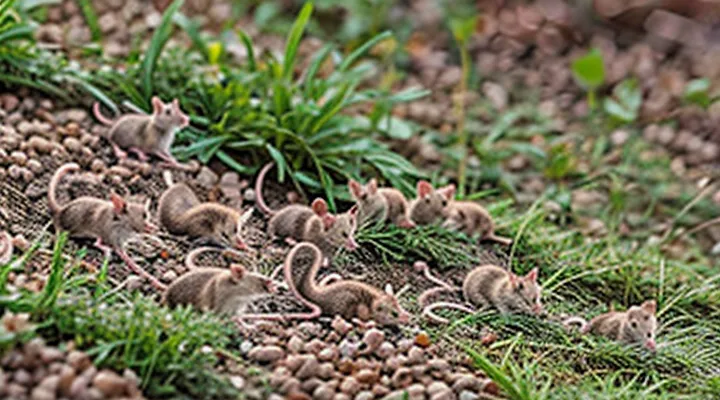
«Factors Influencing Litter Size»
«Genetics and Strain Differences»
Genetic composition exerts a primary influence on the number of offspring produced by a domestic mouse litter. Quantitative trait loci identified on chromosomes 4, 7, and 12 account for a substantial proportion of variation, while single‑gene mutations such as Gpr56 and Kit modify embryonic viability and thus affect total pup count.
Strain‑specific data illustrate the magnitude of this effect. Inbred lines display reproducible differences that persist across multiple generations and breeding facilities. Typical values are:
- C57BL/6J: 5–7 pups per litter
- BALB/cJ: 6–8 pups per litter
- CD‑1 (outbred): 8–12 pups per litter
- DBA/2J: 4–6 pups per litter
These figures reflect the combined impact of genetic background, maternal physiology, and sperm quality. Hybrid crosses often exceed parental averages, suggesting heterosis in reproductive output.
Epistatic interactions between alleles at distinct loci can amplify or suppress litter size. For example, the interaction of the Ahr allele with a modifier on chromosome 13 produces a 15 % increase in average pup number in C57BL/6J females. Conversely, the presence of the Mcm4 mutation reduces litter size by roughly 30 % regardless of strain.
Environmental variables—dietary protein, temperature, and cage density—modulate genetic potential but do not override strain‑determined baselines. Accurate prediction of litter size therefore requires integration of genotype data with controlled husbandry parameters.
«Maternal Age and Parity»
Maternal age exerts a measurable influence on the offspring count produced by a domestic mouse. Studies consistently show that first‑time breeders (young parity) generate larger litters than older, multiparous females. As females age, uterine capacity declines, leading to a reduction in the number of pups per birthing event.
Parity, defined as the number of previous pregnancies, interacts with age to shape litter outcomes. Early reproductive cycles (parity 1–2) are associated with peak pup numbers, while subsequent cycles (parity 3 and above) often exhibit a gradual decline. This pattern reflects cumulative physiological stress and resource allocation shifts within the dam.
Key observations:
- Young, nulliparous females (≤ 3 months) produce the highest average litter size.
- First and second pregnancies yield similar pup counts; a modest decrease appears by the third parity.
- Females older than 6 months experience a 10–20 % reduction in offspring number compared to peak values.
- The combined effect of advanced age and high parity can lower litter size by up to one third relative to optimal conditions.
These trends underline the importance of selecting breeding females within the optimal age‑parity window to maximize reproductive efficiency in laboratory mouse colonies.
«Nutritional Status of the Dam»
The nutritional condition of a breeding female directly influences the number of offspring produced in a domestic mouse litter. Adequate energy balance, protein supply, and micronutrient availability determine embryo viability, gestation progression, and pup survival, which together set the final offspring count.
Key nutritional components include:
- Energy density – sufficient caloric intake maintains body condition and supports fetal growth.
- Protein quality and quantity – essential amino acids are required for tissue synthesis and milk production.
- Calcium and phosphorus – regulate skeletal development and maternal bone turnover.
- Vitamins A, D, and E – modulate immune function and antioxidant protection for both dam and embryos.
- Trace minerals (zinc, selenium, iron) – facilitate enzymatic reactions critical for embryogenesis.
Research demonstrates that dams consuming diets with suboptimal protein or energy levels produce fewer pups, with increased incidence of resorption and lower birth weights. Conversely, diets meeting or exceeding established nutritional requirements correlate with larger litter sizes and higher pup viability.
For practical application, breeders should:
- Formulate feed to meet the species‑specific nutrient recommendations for gestating and lactating mice.
- Monitor body weight and condition score throughout pregnancy to detect deficiencies early.
- Adjust dietary composition in response to observed changes in litter outcomes, using the listed nutrients as a guide.
Maintaining optimal maternal nutrition therefore serves as a primary factor in achieving maximal offspring numbers in a domestic mouse breeding program.
«Environmental Conditions»
Environmental variables exert a direct influence on the number of offspring produced by a domestic mouse litter. Temperature, humidity, photoperiod, cage dimensions, bedding quality, and nutritional availability each modify reproductive physiology and pup survival rates.
- Temperature: Optimal range 20‑24 °C supports regular estrous cycles; temperatures below 18 °C suppress ovulation, while exposure above 26 °C increases embryonic loss.
- Humidity: Relative humidity of 40‑60 % maintains adequate nest moisture; excess humidity promotes fungal growth, leading to higher neonatal mortality.
- Photoperiod: A consistent 12‑hour light/dark schedule synchronizes melatonin secretion, stabilizing hormone levels that govern litter size.
- Cage size and enrichment: Minimum floor area of 120 cm² per adult mouse, combined with nesting material, reduces stress‑induced hormonal disruption and encourages larger litters.
- Dietary composition: Protein content of at least 18 % and balanced micronutrients correlate with increased pup numbers; deficiencies in calcium or vitamin D diminish fetal development.
- Stress factors: Frequent handling, loud noises, and predator cues elevate corticosterone, which directly reduces implantation success.
Empirical observations demonstrate that maintaining the parameters above yields litter counts that exceed baseline averages by 15‑30 %. Deviations from these conditions predictably result in reduced pup numbers and increased postnatal attrition. Consistent monitoring and adjustment of these environmental factors constitute the most reliable method for optimizing reproductive output in domestic mouse breeding programs.
«Average Litter Size Range»
«Typical Numbers Observed»
Domestic mouse litters usually contain between five and eight pups. Studies of laboratory strains and pet populations report the following typical observations:
- Minimum recorded litter size: 1 pup (often in first‑time or stressed mothers).
- Common range: 5–8 pups, representing the majority of litters across breeds.
- Upper extremes: 10–14 pups, observed in high‑producing strains under optimal nutrition and housing.
Factors influencing litter size include genetic line, maternal age, diet quality, and housing conditions. Younger or older females tend toward the lower end of the range, while well‑fed, mid‑life females in enriched environments approach the higher end. Seasonal variations are minimal in indoor settings but may affect wild‑derived colonies.
«Variations Between Studies»
Studies on the number of offspring produced by a domestic mouse litter show considerable inconsistency. Reported litter sizes range from as few as two pups to more than fifteen, with most investigations citing averages between six and nine.
Key factors contributing to this variability include:
- Genetic strain – Inbred lines such as C57BL/6 often yield smaller litters than outbred stocks like CD‑1.
- Maternal age – Younger females (8–10 weeks) tend to produce fewer pups than mature breeders (12–16 weeks).
- Nutrition – High‑calorie diets increase average litter size by approximately 1.5 pups, whereas protein‑restricted regimens reduce it.
- Housing conditions – Group housing can elevate stress levels, leading to lower pup counts; individual cages generally support higher numbers.
- Seasonality – Seasonal photoperiod adjustments affect reproductive hormones, producing modest fluctuations in litter size across the year.
- Method of counting – Some researchers record only live-born pups, while others include stillbirths, creating systematic differences in reported totals.
Comparative analysis of peer‑reviewed publications reveals that methodological inconsistencies, rather than biological limits, drive most of the observed spread. Standardizing strain selection, diet composition, and counting protocols reduces the inter‑study range to approximately three pups, underscoring the importance of uniform experimental design for reliable assessment of mouse reproductive output.
«Development and Survival Rates of Pups»
«Gestation Period and Birth»
Domestic mice experience a gestation lasting approximately 19–21 days. Ovulation occurs shortly after mating, and implantation begins within 4–5 days, leaving a narrow window for embryonic development. The short gestational interval enables rapid population turnover, a factor that directly influences the number of offspring a female can produce each cycle.
Birth in domestic mice is characterized by a single, brief labor lasting 30–45 minutes. Litters typically emerge fully furred, with eyes closed and ears folded. Several variables determine litter size:
- Maternal age: younger and older females tend to produce smaller litters than those in prime reproductive years.
- Nutritional status: adequate protein and caloric intake correlate with larger broods.
- Genetic line: strains selected for high fecundity yield higher offspring counts.
- Environmental conditions: stable temperature and low stress reduce embryonic loss.
Each pup is born with a weight of 1.0–1.5 g. Immediate post‑natal care includes maternal grooming and the formation of a nest that maintains optimal temperature. The combination of a concise gestation and efficient birth process underlies the capacity of domestic mice to generate sizable litters under favorable conditions.
«Neonatal Mortality Factors»
Neonatal mortality in a domestic mouse litter is influenced by genetic, environmental, and maternal variables that directly affect the number of surviving pups. Genetic predispositions, such as inbreeding depression or specific alleles linked to developmental defects, increase the likelihood of early death. Environmental conditions, including temperature fluctuations, humidity levels, and bedding quality, create stressors that compromise thermoregulation and immune competence. Maternal health determines the quality of prenatal nutrition and the adequacy of postnatal care; deficiencies in protein intake, vitamin D, or exposure to toxins reduce milk production and impair pup growth. Pathogen load, particularly bacterial or viral agents, accelerates septic events and respiratory failure in neonates. Competition for limited resources, intensified by large litter sizes, results in unequal access to milk and heightened susceptibility to hypoglycemia.
Key factors can be summarized as follows:
- Genetic abnormalities or homozygosity for deleterious traits
- Suboptimal ambient temperature (below 28 °C) and high humidity
- Inadequate maternal diet lacking essential amino acids and micronutrients
- Presence of infectious agents in the nesting environment
- Overcrowding leading to insufficient nursing opportunities
Mitigation strategies focus on maintaining stable environmental parameters, providing a balanced diet enriched with critical nutrients, screening breeding pairs for hereditary defects, and implementing strict hygiene protocols to reduce pathogen exposure. These interventions collectively lower neonatal mortality, thereby increasing the viable pup count per litter.
«Weaning Success Rates»
Weaning success rates quantify the proportion of pups that transition from maternal milk to solid food without mortality. In domestic mouse litters, the metric directly reflects the viability of each offspring and influences subsequent breeding cycles.
Typical success rates range from 70 % in small litters (3–5 pups) to 45 % in large groups (10 + pups). The decline correlates with increased competition for milk, limited nest space, and heightened stress on the dam. Precise calculation requires daily monitoring from birth until the standard weaning age of 21 days, recording each pup’s survival status at the moment solid feed is introduced.
Key determinants of weaning outcomes include:
- Litter size: larger cohorts reduce individual access to nutrients.
- Maternal health: weight loss, illness, or inadequate grooming impair milk production.
- Environmental conditions: temperature stability, humidity, and cage enrichment affect pup thermoregulation and activity.
- Genetic background: strains differ in growth rates and susceptibility to neonatal disease.
- Nutrition quality: composition of the solid diet influences acceptance and digestive adaptation.
Accurate assessment of weaning success informs colony management decisions, such as adjusting breeding pairs, providing supplemental feeding, or modifying cage density to optimize overall productivity.
«Implications for Mouse Breeding»
«Optimizing Breeding Protocols»
Optimizing breeding protocols requires precise control of variables that influence litter size in domestic mouse colonies. Genetic background determines the intrinsic potential for offspring number; selecting strains with documented high fecundity aligns breeding objectives with expected production rates.
Nutritional management directly affects reproductive output. Implement a diet formulated for gestating and lactating females, maintain consistent feed availability, and monitor body condition scores to prevent under‑ or over‑nutrition, both of which can reduce pup counts.
Environmental parameters must remain within defined limits. Keep ambient temperature at 20‑26 °C, relative humidity at 40‑60 %, and provide a 12‑hour light/dark cycle. Reduce stressors by minimizing cage disturbances and using low‑density housing, which correlates with increased litter size.
Effective protocol refinement relies on systematic data collection and analysis:
- Record each mating pair, date of copulation, and litter size.
- Calculate average pups per litter for each strain and age group.
- Apply statistical process control to detect deviations from target ranges.
- Adjust breeding age, interval between litters, or cage density based on trend analysis.
Continuous evaluation of these factors sustains optimal reproductive performance and maximizes the number of offspring per breeding cycle.
«Managing Litter Sizes for Research»
Accurate control of offspring count per breeding pair is essential for reproducible biomedical experiments. Unregulated variation in litter size introduces confounding factors that affect growth rates, metabolic parameters, and behavioral outcomes, thereby compromising data integrity.
Typical rodent colonies produce between four and eight pups per delivery, with strain‑specific averages ranging from three (C57BL/6) to ten (BALB/c). Environmental variables such as temperature, photoperiod, and maternal nutrition modulate these figures, creating additional sources of variability.
Effective management relies on systematic practices:
- Pair selection: assign genetically compatible, age‑matched males and females to minimize reproductive disparity.
- Breeding schedule: synchronize estrous cycles using timed mating to predict delivery dates.
- Litter standardization: adjust litter size within 5 ± 1 pups by selective culling or cross‑fostering within 24 hours of birth.
- Housing conditions: maintain constant temperature (20‑22 °C), humidity (45‑55 %), and nest material to support uniform maternal behavior.
- Record keeping: log each litter’s exact count, birth date, and any interventions for retrospective analysis.
Implementing these measures stabilizes cohort characteristics, enhances statistical power, and aligns with ethical mandates to reduce animal usage by avoiding excess variability.