
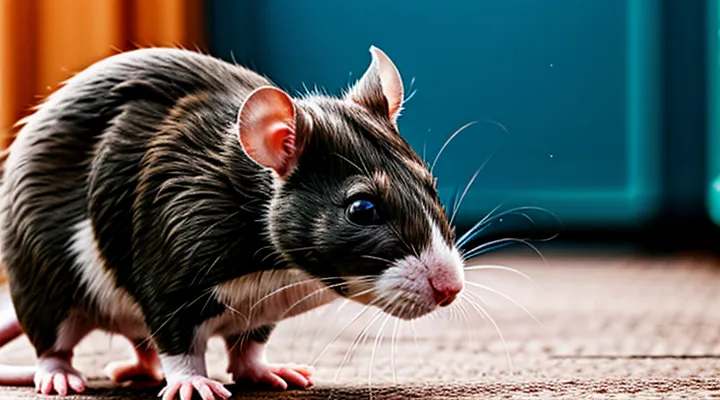
Understanding Rat Nose Bleeds
What is Normal Rat Nasal Discharge?
Porphyrin vs. Blood
When a rat shows fluid from the nostrils, the first step is to determine whether the substance is true blood or porphyrin, the reddish secretion produced by the Harderian gland. Blood contains hemoglobin and clotting factors, appears bright red when oxygenated, and may pool or drip in a continuous stream. Porphyrin is a thick, dark‑brown to black fluid that can resemble dried blood but lacks the characteristic sheen and does not clot.
Key distinctions:
- Color: fresh blood is vivid red; porphyrin is brown‑black.
- Consistency: blood is watery and may form clots; porphyrin is viscous and gelatinous.
- Source: blood originates from ruptured nasal vessels; porphyrin is secreted from the Harderian gland and expelled through the nasolacrimal duct.
- Reaction to pressure: applying gentle pressure stops bleeding but does not affect porphyrin flow.
Correct identification guides treatment. True nasal hemorrhage requires immediate veterinary assessment, potential wound cleaning, and investigation of underlying causes such as trauma, infection, or coagulopathy. Porphyrin discharge often signals stress, eye irritation, or respiratory infection; management focuses on environmental enrichment, humidity control, and addressing the primary irritant. Misinterpreting porphyrin as blood can lead to unnecessary interventions, while overlooking actual bleeding may delay critical care.
Common Causes of Nose Bleeding
Respiratory Infections
Respiratory infections are a frequent underlying factor when a pet rat exhibits nasal bleeding. Bacterial agents such as Streptococcus spp., Klebsiella spp., and Mycoplasma pulmonis invade the upper airway, damaging fragile mucosal vessels and provoking hemorrhage. Viral pathogens, notably Sendai virus, can weaken epithelial integrity, making the nasal passages prone to bleeding. Fungal organisms, though less common, may also contribute to mucosal erosion.
Typical clinical signs accompany the bleeding episode. Observe for sneezing, nasal discharge (clear, purulent, or blood‑tinged), labored breathing, reduced activity, and weight loss. Fever may be detectable with a rectal thermometer. Persistent or recurrent nosebleeds warrant immediate veterinary assessment to rule out neoplasia or trauma.
Diagnostic protocol includes:
- Physical examination of the nasal cavity and thorax.
- Radiographic imaging to identify sinus involvement or lung consolidation.
- Nasal swab or lavage for bacterial culture and sensitivity testing.
- PCR assays for viral detection when indicated.
- Hematologic panel to assess anemia and systemic infection.
Therapeutic measures focus on eliminating the infectious agent and supporting the animal’s recovery. Administer antibiotics based on culture results; empiric choices often start with enrofloxacin or doxycycline pending susceptibility data. Antiviral therapy is limited; supportive care, including humidified environments and gentle nasal flushing with sterile saline, reduces mucus accumulation. Analgesics such as meloxicam alleviate discomfort, while iron supplementation addresses blood loss‑induced anemia.
Preventive strategies minimize infection risk:
- Maintain cage humidity at 40‑60 % to keep nasal membranes moist.
- Provide clean bedding and avoid overcrowding to reduce pathogen transmission.
- Implement a quarantine period for new arrivals, monitoring for respiratory signs.
- Schedule regular health checks with a veterinarian experienced in exotic rodents.
Prompt identification and targeted treatment of respiratory infections significantly reduce the likelihood of severe nasal bleeding and improve overall welfare in pet rats.
Trauma and Injuries
Nasal bleeding in a pet rat frequently follows physical trauma. Direct impact to the head, compression of the snout, or injury from cage accessories can rupture delicate blood vessels within the nasal passages.
Common traumatic sources include:
- Accidental collisions with hard objects such as food dishes or water bottles.
- Crushing injuries caused by improperly sized cages or fallen equipment.
- Aggressive encounters with other rodents during territorial disputes.
- Rough handling that forces the snout against a solid surface.
When trauma occurs, the fragile capillary network lining the nasal mucosa tears, allowing blood to escape into the nostrils. The bleeding may be intermittent or continuous, depending on the severity of the vessel damage.
Immediate response should consist of:
- Gently applying light pressure to the nostrils with a clean, gauze‑wrapped finger for several minutes.
- Isolating the rat in a quiet, warm environment to reduce stress.
- Inspecting for additional injuries such as bruising, swelling, or limb fractures.
- Contacting a veterinarian promptly; rapid assessment prevents blood loss and identifies underlying fractures or internal damage.
Preventive strategies focus on minimizing exposure to hazardous conditions:
- Ensure cages are sturdy, with no protruding edges that can be struck.
- Use appropriately sized food and water containers to avoid accidental contact.
- Limit interactions with other rats if aggression is observed.
- Handle the animal gently, supporting the head and avoiding sudden movements.
Timely intervention and careful environmental management reduce the risk of trauma‑induced nasal hemorrhage and support overall health in pet rats.
Tumors and Growths
Tumors and growths within the nasal cavity are a significant source of epistaxis in pet rats. Malignant neoplasms, such as nasal adenocarcinoma or squamous cell carcinoma, infiltrate blood vessels, causing persistent or intermittent bleeding. Benign masses, including fibromas and papillomas, can also erode delicate mucosal tissue, leading to hemorrhage.
Typical clinical signs accompany the bleeding: nasal discharge (often serous or blood‑tinged), facial swelling, reduced appetite, and weight loss. Palpation may reveal firm, irregular enlargement of the nasal bridge or surrounding structures. Definitive diagnosis requires imaging—computed tomography or radiography—to locate the lesion, followed by biopsy for histopathological confirmation.
Management strategies depend on tumor type and stage:
- Surgical excision: indicated for localized, accessible masses; aims to remove the lesion while preserving nasal architecture.
- Radiation therapy: employed for malignant tumors not amenable to complete resection; reduces tumor burden and controls bleeding.
- Chemotherapy: reserved for aggressive cancers with metastatic potential; protocols follow veterinary oncology guidelines.
- Palliative care: when curative treatment is impractical, apply topical hemostatic agents, nasal packing, and analgesics to alleviate discomfort and control bleeding.
Early detection improves outcomes. Routine health checks should include visual inspection of the nasal area and observation for subtle discharge. If bleeding appears, prompt veterinary evaluation is essential to identify underlying neoplastic processes and initiate appropriate intervention.
Dental Problems
Dental disease is a frequent underlying factor in epistaxis observed in laboratory‑bred rats. Overgrown incisors, malocclusion, and periodontal infection generate pressure on the nasal passages through the maxillary bone, leading to vessel rupture and bleeding from the nostrils. Continuous grinding of food can exacerbate tooth elongation, forcing the teeth into adjacent sinus cavities and compromising the delicate mucosal lining.
Typical signs accompanying nasal discharge include:
- Visible blood staining on the fur around the nose
- Excessive drooling or difficulty swallowing
- Redness or swelling of the facial region, especially near the upper jaw
- Reduced appetite and weight loss
Prompt diagnosis relies on careful oral examination, supplemented by radiographic imaging to assess tooth length, root structure, and sinus involvement. Treatment protocols focus on correcting the dental abnormality: trimming overgrown incisors to proper length, realigning maloccluded teeth with appropriate orthodontic devices, and addressing any infection with targeted antibiotics. Analgesics may be required to manage pain during the recovery phase.
Preventive care involves regular monitoring of tooth wear, providing a diet that encourages natural gnawing, and scheduling routine veterinary checks at least every six months. Early intervention reduces the risk of recurrent nasal bleeding and promotes overall health in captive rodents.
Environmental Factors
Nasal bleeding in a pet rat often reflects adverse conditions in its surroundings. Identifying and correcting environmental triggers can prevent recurrence and support recovery.
- Low humidity dries nasal membranes, increasing fragility.
- Temperature fluctuations cause vasodilation and stress on delicate vessels.
- Dusty bedding or litter introduces particulate irritation.
- Strong odors from cleaning agents, aerosols, or scented products act as chemical irritants.
- Poor ventilation leads to stale air and elevated ammonia levels, damaging nasal tissue.
- Overly soft or wet substrates promote bacterial growth, raising infection risk.
Mitigation measures focus on stabilizing the habitat. Maintain relative humidity between 45‑55 % using a humidifier or water dish with gauze. Keep ambient temperature within 68‑75 °F, avoiding drafts and heat sources. Choose low‑dust, absorbent bedding such as paper‑based products; replace it regularly. Eliminate scented cleaners, aerosol sprays, and strong fragrances from the rat’s area. Ensure cages receive fresh air through filtered ventilation while preventing direct drafts. Position the enclosure away from kitchen fumes, cigarette smoke, and other pollutant sources. Conduct routine health checks, watching for persistent discharge or crusting that may signal underlying infection. Prompt veterinary evaluation is essential if bleeding persists despite environmental adjustments.
Immediate Action and First Aid
Assessing the Severity
Nasal hemorrhage in a pet rat can signal minor irritation or life‑threatening disease; accurate severity assessment determines the urgency of treatment.
Key indicators to evaluate include:
- Volume of blood (a few droplets versus a continuous stream).
- Duration of bleeding (seconds, minutes, or ongoing).
- Frequency (single episode or repeated events within hours).
- Rat’s behavior (normal activity, lethargy, labored breathing, or signs of pain).
- Presence of additional symptoms (nasal discharge, sneezing, weight loss, fever).
Severity categories guide response:
- Mild: minimal blood, short duration, rat remains active. Monitor for 24 hours; if bleeding stops and no other signs appear, routine care may suffice.
- Moderate: moderate flow lasting several minutes, occasional recurrence, slight lethargy. Contact a veterinarian promptly; supportive measures such as gentle pressure with a clean gauze are advisable while arranging care.
- Severe: profuse, persistent bleeding, marked weakness, respiratory distress, or associated fever. Immediate veterinary intervention is required; apply pressure to the nostrils for a few minutes and keep the animal warm, but do not delay professional treatment.
During the waiting period, isolate the rat to prevent stress, maintain a quiet environment, and avoid forcing food or water. Record the onset time, bleeding characteristics, and any accompanying signs to provide the clinician with precise information. Accurate, objective assessment reduces uncertainty and improves outcomes for the affected rodent.
Steps to Take at Home
Gentle Cleaning
When a pet rat experiences nasal bleeding, immediate gentle cleaning prevents infection and reduces stress. Use a soft, lint‑free cloth dampened with sterile saline or warm, distilled water. Avoid alcohol, hydrogen peroxide, or any antiseptic that may irritate delicate mucous membranes.
Steps for safe cleaning:
- Hold the rat gently but securely, supporting the body to prevent sudden movements.
- Apply the damp cloth to the external nostril area, pressing lightly to absorb blood without scraping.
- If clotted blood blocks the nostril, moisten a cotton swab with saline and coax the clot away with a slow, sweeping motion.
- Discard used materials in a sealed container to maintain hygiene.
- Observe the rat for continued bleeding; if bleeding persists beyond a few minutes, seek veterinary assistance.
Precautions:
- Keep the cleaning environment warm and quiet to minimize shock.
- Limit handling to a few minutes; prolonged restraint can elevate heart rate and exacerbate hemorrhage.
- Ensure the rat’s eyes are protected from accidental contact with the cloth or swab.
- Store saline solution at room temperature; avoid reheating or cooling before use.
Regular monitoring after cleaning includes checking for signs of anemia, such as pale gums, lethargy, or reduced appetite. Prompt veterinary evaluation is essential if any of these symptoms appear, or if the source of bleeding remains unidentified.
Keeping the Rat Calm
When a pet rat experiences nasal bleeding, stress can worsen blood loss and impede recovery. Keeping the animal calm reduces heart rate, stabilizes blood pressure, and limits the risk of additional trauma to delicate nasal vessels.
- Provide a quiet, dimly lit area away from household traffic.
- Use a soft, insulated carrier or a small box lined with fleece; avoid hard plastic surfaces.
- Limit handling to brief, gentle lifts; support the body fully to prevent sudden movements.
- Offer familiar bedding and a favorite chew item to distract and comfort the rat.
- Maintain ambient temperature between 68‑74 °F (20‑23 °C) to prevent shivering‑induced agitation.
- Speak in low, steady tones; sudden noises can trigger a stress response.
Observe the rat for signs of heightened anxiety such as rapid breathing, frantic grooming, or attempts to escape. If these behaviors appear, pause interaction, reassess the environment, and reinforce the calming measures. Consistent application of these practices creates a stable setting that supports hemostasis and facilitates veterinary assessment.
Monitoring for Worsening Symptoms
When a pet rat exhibits nasal bleeding, continuous observation is essential to detect any escalation. Record the frequency, volume, and duration of each episode. Note changes in behavior, such as reduced activity, loss of appetite, or signs of pain, which may indicate underlying complications.
Key indicators of worsening condition:
- Bleeding that persists longer than five minutes or recurs multiple times within an hour.
- Increased blood flow, turning from spotting to a steady stream.
- Swelling or discharge around the nostrils, especially if it becomes purulent.
- Labored breathing, open-mouth respiration, or audible wheezing.
- Sudden lethargy, trembling, or refusal to eat and drink.
- Unusual aggression or excessive grooming of the nasal area.
If any of these signs appear, contact a veterinarian immediately. Provide the clinician with the documented observations to facilitate prompt diagnosis and treatment. Regular monitoring, combined with swift professional intervention, reduces the risk of severe blood loss and secondary infections.
When to Seek Veterinary Care
Signs Indicating Urgent Attention
Nasal bleeding in a pet rat may signal a life‑threatening condition; prompt veterinary evaluation is required when any of the following signs appear.
- Profuse or continuous bleeding that does not stop within a few minutes.
- Rapid loss of blood leading to pale or white gums.
- Sudden lethargy, weakness, or collapse.
- Labored or noisy breathing, indicating possible airway obstruction.
- Swelling or deformation around the snout, eyes, or nasal passages.
- Excessive discharge accompanied by foul odor, suggesting infection.
- Unexplained seizures or loss of coordination.
If one or more of these indicators are observed, contact a veterinarian immediately, keep the rat warm and quiet, and avoid applying pressure to the nose unless instructed by a professional.
What to Expect at the Vet
Diagnostic Procedures
When a pet rat presents with epistaxis, a systematic diagnostic approach is essential to identify the underlying condition and guide treatment. Initial evaluation includes a thorough physical examination focused on the nasal cavity, oral mucosa, and respiratory system. Observe the bleeding pattern, quantity, and any associated discharge. Palpate the skull for signs of trauma or swelling.
Collect a detailed history covering recent injuries, environmental changes, diet, and exposure to toxins. Note any previous illnesses, surgeries, or medications that could predispose the animal to coagulopathy.
Diagnostic procedures commonly employed are:
- Complete blood count (CBC) – assesses anemia, leukocytosis, and platelet count.
- Coagulation profile – includes prothrombin time (PT) and activated partial thromboplastin time (aPTT) to detect clotting disorders.
- Serum biochemistry panel – evaluates liver and kidney function, which influence clotting factor synthesis and clearance.
- Radiography of the skull – identifies fractures, foreign bodies, or masses affecting the nasal passages.
- Computed tomography (CT) or magnetic resonance imaging (MRI) – provides detailed visualization of soft tissue lesions, tumors, or sinusitis when radiographs are inconclusive.
- Nasal endoscopy – allows direct inspection of the nasal mucosa, collection of tissue biopsies, and removal of accessible foreign material.
- Microbial cultures – obtained from nasal swabs or tissue samples to detect bacterial, fungal, or viral pathogens.
If systemic disease is suspected, additional tests such as a viral PCR panel for common rodent viruses or a thrombophilia work‑up may be warranted. All findings should be recorded systematically to facilitate differential diagnosis and subsequent therapeutic decisions.
Treatment Options
Nasal hemorrhage in a pet rat demands prompt action to prevent excessive blood loss and to address underlying health issues. Immediate measures focus on stabilizing the animal, followed by targeted therapies that a veterinarian may prescribe.
- Apply gentle, steady pressure to the nostrils for 2–3 minutes using a clean gauze pad. This often stops active bleeding.
- Increase ambient humidity with a low‑setting humidifier or a damp towel placed in the cage. Moist air supports mucosal healing and reduces irritation.
- Provide dietary supplementation of vitamin C and iron to correct potential deficiencies that weaken capillary walls. Commercial rat supplements or a small amount of fortified fruit can be used under veterinary guidance.
- Administer topical hemostatic agents such as a diluted solution of chlorhexidine or a veterinary‑approved nasal gel. Apply sparingly to avoid further irritation.
- Conduct a thorough veterinary examination to identify infections, neoplasia, trauma, or clotting disorders. Diagnostic steps may include blood work, nasal swabs, and imaging.
- Follow prescribed systemic treatments, which may involve antibiotics for bacterial sinusitis, antifungal medication for fungal infections, or corticosteroids to reduce inflammation, depending on the diagnosis.
- Schedule regular monitoring of the rat’s weight, activity level, and nasal discharge. Adjust treatment plans promptly if bleeding recurs or systemic signs appear.
These interventions, combined with professional veterinary assessment, constitute the standard approach to managing nasal bleeding in domestic rats.
Prevention and Long-Term Care
Maintaining Optimal Cage Environment
Humidity and Ventilation
Humidity levels and air exchange directly affect the nasal health of a pet rat. Improper moisture or stagnant air can irritate the delicate mucous membranes, creating conditions that precipitate epistaxis.
Low ambient humidity dries the nasal passages, thinning the mucosal lining and making capillaries more vulnerable to rupture. Conversely, excessive humidity fosters mold growth and bacterial proliferation, both of which can inflame the nasal cavity and trigger bleeding. Maintaining a relative humidity between 40 % and 60 % provides a stable environment that protects the nasal tissue without encouraging pathogens.
Inadequate ventilation allows ammonia and other respiratory irritants to accumulate. Ammonia originates from urine and feces; without sufficient air turnover, its concentration rises, irritating the nasal epithelium and increasing the risk of hemorrhage. Proper airflow dilutes these gases, reduces dust, and supplies fresh oxygen, all of which support healthy nasal function.
Recommendations for optimal humidity and ventilation
- Use a digital hygrometer to monitor room humidity; adjust with a humidifier or dehumidifier as needed.
- Keep the cage in a well‑ventilated area; avoid closed cabinets or airtight enclosures.
- Provide a small, low‑speed fan to promote gentle air movement without creating drafts that could chill the animal.
- Change bedding regularly and clean the cage to limit ammonia buildup.
- Ensure the habitat is not placed near heating vents or air conditioners that could cause rapid humidity fluctuations.
Consistent control of moisture and airflow reduces mucosal stress, lowers the incidence of nasal bleeding, and supports overall respiratory health in pet rats.
Substrate Choices
Choosing an appropriate cage floor covering directly influences a rat’s nasal health. Dust‑rich materials can irritate delicate nasal membranes, increasing the likelihood of bleeding. Moisture‑retaining substrates may foster fungal growth, also posing a risk to the respiratory tract.
Common options include:
- Paper‑based bedding (e.g., shredded paper, kiln‑dried pine shavings): low dust, easy to replace, moderate absorbency. Suitable for preventing nasal irritation.
- Aspen wood chips: minimal resin, low dust, good ventilation. Provide a dry environment but require frequent cleaning to avoid ammonia buildup.
- Corncob pellets: compact, high absorbency, but can generate fine particles when broken, potentially aggravating nasal passages.
- Recycled wood wool: soft texture, low dust, but may retain moisture, creating a humid microclimate that encourages mold.
When selecting a substrate, prioritize low‑dust formulations and monitor humidity levels. Replace bedding regularly to keep ammonia concentrations below harmful thresholds. For rats prone to nasal bleeding, a combination of paper‑based bedding with occasional aspen chips offers a balance of dryness and comfort while minimizing respiratory irritation.
Dietary Considerations
Nosebleeds in pet rats often signal nutritional imbalance. Certain dietary components directly affect vascular integrity and mucosal health, making diet a critical factor in prevention and recovery.
- Deficiency of vitamin C weakens capillary walls, increasing the likelihood of bleeding.
- Excessive sodium raises blood pressure, which can rupture delicate nasal vessels.
- Low fiber intake leads to constipation, creating straining that may trigger nasal hemorrhage.
- Inadequate protein reduces tissue repair capacity, prolonging bleeding episodes.
Veterinarians advise a balanced diet that supplies essential nutrients without excess. Include fresh leafy greens rich in vitamin C, such as kale or romaine lettuce, and limit processed treats high in salt. Provide a high‑quality pellet formulated for rats, supplemented with occasional boiled egg or mealworm for protein. Ensure constant access to clean water to maintain hydration and support mucosal moisture.
Observe the rat’s stool consistency and activity level after dietary changes. If bleeding persists despite adjustments, re‑evaluate the diet for hidden sources of sodium or toxins, and consider a targeted supplement under professional guidance. Continuous monitoring and prompt correction of nutritional errors reduce the risk of recurrent nosebleeds.
Regular Health Checks
Importance of Early Detection
Early identification of nasal bleeding in a pet rat prevents rapid health decline. Small rodents conceal discomfort; unnoticed hemorrhage can lead to anemia, hypovolemia, or systemic infection within hours. Prompt observation of blood discharge, crusted snouts, or altered behavior enables timely veterinary intervention, reducing the risk of irreversible damage.
Recognizing early signs requires vigilance:
- Fresh blood streaming from the nostrils or droplets on bedding.
- Swelling or redness around the nasal region.
- Increased respiratory effort or audible wheezing.
- Sudden lethargy, loss of appetite, or weight loss.
When any of these indicators appear, immediate action includes:
- Isolating the affected rat to minimize stress.
- Applying gentle pressure with a sterile gauze to control bleeding for no longer than two minutes.
- Collecting a sample of the blood for the veterinarian, if possible.
- Contacting a qualified exotic‑animal clinician within the same day.
Early detection also informs diagnostic choices. Blood work, radiographs, or endoscopic examination become more effective before extensive blood loss obscures underlying pathology such as trauma, tumor, or clotting disorder. Consequently, swift recognition translates directly into accurate diagnosis, targeted treatment, and improved survival odds for the animal.