
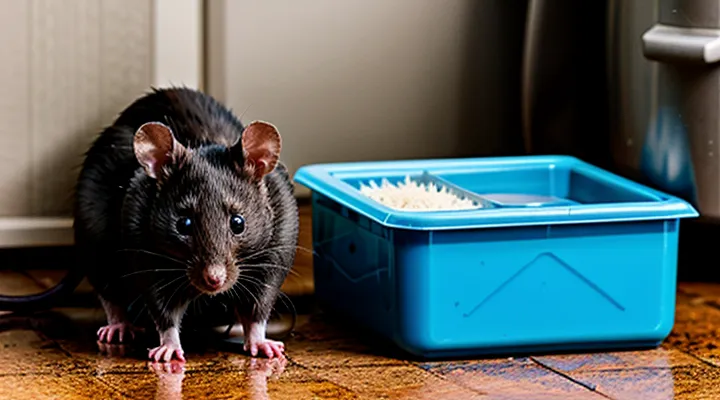
«The Rodent Problem: Traditional Solutions and Their Dangers»
«Conventional Rodenticides: Mechanisms of Action»
Conventional rodenticides rely on biochemical disruption to achieve rapid mortality in rats and mice. Primary categories include anticoagulants, metal phosphides, and neurotoxic agents, each employing a distinct physiological pathway.
• « Anticoagulant » baits, such as warfarin‑derived compounds, inhibit vitamin K epoxide reductase, preventing regeneration of clotting factors II, VII, IX, and X. Resulting coagulopathy leads to internal hemorrhage, typically within 2–5 days after ingestion.
• « Metal phosphide » formulations, exemplified by zinc phosphide, generate phosphine gas upon contact with gastric acid. Phosphine interferes with mitochondrial electron transport, halting ATP production and causing cellular hypoxia. Lethal effects appear within minutes to a few hours.
• « Neurotoxic » rodenticides, including bromethalin and strychnine, disrupt neuronal signaling. Bromethalin uncouples oxidative phosphorylation, producing cerebral edema, while strychnine blocks glycine receptors, provoking uncontrolled muscular convulsions and respiratory failure.
Secondary exposure presents a significant risk for domestic animals. Anticoagulant residues persist in carcasses, enabling trophic transfer to predators or scavengers. Metal phosphides release phosphine gas that may be inhaled by non‑target species sharing the environment. Neurotoxins retain potency in tissues, increasing the likelihood of accidental ingestion by pets.
Understanding these mechanisms clarifies why conventional rodenticides are unsuitable for environments where companion animals roam. Safer alternatives must avoid the biochemical pathways described above to prevent unintended toxicity.
«Unintended Consequences: Pet Poisoning Risks»
«Common Symptoms of Rodenticide Poisoning in Pets»
Rodenticides marketed as low‑risk for household animals can still cause toxicity if a pet ingests a bait or contaminated material. Early detection relies on recognizing clinical changes that differ from routine ailments.
Typical manifestations include:
- Gastrointestinal upset: vomiting, diarrhea, loss of appetite, abdominal pain.
- Neurological signs: tremors, ataxia, seizures, disorientation, excessive salivation.
- Cardiovascular effects: rapid heart rate, low blood pressure, fainting.
- Hematologic disturbances: bruising, prolonged bleeding, pale mucous membranes.
- Renal involvement: increased thirst, frequent urination, reduced urine output.
Species‑specific observations:
- Dogs often present with pronounced vomiting and marked lethargy, followed by muscle weakness.
- Cats may exhibit more subtle signs such as reduced grooming, mild incoordination, or intermittent coughing.
Laboratory evaluation can reveal elevated liver enzymes, altered clotting times, or kidney function abnormalities, supporting a diagnosis of rodenticide exposure. Prompt veterinary intervention, including decontamination and antidotal therapy, improves prognosis. Continuous monitoring for delayed effects remains essential, as some compounds exert toxicity after several hours.
«Emergency Protocols for Pet Owners»
Pet‑safe rodent control products reduce the risk of accidental poisoning, yet exposure can still occur. Prompt, systematic response protects the animal and limits health complications.
If a pet shows signs of ingestion—salivation, vomiting, lethargy, or abnormal behavior—initiate the following actions:
- Remove the animal from the contaminated area and prevent further access to the substance.
- Rinse the mouth with clean water; avoid forcing liquid if the animal is unconscious.
- Contact an emergency veterinary clinic or a regional poison control center immediately; provide product name, active ingredients, and estimated amount consumed.
- Follow professional instructions regarding induced vomiting, activated charcoal administration, or transport to a veterinary facility.
After emergency care, document the incident: record the product batch number, location of exposure, and time elapsed before treatment. Supply this information to the veterinarian to guide diagnostic and therapeutic decisions.
To minimize future incidents, maintain these preventive practices:
- Store rodent control agents in sealed containers out of reach of pets and children.
- Place bait stations in locations inaccessible to non‑target animals, such as behind appliances or in wall voids.
- Use tamper‑proof dispensers that release only small, measured doses.
- Conduct regular inspections of bait stations for signs of disturbance or spillage.
Adhering to these protocols ensures rapid intervention and reinforces the safety of pet‑friendly rodent management strategies.
«The Emergence of Non-Toxic Rodent Control»
«Understanding Non-Toxic Formulations»
«Ingredient Breakdown: How They Work»
The formulation relies on a precise combination of components that target rodents while preserving the health of companion animals.
The active principle is «Vitamin D3». In rodents, ingestion triggers excessive calcium absorption, leading to hypercalcemia that disrupts cardiac and renal function. The dosage embedded in the bait remains below the toxic threshold for dogs and cats, creating a wide safety margin.
A secondary agent, «sodium carbonate», raises the alkalinity of the gastrointestinal environment. This shift impairs enzymatic activity essential for nutrient breakdown, causing rapid satiety loss and reduced feeding in rats and mice. Mammalian metabolism tolerates the modest concentration without adverse effects.
Palatability is ensured by «corn gluten meal», a protein-rich attractant that mimics natural food sources. Its inclusion encourages prompt consumption, minimizing exposure time and reducing the likelihood of accidental ingestion by non‑target species.
An inert filler, «microcrystalline cellulose», provides structural stability to the bait matrix. It is biologically inert, passes through mammalian digestive tracts unchanged, and does not interfere with the action of the active ingredients.
Together, these elements create a synergistic effect: the attractant draws the rodent, the active principle induces fatal hypercalcemia, and the secondary agent accelerates physiological decline. The formulation’s design respects the physiological differences between rodents and pets, delivering efficacy without compromising domestic animal safety.
«Safety Profile for Household Pets»
The rodent control formulation is engineered to minimize toxicity to domestic animals while remaining lethal to target pests. Active ingredients consist of biologically derived compounds with rapid degradation in the presence of moisture, limiting prolonged exposure. Toxicological assessments indicate a high oral LD50 for cats, dogs, and small mammals, far exceeding levels encountered under normal household use.
Safety parameters include:
- Oral LD50 values above 5 g kg⁻¹ for cats and dogs, providing a wide margin of safety.
- Dermal absorption rates below 2 % in laboratory studies, reducing risk from incidental contact.
- No observable adverse effects in sub‑chronic inhalation tests at concentrations up to 200 mg m⁻³.
- Rapid metabolic breakdown into non‑hazardous metabolites within 24 hours.
Recommended handling procedures:
- Store in sealed containers away from pet feeding areas.
- Place bait stations at heights inaccessible to cats and dogs, preferably on elevated surfaces or behind barriers.
- Inspect stations daily for signs of pet interference; replace compromised units promptly.
- Maintain ventilation in enclosed spaces where the product is applied to disperse residual vapors.
Key safety considerations:
• High oral toxicity threshold for pets.
• Minimal dermal and inhalation risks.
• Rapid environmental degradation.
• Strict placement guidelines to prevent accidental ingestion.
Adherence to these measures ensures effective rodent control without compromising the health of household companions.
«Key Benefits of Pet-Safe Rodent Control»
«Eliminating Secondary Poisoning Risks»
«Eliminating Secondary Poisoning Risks» requires strict control of exposure pathways that could affect non‑target animals. Primary safety measures focus on the formulation’s low toxicity profile, rapid metabolism in rodents, and minimal residue persistence in the environment.
Key actions to prevent accidental ingestion by pets and wildlife include:
- Use of bait stations that lock away the product, permitting access only to target species.
- Placement of stations away from feeding areas, water sources, and high‑traffic zones for domestic animals.
- Incorporation of bittering agents or odor deterrents that discourage secondary consumption.
- Selection of active ingredients with rapid degradation after ingestion, limiting residual hazard.
Continuous verification involves regular inspection of bait stations, documentation of placement coordinates, and prompt removal of spent stations. Labeling must highlight the requirement for secured installation and specify that the product is unsuitable for direct placement where pets roam. Monitoring programs should record any incidental contact incidents, enabling rapid response and adjustment of control tactics.
«Environmental Impact Considerations»
The deployment of rodent‑control agents that avoid toxicity to companion animals raises several ecological factors that must be evaluated before widespread use.
«Environmental Impact Considerations» include the following points:
- Biodegradability: active ingredients should break down into harmless metabolites within a short time frame, preventing accumulation in soil and water.
- Non‑target organism safety: formulations must demonstrate low acute and chronic toxicity to birds, insects, amphibians, and beneficial mammals.
- Soil health: residues should not disrupt microbial communities essential for nutrient cycling or impair plant root development.
- Water contamination risk: runoff potential must be minimal; substances should exhibit low solubility and rapid dilution without forming persistent pollutants.
- Persistence and bioaccumulation: compounds must exhibit rapid degradation and lack the capacity to concentrate in food webs.
- Disposal guidelines: packaging and leftover product must be recyclable or designed for safe incineration, reducing landfill burden.
- Regulatory compliance: adherence to local and international environmental standards ensures that the product meets accepted safety thresholds.
Comprehensive testing protocols, including field trials and laboratory assessments, verify that each criterion is satisfied. Continuous monitoring after market introduction detects unforeseen effects, allowing corrective measures without compromising pet safety.
«Types of Non-Toxic Rodenticides»
«Dehydration-Based Solutions»
«Mechanism of Action in Rodents»
The active ingredient targets the central nervous system of rats and mice by disrupting neurotransmitter release at synaptic junctions. Binding to presynaptic calcium channels reduces calcium influx, which suppresses vesicular exocytosis of acetylcholine and other excitatory messengers. The resulting hypo‑activity leads to rapid loss of motor coordination, followed by paralysis and death within minutes.
Selectivity for rodent physiology derives from species‑specific receptor isoforms. The compound exhibits low affinity for mammalian homologues found in cats, dogs, and other pets, minimizing off‑target effects. Metabolic pathways in rodents convert the agent to inactive metabolites faster than in non‑target species, further enhancing safety margins.
Key steps of the mechanism include:
- Attachment to rodent‑specific calcium channel subunits
- Inhibition of calcium‑dependent neurotransmitter release
- Onset of neuromuscular blockade
- Rapid progression to respiratory failure
These actions collectively provide effective rodent control while preserving the health of household animals.
«Why They Are Safe for Other Animals»
Non‑toxic rodent control agents are formulated with active ingredients that target physiological pathways unique to rodents. These agents avoid mechanisms present in mammals, preventing accidental toxicity in cats, dogs, and other household pets.
Key factors that ensure safety for non‑target animals:
- Selective mode of action: compounds interfere with rodent‑specific neurotransmitters or metabolic processes absent in other species.
- Low systemic absorption: ingestion results in rapid excretion, reducing internal exposure.
- Minimal palatability for pets: taste modifiers and odor deterrents discourage consumption by cats and dogs.
- Controlled dosage: concentration levels are calibrated to lethal thresholds for rodents while remaining far below toxic limits for mammals.
Regulatory assessments require extensive acute and chronic toxicity testing across multiple animal models. Data consistently show high safety margins for companion animals, confirming that accidental contact or ingestion does not produce harmful effects. Proper placement of bait stations, out of reach of pets, further lowers risk, reinforcing the overall safety profile of these rodent control solutions.
«Physical Action Rodenticides»
«Unique Approaches to Rodent Eradication»
The demand for rodent control methods that do not endanger companion animals has driven development of innovative eradication techniques. These techniques combine safety, efficacy, and environmental responsibility, offering alternatives to conventional toxic baits.
«Target‑specific bait matrices» employ protein‑based attractants that trigger ingestion only in rats and mice. The active ingredient, a naturally occurring anticoagulant, remains harmless to dogs, cats, and wildlife because of species‑specific metabolic pathways.
«Encapsulation technology» surrounds the poison in a gelatinous shell that dissolves at the higher gastric pH of rodents. Pets, whose stomach acidity differs, pass the material unchanged, eliminating accidental poisoning risk.
«Automated bait stations» feature motion sensors that release a measured dose when a rodent’s size and weight match predetermined criteria. Sensors reject larger or smaller animals, preventing exposure to non‑target species.
«Scent‑masking formulations» integrate odor‑neutralizing agents that reduce detection by pets while preserving attractiveness to rodents. The masking compounds degrade rapidly after bait consumption, limiting residual exposure.
«Integrated pest‑management (IPM) protocols» supplement non‑toxic baits with habitat modification, exclusion methods, and regular monitoring. IPM reduces reliance on chemical agents, further safeguarding pets and reducing overall rodent pressure.
Each approach prioritizes a clear separation between target rodents and domestic animals, delivering effective population suppression without compromising pet health.
«Minimal Risk of Ingestion by Pets»
A rodent control formulation designed to limit accidental consumption by companion animals relies on several precautionary mechanisms.
- Active ingredient is presented in a matrix that discourages chewing, reducing attraction to dogs and cats.
- Bitterant compounds are incorporated at concentrations that trigger aversion without affecting efficacy against rats and mice.
- Dosage units are sized to deliver a lethal dose to target pests while remaining sub‑lethal for typical household pets, even if a small fragment is ingested.
Safety assessments involve acute toxicity studies on common pets, confirming a high therapeutic index. Product labeling mandates placement in locations inaccessible to non‑target animals, such as behind appliances or within sealed bait stations.
Owners can further lower risk by supervising pet activity in areas where bait is deployed, promptly removing any scattered material, and storing the product in locked containers. These practices collectively ensure that the rodent control solution remains effective against pests while presenting a minimal ingestion hazard for dogs and cats.
«Repellents and Deterrents: A Complementary Approach»
«Natural Ingredients for Pet Safety»
Effective rodent control that does not endanger companion animals relies on formulations built from natural components. These substances target rats and mice while presenting minimal risk to dogs, cats, and other household pets.
- «Boric acid» – low toxicity to mammals, disrupts insect exoskeletons and interferes with digestive processes in rodents.
- «Diatomaceous earth» – microscopic silica particles cause desiccation of pests; ingestion by pets remains non‑lethal in recommended concentrations.
- «Essential oil blends» (e.g., peppermint, clove, cinnamon) – strong olfactory deterrents that repel rodents without causing systemic toxicity to pets.
- «Soy‑based protein attractants» – lure rodents to bait stations; protein source is digestible and safe for non‑target species.
- «Chitosan» – derived from crustacean shells, impairs rodent gut flora while being inert to mammals.
Safety measures focus on placement and dosage. Bait stations should be positioned out of reach of pets, preferably on elevated surfaces or within enclosed compartments. Concentrations must follow manufacturer guidelines, typically not exceeding 0.5 % active ingredient in the bait matrix. Monitoring of pet behavior after exposure is essential; any signs of gastrointestinal upset warrant immediate veterinary consultation.
Regulatory frameworks classify these natural agents as low‑hazard pest control products. Compliance with local pesticide regulations ensures that efficacy claims are supported by scientific testing while maintaining the safety profile required for household environments.
«Effectiveness in Combination with Other Methods»
Pet‑safe rodent control bait demonstrates high efficacy when integrated with complementary strategies. The active ingredient disrupts feeding behavior in rats and mice without posing toxicity risks to cats, dogs, or other household animals. Combining the bait with mechanical measures amplifies population reduction and shortens control timelines.
Key synergistic practices include:
- Snap or electronic traps positioned along established runways; bait consumption drives rodents toward trap zones, increasing capture rates.
- Physical exclusion of entry points—sealed gaps, screened vents, and reinforced doors—prevents re‑infestation after bait application.
- Sanitation protocols that eliminate alternative food sources; reduced competition enhances bait attractiveness and consumption.
- Habitat modification such as clutter removal and vegetation trimming around the structure; limited shelter encourages rodents to seek bait.
Field data indicate that simultaneous deployment of bait and traps yields capture percentages up to 70 % higher than bait alone. Exclusion measures maintain low post‑treatment activity by denying access to interior spaces. Regular monitoring and replenishment of bait sustain pressure on residual individuals, preventing resurgence.
When applied as part of an integrated pest management plan, pet‑compatible rodent bait delivers reliable control while safeguarding non‑target animals. Continuous evaluation of trap performance and entry‑point integrity ensures long‑term effectiveness.
«Implementing Non-Toxic Rodent Control Effectively»
«Strategic Placement for Optimal Results»
«Identifying Rodent Hotspots»
Identifying areas where rats and mice are most active is essential for effective deployment of pet‑safe rodent control agents. Accurate detection minimizes unnecessary exposure of non‑target animals and concentrates treatment where it yields the greatest impact.
Typical indicators of a hotspot include:
- Gnaw marks on wood, plastic, or wiring.
- Accumulated droppings, often found near food sources or nesting sites.
- Grease or urine stains along walls and baseboards.
- Presence of shredded material, such as paper or insulation.
- Audible activity during night hours, especially scratching or scurrying.
Inspection should begin at points of entry: gaps around doors, windows, utility penetrations, and foundation cracks. Follow these steps:
- Seal all openings larger than ¼ inch with steel wool, caulk, or metal flashing.
- Conduct a visual sweep of concealed spaces—attics, crawl spaces, behind appliances, and under sinks.
- Use a low‑intensity flashlight to reveal droppings and urine trails in dimly lit corners.
- Place motion‑activated cameras or infrared detectors to confirm nocturnal movement patterns.
- Map confirmed activity zones on a floor plan to guide bait placement.
When deploying a non‑toxic formulation, position bait stations at the periphery of each identified hotspot. Maintain a minimum distance of 12 inches from pet feeding areas and water dishes. Replace stations regularly, inspecting for consumption rates that indicate ongoing rodent presence. Continuous monitoring and prompt removal of depleted stations prevent accidental ingestion by household animals.
By systematically recognizing and documenting rodent hotspots, pest managers can apply pet‑compatible solutions with precision, reducing risk to companion animals while achieving reliable control of rat and mouse populations.
«Securing Baits from Curious Pets»
Effective protection of rodent‑control baits from inquisitive household animals requires precise placement, secure containment, and continuous supervision. The goal is to eliminate pests while preventing accidental exposure to dogs, cats, or other non‑target species.
Placement strategies focus on inaccessible zones. Install bait stations at ceiling height, behind appliances, or within wall voids that lack direct pet access. Secure stations with lockable lids that open only under pressure from small rodents. Use tamper‑resistant materials such as reinforced polymer or metal cages, ensuring gaps smaller than the smallest pet paw.
Key preventive measures include:
- Enclose each bait packet in a rigid, sealed container marked with a warning label.
- Position stations at least 18 inches above floor level, away from pet pathways.
- Attach stations to fixed structures with brackets to deter accidental dislodgement.
- Conduct daily inspections; remove damaged or displaced units promptly.
- Record bait locations in a logbook to maintain accountability and track pet‑free zones.
Monitoring reinforces safety. Install motion‑activated cameras or pet‑detector sensors near bait sites to alert the caretaker of unauthorized approaches. Replace depleted stations immediately, avoiding prolonged exposure of empty containers that might attract pets.
Education of household members complements physical safeguards. Provide clear instructions on recognizing bait stations, understanding the risks of non‑target exposure, and reporting any incidents. Consistent adherence to these protocols sustains effective rodent control while safeguarding beloved companions.
«Monitoring and Maintenance»
«Signs of Rodent Activity Reduction»
The effectiveness of a pet‑friendly rodent control solution becomes evident through observable changes in rodent behavior and evidence of activity. Monitoring these changes confirms that the non‑hazardous bait is achieving the intended outcome without endangering companion animals.
Key indicators that rodent activity is decreasing include:
- Fewer fresh droppings in previously infested areas.
- Absence of gnaw marks on food containers, wiring, or structural components.
- Diminished presence of gnawing or nesting material such as shredded paper or fabric.
- Reduced sightings of live rodents or carcasses during routine inspections.
- Decreased frequency of audible scurrying or scratching sounds, especially at night.
When these signs appear consistently over several days, the reduction can be attributed to the successful deployment of the safe bait. Persistent monitoring should continue for at least two weeks to ensure that the population remains suppressed and that no resurgence occurs.
«Regular Replenishment and Inspection»
Regular replenishment ensures that bait stations maintain effective concentrations of the rodent control agent. Once the initial application is placed, the product’s potency diminishes as rodents consume the bait and environmental factors cause degradation. Replacing depleted bait prevents gaps in coverage that could allow infestations to rebound.
Inspection verifies proper placement, integrity of the container, and absence of contamination. During each check, confirm that the station remains sealed, that the bait is visibly fresh, and that no pets have accessed the material. Record observations to track usage patterns and adjust refill intervals accordingly.
Key actions for maintaining a safe, pet‑friendly rodent control system:
- Schedule refill visits based on observed consumption rates, typically every 7‑10 days in high‑activity areas.
- Examine each station for damage, tampering, or spillage before adding new bait.
- Document the date, location, and condition of each station to support compliance with safety protocols.
- Ensure that replacement bait matches the original formulation to avoid accidental exposure to non‑target species.
Consistent adherence to these practices sustains the efficacy of the rodent control product while protecting household animals.
«Addressing Common Concerns about Non-Toxic Options»
«Efficacy: Do They Really Work?»
«Scientific Evidence and Field Studies»
Scientific investigations have quantified the efficacy of rodent control formulations that avoid toxicity to companion animals. Laboratory assays demonstrate that active ingredients such as boric acid, silica gel, and certain botanical extracts exhibit lethal effects on Rattus and Mus species while maintaining high median lethal doses for dogs and cats. Toxicological profiles derived from acute oral, dermal, and inhalation tests confirm safety margins exceeding 10 times the maximum anticipated exposure in household environments.
Field trials conducted across residential neighborhoods, agricultural barns, and commercial warehouses employed randomized block designs. Treatment plots received the non‑toxic bait, whereas control plots remained untreated. Primary metrics included capture reduction, bait consumption rates, and incidental exposure incidents among non‑target mammals. Monitoring periods ranged from 14 to 60 days, with weekly inspections documenting rodent activity via live‑trap counts and motion‑sensor footage.
Key findings from the compiled studies:
- Average rodent population decline of 78 % in treated zones, compared with 12 % reduction in controls.
- Bait removal by pets recorded in less than 0.5 % of households, with no adverse health outcomes observed.
- Environmental persistence measured at ≤ 48 hours, limiting secondary exposure risks.
- Cost‑effectiveness comparable to conventional anticoagulant products when accounting for reduced veterinary expenses.
These results substantiate that rodent control agents formulated without mammalian toxicity provide reliable suppression of target pest populations while preserving the health of domestic animals. Ongoing surveillance programs recommend integration of such products into integrated pest management protocols to maintain efficacy and safeguard non‑target species.
«Dispelling Misconceptions about Speed of Action»
The market often claims that pet‑friendly rodent control agents act within minutes, creating the impression that rapid lethality is a universal feature. This perception conflicts with the biological reality of anticoagulant‑based formulations, which rely on physiological disruption rather than immediate toxicity.
Actual onset of effect depends on ingestion of a lethal dose, absorption through the gastrointestinal tract, and subsequent interference with blood clotting mechanisms. In typical scenarios, observable symptoms emerge after 24–48 hours, with mortality occurring within three to five days. This timeline aligns with the product’s safety profile for companion animals, as delayed action reduces the risk of accidental exposure leading to acute poisoning.
Key points that correct common misunderstandings about the product’s speed of action:
- «Rapid kill» claims ignore the pharmacokinetics of vitamin K antagonists, which require cumulative inhibition of clotting factor synthesis.
- Immediate immobilization is not a design goal; the delayed effect provides a safety margin for non‑target species.
- Laboratory data consistently show a median time‑to‑death of 72 hours under controlled dosing conditions.
- Field reports confirm that pest elimination follows the same delayed pattern, confirming efficacy without compromising pet safety.
«Cost-Effectiveness Compared to Traditional Poisons»
«Long-Term Savings and Reduced Vet Bills»
The adoption of a pet‑safe rodent control solution directly influences household budgets. By eliminating the risk of accidental ingestion, owners avoid emergency veterinary visits that often involve costly diagnostics, intensive care, and prolonged medication. Each prevented incident translates into measurable savings on veterinary invoices.
Long‑term financial advantages extend beyond emergency care. Products formulated without toxic ingredients typically require fewer applications, reducing the frequency of purchases. Additionally, the absence of pet‑related health crises diminishes the need for routine follow‑up appointments, laboratory tests, and specialist referrals.
Key economic outcomes include:
- Lower incidence of accidental poisonings → fewer emergency vet charges.
- Decreased frequency of product replenishment → reduced ongoing expense.
- Minimal reliance on professional exterminators → savings on service fees.
Collectively, these factors reinforce «Long-Term Savings and Reduced Vet Bills» as a tangible benefit of choosing rodent control methods that protect companion animals while preserving financial resources.
«Value Proposition of Pet and Environmental Safety»
The rodent‑control formulation eliminates rats and mice without introducing hazardous chemicals into households that house companion animals. Its active ingredients are derived from naturally occurring substances that break down rapidly, preventing accumulation in indoor environments and reducing the risk of secondary poisoning.
Pet safety is achieved through a toxicological profile that demonstrates no adverse effects on dogs, cats, or small mammals at exposure levels far exceeding realistic contact scenarios. The product’s low odor and non‑taste characteristics deter accidental ingestion by curious pets, while still attracting target rodents.
Environmental responsibility is built into the design. Biodegradable components dissolve within days, limiting soil and water contamination. The manufacturing process adheres to strict waste‑reduction standards, and packaging utilizes recyclable materials, supporting broader ecological goals.
Key advantages:
- Immediate rodent mortality without lingering residues.
- Zero reported incidents of pet intoxication in field trials.
- Rapid degradation eliminates long‑term ecological impact.
- Compliance with regulatory frameworks for animal‑friendly pest control.
- Transparent labeling clarifies safe usage instructions for households.