
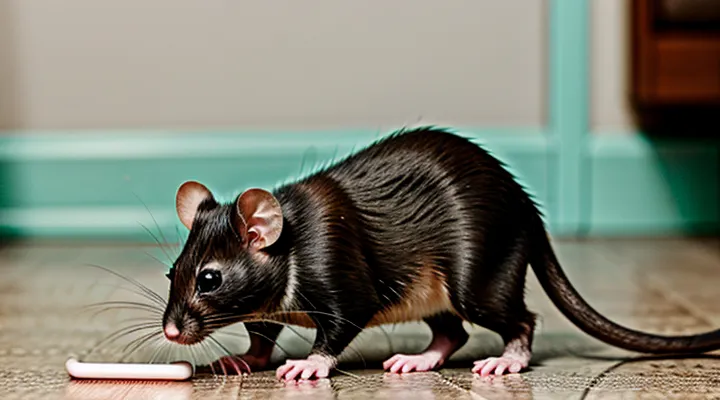
Understanding Fancy Rat Neutering
What is Neutering?
Surgical Procedure Overview
The surgical sterilization of fancy rats involves a brief pre‑operative evaluation, precise anesthesia administration, a controlled incision, organ removal, and focused recovery monitoring.
Pre‑operative assessment includes health screening for respiratory disease, weight verification (minimum 150 g), and confirmation of a clean surgical site. Blood work is optional but recommended for older animals to detect hidden conditions.
Anesthesia is induced with an injectable agent such as ketamine‑xylazine or a volatile inhalant delivered via a small‑animal mask. Endotracheal intubation is rarely required; instead, a facemask maintains a stable plane of unconsciousness. Body temperature is maintained with a warming pad, and vital signs are monitored continuously.
The operative technique differs by sex:
- Male rats: A midline or ventral scrotal incision exposes the testes. The spermatic cord is ligated with a 5‑0 absorbable suture, then the testes are excised. The incision is closed with simple interrupted sutures or tissue glue.
- Female rats: A ventral midline incision provides access to the uterus and ovaries. The ovarian pedicle and uterine body are ligated with 5‑0 absorbable material, then removed. The abdominal wall is closed in two layers, followed by skin closure with sutures or adhesive.
Post‑operative care emphasizes analgesia (buprenorphine or meloxicam), temperature support, and observation for bleeding, infection, or dehiscence. Food and water should be offered within a few hours; most rats resume normal activity within 24 hours. A brief period of restricted handling (12–24 h) reduces stress on the incision.
Common complications include hypothermia, respiratory depression, hemorrhage, and wound infection. Prompt identification and treatment—warming, supplemental oxygen, hemostasis, or antibiotics—prevent escalation.
Overall, the procedure is brief (10–15 minutes), low‑risk when performed by an experienced practitioner, and provides a reliable means to control reproduction and improve health management in ornamental rat populations.
Castration vs. Spaying
Castration (orchiectomy) removes both testes, eliminating the primary source of testosterone in male fancy rats. Spaying (ovariohysterectomy) excises the ovaries and uterus, removing estrogen and progesterone production in females. Both procedures achieve permanent infertility and prevent hormone‑driven behaviors.
Surgical considerations
- Anesthesia: identical protocols for both sexes; inhalant agents preferred for rapid induction and recovery.
- Incision: scrotal approach for castration, ventral midline or flank incision for spaying; spaying requires greater tissue manipulation.
- Operating time: castration averages 5–7 minutes; spaying extends to 12–15 minutes due to uterine handling.
- Recovery: males typically resume normal activity within 24 hours; females may need 48–72 hours for wound healing.
- Complication risk: spaying carries higher incidence of postoperative hemorrhage and infection; castration complications are limited to wound dehiscence or testicular remnants.
Physiological and behavioral outcomes
- Hormone suppression: castration eliminates aggressive mounting and territorial marking; spaying reduces estrus cycles, nesting drive, and scent‑marking.
- Disease prevention: spaying eliminates uterine infections and reduces mammary tumor incidence; castration removes risk of testicular neoplasia and lowers prostate hyperplasia likelihood.
- Weight gain: both groups exhibit increased adiposity; dietary management required to avoid obesity.
Decision criteria
- Sex of the rat dictates the applicable procedure.
- Owner’s priority—behavior modification versus disease prevention—guides selection.
- Veterinary experience with small‑rodent surgery influences outcomes and postoperative care quality.
Choosing between orchiectomy and ovariohysterectomy depends on the animal’s sex, the desired behavioral changes, and the owner’s health concerns for the pet.
Why Consider Neutering for Fancy Rats?
Health Benefits
Neutering pet rats eliminates the risk of reproductive cancers, most notably testicular and ovarian tumors, which account for a significant proportion of malignancies in unaltered individuals. The procedure also prevents uterine infections such as pyometra, a life‑threatening condition that develops rapidly in intact females.
- Hormonal fluctuations cease, reducing stress‑related behaviors and associated gastrointestinal disturbances.
- Aggressive mounting and territorial fighting decline, leading to fewer injuries and lower incidence of wound infections.
- The immune system redirects resources from reproductive activity toward general health maintenance, improving overall disease resistance.
Long‑term health monitoring shows increased lifespan in neutered rats, with statistical data indicating an average extension of 15–20 % compared with breeding counterparts. The removal of sex hormones also stabilizes weight management, decreasing obesity‑related complications such as fatty liver disease and cardiovascular strain.
Tumor Prevention
Neutering fancy rats markedly reduces the incidence of hormone‑driven neoplasms. Surgical removal of the gonads eliminates the primary source of estrogen and testosterone, hormones that stimulate cellular proliferation in reproductive tissues. Consequently, the risk of ovarian, uterine, and mammary tumors in females, as well as testicular and prostate‑related growths in males, declines sharply.
Key tumor types most effectively prevented by spaying or castrating include:
- Ovarian carcinoma
- Uterine adenocarcinoma
- Mammary adenoma and carcinoma
- Testicular seminoma
- Prostatic hyperplasia and neoplasia
Beyond specific cancers, gonadectomy diminishes the overall hormonal load, which lowers the likelihood of incidental neoplastic development in non‑reproductive organs. Regular veterinary examinations remain essential; early detection of any abnormal growth still depends on vigilant health monitoring.
Implementing routine neutering as a preventive measure aligns with best practices for managing the long‑term health of pet rats, ensuring lower tumor prevalence and extending productive lifespan.
Reproductive System Diseases
Neutering fancy rats eliminates the hormonal drive that predisposes them to a range of reproductive‑system pathologies. By removing the testes or ovaries, the source of estrogen, progesterone, and testosterone is suppressed, halting the physiological cycles that trigger disease development.
Typical reproductive disorders in unaltered fancy rats include:
- Testicular tumors, especially Sertoli‑cell carcinoma, which frequently metastasize.
- Ovarian cysts that cause abdominal distension and hormonal imbalance.
- Uterine adenocarcinoma, a leading cause of mortality in older females.
- Endometrial hyperplasia, resulting in bleeding and infection.
- Prostatic hyperplasia and adenocarcinoma, leading to urinary obstruction.
Surgical sterilization prevents the onset of these conditions by removing the tissue capable of malignant transformation and by stabilizing hormone‑dependent growth. Additionally, neutered rats exhibit reduced aggression and lower incidence of unwanted litters, aligning health management with responsible breeding practices.
Behavioral Benefits
Surgical sterilization of fancy rats reduces hormone‑driven aggression, resulting in calmer interactions within mixed‑sex groups. The procedure eliminates dominant mounting behavior, allowing more stable hierarchies and decreasing the frequency of fights.
- Decreased territorial marking and urine spraying
- Reduced frequency of vocalizations associated with mating calls
- Lower incidence of wandering or escape attempts triggered by reproductive urges
- More predictable responses to handling, facilitating routine health checks and training
Neutered individuals also show increased willingness to engage in enrichment activities, as energy previously allocated to reproductive drives redirects toward exploration and social play. Consequently, caretakers observe improved cooperation during cage cleaning, grooming, and interaction sessions.
Aggression Reduction
Surgical sterilization of fancy rats frequently leads to a measurable decline in aggressive behavior. The procedure removes the primary sources of sex hormones that drive territorial and dominance disputes. In males, castration eliminates testosterone production; in females, ovariectomy reduces estrogen and progesterone fluctuations that can trigger irritability.
Observational data from laboratory colonies and pet owners show consistent patterns:
- Reduced frequency of biting and lunging during introductions.
- Lower incidence of chronic fighting in mixed‑sex groups.
- Decreased vocalizations associated with confrontations.
Physiological mechanisms underpin these outcomes. Hormone‑driven aggression relies on androgen receptors in the brain; their activation diminishes after gonadal removal, leading to calmer social interactions. Behavioral studies confirm that sterilized rats exhibit longer tolerance thresholds before reacting to conspecific challenges.
Practical implications for caretakers include:
- Simplified handling of newly introduced individuals.
- Ability to maintain larger, stable colonies without constant monitoring.
- Lower risk of injuries that can result in infection or stress‑related health problems.
Optimal timing for the procedure is before sexual maturity, typically around 6–8 weeks of age, when hormonal influences have not yet solidified aggressive patterns. Post‑operative care should focus on pain management, environmental enrichment, and gradual re‑introduction to the group to reinforce the reduced aggression baseline.
Urine Marking Reduction
Urine marking is a common territorial behavior in unaltered fancy rats, often leading to strong odors and substrate contamination in cages. The behavior is driven primarily by androgenic hormones that stimulate scent‑depositing glands and increase the frequency of marking episodes.
Surgical sterilization lowers circulating testosterone and estrogen, which suppresses the neural pathways responsible for scent marking. Studies of rodent models show a typical reduction of marking events by 60‑80 % within two weeks after the procedure. The decline is consistent across both male and female individuals, regardless of prior marking intensity.
Owners can expect a gradual change rather than an immediate cessation. Monitoring during the postoperative period helps differentiate normal recovery urination from residual marking. Environmental enrichment and regular cage cleaning support the transition and maintain hygiene.
- Removal of testes or ovaries eliminates the primary source of sex hormones.
- Decreased hormone levels reduce activation of the vomeronasal system.
- Lowered glandular secretions diminish the attractiveness of urine to conspecifics.
- Reduced hormonal drive leads to fewer marking bouts per day.
Coexistence with Other Rats
Neutering alters the social structure of fancy rats, directly affecting how individuals interact within a colony. The procedure eliminates hormonal drivers that typically provoke dominance displays and competition for mates, thereby creating a more stable environment for multiple rats to share space.
Key outcomes for group harmony include:
- Decreased aggression toward conspecifics, resulting in fewer fights and reduced risk of injury.
- Lower frequency of territorial marking, which simplifies enclosure maintenance.
- Elimination of unwanted litters, preventing overcrowding and the need for frequent re‑housing.
- Improved overall health, as neutered rats are less prone to reproductive‑related diseases that can spread through close contact.
Effective integration of neutered rats with intact or other neutered individuals follows a straightforward protocol:
- Perform the surgery after the rat reaches sexual maturity, typically between 10 and 12 weeks of age.
- Allow a minimum recovery period of 7–10 days before re‑introducing the animal to the group.
- Observe initial interactions closely; intervene only if severe aggression occurs.
- Maintain consistent feeding schedules and enrichment to reinforce a calm social atmosphere.
By removing the primary source of reproductive competition, neutering facilitates peaceful cohabitation, reduces management burdens, and supports the long‑term welfare of mixed rat colonies.
The Neutering Process and Considerations
Pre-Surgical Evaluation
Veterinary Consultation
A veterinary consultation provides the professional assessment required before performing reproductive surgery on ornamental rats. The veterinarian evaluates overall health, identifies conditions that could increase surgical risk, and advises on optimal timing. Key elements of the appointment include:
- Physical examination to detect respiratory, dental, or metabolic disorders.
- Blood work to confirm normal organ function and screen for hidden infections.
- Discussion of anesthesia protocols tailored to small rodents.
- Guidance on pre‑operative fasting and environmental preparation.
- Outline of postoperative monitoring, pain management, and wound care.
- Recommendations for diet and enrichment to support recovery.
By addressing these factors, the consultation ensures that the procedure proceeds with minimal complications and promotes long‑term welfare for the animal.
Health Screening
Health screening is a prerequisite before sterilizing fancy rats. A thorough pre‑operative assessment identifies conditions that could increase surgical risk or compromise recovery. Veterinarians typically perform a physical examination, evaluate weight and body condition, and review the animal’s medical history for prior illnesses, respiratory issues, or digestive problems.
Key elements of the screening protocol include:
- Complete blood count and biochemical profile to detect anemia, infection, liver or kidney dysfunction.
- Radiographic or ultrasound imaging when respiratory or abdominal abnormalities are suspected.
- Parasite checks (external and internal) to prevent postoperative infestations.
- Assessment of vaccination status and recent exposure to contagious diseases.
Results guide the decision to proceed, postpone, or treat underlying problems before neutering. Addressing identified health concerns reduces intraoperative complications, shortens anesthesia time, and promotes swift postoperative healing, ensuring the procedure fulfills its intended purpose without unnecessary setbacks.
The Surgical Procedure
Anesthesia Protocols
Anesthesia for the castration of fancy rats must address the species’ small size, rapid metabolism, and susceptibility to hypothermia. Protocols rely on precise dosing, vigilant monitoring, and swift recovery to reduce peri‑operative risk.
Pre‑operative assessment includes a physical examination, weight verification, and evaluation of recent health changes. Fasting is limited to 2–4 hours to prevent aspiration while maintaining glycogen stores. A brief blood glucose check is advisable for animals under 150 g.
Induction agents and dosages (per kilogram of body weight):
- Isoflurane inhalation: 2–3 % concentration, delivered via a calibrated vaporizer.
- Ketamine 50 mg + xylazine 5 mg: intraperitoneal injection.
- Medetomidine 0.1 mg combined with ketamine 40 mg: intraperitoneal injection.
Selection depends on practitioner experience, availability of equipment, and the rat’s physiological status. Isoflurane offers rapid adjustment of depth; injectable combinations provide simplicity in settings without a vaporizer.
During the procedure, maintain body temperature above 37 °C with a warming pad and monitor the following parameters continuously:
- Respiratory rate and pattern.
- Heart rate via a pulse oximeter.
- Oxygen saturation.
- Reflexes (toe pinch, palpebral).
Adjust anesthetic depth by modifying inhalant concentration or administering supplemental injectable doses, aiming for stable vital signs and absence of spontaneous movement.
Post‑operative care begins with the administration of analgesics such as meloxicam 0.2 mg/kg subcutaneously. If medetomidine was used, reverse with atipamezole 0.5 mg/kg intramuscularly. Observe the rat until normal ambulation, thermoregulation, and feeding resume, typically within 30–45 minutes. Record recovery times and any adverse events for future protocol refinement.
Post-Operative Care
After a neutering operation, a fancy rat requires a controlled environment to support healing and prevent complications. The cage should be placed on a stable surface, away from drafts, with a temperature maintained between 20 °C and 24 °C. Provide soft bedding that does not shed fibers into the incision site.
Monitor the animal closely for the first 24 hours. Offer a small amount of water within the first few hours; increase fluid availability gradually. Feed a portion of high‑protein, easily digestible food once the rat shows interest, typically after the initial recovery period. Limit handling to essential checks; excessive stress can elevate heart rate and impede tissue repair.
Key post‑operative tasks:
- Check the incision twice daily for swelling, redness, or discharge.
- Ensure the rat does not chew or scratch the wound; apply an Elizabethan collar if necessary.
- Maintain a clean cage; replace soiled bedding promptly.
- Record body temperature and respiratory rate; intervene if deviations exceed normal ranges (temperature < 20 °C or > 38 °C, respiration > 150 breaths per minute).
- Administer prescribed analgesics or antibiotics according to the veterinarian’s schedule; do not alter dosages.
Continue observation for at least ten days. Gradually reintroduce enrichment items once the incision is fully closed and the rat resumes normal activity levels. Promptly contact a veterinary professional if any signs of infection, loss of appetite, or lethargy persist.
Pain Management
Effective pain control is a critical component of surgical sterilization in fancy rats. Pre‑emptive analgesia reduces nociceptive sensitization and improves postoperative recovery. Administer a short‑acting opioid, such as buprenorphine 0.05 mg/kg subcutaneously, 30 minutes before incision. Follow with a non‑steroidal anti‑inflammatory drug (NSAID) like meloxicam 0.2 mg/kg subcutaneously at the end of surgery and repeat every 24 hours for two days.
Local infiltration of lidocaine 2 % at the incision site provides additional analgesia for the first hour after the procedure. Combine systemic and local techniques to achieve multimodal pain relief without excessive sedation.
Postoperative monitoring should include:
- Observation of normal grooming and activity within the first 2 hours.
- Assessment of posture; a hunched stance indicates discomfort.
- Evaluation of food and water intake; reduced consumption suggests inadequate analgesia.
- Scoring of vocalizations or teeth chattering during handling.
If any sign of pain persists, increase the frequency of buprenorphine to every 8 hours for 24 hours, then taper. Avoid long‑acting opioids that may depress respiration in small rodents.
Environmental support enhances analgesic effectiveness. Provide a warm, quiet cage with soft bedding, and limit handling to essential checks for the first 48 hours.
Proper pain management minimizes stress, lowers the risk of infection, and promotes swift healing, ensuring that neutering procedures meet both animal welfare standards and clinical best practices.
Wound Monitoring
Wound monitoring after surgical sterilization of fancy rats ensures recovery without infection or complications. Immediate inspection of the incision site should occur twice daily for the first 48 hours. Look for swelling, redness extending beyond the suture line, discharge, or foul odor; any of these indicators require veterinary assessment.
Maintain a clean environment by replacing bedding daily and limiting the rat’s activity to a confined, soft surface. Prevent the animal from gnawing at sutures; a well‑fitted Elizabethan collar or a lightweight, breathable wrap reduces this risk.
Typical healing timeline:
- Days 1‑2: mild edema and serous fluid may be present.
- Days 3‑5: inflammation should diminish; granulation tissue appears pink and moist.
- Days 6‑10: sutures can be removed if no signs of infection persist.
If the rat exhibits:
- Persistent licking or biting of the incision,
- Loss of appetite,
- Lethargy exceeding normal post‑operative fatigue,
- Fever (temperature above 102 °F/38.9 °C),
contact a veterinarian promptly. Early intervention minimizes tissue damage and supports a swift return to normal behavior.
Potential Risks and Complications
Anesthetic Risks
Sterilizing pet rats requires general anesthesia, and the small size of these rodents creates a narrow margin between therapeutic and toxic drug levels.
Key anesthetic hazards include:
- Respiratory depression caused by inhalant agents or injectable sedatives.
- Cardiovascular instability, such as hypotension and arrhythmias, triggered by rapid drug metabolism.
- Hypothermia resulting from prolonged exposure to anesthetic gases and loss of thermoregulation.
- Prolonged recovery times due to reduced hepatic clearance.
Rats possess a high metabolic rate and a limited blood volume, which accelerate drug absorption and distribution. Their airway anatomy predisposes them to obstruction when muscle tone diminishes, and their fragile capillary network increases the likelihood of hemorrhage during invasive procedures.
Effective risk management relies on precise dosing calculated per kilogram, use of short‑acting agents, and continuous monitoring of pulse oximetry, respiratory rate, and core temperature. Pre‑operative fasting for no more than three hours prevents hypoglycemia while maintaining gastric emptying. Warming pads and forced‑air devices counteract hypothermia. Immediate availability of reversal agents, such as atipamezole for dexmedetomidine, reduces the duration of adverse effects.
Adhering to these protocols minimizes anesthetic complications and supports safe neutering of fancy rats.
Surgical Complications
Surgical sterilization of fancy rats involves inherent risks that must be understood before the procedure.
Common intra‑operative complications include:
- Excessive hemorrhage from the gonadal vessels
- Adverse reactions to inhalant or injectable anesthetics, such as respiratory depression or cardiac arrhythmia
- Accidental damage to adjacent structures, e.g., the urinary bladder or intestines
Post‑operative problems frequently observed are:
- Surgical site infection, often identified by erythema, swelling, or purulent discharge
- Wound dehiscence, particularly in animals that groom aggressively or are housed in unclean environments
- Hypothermia, resulting from the small body mass and prolonged exposure during recovery
- Reduced food intake and subsequent weight loss, which can progress to malnutrition if not corrected
Mitigation strategies rely on systematic preparation and monitoring:
- Conduct a thorough physical exam and baseline blood work to identify underlying health issues
- Use short‑acting anesthetic agents at the lowest effective dose, accompanied by precise temperature control
- Apply strict aseptic technique, including sterilized instruments and antimicrobial prophylaxis when indicated
- Maintain continuous observation of vital signs during surgery and for at least two hours post‑procedure, adjusting supportive care as needed
Awareness of these complications enables responsible decision‑making regarding the necessity of neutering in pet rats.
Recovery Challenges
Surgical sterilization of fancy rats presents distinct postoperative obstacles that can affect the animal’s well‑being and the owner’s management plan. Pain management remains a primary concern; rodents exhibit subtle signs of discomfort, requiring diligent observation of grooming behavior, posture, and food intake. Analgesic protocols must balance efficacy with the risk of respiratory depression, especially in small breeds.
Wound healing poses another challenge. The incision site is prone to self‑inflicted trauma due to the rat’s instinct to groom, leading to dehiscence or infection. Protective measures such as Elizabethan collars or temporary bandaging reduce this risk, but must be fitted without restricting breathing or hindering mobility.
Temperature regulation is critical during the immediate recovery period. Rats are highly susceptible to hypothermia under anesthesia; maintaining ambient temperature above 30 °C for the first 12–24 hours prevents metabolic slowdown and promotes tissue repair.
Nutritional intake often declines after surgery, which can delay recovery and exacerbate weight loss. Offering high‑calorie, easily digestible foods—soft pellets, mashed fruits, or specialized recovery formulas—encourages voluntary feeding within the first 24 hours.
Common postoperative complications can be summarized as follows:
- Pain‑related behavior changes: reduced activity, abnormal grooming, altered posture.
- Incision issues: swelling, discharge, reopening of the wound.
- Respiratory distress: shallow breathing, nasal flaring, especially if analgesics are over‑dosed.
- Hypothermia: lethargy, cold extremities, delayed wound closure.
- Anorexia: weight loss, failure to regain pre‑operative body condition.
Effective management requires systematic monitoring, timely intervention, and clear communication with veterinary professionals to mitigate these challenges and ensure a smooth recovery trajectory for the sterilized pet rat.
Alternatives to Neutering
Behavioral Management Strategies
Sterilization of fancy rats diminishes hormone‑driven aggression, territorial marking, and reproductive urges, which can destabilize a colony. Effective behavioral management therefore becomes essential to maintain harmony and prevent stress‑related health problems.
- Provide a varied, chew‑safe environment with tunnels, climbing structures, and nesting material; constant novelty reduces boredom and compulsive chewing.
- Group rats by compatible temperament, avoiding forced cohabitation of dominant and submissive individuals; stable social units lower conflict.
- Offer a balanced diet rich in fiber and low in excess protein; nutritional adequacy supports calm behavior and prevents over‑eating.
- Implement short, consistent handling sessions to accustom rats to human contact; gentle restraint and reward‑based cues reinforce cooperation.
- Monitor vocalizations, scent marking, and grooming patterns; early detection of abnormal activity allows prompt intervention.
Schedule enrichment rotations weekly, rotate cage mates only after a minimum four‑week observation period, and record behavioral changes in a log. Consistent application of these measures sustains a tranquil colony and maximizes the health benefits of sterilization.
Environmental Enrichment
Neutering fancy rats reduces reproductive-driven aggression and eliminates the risk of unwanted litters, but the procedure alone does not guarantee long‑term welfare. After surgery, rats experience a period of reduced activity and heightened curiosity, making environmental enrichment a critical component of recovery and ongoing health.
Enrichment supplies mental stimulation, encourages natural foraging behavior, and prevents the development of stereotypies that can arise from confinement. Properly designed cages should include:
- Varied textures (e.g., paper tubes, untreated wood blocks, fleece) to promote tactile exploration.
- Elevated platforms and hideouts that mimic burrow systems, allowing the animal to choose preferred resting sites.
- Puzzle feeders or timed dispensers that require problem‑solving to obtain treats, sustaining cognitive engagement.
- Rotating objects every few days to maintain novelty and reduce habituation.
Implementing these elements supports post‑operative mobility, reduces stress hormones, and fosters normal social interactions among neutered individuals. Regular assessment of enrichment usage—observing climbing, chewing, and nest‑building behaviors—guides adjustments and ensures each rat receives appropriate challenges.
Neglecting enrichment can lead to weight gain, decreased immune function, and increased incidence of self‑injury. Integrating a structured enrichment program with surgical care creates a comprehensive approach that maximizes the health benefits of neutering while preserving the intrinsic curiosity and activity levels characteristic of fancy rats.
Separation of Sexes
Separating male and female fancy rats eliminates the possibility of accidental breeding, which is a primary concern for owners who do not intend to produce offspring. The practice ensures that each animal remains in a controlled environment, reducing the risk of pregnancy-related complications and the need for emergency interventions.
Unintended litters can lead to overcrowding, increased competition for resources, and heightened stress levels among the colony. Stress manifests as aggression, weight loss, and immune suppression, all of which diminish overall health. By maintaining single‑sex groups, owners minimize these risks and promote stable social dynamics.
Effective implementation requires clear identification of each rat’s sex, typically through visual examination of the anogenital region. Housing should consist of:
- Separate cages or compartments with secure barriers.
- Identical enrichment items to prevent territorial disputes.
- Regular monitoring to detect any accidental mixing.
While physical separation reduces the immediate chance of reproduction, it does not replace the long‑term benefits of sterilization. Neutering or spaying remains essential for permanent population control, prevention of hormone‑driven behaviors, and reduction of reproductive organ diseases. Combining sex separation with surgical sterilization provides a comprehensive strategy that safeguards animal welfare and simplifies management for caretakers.
Making an Informed Decision
Factors to Consider
Age of the Rat
The timing of sterilization in fancy rats directly affects surgical safety and long‑term health. Determining the appropriate age prevents complications and supports optimal recovery.
- Neonatal (0‑2 weeks): immune system immature, anesthesia risk high.
- Pre‑pubescent (3‑4 weeks): rapid growth, body weight often below 70 g; organs not fully developed.
- Pubertal onset (5‑6 weeks): testicular descent in males, estrous cycles begin in females; physiological readiness for surgery emerges.
- Mature (7‑8 weeks and older): body weight typically exceeds 80 g, organ systems stable, immune response robust.
Surgical eligibility generally requires a minimum body weight of 70–80 g and completion of major organ development, which aligns with the 5‑week threshold. At this stage, anesthesia dosage can be accurately calculated, and wound healing proceeds efficiently. Performing the procedure earlier increases mortality risk, while delaying beyond 8 weeks may allow unwanted litters and heighten behavioral complications.
Recovery time correlates with age; rats sterilized at 5‑6 weeks often resume normal activity within 24 hours, whereas older animals may exhibit prolonged lethargy. Post‑operative monitoring should include temperature checks, hydration assessment, and observation for signs of infection, regardless of age.
Professional consensus recommends scheduling sterilization between the fifth and eighth week of life, after confirming adequate weight and health status. This window balances surgical safety with the prevention of reproductive issues, ensuring the animal’s welfare and reducing owner‑managed breeding concerns.
Health Status of the Rat
Neutering influences the overall health profile of fancy rats. Intact males frequently develop testicular tumors after one year of age; neutered males eliminate this risk entirely. Intact females are prone to uterine infections and mammary neoplasms, conditions that decline sharply after ovariohysterectomy.
Key health indicators to assess before and after the procedure include:
- Body condition score (scale 1‑5) – stable or improving scores suggest adequate recovery.
- Respiratory rate and effort – normal rates (80‑150 breaths per minute) indicate no postoperative complications.
- Surgical site appearance – absence of swelling, discharge, or dehiscence confirms proper wound healing.
- Activity level – consistent exploration and grooming reflect comfort and pain control.
Pre‑operative evaluation should verify clear nasal passages, normal heart rhythm, and absence of external parasites. Blood work is not routinely required but may be indicated for rats with known cardiac or renal issues.
Anesthesia protocols using inhalant agents such as isoflurane provide rapid induction and recovery, minimizing stress. Post‑operative analgesia with low‑dose meloxicam or buprenorphine reduces pain without compromising renal function.
Long‑term outcomes demonstrate lower incidence of reproductive‑related cancers, reduced aggression, and more stable weight trajectories in neutered rats. Lifespan studies report median survival extending beyond three years when reproductive diseases are excluded.
Owner's Goals
Owners who choose to neuter their fancy rats pursue clear, measurable objectives. The primary aim is to eliminate the risk of accidental breeding, which prevents rapid population growth and reduces the need for additional housing or resources. A secondary objective is to lower the incidence of reproductive‑related health issues such as uterine tumors or testicular cancer, thereby extending the animal’s lifespan and minimizing veterinary expenses.
Additional goals include:
- Reducing aggression and territorial marking that often accompany sexual maturity.
- Simplifying cage management by eliminating scent cues and mating behaviors.
- Enhancing the predictability of temperament, which benefits handling and social interaction.
By achieving these outcomes, owners create a stable, low‑maintenance environment that supports both the rat’s welfare and the caretaker’s practical considerations.
Consulting Your Veterinarian
Discussion of Pros and Cons
Sterilizing pet fancy rats influences health outcomes, behavior, and colony management.
Advantages
- Reduces risk of reproductive cancers, particularly testicular and ovarian tumors.
- Eliminates uterine infections and pyometra, conditions common in unspayed females.
- Diminishes aggressive and territorial marking, leading to calmer cohabitation.
- Prevents accidental litters, easing responsibility for owners and limiting stray populations.
Disadvantages
- Surgical procedure carries anesthesia risks, especially in older or infirm rats.
- Removal of gonadal hormones may affect growth rate and body composition.
- Potential for decreased activity levels and altered social dynamics within mixed-sex groups.
- Requires post‑operative care and monitoring, adding time and cost for the owner.
A balanced assessment weighs the health protection and population control benefits against surgical risks and hormonal effects. Veterinary guidance, tailored to the individual animal’s age and condition, should inform the final decision.
Cost Implications
Neutering a fancy rat involves several direct and indirect expenses that owners should consider before the procedure.
The primary veterinary charge covers the surgical operation itself. This fee typically includes pre‑operative examination, anesthesia, the sterile environment, and the surgeon’s time. Prices vary by clinic, ranging from $80 to $150 for a healthy adult rat.
Additional costs often arise from required laboratory tests. Blood work or a basic health screen may be requested to assess the animal’s suitability for anesthesia, adding $20‑$40 per test.
Post‑operative care contributes to the overall budget. Analgesics, antibiotics, and a short supply of specialized food for recovery can total $15‑$30. Some clinics provide a follow‑up visit to monitor healing, which may be billed separately at $20‑$40.
Long‑term financial implications should also be weighed. Preventing unwanted litters eliminates the expense of raising additional rats, which can exceed $200 per offspring when accounting for food, housing, and veterinary care. Moreover, sterilized rats have a reduced risk of certain reproductive diseases, potentially lowering future medical expenses.
Typical cost breakdown
- Surgical fee: $80‑$150
- Pre‑operative tests: $20‑$40
- Medication and recovery supplies: $15‑$30
- Follow‑up appointment (optional): $20‑$40
- Potential savings from avoided litters: $200+ per rat
Understanding these figures enables owners to budget responsibly and evaluate the economic rationale for sterilizing their fancy rats.
Long-Term Care Planning
Neutering fancy rats eliminates reproductive hormones, which alters their metabolic rate, behavior, and susceptibility to certain diseases. Long‑term care planning must reflect these changes to maintain health and welfare.
- Schedule annual veterinary examinations focused on hormonal balance, urinary tract health, and weight management. Record results and adjust care protocols promptly.
- Provide a diet formulated for neutered rodents: moderate calories, high fiber, and adequate vitamin E to support skin and coat integrity. Measure portions daily and adjust based on body condition scores.
- Ensure a cage that exceeds minimum space requirements, includes multi‑level platforms, and allows regular rotation of chewable and exploratory items. Clean the enclosure weekly; replace bedding biweekly to prevent respiratory irritation.
- Monitor social dynamics; neutered rats often exhibit reduced territorial aggression, allowing larger groups. Observe interactions; intervene if hierarchical disputes arise.
- Establish an emergency response plan: maintain a stocked first‑aid kit, keep the contact information of a rodent‑specialized veterinarian, and designate a backup caregiver familiar with handling and feeding procedures.
Implementing these components creates a structured framework that anticipates the evolving needs of neutered fancy rats, reduces the risk of chronic conditions, and supports a stable, enriched environment throughout their lifespan.