
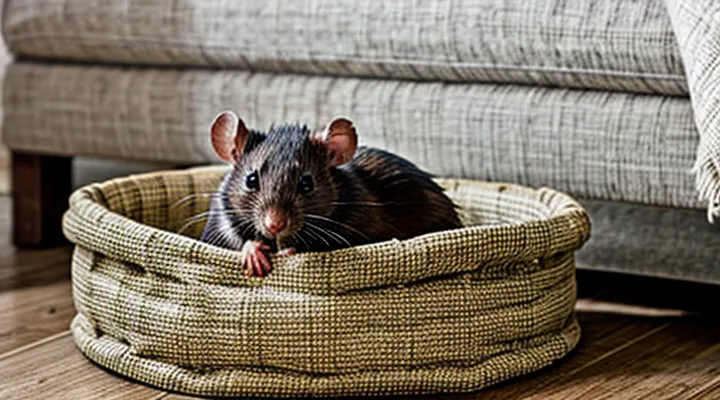
The Importance of Proper Rat Bedding
Why Nesting Material Matters for Rats
Comfort and Well-being
Choosing appropriate bedding directly influences a rat’s physical comfort and psychological stability. Soft, absorbent substrates reduce pressure on joints, prevent skin irritation, and facilitate natural nesting behavior. Materials that retain warmth without retaining excess moisture help maintain optimal body temperature and lower the risk of respiratory infections.
Key characteristics of effective bedding include:
- High absorbency to manage urine and droppings, keeping the enclosure dry.
- Low dust production, minimizing respiratory irritation.
- Gentle texture, preventing paw and footpad injuries.
- Natural scent profile, supporting olfactory enrichment without overwhelming the animal.
Common options meeting these criteria are:
- Paper‑based pellets – shredded cellulose offers excellent absorbency, minimal dust, and a soft feel.
- Compressed wood shavings (aspen) – low in aromatic oils, providing a sturdy yet comfortable surface.
- Fleece blankets – reusable fabric retains warmth, requires regular washing to control humidity.
Providing a stable, clean nesting environment enhances sleep quality, reduces stress markers, and promotes normal grooming routines. Regular monitoring of bedding condition and timely replacement sustain the benefits, ensuring long‑term health and well‑being for pet rats.
Temperature Regulation
Rats maintain a stable core temperature through a combination of metabolic heat production and environmental heat exchange. Effective bedding reduces heat loss by providing an insulating layer that traps warm air close to the animal’s body.
Materials with low thermal conductivity and high loft create a microclimate that supports thermoregulation. Dense fibers retain heat, while loosely packed fibers allow airflow, preventing overheating in warm conditions.
Recommended bedding options with their temperature‑regulating properties:
- Paper‑based products: low conductivity, high absorbency, moderate loft; suitable for cooler environments.
- Aspen shavings: moderate conductivity, natural aroma, medium loft; balances warmth and ventilation.
- Hemp fibers: very low conductivity, high loft, moisture‑resistant; optimal for maintaining warmth during colder periods.
- Coconut coir: low conductivity, high loft, excellent breathability; prevents heat buildup while providing insulation.
Selecting bedding that matches ambient temperature and cage size ensures rats experience consistent warmth without excessive heat loss or gain. Regular monitoring of cage temperature complements material choice, sustaining optimal physiological conditions.
Behavioral Enrichment
Behavioral enrichment for laboratory rats depends heavily on the quality and characteristics of the nesting substrate. Soft, absorbent bedding encourages natural burrowing, nest‑building, and grooming behaviors, thereby reducing stress‑related stereotypies. Materials that retain shape under the animal’s weight allow the construction of stable nests, supporting thermoregulation and sleep cycles.
Effective enrichment strategies integrate bedding with additional stimuli:
- Provide shredded paper or tissue that can be manipulated into layered structures, promoting exploratory digging.
- Include wooden chips of varying sizes to create tactile contrast, stimulating foraging and chewing.
- Offer nest‑building blocks such as untreated corncob or hemp fibers, which can be arranged into cup‑shaped shelters.
- Combine scent‑enhanced fibers (e.g., lavender‑infused cellulose) with the primary substrate to engage olfactory investigation without compromising hygiene.
Selection criteria focus on absorbency, dust‑free composition, and durability. High absorbency maintains a dry microenvironment, preventing skin irritation and respiratory issues. Low dust levels minimize airborne particulates, preserving airway health. Durability ensures the substrate remains functional throughout the observation period, reducing the need for frequent replacement.
Implementing these bedding options alongside structured enrichment devices—running wheels, tunnels, and chew toys—creates a multifaceted environment that mirrors natural habitats. The result is increased activity diversity, improved social interaction, and more reliable behavioral data.
Essential Qualities of Safe Bedding
Absorbency
Absorbency determines how effectively bedding retains moisture from urine and spills, directly influencing nest hygiene and odor management. High‑absorbency substrates minimize damp spots, reduce bacterial growth, and prolong the interval between cleanings.
Key performance factors include moisture‑holding capacity (grams of liquid per gram of material), rate of wicking away from the nest surface, and retention after compression. Materials that combine rapid absorption with slow release maintain a dry environment for the animal while preventing saturation of the cage floor.
- «Paper pulp»: absorbs 1.8 g H₂O g⁻¹, dries quickly, low dust, suitable for short‑term use.
- «Aspen shavings»: absorbs 1.2 g H₂O g⁻¹, moderate compression resistance, moderate odor control.
- «Hemp fibers»: absorbs 2.0 g H₂O g⁻¹, high capacity, retains shape under pressure, excellent for long‑term nests.
- «Coconut coir»: absorbs 1.5 g H₂O g⁻¹, retains moisture evenly, supports natural digging behavior.
- «Corncob granules»: absorbs 1.0 g H₂O g⁻¹, low density, rapid turnover, appropriate for frequent cleaning schedules.
Selecting bedding with the highest absorbency compatible with the rat’s nesting preferences ensures a comfortable, sanitary habitat and reduces maintenance workload.
Dust-Free
Dust‑free bedding is essential for maintaining respiratory health in laboratory and pet rats. Fine particulate matter from typical wood shavings can irritate sensitive nasal passages and exacerbate allergies. Selecting materials that produce minimal airborne particles reduces the risk of chronic nasal inflammation and supports a cleaner enclosure environment.
Effective dust‑free options include:
- Compressed paper pulp sheets, which fragment into soft, low‑weight fibers without generating visible dust.
- Hemp bedding, processed to remove fine particles, offering absorbent and odor‑controlling properties.
- Aspen shavings, sourced from non‑resinous wood, naturally low in dust compared with pine or cedar varieties.
- Coconut coir mats, dense enough to stay in place while allowing moisture absorption and minimal particulate release.
When evaluating alternatives, prioritize products tested for particulate count under standard laboratory conditions. Materials certified as “dust‑free” typically demonstrate particle concentrations below 0.5 mg/m³, aligning with occupational safety guidelines for small‑animal housing. Regular monitoring of enclosure air quality, combined with routine spot cleaning, further ensures a low‑dust environment conducive to the well‑being of rats.
Non-Toxic
Choosing bedding that is «non-toxic» safeguards rat health while providing comfort. Materials derived from natural fibers avoid chemical residues and minimize respiratory irritation.
Key characteristics of safe bedding include:
- High absorbency to control moisture and reduce mold growth.
- Soft texture that supports nesting behavior without shedding sharp particles.
- Absence of added fragrances, dyes, or fire‑retardant chemicals.
Commonly recommended «non-toxic» options are:
- Untreated shredded paper, such as recycled newspaper or tissue, offers excellent fluffiness and disposability.
- Organic cotton batting provides a plush, washable surface that resists allergens.
- Hemp fibers, processed without bleaching, deliver durability and a pleasant scent-free environment.
Avoid bedding treated with pesticide‑based preservatives, synthetic polymers, or scented additives, as these introduce toxins that can accumulate in the respiratory system and digestive tract. Regular replacement of bedding maintains cleanliness and prevents the buildup of harmful substances.
Implementing these «non-toxic» choices ensures a healthy nest, promotes natural burrowing instincts, and reduces the risk of illness associated with contaminated substrates.
Chew-Safe
Chew‑safe bedding materials protect dental health while providing comfortable nesting. Materials must resist gnawing, avoid splintering, and remain non‑toxic if ingested.
Suitable options include:
- Untreated paper pulp, compressed into soft sheets; fibers are gentle on teeth and break down into safe, edible particles.
- Hemp fiber rolls, densely woven yet flexible; resist excessive chewing and produce minimal dust.
- Coconut coir blocks, naturally porous and sturdy; withstand gnawing without shedding sharp fragments.
- Recycled wood wool, processed to eliminate splinters; offers firm support and low odor.
Selection criteria focus on durability under constant gnawing, low dust generation, and absence of harmful chemicals. Products meeting these standards contribute to hygienic, comfortable habitats for laboratory and pet rats alike.
Top Bedding Options for Rats
Paper-Based Bedding
Shredded Paper
Shredded paper provides a lightweight, highly absorbent substrate that readily conforms to the shape of a rat’s nest. Its fine fibers create a soft surface, reducing pressure on delicate paws and promoting natural nesting behavior.
Key advantages include:
- High moisture uptake, helping to keep the enclosure dry and limit odor buildup.
- Excellent insulation, maintaining a stable micro‑climate during temperature fluctuations.
- Low cost and easy availability from recycled office waste, cardboard, or dedicated pet‑store products.
Potential concerns involve chemical residues. Only paper free of inks, dyes, or adhesives should be used, as these substances can cause respiratory irritation. Regular replacement, typically every one to two weeks depending on humidity levels, prevents bacterial growth and maintains hygiene.
For optimal use, spread a uniform layer of approximately two to three centimeters across the floor of the cage. Periodically stir the material to refresh its loft and prevent compacting. Store unused shredded paper in a sealed container to protect it from moisture and dust before introduction to the habitat.
Paper Pellets
Paper pellets provide a highly absorbent, low‑dust bedding option for laboratory and pet rats. Constructed from compressed cellulose, the material expands when exposed to moisture, creating a soft, cushioning substrate that supports nesting behavior.
Key benefits include:
- Superior moisture absorption, reducing wet spots and prolonging bedding life.
- Minimal dust production, protecting respiratory health.
- Natural odor‑neutralizing properties, limiting the need for chemical deodorizers.
- Easy disposal; pellets break down into small, manageable pieces for cleaning.
Potential drawbacks involve higher cost compared to shredded paper and limited availability in some regions. Selecting a pellet size appropriate for the cage dimensions prevents excessive displacement during animal activity.
Effective implementation recommends a base layer of 2–3 cm of pellets, topped with a secondary material such as shredded paper or tissue for added texture. Regular replacement every 7–10 days maintains optimal hygiene and comfort.
Recycled Paper Products
Recycled paper products provide a practical solution for constructing rat nests. The material offers high absorbency, low dust generation, and a soft texture that supports natural burrowing behavior.
Key advantages include rapid moisture capture, which reduces the risk of skin irritation, and a composition free of harmful chemicals when sourced from untreated paper. The low particle size minimizes respiratory hazards, making the bedding suitable for sensitive rodents.
When selecting recycled paper bedding, consider the source material and processing method. Products derived from newspaper or office paper may contain inks that could leach; therefore, opt for certified ink‑free or bleached variants. Ensure the bedding remains dry to prevent mold growth, and replace it regularly to maintain hygiene standards.
Common recycled paper options are:
- Shredded newspaper, processed to remove staples and glossy sections
- Compressed paper pulp mats, offering a uniform surface and easy cutting
- Paper pellet blocks, which expand when wetted and provide customizable thickness
Each type delivers a balance of comfort and cleanliness, supporting the health and well‑being of rats in a controlled environment.
Fabric-Based Bedding
Fleece
Fleece provides a soft, insulating surface that mimics natural nest material while offering durability for repeated use. Its plush texture retains body heat, creating a warm micro‑environment that supports thermoregulation in small rodents.
Key characteristics of fleece for rat bedding include:
- High loft and breathability, reducing moisture buildup.
- Resistance to tearing, extending lifespan compared to shredded paper.
- Easy laundering; most varieties tolerate machine washing at moderate temperatures.
- Low propensity for shedding, minimizing ingestion risk when fibers are tightly woven.
When selecting fleece, consider dimensions that fully cover the cage floor and allow for layering under additional substrates such as wood shavings or corncob. Secure edges with non‑toxic clips to prevent displacement. Verify that the fabric is free of chemical treatments or dyes that could harm sensitive skin.
Implementing fleece as a base layer enhances overall comfort, promotes nesting behavior, and simplifies hygiene routines. Regular cleaning—once weekly for light use, more frequently for larger colonies—maintains a healthy environment and preserves the material’s insulating properties.
Cotton Textiles
Cotton textiles provide a soft, absorbent surface that mimics natural nest material for laboratory and pet rats. The fibers’ high hygroscopic capacity regulates moisture, reducing the risk of skin irritation and respiratory issues caused by damp bedding. Natural breathability allows air circulation, helping maintain a stable microclimate within the enclosure.
Thermal insulation is another advantage; cotton’s loft traps warm air, supporting body temperature control during colder periods without causing overheating. The material’s smooth texture prevents fur matting, facilitating grooming and minimizing the likelihood of nest damage.
Durability and ease of cleaning contribute to practical use. Cotton can be laundered at temperatures of 60 °C, eliminating parasites and bacterial contaminants. Repeated washing retains structural integrity, extending the lifespan of the bedding while preserving its comfort properties.
Key considerations for implementation:
- Verify that the cotton product is untreated, free of dyes, fragrances, or chemical finishes that could irritate sensitive rodent skin.
- Provide a sufficient depth (approximately 2–3 cm) to allow rats to construct nests and exhibit natural burrowing behavior.
- Replace or wash the material regularly to prevent ammonia buildup and maintain hygiene standards.
- Monitor individual rat responses, as some may prefer alternative textures; adjust bedding composition accordingly.
Old T-shirts
Old t‑shirts provide a practical, soft substrate for constructing rat nests. Their woven cotton fibers create a gentle surface that reduces skin irritation while offering sufficient loft for burrowing behavior.
The fabric’s natural absorbency manages moisture from urine and droppings, maintaining a drier environment that discourages bacterial growth. After use, the material can be laundered at high temperatures, restoring cleanliness without loss of structural integrity.
Preparation involves cutting the shirt into strips or squares, removing any buttons, seams, or labels that could pose choking hazards. The pieces should be washed, dried, and optionally sterilized before placement in the cage.
Advantages include:
- High softness comparable to commercial fleece bedding
- Reusability after multiple wash cycles
- Low cost, especially when sourced from household waste
- Easy customization of size and shape to fit cage dimensions
Safety considerations require inspection for loose threads or frayed edges that might be ingested. Selecting shirts made of 100 % cotton avoids synthetic fibers that could melt under heat sources. Regular replacement every few weeks prevents accumulation of waste and odor.
Wood-Based Bedding (Use with Caution)
Aspen Shavings
Aspen shavings provide a natural, low‑dust substrate suitable for rat nesting. The material consists of fine wood particles that readily absorb moisture while maintaining structural integrity.
Key properties include high absorbency, minimal respiratory irritation, and a neutral scent that does not interfere with the animals’ olfactory cues. The shavings decompose slowly, reducing the frequency of complete bedding changes.
• Excellent moisture control
• Low particulate emission, decreasing risk of respiratory issues
• Soft texture encourages nesting behavior
• Biodegradable, supporting environmentally responsible husbandry
Considerations involve a higher cost relative to pine or paper bedding and the need for regular replacement to prevent mold development. Availability may vary by region, requiring advance planning for bulk orders.
Overall, Aspen shavings represent a reliable choice for creating a comfortable, hygienic environment that supports the health and natural behaviors of laboratory or pet rats.
Safe Wood Types
Safe wood choices provide natural insulation, odor control, and chewing satisfaction for rodent nests. Species with low resin content and minimal toxic compounds are preferred.
- Birch plywood, untreated
- Beech shavings, kiln‑dried
- Aspen chips, plain
- Alder planks, sanded smooth
- Poplar blocks, non‑treated
Each listed wood lacks harmful tannins and phenols that could irritate respiratory passages. Avoid cedar, pine, and redwood, as aromatic oils and sap can cause liver stress and respiratory distress. When selecting material, verify that the wood is free from chemical preservatives, paint, or varnish. Regularly inspect bedding for mold growth; replace damp sections promptly to maintain a hygienic environment.
Unsafe Wood Types to Avoid
Rats require bedding that does not release harmful compounds; certain timber varieties present a clear toxicity risk.
- «Cedar» – contains aromatic oils that irritate respiratory pathways and can cause liver damage.
- «Pine» – resinous sap may lead to kidney stress and chronic nasal inflammation.
- «Hemlock» – harbors phenolic substances known to impair neurological function.
- «Redwood» – releases tannins that can disrupt digestive processes.
These woods emit volatile organic compounds when cut or shredded, creating an environment unsuitable for small mammals. Direct exposure may result in sneezing, lethargy, and reduced appetite, while prolonged contact can lead to organ dysfunction.
Safe alternatives include untreated cotton, paper pulp, or aspen shavings, all of which provide a neutral substrate without hazardous emissions. Selecting non‑toxic materials promotes healthy activity levels and supports optimal nest construction.
Bedding Materials to Avoid
Cedar and Pine Shavings
Respiratory Irritants
Respiratory irritants present in bedding can compromise the health of laboratory and pet rats. Fine dust particles generated by shredded paper, wood shavings, or corn cob bedding remain suspended in the air and are readily inhaled. Chronic exposure may provoke rhinitis, bronchitis, or exacerbate existing respiratory conditions.
Common sources of airborne irritants include:
- Wood shavings containing aromatic oils (e.g., pine, cedar) that volatilize at room temperature
- Dust‑laden cellulose products such as shredded newspaper or paper pulp
- Fibrous corn cob or wheat straw fragments that break down into microscopic particles
Selecting low‑dust, odor‑free materials such as compressed paper pellets, hemp, or processed cotton reduces the concentration of inhalable particles. Regular replacement of bedding and adequate ventilation further mitigate respiratory risks.
Liver Damage Concerns
The selection of nesting substrates for laboratory rats can influence hepatic health. Certain aromatic woods release volatile compounds that are metabolized by the liver, potentially leading to cellular injury. Continuous exposure to these substances may increase enzyme activity indicative of liver stress.
Materials commonly associated with hepatic risk include:
- Cedar shavings, which emit phenols and terpenes.
- Pine bedding, containing resinous oils.
- Scented or perfumed substrates, introducing synthetic chemicals.
- Low‑quality cellulose products, prone to mold growth and mycotoxin production.
Monitoring liver function markers such as alanine aminotransferase and aspartate aminotransferase provides early detection of damage. When elevated levels appear, replacing the bedding with low‑emission alternatives—e.g., paper‑based or aspen shavings—reduces exposure to hepatotoxic agents. Regular replacement of used substrate limits ammonia accumulation, another factor that can exacerbate liver strain.
Implementing a protocol that evaluates bedding composition, tracks biochemical indicators, and adjusts material choice accordingly supports the maintenance of healthy hepatic function in rodent colonies.
Scented Bedding
Chemical Additives
Chemical additives are incorporated into rat bedding to modify odor, inhibit microbial growth, improve fire resistance, and extend product lifespan. Their inclusion alters the physical environment, influencing animal health and caretaker convenience.
- Odor‑neutralising agents: activated carbon, zeolites, essential‑oil extracts.
- Antimicrobial compounds: silver‑based preservatives, organic acids, low‑dose disinfectants.
- Fire‑retardant substances: ammonium phosphate, boric acid, phosphorus‑based additives.
- Moisture‑absorbing enhancers: silica gel beads, super‑absorbent polymers.
Safety assessment focuses on toxicity, respiratory irritation, and long‑term exposure. Regulatory guidelines require that additives remain below established LD₅₀ thresholds for rodents and do not release volatile organic compounds exceeding indoor air quality standards. Products containing heavy metals, formaldehyde, or high‑concentration synthetic fragrances are contraindicated for laboratory or pet rat colonies.
Recommended practice prioritises additives with documented low toxicity and minimal dust generation. Natural antimicrobial agents, such as tea tree oil at concentrations below 0.5 %, provide effective control without compromising respiratory health. When fire safety is a concern, inorganic retardants like ammonium phosphate, applied at ≤2 % by weight, achieve compliance without introducing hazardous fumes.
Selecting bedding with appropriate chemical additives enhances habitat hygiene while safeguarding rat welfare and caretaker safety.
Allergic Reactions
Allergic reactions in rodents are often triggered by bedding components that release dust, proteins, or chemical residues. Common allergens include:
- Wood shavings from pine or cedar, which emit aromatic oils and fine particles.
- Paper-based bedding that may contain recycled fibers with residual inks or adhesives.
- Corncob or wheat straw bedding, which can harbor mold spores and pollen.
Typical signs of an allergic response appear as sneezing, nasal discharge, watery eyes, or skin irritation around the nest area. Respiratory distress may develop if exposure persists, potentially leading to reduced activity and weight loss.
Mitigation strategies focus on selecting low‑dust, hypoallergenic materials and maintaining a clean environment:
- Use compressed cellulose or aspen shavings, both recognized for minimal dust production.
- Replace bedding weekly, removing soiled sections to limit mold growth.
- Employ air filtration or a well‑ventilated enclosure to reduce airborne particles.
When a rat exhibits persistent symptoms despite bedding changes, veterinary assessment is recommended to rule out underlying infections and to prescribe appropriate anti‑inflammatory or antihistamine treatment.
Clay-Based Litters
Ingestion Risks
Rats frequently gnaw and chew bedding, making the potential for accidental ingestion a critical health consideration. Ingested particles can cause gastrointestinal obstruction, irritation, or toxic reactions depending on the material’s composition.
Common bedding fibers such as wood shavings, especially those derived from pine or cedar, contain aromatic oils that may irritate the digestive tract and lead to respiratory inflammation when swallowed. Corn‑based products, while soft, can ferment in the gut, producing gas and bloating. Plastic‑derived pellets lack nutritional value and may accumulate as indigestible masses, increasing the risk of blockage.
Symptoms of ingestion problems include reduced appetite, abdominal swelling, lethargy, and abnormal droppings. Persistent vomiting or signs of pain warrant immediate veterinary assessment to prevent severe complications.
Preventive measures focus on material selection and cage management:
- Use paper‑based or aspen shavings, both low in volatile compounds and easily digestible if consumed.
- Provide ample chew toys and enrichment to redirect gnawing behavior away from bedding.
- Replace soiled bedding regularly to limit accumulation of contaminated particles.
- Monitor for stray pieces of bedding in food dishes and remove promptly.
When a rat exhibits signs of gastrointestinal distress, diagnostic imaging can confirm obstruction, while supportive care may involve fluid therapy and, if necessary, surgical intervention. Early detection and appropriate bedding choices substantially reduce the likelihood of ingestion‑related health issues.
Dust Inhalation
Dust inhalation poses a significant respiratory hazard for rats kept in indoor enclosures. Fine particulate matter generated by certain bedding types can be drawn deep into the nasal passages and lungs, leading to irritation, inflammation, and increased susceptibility to infection.
Materials such as shredded paper, wood shavings, and corn‑based substrates release measurable quantities of airborne particles when disturbed. Their fibrous structure fragments easily, especially during daily cleaning or when rats gnaw and rearrange the nest.
To reduce exposure, select bedding that exhibits low dust output and maintain a dry environment. Recommended low‑dust options include:
- Compressed wood pulp blocks, pre‑moistened before placement
- Recycled paper pellets, densely compacted to limit fiber release
- Hemp fiber mats, naturally low in particulate emission
- Mineral‑based bedding with fine granules, provided moisture levels remain controlled
Regular ventilation, routine spot cleaning, and periodic replacement of bedding further limit airborne dust concentrations. Monitoring humidity helps prevent the buildup of mold spores, which can compound respiratory stress.
Chronic inhalation of dust accelerates the onset of bronchitis, rhinitis, and allergic reactions in rodents. Implementing low‑dust bedding choices and diligent enclosure hygiene directly supports optimal respiratory health and overall well‑being.
Maintaining a Clean and Healthy Nest
Regular Bedding Changes
Frequency Recommendations
When selecting bedding for laboratory or pet rats, the frequency of replacement directly influences health, odor control, and material longevity.
A regular schedule prevents the buildup of urine, feces, and mold, which can compromise respiratory function and skin integrity.
Recommended intervals:
- Weekly change for highly absorbent, soft fibers such as shredded paper or cotton rolls. These retain moisture quickly and should be removed before saturation.
- Bi‑weekly change for low‑density options like wood shavings or hemp strips, provided the enclosure includes a separate dry zone and the rats are not excessively active.
- Monthly change for durable, non‑absorbent platforms such as recycled plastic mats or silicone sheets, supplemented by spot cleaning of soiled areas each few days.
Additional practices:
- Inspect bedding daily for clumps, discoloration, or strong ammonia odor; replace localized sections immediately.
- Perform a full cleaning of the cage, including walls and accessories, at least once per month regardless of bedding type.
- Adjust intervals during breeding cycles, illness, or heightened humidity, shortening the schedule by 50 % to maintain optimal conditions.
Adhering to these timeframes sustains a hygienic environment, supports the rats’ natural nesting behavior, and extends the functional life of the chosen material.
Spot Cleaning
Spot cleaning refers to the targeted removal of waste, dampness, or soiled sections within a rat’s nest without dismantling the entire bedding structure. This method preserves the integrity of the chosen material, reduces disturbance to the animals, and extends the usable life of the bedding.
Effective spot cleaning relies on three principles: immediate removal of contaminants, use of absorbent tools, and maintenance of a dry environment. Prompt action prevents the spread of moisture, which can lead to mold growth and odor development. Absorbent paper towels or dedicated small‑sized cloths capture urine and droppings efficiently, while a gentle brush disperses clumped fibers without tearing the bedding.
Practical steps for spot cleaning:
- Identify the soiled area by visual inspection or scent detection.
- Apply a dry absorbent pad to soak up liquid waste; replace when saturated.
- Remove solid debris with tweezers or a small scoop.
- Lightly fluff the surrounding fibers to restore aeration.
- Dispose of used materials in a sealed container to prevent cross‑contamination.
Materials that facilitate spot cleaning include shredded paper, fleece panels, and coconut fiber mats. Shredded paper offers high absorbency and easy separation of individual strands, allowing precise removal of damp spots. Fleece panels provide a smooth surface where waste can be lifted without disintegrating the bedding. Coconut fiber mats possess natural moisture‑wicking properties, enabling rapid drying of localized areas.
Implementing regular spot cleaning, combined with a bedding choice that supports targeted maintenance, ensures a comfortable, hygienic nest for laboratory or pet rats while minimizing the frequency of complete bedding changes.
Odor Control Strategies
Natural Deodorizers
Effective odor management is essential for maintaining a healthy environment when selecting comfortable nesting substrates for pet rodents. Natural deodorizers provide a chemical‑free method to neutralize smells while preserving the integrity of the bedding material.
- « Baking soda » – lightweight powder that absorbs volatile compounds; sprinkle a thin layer beneath the primary substrate.
- « Activated charcoal » – porous granules that trap odor molecules; place in a breathable pouch within the nest area.
- « Zeolite crystals » – mineral beads with high adsorption capacity; mix sparingly with loose bedding.
- « Dried herbs » (e.g., lavender, rosemary) – release pleasant aromas and possess mild antimicrobial properties; use only in limited quantities to avoid respiratory irritation.
- « Pine shavings » (unscented) – naturally absorb moisture and odors; verify that the wood is free of harmful oils.
Safety considerations dictate that any additive must be non‑toxic, dust‑free, and free of strong essential oils, which can cause respiratory distress in small mammals. Verify that the source material is food‑grade or specifically marketed for pet use.
Application guidelines: distribute the chosen deodorizer evenly throughout the bedding, avoid clumping, and replace the additive with each bedding change. Monitor the nest for signs of irritation; adjust quantities accordingly. Regular cleaning of the enclosure, combined with the selected natural deodorizer, sustains a fresh habitat without compromising the comfort of the rats.
Proper Ventilation
Proper ventilation prevents excess humidity, ammonia buildup, and mold growth within a rat enclosure. Stagnant air accelerates the decomposition of organic bedding, creating health hazards for occupants.
Ideal airflow maintains relative humidity between 40 % and 60 % and keeps ammonia concentrations below 10 ppm. Continuous exchange of at least 5 – 10 air changes per hour achieves these conditions.
Practical measures for adequate ventilation:
- Install a vented lid or mesh cover that allows free movement of air while blocking escape routes.
- Position the enclosure away from direct drafts and heat sources to avoid temperature fluctuations.
- Use a small, low‑noise fan on a timer to circulate air for 15 minutes every hour.
- Replace bedding regularly, especially when it becomes damp or soiled.
- Monitor humidity with a digital hygrometer and adjust ventilation settings as needed.
Consistent airflow, combined with appropriate bedding selection, creates a comfortable environment that supports the well‑being of rats.
Addressing Allergies and Sensitivities
Identifying Reactions
Rats exhibit measurable responses when introduced to different bedding materials. Observation of these responses enables selection of the most comfortable and health‑promoting substrates.
Behavioral indicators include:
- Increased nest building activity, demonstrated by frequent gathering and rearrangement of material.
- Preference demonstrated through repeated entry into zones containing a specific bedding.
- Reduced grooming interruptions, suggesting lower irritation levels.
Physiological markers provide objective confirmation:
- Lower cortisol concentrations in urine or saliva, reflecting diminished stress.
- Stable body temperature and respiration rates during rest periods.
- Absence of skin lesions or respiratory symptoms, indicating material compatibility.
Environmental assessments complement direct observations:
- Moisture retention measured by weight change after a set period; excessive dampness can foster mold growth.
- Particle size distribution evaluated through sieve analysis; finer particles may cause respiratory irritation.
- Odor intensity rated by trained staff using standardized scales; strong odors often deter nesting behavior.
By integrating behavioral, physiological, and environmental data, caretakers can identify the bedding that elicits the most favorable reactions, ensuring a secure and comfortable habitat for laboratory or pet rats.
Hypoallergenic Options
Choosing bedding that does not trigger allergic reactions supports respiratory health and reduces skin irritation in laboratory and pet rats. Materials free from dust, mold spores, and synthetic fibers meet this requirement.
- «Organic cotton»: soft, absorbent, naturally low‑dust, washable at high temperatures.
- «Hemp fibers»: breathable, antimicrobial, minimal shedding, suitable for frequent replacement.
- «Paper pulp pellets»: compressed, low‑particle, easy to sterilize, low cost.
- «Silicone gel pads»: non‑porous, hypoallergenic, reusable after cleaning, provides stable surface.
Proper maintenance preserves hypoallergenic qualities. Replace bedding weekly to prevent accumulation of waste and moisture. Wash cotton and hemp items in hot water (≥60 °C) with a mild, fragrance‑free detergent; rinse thoroughly to eliminate residues. Paper pellets can be refreshed by adding fresh batches without washing. Silicone pads require wiping with a damp cloth and occasional disinfection using a diluted hydrogen peroxide solution.
Selecting and caring for low‑allergen bedding creates a stable, comfortable nest environment while minimizing health risks for rodents.