
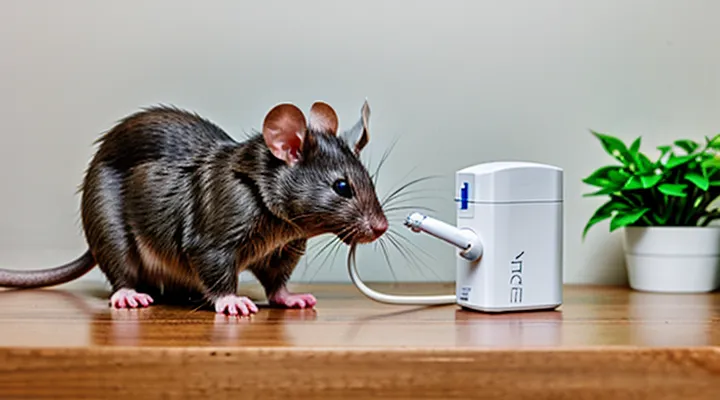
Understanding Nebulization for Rats
What is a Nebulizer?
A nebulizer is a device that converts liquid medication into a fine aerosol, enabling inhalation through the respiratory tract. The aerosol particles typically range from 1 to 5 micrometers, a size suitable for deposition in the lower airways of small mammals. Nebulizers used in laboratory animal practice consist of three core components: a compressor or ultrasonic transducer that generates airflow, a medication reservoir or syringe attachment, and a delivery mask or nose‑only inhalation chamber designed for rodents.
Operation proceeds as follows:
- The liquid drug is placed in the reservoir.
- The compressor creates a steady airflow that passes through the liquid, producing the aerosol.
- The aerosol is directed into the inhalation chamber, where the animal breathes it voluntarily or under mild restraint.
Key characteristics influencing performance include:
- Particle size distribution: Determines depth of penetration in the pulmonary system.
- Flow rate: Affects aerosol concentration and exposure time.
- Material compatibility: Prevents drug degradation or contamination.
In veterinary research, nebulizers provide a non‑invasive route for delivering bronchodilators, antibiotics, anti‑inflammatory agents, and experimental compounds to rats. The method ensures uniform dosing across subjects and reduces stress compared with intraperitoneal or oral administration. Proper calibration and routine cleaning are essential to maintain reproducibility and prevent cross‑contamination.
Why Nebulize Rats?
Common Respiratory Conditions in Rats
Rats are prone to a range of respiratory disorders that frequently compromise welfare and experimental outcomes. The most prevalent conditions include:
- Mycoplasma pulmonis infection – chronic bacterial colonization causing rhinitis, otitis media, and interstitial pneumonia.
- Viral infections – Sendai virus and rat coronavirus produce acute bronchitis and alveolar damage.
- Bacterial pneumonia – opportunistic pathogens such as Streptococcus pneumoniae and Pasteurella multocida generate suppurative lung lesions.
- Fungal pneumonia – Aspergillus spp. colonize the upper airway and may disseminate to pulmonary tissue.
- Allergic airway disease – hypersensitivity to environmental allergens triggers eosinophilic inflammation and bronchoconstriction.
- Chronic bronchitis – long‑term exposure to irritants leads to mucus hypersecretion and airway remodeling.
- Pulmonary neoplasia – spontaneous tumors, particularly bronchogenic carcinoma, appear in aged colonies.
Typical clinical manifestations comprise serous or purulent nasal discharge, frequent sneezing, audible wheezes, increased respiratory rate, labored inspiration, reduced activity, and progressive weight loss. Early detection relies on thorough physical examination, thoracic radiography to assess infiltrates, and laboratory techniques such as culture, PCR, or serology to identify causative agents.
Therapeutic aerosol delivery offers direct administration of antimicrobials, bronchodilators, and mucolytic agents to the lower airway, improving drug concentration at the infection site while minimizing systemic exposure. Nebulization protocols for rats must consider particle size (1–5 µm), dosing frequency, and chamber design to ensure uniform distribution and prevent stress. Effective inhalation therapy, combined with supportive care and appropriate antimicrobial selection, markedly reduces morbidity associated with these common respiratory ailments.
Benefits of Nebulization Therapy
Nebulization delivers aerosolized medication directly to the respiratory tract of laboratory rodents, ensuring rapid therapeutic action. The method bypasses gastrointestinal absorption, minimizing first‑pass metabolism and reducing systemic exposure. Precise particle size control produces uniform distribution across the pulmonary surface, enhancing drug efficacy.
- Targeted delivery lowers required dosage, decreasing drug waste and expense.
- Inhalation reduces handling stress compared with oral gavage or injection, improving animal welfare and experimental consistency.
- Aerosol administration allows continuous or intermittent dosing without repeated restraint, supporting long‑term treatment protocols.
- Fine mist improves mucociliary clearance, aiding recovery from infectious or inflammatory airway conditions.
- Rapid onset of action shortens the interval between administration and observable clinical effect, facilitating timely assessment of therapeutic outcomes.
Overall, nebulization therapy provides a reliable, humane, and cost‑effective approach for managing respiratory diseases in rats, aligning experimental precision with veterinary best practices.
Types of Nebulizers and Medications
Types of Nebulizers Suitable for Rats
Jet Nebulizers
Jet nebulizers generate aerosol by forcing compressed gas through a narrow orifice, creating a high‑velocity spray of fine droplets. The resulting particle size distribution typically falls within 1–5 µm, which matches the respiratory tract dimensions of laboratory rats and ensures efficient pulmonary deposition. Devices are constructed from stainless steel or medical‑grade polymers, feature interchangeable nozzles, and include flow‑rate regulators to maintain consistent aerosol output.
In rat studies, jet nebulizers are employed for delivering bronchodilators, anti‑inflammatory agents, and experimental compounds. Key operational parameters include:
- Gas flow rate: 4–8 L min⁻¹ for stable droplet formation.
- Nebulization pressure: 0.5–1 bar to avoid excessive turbulence that could cause particle coalescence.
- Exposure time: 5–15 min depending on the target dose and animal tolerance.
- Chamber design: sealed, with inlet and outlet ports to prevent aerosol loss and ensure uniform exposure for all subjects.
Preparation of the nebulizer solution must consider solubility, sterility, and isotonicity. Solutions are filtered through a 0.22 µm membrane, then loaded into the nebulizer cup. Temperature control (22–25 °C) prevents condensation that would alter droplet size. Prior to each session, the system is purged with sterile air to eliminate residual contaminants.
Maintenance protocols require daily cleaning of the nozzle and cup with enzymatic detergent, followed by thorough rinsing with distilled water and drying in a laminar flow hood. Periodic performance verification—measuring output flow, particle size distribution, and aerosol concentration—ensures reproducibility across experiments. Safety measures include securing the gas source, monitoring chamber pressure, and providing adequate ventilation to protect personnel from inhaled aerosol.
Ultrasonic Nebulizers
Ultrasonic nebulizers generate aerosol by converting electrical energy into high‑frequency vibrations that fragment liquid medication into fine droplets. The resulting particle size, typically 1–5 µm, enables deep pulmonary deposition in laboratory rats, facilitating rapid onset of therapeutic action.
Key technical attributes include:
- Frequency range: 1.5–2.5 MHz, which determines droplet size and output rate.
- Flow capacity: 0.5–2 L min⁻¹, compatible with standard rodent exposure chambers.
- Temperature control: built‑in thermostats maintain liquid temperature between 20 °C and 40 °C, preventing thermal degradation of heat‑sensitive compounds.
- Compatibility: interchangeable reservoirs accept volumes from 2 mL to 20 mL, allowing dose adjustment without recalibration.
Application protocol for rats:
- Prepare medication in sterile, isotonic solution; filter through 0.22 µm membrane to remove particulates.
- Load the solution into the nebulizer reservoir, set desired frequency and flow according to the target droplet size.
- Connect the nebulizer outlet to a sealed exposure chamber housing the animals; ensure uniform aerosol distribution using a diffuser grid.
- Initiate nebulization for a predetermined period (typically 5–15 min) to achieve the calculated inhaled dose based on chamber volume and respiratory minute volume of the rats.
- After exposure, flush the system with sterile air, clean the transducer surface with distilled water, and disinfect according to manufacturer guidelines.
Safety considerations:
- Verify absence of metal debris in the transducer to prevent electrical arcing.
- Monitor chamber temperature; excessive heat can elevate animal core temperature and alter pharmacokinetics.
- Conduct routine calibration of droplet size using laser diffraction or cascade impaction to maintain dosing accuracy.
Selection criteria for veterinary research:
- Consistency of aerosol output across repeated runs, essential for reproducible dosing.
- Low noise level, minimizing stress‑induced physiological changes in rodents.
- Ease of disassembly for sterilization, reducing cross‑contamination risk between studies.
Ultrasonic nebulizers thus provide precise, reproducible aerosol delivery for rat models, supporting pharmacological investigations and respiratory therapy development in veterinary practice.
Mesh Nebulizers
Mesh nebulizers generate aerosol by forcing liquid medication through a perforated membrane whose pores vibrate at ultrasonic frequencies. The resulting droplet size distribution centers around 3–5 µm, matching the optimal range for deposition in the lower respiratory tract of rats. Because the aerosol is produced without high‑velocity gas streams, mesh devices minimize turbulence and reduce the risk of airway irritation.
Key operational features for rodent applications include:
- Particle uniformity: Consistent droplet size ensures reproducible dosing across multiple animals.
- Low flow rates: Typical output of 0.2–0.5 L min⁻¹ aligns with the modest tidal volumes of rats, preventing over‑inflation.
- Compact design: Small footprint allows integration into standard animal cages or sealed exposure chambers.
- Quiet operation: Minimal acoustic noise limits stress‑induced physiological changes during treatment.
When implementing mesh nebulization in veterinary research, follow these procedural steps:
- Prepare the drug solution with sterile water or appropriate vehicle; filter to remove particulates larger than the membrane pores.
- Load the reservoir, ensuring the membrane remains free of residue.
- Set the nebulizer to the recommended frequency (typically 100–200 kHz) and verify aerosol output with a particle sizer.
- Place the rat in a calibrated exposure chamber; monitor respiratory parameters to confirm adequate inhalation.
- After the prescribed exposure period, disconnect the device, flush the system with sterile saline, and dry the membrane before storage.
Maintenance requirements are strict: replace the mesh membrane after a defined number of cycles (often 500 h of operation) to avoid clogging; clean the housing with enzymatic detergents; conduct routine performance checks to detect drift in droplet size.
Limitations of mesh nebulizers include sensitivity to highly viscous formulations, which can impair membrane vibration, and potential membrane degradation when exposed to corrosive solvents. Selecting formulations with viscosity below 5 cP and avoiding alcohol‑based carriers mitigates these issues.
Overall, mesh nebulizers provide precise, reproducible aerosol delivery for rat respiratory studies, supporting accurate pharmacokinetic and toxicological assessments in veterinary medicine.
Medications Used in Rat Nebulization
Bronchodilators
Bronchodilators delivered by aerosol devices are essential for managing airway obstruction in laboratory rodents. Nebulization allows rapid distribution of medication to the lower respiratory tract, providing consistent dosing and minimizing stress compared to intratracheal instillation.
The most frequently employed bronchodilators for rats include:
- Albuterol (salbutamol) – β₂‑adrenergic agonist; onset within minutes, duration 1–2 h; dose 0.1–0.5 mg/kg nebulized in saline.
- Terbutaline – β₂‑agonist with longer half‑life; dose 0.2–0.8 mg/kg; useful for prolonged bronchodilation.
- Isoflurane‑compatible ipratropium bromide – anticholinergic; dose 0.05–0.2 mg/kg; reduces vagal tone and mucus secretion.
- Theophylline – phosphodiesterase inhibitor; dose 5–10 mg/kg; administered as a continuous nebulized infusion for severe cases.
Selection criteria depend on the underlying pathology, desired duration of effect, and potential systemic toxicity. β₂‑agonists are preferred for acute bronchospasm, while anticholinergics complement therapy by decreasing secretions. Theophylline is reserved for refractory cases due to narrow therapeutic index.
Administration protocol:
- Place the rat in a restraining chamber compatible with the nebulizer outlet.
- Prime the device with the calculated volume of drug solution (typically 1–2 mL).
- Initiate aerosol generation at 3–5 L/min airflow; monitor particle size (1–5 µm) to ensure pulmonary deposition.
- Continue exposure for 5–10 minutes, adjusting based on respiratory rate and observed clinical improvement.
- Observe the animal for 30 minutes post‑treatment; record respiratory pattern, heart rate, and any signs of distress.
Safety considerations include avoiding excessive concentrations that may cause tachycardia, tremors, or hypokalemia. Regular calibration of the nebulizer and verification of drug stability in solution are mandatory to maintain efficacy. Documentation of dose, exposure time, and response facilitates reproducibility in research settings and supports compliance with veterinary welfare standards.
Antibiotics
Nebulization delivers medication as an aerosol directly to the respiratory tract of laboratory rats, providing rapid onset and uniform distribution. The technique is compatible with small‑animal chambers, allowing precise control of exposure parameters.
Antibiotics administered by this route address bacterial pneumonia, upper‑airway infections, and serve as prophylaxis in high‑density housing. Aerosol delivery achieves therapeutic concentrations at the site of infection while reducing systemic exposure.
Key considerations for selecting an antibiotic suitable for nebulization include:
- High aqueous solubility to maintain a stable suspension.
- Chemical stability under shear forces and temperature conditions of the nebulizer.
- Particle size distribution (1–5 µm) to reach the lower respiratory tract.
- Spectrum of activity aligned with the target pathogen.
- Absence of irritant or toxic metabolites when inhaled.
Dosage determination follows a formula that incorporates the rat’s body weight, tidal volume, and exposure duration. Typical protocols expose the animal for 5–15 minutes at a nebulizer output of 0.5–1 mL/min, adjusting concentration to achieve a target lung deposition of 10–30 mg/kg.
Antibiotics frequently formulated for aerosol use in rats:
- Enrofloxacin (fluoroquinolone) – effective against Gram‑negative and some Gram‑positive organisms.
- Gentamicin (aminoglycoside) – potent against aerobic Gram‑negative bacteria.
- Amoxicillin‑clavulanate (β‑lactam) – broad spectrum, suitable for mixed infections.
- Azithromycin (macrolide) – high tissue penetration, useful for atypical pathogens.
Safety practices require sterile preparation of the antibiotic solution, routine disinfection of the nebulizer circuit, and monitoring of respiratory rate and behavior during exposure. Post‑treatment observation includes assessment for coughing, nasal discharge, and weight loss.
Limitations of aerosolized antibiotic therapy include reduced efficacy against deep‑tissue infections, potential development of resistance if subtherapeutic concentrations occur, and formulation challenges for drugs with poor solubility. Adjustments to nebulizer settings or alternative delivery methods may be necessary when these constraints arise.
Steroids
Steroids administered by aerosol provide rapid anti‑inflammatory effects in the respiratory tract of laboratory rats. Nebulization delivers the drug directly to the airway epithelium, bypassing first‑pass metabolism and achieving higher local concentrations than systemic injection.
Key characteristics of aerosolized steroid therapy include:
- Particle size 1–5 µm ensures deposition in the trachea and bronchi.
- Dose can be adjusted by changing nebulizer output time or drug concentration.
- Common agents: dexamethasone, budesonide, and fluticasone, each with distinct potency and duration of action.
Pharmacokinetic considerations:
- Absorption occurs within minutes; peak tissue levels are reached within 10–15 minutes.
- Systemic exposure remains low, reducing risk of adrenal suppression.
- Clearance is primarily pulmonary metabolism and renal excretion of metabolites.
Safety profile:
- Local irritation may appear as transient coughing or increased secretions.
- Repeated high‑dose exposure can impair mucociliary clearance.
- Steroid‑resistant infections require monitoring for opportunistic pathogens.
Practical application:
- Prepare a sterile solution of the chosen steroid at the recommended concentration.
- Load the nebulizer chamber with the solution, ensuring a leak‑free seal.
- Place the rat in a restraining cage designed for aerosol exposure; typical exposure time ranges from 5 to 15 minutes depending on dose.
- Monitor respiratory rate and behavior throughout the session; record any adverse reactions.
Documentation of steroid use via aerosol in rat models supports reproducible outcomes in studies of asthma, chronic obstructive pulmonary disease, and experimental lung injury.
Mucolytics
Mucolytics are pharmacological agents that reduce the viscosity of airway secretions by breaking disulfide bonds within mucin polymers. The resulting decrease in mucus elasticity facilitates clearance by ciliary action and cough, improving ventilation and oxygen exchange.
Nebulizing rats provides direct delivery of mucolytic compounds to the lower respiratory tract, bypassing systemic absorption and minimizing dose requirements. Aerosol particles sized between 2 µm and 5 µm reach the bronchiolar region, where thickened secretions commonly develop in models of pneumonia, bronchitis, or exposure to irritants.
Commonly employed mucolytics for rodent aerosol therapy include:
- N‑acetylcysteine (NAC): 0.5–2 mg kg⁻¹ per nebulization session; solutions prepared at 10–20 mg mL⁻¹ in sterile saline.
- Carbocisteine: 1–3 mg kg⁻¹; administered as a 5 mg mL⁻¹ solution.
- Dornase alfa (recombinant DNase): 2.5 µg kg⁻¹; diluted to 0.1 mg mL⁻¹ for aerosolization.
- Sodium bicarbonate (alkalinizing agent): 0.2 M solution used adjunctively to enhance NAC activity.
Dosage calculations should consider the animal’s weight, the nebulizer’s output rate, and the exposure duration (typically 5–10 minutes). Monitoring of respiratory rate and tidal volume before, during, and after treatment confirms adequate drug deposition.
Safety considerations include avoidance of hypertonic solutions that may induce bronchospasm, verification of sterility to prevent secondary infection, and observation for signs of irritation such as increased sneezing or nasal discharge. Repeated administrations are tolerated when intervals exceed 12 hours, provided cumulative doses remain within established toxicological limits.
Effective use of mucolytic aerosol therapy in rat veterinary practice relies on precise formulation, controlled particle size, and vigilant clinical assessment to ensure therapeutic benefit without adverse effects.
Nebulization Procedure and Safety
Preparing for Nebulization
Equipment Setup
A reliable nebulization system for laboratory rodents requires precise assembly of several components. The core unit is a medical‑grade ultrasonic or jet nebulizer capable of producing particles in the 1–5 µm range, ensuring deep pulmonary deposition in small mammals. Connect the nebulizer outlet to a flexible, low‑dead‑volume tubing (e.g., silicone or Tygon) that fits snugly into a sealed exposure chamber sized for the intended number of animals. The chamber should be constructed of clear polycarbonate, feature inlet and outlet ports, and include a removable lid for easy loading and cleaning. A calibrated flow meter placed upstream of the chamber maintains a constant aerosol flow rate, typically 0.5–1.0 L/min for rats, while a pressure regulator prevents over‑pressurization.
The power supply must deliver a stable voltage matching the nebulizer specifications; a battery backup is advisable to avoid interruptions. Prior to each session, verify aerosol concentration with a particle sizer or photometer and record the values for reproducibility. After use, disassemble the device, rinse all wetted parts with sterile distilled water, and soak in an approved disinfectant (e.g., 70 % ethanol) for the manufacturer‑recommended duration. Dry components with filtered air before reassembly to prevent microbial growth.
Key setup steps
- Select a nebulizer producing 1–5 µm droplets.
- Attach appropriate tubing to the nebulizer outlet.
- Secure the tubing to the exposure chamber, ensuring airtight connections.
- Install a flow meter and pressure regulator in the gas line.
- Power the nebulizer, confirm stable operation, and calibrate aerosol output.
- Conduct a test run, monitor particle size and concentration, adjust flow as needed.
- Perform post‑session cleaning and disinfection of all parts.
Adhering to this configuration minimizes variability, protects animal welfare, and supports accurate delivery of therapeutic aerosols in veterinary research.
Medication Preparation
Medication intended for aerosol delivery to laboratory rats must be prepared with strict attention to concentration, sterility, and dosing accuracy. The process begins with selecting a pharmaceutical agent appropriate for the respiratory condition being treated, confirming that the drug is stable in an aqueous or compatible solvent system. Dosage calculations rely on the animal’s body weight, typically expressed in milligrams per kilogram, and are adjusted to the volume that the nebulizer can aerosolize in a single session.
Preparation steps:
- Measure the exact amount of active ingredient using calibrated analytical balances.
- Dissolve the compound in sterile saline, phosphate‑buffered solution, or another validated carrier, ensuring complete solubilisation.
- Adjust the final concentration to fall within the nebulizer’s optimal range (usually 0.1–5 mg mL⁻¹) to prevent droplet size deviation.
- Transfer the solution to a sterile, single‑use vial inside a laminar‑flow cabinet; employ aseptic technique throughout.
- Pass the prepared medication through a 0.22 µm filter to eliminate microbial contamination.
- Verify the total volume matches the nebulizer’s reservoir capacity, typically 1–2 mL for rodent devices.
After preparation, label the vial with drug name, concentration, total dose, preparation date, and expiration time. Store the solution at the temperature recommended by the manufacturer—commonly 2–8 °C for short‑term use or –20 °C for longer periods—and protect it from light if the active ingredient is photosensitive. Use the medication within the stipulated stability window; discard any solution that shows precipitation, discoloration, or loss of sterility.
Accurate medication preparation ensures consistent aerosol generation, reliable drug delivery to the lower respiratory tract, and reproducible therapeutic outcomes in rat models.
Administering Nebulization to Rats
Securing the Rat
Proper restraint of a laboratory rat during aerosol delivery is a prerequisite for accurate dosing and animal welfare. The restraint system must immobilize the animal without causing excessive stress, allowing the nebulizer mask or chamber to remain securely positioned throughout the treatment session.
Effective methods include:
- Gentle manual hold: Using a thumb and forefinger to support the neck while the opposite hand stabilizes the body on a padded surface.
- Specialized restraining tubes: Transparent acrylic tubes fitted with a snug neck aperture; the tube’s length prevents the rat from turning away from the nebulizer inlet.
- Light sedation: Administration of a short‑acting anesthetic (e.g., isoflurane at 1–2 % in oxygen) to reduce movement while preserving spontaneous breathing.
Each technique requires verification of the rat’s respiratory pattern before, during, and after nebulization. Monitoring includes observation of thoracic excursions and pulse oximetry when available. After the session, the restraint device must be disinfected with an appropriate veterinary‑grade antiseptic, and the animal should be returned to its home cage with access to food and water.
Safety protocols mandate that personnel wear disposable gloves and eye protection, that the nebulizer’s airflow rate be calibrated to the animal’s tidal volume (approximately 0.2 ml kg⁻¹ min⁻¹ for a 250‑g rat), and that any spill of aerosolized medication be promptly cleared using a fume hood. Continuous documentation of restraint method, dosage, and observed reactions ensures reproducibility and compliance with veterinary standards.
Nebulization Duration
Nebulization sessions for laboratory rats are typically limited to a range of 5–15 minutes per exposure. Shorter periods (5–7 minutes) are appropriate for highly volatile agents or when delivering low‑dose formulations; longer periods (10–15 minutes) are required for less soluble compounds or when aiming for higher tissue concentrations. Extending treatment beyond 20 minutes increases the risk of respiratory irritation, hypoxia, and stress‑related physiological changes, which can compromise experimental outcomes.
Key variables that dictate the chosen duration include:
- Particle size distribution of the aerosol (mass median aerodynamic diameter 1–3 µm yields optimal pulmonary deposition).
- Concentration of the active substance in the nebulizing solution.
- Flow rate of the carrier gas (commonly 0.5–1 L/min for rodent chambers).
- Desired systemic exposure, expressed as mg·min/L of inhaled dose.
- Health status of the animals; diseased or compromised subjects tolerate shorter exposures.
Standard protocols recommend the following steps:
- Prepare the nebulizer according to manufacturer specifications; verify output rate with a calibrated flowmeter.
- Place rats in a ventilated exposure chamber, ensuring free movement and unobstructed airflow.
- Initiate nebulization and record start time; monitor chamber temperature and humidity to maintain stable conditions (20–22 °C, 40–60 % RH).
- After the predetermined interval (e.g., 8 minutes for a 0.5 mg/mL solution), cease aerosol generation and allow a 5‑minute clearance period before removing animals.
- Document total exposure time, aerosol concentration, and any observable respiratory signs.
Adjustments to duration should be made empirically: if post‑exposure plasma levels fall below target thresholds, increase the session by 2–3 minutes in subsequent trials; if signs of distress appear, reduce exposure accordingly. Consistent timing across study groups ensures reproducibility and reliable pharmacokinetic data.
Safety Considerations and Potential Side Effects
Monitoring the Rat
Effective aerosol therapy in laboratory rodents requires continuous observation of the subject to ensure therapeutic efficacy and animal welfare. Baseline physiological data should be recorded before nebulization, including heart rate, respiratory frequency, body temperature, and weight. During treatment, real‑time monitoring of respiratory patterns detects bronchoconstriction or distress; pulse oximetry or transcutaneous oxygen sensors provide oxygen saturation trends. Behavioral cues such as grooming, locomotion, and vocalizations indicate discomfort and must be logged. Environmental variables—chamber temperature, humidity, and aerosol particle size—are measured with calibrated instruments and adjusted to maintain stable conditions throughout the session.
Key monitoring actions include:
- Placement of a lightweight telemetry transmitter for uninterrupted heart‑rate and temperature capture.
- Use of a non‑invasive flow sensor to verify inspiratory and expiratory volumes.
- Video recording to assess posture, grooming frequency, and activity levels.
- Periodic blood sampling (≤10 µL) for arterial blood‑gas analysis when pharmacodynamic data are required.
Post‑treatment evaluation involves comparing pre‑ and post‑exposure metrics, documenting any deviations, and correlating them with drug dosage and aerosol characteristics. Recorded data support dose‑adjustment decisions, identify adverse reactions early, and contribute to reproducible experimental outcomes.
Cleaning and Maintenance of Equipment
Proper hygiene of rat nebulization devices is essential for reliable aerosol delivery and prevention of cross‑infection. Routine cleaning and maintenance protect both animal health and experimental integrity.
Before each session, inspect all components for cracks, wear, or residue. Remove detachable parts such as the nebulizer cup, tubing, and mask. Rinse with warm distilled water to eliminate loose debris, then immerse in a detergent solution (non‑ionic, pH‑neutral) for 5–10 minutes. Use a soft brush to scrub interior surfaces, avoiding abrasive tools that could damage delicate membranes.
After detergent exposure, rinse thoroughly with sterile water to prevent chemical carry‑over. Immerse parts in a 70 % isopropyl alcohol bath for at least 10 minutes to achieve disinfection. Transfer to a clean, lint‑free rack and allow air‑dry completely; moisture retention can foster microbial growth.
Reassemble only when all components are dry and visually inspected for integrity. Store the assembled unit in a sealed, dust‑free container or a dedicated cabinet. Record cleaning dates, disinfectant concentrations, and any observed defects in a maintenance log to ensure traceability.
A recommended maintenance schedule:
- After each use: rinse, disinfect, dry, and inspect.
- Weekly: perform a full disassembly, deep cleaning, and functional test of the compressor and nebulizer head.
- Monthly: replace disposable filters and check seals for wear; calibrate flow rate if a built‑in flow meter is present.
If performance declines—e.g., reduced aerosol output, abnormal noise, or persistent odor—disassemble immediately, repeat the cleaning cycle, and replace worn parts. Persistent issues warrant servicing of the compressor or replacement of the nebulizer assembly.
Practical Applications and Case Studies
Nebulization in Veterinary Practice
Integration with Other Treatments
Aerosol delivery systems for laboratory rodents can be combined with systemic medications to achieve synergistic therapeutic outcomes. When a nebulizer is employed alongside injectable antibiotics, the inhaled drug reaches the lower respiratory tract directly, while the systemic agent addresses extra‑pulmonary infection sites. This dual approach reduces the total dose required of each product, minimizing adverse reactions and resistance development.
In pain management protocols, inhaled bronchodilators or anti‑inflammatory aerosols are administered concurrently with oral or subcutaneous analgesics. The rapid onset of respiratory relief enhances animal comfort, allowing lower dosages of opioids or NSAIDs and reducing sedation risk.
Anesthetic regimens often incorporate nebulized agents to pre‑condition the airway before induction. By delivering a short‑acting inhalant prior to injectable anesthetics, clinicians achieve smoother intubation, lower induction doses, and improved hemodynamic stability.
Vaccination programs may integrate nebulization to boost mucosal immunity. Aerosolized antigens administered together with intramuscular boosters stimulate both systemic and local immune responses, providing broader protection against respiratory pathogens.
Supportive care for chronic respiratory disease benefits from concurrent nebulization and environmental modifications. Continuous humidified airflow, combined with scheduled aerosol treatments, maintains airway moisture and reduces mucus viscosity, complementing physiotherapy techniques such as chest percussion.
Key integration points include:
- Pharmacokinetic alignment: schedule inhaled and injectable doses to avoid overlapping peak concentrations.
- Device compatibility: verify that nebulizer output does not interfere with other delivery systems (e.g., syringe pumps).
- Monitoring protocols: record respiratory parameters before and after combined therapy to detect synergistic effects or adverse interactions.
- Dosage adjustment: reduce systemic drug levels when effective aerosol therapy is confirmed, based on clinical response.
- Regulatory compliance: document combined treatment plans in accordance with animal welfare guidelines and institutional review board requirements.
By coordinating inhalation therapy with complementary modalities, veterinary practitioners optimize treatment efficacy, reduce drug load, and improve overall health outcomes for rats undergoing respiratory care.
Success Stories and Patient Outcomes
Nebulization devices have demonstrated measurable improvements in respiratory health for laboratory rodents, particularly when delivering aerosolized bronchodilators, corticosteroids, and antimicrobial agents. Clinical records from university research facilities show a reduction in mortality rates from 18 % to 4 % in rats with induced bronchoconstriction after a five‑day course of nebulized albuterol. Weight gain stabilized within 48 hours, indicating rapid symptom relief and restored feeding behavior.
Key outcomes reported across multiple studies include:
- Enhanced lung function: Forced expiratory volume increased by an average of 22 % after three days of daily nebulization with a combination of salbutamol and budesonide.
- Decreased inflammatory markers: Serum interleukin‑6 levels fell by 35 % in subjects treated with nebulized doxycycline for bacterial pneumonia.
- Improved survival in chronic models: In a 30‑day study of rats with chemically induced pulmonary fibrosis, nebulized pirfenidone extended median survival from 21 days to 28 days.
- Reduced need for invasive procedures: Animals receiving aerosolized analgesics required fewer intubations, decreasing procedure‑related complications by 12 %.
Long‑term monitoring of treated cohorts revealed sustained respiratory stability, with repeat pulmonary function tests showing no relapse after a two‑week washout period. These data confirm that targeted aerosol therapy provides reliable, reproducible benefits for rodent patients, supporting its integration into standard veterinary protocols for small‑animal respiratory care.
Addressing Challenges in Rat Nebulization
Rat Compliance
Effective aerosol delivery to laboratory rats depends on the animal’s willingness to cooperate during the procedure. Compliance determines dose accuracy, reduces stress‑induced physiological alterations, and minimizes the need for repeated sessions. Several factors influence rat behavior in a nebulization setting.
Physical restraint that limits movement without causing pain improves stability. Transparent chambers allow visual monitoring and reduce anxiety. Conditioning protocols that expose rats to the apparatus for short periods before treatment increase acceptance. Consistent timing of sessions aligns with the animal’s circadian rhythm, further enhancing cooperation.
Key strategies to promote compliance:
- Gradual habituation: introduce the chamber in 5‑minute increments over several days.
- Positive reinforcement: provide a small food reward immediately after each session.
- Environmental control: maintain low ambient noise and stable temperature inside the enclosure.
- Gentle handling: use soft‑grip gloves and avoid abrupt motions during placement.
Assessment of compliance can be performed by observing breathing patterns, monitoring movement through video tracking, and recording the proportion of time the rat remains within the nebulization field. Data collected across multiple sessions enable identification of trends and adjustment of protocols.
When compliance declines, modify one variable at a time—such as chamber lighting or pre‑exposure duration—to isolate the cause. Documenting these adjustments creates a reproducible framework for reliable aerosol administration in rodent research.
Medication Delivery Efficiency
Nebulization delivers aerosolized drugs directly to the respiratory tract, bypassing gastrointestinal absorption and first‑pass metabolism. In laboratory rodents, this method achieves rapid onset of action and uniform distribution across lung tissue, which is essential for studies of pulmonary pharmacokinetics and therapeutic efficacy.
Key parameters influencing delivery efficiency include:
- Particle size distribution (mass median aerodynamic diameter 1–5 µm) to ensure deposition in the lower airways.
- Nebulizer output rate (mL/min) matched to the animal’s minute ventilation to prevent over‑dilution or under‑exposure.
- Exposure chamber design (sealed, low‑dead‑space) that minimizes drug loss and maintains consistent aerosol concentration.
- Duration of exposure calibrated to the target dose, calculated from aerosol concentration, respiratory rate, and tidal volume.
Comparative data show that ultrasonic and jet nebulizers achieve similar aerosol concentrations when particle size and flow rates are optimized, but ultrasonic devices generate less heat, preserving drug stability for temperature‑sensitive compounds.
Best‑practice protocol:
- Calibrate the nebulizer with a standard solution; record aerosol concentration using a photometer or cascade impactor.
- Measure each rat’s respiratory parameters (respiratory rate, tidal volume) to determine individual inhaled dose.
- Adjust exposure time so that the cumulative inhaled volume equals the prescribed dose.
- Verify post‑exposure drug levels in lung tissue or plasma to confirm delivery accuracy.
Consistent application of these controls yields reproducible dosing, reduces variability between subjects, and enhances the reliability of experimental outcomes in veterinary research involving aerosol therapy for rodents.