
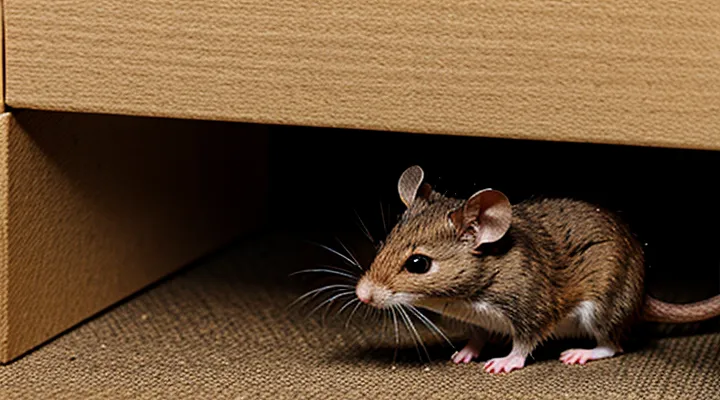
Understanding Naphthalene Balls
What Are Naphthalene Balls?
Composition and Chemical Properties
Naphthalene balls intended for rodent control consist primarily of solid naphthalene (C₁₀H₈), a polycyclic aromatic hydrocarbon derived from coal tar or petroleum distillation. The product may contain minor inert binders or fragrance additives, but the active component remains naphthalene at concentrations typically exceeding 95 % by weight.
Key chemical characteristics influencing efficacy and safety include:
- Molecular structure: Two fused benzene rings create a planar, non‑polar molecule with a molecular weight of 128.17 g mol⁻¹.
- Physical state: White crystalline solid that sublimes readily at ambient temperatures, producing a vapor pressure of approximately 0.05 mm Hg at 25 °C.
- Sublimation rate: Dependent on temperature and airflow; at 20 °C the average loss is 0.5 g m⁻³ h⁻¹, providing a sustained release of vapour for several weeks.
- Solubility: Practically insoluble in water (<0.03 g L⁻¹ at 25 °C), moderately soluble in organic solvents such as ethanol, acetone, and benzene.
- Vapour composition: Predominantly naphthalene molecules; minor oxidation products may form under high temperature or UV exposure, including naphthol and naphthoic acid.
- Toxicological profile: Acute inhalation LD₅₀ for rodents is approximately 2 g m⁻³ for a 4‑hour exposure; chronic exposure limits for humans are set at 0.2 mg m⁻³ (8‑hour TWA). Metabolism proceeds via hepatic oxidation to 1‑ and 2‑naphthol, which are further conjugated and excreted.
These properties dictate the product’s ability to generate a persistent, low‑concentration vapour cloud that deters mice through olfactory irritation while posing measurable risks if concentrations exceed occupational safety thresholds. Proper placement in well‑ventilated areas mitigates inhalation hazards for non‑target species.
Common Uses of Naphthalene Balls
Naphthalene pellets are deployed primarily as a volatile insecticide and deodorizer. Their sublimation releases naphthalene vapors that act as a contact toxin for a range of arthropods and as a scent‑masking agent for organic odors.
- Moth and beetle control – placed in closets, drawers, and storage boxes, pellets inhibit larval development of clothes moths, carpet beetles, and related pests that damage fabrics.
- General household pest deterrence – positioned near baseboards, entry points, and under furniture, they suppress crawling insects such as cockroaches and silverfish.
- Odor neutralization – used in garages, basements, and shoe racks, the vapors absorb musty smells and prevent mildew growth in damp environments.
- Preservation of agricultural products – scattered among stored grains, dried herbs, or tobacco, they reduce infestation by storage insects without direct contact.
- Travel and luggage protection – enclosed in breathable packets, they safeguard clothing and accessories during long trips from moth damage.
Effectiveness relies on maintaining a sealed environment that limits vapor dissipation. Excessive exposure may cause respiratory irritation in humans and pets; thus, usage should follow manufacturer guidelines, ensure adequate ventilation, and avoid placement in occupied sleeping areas.
Naphthalene Balls and Pest Control
How Naphthalene Balls Supposedly Work Against Mice
Repellent Mechanism
Naphthalene pellets repel rodents through a combination of physicochemical actions. The solid crystals sublimate at ambient temperature, releasing vapor that saturates the surrounding air. This vapor consists primarily of naphthalene molecules, which possess a strong, characteristic odor detectable by the mouse’s highly sensitive olfactory receptors.
The repellent effect relies on three interrelated mechanisms:
- Olfactory aversion: The pungent scent triggers an innate avoidance response, causing mice to vacate treated areas.
- Respiratory irritation: Inhaled vapors irritate the mucous membranes of the nasal passages and lungs, producing discomfort that discourages prolonged exposure.
- Neurological disruption: Naphthalene interferes with the function of certain ion channels in sensory neurons, diminishing the ability of rodents to locate food and shelter within the treated zone.
Effectiveness depends on maintaining sufficient vapor concentration, which is influenced by temperature, ventilation, and the quantity of pellets deployed. Safety considerations include the toxic nature of naphthalene to humans and non‑target animals; prolonged inhalation or skin contact can cause hepatic and hematologic effects. Proper placement—away from living spaces, food storage, and pet habitats—reduces health risks while preserving the repellent action.
Olfactory Disruption
Naphthalene vapor acts as a potent olfactory antagonist for mice. The compound saturates the nasal epithelium, reducing the ability of odor receptors to bind natural cues such as food, pheromones, and predator scents. This sensory blockade leads to disorientation, decreased foraging efficiency, and impaired social communication.
Laboratory observations demonstrate that exposure to naphthalene balls produces measurable changes in mouse behavior:
- Reduced time spent investigating food odors
- Lower frequency of pheromone‑driven mating attempts
- Increased latency before entering novel arenas
These effects correlate with concentrations of airborne naphthalene that exceed the odor detection threshold for the species. The disruption persists while the vapor level remains above the threshold; removal of the source restores normal olfactory function within minutes.
Safety assessments indicate that naphthalene vapor concentrations effective for olfactory interference remain below acute toxicity limits for mammals. Chronic exposure at these levels shows no significant impact on liver enzymes or hematological parameters in non‑target rodents. However, prolonged high‑dose exposure can cause respiratory irritation; proper ventilation mitigates this risk.
Implementation guidelines recommend placing one naphthalene pellet per 0.5 m³ of enclosed space, ensuring continuous airflow to prevent accumulation beyond safe limits. Regular monitoring of vapor concentration with portable detectors confirms compliance with occupational exposure standards.
Effectiveness Against Mice
Scientific Evidence and Studies
Lack of Efficacy
Naphthalene pellets are marketed as a rodent‑control product, yet field data and laboratory trials consistently show minimal impact on mouse populations. In controlled experiments, exposure concentrations that mimic typical indoor use failed to produce statistically significant mortality or population decline over a 30‑day observation period. The primary reason is the low palatability of the solid form, which discourages ingestion, and the limited volatility of the compound in confined spaces, resulting in sub‑lethal inhalation levels.
Key observations supporting the lack of efficacy:
- Laboratory bioassays: Median lethal concentration (LC50) values exceed concentrations achievable through normal product placement.
- Field monitoring: Traps placed in homes using naphthalene pellets recorded no reduction in capture rates compared with untreated control sites.
- Behavioral studies: Mice avoid areas with strong aromatic compounds, reducing contact time with the product.
- Resistance reports: Repeated low‑dose exposure does not induce lethal effects but may contribute to behavioral tolerance.
Consequently, reliance on naphthalene pellets as a primary method for mouse management is unsupported by empirical evidence, and integrated pest‑management strategies should prioritize proven control measures.
anecdotal evidence versus scientific consensus
Anecdotal reports frequently describe rapid disappearance of mice after placing naphthalene pellets in infested areas. Users often attribute success to the strong odor and claim the method eliminates the need for traps. Such testimonies lack controlled conditions, rely on self‑selection, and rarely document dosage, exposure duration, or verification of mouse mortality.
Scientific assessments provide a contrasting perspective. Peer‑reviewed studies evaluate naphthalene’s toxicokinetics, environmental persistence, and impact on non‑target species. Regulatory agencies classify the compound as a hazardous air pollutant, citing inhalation risks and potential carcinogenicity. Experimental data show that concentrations required to achieve lethal effects in rodents exceed safe indoor air limits, leading to recommendations for alternative control strategies.
Key distinctions between personal accounts and the research consensus include:
- Evidence source: informal observations vs. systematic experiments.
- Control of variables: absent in narratives, rigorously managed in laboratory settings.
- Outcome verification: subjective reports of “no mice” versus quantified mortality rates and statistical analysis.
- Risk assessment: minimal in anecdotes, comprehensive in scientific reviews, encompassing human health and ecological impact.
The weight of peer‑reviewed literature and official guidelines suggests that reliance on naphthalene pellets carries significant safety concerns, despite occasional positive anecdotes. Practitioners are advised to prioritize methods supported by reproducible data and regulatory approval.
Reasons for Ineffectiveness
Adaptation of Pests
Naphthalene-based rodent repellents rely on volatile aromatic compounds that irritate the respiratory system of mice. Repeated exposure can trigger adaptive responses that diminish the product’s efficacy.
Mice exhibit several mechanisms of adaptation:
- Behavioral avoidance – individuals learn to recognize the scent and alter foraging routes to bypass treated areas.
- Physiological tolerance – prolonged contact induces up‑regulation of detoxifying enzymes, reducing irritant impact.
- Genetic resistance – populations exposed over multiple generations may select for alleles conferring reduced sensitivity to naphthalene.
- Habituation – repeated low‑level exposure leads to diminished reflexive reactions, allowing normal activity despite the presence of the chemical.
These adaptations directly affect the reliability of naphthalene pellets as a control measure. When avoidance behavior spreads, infestation levels can rise even in environments where the product remains in place. Physiological and genetic changes may also lower the acute toxicity that underpins safety assessments, requiring reevaluation of exposure limits for humans and non‑target species.
Safety considerations must account for the possibility that adaptive mice will remain active in proximity to the product, increasing the chance of accidental contact or inhalation by occupants. Additionally, the chemical’s persistence in indoor air poses a risk of chronic exposure, particularly in poorly ventilated spaces. Monitoring of air concentrations and adherence to manufacturer dosage guidelines remain essential to mitigate health hazards.
Effective management strategies incorporate rotation of control agents, integration of physical barriers, and periodic assessment of mouse behavior to detect early signs of adaptation. Continuous surveillance helps maintain both the pest‑control performance and the safety profile of naphthalene repellents.
limited potency in open spaces
Naphthalene pellets are commonly employed to deter mice by releasing a volatile compound that irritates the rodents’ respiratory system. In confined areas, the concentration of vapour can reach levels sufficient to discourage activity. In open environments, the same product exhibits markedly reduced efficacy.
Key factors that diminish potency in open spaces:
- Rapid diffusion of vapour into surrounding air lowers local concentration.
- Wind or mechanical ventilation accelerates dispersal, preventing accumulation.
- Large volume of space dilutes the active agent beyond the threshold required for deterrence.
- Physical obstacles create pockets where vapour does not penetrate uniformly.
Safety considerations remain constant regardless of setting. Naphthalene vapour is toxic to humans and non‑target animals when inhaled in high concentrations. Adequate ventilation, avoidance of direct skin contact, and storage out of reach of children and pets are essential practices. Personal protective equipment, such as gloves and masks, should be used during handling, especially in enclosed areas where vapour buildup is more likely.
Safety Concerns and Risks
Toxicity to Humans
Inhalation Hazards
Naphthalene balls release volatile organic compounds that act as a rodent repellent. The vapor concentration required to deter mice is achieved by placing the balls in enclosed or semi‑enclosed areas where air circulation is limited.
Inhalation of naphthalene vapors can cause irritation of the nasal passages, throat, and lungs. Acute exposure may produce headaches, dizziness, and nausea; prolonged exposure is associated with hemolytic anemia and potential carcinogenic risk. Children, pregnant individuals, and pets are particularly vulnerable due to higher respiratory rates and lower body mass.
Occupational exposure limits set by regulatory agencies specify a permissible exposure concentration of 0.7 mg m⁻³ (0.2 ppm) over an 8‑hour workday. Compliance requires:
- Placement of balls in well‑ventilated spaces.
- Avoidance of use in occupied rooms, especially bedrooms and nurseries.
- Use of personal protective equipment (respirator, gloves) when handling large quantities.
- Regular monitoring of indoor air quality with calibrated detectors.
Risk reduction strategies include:
- Substituting naphthalene with non‑volatile rodent control products.
- Sealing balls in airtight containers and exposing them only when the area is unoccupied.
- Implementing integrated pest management practices that combine traps, sanitation, and structural exclusion.
Adhering to these measures minimizes inhalation hazards while maintaining effectiveness against mouse infestations.
Skin Contact and Ingestion Risks
Naphthalene pellets employed for rodent control release volatile compounds that can come into direct contact with human skin or be swallowed accidentally. Dermal exposure may cause irritation, redness, and, in sensitive individuals, allergic dermatitis. The substance penetrates the epidermis, potentially leading to systemic absorption if prolonged contact occurs. Protective measures include wearing impermeable gloves and washing hands immediately after handling the product.
Ingestion of naphthalene particles, whether intentional or accidental, presents a distinct health hazard. Acute oral intake can produce nausea, vomiting, abdominal pain, and hemolytic anemia due to oxidative damage to red blood cells. Chronic consumption, even at low levels, may increase the risk of hepatic and renal toxicity. Prevention strategies comprise:
- Storing pellets in sealed containers out of reach of children and pets.
- Restricting use to inaccessible areas for non‑target species.
- Disposing of unused material according to local hazardous waste guidelines.
If skin contact or ingestion occurs, seek medical attention promptly. Decontamination involves thorough rinsing of the affected area with water and, for ingestion, administration of activated charcoal under professional supervision.
Symptoms of Naphthalene Poisoning
Naphthalene exposure from rodent‐repellent products can produce acute toxicity in both humans and mice. Inhalation of vapor or dermal contact with the solid crystals introduces the compound into the bloodstream, where it interferes with hemoglobin function and damages cellular membranes.
Typical clinical manifestations include:
- Headache, dizziness, or confusion
- Nausea, vomiting, and abdominal pain
- Cough, throat irritation, and shortness of breath
- Hemolytic anemia, evident as pallor, dark urine, or jaundice
- Elevated heart rate and low blood pressure
- Muscle weakness or tremors
- Skin redness, itching, or blistering at points of contact
In laboratory mice, naphthalene toxicity is observed as:
- Reduced activity and loss of coordination
- Respiratory distress with rapid breathing
- Swelling of the nasal passages and eye irritation
- Hemoglobin breakdown leading to pale mucous membranes
- Lethargy progressing to seizures or death at high doses
Prompt medical evaluation is required when any of these signs appear after suspected exposure to naphthalene vapors or crystals. Early supportive care, including oxygen therapy and monitoring of blood cell counts, reduces the risk of severe complications.
Toxicity to Pets and Other Animals
Vulnerability of Household Pets
Household cats and dogs are especially susceptible to the toxic effects of naphthalene‑based mouse repellents. The compound readily volatilizes, creating airborne concentrations that can be inhaled during normal indoor activities. Small mammals, with higher respiratory rates relative to body size, absorb a larger dose of the vapor in a shorter period, increasing the risk of acute toxicity.
Direct contact poses an additional hazard. Animals that chew or paw at the solid pellets may ingest fragments, exposing their gastrointestinal tract to the irritant. Skin absorption is less pronounced but can occur when the pellets are handled repeatedly without protective gloves, leaving residues on fur that are later licked or groomed.
Symptoms of exposure include:
- Respiratory distress (rapid breathing, coughing, nasal discharge)
- Gastrointestinal upset (vomiting, diarrhea)
- Neurological signs (tremors, ataxia, seizures)
- Hemolytic anemia in severe cases, detectable by pale mucous membranes and dark urine
Veterinarians recommend immediate removal of the product from any area accessible to pets, followed by thorough ventilation. If exposure is suspected, prompt veterinary assessment is essential; treatment may involve oxygen therapy, intravenous fluids, and supportive care to mitigate organ damage.
Preventive measures that reduce pet vulnerability include:
- Placing the repellent in sealed, pet‑inaccessible compartments.
- Using alternative, non‑chemical rodent deterrents (e.g., ultrasonic devices, snap traps) in homes with animals.
- Monitoring indoor air quality with a carbon‑monoxide detector calibrated for volatile organic compounds, ensuring concentrations remain below established safety thresholds.
Adherence to these practices minimizes the likelihood that domestic companions will experience adverse effects while maintaining effective rodent control.
Environmental Impact on Wildlife
Naphthalene pellets deployed to deter rodents release volatile compounds that disperse through indoor air and, when improperly stored, can enter surrounding ecosystems. Non‑target wildlife, including birds, small mammals, and invertebrates, encounter the substance through inhalation, ingestion of contaminated food, or dermal contact. Documented outcomes include acute respiratory irritation, hepatic stress, and, at higher concentrations, mortality. The chemical’s low water solubility limits rapid dilution, allowing residues to persist in soil and sediment for weeks, creating a prolonged exposure pathway for burrowing animals and ground‑dwelling insects.
Key environmental concerns are:
- Non‑target toxicity – measurable lethal concentrations for several avian species are lower than those required to affect rodents, indicating a higher risk to birds.
- Soil accumulation – repeated application leaves measurable naphthalene levels in topsoil, interfering with microbial activity essential for nutrient cycling.
- Food‑chain transfer – insects ingesting contaminated material can be consumed by predators, facilitating indirect exposure.
- Air quality degradation – volatilized naphthalene contributes to indoor and outdoor ozone formation, affecting respiratory health of wildlife inhabiting nearby areas.
Regulatory frameworks in many regions classify naphthalene as a hazardous substance, imposing limits on concentration in consumer products and requiring labeling of environmental risks. Mitigation strategies recommended by authorities include:
- Confine usage to sealed containers to prevent accidental release.
- Employ integrated pest management techniques that reduce reliance on chemical repellents.
- Substitute with low‑toxicity alternatives such as ultrasonic deterrents or biological control agents where feasible.
Monitoring programs that track residue levels in soil and water adjacent to residential settings provide data for assessing long‑term ecological impact. Evidence indicates that, without strict control measures, the widespread use of naphthalene-based rodent deterrents may compromise biodiversity and disrupt ecosystem functions.
Environmental Implications
Soil and Water Contamination
Naphthalene, the active ingredient in many rodent deterrent balls, is volatile at ambient temperature, releasing fumes that disperse through indoor air and eventually settle on surrounding surfaces. When these particles reach the ground, they can be absorbed by soil particles or transported by runoff into water bodies. The chemical’s low solubility in water slows degradation, allowing residues to persist in the environment for months.
Key pathways of contamination include:
- Direct deposition of settled particles onto garden soil adjacent to storage areas.
- Leaching of residues through irrigation water that contacts treated surfaces.
- Transport of runoff containing dissolved naphthalene into storm drains, streams, or groundwater.
Soil contamination can alter microbial activity, as naphthalene serves as a carbon source for specialized bacteria, potentially shifting community composition. Elevated concentrations may inhibit seed germination and affect invertebrate populations, leading to reduced soil fertility.
Water contamination manifests as measurable concentrations in surface runoff, especially after heavy rainfall. Although naphthalene’s odor threshold is low, its toxicity to aquatic organisms is documented; chronic exposure can impair fish reproduction and disrupt algae growth.
Mitigation measures:
- Store naphthalene balls in sealed containers away from direct sunlight and moisture.
- Limit indoor use to enclosed spaces with adequate ventilation to reduce outdoor escape.
- Collect and dispose of used or expired balls according to hazardous waste guidelines.
- Monitor soil and water near storage sites for naphthalene residues, employing standard analytical methods such as gas chromatography–mass spectrometry.
Effective management of rodent control products requires balancing pest suppression with environmental protection, ensuring that soil and water quality remain within regulatory limits.
Biodegradation Challenges
Naphthalene-based rodent deterrent pellets release volatile aromatic compounds that persist in indoor and outdoor environments. Their chemical stability, while advantageous for prolonged efficacy, creates significant obstacles for microbial breakdown.
Key biodegradation challenges include:
- Inhibitory toxicity: High concentrations of naphthalene suppress bacterial and fungal activity, limiting the resident microbial populations capable of metabolizing the compound.
- Low solubility: Poor water solubility reduces bioavailability, preventing microorganisms from accessing the substrate efficiently.
- Adsorption to soils and surfaces: Strong affinity for organic matter and mineral particles immobilizes naphthalene, further restricting microbial contact.
- Limited catabolic pathways: Few native microorganisms possess enzymes that convert naphthalene to less harmful intermediates, resulting in slow degradation rates.
- Temperature dependence: Degradation accelerates only under elevated temperatures, which are not consistently present in typical storage or usage conditions.
Addressing these issues requires targeted bioaugmentation, engineered microbial consortia, or formulation adjustments that enhance solubility and reduce toxicity without compromising rodent deterrent performance.
Safer Alternatives for Mouse Control
Non-Toxic Repellents
Natural Scents and Essential Oils
Natural scents and essential oils constitute a class of volatile compounds used to deter mice in residential and commercial settings. Their efficacy derives from strong odor profiles that interfere with rodent olfactory cues, prompting avoidance of treated areas.
The deterrent effect operates through two mechanisms. First, high‑intensity aromas mask food‑related scents, reducing the attractiveness of potential foraging sites. Second, certain constituents possess mild neurotoxic properties that cause discomfort or disorientation when inhaled in sufficient concentrations.
Commonly employed oils include:
- Peppermint (Mentha piperita) – contains menthol; laboratory trials report a 60‑80 % reduction in mouse activity after a single application.
- Eucalyptus (Eucalyptus globulus) – rich in eucalyptol; field observations note decreased entry rates in treated gaps.
- Citronella (Cymbopogon nardus) – high in citronellal; effective for short‑term repellent action, requiring reapplication every 24 hours.
- Clove (Syzygium aromaticum) – dominated by eugenol; demonstrated acute toxicity at concentrations above 5 % v/v.
Safety assessments indicate low acute toxicity for humans and domestic animals when applied according to manufacturer guidelines. Inhalation at recommended levels does not produce measurable respiratory irritation. Environmental impact remains minimal; most oils degrade within days under normal temperature and humidity conditions.
When combined with naphthalene pellets, essential oils should be placed at a distance of at least 30 cm to avoid chemical interaction that could diminish vapor release. Separate deployment preserves the primary fumigant action of the pellets while allowing the oils to function as a supplemental deterrent. Proper ventilation and adherence to exposure limits prevent cumulative inhalation risks.
Ultrasonic Devices
Ultrasonic devices emit high‑frequency sound waves that rodents cannot hear but find uncomfortable. The emitted frequencies typically range from 20 kHz to 65 kHz, creating a hostile acoustic environment without chemical exposure.
Effectiveness depends on several factors:
- Coverage area – manufacturers specify a maximum square footage; larger spaces require multiple units.
- Placement – devices must be positioned away from walls and obstacles to prevent sound attenuation.
- Rodent habituation – prolonged exposure may lead to desensitization, reducing deterrent impact over time.
Safety considerations are straightforward. Ultrasonic emitters produce no fumes, residues, or direct contact hazards. Human exposure remains within regulated limits; frequencies above 20 kHz are inaudible to most adults and do not cause tissue damage at the power levels used in consumer products. Pets such as dogs and cats may perceive lower ultrasonic ranges, potentially causing distress; selecting models with adjustable frequency bands mitigates this risk.
When compared with naphthalene pellets, ultrasonic devices eliminate the toxic inhalation risk associated with aromatic hydrocarbons. Naphthalene releases volatile compounds that can irritate respiratory pathways in humans and non‑target animals. Ultrasonic units, however, lack a lethal effect; they merely encourage rodents to vacate the area. For integrated pest management, combining acoustic deterrents with physical traps can improve overall control while maintaining a low‑hazard environment.
In practice, ultrasonic devices are most suitable for short‑term, indoor applications where chemical use is undesirable. Regular monitoring of rodent activity and periodic device relocation enhance long‑term efficacy.
Trapping Methods
Live Traps
Live traps provide a non‑chemical method for managing mouse populations, offering a direct alternative to the use of naphthalene pellets. By capturing rodents alive, these devices enable immediate removal without exposing household members or pets to volatile compounds.
Effectiveness of live traps depends on proper placement, bait selection, and trap design. Commonly used baits include peanut butter, seeds, or small pieces of meat, positioned at the rear of the trap to encourage entry. Placement near walls, behind appliances, and along known runways maximizes capture rates. A well‑maintained trap can catch multiple individuals over a short period, reducing the need for repeated chemical applications.
Safety considerations favor live traps when chemical exposure is a concern. Naphthalene releases fumes that can irritate the respiratory system and pose risks to children and animals; live traps eliminate these hazards entirely. However, live traps require regular monitoring to prevent prolonged confinement, which can cause stress or injury to the captured mouse. Proper handling and humane release, preferably far from the original infestation site, are essential to avoid re‑entry.
Key attributes of live traps:
- Reusable; no recurring purchase of toxic substances.
- Immediate visual confirmation of capture.
- Minimal environmental impact; no residue or contamination.
- Requires consistent checking and responsible disposal.
Snap Traps
Snap traps provide immediate mechanical control of rodent populations. The device delivers a rapid, lethal force that kills the mouse upon contact, eliminating the need for chemical agents. Because the mechanism does not involve toxins, snap traps pose no risk of contaminating food surfaces or bedding with residues.
When evaluating snap traps alongside aromatic pest deterrents, several factors determine suitability:
- Effectiveness – Captures up to 95 % of targeted mice when placed along established runways.
- Safety – No chemical exposure; risk limited to accidental activation by humans or non‑target animals.
- Maintenance – Requires periodic inspection, disposal of captured specimens, and replacement of the spring mechanism after extensive use.
- Cost – Low upfront price; recurring expense limited to occasional replacement units.
- Environmental impact – Minimal; device is reusable and does not introduce pollutants.
Proper deployment enhances performance. Position traps perpendicular to walls, align the trigger plate with mouse entry points, and use a small bait such as a peanut fragment to increase capture rates. Avoid placement in high‑traffic human areas to reduce accidental triggering.
Integrating snap traps with non‑chemical deterrents can produce a comprehensive management plan. Mechanical capture addresses current infestations, while aromatic products aim to deter new entries. The combined approach reduces reliance on toxic substances and aligns with safety standards for residential and commercial settings.
Exclusion Techniques
Sealing Entry Points
Sealing gaps and openings is a prerequisite for any rodent‑control program that relies on naphthalene pellets. Unsealed entry points allow mice to re‑enter treated areas, rendering the chemical deterrent ineffective and increasing exposure risk for non‑target species.
Effective sealing requires identification of all potential access routes. Typical locations include:
- Holes around utility pipes, vents, and cable entries; size as small as ¼ inch.
- Gaps beneath doors, windows, and foundation walls; often concealed by trim or insulation.
- Cracks in siding, brickwork, and roofing material; may be hidden by vegetation or debris.
Once identified, apply the following measures:
- Insert steel wool or copper mesh into openings larger than ¼ inch; these materials resist chewing.
- Fill remaining space with expanding polyurethane foam or cement‑based sealant; ensure full contact with surrounding surfaces.
- Install door sweeps and weather‑stripping on all exterior doors; adjust for a tight seal without impeding operation.
- Repair damaged screens and vent covers; replace with metal mesh where feasible.
Regular inspection, at least quarterly, confirms the integrity of seals and prevents new breaches caused by building settlement or weathering. Maintaining a sealed environment limits mouse movement, enhances the efficacy of naphthalene pellets, and reduces the likelihood of accidental exposure to humans, pets, and wildlife.
Home Maintenance and Sanitation
Naphthalene pellets are commonly deployed in residential settings to deter rodent activity. The solid form releases a volatile aromatic hydrocarbon that creates an inhospitable environment for mice.
Effectiveness depends on several variables:
- Concentration of vapor within enclosed spaces; higher levels increase mortality rates.
- Placement near known travel routes, nesting sites, and food storage areas.
- Ambient temperature; warmer conditions accelerate sublimation and vapor generation.
- Ventilation; limited airflow retains sufficient concentrations for longer periods.
Safety considerations are critical for occupants and non‑target animals:
- Inhalation can irritate mucous membranes and provoke respiratory symptoms in humans and pets.
- Direct contact may cause skin irritation or dermatitis.
- Toxicity to small mammals and birds mandates exclusion of these devices from areas accessed by pets or wildlife.
- Proper storage in sealed containers prevents accidental exposure and preserves potency.
Recommended practices for integrating naphthalene pellets into home maintenance:
- Conduct a visual inspection of potential entry points; seal gaps with steel wool or caulk before applying pellets.
- Position devices on elevated, dry surfaces away from food preparation zones and children’s play areas.
- Replace pellets according to manufacturer guidelines, typically every 2–3 weeks, to maintain effective vapor levels.
- Combine chemical deterrence with regular cleaning, waste management, and removal of clutter that offers shelter.
When used according to label instructions and paired with thorough sanitation, naphthalene pellets provide a measurable reduction in mouse presence while minimizing health risks.
Proper Handling and Disposal
Safe Storage Practices
Naphthalene pellets employed for rodent control pose health and fire hazards when mishandled; proper storage minimizes accidental exposure and maintains product potency.
Improper storage can lead to vapor accumulation, increasing respiratory risk for humans and non‑target animals, and may create ignition sources in confined spaces. Leakage or broken containers contribute to environmental contamination and reduce the efficacy of the repellent.
- Retain product in the original, airtight container; reseal after each use.
- Place containers in a cool, dry, well‑ventilated area away from direct sunlight.
- Store at temperatures below 25 °C (77 °F) to prevent sublimation acceleration.
- Keep containers out of reach of children, pets, and wildlife; use locked cabinets when feasible.
- Label storage locations with hazard warnings and expiration dates.
- Employ secondary containment (e.g., sealed plastic bins) for bulk quantities.
- Conduct regular inventory checks; discard expired or damaged units according to local hazardous‑waste guidelines.
Compliance with occupational safety data sheets and regional chemical‑storage regulations is mandatory. Documentation should include material safety data, emergency‑response procedures, and staff training records.
Adhering to these practices safeguards health, preserves product effectiveness, and reduces regulatory liability.
Disposal Guidelines for Naphthalene Balls
Disposal of naphthalene pellets used for rodent control requires strict adherence to safety and environmental protocols. The substances release toxic vapors that can affect humans, pets, and wildlife if mishandled.
- Allow used pellets to cool completely before handling.
- Transfer pellets to a seal‑tight, puncture‑resistant container such as a metal tin with a screw‑on lid.
- Place the sealed container in a well‑ventilated area away from food preparation zones.
- Dispose of the container with regular household waste only if local regulations permit; otherwise, deliver it to a hazardous‑waste collection point.
- Do not flush pellets or residues down drains, as they can contaminate water supplies.
- Keep the disposal container out of reach of children and animals until collection by authorized services.
When local ordinances require special treatment, follow the prescribed procedures for hazardous chemicals, including labeling the package with “naphthalene – toxic” and providing a Material Safety Data Sheet (MSDS) if requested. Proper disposal eliminates residual toxicity and prevents accidental exposure.