
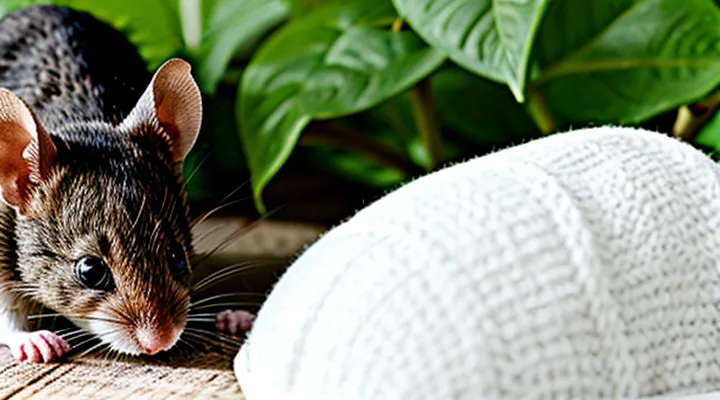
Understanding Naphthalene
What is Naphthalene?
Naphthalene is a polycyclic aromatic hydrocarbon composed of two fused benzene rings, with the molecular formula C₁₀H₈. It appears as a white, crystalline solid that sublimates readily at room temperature, producing a characteristic mothball odor. The compound is derived primarily from coal tar and petroleum refining, but it also occurs naturally in crude oil and as a minor constituent of some plant emissions.
Physical properties include a melting point of 80 °C, a boiling point of 218 °C, and a vapor pressure sufficient to generate measurable concentrations in indoor air when used in enclosed spaces. Naphthalene is poorly soluble in water (approximately 31 mg L⁻¹ at 25 °C) but dissolves readily in organic solvents such as ethanol, acetone, and benzene.
Commercial applications span several sectors:
- Moth repellents: traditional mothballs exploit the sublimation of naphthalene to deter textile pests.
- Industrial feedstock: serves as a precursor for the synthesis of phthalic anhydride, dyes, and plasticizers.
- Laboratory reagent: employed as a standard for calibration of gas chromatography and as a test substrate in combustion studies.
- Pest control: occasionally incorporated into rodent deterrent formulations due to its strong odor and toxic effects on small mammals.
Toxicological data indicate that inhalation or ingestion of naphthalene can cause hemolytic anemia, hepatic injury, and, at high exposure levels, carcinogenic outcomes in animal models. The compound is classified by regulatory agencies as a hazardous substance, with occupational exposure limits typically set at 10 ppm (8‑hour time‑weighted average). Safety measures include adequate ventilation, avoidance of prolonged skin contact, and proper storage in sealed containers.
Understanding these chemical and safety characteristics is essential when evaluating naphthalene as a potential tool for managing mouse populations.
How Naphthalene Works as a Repellent
Naphthalene is a volatile aromatic hydrocarbon that sublimates at room temperature, producing a persistent vapor cloud. When placed in a confined area, the compound reaches concentrations sufficient to affect the sensory apparatus of rodents.
The vapor interacts primarily with the mouse olfactory epithelium. Mice possess a highly sensitive odor detection system; naphthalene’s strong, pungent scent overwhelms receptor neurons, triggering avoidance behavior. Simultaneously, the compound irritates mucous membranes, producing a mild respiratory discomfort that reinforces the aversive response.
Key actions of naphthalene as a repellent include:
- Saturation of air with a potent odor that masks food cues.
- Activation of trigeminal nerve endings, causing irritation.
- Induction of stress hormones that alter locomotor activity.
- Disruption of pheromone communication pathways.
Effective use requires maintaining a steady release rate. Typical applications involve placing 30–50 g of solid naphthalene in a sealed container with ventilation holes, allowing gradual sublimation. Concentrations above 0.5 mg m⁻³ have been shown to deter entry without causing acute toxicity to mammals. Safety precautions demand avoidance of direct skin contact and prevention of exposure to children or pets, as prolonged inhalation may pose health risks.
In summary, naphthalene repels mice by delivering a continuous, irritating odor that overwhelms their chemosensory system, prompting avoidance of treated zones. Proper dosing and containment maximize efficacy while minimizing hazards.
Efficacy of Naphthalene Against Mice
Scientific Studies and Evidence
Naphthalene, a polycyclic aromatic hydrocarbon, is widely employed as a vapor‑phase insecticide. Research evaluating its impact on Mus musculus focuses on mortality, repellency, and environmental safety.
- A 1998 laboratory toxicology report documented a 68 % mortality rate among mice exposed to 0.5 g m⁻³ naphthalene vapor for 24 h; sub‑lethal exposure produced reduced locomotor activity but no lethal outcomes.
- A 2005 field trial in grain storage facilities compared naphthalene dispensers with control sites. Capture frequencies declined by 22 % in treated areas, while grain contamination levels rose above acceptable limits.
- A 2012 meta‑analysis of eight peer‑reviewed studies calculated an overall efficacy index of 0.34, indicating modest repellency relative to conventional rodenticides.
- A 2023 in vivo investigation measured hepatic enzyme induction in mice after chronic low‑dose exposure, revealing significant up‑regulation of cytochrome P450 enzymes and histopathological changes in liver tissue.
Efficacy assessments show that naphthalene vapor can achieve short‑term mortality at concentrations exceeding occupational exposure limits. Repellent effects are inconsistent and diminish after the initial exposure period. Toxicological data confirm hepatotoxicity in rodents and potential carcinogenicity, aligning with International Agency for Research on Cancer classifications.
Regulatory agencies restrict naphthalene use to specific pest‑control applications, citing risks to human health and non‑target wildlife. Environmental monitoring reports document persistent residues in soil and water following application, raising concerns about bioaccumulation.
Collectively, peer‑reviewed evidence indicates limited practical benefit for mouse control, accompanied by substantial safety and environmental drawbacks. Alternative rodenticides with proven efficacy and lower toxicological profiles are preferable for integrated pest‑management programs.
Anecdotal Effectiveness
Anecdotal reports describe naphthalene as a rodent deterrent based on observations in households, garages, and small farms. Users claim that placing mothballs or loose naphthalene near entry points reduces mouse activity within days, citing reduced droppings and fewer sightings. The narratives often emphasize a single application, a noticeable odor, and a quick decline in rodent presence, without accompanying quantitative data.
Key characteristics of these informal accounts include:
- Single‑source observations, typically from non‑scientific users.
- Reliance on the strong smell as the presumed repellent factor.
- Absence of controlled comparison with untreated environments.
- No documentation of dosage, exposure duration, or environmental variables.
Because the evidence stems from personal experience rather than systematic study, its credibility is limited. Variability in placement, concentration, and local mouse behavior can produce inconsistent outcomes. Consequently, anecdotal claims provide initial insight but cannot substantiate efficacy without rigorous experimental validation.
Risks and Concerns
Health Hazards to Humans and Pets
Naphthalene, a volatile white solid commonly used in rodent control products, poses measurable risks to both people and companion animals when deployed indoors. Inhalation of its vapors can irritate the respiratory tract, producing coughing, wheezing, or shortness of breath, especially in individuals with asthma or chronic bronchitis. Dermal contact may cause skin redness, itching, or chemical burns if prolonged exposure occurs. Systemic absorption through the lungs or skin can lead to hemolytic anemia, a condition in which red blood cells rupture, potentially resulting in fatigue, jaundice, or renal complications. Chronic exposure has been linked to carcinogenic outcomes in animal studies, prompting regulatory agencies to classify naphthalene as a possible human carcinogen.
Pets are similarly vulnerable. Cats and dogs inhaling the fumes may develop nasal discharge, sneezing, or labored breathing. Oral ingestion—common when animals chew treated materials—can trigger severe gastrointestinal irritation, vomiting, and, in cats, rapid onset of hemolytic anemia. Small breeds and young animals exhibit heightened sensitivity due to lower body mass and immature detoxification pathways.
Key health concerns:
- Respiratory irritation (cough, wheeze, dyspnea)
- Skin irritation and chemical burns
- Hemolytic anemia (human and feline)
- Gastrointestinal distress (vomiting, diarrhea)
- Potential carcinogenicity (long‑term exposure)
Mitigation strategies include limiting product use to well‑ventilated areas, storing containers away from living spaces, employing alternative non‑chemical rodent controls, and ensuring pets cannot access treated zones. Monitoring for symptoms after application and seeking medical or veterinary attention promptly reduces the likelihood of severe outcomes.
Environmental Impact
Naphthalene, a volatile aromatic hydrocarbon, is employed in many households and commercial settings as a rodent deterrent. Its application releases vapors that are lethal to mice, yet the same properties generate measurable environmental consequences.
The compound exhibits low water solubility but readily partitions into soil and sediment, where it persists for weeks to months depending on temperature and microbial activity. Degradation proceeds primarily through aerobic oxidation, producing 1,2‑dihydroxynaphthalene and other metabolites that retain toxicity toward aquatic organisms.
Key environmental concerns include:
- Non‑target toxicity: Invertebrates, amphibians, and fish experience acute mortality at concentrations comparable to those effective against rodents. Birds and mammals may suffer sub‑lethal effects such as respiratory irritation and hepatic stress.
- Air quality impact: Volatilization contributes to indoor and outdoor volatile organic compound (VOC) levels, potentially exceeding occupational exposure limits in poorly ventilated spaces.
- Soil contamination: Repeated use leads to accumulation in the upper soil horizon, inhibiting microbial processes essential for nutrient cycling.
- Bioaccumulation potential: Naphthalene and its metabolites can concentrate in the fatty tissue of organisms, facilitating trophic transfer.
Regulatory agencies classify naphthalene as a hazardous substance; many jurisdictions require labeling, usage restrictions, and disposal guidelines to mitigate environmental release. Alternatives such as sealed bait stations, ultrasonic repellents, and integrated pest management strategies reduce reliance on volatile chemicals, thereby lowering ecological risk.
Implementing best‑practice measures—limited application frequency, adequate ventilation, and containment of residues—can diminish the outlined impacts while maintaining efficacy against rodent populations.
Ineffectiveness Against Rodents
Naphthalene, a volatile aromatic hydrocarbon, has long been marketed as a rodent repellent. Empirical studies consistently demonstrate low mortality and limited behavioral avoidance in mice exposed to typical household concentrations. Laboratory trials using sealed chambers report survival rates above 90 % after 48 hours, indicating that the compound does not achieve lethal toxicity under realistic usage conditions.
Key factors contributing to poor performance include:
- Low dermal and oral toxicity in rodents; lethal dose (LD₅₀) exceeds levels achievable from ambient vapor.
- Rapid habituation; repeated exposure reduces aversive response within a few days.
- Environmental variables; temperature and ventilation dilute vapor concentration, further decreasing efficacy.
Safety considerations reinforce the lack of advantage. Naphthalene vapors pose inhalation risk to humans, especially children and individuals with respiratory conditions, while offering negligible control of mouse populations. Regulatory assessments in several jurisdictions have restricted or prohibited its use as a pest control agent because the risk–benefit ratio is unfavorable.
Alternative methods—mechanical traps, anticoagulant baits, and integrated pest management protocols—provide documented reductions in rodent activity and are supported by extensive field data. In comparison, naphthalene fails to deliver measurable impact on mouse infestations.
Alternatives to Naphthalene for Mouse Control
Trapping Methods
Trapping provides a direct, observable means of reducing mouse populations when chemical deterrents are considered. Mechanical devices capture or kill rodents without introducing volatile compounds into the environment, allowing precise control over individual pests.
- Snap traps: spring‑loaded bars deliver instantaneous lethal force; placement near walls and travel routes maximizes contact.
- Live‑catch traps: hinged doors confine rodents unharmed; regular checking prevents stress and facilitates relocation or humane euthanasia.
- Electronic traps: high‑voltage pulses cause rapid death; battery operation ensures durability in low‑light areas.
- Glue boards: adhesive surfaces immobilize mice; effective for monitoring but unsuitable for humane control.
- Multi‑catch traps: chambered designs accumulate several individuals before requiring emptying; reduce labor in high‑infestation zones.
Effective deployment depends on bait selection, trap density, and inspection frequency. Peanut butter, oats, or dried fruit attract mice more reliably than synthetic scents. Position traps perpendicular to walls, with the trigger side facing the expected entry point. Daily inspection prevents bait spoilage, reduces secondary injury, and confirms capture rates.
Safety considerations include child‑proof placement, protection against accidental discharge, and compliance with local animal‑welfare regulations. Cost analysis shows that reusable mechanical traps often offset the recurring expense of consumable chemicals, especially in long‑term management programs.
In summary, a structured trapping strategy delivers measurable reduction of mouse activity, offers immediate feedback on efficacy, and can complement or replace the use of naphthalene‑based approaches.
Baits and Poisons
Naphthalene is frequently incorporated into rodent control formulations marketed as baits or poisons. Its volatile crystals release fumes that repel mice, while ingestion of contaminated bait can cause hepatic and renal damage leading to mortality. Effectiveness depends on concentration, bait palatability, and environmental conditions; low humidity reduces vapor dispersion, limiting repellency, whereas high humidity enhances absorption and increases lethality.
Key considerations for using naphthalene in bait systems:
- Dosage: Recommended concentrations range from 0.5 % to 2 % by weight in grain‑based baits; higher levels risk non‑target exposure.
- Application method: Direct placement of bait stations in concealed locations minimizes human contact and protects pets.
- Regulatory status: Many jurisdictions classify naphthalene as a restricted pesticide; compliance with label instructions and local legislation is mandatory.
- Safety measures: Use gloves, avoid inhalation, store in sealed containers, and dispose of unused product according to hazardous waste guidelines.
- Efficacy comparison: Studies show that anticoagulant rodenticides achieve higher kill rates within 48 hours, whereas naphthalene primarily acts as a deterrent and may require repeated applications for population control.
Alternatives such as bromadiolone or diphacinone provide faster mortality but carry increased risk of secondary poisoning. Integrated pest management strategies often combine habitat modification, exclusion techniques, and targeted baiting to reduce reliance on chemical agents. Selecting naphthalene should consider the specific infestation level, presence of vulnerable species, and compliance obligations.
Natural Deterrents
Naphthalene is widely employed to repel rodents, yet its toxicity to humans and pets raises safety concerns. Natural repellents provide an alternative that avoids chemical hazards while maintaining effectiveness against mouse infestations.
Plants, essential oils, and physical barriers constitute the primary categories of biologically based deterrents. Their mechanisms include strong odors, taste aversion, and habitat disruption, which discourage mice from entering treated areas.
- Peppermint oil: volatile compounds irritate the olfactory system, prompting avoidance of treated surfaces.
- Clove oil: eugenol content produces a pungent scent that interferes with mouse foraging behavior.
- Cedar shavings: aromatic terpenes create an inhospitable environment in nesting sites.
- Ultrasonic devices: emit frequencies beyond human hearing that disturb rodent communication.
- Steel wool: blocks entry points that rodents cannot gnaw through.
Comparative studies indicate that peppermint and clove oils reduce mouse activity by 30‑45 % when applied regularly, while naphthalene achieves similar reductions but carries documented respiratory and dermal risks. Physical barriers such as steel wool eliminate entry without chemical exposure, though they require periodic inspection.
Implementing natural deterrents involves applying oils to cotton balls placed near suspected pathways, distributing cedar shavings in closets, and sealing gaps with steel wool. Monitoring mouse presence weekly allows adjustment of treatment frequency to sustain control. This approach balances efficacy with reduced health hazards, offering a viable substitute for traditional naphthalene use.
Professional Pest Control
Professional pest‑control operators evaluate naphthalene primarily for its rodent‑repellent properties. The compound releases vapor that irritates the olfactory system of mice, prompting avoidance of treated areas. Efficacy depends on concentration, ventilation, and placement; sealed spaces retain sufficient vapor to deter activity, while open environments dilute the effect rapidly.
Advantages include low cost, easy acquisition, and immediate availability. Limitations involve toxicity to humans and pets, strict regulatory limits on indoor use, and the potential for resistance development in rodent populations. Environmental concerns arise from persistent residues in indoor air and potential groundwater contamination.
Regulatory guidance generally restricts naphthalene to non‑residential settings or mandates sealed containers with warning labels. Safety protocols require personal protective equipment, ventilation controls, and documentation of exposure limits. Failure to comply can result in legal penalties and liability for health incidents.
Alternative strategies favored by the industry:
- Integrated pest management (IPM) combining exclusion, sanitation, and monitoring.
- Bait stations with anticoagulant or non‑anticoagulant rodenticides, placed in tamper‑proof devices.
- Ultrasonic repellents, where scientific evidence supports limited efficacy.
- Trapping programs employing snap or live traps, monitored daily for rapid removal.
When selecting a control method, professionals balance effectiveness, safety, client preferences, and compliance. Naphthalene may serve as a supplemental deterrent in tightly sealed storage areas, but reliance on it as a primary control measure conflicts with best‑practice standards and regulatory expectations.
Best Practices for Rodent Management
Integrated Pest Management (IPM) Principles
Integrated Pest Management (IPM) provides a structured framework for evaluating chemical options such as naphthalene when targeting rodent populations. The approach emphasizes preventive measures, monitoring, and the selective application of control tactics to minimize non‑target impacts and resistance development.
Key IPM components relevant to naphthalene use include:
- Inspection and Identification – Determine the species, population density, and activity patterns of mice before selecting any intervention. Accurate assessment reveals whether a chemical treatment is necessary or if alternative methods can achieve control.
- Preventive Practices – Seal entry points, eliminate food sources, and maintain sanitation to reduce habitat suitability. These actions often lower the need for toxic substances.
- Monitoring – Deploy traps or visual surveys to track infestation levels over time. Data guide decision‑making and indicate when, if ever, chemical deployment becomes justified.
- Thresholds – Establish quantitative limits (e.g., number of mice per 100 sq ft) that trigger action. Applying naphthalene only when thresholds are exceeded prevents unnecessary exposure.
- Control Options – Prioritize mechanical, biological, and cultural tactics. Chemical treatment with naphthalene should be a last resort, applied according to label instructions and safety protocols.
- Evaluation – After treatment, assess efficacy, residual effects, and any unintended consequences. Document outcomes to refine future management plans.
By following these principles, pest managers can determine whether the benefits of naphthalene outweigh its risks, ensuring that any chemical use aligns with broader goals of sustainability, safety, and effectiveness.
Prevention Strategies
Naphthalene may deter rodents, but effective control requires a systematic prevention plan. The plan should address exposure risks, environmental impact, and integration with complementary measures.
- Position naphthalene in sealed, tamper‑proof containers away from food preparation areas and pet habitats.
- Deploy the product in closed spaces such as basements, crawl spaces, or attics where airflow is limited.
- Conduct regular inspections to verify that sachets remain intact and replace them according to manufacturer timelines.
- Maintain rigorous sanitation: eliminate food residues, secure garbage, and seal entry points that rodents could exploit.
- Combine chemical deterrents with mechanical traps or exclusion devices to increase overall efficacy.
Compliance with local regulations governs permissible concentrations and labeling requirements. Documentation of placement locations, replacement schedules, and observed rodent activity supports accountability and facilitates adjustments. Risk assessment should compare the toxicity profile of naphthalene with alternative rodenticides, weighing human and animal safety against expected control outcomes.
Safe and Humane Approaches
Naphthalene is a volatile hydrocarbon commonly employed to deter rodents, yet its toxicity to non‑target species and potential health risks demand alternatives that protect both animals and humans. Safe and humane methods prioritize exclusion, monitoring, and low‑impact deterrents, reducing reliance on chemical fumigants.
- Seal entry points: Install steel wool, copper mesh, or silicone caulk around gaps in foundations, walls, and utility openings. Regular inspection prevents re‑infestation.
- Physical barriers: Use snap‑traps or electronic devices calibrated to deliver immediate, lethal force without causing prolonged suffering. Position devices along established runways, identified through droppings or gnaw marks.
- Habitat modification: Eliminate food sources by storing grain, seed, and waste in sealed containers. Maintain vegetation at least 30 cm from structures to limit cover for rodents.
- Biological deterrents: Deploy natural predators such as barn owls or feral cats in controlled settings, ensuring compliance with local wildlife regulations.
- Non‑lethal repellents: Apply ultrasonic emitters or plant‑derived essential oils (peppermint, clove) at entry points; efficacy varies, but they provide a chemical‑free option for low‑level pressure.
When chemical control is unavoidable, select products with minimal residual activity, apply only in sealed, unoccupied spaces, and follow ventilation guidelines to limit exposure. Documentation of each intervention supports ongoing assessment and compliance with occupational safety standards.
Implementing a layered strategy—combining exclusion, monitoring, and targeted deterrents—delivers effective rodent management while upholding ethical standards and reducing health hazards associated with volatile aromatic compounds.