
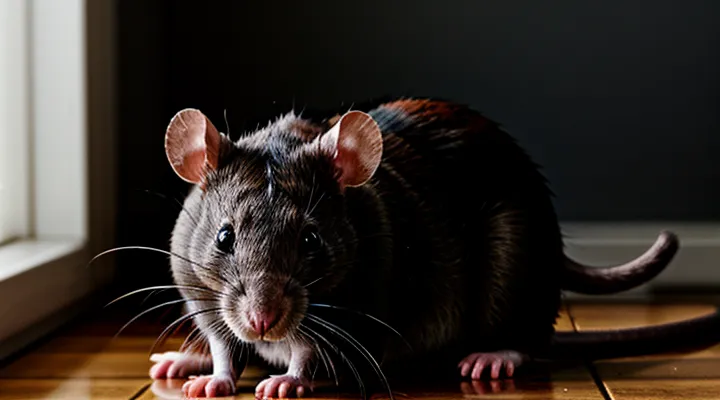
Choosing the Perfect Name for Your Female Rat
Factors to Consider When Naming Your Rat
Personality Traits
When choosing a name for a female rat, consider the character’s core traits. A name that reflects temperament, intellect, or habits reinforces identity and aids storytelling.
- Curious: conveys a love of exploration and constant questioning.
- Bold: suggests confidence in confronting obstacles and asserting presence.
- Clever: highlights problem‑solving ability and quick wit.
- Gentle: denotes kindness, soothing demeanor, and protective instincts.
- Mischievous: signals playful troublemaking and clever tricks.
- Loyal: emphasizes steadfast attachment and reliable companionship.
- Resilient: reflects endurance through hardship and adaptability.
- Spirited: conveys lively energy and enthusiasm for adventure.
- Insightful: indicates deep perception and intuitive understanding.
- Tenacious: describes persistent pursuit of goals despite setbacks.
Each trait can inspire a name that feels natural for a rat character, ensuring the name aligns with behavior and enriches narrative consistency.
Appearance
When selecting a name for a female rat, visual characteristics provide a reliable guide. Coat hue, pattern, size, and distinctive markings each suggest a set of appropriate names.
-
Coat color
- Black: Midnight, Onyx, Raven
- White: Pearl, Snowflake, Ivory
- Brown or sable: Chestnut, Cocoa, Hazel
- Gray or silver: Slate, Ash, Luna
-
Pattern
- Spotting or speckling: Freckles, Dotty, Patches
- Stripes or bars: Zebra, Tigra, Stria
- Mixed patches: Mosaic, Patchwork, Calico
-
Size and build
- Small, delicate: Pixie, Mini, Tiny
- Robust, muscular: Brute, Tank, Hercules
-
Ear shape and size
- Large, floppy ears: Floppy, Dumpling, Buttercup
- Small, pointed ears: Spike, Arrow, Tinsel
-
Tail length and texture
- Long, slender tail: Arrow, Ribbon, Whisper
- Short, stubby tail: Stub, Nib, Button
-
Eye color
- Red or pink: Ruby, Rose, Scarlet
- Dark brown: Ebony, Coal, Onyx (alternative to coat color)
- Light amber: Amber, Goldie, Honey
Combining multiple traits yields richer options. A black rat with white facial markings might be named “Panda,” while a gray rat with a long, sleek tail could be “Silk.” Matching name to appearance creates a clear, memorable identity for any female rat.
Your Personal Preferences
When choosing a name for a female rat, personal taste determines the final selection. Consider the following criteria:
- Sound: Prefer names that are short, easy to pronounce, and distinct from commands.
- Meaning: Select words that reflect a characteristic you value, such as agility, curiosity, or elegance.
- Cultural reference: Incorporate names from literature, mythology, or pop culture that resonate with your interests.
- Uniqueness: Avoid common pet names to ensure the animal stands out in records and conversations.
My own preferences align with a blend of classic elegance and playful spirit. I favor names that combine soft vowels with a crisp ending, creating a pleasant auditory balance. Examples that meet these standards include:
- Lira – evokes lightness and melodic tone.
- Nixie – suggests mischievous energy.
- Selene – references lunar grace.
- Vesper – conveys evening calm.
- Tilly – offers a friendly, approachable feel.
The selection process also involves testing the name in daily interaction. A name that rolls off the tongue encourages consistent use, reinforcing the bond between owner and pet. Ultimately, the chosen name should reflect the owner’s aesthetic sensibility while remaining practical for routine communication.
Popular Categories for Girl Rat Names
Human-Inspired Names
Classic and Elegant Names
Classic and elegant names for female rats draw from literature, mythology, aristocratic titles, and timeless feminine forms. Such names convey refinement while remaining practical for everyday use.
- Eleanor – dignified, historic, easy to pronounce.
- Isadora – graceful, evokes artistic heritage.
- Cassandra – classical, strong, yet delicate.
- Genevieve – refined, French elegance.
- Octavia – Roman nobility, memorable cadence.
- Beatrice – literary, gentle, timeless.
- Marigold – floral, vintage charm.
- Seraphine – ethereal, sophisticated.
- Lavinia – Shakespearean, poised.
- Victoria – regal, universally recognized.
When selecting a name, prioritize clear syllable structure, ease of vocalization, and personal resonance. A name that balances sophistication with simplicity supports effective communication and reinforces the pet’s distinguished character.
Modern and Trendy Names
When selecting a name for a pet rat, contemporary culture and pop‑culture references often guide owners toward fresh, memorable choices. Modern trends favor short, punchy sounds, gender‑neutral appeal, and occasional nods to technology, fashion, or mythology.
Popular modern options include:
- Pixel – evokes digital aesthetics and fits a small, quick creature.
- Nova – suggests brilliance and a burst of energy.
- Luna – references the moon, a timeless yet current favorite.
- Zara – blends sleek style with an exotic feel.
- Moxie – conveys boldness in a single syllable.
- Juno – draws from Roman mythology while remaining succinct.
- Vega – a star name that sounds fresh and bright.
- Kiki – playful and easy to pronounce.
- Sable – highlights the typical coat color of many rats.
- Echo – a rhythmic name that resonates with the animal’s vocalizations.
These selections align with current naming conventions that prioritize brevity, distinctiveness, and cultural relevance. They work well for female rats, offering owners a blend of modern flair and easy recall.
Food-Themed Names
Sweet Treat Names
Choosing a name for a female rat that evokes a sweet treat adds charm and memorability. The name should be easy to pronounce, distinct from common commands, and reflect a pleasant confectionary image.
When selecting such a name, prioritize short syllables, clear vowel sounds, and a playful tone that matches the animal’s lively nature. Avoid overly complex or ambiguous words that could confuse the pet or its owner.
- Caramel
- Honeycomb
- Marshmallow
- Cupcake
- Truffle
- Peppermint
- Biscotti
- Macaron
- Toffee
- Fudge
These options combine the appeal of desserts with simplicity, making them suitable choices for a girl rat.
Fruit and Vegetable Names
Fruit and vegetable names make appealing choices for female rat names because they are short, vivid, and easy to pronounce.
When selecting a name, prioritize syllable count of one to two, clear vowel sounds, and a pleasant association that matches the pet’s temperament.
-
Apple
-
Berry
-
Cherry
-
Clementine
-
Kiwi
-
Lemon
-
Lime
-
Olive
-
Peach
-
Plum
-
Carrot
-
Celery
-
Corn
-
Kale
-
Pea
-
Radish
-
Sage
-
Tomato
-
Zucchini
These options provide a variety of flavors and textures that translate well into distinct, memorable names for a pet rat.
Nature-Inspired Names
Flower Names
Flower-inspired names offer a natural, elegant option for female rats, combining recognizability with a touch of botanical charm. Selecting a name that reflects a specific bloom can convey personality traits, seasonal associations, or visual cues that match the pet’s appearance.
- Rose – classic, timeless, evokes softness and scent.
- Lily – suggests purity and delicate structure.
- Daisy – bright, cheerful, suited to a lively temperament.
- Iris – conveys vivid color and resilience.
- Violet – intimate, muted hue, ideal for a calm character.
- Petunia – playful, abundant blossoms, fits an energetic rat.
- Marigold – warm, golden tones, matches a golden-furred animal.
- Azalea – elegant, layered petals, suited to a sophisticated demeanor.
- Camellia – smooth leaves, refined look, appropriate for a graceful pet.
- Poppy – bold red, energetic, fits a spirited rat.
Each name aligns with a distinct floral quality, allowing owners to choose a label that mirrors their rat’s visual traits or behavioral tendencies while maintaining a cohesive, nature‑based naming scheme.
Gemstone Names
Gemstone-inspired names offer a distinctive, elegant option for naming female rats, combining vivid color associations with a sense of rarity.
- Amethyst – deep violet hue, evokes calm authority.
- Citrine – bright amber tone, suggests lively energy.
- Emerald – rich green shade, conveys natural resilience.
- Topaz – golden sparkle, reflects sharp curiosity.
- Sapphire – deep blue depth, implies steady confidence.
- Ruby – vivid red intensity, signals bold personality.
- Opal – iridescent swirl, captures playful unpredictability.
- Garnet – dark crimson, denotes steadfast loyalty.
- Onyx – sleek black, embodies sleek elegance.
- Jade – soft green, represents quiet wisdom.
When selecting a gemstone name, prioritize clear pronunciation and short syllable count to suit a small pet. Choose a name that aligns with the rat’s coat color or temperament for intuitive recognition. Consistency in using the chosen name reinforces training and strengthens the human‑animal bond.
Pop Culture Names
Movie and TV Character Names
When choosing a name for a female rat inspired by cinematic and televised personalities, consider recognizability, phonetic appeal, and the character’s traits that suit a small, clever pet.
- Luna – the moon‑lit heroine from Harry Potter; conveys mystery and agility.
- Ripley – Ellen Ripley of Alien; suggests resilience and intelligence.
- Mabel – Mabel Pines from Gravity Falls; evokes playfulness and curiosity.
- Arya – Arya Stark of Game of Thrones; reflects independence and sharp wit.
- Nina – Nina Sayers in Black Swan; combines elegance with hidden strength.
- Juno – Juno from the eponymous film; offers a bright, upbeat tone.
- Stella – Stella Gibson from The Fall; denotes poise and investigative skill.
- Molly – Molly Hooper in Sherlock; suggests quiet determination.
- Zoe – Zoe Washburne of Firefly; blends loyalty with tactical savvy.
- Harper – Harper from The Last of Us (TV adaptation); conveys resourcefulness.
These selections balance familiarity with distinctiveness, making each name suitable for a petite, intelligent female rodent.
Book Character Names
When authors need a name for a female rat character, the choice should reflect the creature’s personality, the story’s tone, and the expectations of the readership. Effective names combine memorability with an appropriate level of whimsy or gravitas, depending on whether the narrative leans toward fantasy, mystery, or realistic animal fiction.
Consider the following factors before finalizing a name: phonetic simplicity, cultural resonance, and thematic alignment. A name that is easy to pronounce aids young readers, while a name that echoes myth or folklore can enrich world‑building. Avoid overly elaborate constructions that distract from the character’s role.
- Mira – gentle, inquisitive; suitable for a curious protagonist.
- Sable – dark‑fured, cunning; works well in a suspenseful plot.
- Luna – nocturnal associations; fits a secretive, night‑active heroine.
- Pip – sprightly, diminutive; ideal for a youthful sidekick.
- Vesper – twilight‑linked; appropriate for an enigmatic figure.
- Thistle – earthy, resilient; matches a survival‑oriented storyline.
- Cora – classic, timeless; adaptable to various genres.
- Juniper – fresh, aromatic; conveys a lively, adventurous spirit.
Select a name that harmonizes with the character’s arc. Test the name within dialogue to ensure it flows naturally. Verify that the chosen name does not clash with existing major characters in the same work, preserving distinctiveness. By applying these guidelines, writers can assign a name that enhances the rat’s identity and strengthens the overall narrative.
Unique and Creative Girl Rat Name Ideas
Whimsical and Playful Names
When naming a female rat with a whimsical, playful tone, choose options that evoke lighthearted imagery and memorable sound. Short, melodic forms work well for small pets, while alliteration or gentle rhymes add a charming touch.
- Tinkerbell
- Pippa
- Sprout
- Niblet
- Zippy
- Munchkin
- Bubbles
- Peppy
- Wobble
- Dottie
Each name combines a cheerful element with an easy‑to‑say syllable pattern, ensuring the name feels both fun and fitting for a petite rodent companion.
Short and Catchy Names
When naming a female rat, brevity and memorability enhance the pet’s personality and simplify daily interaction. Short, two‑syllable or single‑syllable names work well because they are easy to call and quick for the animal to recognize.
- Pip
- Nix
- Zara
- Luna
- Dot
- Miso
- Ivy
- Juno
- Kiki
- Nyx
These selections combine brevity with distinct sounds, reducing the likelihood of confusion with commands or other household noises. Each name conveys a distinct character while remaining concise enough for consistent use.
Names with Special Meanings
Choosing a name that conveys a specific significance adds depth to a pet rat’s identity. Names derived from mythology, literature, or linguistic roots can reflect personality traits, physical characteristics, or symbolic associations, making them especially suitable for female rats.
- Athena – Greek goddess of wisdom; suggests intelligence and strategic thinking.
- Luna – Latin for “moon”; evokes nocturnal activity and gentle illumination.
- Sable – Refers to a dark, sleek coat; appropriate for rats with rich, black fur.
- Mira – Sanskrit for “wonder”; highlights curiosity and exploratory behavior.
- Cleo – Short for Cleopatra, symbolizing regal poise and commanding presence.
- Ivy – Plant known for resilience and adaptability; fits a rat that thrives in varied environments.
- Nova – Astronomical term for a sudden bright star; captures a burst of energy and enthusiasm.
- Pippin – Old English for “small apple”; conveys a sweet, diminutive nature.
Assigning a meaning‑rich name reinforces the bond between owner and animal, while providing a memorable reference that aligns with the rat’s distinct qualities.
Tips for Naming Your New Rat
Say It Aloud
Choosing a name for a female rat that works well when spoken requires attention to sound and clarity. A name that rolls off the tongue reduces confusion during handling, training, and veterinary visits.
Effective names share several phonetic traits. They consist of one to two syllables, begin with a distinct consonant, contain open vowel sounds, and avoid clusters that can be swallowed or misheard. The ending should be crisp, allowing the final consonant to be heard clearly.
- Nix
- Luna
- Pippa
- Mimi
- Zora
- Tilly
- Echo
- Vela
- Kira
- Sable
Before finalizing a choice, say the name aloud in a noisy environment. Verify that the sound is unmistakable, that it does not clash with common commands, and that it remains distinct from other household pet names. Repeating the test with different speakers ensures universal intelligibility.
Consider Multiple Names
When selecting a name for a female rat, evaluate several options rather than settling on the first suggestion. Assess each candidate for memorability, phonetic appeal, and suitability to the character’s personality or role. Compare alternatives side by side to ensure the final choice aligns with the intended image and avoids unintended connotations.
- Luna
- Nixie
- Pippa
- Sable
- Tilly
- Vesper
- Willow
- Yara
- Zinnia
- Ember
Each entry offers a distinct sound pattern and thematic resonance, allowing a deliberate selection that enhances the character’s identity.
Involve the Family
Involving the family in selecting a name for a female rat can strengthen the bond between owners and the pet, while ensuring the chosen name reflects the household’s shared preferences. Begin by gathering input from every member, even young children, to capture a range of perspectives and increase enthusiasm for the new companion.
- Ask each person to suggest three names that evoke the rat’s appearance, behavior, or favorite stories.
- Compile the suggestions, eliminate duplicates, and rank the remaining options by consensus vote.
- Test the top three names during a short interaction with the rat; observe which name elicits the most responsive behavior.
- Confirm the final choice with a brief family announcement, reinforcing the collective decision.
A transparent process, clear criteria, and a short trial period guarantee that the selected name feels familiar to all household members and fits the rat’s personality. This collaborative approach turns naming into a shared experience rather than a solitary task.