
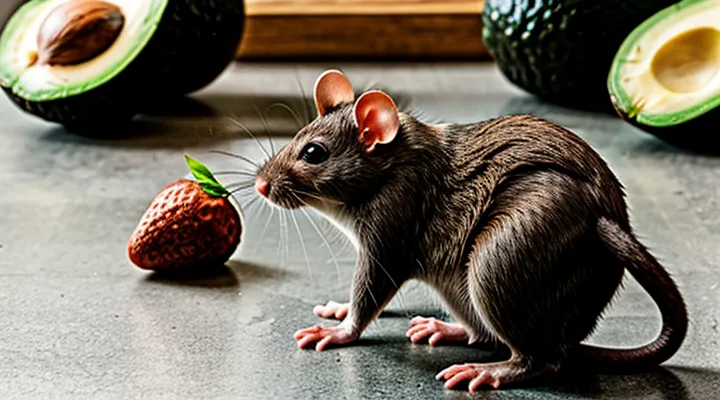
Avocado for Rats: A General Overview
The «Persea Americana» Plant
Persea americana, commonly known as avocado, is a woody, evergreen tree native to Central America. The species produces a large, fleshy fruit with a single seed. Leaves are alternate, simple, and glossy; flowers are small, greenish‑yellow, and arranged in panicles. The tree thrives in warm climates, requiring well‑drained soil and moderate irrigation.
The fruit’s edible portion contains high levels of monounsaturated fats, potassium, magnesium, and vitamins E and C. Carbohydrate content is modest, while fiber constitutes roughly 7 % of the pulp. The seed and skin contain phenolic compounds and a toxin called persin, which is a fatty‑acid derivative.
Persin exhibits cytotoxic effects in several mammalian species. Laboratory studies demonstrate that even low concentrations can cause myocardial necrosis and respiratory distress in rats. Toxicity thresholds are not precisely defined, but observable adverse reactions occur after ingestion of less than 0.1 % of body weight in avocado tissue containing persin.
Guidelines for rat caretakers:
- Avoid offering avocado pulp, skin, or seed under any circumstances.
- If avocado exposure occurs inadvertently, monitor the animal for signs of lethargy, labored breathing, or irregular heart rhythm.
- Seek veterinary assistance immediately upon detection of symptoms.
- Provide a diet composed of commercially formulated rodent pellets, supplemented with safe fruits such as apple (seedless) or banana in limited quantities.
The presence of persin makes avocado unsuitable for rat consumption, regardless of the fruit’s nutritional benefits for humans.
Types of Avocado and Their Potential Risks
Guatemalan Variety
The Guatemalan avocado (Persea americana var. guatemalensis) differs from other cultivars in skin thickness, oil content, and phenolic composition. Its flesh contains approximately 15 %–20 % lipids, primarily monounsaturated oleic acid, and a modest amount of vitamins E and C. The fruit also includes persin, a fatty‑acid derivative known to cause cardiac distress in several mammalian species.
When evaluating the suitability of this cultivar for rodent consumption, consider the following factors:
- Persin concentration: Guatemalan avocados typically exhibit higher persin levels than Hass varieties, increasing the likelihood of toxicity in rats.
- Fat load: The elevated oil content can overwhelm the digestive capacity of small rodents, leading to pancreatitis or hepatic strain.
- Fiber and sugar: Moderate dietary fiber supports gut motility, but the natural sugars may promote dysbiosis if offered repeatedly.
- Portion size: A single bite (no more than 0.5 g of flesh) is unlikely to produce acute effects in a healthy adult rat; larger amounts raise the risk of adverse reactions.
- Monitoring: Observe for signs of lethargy, abnormal breathing, or gastrointestinal upset within 24 hours of ingestion; discontinue feeding immediately if symptoms appear.
In practice, the Guatemalan avocado should be treated as an occasional, highly limited treat rather than a regular component of a rat’s diet. Veterinary guidance is advisable before introducing any avocado flesh, especially for young, pregnant, or compromised animals.
Mexican Variety
Mexican avocado cultivars, such as ‘Mexicola’, ‘Fuerte’, and ‘Ettinger’, contain a thinner skin and higher oil content than many other types. Their flesh is softer, which affects the amount of persin—a toxin present in all avocado tissues—available to a small mammal.
Persin concentration differs among cultivars. The toxin is most abundant in the leaves, bark, and seed, while the edible pulp contains lower levels. Nonetheless, even minimal persin can cause gastrointestinal upset in rodents, especially when consumed in large quantities or without proper preparation.
- ‘Mexicola’: low‑to‑moderate persin in pulp, thin skin allows easier removal of skin residues.
- ‘Fuerte’: moderate persin, thicker skin; peeling reduces exposure.
- ‘Ettinger’: moderate to high persin, larger seed; careful removal of seed and skin required.
Safe practice dictates offering only a small, peeled portion of the pulp, observing the rat for signs of vomiting, diarrhea, or lethargy. If adverse reactions appear, discontinue feeding immediately. Continuous monitoring and limiting intake to no more than a few grams per week minimize risk while allowing occasional enrichment.
West Indian Variety
The West Indian avocado (Persea americana var. americana) differs from the more common Hass type in size, flesh texture, and oil composition. Its fruit contains approximately 15 % fat, lower than the 20‑30 % found in Hass, and a higher proportion of water and fiber. The primary bioactive compound of concern, persin (a toxin present in all avocado parts), is concentrated in the skin, seed, and leaves; the edible flesh holds markedly less persin.
Research on rodent tolerance indicates that persin can cause myocardial necrosis at high doses, but toxicity thresholds vary by species and age. Laboratory studies on rats show no acute adverse effects when the fruit flesh is administered at 5 % of daily caloric intake, provided the skin and seed are excluded. Chronic exposure above 10 % of diet has been linked to mild hepatic inflammation in some trials.
Key considerations for offering West Indian avocado to rats:
- Portion size: limit to ≤5 % of total daily calories; typical adult rat requires ~15 kcal, equating to 0.75 g of avocado flesh.
- Preparation: remove skin, seed, and any leaf material; serve fresh, unseasoned flesh only.
- Frequency: offer no more than three times per week to avoid cumulative persin buildup.
- Monitoring: observe for signs of gastrointestinal upset, reduced activity, or abnormal breathing; discontinue if symptoms appear.
Overall, the West Indian variety can be incorporated safely into a rat’s diet when strict portion control and proper preparation are observed. Excessive amounts or inclusion of non‑edible parts raise the risk of persin‑related toxicity.
Toxicity Concerns in Avocado
Persin: The Main Culprit
Avocado tissue contains persin, a fatty acid derivative that proves toxic to rodents. Persin interferes with cardiac muscle cells, causing myocardial cell death and compromising respiratory function. Experimental data show a median lethal dose of approximately 0.5 g persin per kilogram of rat body weight; a single slice of ripe avocado can deliver a dose near this threshold for a typical laboratory rat.
Observed effects of persin exposure in rats include:
- Lethargy and reduced activity
- Labored breathing and pulmonary edema
- Irregular heart rhythm and cardiac arrest
- Gastrointestinal irritation and vomiting
The toxin is present in all parts of the fruit, with the highest concentration in the skin and pit, but measurable amounts remain in the flesh. Even small, unpeeled pieces can exceed safe intake levels for a 250‑g rat.
To protect rat health, eliminate avocado from their diet and environment. Replace with proven rodent treats such as fresh vegetables (e.g., carrots, broccoli) or commercial seed mixes that lack persin. Regularly inspect cages for discarded avocado remnants and dispose of them promptly.
Symptoms of Persin Toxicity in Rats
Respiratory Distress
Avocado contains persin, a compound toxic to many mammals, including rats. Ingestion can trigger inflammation of the airway lining, leading to respiratory distress.
Persin interferes with the integrity of alveolar membranes, causing fluid accumulation and reduced oxygen exchange. The resulting hypoxia manifests quickly after exposure.
Typical signs of respiratory distress in rats are:
- Rapid, shallow breathing
- Audible wheezing or crackles
- Open‑mouth breathing
- Cyanotic gums or skin
- Lethargy or collapse
If these symptoms appear, remove the animal from the source of avocado, keep it warm, and seek veterinary assistance within minutes. Emergency treatment may involve oxygen therapy, bronchodilators, and supportive fluid management.
Preventive measures include:
- Excluding avocado from all rat diets
- Storing avocado products out of reach of rodents
- Educating caretakers about the specific risk of persin‑induced airway injury
Monitoring diet and environmental safety eliminates the primary trigger for avocado‑related respiratory compromise in rats.
Lethargy
Avocado contains persin, a compound that can affect rodents. When pet rats ingest avocado flesh or skin, persin may interfere with cellular metabolism, leading to reduced activity levels. Lethargy often appears as the first observable sign of distress.
Typical manifestations of reduced vitality include:
- Decreased movement and exploration
- Prolonged periods of rest or sleep
- Lack of response to environmental stimuli
- Diminished grooming behavior
The underlying mechanism involves persin’s impact on mitochondrial function, which hampers energy production. As a result, the animal’s ability to maintain normal locomotor activity declines. In severe cases, lethargy may be accompanied by gastrointestinal upset, such as diarrhea or vomiting.
Preventive measures consist of excluding avocado from the rat’s diet and monitoring any accidental exposure. If lethargy develops after suspected ingestion, immediate veterinary evaluation is recommended to assess toxicity and initiate supportive care.
Edema
Edema is a fluid accumulation that can develop in rats after ingesting foods containing high levels of certain lipids and toxins. Avocado contains persin, a compound known to disrupt vascular integrity in some mammals. When persin reaches the bloodstream, it may increase capillary permeability, allowing plasma to leak into interstitial spaces and producing swelling.
Rats exposed to avocado flesh or skin often show rapid onset of peripheral edema, especially in the hind limbs and facial region. The condition can progress to respiratory compromise if fluid accumulates in the thoracic cavity. Monitoring body weight and limb circumference provides objective measures of fluid gain.
Key clinical indicators of edema in rats include:
- Visible swelling of paws, ears, or abdomen
- Taut skin that retains a temporary indentation when pressed
- Reduced mobility due to joint discomfort
- Labored breathing or audible wheezing
Management requires immediate removal of avocado from the diet, administration of diuretics under veterinary supervision, and supportive care such as warm compresses to improve lymphatic drainage. Preventive protocols should exclude avocado and any products containing persin from rodent feeding regimens to avoid edema and associated health risks.
Safe Alternatives and Healthy Treats
Fruits Safe for Rats
Rats thrive on a varied diet that includes fresh fruits, provided the selections are non‑toxic and offered in moderation. Incorporating safe fruits supports hydration, supplies vitamins, and adds enrichment to their routine.
- Apples (core removed, seeds discarded)
- Blueberries
- Strawberries (quartered)
- Raspberries
- Blackberries
- Mango (pitted)
- Papaya (seedless)
- Pear (core removed)
- Kiwi (peeled)
- Watermelon (seedless)
These fruits contain low levels of fat and sugar, making them suitable for occasional treats. Portion sizes should not exceed a few small pieces per day to avoid digestive upset.
Fruits that present health risks must be excluded. Grapes, cherries, citrus peels, and the flesh of avocado contain substances that can cause kidney failure, gastrointestinal irritation, or other severe reactions in rodents. Feeding such items, even in small amounts, jeopardizes the animal’s well‑being.
Vegetables Safe for Rats
When assessing whether avocado can be offered to pet rats, the first step is to establish a baseline of vegetables that are universally safe. These foods provide essential nutrients without the toxic compounds found in certain fruits and plants.
- Carrots – raw or lightly steamed; high in beta‑carotene.
- Broccoli – florets; source of vitamin C and fiber.
- Spinach – fresh, washed; rich in iron and calcium.
- Bell peppers – any color; supply vitamin A and antioxidants.
- Zucchini – sliced; low in calories, high in water content.
- Cucumber – peeled if waxed; hydrating and mild.
- Green beans – cooked or raw; provide protein and fiber.
- Peas – fresh or frozen; contain protein and vitamins.
- Kale – chopped; offers calcium and vitamin K.
- Sweet potato – cooked, unseasoned; source of complex carbohydrates.
Serve vegetables in small, bite‑size pieces, remove any seeds or cores, and wash thoroughly to eliminate pesticide residues. Rotate varieties to ensure a balanced intake of micronutrients. Limit portions to no more than 10 % of the rat’s daily caloric intake to prevent digestive upset.
Avocado contains persin, a compound toxic to rodents, and should be excluded from the diet. Substituting the safe vegetables listed above maintains nutritional adequacy while avoiding the risks associated with avocado consumption.
Recommended Commercial Rat Foods
Rats that are occasionally offered avocado require a reliable base diet to avoid nutritional gaps and potential toxicity. Commercial formulations provide the consistency needed for healthy growth, dental maintenance, and immune support.
- High‑protein lab pellets (minimum 15 % protein, fortified with vitamin E and B‑complex)
- Grain‑based mixes enriched with calcium, phosphorus, and omega‑3 fatty acids
- Low‑fat, nutritionally complete blocks designed for small rodents
- Pre‑portionated sachets containing balanced carbohydrates, fiber, and trace minerals
- Specialty formulas for breeding or senior rats, containing added lutein and selenium
These products deliver precise nutrient ratios, eliminate the need for homemade supplementation, and reduce the risk of accidental avocado ingestion. Selecting a reputable brand with a guaranteed analysis ensures that rats receive all essential amino acids, fatty acids, and micronutrients, supporting overall health while occasional treats like avocado remain a controlled, infrequent addition.
How to Introduce New Foods to Rats
Gradual Introduction Methods
Introducing avocado to a rat’s diet requires a controlled, step‑by‑step approach to assess tolerance and avoid digestive upset. Begin with a minimal amount, observe reactions, and increase only if the animal shows no adverse signs.
- Day 1–2: Offer a tiny piece (≈0.5 g) of ripe avocado flesh on a clean surface. Limit exposure to a single feeding.
- Day 3–4: If no vomiting, diarrhea, or lethargy occurs, repeat the same portion at a different time of day to confirm consistency.
- Day 5–7: Increase the portion to 1 g, maintaining the same observation routine. Record stool consistency and activity level after each feeding.
- Day 8–10: Should the rat remain healthy, provide 2 g of avocado, split into two separate feedings to distribute intake.
- Beyond Day 10: If tolerance persists, incorporate avocado as a occasional treat, not exceeding 5 % of the total daily caloric intake. Rotate with other safe fruits to prevent nutrient imbalance.
Key considerations:
- Use only the flesh; discard skin, pit, and any surrounding latex, which contain persin and can be toxic.
- Ensure the avocado is fresh and free of mold; spoiled fruit raises the risk of bacterial infection.
- Monitor weight and overall health; sudden changes may indicate hidden sensitivities.
- Consult a veterinarian familiar with rodent nutrition before establishing a regular avocado schedule.
A disciplined, incremental method minimizes risk while allowing owners to determine if avocado is a suitable supplement for their rat’s diet.
Observing for Adverse Reactions
When introducing avocado to a rat’s diet, systematic observation is essential to detect any negative health effects. Begin with a baseline health assessment: record weight, activity level, coat condition, and stool consistency. This establishes reference points for later comparison.
Implement a controlled feeding trial:
- Offer a small, measured portion of ripe avocado (approximately 0.5 g) once daily for three consecutive days.
- Maintain identical environmental conditions for all subjects (temperature, lighting, cage enrichment).
- Document any deviation from baseline metrics within 24 hours of each feeding.
Key indicators of adverse reactions include:
- Gastrointestinal distress: vomiting, diarrhea, or abnormal fecal odor.
- Respiratory changes: labored breathing, wheezing, or nasal discharge.
- Behavioral alterations: lethargy, aggression, or loss of grooming.
- Physical signs: swelling of the mouth or limbs, skin rash, or sudden weight loss.
If any symptom appears, discontinue avocado immediately and consult a veterinarian. Extend the observation period for at least seven days after the final exposure to ensure delayed effects are captured. Continuous recording of findings supports evidence‑based decisions regarding avocado suitability for rats.
Consulting a Veterinarian
When to Seek Professional Advice
Feeding avocado to pet rats carries a risk of toxicity from persin, a fatty acid derivative present in the fruit’s flesh, skin, and pit. Owners should monitor for adverse reactions and consult a veterinarian promptly under the following conditions:
- Vomiting, diarrhea, or abnormal stool within 24 hours of exposure.
- Lethargy, loss of coordination, or tremors.
- Rapid breathing, increased heart rate, or signs of respiratory distress.
- Swelling of the face, eyes, or limbs.
- Sudden weight loss or refusal to eat for more than 48 hours.
Additional scenarios that warrant professional advice include:
- The rat is a juvenile, pregnant, or lactating, because metabolic capacity differs from adult males.
- The animal has a history of liver, kidney, or gastrointestinal disease, which may exacerbate avocado‑related toxicity.
- The owner is uncertain about the amount of avocado ingested or whether the pit was consumed.
- Any previous exposure to avocado resulted in mild symptoms, indicating possible sensitivity.
When any of these signs appear, the veterinarian may perform blood chemistry, imaging, and supportive therapy such as fluid administration, anti‑emetics, or antioxidants. Early intervention reduces the likelihood of severe organ damage and improves recovery prospects.
Importance of Specialized Rat Care
Feeding avocado to rats demands a care plan that addresses the species’ specific dietary tolerances and health risks. Avocado flesh contains persin, a fatty acid derivative that can cause respiratory distress, gastrointestinal upset, or cardiac complications in rodents. Even small portions may exceed a rat’s safe intake threshold, especially when combined with other fatty foods.
Veterinary consultation is a prerequisite before introducing any avocado-derived product. Professionals can evaluate individual health status, identify pre‑existing conditions that increase susceptibility to persin toxicity, and recommend appropriate monitoring protocols. Routine observation for signs such as labored breathing, lethargy, or abnormal stool should accompany any trial feeding.
Effective specialized rat care includes:
- Precise measurement of all food items, ensuring total fat content remains within established limits.
- Regular health assessments, including weight checks and respiratory evaluations.
- Controlled environmental conditions that minimize stress, which can exacerbate adverse reactions.
- Documentation of dietary changes, allowing swift identification of cause‑and‑effect relationships.
Implementing these practices reduces the likelihood of accidental poisoning and supports overall wellness, thereby providing a reliable framework for assessing whether avocado can be safely incorporated into a rat’s diet.