
Choosing the Perfect Name for Your Pet Mouse
Factors to Consider When Naming Your Mouse
Mouse Personality and Behavior
Mice display distinct personality patterns that influence interaction with owners and suitability for various household environments. Individuals range from highly active explorers to calm, sedentary observers; this spectrum determines how a mouse responds to handling, cage enrichment, and social grouping.
Behavioral characteristics include nocturnal foraging, meticulous grooming, and hierarchical social structures when housed with conspecifics. Dominant mice establish territory through scent marking and occasional aggression, while subordinate members exhibit avoidance and increased reliance on communal nesting. Environmental enrichment—such as tunnels, wheels, and chewable objects—reduces stress‑induced stereotypies and promotes natural foraging instincts.
Understanding these traits assists in selecting names that reflect a mouse’s disposition. Typical descriptors:
- Adventurous – for bold explorers
- Whisper – for quiet, shy individuals
- Ember – for energetic, high‑activity mice
- Sage – for calm, observant personalities
- Scout – for mice that frequently investigate new objects
Accurate assessment of personality and behavior enhances owner–pet compatibility and supports responsible naming practices.
Appearance and Markings
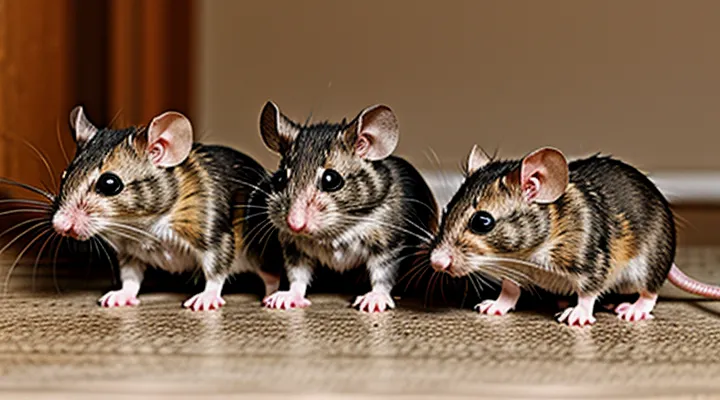
Pet mice display a range of physical traits that influence naming choices. Size varies from 2 to 4 inches in body length, with tails adding a comparable measure. Fur coloration includes solid hues—black, white, brown, gray—and combinations that produce distinct patterns. Common markings are:
- Spotted: irregular dark patches on a lighter background.
- Striped: longitudinal bands running from head to tail.
- Piebald: sharply defined white and colored sections, often on the face and limbs.
- Mottled: fine speckles giving a textured appearance.
Ear shape remains consistent across domestic strains, but ear size may differ slightly, affecting silhouette. Eye color ranges from pink (albino) to red, black, or brown, providing contrast with fur. Tail characteristics—length, hair density, and color—offer additional visual cues.
Breed-specific features add complexity. Fancy mouse varieties such as the Rex exhibit plush, velvety fur, while Satin mice possess a glossy sheen. The Hairless type lacks fur entirely, exposing skin tones and vascular patterns. These distinct attributes serve as practical reference points when selecting memorable names.
When evaluating a mouse’s appearance, note the dominant color, any secondary markings, and unique physical details. Combining these observations yields name ideas that reflect the animal’s visual identity, ensuring relevance and recognizability.
Your Own Preferences and Hobbies
Choosing a name for a pet mouse should reflect the owner’s personal interests, ensuring the name feels natural and memorable. Aligning the name with hobbies, favorite literature, or artistic pursuits creates a direct connection between the animal and the owner’s daily life. This approach simplifies recall, enhances the bond, and adds a layer of meaning to everyday interactions.
When personal tastes guide the selection, consider the following categories and examples:
- Literary references – “Gatsby,” “Atticus,” “Moby”
- Music-inspired – “Jazz,” “Bowie,” “Lyric”
- Outdoor activities – “Trail,” “Summit,” “Paddles”
- Gaming culture – “Pixel,” “Mana,” “Clyde”
- Craftsmanship – “Quill,” “Saw,” “Mosaic”
Each suggestion draws from a distinct hobby, allowing owners to match the mouse’s personality with their own passions. By following this method, the naming process becomes an extension of the owner’s identity, reinforcing the pet’s role as a companion within the household.
Popular Naming Categories
Food-Inspired Names
Sweet Treats
Choosing a name for a pet mouse that evokes a sweet treat creates an immediate, memorable connection between the animal’s personality and a familiar flavor. The approach works well for owners who enjoy playful, food‑inspired themes and want a name that is easy to say and recall.
- Caramel
- Honeycomb
- Marshmallow
- Toffee
- Cupcake
- Brownie
- Peanut Brittle
- Jellybean
- Macaron
- Sugarplum
When selecting a treat‑based name, consider the following factors. The name should be short enough for clear vocal cues, avoiding complex syllable patterns that could confuse the mouse during training. Preference for names that do not resemble common commands reduces the risk of accidental reinforcement. Additionally, ensure the chosen term does not conflict with household food items to prevent accidental ingestion.
Integrating a confectionary reference into a mouse’s identity adds a light‑hearted dimension to pet ownership while maintaining practicality in everyday interaction. This naming strategy aligns with the broader practice of creative, thematic naming for small companion animals.
Fruits and Vegetables
Fruit and vegetable names offer vivid, memorable options for pet mouse naming. Their natural colors, textures, and flavors translate into distinctive monikers that suit the small size and playful nature of mice.
- Apple – bright, crisp, easy to pronounce.
- Berry – short, sweet, evokes a burst of color.
- Cherry – classic, round, associated with red hues.
- Lemon – sharp, lively, fits energetic personalities.
- Peach – soft, gentle, ideal for calm individuals.
Vegetable-inspired names provide an alternative that highlights earthiness and resilience.
- Carrot – orange, sturdy, suits a bold mouse.
- Kale – deep green, modern, reflects a strong character.
- Pea – tiny, green, perfect for a petite pet.
- Radish – vivid red, crisp, works for a lively mouse.
- Zucchini – elongated, mellow, matches a relaxed demeanor.
Selecting a fruit or vegetable name aligns the pet’s identity with recognizable, appealing imagery, simplifying recall and reinforcing the owner’s personal connection to the animal.
Savory Snacks
Savory snack terminology offers a rich source of memorable names for small companion rodents, combining familiarity with distinct flavor cues that aid recall and reinforce the pet‑owner bond.
Consider names derived from classic bite‑size foods, each reflecting a specific taste profile or cultural origin. The following list pairs the snack with a concise, pronounceable mouse name:
- Cheddar – evokes sharp, aged cheese flavor
- Pretzel – suggests a twisted, crunchy texture
- Biscuit – conveys a buttery, soft crumb
- Popcorn – captures light, airy crispness
- Sausage – references a robust, seasoned bite
- Dorito – highlights bold, spicy seasoning
- Crackle – mirrors a sizzling, crackling sound
- Nibble – underscores the act of gentle chewing
- Gingersnap – combines warmth and slight snap
- Taco – reflects layered, seasoned filling
These selections integrate culinary familiarity with pet‑naming conventions, facilitating easy communication and reinforcing the playful character of a pet mouse.
Pop Culture-Inspired Names
Famous Characters
When selecting a name for a pet mouse, drawing from well‑known fictional personalities provides instant recognizability and character. Below are options that suit the small size, agility, and often mischievous nature of mice.
- Mickey – iconic Disney figure, universally linked to a cheerful mouse.
- Stuart – protagonist of Stuart Little, a brave, adventurous rodent.
- Remy – culinary hero of Ratatouille, embodies curiosity and talent.
- Fievel – central character of An American Tail, represents perseverance.
- Jerry – classic cartoon mouse from Tom and Jerry, known for clever escapes.
- Minnie – Disney counterpart to Mickey, conveys sweetness and charm.
- Maus – German for “mouse,” used for the titular character in Maus graphic novel, adds literary depth.
- Mog – diminutive of Mog the Mouse from British children’s literature, offers a gentle tone.
- Squeak – generic yet memorable, evokes the characteristic sound of a mouse.
- Milo – hero of The Adventures of Milo and Otis, suitable for an inquisitive pet.
Fictional Places
Choosing a name for a small companion often benefits from imaginative sources. Fictional locations provide distinct phonetic patterns, memorable associations, and a sense of adventure that can suit a pet mouse.
Consider the following settings, each offering a concise, evocative label:
- Rivendell – evokes gentle rivers and hidden valleys.
- Narnia – suggests a secret world beyond ordinary doors.
- Avalon – carries a mythic, tranquil quality.
- Oz – compact, whimsical, easy to pronounce.
- Gondor – strong, regal, with a steady rhythm.
- Hogsmeade – playful, reminiscent of a bustling village.
- Elysium – serene, celestial, suitable for a calm mouse.
- Asgard – bold, mythic, suitable for a daring personality.
- Pandora – exotic, mysterious, with a melodic ending.
- Lothlórien – lyrical, forest‑laden, ideal for a shy pet.
Selecting a name from this list connects the animal to a broader narrative, reinforcing the bond between owner and creature while maintaining clarity and brevity.
Iconic Duos and Trios
Choosing a name for a mouse often benefits from referencing well‑known pairs or groups. Recognizable duos convey camaraderie, while trios suggest a dynamic balance. The following selections draw from literature, film, mythology, and popular culture, providing clear options for owners seeking memorable identifiers.
- Tom & Jerry – classic cartoon rivals; suitable for a mischievous pair.
- Mickey & Minnie – iconic Disney couple; ideal for affectionate companions.
- Bugs & Daffy – legendary Looney Tunes partners; fit energetic duos.
- Rizzo & Remy – characters from “Ratatouille”; evoke culinary curiosity.
- Stuart & Marvin – protagonists of “Stuart Little” and “The Secret of NIMH”; suit adventurous mice.
Trios add depth through varied personalities:
- Harry, Ron & Hermione – central trio of “Harry Potter”; convey bravery, loyalty, intellect.
- The Three Stooges (Moe, Larry, Curly) – timeless slapstick group; perfect for playful, chaotic sets.
- Alvin, Simon & Theodore – Chipmunks known for distinct traits; reflect diversity within a small group.
- The Powerpuff Girls (Blossom, Bubbles, Buttercup) – strong, independent characters; appropriate for bold, spirited mice.
- The Fellowship (Frodo, Sam, Gandalf) – key figures from “The Lord of the Rings”; suggest unity and purpose.
When naming multiple mice, align each animal’s temperament with the corresponding character’s attributes. This approach creates coherent, recognizable sets that enhance the pet‑owner bond while honoring cultural icons.
Nature-Inspired Names
Celestial Bodies
Celestial objects provide a rich source of memorable names for small rodent companions. Their distinctive sounds and mythic associations lend personality to a mouse without overwhelming its size.
Consider using the following examples, each drawn from astronomy and adapted for pet naming:
- Luna – the Moon, evoking calm and nightly activity.
- Orion – a prominent constellation, suggesting a bold explorer.
- Vega – a bright star in Lyra, ideal for a lively, shining presence.
- Nova – a sudden stellar outburst, fitting for an energetic newcomer.
- Titan – Saturn’s largest moon, suitable for a larger‑bodied mouse.
- Aurora – the polar lights, appropriate for a mouse with striking fur patterns.
- Ceres – the dwarf planet in the asteroid belt, a subtle yet elegant choice.
- Andromeda – a galaxy, perfect for a mouse with a graceful demeanor.
These selections align with the practice of drawing inspiration from the heavens, offering owners a concise, meaningful naming strategy for their pet rodents.
Plants and Flowers
Plant and flower terminology offers a rich source of memorable names for mouse companions. The natural world supplies concise, evocative labels that match the size, color, and temperament of small rodents.
- Daisy – bright, sociable, suitable for a light‑colored mouse.
- Thistle – prickly exterior, calm interior, fits a mouse with a spiky coat.
- Basil – aromatic, steady, appropriate for a steady‑moving mouse.
- Ivy – climbing, resilient, works for an agile explorer.
- Petal – delicate, gentle, ideal for a soft‑furred mouse.
- Clover – lucky, abundant, suits a prolific breeder.
- Sage – wise, quiet, matches a calm, observant mouse.
- Lavender – soothing, fragrant, perfect for a relaxed pet.
- Juniper – evergreen, robust, fits a hardy mouse.
- Marigold – vivid, energetic, for a bold, active mouse.
When selecting a botanical name, consider three factors: coloration, behavior, and personal resonance. Align the mouse’s coat hue with the typical color of the plant; match active or timid traits with the plant’s growth habit; choose a name that holds personal meaning to reinforce the owner‑pet bond. This systematic approach yields names that are both descriptive and enduring.
Gemstones
Gemstone-inspired names offer vivid, memorable options for small rodent companions. The natural hues and distinctive qualities of minerals align well with the varied coat colors and personalities of pet mice.
Choosing a gemstone name creates an immediate visual association, simplifies identification among multiple animals, and adds a touch of elegance to everyday interaction. The practice also benefits owners who prefer a thematic naming system without resorting to generic descriptors.
- Amber – warm, honey‑colored coat
- Topaz – bright, golden fur
- Onyx – deep, black markings
- Sapphire – cool, bluish-gray tones
- Emerald – vivid, greenish sheen
- Citrine – light, citrus‑tinged fur
- Ruby – rich, reddish hue
- Opal – iridescent, multi‑colored patches
- Quartz – clear, soft‑white fur
- Garnet – dark, burgundy shading
When selecting a gemstone name, match the mineral’s dominant color to the mouse’s most prominent fur shade. Consider the animal’s temperament: bold, radiant stones suit energetic individuals, while muted tones complement calmer pets. Consistency across a litter can be achieved by selecting stones from the same mineral family or color palette, fostering a cohesive naming scheme.
Human-Inspired Names
Classic Names
Classic names for pet mice draw on literary, historical, and cultural references that have endured across generations. These names convey familiarity and often reflect the small, agile nature of the animal.
- Mickey – inspired by the iconic cartoon character; conveys playfulness.
- Jerry – taken from the well‑known cartoon mouse; suggests mischief.
- Remy – French origin meaning “oarsman”; popularized by a culinary film.
- Stuart – reference to the classic novel Stuart Little; denotes bravery.
- Squeaky – straightforward descriptor of a mouse’s vocalization.
- Nibbles – emphasizes the animal’s habit of gnawing.
- Whiskers – highlights a distinctive physical feature.
- Fievel – drawn from the animated film An American Tail; evokes adventure.
- Basil – traditional English name; conveys calm demeanor.
- Gus – short, friendly form of Augustus; suggests reliability.
Trendy Names
Choosing a name for a pet mouse should reflect contemporary naming trends while remaining easy to pronounce and memorable. Modern owners favor short, distinctive names that convey personality without excess length.
- Pixel – evokes digital culture, suitable for a quick‑moving mouse.
- Luna – celestial reference, popular across small‑pet communities.
- Milo – classic yet fashionable, works for both male and female mice.
- Zara – sleek, multicultural appeal.
- Nix – concise, sharp sound matching a mouse’s agility.
- Pip – playful, reminiscent of classic literature.
- Juno – mythological, adds a regal touch.
- Bix – modern, one‑syllable, easy to call.
- Echo – resonant, suits an observant pet.
- Koda – nature‑inspired, conveys a gentle demeanor.
When selecting a trendy name, consider phonetic clarity, brevity, and relevance to current pop culture or nature themes. Names that align with these criteria enhance recall and strengthen the bond between owner and mouse.
Unique and Unusual Names
When selecting a name for a pet mouse, prioritize distinctiveness to reflect the animal’s small size and lively character. Avoid common choices; instead, draw inspiration from mythology, literature, scientific terminology, or obscure cultural references.
- Quark – evokes a fundamental particle, suitable for a tiny creature.
- Mirella – a rare Italian name meaning “miracle,” adding elegance.
- Nimbus – suggests a light, airy presence, fitting for a mouse that darts quickly.
- Peregrine – references a swift bird of prey, highlighting agility.
- Thimble – a miniature object that parallels the mouse’s dimensions.
- Zelda – a vintage gaming heroine, offering a nostalgic twist.
- Cobalt – a deep‑blue element, ideal for a mouse with a dark coat.
- Sprocket – mechanical jargon, perfect for a curious, inventive pet.
Consider the following criteria to ensure the name remains functional: it should be easy to pronounce, short enough for quick recall, and free of phonetic similarities to commands or other household pets. Verify that the chosen term does not conflict with existing veterinary records or microchip identifiers. By adhering to these guidelines, owners can assign a memorable, unconventional name that enhances the bond with their small companion.
Tips for Naming Multiple Mice
Theme-Based Naming
Sibling-Inspired Names
Choosing names that echo a sibling relationship gives each mouse a clear place within a group and simplifies daily interaction. The approach works well for owners who keep more than one mouse, allowing quick identification and reinforcing social bonds observed in the animals.
Sibling‑inspired names often pair a primary term with a complementary counterpart. The pairs can be gender‑neutral, reflect size differences, or draw from familiar family roles. Consistency across the set aids memory and creates a cohesive theme for the cage.
- Max & Milo
- Ruby & Rose
- Ace & Bella
- Oliver & Olive
- Jasper & Juniper
- Theo & Tilly
- Scout & Sparrow
- Finn & Flora
- Leo & Luna
- Chip & Charlie
Names that share a linguistic root or rhyme also convey a familial link while maintaining individuality. Selecting such pairs supports clear communication during feeding, health checks, and enrichment activities.
Color-Coded Names
Color‑coded names offer a practical way to differentiate multiple pet mice while adding visual charm. Assigning a hue to each mouse creates an immediate reference point, simplifies record‑keeping, and reinforces individual identity during handling and health checks.
A selection of color‑based names can draw from natural pigments, cultural associations, and descriptive terms. The following list presents options organized by primary and secondary shades, each paired with a brief rationale.
- Black: Midnight, Onyx, Shadow – evokes depth and sleekness.
- White: Snow, Pearl, Frost – highlights purity and contrast.
- Gray: Ash, Slate, Smoke – suggests subtlety and neutrality.
- Brown: Cocoa, Walnut, Chestnut – reflects earthy tones.
- Red: Ruby, Ember, Crimson – conveys energy and boldness.
- Orange: Marigold, Tangerine, Blaze – captures warmth and vibrancy.
- Yellow: Lemon, Goldie, Butter – suggests brightness and optimism.
- Green: Emerald, Sage, Mint – evokes freshness and tranquility.
- Blue: Azure, Indigo, Sky – conveys calm and coolness.
- Purple: Lilac, Amethyst, Violet – implies elegance and mystery.
When applying these names, pair the chosen hue with the mouse’s coat color whenever possible. For example, a gray mouse named “Slate” reinforces visual identification, while a brown mouse called “Cocoa” aligns name and appearance. Consistent use of color‑coded naming enhances communication among caretakers and supports systematic tracking of health records, dietary preferences, and behavioral observations.
Avoiding Confusion
Choosing a name for a pet mouse can create mix‑ups if the name resembles other animals, household members, or everyday commands. Clear differentiation prevents accidental calls, misidentification, and unnecessary stress for both the mouse and its owner.
- Select a name with a distinct sound pattern, avoiding common dog or cat names such as “Buddy” or “Max.”
- Prefer single‑syllable names or those ending in a consonant, which are easier for the mouse to recognize and less likely to be confused with human speech.
- Test the name by saying it aloud in the environment where the mouse lives; ensure it does not sound like a frequent household phrase (e.g., “come,” “stop,” “food”).
- Keep written records consistent: label cages, feeding schedules, and veterinary documents with the exact spelling and capitalization chosen.
When multiple mice share a home, assign names that differ in the first two phonemes (e.g., “Nico” vs. “Milo”) to aid auditory discrimination. Consistent use of the chosen names by all caretakers reinforces recognition and reduces the chance of calling the wrong animal.
What to Avoid When Naming Your Mouse
Overly Complex Names
Pet mice often receive names that exceed the animal’s size and typical usage. Lengthy, multi‑word titles can hinder daily interaction, complicate veterinary records, and reduce the owner’s ability to call the mouse promptly.
Excessive complexity creates several practical issues. Long names are harder to pronounce consistently, leading to variation in how the animal is addressed. Variable pronunciation can confuse the mouse, which relies on clear auditory cues. Written records become cumbersome; registration forms and medical charts favor brevity. Social media posts and breeding logs lose clarity when each reference includes a string of adjectives, titles, and numbers.
Effective naming strategies focus on brevity, distinctiveness, and ease of recall. Choose a single word or a short two‑word combination that conveys personality without obscuring communication. Avoid numerals, foreign language phrases, and unnecessary honorifics. Prioritize phonetic simplicity; names with clear vowel‑consonant patterns are most reliable.
Typical overly complex examples and streamlined alternatives
- “Sir Reginald Bartholomew III, the Distinguished Explorer of Grain” → “Barth”
- “Princess Anastasia‑Morgana of the Velvet Tunnels, Keeper of Cheese” → “Morgana”
- “Dr. Archibald Quixotic Whisker‑Twist, Certified Rodent Scholar” → “Archie”
- “Countess Elektra Nebula‑Starlight, Guardian of the Midnight Maze” → “Elektra”
- “Professor Ignatius Pythagoras Thistledown, Master of Maze‑Logic” → “Ignatius”
By limiting names to one or two syllables, owners maintain clarity while still expressing creativity. Simpler names improve daily handling, reduce administrative burden, and preserve the mouse’s well‑being.
Potentially Embarrassing Names
When selecting a moniker for a pet mouse, some owners deliberately opt for names that provoke amusement or mild embarrassment. Such choices often reflect personal humor, pop‑culture references, or ironic contrasts between the animal’s size and the name’s grandiosity.
- Cheddar‑Cheese‑Lord
- Sir Squeak‑alot
- Whisker‑McFluff
- Tiny‑Tyrant
- Rodent‑Rascal
- Mini‑Mafia
- Nibbles‑Nazi (use with caution)
- Cheese‑Whisperer
- Paw‑Print‑Prince
- Squeak‑Sultan
These options illustrate the spectrum from playful wordplay to overtly provocative titles. Selecting an edgy name requires awareness of the environments where the mouse will be mentioned—veterinary clinics, pet stores, and social gatherings. Owners should be prepared to explain the choice succinctly, maintaining composure if listeners react negatively. In professional settings, using a neutral nickname alongside the formal name can ease communication while preserving the owner’s original preference.
Names That Are Too Similar
Choosing a name for a pet mouse that closely resembles another name in the household can cause confusion during handling, training, and veterinary visits. When two names differ by only one sound or share the same initial syllable, the mouse may not respond reliably, and owners may misidentify the animal.
Common pitfalls include:
- Single‑letter variations – “Milo” vs. “Mila”, “Nibbles” vs. “Nibble”.
- Identical prefixes – “Cheddar” and “Cheese”, “Whisker” and “Whiskers”.
- Rhyming pairs – “Squeaky” and “Peaky”, “Pip” and “Dip”.
These similarities increase the risk of accidental mixing of food, cages, or medical records. To maintain clear communication, select names that differ in at least two phonetic elements, such as vowel sounds, consonant clusters, or syllable count.
Practical guidelines:
- Check auditory distinction – Say each name aloud; ensure they do not sound alike when spoken quickly.
- Test visual differentiation – Write the names on paper; confirm they are not easily mistaken in print.
- Consider thematic variety – Mix categories (food, literature, color) to broaden the pool and reduce overlap.
- Avoid abbreviations – Shortening “Chocolate” to “Choco” while another mouse is called “Choco” defeats the purpose.
By applying these criteria, owners can assign unique, easily recognizable names to each mouse, minimizing misunderstandings and supporting consistent care.