
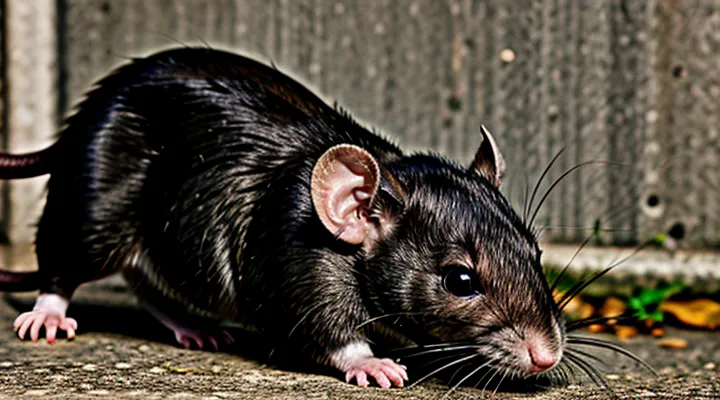
«Understanding Rat Muzzles»
«What is a Rat Muzzle?»
«Purpose and Function»
A rat muzzle is a device that encloses the animal’s snout to control oral activity. Its primary purpose is to prevent the ingestion of hazardous substances, such as toxic feed, contaminated bedding, or foreign objects that could cause injury or disease. By restricting access to the mouth, the muzzle also protects laboratory personnel and caretakers from accidental bites, reducing the risk of zoonotic transmission.
Functionally, the muzzle operates as a physical barrier that allows respiration while limiting the opening of the jaws. The design typically incorporates the following elements:
- Rigid or flexible outer shell that fits securely around the nose and mouth.
- Adjustable straps or fasteners that maintain consistent pressure without causing discomfort.
- Ventilation openings that ensure adequate airflow and prevent heat buildup.
- Materials that are easy to clean, chemically resistant, and non‑toxic to the animal.
When correctly fitted, the muzzle permits the rat to drink water and, if needed, receive medication administered through a syringe or droplet system. It also enables observation of the animal’s behavior without interference from chewing or gnawing.
Effective use requires regular inspection for signs of skin irritation, proper sizing to avoid excessive restriction, and adherence to humane handling protocols. The device must be removed during feeding periods that require unrestricted oral access and during any procedures that involve the oral cavity.
«Distinction from other restraining devices»
Rat muzzles designed for laboratory rodents constitute a specialized restraint tool that isolates the oral cavity while permitting normal respiration and limited head movement. The device’s geometry follows the animal’s facial contours, providing a secure seal without exerting pressure on the jaw joints. Materials such as clear polycarbonate or medical‑grade silicone allow visual inspection of the mouth and easy decontamination.
Distinctive attributes compared with generic restraining devices include:
- Targeted confinement – only the snout is enclosed; the rest of the body remains free, reducing stress signals observed in whole‑body cages or tubes.
- Adjustable sizing – interchangeable rings or sliding sleeves accommodate weight ranges from 50 g to 300 g, whereas fixed‑size tubes cannot adapt to growth or breed variations.
- Ventilation control – perforated walls maintain airflow directly at the nostrils, whereas opaque containers rely on ambient diffusion.
- Observation capability – transparent construction enables real‑time monitoring of oral health and experimental procedures without removing the animal, a feature absent in opaque restrainers.
- Ease of cleaning – smooth internal surfaces resist biofilm formation, simplifying sterilization cycles relative to woven nets or fabric sleeves.
Compared with hand‑held clamps, rat muzzles eliminate the need for continuous operator pressure, decreasing the risk of operator injury and ensuring consistent restraint force across trials. Unlike full‑body restraining tubes, the muzzle permits simultaneous access to limbs for pharmacological administration or behavioral testing, expanding experimental versatility.
Overall, the rat muzzle’s focused enclosure, scalable fit, airflow design, visual transparency, and hygiene advantages set it apart from broader restraining solutions, delivering a balance of animal welfare and experimental precision.
«Types of Rat Muzzles»
«Soft Fabric Muzzles»
Soft fabric muzzles are lightweight restraints designed specifically for rats. They consist of breathable textiles such as cotton, fleece, or polyester blends, stitched to form a snug enclosure around the animal’s snout while leaving the nostrils unobstructed. The material choice reduces pressure points and minimizes the risk of skin irritation.
Key benefits include enhanced comfort, reduced stress during handling, and ease of cleaning. The pliable nature of the fabric allows the muzzle to conform to individual facial contours, preventing excessive tightening that could impede breathing. Additionally, the absence of rigid components simplifies storage and transport.
Selection criteria
- Accurate measurement of muzzle width and length; the device must cover the muzzle without extending past the eyes.
- Fabric type; natural fibers provide superior breathability, while synthetic blends offer greater durability.
- Closure mechanism; Velcro strips or snap fasteners allow quick adjustment and secure fit.
- Reinforced stitching at stress points to prevent tearing during active use.
- Weight; lighter muzzles decrease the load on the rat’s neck muscles.
Proper fitting requires gentle insertion of the muzzle, alignment with the facial midline, and gradual tightening of the closure until the fabric rests snugly against the skin. The practitioner should verify that the rat can breathe freely and that the animal exhibits no signs of distress.
Usage guidelines
- Supervise the rat at all times while the muzzle is in place.
- Limit continuous wear to short intervals; extended periods may cause moisture buildup.
- Combine with other handling tools only if compatibility is confirmed.
- Record the duration of each session for future reference.
Maintenance involves hand‑washing the fabric in mild detergent, rinsing thoroughly, and air‑drying before reuse. Regular inspection for frayed edges, loose closures, or fabric thinning is essential; damaged muzzles must be replaced promptly to maintain safety and efficacy.
«Pros and Cons»
Rat‑specific muzzles are engineered to prevent oral injury, control feeding, and facilitate handling during veterinary procedures. Their design typically incorporates a lightweight frame that secures over the snout while allowing respiration.
Advantages
- Reduces risk of self‑inflicted wounds during postoperative recovery.
- Enables precise dosage administration by limiting access to food or water.
- Improves safety for handlers by restricting chewing of cages or equipment.
- Compatible with standard laboratory cages, minimizing infrastructure changes.
- Allows observation of oral health without removing the device, supporting continuous monitoring.
Disadvantages
- May cause stress if improperly fitted, leading to altered behavior or physiological responses.
- Requires regular inspection to prevent skin irritation or pressure sores.
- Limited size range can restrict use across diverse rat strains or developmental stages.
- Potential interference with normal grooming, affecting coat condition.
- Additional cost compared with alternative restraint methods, impacting budget allocations.
«Ideal Scenarios for Use»
A rat muzzle designed for safe handling should be employed only when the animal’s mouth must be controlled without causing injury. The device is appropriate for procedures that require brief oral restraint while preserving the rat’s ability to breathe freely.
Ideal scenarios for deployment include:
- Medical examinations that involve oral cavity inspection, dental cleaning, or administration of topical treatments.
- Sample collection such as saliva swabs or oral tissue biopsies where precise positioning is necessary.
- Behavioral testing that measures responses to stimuli presented near the mouth, provided the test duration is short and the animal remains under supervision.
- Emergency interventions like removal of foreign objects lodged in the oral cavity or control of sudden biting during acute injury care.
- Training sessions for veterinary staff to develop proficiency in safe restraint techniques, using the muzzle solely as a temporary aid.
Each situation demands continuous monitoring, immediate removal of the muzzle after the task, and adherence to welfare guidelines to prevent stress or respiratory compromise.
«Plastic/Mesh Muzzles»
Plastic and mesh muzzles are the most common devices for restraining rodents during handling, grooming, or medical procedures. These muzzles consist of a rigid or semi‑rigid frame that fits over the rat’s snout and a perforated or solid barrier that prevents the animal from biting while allowing respiration.
Materials and construction
- Polypropylene or ABS plastic provides durability, resistance to chemicals, and ease of sterilization.
- Mesh inserts, typically nylon or stainless‑steel wire, create a barrier that reduces weight and improves airflow.
- Snap‑fit or screw‑type closures secure the muzzle without requiring adhesives.
Selection criteria
- Size: Measure the rat’s head width and snout length; choose a muzzle that contacts the facial region without compressing the eyes or ears.
- Mesh density: Fine mesh limits dental access but may increase resistance to airflow; coarse mesh offers better ventilation but permits limited gnawing.
- Compatibility with equipment: Ensure the muzzle fits within restraining tubes or cages used in the facility.
- Cleaning protocol: Opt for materials that tolerate autoclaving, ultrasonic cleaning, or chemical disinfectants without deformation.
Usage guidelines
- Inspect the muzzle for cracks, sharp edges, or loose mesh before each use.
- Position the muzzle so the barrier sits just behind the incisors, allowing the animal to breathe freely through the nostrils.
- Secure the closure gently; excessive force can cause stress or injury.
- Limit the restraint period to the minimum time required for the procedure; monitor the rat for signs of distress or impaired breathing.
Advantages
- Prevents bites that could transmit pathogens or cause injury to personnel.
- Enables precise handling of the head for ophthalmic examinations, ear cleaning, or oral dosing.
- Reusable designs reduce long‑term costs compared with disposable alternatives.
Disadvantages
- Improper fit may obstruct airflow, leading to hypoxia.
- Mesh can become clogged with debris, requiring frequent cleaning.
- Rigid plastic may cause pressure points if the animal’s facial anatomy varies from standard dimensions.
Maintenance
- Disassemble the muzzle after each session.
- Soak in an enzymatic cleaner for 10 minutes, rinse with distilled water, and dry completely before storage.
- Perform weekly integrity checks; replace any component showing wear.
Choosing the appropriate plastic or mesh muzzle, matching it to the animal’s size, and adhering to strict cleaning and monitoring protocols ensures safe, efficient handling while minimizing stress and injury risks.
«Pros and Cons»
Muzzles designed for rats serve specific functional purposes in both laboratory and pet‑care environments. Their primary aim is to prevent oral injury, control ingestion of hazardous substances, and facilitate safe handling during procedures.
Advantages
- Restricts access to cages, bedding, or equipment that could cause dental damage.
- Minimizes risk of contaminating experimental samples with saliva or fecal matter.
- Allows researchers or owners to administer medication without the animal biting.
- Provides a consistent barrier that can be fitted to various rat sizes through adjustable straps or elastic bands.
- Reduces stress for handlers by limiting unpredictable bites, leading to smoother workflow.
Disadvantages
- May impede natural grooming behavior, potentially affecting skin health.
- Can cause discomfort or respiratory irritation if improperly sized or made from non‑breathable material.
- Requires regular cleaning or replacement to prevent bacterial buildup.
- May alter feeding patterns if the device interferes with food access, leading to weight loss.
- Introduces an additional variable in experimental settings, possibly influencing behavioral outcomes.
Effective selection hinges on material safety, fit precision, and ease of removal. Proper use demands routine inspection, adjustment for growth, and adherence to hygiene protocols to balance the benefits against the inherent drawbacks.
«Ideal Scenarios for Use»
Rat muzzles designed for laboratory and pest‑control environments provide a reliable method to prevent oral contamination while allowing normal respiration and limited movement. The devices are constructed from soft, biocompatible materials that secure the snout without causing tissue damage, making them suitable for repeated use under controlled conditions.
Typical applications include:
- Containment of rodents during chemical dosing or oral gavage to eliminate accidental spillage.
- Isolation of diseased individuals in quarantine zones, preventing pathogen transmission through saliva.
- Training sessions where bite prevention is essential, such as behavioral conditioning or handling drills.
- Field studies requiring temporary restraint of wild specimens for tagging, sampling, or health assessments.
- Veterinary procedures that involve dental examination or minor oral surgery, where a secure barrier reduces stress and risk.
When employed in these contexts, the muzzles maintain animal welfare standards by minimizing distress and facilitating precise experimental or therapeutic interventions. Proper sizing, regular inspection, and adherence to hygiene protocols ensure consistent performance and reduce the likelihood of injury.
«Specialty Muzzles»
Specialty muzzles for rats are purpose‑built devices that restrict oral activity while permitting breathing and limited movement. They differ from generic restraints by incorporating features that accommodate the animal’s small anatomy and high metabolic rate.
Typical designs include:
- Rigid plastic shells – lightweight, easy to clean, provide firm control of the snout.
- Soft silicone caps – conform to facial contours, reduce pressure points, suitable for prolonged wear.
- Hybrid models – combine a rigid frame with a pliable inner lining, balance security and comfort.
Selection depends on three measurable factors:
- Fit – internal circumference must match the rat’s head dimensions within a 2‑mm tolerance; excessive slack allows chewing, excessive tightness impedes respiration.
- Material safety – must be non‑toxic, resistant to gnawing, and free of sharp edges.
- Intended duration – short‑term handling favors rigid shells; extended procedures require silicone or hybrid options to minimize tissue irritation.
Correct placement follows a two‑step protocol. First, measure the animal’s head circumference and select the nearest size. Second, position the muzzle so the nasal openings align with the ventral edge, then secure the fastening mechanism without overtightening; a gentle pull test confirms that the device stays in place while allowing free airflow.
Operational guidelines include:
- Limit continuous wear to no more than 30 minutes for adult rats; younger specimens require shorter intervals.
- Observe respiratory rate and behavior every five minutes; any signs of distress mandate immediate removal.
- Clean after each use with mild veterinary‑grade detergent, rinse thoroughly, and inspect for wear before storage.
Adhering to these specifications ensures that specialty muzzles fulfill their functional purpose while maintaining animal welfare and experimental integrity.
«For Veterinary Procedures»
Rat muzzles designed for veterinary procedures must restrain oral access while allowing respiration and monitoring. Selection hinges on size compatibility, material durability, and behavioral tolerance.
- Measure the rat’s head circumference and snout length; choose a muzzle that leaves a 2‑3 mm clearance around the teeth.
- Prefer biocompatible plastics or silicone that resist chewing and can be sterilized.
- Verify that the device includes a vent for airflow and a release mechanism for emergency removal.
- Assess the animal’s response during a brief trial; discard any muzzle that induces excessive stress or escape attempts.
Proper application follows a consistent protocol:
- Calibrate the muzzle to the individual’s dimensions before placement.
- Position the device over the snout, ensuring the vent aligns with the nasal passage.
- Secure the strap or snap without overtightening; the rat should retain the ability to open its mouth slightly for fluid administration.
- Observe the animal for at least one minute to confirm stable breathing and lack of distress.
- Perform the intended procedure—e.g., injection, oral examination, or wound cleaning—while the muzzle remains in place.
Post‑procedure care includes immediate removal, inspection for damage, and cleaning with an approved disinfectant. Store the muzzle in a sealed container to prevent contamination. Replace any unit showing cracks, deformation, or loss of elasticity.
Contraindications encompass compromised nasal passages, severe respiratory disease, and aggressive behavior that could lead to self‑injury. In such cases, alternative restraint methods must be employed.
«For Behavior Modification»
Muzzles designed for rats serve as a practical tool to alter specific behaviors while maintaining animal welfare. The device restricts oral access, preventing unwanted chewing, gnawing, or aggressive biting, and allows researchers or caretakers to shape conduct through controlled exposure and reinforcement.
Key factors in selecting an appropriate device include:
- Fit: Measure head circumference and muzzle length; the device must sit snugly without compressing the nasal passages.
- Material: Choose lightweight, non‑toxic polymers or silicone that resist chewing and can be sterilized.
- Ventilation: Ensure multiple airflow openings to prevent overheating and stress.
- Adjustability: Incorporate straps or sliding closures that accommodate growth or slight size variations.
Effective implementation follows a structured protocol:
- Acclimation: Place the empty muzzle on the rat for short periods, gradually increasing duration while observing stress indicators.
- Positive association: Pair muzzle wear with favored treats or gentle handling to create a favorable response.
- Gradual restriction: Introduce limited oral access, monitoring for signs of discomfort or respiratory difficulty.
- Continuous assessment: Record behavioral changes, weight, and health metrics daily; adjust fit or remove the device if adverse effects appear.
Properly chosen and applied, these devices enable precise behavior modification, supporting experimental consistency and humane management.
«Selecting the Right Muzzle»
«Factors to Consider»
«Rat’s Size and Breed»
Rat size and breed directly influence muzzle fit, comfort, and effectiveness. Accurate measurement prevents pressure points, restricts chewing, and maintains normal respiration.
-
Common laboratory breeds
-
Pet breeds
Muzzle selection must match these dimensions:
- Measure head width at the widest point of the skull; add 2‑3 mm for clearance.
- Choose a muzzle whose internal diameter exceeds the measured width without excessive slack.
- Verify that the muzzle length covers the snout from the nasal bridge to the first premolar, allowing normal jaw movement.
- Confirm that the muzzle’s material remains flexible at the animal’s typical ambient temperature to avoid constriction.
Regularly reassess fit as the rat grows or if weight fluctuates. Replace muzzles that show signs of wear, deformation, or loss of elasticity.
«Purpose of Muzzling»
Muzzling rats serves three primary functions.
- Prevents accidental ingestion of cage bedding, food, or hazardous objects, reducing the risk of gastrointestinal obstruction.
- Restricts the ability to bite, protecting handlers, co‑habiting animals, and researchers from injuries and potential disease transmission.
- Controls excessive gnawing that can damage equipment, wiring, or structural components of laboratory and breeding enclosures.
Effective use of a muzzle requires proper fit: the device must secure the animal’s snout without restricting breathing or causing undue stress. Selection criteria include material durability, ease of cleaning, and compatibility with the rat’s size and facial anatomy. When applied correctly, muzzles enhance safety, preserve experimental integrity, and support humane management of rodent colonies.
«Rat’s Temperament»
Rats exhibit a range of behavioral patterns that directly affect the suitability of a muzzle and the method of its application. Individual temperament determines tolerance for restraint, reaction to foreign objects in the mouth, and propensity for stress‑induced aggression. Understanding these traits enables effective selection of a muzzle that maintains safety while minimizing discomfort.
Key temperament characteristics relevant to muzzle usage include:
- Boldness – rats that readily explore new environments adapt more quickly to a muzzle and exhibit fewer escape attempts.
- Docility – animals with low reactivity to handling accept the device with minimal resistance, reducing the risk of bite injuries.
- Anxiety level – high‑anxiety individuals display heightened vocalization and rapid breathing when confined, requiring progressive habituation.
- Social hierarchy – dominant rats may attempt to dislodge the muzzle to assert control, whereas submissive subjects typically cooperate.
Assessment of these traits should occur before fitting. Observe the animal during routine cage cleaning, note response to gentle mouth opening, and record any signs of agitation. A systematic evaluation informs the choice between a flexible silicone muzzle, which accommodates exploratory behavior, and a rigid plastic model, which provides secure containment for highly active specimens.
When implementing a muzzle, follow a stepwise protocol: introduce the device in the home cage, allow brief, unrestrained exposure, then gradually increase wear time while monitoring physiological indicators such as heart rate and grooming behavior. Adjust fit to prevent pressure on the incisors and ensure unobstructed nasal airflow. Consistent application of this evidence‑based approach aligns temperament assessment with device selection, resulting in reliable restraint and reduced welfare concerns.
«Material Durability and Comfort»
When choosing a muzzle for a rat, material durability directly influences the device’s lifespan and the animal’s safety. High‑density polyethylene (HDPE) and injection‑molded nylon resist chewing, puncture, and repeated cleaning cycles. Stainless‑steel hinges provide corrosion resistance and maintain structural integrity under constant movement. Silicone inserts soften contact points, reducing abrasion while preserving the rigid framework needed to prevent escape.
Comfort hinges on weight, flexibility, and interior surface texture. Materials weighing less than 30 g minimize strain on the rat’s neck muscles. Soft‑lined interiors, such as medical‑grade silicone or plush fleece, prevent skin irritation and distribute pressure evenly across the muzzle’s edges. Adjustable straps made from woven polypropylene offer secure fit without excessive tightening, allowing natural head motion while preserving restraint.
Key material considerations:
- Wear resistance: HDPE, nylon, stainless steel.
- Cleaning tolerance: Non‑porous surfaces survive hot‑water sanitization.
- Weight limit: ≤ 30 g for minimal load.
- Interior lining: Silicone or fleece for skin protection.
- Strap material: Polypropylene with adjustable buckles.
Balancing durability with ergonomic design ensures the muzzle remains functional over extended use and does not compromise the rat’s welfare.
«Measuring for a Proper Fit»
«Head Circumference»
Head circumference provides the primary dimension for selecting a rat muzzle. Accurate measurement ensures a secure fit without restricting breathing or causing tissue damage.
To obtain the measurement, follow these steps:
- Position the rat gently on a flat surface.
- Use a flexible measuring tape or thin string.
- Wrap the tape or string around the widest part of the skull, just above the eyes and behind the ears.
- Record the length in millimeters; repeat once to confirm consistency.
Typical head circumference values for laboratory rats range from 30 mm to 45 mm, depending on strain and age. When choosing a muzzle, compare the recorded circumference with the internal diameter of the device. A tolerance of ±2 mm accommodates minor variations without compromising restraint.
Key considerations for muzzle selection:
- Material rigidity must match the measured size; overly rigid muzzles can exert excessive pressure, while overly flexible ones may slip.
- Edge smoothness prevents skin irritation; verify that the inner surface is free of burrs.
- Adjustable designs allow fine‑tuning after initial fitting; verify that adjustment mechanisms do not introduce gaps.
Regular re‑measurement is necessary as rats grow or lose weight. Document each measurement alongside the corresponding muzzle model to maintain a reliable inventory and ensure humane handling throughout experimental protocols.
«Snout Length»
Snout length is the primary dimension influencing the fit of a rat muzzle. Accurate measurement ensures that the device covers the oral cavity without impeding breathing or causing tissue damage.
- Measure from the tip of the nose to the base of the skull using a flexible ruler or digital caliper. Record the value in millimeters.
- Compare the recorded length with manufacturer size charts. Most commercial muzzles provide size intervals of 2 mm; select the interval that matches or slightly exceeds the measured length.
- Verify that the muzzle’s inner cavity accommodates the full snout length while allowing a clearance of 0.5–1 mm to prevent compression.
Typical snout lengths for laboratory rats range from 18 mm (juvenile) to 28 mm (adult). Muzzle designs that ignore this range risk improper sealing, leading to escape or respiratory distress.
Adjustment guidelines:
- Align the muzzle’s opening with the rat’s nostrils before securing straps.
- Observe the animal for signs of discomfort, such as excessive grooming of the muzzle or altered respiration.
- Re‑measure after any growth phase or weight change; replace the device if the snout length exceeds the current model’s specifications.
Consistent application of these measurements improves safety, reduces stress, and enhances the reliability of experimental procedures involving rat muzzles.
«Checking for Airway Obstruction»
When fitting a rat muzzle, confirming that the animal’s airway remains clear is essential for safety and humane handling. The practitioner should perform a systematic inspection before, during, and after muzzle placement.
First, observe the rat’s breathing pattern. Normal respiration appears steady, with regular intervals and no audible wheezing or gasping. Any irregularity—such as rapid, shallow breaths or audible stridor—suggests partial blockage.
Second, gently lift the muzzle to check for visible obstructions. Look for displaced fur, debris, or the muzzle’s material pressing against the nostrils or mouth. If resistance is felt when the animal attempts to inhale, adjust the device immediately.
Third, conduct a tactile test. Lightly place a finger near the nose and feel for airflow. A steady stream of air confirms patency; absence indicates obstruction.
Fourth, verify that the rat can emit a squeak or small vocalization. The presence of sound demonstrates that the oral passage is not fully sealed.
If any of the above checks reveal obstruction, remove the muzzle, clear the airway, and reassess the fit. Only after confirming unobstructed breathing should the muzzle be reapplied, ensuring that the device’s size and material do not compromise respiratory function.
«Where to Purchase»
«Pet Stores»
Pet stores serve as primary distribution points for rat muzzles, influencing availability, quality control, and customer guidance. Retailers must evaluate supplier credentials, ensuring that products meet safety standards and are sized correctly for common laboratory and companion rat breeds. Accurate labeling of dimensions, material composition, and cleaning instructions reduces the risk of ill‑fitting devices that could cause stress or injury.
Key responsibilities of pet retailers include:
- Verifying that each muzzle complies with veterinary recommendations for ventilation and secure fastening.
- Maintaining inventory of multiple size ranges to accommodate adult, juvenile, and unusually large specimens.
- Providing staff training on proper fitting techniques, removal procedures, and hygiene protocols.
- Offering instructional materials—such as printed guides or QR‑linked videos—to assist owners in correct usage.
Effective store policies minimize returns and enhance animal welfare. By implementing a systematic inspection routine, documenting batch numbers, and offering a clear exchange policy for mis‑sized items, retailers reinforce confidence among researchers and pet owners who rely on these devices for behavioral management, health examinations, and transport.
«Online Retailers»
Online retailers dominate the distribution channel for rat‑muzzle products, providing immediate access to a wide range of designs, materials, and sizes. Their inventory data reveal the most frequently purchased models, allowing suppliers to adjust production based on real‑time demand. Shipping policies, return procedures, and customer reviews directly influence the decision‑making process for both hobbyists and professional pest‑control operators.
Key factors to evaluate when sourcing rat muzzles from e‑commerce platforms include:
- Product specifications: dimensions, material strength, and compatibility with common cage sizes.
- Certification and safety compliance: adherence to animal‑welfare standards and regional regulations.
- Vendor reputation: average rating, number of verified purchases, and responsiveness to inquiries.
- Delivery terms: lead time, tracking options, and cost of expedited shipping.
- After‑sale support: availability of replacement parts and warranty coverage.
Effective use of these criteria reduces the risk of acquiring unsuitable or substandard equipment, streamlines inventory management, and ensures consistent performance in containment applications.
«Custom Options»
Custom options for rat muzzles provide the flexibility required to accommodate diverse experimental designs and animal welfare considerations. Adjustable strap lengths allow precise fitting across a range of body sizes, reducing the risk of slippage or excessive pressure. Interchangeable bite plates, available in smooth, textured, and perforated variants, enable researchers to modify oral access while maintaining a secure seal.
Material selection influences durability and cleaning protocols. Silicone components offer elasticity and resistance to repeated sterilization cycles; stainless‑steel frames provide rigidity for high‑stress applications; biodegradable polymers reduce environmental impact for short‑term studies. Color‑coded inserts simplify identification of specific configurations during multi‑group trials.
Additional features enhance functionality:
- Quick‑release buckles for rapid removal in emergencies.
- Integrated ventilation channels that maintain airflow without compromising containment.
- Compatibility adapters for attaching sensor modules or drug delivery ports.
Implementation guidelines recommend matching strap tension to the animal’s neck circumference, verifying that the bite plate contacts the incisors without impeding respiration, and performing a pre‑use integrity check on all components. Regular inspection for wear, especially on silicone seals and metal joints, ensures consistent performance throughout the study period.
«Proper Muzzle Use and Training»
«Introducing the Muzzle Positively»
«Desensitization Techniques»
Desensitization techniques are essential for successful implementation of rat muzzles, ensuring animal welfare while maintaining experimental integrity. The process begins with gradual exposure to the device, allowing the rat to associate the muzzle with neutral or positive experiences rather than fear.
- Initial introduction: Place the muzzle near the cage without securing it; allow the rat to investigate freely for several minutes.
- Short‑duration trials: Secure the muzzle for 10‑15 seconds, immediately reward the animal with a preferred treat.
- Incremental extension: Increase wearing time by 30‑60 seconds each session, monitoring behavior for signs of stress such as excessive grooming or vocalization.
- Contextual consistency: Conduct sessions in the same environment and at the same time of day to reinforce predictability.
- Positive reinforcement: Pair each successful wearing period with a high‑value reward, reinforcing a calm response.
Effective desensitization reduces physiological stress markers, improves compliance during subsequent procedures, and minimizes the risk of injury to both the animal and handlers. Regular assessment of the rat’s response—using behavioral scoring and, when appropriate, cortisol measurements—guides adjustments to the protocol, ensuring the technique remains humane and reliable.
«Positive Reinforcement with Treats»
Positive reinforcement with treats provides a reliable method for encouraging rats to accept a muzzle. The technique links a desirable reward with the presence of the device, creating an association that reduces resistance.
- Select a high‑value food item that the rat readily consumes, such as a small piece of fruit or a commercial treat.
- Introduce the muzzle while the rat is calm, offering a treat immediately after brief contact.
- Increase the duration of muzzle wear in successive sessions, maintaining the treat at the start of each exposure.
- Deliver the reward consistently at the same point in the routine to reinforce predictability.
- Gradually reduce treat frequency once the rat demonstrates comfortable tolerance, maintaining occasional reinforcement to prevent regression.
Treat choice influences effectiveness; low‑calorie options prevent weight gain, while aromatic items heighten motivation. Limit treat size to avoid distraction from the training goal. Observe the rat for signs of stress—rapid breathing, excessive grooming, or attempts to escape—and adjust session length accordingly.
Consistent application of this reinforcement strategy accelerates habituation, minimizes aversive reactions, and facilitates safer handling during muzzle selection and application.
«Gradual Acclimatization»
Gradual acclimatization prepares rats for sustained muzzle use while minimizing stress and physiological disruption. The process introduces the device in incremental stages, allowing the animal to adjust to restraint, airflow changes, and altered feeding behavior.
- Day 1–2: Place the empty muzzle near the cage for 5–10 minutes; allow exploration without attachment.
- Day 3–4: Secure the muzzle loosely for 5 minutes, monitor for signs of agitation, and release if excessive movement occurs.
- Day 5–7: Increase wearing time to 15 minutes, tighten fit to manufacturer specifications, and observe eating and grooming patterns.
- Day 8 onward: Extend duration to full experimental periods, confirming stable respiration and normal weight gain.
Continuous observation records vocalization frequency, escape attempts, and body‑condition scores. Progression to the next stage requires stable metrics for at least three consecutive sessions. If adverse responses appear, revert to the previous duration and reassess fit and material comfort.
Successful acclimatization yields consistent muzzle placement, unimpeded respiration, and unchanged consumption rates, establishing a reliable baseline for subsequent experimental protocols. Adjustments to strap tension or inner lining are implemented only after documented deviation from baseline parameters.
«Putting on the Muzzle Correctly»
«Ensuring a Secure Fit»
A properly fitting muzzle prevents escape, reduces stress, and protects both the animal and handler. Accurate measurement of the rat’s head circumference is the first step; use a flexible tape and record the largest point around the snout and behind the ears. Select a muzzle whose internal diameter exceeds this measurement by 1–2 mm to allow natural breathing while maintaining containment.
Material choice influences fit stability. Silicone and soft rubber provide a snug seal that conforms to facial contours, whereas rigid plastic offers durability but may require additional padding. When choosing a model, verify that the interior surface is smooth to avoid abrasions and that the closure mechanism—snap‑fit, Velcro, or adjustable strap—offers incremental tightening.
Before use, perform a quick integrity check:
- Inspect seams for cracks or tears.
- Confirm that buckles or fasteners lock securely.
- Ensure the muzzle does not impede the nostrils or mouth opening.
During placement, position the muzzle so the nose sits centrally, then tighten the fastener until the device rests firmly against the skull without compressing the skin. Observe the rat for signs of distress, such as excessive panting or attempts to remove the device; adjust tension if necessary.
After each session, clean the muzzle with mild soap and warm water, rinse thoroughly, and allow it to dry completely. Regular maintenance preserves the seal and prevents bacterial buildup, which could compromise fit and safety.
«Avoiding Discomfort»
When fitting a rat muzzle, the primary objective is to prevent pain or stress for the animal. Proper sizing eliminates pressure points that can cause tissue damage. A flexible, breathable material reduces heat buildup and skin irritation. Secure but gentle fastening prevents the device from slipping while allowing the rat to breathe freely.
Key practices for minimizing discomfort:
- Measure the rat’s snout circumference and select a muzzle that leaves a small clearance for natural movement.
- Choose a muzzle made from soft, hypoallergenic fabric or silicone; avoid rigid plastics that can chafe.
- Inspect the interior for rough seams or tags; smooth edges reduce the risk of abrasions.
- Apply the muzzle in a calm environment; a brief acclimation period lets the rat adjust before any handling.
- Monitor the animal continuously for signs of distress, such as rapid breathing, excessive grooming, or attempts to remove the device.
- Remove the muzzle promptly after the intended procedure; prolonged wear increases the likelihood of irritation.
Routine cleaning with mild, scent‑free soap preserves material integrity and prevents bacterial buildup, which can further exacerbate discomfort. Replacing worn muzzles on a scheduled basis maintains optimal fit and prevents degradation that could lead to injury.
«When to Use a Muzzle»
«Veterinary Visits»
Veterinary appointments provide the professional evaluation required before fitting a muzzle to a rat. The clinician verifies that the animal is free from respiratory, dental, or skin conditions that could be aggravated by restraint devices.
During the examination the veterinarian measures head width, snout length, and neck circumference to select an appropriately sized muzzle. The device is placed briefly to observe the rat’s response, ensuring no obstruction of airflow or excessive pressure on the facial tissues. The practitioner also checks for signs of stress, such as rapid breathing or vocalization, and adjusts the fit accordingly.
After fitting, the veterinarian records the muzzle model, dimensions, and any observations about tolerance. The owner receives instructions on cleaning protocols, duration of use, and criteria for immediate removal, such as persistent panting or loss of appetite. A follow‑up visit is scheduled within 7‑10 days to reassess fit, monitor weight, and confirm that the animal’s behavior remains normal.
Key points for each veterinary visit:
- Health screening for conditions that contraindicate muzzle use
- Precise measurement and selection of size
- In‑session fit test with observation of respiratory and stress indicators
- Documentation of device specifications and animal response
- Post‑visit guidance on maintenance, usage limits, and signs of adverse reaction
- Planned re‑evaluation to confirm ongoing suitability.
«Grooming Sessions»
Grooming sessions are a critical component of effective muzzle management for laboratory and pet rats. Regular handling allows technicians to assess fit, identify wear, and maintain hygiene, thereby reducing stress and preventing injury.
During each session, the operator should:
- Inspect the muzzle for cracks, frayed edges, or loose fastenings.
- Verify that the device aligns with the animal’s snout without obstructing breathing.
- Clean interior surfaces with a mild, non‑irritating disinfectant and rinse thoroughly.
- Apply a thin layer of veterinary‑grade silicone lubricant to contact points to minimize friction.
- Record measurements of head circumference and muzzle length to track growth or shrinkage over time.
Frequency depends on the study design and animal welfare protocol. Typical schedules include:
- Initial fitting assessment before the first use.
- Weekly checks for short‑term experiments.
- Bi‑weekly evaluations for long‑term housing.
Safety measures include restraining the rat gently with a soft cloth, monitoring respiration throughout the procedure, and having an emergency release mechanism readily accessible. Documentation of each grooming session ensures traceability and supports compliance with institutional animal care standards.
«Introducing New Rats»
When new rats join a colony that employs facial restraints, the introduction protocol must address both social integration and equipment compatibility.
First, verify health status. Conduct a complete physical examination, screen for respiratory infections, and confirm that each animal tolerates the specific muzzle model selected for the group. Record weight, age, and any pre‑existing dental issues, as these factors influence fit and comfort.
Second, assess compatibility. Observe interactions in a neutral enclosure without muzzles for at least 30 minutes. Note dominant and subordinate behaviors, aggression markers, and grooming patterns. Only rats that demonstrate mutual tolerance proceed to the next stage.
Third, acclimate to the restraint device. Follow a graduated exposure schedule:
- Day 1: Place the muzzle near the rat’s snout for a few seconds, reward with a treat.
- Day 2–3: Secure the muzzle loosely for 1–2 minutes while the rat remains in its home cage; monitor for stress signals.
- Day 4–5: Increase wear time to 5–10 minutes, ensuring the animal can eat and drink without obstruction.
- Day 6 onward: Integrate the fully fitted muzzle into routine handling, confirming that the rat exhibits normal activity levels.
Finally, document outcomes. Record each rat’s adaptation timeline, any adjustments made to the device (e.g., strap tension, padding), and post‑introduction behavior within the group. Use this data to refine future selection criteria and to maintain a stable, low‑stress environment for all members of the colony.
«Behavioral Issues (supervised only)»
Rats fitted with oral barriers require constant observation because the devices can provoke specific reactions. Aggressive biting, attempts to remove the muzzle, and excessive grooming indicate that the animal is experiencing discomfort. Rapid breathing, vocalizations, or refusal to eat signal heightened stress and necessitate immediate removal of the device.
Effective supervision includes the following steps:
- Monitor the rat for the first 10 minutes after placement, then at five‑minute intervals for the next half hour.
- Record any attempts to chew the material, pawing at the muzzle, or changes in posture.
- Adjust the fit if the muzzle slides, rubs against the whiskers, or restricts normal head movement.
- Provide a calm environment, limiting sudden noises and bright lights during the observation period.
Selection of a suitable barrier must consider the animal’s temperament. Soft, flexible polymers reduce pressure points, while rigid plastics may be appropriate for individuals that tolerate restraint well. Size should correspond to the rat’s snout width, allowing a small clearance for airflow without permitting the animal to insert its teeth.
Training protocols improve compliance. Begin with brief exposure—place the muzzle near the nose without securing it, reward calm behavior with a treat, and gradually increase duration. Consistent positive reinforcement decreases the likelihood of escape attempts and minimizes stress‑related behaviors during supervised use.
«Safety Precautions»
«Never Leave Unattended»
When fitting a rat with a muzzle, continuous observation eliminates the risk of injury, escape, or stress‑induced behavior. A restrained animal cannot remove the device, and any malfunction—such as a broken strap or excessive tightness—becomes apparent only through immediate visual monitoring. Therefore, the principle “Never Leave Unattended” is a mandatory safety protocol for anyone handling muzzled rodents.
Key reasons for constant supervision include:
- Immediate detection of breathing obstruction or facial trauma caused by an ill‑fitting muzzle.
- Rapid response to attempts by the rat to chew or dislodge the restraint, which can lead to choking or loss of the device.
- Ability to assess the animal’s comfort level and adjust tension to prevent skin irritation or circulatory restriction.
- Prevention of environmental hazards, such as the rat accessing hazardous materials while restrained.
Practical implementation involves keeping the animal within arm’s reach, using a stable work surface, and maintaining a clear line of sight at all times. If a break in observation is unavoidable, the muzzle must be removed before the animal is left alone. This approach ensures that the selection and application of the restraint remain effective and humane.
«Monitor for Signs of Distress»
Monitoring distress in rats fitted with muzzles is a prerequisite for humane and reliable experimentation. Continuous observation identifies physiological and behavioral deviations that indicate discomfort, allowing immediate intervention and preventing data contamination.
Typical indicators include:
- Rapid or irregular breathing
- Excessive vocalization
- Aggressive or frantic movements
- Persistent attempts to remove the device
- Reduced food or water intake
- Diminished grooming or social interaction
- Abnormal posture, such as hunching or crouching
Effective monitoring protocol:
- Conduct baseline assessment before muzzle placement to establish normal parameters.
- Record observations at regular intervals (e.g., every 5 minutes during the first hour, then hourly).
- Use video surveillance for continuous coverage when direct observation is impractical.
- Document any sign of distress in a standardized log, noting time, severity, and context.
- Implement predefined response actions: pause the procedure, adjust or replace the muzzle, provide analgesia, or remove the animal if necessary.
When selecting a muzzle, prioritize designs that minimize the likelihood of distress. Factors such as material flexibility, fit precision, and ventilation influence the animal’s comfort. Integrating monitoring data into the selection process refines criteria, ensuring that only devices that maintain stable behavioral and physiological profiles are approved for use.
«Duration of Use»
A rat muzzle is a device that covers the animal’s snout to prevent chewing, ingestion of hazardous objects, or self‑injury during handling, medical procedures, or transport. The length of time the device remains on the animal directly affects welfare, efficacy, and the risk of complications.
Safety of continuous wear depends on material rigidity, ventilation, fit, and the individual’s health status. Rigid plastic muzzles with adequate airflow reduce heat buildup, while elastic fabrics may compress facial tissues if left on too long. An ill‑fitting muzzle creates pressure points, leading to bruising or ulceration. Animals with respiratory or dental conditions require shorter exposure periods.
Recommended maximum continuous wear times are:
- Up to 30 minutes for high‑stress procedures (e.g., blood sampling, anesthesia induction).
- 1–2 hours for low‑stress activities such as brief transport or observation.
- No more than 4 hours total per day, divided into intervals with at least 30 minutes of rest between applications.
During each interval, observers should check for signs of distress: rapid breathing, excessive grooming of the muzzle area, vocalization, or attempts to remove the device. Immediate removal is required if any of these behaviors appear.
Cleaning protocols align with usage duration. After each removal, the muzzle must be rinsed with warm water, disinfected with a mild antiseptic, and fully dried before the next application. Reusable muzzles should undergo a thorough inspection for cracks or wear after every fifth use.
Adhering to these time limits and monitoring practices ensures that the muzzle fulfills its protective function without compromising the rat’s health or comfort.
«Cleaning and Maintenance»
«Regular Cleaning Procedures»
Regular cleaning of rat muzzles maintains functionality, prevents infection, and extends equipment life. Follow a consistent schedule and use appropriate materials to achieve reliable results.
- Disassemble the muzzle according to the manufacturer’s instructions, separating the strap, locking mechanism, and any detachable components.
- Rinse all parts with warm water to remove loose debris. Avoid high‑pressure streams that could deform thin sections.
- Immerse the components in a solution of mild detergent (pH‑neutral, non‑ionic) for 5–10 minutes. Agitate gently to release embedded particles.
- Scrub interior surfaces with a soft brush or cotton swab. Do not use abrasive tools that could scratch the inner lining.
- Rinse thoroughly with distilled water to eliminate detergent residues. Residual chemicals may irritate the animal’s nasal tissue.
- Disinfect using an approved veterinary sanitizer (e.g., 0.5 % chlorhexidine or 1 % povidone‑iodine). Submerge for the time specified by the product label, typically 2–3 minutes.
- Air‑dry the parts on a clean, lint‑free surface. Ensure complete drying before reassembly to prevent moisture‑related corrosion.
- Reassemble the muzzle, inspect for wear, and verify that the locking mechanism operates smoothly.
Cleaning frequency depends on usage intensity: after each handling session for high‑frequency use, or at least once daily for routine applications. Replace any component showing cracks, discoloration, or loss of elasticity immediately. Document cleaning dates and observations in a maintenance log to track compliance and identify trends.
«Storage Tips»
Proper storage extends the lifespan of rat muzzles and preserves their functional integrity.
Maintain a dry, temperature‑controlled area away from direct sunlight. Relative humidity should stay below 60 % to prevent material deformation.
Clean each device with mild soap and warm water, rinse thoroughly, and allow complete air drying before placement in storage. Residual moisture accelerates mold growth and weakens polymer components.
Store muzzles in individual, breathable containers such as mesh bags or perforated boxes. Avoid sealed plastic bags that trap humidity. Label containers with the date of last cleaning to facilitate rotation.
Key storage practices
- Keep items out of reach of rodents and other animals.
- Separate different sizes to prevent compression.
- Inspect weekly for cracks, discoloration, or odor.
- Replace any compromised piece promptly.
By following these procedures, users ensure that muzzles remain safe, hygienic, and ready for immediate deployment.
«Common Misconceptions and Ethical Considerations»
«Muzzle as Punishment»
Muzzles designed for rodents serve as both a control device and a disciplinary instrument. When employed as punishment, the device restricts oral activity, delivering an immediate physical constraint that deters undesirable behaviors such as gnawing, aggression, or escape attempts.
Key aspects of punitive application include:
- Intensity: The muzzle must fit snugly without causing tissue damage; excessive pressure escalates stress and risks injury.
- Duration: Short intervals (5–15 minutes) provide corrective feedback while minimizing chronic discomfort.
- Frequency: Repeated use within a single day amplifies negative reinforcement and may lead to habituation, reducing efficacy.
- Monitoring: Continuous observation ensures the animal maintains adequate respiration and hydration; any sign of distress mandates immediate removal.
Effectiveness hinges on consistency. Pairing the muzzle with a clear cue—such as a verbal command or a distinct sound—creates an associative link between the prohibited action and the restraint. Over time, the rat learns to avoid the trigger behavior to prevent the imposed limitation.
Ethical considerations demand that punitive muzzling remain a last resort. Alternatives, such as environmental enrichment, positive reinforcement training, and structural modifications to the enclosure, often achieve comparable compliance without imposing physical restriction. When punishment is deemed necessary, documentation of each incident, including duration and observed response, supports transparent evaluation of the method’s impact.
Proper selection of a rat-specific muzzle involves material durability, adjustable sizing, and ease of cleaning. Stainless‑steel or reinforced polymer constructions resist chewing, while silicone liners reduce skin irritation. A secure fastening mechanism—preferably a quick‑release clasp—facilitates rapid removal in emergencies.
In practice, the punitive muzzle functions as a controlled deterrent. Its success depends on calibrated application, vigilant oversight, and adherence to humane standards that prioritize the animal’s welfare alongside behavioral correction.
«Muzzles and Aggression»
Muzzles designed for rats serve to limit biting while allowing normal respiration and limited oral activity. Proper fit prevents pressure points that could trigger defensive behavior. An ill‑fitting device can increase stress, leading to heightened aggression.
Key considerations for selecting an appropriate rat muzzle:
- Material: Soft, non‑porous polymers reduce irritation; rigid plastics are unsuitable for prolonged wear.
- Size: Measure snout length and girth; the muzzle should extend 1–2 cm beyond the incisors without constricting the nasal passages.
- Closure mechanism: Adjustable Velcro straps provide secure yet gentle hold; metal clips risk injury and provoke defensive responses.
- Ventilation: Multiple airflow channels ensure adequate oxygen flow, preventing panic‑induced aggression.
When applying a muzzle, follow a standardized protocol:
- Acclimate the rat to the device by presenting it in the cage for several minutes without attachment.
- Gently place the muzzle over the snout, ensuring the teeth are unobstructed.
- Secure the straps evenly on both sides, checking for any signs of discomfort.
- Observe the animal for the first five minutes; immediate signs of agitation—such as rapid breathing, vocalization, or attempts to remove the device—require removal and reassessment.
Research indicates that consistent use of correctly fitted muzzles reduces bite incidents by up to 70 % in laboratory and pet settings. However, prolonged wear beyond 30 minutes can elevate cortisol levels, correlating with increased aggression. Therefore, limit muzzle time to the minimum necessary for the intended procedure and monitor behavioral cues continuously.
«Welfare Concerns»
«Stress Reduction Techniques»
Effective stress mitigation is a prerequisite for successful rat muzzle selection and application. Elevated anxiety compromises animal welfare, interferes with data integrity, and increases the risk of injury during handling.
- Gradual habituation: introduce the muzzle in a low‑stress environment for short intervals, extending exposure time over several days.
- Positive reinforcement: reward calm behavior with palatable treats immediately after each successful interaction with the device.
- Environmental enrichment: provide nesting material, tunnels, and chew objects to maintain a sense of security while the muzzle is worn.
- Gentle handling technique: employ slow, deliberate movements; avoid sudden grips that trigger a fight‑or‑flight response.
- Fit verification: ensure the muzzle conforms to the rat’s snout without excessive pressure; an ill‑fitting device creates discomfort and heightened stress.
- Timing of use: limit continuous wear to the shortest duration necessary for the procedure; schedule breaks for rest and hydration.
- Post‑procedure monitoring: observe respiratory rate, grooming activity, and vocalizations for signs of lingering distress; intervene promptly if abnormalities appear.
Implementing these measures reduces corticosterone spikes, promotes cooperative behavior, and supports reliable outcomes in experiments involving rat muzzle devices.
«Alternative Solutions»
Alternative approaches to controlling or protecting rats without employing traditional muzzles focus on behavioral modification, environmental management, and equipment design.
Behavioral modification relies on positive reinforcement training to discourage biting or aggressive actions. Consistent reward schedules encourage calm interaction, reducing the need for physical restraints.
Environmental management reduces risk factors by eliminating triggers that provoke defensive behavior. Providing ample hiding spaces, appropriate bedding, and controlled lighting minimizes stress, which often leads to biting incidents.
Equipment design offers non‑muzzle options that protect handlers while preserving the animal’s ability to breathe and eat. Examples include:
- Soft bite‑guards that attach to the rat’s forelimbs, limiting mouth closure without covering the snout.
- Adjustable head‑caps with a narrow opening that permits airflow but prevents teeth from reaching the handler’s skin.
- Transparent mesh cages with built‑in hand‑access ports, allowing safe handling without direct contact with the mouth.
Each alternative addresses the primary objectives of safety and animal welfare, providing viable substitutes for conventional muzzling methods.