
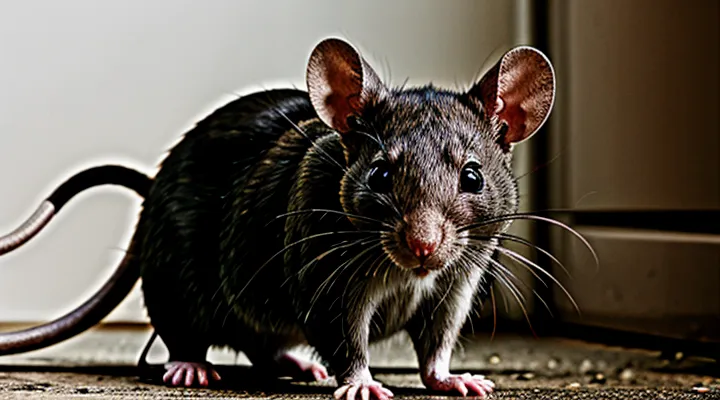
Understanding Murophobia
What is Murophobia?
Defining the Fear
Rodent-specific phobia, clinically termed murophobia, denotes an intense, persistent dread of rats and mice that interferes with normal functioning. The condition manifests as an irrational, excessive anxiety response triggered by direct exposure, visual cues, or even imagined presence of these animals.
Typical symptoms include rapid heartbeat, sweating, trembling, shortness of breath, and an overwhelming urge to escape the perceived threat. Cognitive effects often involve intrusive thoughts of infestation, exaggerated danger appraisal, and difficulty concentrating on unrelated tasks.
Diagnostic criteria align with established anxiety disorder frameworks:
- Persistent fear lasting at least six months
- Recognition that the fear is disproportionate to the actual risk
- Avoidance behavior that limits daily activities or social interactions
- Significant distress or impairment in occupational, academic, or personal domains
Epidemiological data suggest that murophobia affects a minority of the population, with higher prevalence reported among individuals with a history of traumatic encounters involving rodents or those predisposed to other specific phobias. Genetic predisposition and learned behaviors both contribute to the development of the disorder.
Effective interventions comprise exposure-based therapy, cognitive restructuring, and, when appropriate, pharmacological support to mitigate physiological arousal during treatment.
Distinguishing from General Dislike
Murophobia, the intense fear of rats and mice, differs fundamentally from a simple aversion to these animals. A general dislike may involve mild discomfort or a preference to avoid rodents when encountered, but it does not trigger the physiological and psychological reactions characteristic of a phobic response.
Key distinguishing features include:
- Immediate panic or terror upon sight, sound, or even the thought of rodents.
- Physical symptoms such as rapid heartbeat, sweating, trembling, or shortness of breath.
- Persistent avoidance that interferes with everyday activities, such as refusing to enter basements, kitchens, or public spaces where rodents might be present.
- Irrational appraisal of risk; the fear persists despite evidence that the animal poses no real danger.
In contrast, a casual dislike typically results in a brief, manageable reaction, lacks severe somatic symptoms, and does not alter routine behavior. Individuals with a genuine phobia may experience distress even when rodents are only implied, whereas those who merely dislike rodents react only to direct, tangible contact.
Understanding these differences is essential for accurate diagnosis, targeted therapy, and distinguishing pathological fear from ordinary repulsion.
Symptoms and Manifestations
Psychological Symptoms
The phobia of rats and mice is classified as a specific anxiety disorder. Its psychological profile includes intense fear triggered by real or imagined encounters with rodents, often extending to related cues such as pictures, sounds, or smells.
- Persistent dread when thinking about rodents
- Intrusive thoughts about infestation or disease
- Heightened vigilance for signs of rodent presence
- Rapid onset of panic when a rodent is sighted
- Feeling of loss of control over emotional responses
These symptoms interfere with concentration, memory recall, and decision‑making. Individuals may experience distorted risk assessments, exaggerating danger associated with rodents and underestimating personal coping ability. The fear frequently leads to avoidance of environments where rodents might appear, such as basements, kitchens, or public transport, reinforcing isolation and limiting daily activities. Comorbid conditions often include generalized anxiety, depressive episodes, and occasional obsessive‑compulsive features focused on cleanliness or contamination.
Physical Symptoms
Physical reactions to rodent phobia manifest consistently across individuals, reflecting the body’s autonomic response to perceived threat. Exposure to rats or mice triggers rapid heart rate, elevated blood pressure, and sweating, indicating sympathetic nervous system activation. Respiratory patterns shift to shallow, quick breaths, often accompanied by a sensation of throat tightness or choking. Muscle tension concentrates in the neck, shoulders, and jaw, producing stiffness or tremors that may extend to the limbs.
Typical somatic indicators include:
- Palpitations or irregular heartbeat
- Cold, clammy skin or sudden chills
- Nausea, abdominal discomfort, or urge to vomit
- Dizziness, light‑headedness, or faintness
- Visual disturbances such as blurred vision or tunnel perception
- Hyperventilation leading to tingling in extremities
These symptoms arise without voluntary control, persisting until the individual perceives safety or the triggering stimulus is removed. Continuous exposure may reinforce the physiological pattern, increasing baseline anxiety levels and susceptibility to panic episodes.
Behavioral Symptoms
Rodent phobia manifests through observable actions that reveal intense distress when rats or mice are present or anticipated. Individuals may display avoidance of locations where rodents are likely, such as basements, alleys, or certain food storage areas. Physical reactions can include rapid heartbeat, sweating, trembling, and shortness of breath triggered by visual or auditory cues associated with these animals.
- Immediate departure from environments containing rodents or signs of infestation.
- Refusal to enter rooms with holes, cracks, or clutter that could conceal vermin.
- Repeated checking of doors, windows, and walls for possible entry points.
- Excessive cleaning or disinfection routines aimed at eliminating perceived contamination.
- Seeking reassurance from others about the absence of rodents, often accompanied by persistent questioning.
These behaviors interfere with normal routines, limiting access to public spaces, workplaces, and residential areas. Persistent avoidance may lead to isolation, reduced occupational performance, and heightened overall anxiety. Recognizing these patterns enables targeted assessment and intervention.
Causes and Risk Factors
Psychological Origins
Traumatic Experiences
Traumatic encounters with rodents often serve as the catalyst for a persistent aversion toward these animals. Direct exposure to aggressive or disease‑carrying rats and mice during childhood can embed vivid memories that later trigger intense anxiety. Common scenarios include:
- Being bitten or scratched by a rodent in a residential setting.
- Witnessing a swarm of mice invade a kitchen or storage area.
- Observing a rat carcass in a public space, accompanied by strong odors.
These episodes generate a conditioned response that persists into adulthood. Neurobiologically, the amygdala encodes the fear memory, while the hypothalamic‑pituitary‑adrenal axis releases cortisol and adrenaline during subsequent encounters. The resulting physiological pattern—elevated heart rate, rapid breathing, and muscle tension—mirrors the body’s reaction to immediate threats.
Long‑term effects may encompass avoidance of environments where rodents are likely, such as basements, attics, or certain workplaces. Social ramifications include embarrassment, reduced willingness to travel, and interference with daily routines. In severe cases, the fear can evolve into a specific phobia, limiting occupational choices and diminishing quality of life.
Effective interventions typically combine exposure therapy with cognitive restructuring. Gradual, controlled contact with rodents reduces the conditioned fear response, while rational analysis of the perceived danger diminishes catastrophic thinking. Pharmacological support, such as selective serotonin reuptake inhibitors, may alleviate acute anxiety during the desensitization process.
Understanding the origin and progression of these traumatic experiences enables clinicians to tailor treatment plans, mitigate avoidance behavior, and restore functional stability for individuals afflicted by a pronounced fear of rodents.
Learned Behaviors
Rodent phobia often develops through associative learning, where neutral experiences become paired with anxiety‑provoking stimuli. Early encounters with aggressive or disease‑carrying rats can condition a lasting aversion, especially when a caregiver reacts with panic. Observational learning further reinforces the fear: children who witness adults display distress around rodents frequently adopt the same emotional response without direct exposure.
Classical conditioning underlies many cases. A harmless mouse presented alongside a startling noise or a painful bite creates a link between the animal’s presence and an unpleasant outcome. Over repeated pairings, the mere sight of a rodent triggers physiological arousal—elevated heart rate, sweating, and avoidance behavior—independent of actual threat.
Operant conditioning shapes how individuals manage the fear. Escape or avoidance actions that reduce anxiety are positively reinforced, strengthening the pattern. For instance, leaving a room when a rat scurries across the floor provides immediate relief, increasing the likelihood of future avoidance.
Social transmission contributes significantly:
- Parents express alarm when rodents appear, modeling fear responses.
- Media reports emphasize disease risks, amplifying perceived danger.
- Peer groups share anecdotes of unpleasant rodent encounters, reinforcing negative expectations.
Cognitive factors interact with learned associations. Memories of past incidents are retrieved automatically, biasing interpretation of new rodent sightings as threatening. This expectancy bias accelerates the fear response, even when the animal poses no real harm.
Intervention strategies target these learned components. Systematic desensitization pairs gradual exposure to rodents with relaxation techniques, weakening the conditioned link. Modeling by a calm observer demonstrates safe interaction, counteracting observational learning. Reinforcement of approach behaviors—such as rewarding proximity to a contained mouse—reverses avoidance patterns.
Understanding that rodent-related anxiety primarily stems from learned processes guides effective treatment and informs public education aimed at reducing unnecessary fear.
Media Influence
Rodent phobia, a specific anxiety disorder triggered by the presence or anticipation of rats and mice, frequently appears in public discourse through visual and narrative media. Studies show that exposure to sensationalized depictions correlates with heightened prevalence rates, especially among children and urban residents.
Media outlets shape perceptions through several channels:
- News stories that emphasize disease transmission and property damage.
- Film and television scenes that portray rodents as malevolent or monstrous.
- Online memes that exaggerate squeamish reactions and humorize avoidance.
- Social‑media videos that showcase aggressive encounters or infestations.
These representations operate by amplifying threat cues, employing close‑up imagery, and repeating fear‑inducing language. The resulting cognitive bias magnifies perceived risk, even when statistical data indicate low actual danger. Psychological research links such bias to increased physiological arousal and avoidance behavior.
Consequences extend beyond individual discomfort. Public pressure driven by media narratives can influence municipal pest‑control policies, allocate disproportionate funding to eradication programs, and stigmatize communities associated with rodent presence. Moreover, exaggerated fear may discourage scientific engagement with rodent research, limiting educational opportunities.
Mitigation strategies focus on media literacy and balanced reporting. Guidelines recommend:
- Presenting epidemiological data alongside anecdotal accounts.
- Using neutral terminology rather than emotive descriptors.
- Providing context about rodent ecology and the rarity of severe health threats.
- Encouraging creators to depict rodents in realistic, non‑threatening roles when appropriate.
Implementing these measures reduces distortion, fosters informed attitudes, and lowers unnecessary anxiety related to rodent encounters.
Biological and Genetic Predisposition
Evolutionary Roots
The aversion to rats and mice traces back to selective pressures that favored individuals who avoided small mammals capable of transmitting pathogens and contaminating food supplies. Early mammals and primates encountered rodents as reservoirs for plague, salmonella, and hantavirus, making avoidance a survival advantage.
Neurobiological evidence shows that the amygdala responds more intensely to rodent cues than to many other animals, reflecting an ancient threat detection system. This heightened response persists across species, indicating a conserved evolutionary mechanism.
Key evolutionary drivers include:
- Disease transmission risk, especially from ectoparasites and fecal contamination.
- Competition for stored grain and other resources, leading to food scarcity for early foragers.
- Predatory behavior of rodents, which can damage nests and offspring.
Comparative studies of primate groups reveal that populations with higher exposure to rodent-borne illnesses exhibit stronger fear responses, supporting the hypothesis that chronic pathogen pressure reinforced the phobic reaction over generations.
Family History
Murophobia, the intense aversion to rats and mice, often appears in families with a documented history of the condition. Clinical interviews reveal that individuals whose parents or siblings report similar distress are more likely to develop the phobia during childhood or adolescence.
Genetic studies identify a heritable component. Twin research shows concordance rates of 45 % for monozygotic pairs versus 18 % for dizygotic pairs, indicating a moderate genetic influence. Genome‑wide association analyses have highlighted loci related to anxiety regulation, such as variations in the BDNF and COMT genes, which correlate with heightened rodent sensitivity.
Observational data support intergenerational transmission through learned behavior. Children repeatedly exposed to parental fear responses—avoidance, verbal warnings, or physiological displays of anxiety—tend to adopt comparable reactions. Longitudinal surveys report that 62 % of participants who observed parental avoidance of rodents later reported similar avoidance patterns.
Practical implications for assessment and treatment include:
- Inquire about relatives’ experiences with rodent fear during initial evaluation.
- Incorporate family‑based exposure protocols when a hereditary pattern is identified.
- Consider pharmacogenetic testing for anxiety‑related genes to tailor medication.
Understanding familial patterns enables clinicians to predict risk, customize interventions, and reduce the likelihood of chronic impairment associated with the phobia.
Diagnosis and Assessment
Professional Evaluation
Clinical Interviews
Clinical interviews serve as the primary method for assessing individuals who experience intense dread of rats and mice. Interviewers collect personal history, symptom chronology, and functional impact, establishing a diagnostic foundation. The process begins with an open‑ended inquiry about the onset of fear, followed by targeted probes to clarify intensity, triggers, and avoidance behaviors.
Key elements of the interview include:
- Demographic and medical background, noting comorbid conditions.
- Detailed description of the phobic stimulus, frequency of exposure, and physiological responses.
- Assessment of avoidance patterns, including occupational, residential, and recreational limitations.
- Exploration of coping strategies, past interventions, and treatment outcomes.
- Evaluation of impairment in daily functioning, social relationships, and academic or work performance.
Standardized instruments often accompany the interview, such as the Structured Clinical Interview for DSM‑5 (SCID‑5) and the Fear Survey Schedule, providing quantifiable severity scores. Clinicians compare reported symptoms with diagnostic criteria for specific phobia, ruling out generalized anxiety disorder, obsessive‑compulsive disorder, or post‑traumatic stress disorder.
The interview concludes with a formulation that integrates risk factors, maintenance mechanisms, and patient preferences. This formulation guides the selection of evidence‑based therapies, including exposure‑based protocols, cognitive restructuring, and pharmacological adjuncts when indicated. Continuous re‑evaluation during treatment ensures alignment with therapeutic goals and monitors symptom progression.
Psychological Questionnaires
Psychological questionnaires provide standardized data for diagnosing and monitoring rodent‑related fear. They translate subjective distress into quantifiable scores, enabling comparison across individuals and treatment phases.
Common instruments include:
- Specific Phobia Inventory (SPI) – 20 items assess intensity of fear, avoidance, and physiological reactions to rodents; Likert‑scale responses yield a total severity index.
- Rodent Phobia Questionnaire (RPQ) – 15 statements focus on visual, auditory, and tactile triggers; factor analysis confirms distinct subscales for cognitive anxiety and behavioral avoidance.
- Fear Survey Schedule‑III (FSS‑III) – broad phobia checklist with a dedicated rodent section; scores indicate relative prominence among multiple fears.
- Behavioral Avoidance Test (BAT) questionnaire – self‑report of distance tolerated from live rats or mice during exposure sessions; integrates objective avoidance metrics with subjective distress ratings.
Validity studies report high internal consistency (Cronbach’s α > 0.85) for the SPI and RPQ, and strong convergent validity with physiological measures such as heart rate acceleration. Test‑retest reliability exceeds 0.80 over a two‑week interval, confirming stability of responses.
Administration guidelines recommend a quiet environment, clear instructions, and optional visual aids depicting rodents to standardize stimulus interpretation. Scoring protocols convert raw totals into severity categories (mild, moderate, severe), informing treatment planning and progress evaluation.
When combined with exposure‑based interventions, questionnaire data track symptom reduction, predict dropout risk, and support research on comorbid anxiety disorders. Their brevity and psychometric robustness make them essential tools for clinicians addressing phobic reactions to rats and mice.
Differential Diagnosis
Ruling Out Other Phobias
When evaluating a client who reports intense aversion to rats and mice, clinicians must systematically eliminate alternative anxiety disorders that can mimic rodent‑related fear. The process relies on symptom specificity, trigger identification, and diagnostic criteria.
First, confirm that the fear is limited to rodents. Ask whether the individual also reacts to other animals (e.g., cats, dogs, insects) or to unrelated stimuli such as crowded places. A positive response suggests a broader animal phobia or agoraphobia rather than a rodent‑specific condition.
Second, assess the nature of the response. Distinguish between a phobic reaction—immediate panic, avoidance, physiological arousal—and a learned disgust or cultural aversion that lacks the hallmark anxiety component. Phobic intensity is typically disproportionate to actual danger and persists despite rational knowledge of low risk.
Third, compare the presentation with criteria for related specific phobias:
- Musophobia (fear of mice) – focus exclusively on mice; may coexist with rat fear but requires separate identification.
- Cynophobia (fear of dogs) – triggers involve canines, not rodents.
- Arachnophobia (fear of spiders) – distinct stimulus set.
- Zoophobia (generalized animal fear) – broad avoidance of multiple species.
Fourth, rule out non‑phobic disorders. Symptoms such as pervasive worry, intrusive thoughts about contamination, or compulsive checking point toward obsessive‑compulsive disorder or health anxiety, not a targeted rodent phobia. Likewise, panic attacks occurring in varied contexts suggest panic disorder rather than a stimulus‑bound fear.
Finally, employ standardized instruments (e.g., the Structured Clinical Interview for DSM‑5, the Fear Survey Schedule) to document symptom frequency, severity, and functional impairment. Positive identification of rodent‑specific fear, coupled with exclusion of the conditions above, confirms the diagnosis of a rodent‑focused specific phobia.
Co-occurring Conditions
Rodent phobia frequently appears alongside other psychiatric diagnoses, complicating assessment and treatment. Recognizing these comorbidities is essential for accurate diagnosis and effective intervention.
Common co‑occurring conditions include:
- Generalized anxiety disorder, marked by pervasive worry beyond the specific fear of rodents.
- Panic disorder, with sudden episodes of intense dread that may be triggered by rodent‑related cues.
- Obsessive‑compulsive disorder, often involving contamination or infestation obsessions linked to rats or mice.
- Post‑traumatic stress disorder, when a traumatic encounter with rodents precipitates flashbacks and hyperarousal.
- Specific phobias of other animals or situations, reflecting a broader pattern of fear generalization.
- Major depressive disorder, characterized by persistent low mood and loss of interest, which may develop secondary to avoidance behaviors.
The presence of multiple disorders typically heightens functional impairment, increases resistance to standard exposure‑based therapies, and may require integrated treatment plans that address anxiety, mood, and compulsive symptoms simultaneously. Early identification of these overlapping conditions improves prognosis by allowing clinicians to tailor pharmacologic and psychotherapeutic strategies to the individual's full clinical profile.
Treatment and Management
Therapeutic Approaches
Cognitive Behavioral Therapy («CBT»)
Cognitive Behavioral Therapy (CBT) provides a structured approach for treating the intense aversion to rodents. The method combines education about anxiety mechanisms with active skill development, enabling patients to modify fear responses.
During the initial phase, therapists explain the physiological and psychological processes that sustain the phobia, clarifying how distorted thoughts amplify physiological arousal. This psychoeducational component equips clients with a factual framework, reducing uncertainty and fostering cooperation.
The core of CBT involves systematic cognitive restructuring. Clients identify automatic thoughts such as “Rats will bite me” and evaluate evidence against these beliefs. Challenging and replacing maladaptive cognitions with realistic appraisals diminishes the perceived threat.
Exposure exercises constitute the behavioral segment. Gradual, controlled contact with rodent-related stimuli—starting with pictures, advancing to videos, then to live animals in a safe environment—facilitates habituation. Each step follows a predetermined hierarchy, ensuring the individual experiences manageable anxiety levels while reinforcing coping strategies.
Complementary techniques reinforce progress:
- Relaxation training (deep breathing, progressive muscle relaxation) to lower physiological arousal during exposure.
- Mindfulness practice to increase present‑moment awareness and reduce catastrophic anticipation.
- Homework assignments that require repeated practice of cognitive and exposure tasks between sessions.
- Relapse‑prevention planning that outlines warning signs and self‑help tactics for future anxiety spikes.
Outcome monitoring relies on standardized rating scales administered before, during, and after treatment. Consistent reduction in scores confirms therapeutic effectiveness and guides any necessary adjustments. CBT’s evidence‑based protocol delivers measurable improvement for individuals confronting rodent‑related fear.
Exposure Therapy
Rodent phobia, characterized by intense fear and avoidance of rats and mice, can impair daily functioning and limit environments where rodents may appear. Exposure therapy addresses this anxiety by systematically confronting feared stimuli under controlled conditions, thereby reducing physiological and emotional responses.
The method relies on repeated, incremental contact with the target animal or related cues. Each exposure session activates the fear network, while the absence of catastrophic outcomes promotes extinction learning. Over time, the brain updates threat predictions, leading to diminished avoidance.
Typical implementation follows these steps:
- Conduct a comprehensive assessment to identify specific triggers, severity, and comorbid conditions.
- Develop a personalized exposure hierarchy ranging from low‑intensity stimuli (e.g., pictures of rodents) to high‑intensity scenarios (e.g., direct interaction in a safe enclosure).
- Schedule regular sessions, each lasting 45–90 minutes, during which the client engages with the selected stimulus for a predetermined duration.
- Record subjective anxiety ratings and physiological markers to monitor progress and adjust the hierarchy as needed.
- Gradually increase exposure difficulty until the client can tolerate previously intolerable situations without significant distress.
Empirical studies demonstrate that prolonged, systematic exposure yields substantial reductions in rodent‑related fear, often surpassing short‑term pharmacotherapy in durability. Successful outcomes require trained clinicians, client motivation, and adherence to the exposure schedule. Contraindications include uncontrolled psychosis, severe trauma unrelated to rodents, and lack of informed consent.
Relaxation Techniques
Fear of rodents triggers heightened autonomic activity, which intensifies anxiety and impairs rational response. Reducing physiological arousal restores the capacity to evaluate situations calmly and diminishes avoidance behavior.
- Deep diaphragmatic breathing: Inhale slowly through the nose for a count of four, retain for two seconds, exhale through the mouth for six seconds. Repeating this cycle for two minutes lowers heart rate and cortisol release.
- Progressive muscle relaxation: Systematically tense each muscle group for five seconds, then release. Begin with the feet and advance to the face. The contrast between tension and relaxation trains the nervous system to recognize and diminish stress signals.
- Guided imagery: Visualize a neutral or pleasant environment while maintaining steady breathing. The mental scene distracts from rodent-related cues and activates the parasympathetic branch.
- Mindful body scan: Direct attention sequentially to body parts, noting sensations without judgment. This practice anchors awareness in the present moment, preventing catastrophic thoughts about rodents from escalating.
- Autogenic training: Repeat self‑suggestions such as “my arms are warm and heavy” to induce a state of physical calmness. Repetition cultivates a conditioned relaxation response.
Integrating these methods into daily routines—morning, before exposure triggers, and before sleep—creates a consistent relaxation baseline. Regular practice strengthens the body’s ability to counteract the stress response associated with rodent phobia, facilitating more effective coping and gradual desensitization.
Medication
Medication for rodent‑related phobia targets the neurochemical pathways that underlie anxiety and panic responses. First‑line pharmacotherapy typically includes selective serotonin reuptake inhibitors (SSRIs) such as sertraline, fluoxetine, or escitalopram. These agents require gradual titration over several weeks to achieve therapeutic plasma concentrations, and maintenance doses range from 50 mg to 200 mg daily depending on the specific drug and patient tolerance. Common adverse effects—nausea, insomnia, sexual dysfunction—should be monitored, and abrupt discontinuation is avoided to prevent withdrawal symptoms.
When immediate symptom relief is necessary, short‑acting benzodiazepines (e.g., lorazepam 0.5–2 mg, clonazepam 0.25–0.5 mg) can be prescribed on an as‑needed basis. Their rapid onset mitigates acute panic attacks triggered by rodent exposure, but they carry risks of dependence, tolerance, and sedation; therefore, prescribing duration is limited to a few weeks.
Beta‑adrenergic antagonists, particularly propranolol 10–40 mg administered 30 minutes before anticipated exposure, attenuate peripheral adrenergic symptoms such as tachycardia and tremor. Propranolol does not address the cognitive component of the fear, making it most effective when combined with psychotherapy.
Adjunctive agents may include:
- Pregabalin 75–300 mg daily for adjunctive anxiety control.
- Buspirone 5–20 mg three times daily for patients intolerant of SSRIs or benzodiazepines.
- Antihistamines (hydroxyzine 25–100 mg) for situational anxiety when sedation is acceptable.
Prescribing decisions must consider comorbid conditions, drug interactions, and patient age. Baseline assessment of liver and renal function guides dose adjustments for SSRIs and propranolol. Regular follow‑up appointments evaluate therapeutic response, side‑effect profile, and the need for dosage modifications.
Combining medication with exposure‑based cognitive‑behavioral techniques yields higher remission rates than pharmacotherapy alone, reinforcing the importance of integrated treatment planning.
Self-Help Strategies
Education and Understanding
Rodent phobia, characterized by intense dread of rats and mice, often stems from misconceptions about disease transmission, unpredictable behavior, and cultural stereotypes. Accurate knowledge about rodent biology and ecology reduces irrational fear and supports rational responses.
Effective educational approaches include:
- Presentation of verified scientific data on rodent habitats, diet, and social structures.
- Demonstrations of common health risks versus actual statistical likelihood of disease.
- Interactive sessions with live, safely handled rodents to observe normal behavior.
- Distribution of concise fact sheets that contrast myths with evidence.
Understanding the psychological basis of the phobia involves recognizing that the fear response is triggered by perceived threat cues processed in the amygdala. Cognitive‑behavioral techniques, such as systematic desensitization and guided imagery, modify these neural pathways by replacing threat appraisal with factual interpretation.
Education yields measurable outcomes: lowered anxiety scores, increased willingness to coexist with rodents in urban settings, and adoption of humane pest‑management practices. Sustained informational campaigns therefore diminish the phobic response and promote informed, compassionate attitudes toward these mammals.
Support Groups
Support groups provide a structured environment where individuals confronting a fear of rats and mice can share experiences without judgment. Regular meetings create predictable opportunities for exposure discussion, coping‑strategy refinement, and peer accountability.
Key functions of these groups include:
- Facilitating verbalization of anxiety triggers, which reduces internalized stress.
- Offering collective knowledge of therapeutic techniques such as systematic desensitization and cognitive restructuring.
- Establishing a network of members who can serve as exposure partners, increasing real‑world practice opportunities.
- Supplying referrals to qualified clinicians when professional intervention becomes necessary.
Effective groups often adopt a clear framework: a moderator guides sessions, members rotate speaking turns, and progress is tracked through short self‑report questionnaires. Confidentiality agreements protect personal disclosures, encouraging honest participation.
Long‑term involvement correlates with measurable reductions in physiological arousal during rodent encounters. Participants report increased confidence in handling situations that previously elicited panic, demonstrating the tangible impact of peer‑supported treatment.
Mindfulness Practices
Mindfulness offers a systematic approach to reducing the intense anxiety that arises from a fear of rats and mice. By directing attention to present‑moment experience, the practice weakens automatic threat responses and creates space for rational assessment of the stimulus.
Key components of an effective mindfulness regimen for rodent‑related phobia include:
- Focused breathing – slow, diaphragmatic inhalations followed by controlled exhalations; count each breath to maintain concentration.
- Body scan – sequentially notice sensations from head to toe, identifying tension that often accompanies dread and releasing it consciously.
- Sensory grounding – name three visible objects, two tactile sensations, and one audible cue, thereby anchoring awareness away from imagined rodent threats.
- Non‑judgmental observation – acknowledge intrusive thoughts about rodents without labeling them as “good” or “bad,” allowing the mind to let them pass.
Regular implementation of these techniques reshapes neural pathways associated with fear conditioning. Studies show that consistent practice lowers cortisol levels and diminishes amygdala activation when participants encounter rodent imagery. Integration into daily routines—such as a five‑minute breath check before entering basements or storage areas—reinforces adaptive coping.
For individuals with severe phobic reactions, combine mindfulness with gradual exposure. Begin with imagined scenarios, progress to photographs, and only then approach real environments, maintaining mindful awareness throughout each stage. This structured progression accelerates desensitization while preserving emotional equilibrium.
Living with Murophobia
Impact on Daily Life
Social Implications
Murophobia, the intense aversion to rats and mice, shapes community dynamics through several mechanisms.
The fear influences public‑health strategies. Authorities allocate additional resources to rodent‑control programs, prioritize inspections in schools and hospitals, and adjust waste‑management schedules to mitigate perceived threats. These measures increase municipal expenditures and affect budget distribution across other services.
Urban planning responds to the phobia by altering building designs and neighborhood layouts. Developers incorporate sealed foundations, elevated utilities, and pest‑deterrent landscaping to reassure residents. Rental markets in areas with documented rodent activity experience reduced demand, prompting higher vacancy rates and lower property values.
Social interactions reflect the stigma attached to rodent exposure. Individuals reporting sightings may experience embarrassment, leading to underreporting of infestations. Media coverage often sensationalizes incidents, reinforcing negative stereotypes and influencing public opinion toward stricter pest regulations.
Key social implications include:
- Elevated municipal spending on pest control and sanitation.
- Modification of residential construction standards to include rodent‑proofing features.
- Depressed real‑estate values in neighborhoods with frequent rodent reports.
- Reduced willingness to disclose infestations, affecting data accuracy for health agencies.
- Amplified media narratives that drive public demand for aggressive eradication policies.
Occupational Challenges
Professionals who experience a pronounced fear of rodents encounter specific difficulties that affect job performance and workplace safety. The anxiety triggered by sightings or the anticipation of encounters can impair concentration, slow decision‑making, and increase the likelihood of errors in environments where rodents are common.
In occupations such as pest control, laboratory research, food processing, veterinary care, waste management, and construction, exposure to rats or mice is routine. Workers with rodent phobia may require modified duties, additional protective measures, or reassignment to reduce direct contact. Employers must evaluate risk, provide appropriate accommodations, and document adjustments to comply with occupational health regulations.
Common occupational challenges include:
- Heightened stress response that interferes with routine tasks.
- Reluctance to enter areas known for rodent activity, leading to workflow delays.
- Increased absenteeism due to avoidance of assigned duties.
- Need for specialized training on coping strategies and safe handling protocols.
- Potential liability for accidents caused by impaired focus or panic reactions.
- Requirement for ergonomic or environmental modifications, such as sealed workstations and visual barriers.
Effective management involves early identification of the phobia, collaboration with occupational health specialists, and implementation of evidence‑based interventions such as exposure therapy, cognitive‑behavioral techniques, and, when necessary, reassignment to low‑risk roles. Documentation of accommodations and ongoing monitoring ensure compliance with labor standards and protect both employee well‑being and organizational productivity.
Home Environment
A rodent phobia often manifests within the domestic setting, where sightings or the mere possibility of infestation trigger intense anxiety. The home’s structural integrity, sanitation habits, and storage practices directly influence exposure risk. Cracks in foundations, gaps around utility lines, and unsealed doors provide entry points; cluttered areas conceal food and nesting material, reinforcing the fear response.
Practical measures reduce both actual rodent presence and associated distress:
- Seal openings larger than ¼ inch with steel wool, caulk, or metal mesh.
- Install door sweeps and weather stripping on all exterior doors.
- Maintain a clean kitchen: store food in airtight containers, promptly clean spills, and dispose of waste in sealed bins.
- Keep storage spaces organized; eliminate piles of newspapers, cardboard, or fabric that could serve as shelter.
- Position traps or humane catch‑and‑release devices in identified activity zones, monitoring them regularly.
- Schedule periodic professional inspections to identify hidden infestations before they expand.
Consistent application of these controls diminishes the likelihood of rodent encounters, thereby mitigating the physiological and psychological impact of the phobia within the household.
Coping Mechanisms
Building Resilience
Murophobia, an intense aversion to rodents, often triggers physiological arousal, avoidance behavior, and intrusive thoughts. Persistent exposure to triggers can erode confidence and limit daily activities, making psychological resilience a critical target for intervention.
Resilience refers to the capacity to recover from stress, adapt to adversity, and maintain functional stability. For individuals confronting rodent‑related anxiety, strengthening this capacity reduces symptom severity and supports long‑term coping.
- Gradual exposure: start with low‑intensity stimuli (e.g., pictures of rodents), progress to real‑time observation, and culminate in controlled interaction.
- Cognitive restructuring: identify distorted beliefs about rodents, replace them with evidence‑based assessments, and rehearse alternative interpretations.
- Stress inoculation training: practice relaxation techniques, such as diaphragmatic breathing or progressive muscle relaxation, during simulated encounters to diminish physiological reactivity.
- Self‑efficacy enhancement: set incremental goals, record successful confrontations, and review achievements to reinforce perceived control.
- Social support utilization: enlist trusted friends or professionals to provide encouragement, feedback, and shared coping strategies.
Implementing these practices cultivates adaptive responses, lowers avoidance, and enables individuals to navigate environments where rodents may be present without compromising well‑being.
Seeking Support
Facing a persistent fear of rodents often requires external assistance. Professional treatment options include cognitive‑behavioral therapy, which systematically reduces anxiety through exposure exercises, and medication prescribed by a psychiatrist to manage acute symptoms. Both approaches benefit from regular appointments and a clear treatment plan.
Support networks provide additional stability. Individuals can:
- Join local or online groups dedicated to rodent phobia, where members share coping techniques and personal progress.
- Consult a certified therapist experienced in specific phobias, ensuring expertise in exposure protocols.
- Access educational materials such as reputable websites, podcasts, and books that explain the physiological basis of the fear and outline practical steps for reduction.
Family and friends play a practical role by respecting avoidance boundaries while encouraging gradual exposure. They can assist by:
- Offering a safe environment for controlled encounters.
- Helping schedule and attend therapy sessions.
- Monitoring stress levels and reporting changes to the treatment team.
When seeking help, verify credentials, confirm that services are evidence‑based, and maintain consistent communication with all support providers. This structured approach maximizes the likelihood of overcoming the fear of rats and mice.