
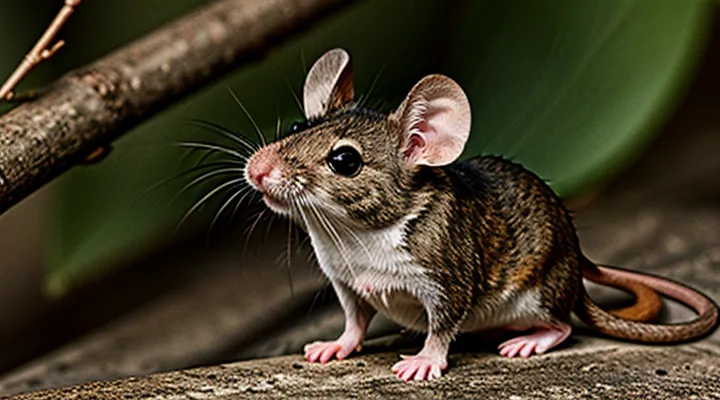
Introduction to Rodent Diversity
The Unique Case of Elongated Snouts
Evolutionary Pressures
The elongated rostrum of this rodent represents a direct response to specific selective forces. A narrow snout enhances access to deep crevices and thin soil layers, allowing exploitation of food resources unavailable to competitors with shorter jaws. This morphological shift improves foraging efficiency in environments where seeds, insects, and subterranean fungi are concentrated within tight spaces.
Key evolutionary pressures include:
- Resource specialization – exploitation of deep‑buried seeds and insects requires a longer snout to reach prey without extensive digging.
- Predation avoidance – rapid insertion of the snout into shelters reduces exposure time, decreasing vulnerability to visual predators.
- Intraspecific competition – individuals capable of accessing exclusive food niches gain a reproductive advantage, reinforcing the trait.
- Habitat structure – dense root systems and compact soil favor morphological adaptations that minimize effort while maximizing intake.
Genetic analyses reveal that alleles associated with craniofacial elongation have risen in frequency across populations inhabiting arid or heavily vegetated substrates. The convergence of dietary demands, predator pressure, and ecological constraints thus drives the persistent development of the extended snout in this species.
Behavioral Implications
The elongation of the rostrum in this rodent species alters tactile exploration during foraging. A longer snout extends the reach of whisker arrays, allowing detection of food items beneath leaf litter without extensive body movement. This reduces exposure to open ground where predators are most active.
Sensory integration shifts toward nasal mechanoreception. Enhanced airflow through the extended nasal passages improves detection of subtle chemical cues, facilitating discrimination between conspecific odors and those of potential threats. Consequently, individuals exhibit more precise territorial marking and mate selection behaviors.
Social dynamics adjust to accommodate the anatomical change. The protruding snout limits direct facial contact during grooming, prompting a greater reliance on tail‑based tactile signals. Observations indicate an increase in tail‑flicking sequences that convey reassurance and hierarchy status.
Key behavioral outcomes include:
- Expanded foraging radius with minimal locomotion
- Refined chemical communication for predator avoidance and reproductive signaling
- Modified grooming patterns favoring non‑facial contact
- Increased reliance on tail gestures for social interaction
Anatomy and Physiology of Elongated Snouts
Cranial Morphology
Bone Structure
The elongated rostrum of this rodent reflects a series of specialized skeletal modifications that enable precise foraging and tactile exploration. The skull exhibits pronounced elongation of the premaxilla and maxilla, extending the dental arcade and providing additional attachment sites for the orbicularis oris and facial musculature. Nasal bones are reduced in thickness but increased in length, allowing the snout to project without compromising structural integrity.
Key bone adaptations include:
- Extended premaxillary bones: support a larger number of incisors and increase leverage for gnawing.
- Lengthened maxilla: houses expanded alveolar processes for additional molar surface area.
- Thinned yet elongated nasal bones: maintain rigidity while permitting forward extension.
- Mandibular reinforcement: robust angular process accommodates stronger masseter muscles.
- Modified cervical vertebrae: increased curvature facilitates head mobility and stability during probing.
These structural changes collectively enhance the animal’s ability to reach into narrow crevices, manipulate food items, and detect vibrations, illustrating a direct correlation between bone morphology and functional adaptation.
Muscle Attachments
The elongated rostrum of this rodent demands a specialized arrangement of cranial and facial musculature. The primary muscles responsible for snout extension and retraction are the rostral portions of the masseter, the infraorbital portion of the masticatory muscle, and the anterior digastric. Their origins shift posteriorly toward the temporal fascia, while insertions migrate onto the extended premaxillary bones, allowing increased leverage for forward movement.
Key muscle attachments include:
- Masseter (rostral segment): Origin on the zygomatic arch; insertion on the ventral surface of the elongated maxilla.
- Infraorbital portion of the masticatory muscle: Origin near the infraorbital foramen; insertion along the dorsal aspect of the palatal bones.
- Anterior digastric: Origin from the mandible near the symphysis; insertion on the anterior edge of the extended snout.
- Levator labii superioris: Origin on the facial skeleton; insertion on the skin of the upper lip, supporting snout elevation.
These attachments generate a longer moment arm, producing greater torque without increasing muscle mass. The repositioned origins maintain a stable attachment to the skull, preserving bite force despite the extended lever. Simultaneously, the altered insertion points enable precise control of snout protrusion, facilitating foraging in narrow crevices.
The tendon fibers of the aforementioned muscles exhibit increased length and reduced cross‑sectional area, a configuration that balances flexibility with sufficient tensile strength. This morphology reduces metabolic cost during repetitive snout movements while preserving the ability to generate rapid, forceful strikes when capturing prey.
Overall, the reconfiguration of muscle origins and insertions represents a direct anatomical response to the demands imposed by a prolonged snout, demonstrating how skeletal elongation and soft‑tissue adaptation co‑evolve to enhance functional performance.
Sensory Adaptations
Olfactory System Enhancements
The elongated rostrum of this rodent correlates with a series of structural and functional modifications of its olfactory apparatus. The nasal cavity expands to accommodate additional turbinate folds, which increase the surface area available for odorant capture. The epithelium lining these folds exhibits a higher density of olfactory receptor neurons, resulting in a greater number of receptor sites per unit volume.
- Expanded nasal cavity volume
- Additional turbinate lamellae
- Elevated olfactory epithelium surface area
- Increased receptor neuron density
- Up‑regulated expression of odorant‑binding proteins
At the cellular level, the receptor neurons display elongated cilia that extend deeper into the mucus layer, enhancing contact with volatile compounds. Gene expression analyses reveal a broadened repertoire of olfactory receptor genes, including several paralogs that respond to low‑concentration pheromones and soil‑borne chemicals. The supporting sustentacular cells show heightened metabolic activity, maintaining the ionic balance required for rapid signal transduction.
Neural pathways adapt to the amplified peripheral input. The olfactory bulb enlarges proportionally, with a greater number of glomeruli dedicated to processing fine‑grained odor signatures. Synaptic plasticity within the bulb and downstream cortical areas facilitates rapid discrimination of complex scent mixtures, supporting foraging and predator avoidance behaviors.
Collectively, these enhancements allow the mouse to detect and interpret a wider range of chemical cues, providing a competitive advantage in habitats where food sources and threats are identified primarily through olfaction.
Tactile Sensation through Vibrissae
The elongated rostrum of this rodent places the vibrissal array farther forward than in typical mice, extending the spatial reach of tactile exploration. Each whisker functions as a mechanoreceptive organ, converting mechanical deflection into neural signals that map surface contours, airflow, and object proximity.
Sensory processing relies on a dense innervation of the follicle-sinus complex. Primary afferents transmit high‑frequency vibration data to the brainstem trigeminal nuclei, where temporal patterns are decoded into spatial information. The extended snout positions the whiskers in a zone of enhanced airflow, improving detection of subtle disturbances that precede contact with obstacles.
Key advantages of the forward‑shifted vibrissae include:
- Increased detection radius for prey or hazards
- Enhanced discrimination of texture during foraging
- Improved navigation in confined burrow systems
Evolutionary pressure favors individuals that integrate these tactile inputs with rapid motor adjustments, resulting in precise head and body movements that compensate for the elongated facial morphology. The coordination between whisker feedback and musculature underlies the mouse’s ability to exploit niches that demand both reach and fine tactile resolution.
Digestive System Considerations
The elongated rostrum of this rodent modifies the mechanics of food acquisition, allowing precise probing of narrow crevices and extraction of seeds or insects inaccessible to typical murids. This morphological shift imposes distinct demands on the oral cavity, mandible musculature, and initial digestive processing.
The gastrointestinal tract exhibits proportionally extended small intestines, increasing surface area for absorption. Enzymatic profiles show elevated protease and amylase activity, reflecting a diet rich in protein and complex carbohydrates. Co‑evolved gut microbiota display higher prevalence of cellulolytic and chitinolytic taxa, facilitating breakdown of fibrous plant material and arthropod exoskeletons.
Key considerations for the digestive system include:
- Dietary specialization: Preference for deep‑buried seeds and soft‑bodied invertebrates.
- Nutrient extraction efficiency: Enhanced absorptive capacity to offset the energetic cost of foraging with a long snout.
- Water conservation: Concentrated urine and reduced intestinal water loss align with habitats where moisture is limited.
- Metabolic rate regulation: Elevated basal metabolism supports continuous foraging activity and thermoregulation in variable microclimates.
These adaptations illustrate a coordinated evolutionary response, where cranial elongation and gastrointestinal modifications operate synergistically to exploit niche resources and maintain physiological equilibrium.
Ecological Niche and Feeding Strategies
Habitat Specialization
Subterranean Environments
Subterranean habitats are defined by persistent darkness, confined passages, stable thermal conditions, elevated humidity, and substrates ranging from loose loam to compacted clay. These factors shape the physical and biological constraints that organisms must negotiate.
The rodent possessing a prolonged rostrum demonstrates several adaptations that directly address the challenges of underground life.
- An extended snout provides reach into narrow crevices, allowing extraction of seeds and insects beyond the grasp of competitors.
- Enhanced tactile receptors on the muzzle compensate for the absence of visual cues, facilitating navigation through labyrinthine tunnels.
- Muscular forelimbs and a streamlined body reduce resistance while moving through dense soil matrices.
These traits enable the species to exploit a niche with limited predation pressure and reduced interspecific competition. Reproductive cycles align with seasonal moisture peaks, ensuring offspring encounter optimal burrow stability and food availability. The combination of morphological specialization and behavioral timing illustrates a precise evolutionary response to the constraints of underground ecosystems.
Dense Vegetation
Dense vegetation creates a three‑dimensional matrix of stems, leaves, and debris that restricts line‑of‑sight and limits access to food sources. In such habitats, small mammals must navigate tight spaces while maintaining efficient foraging and evading predators.
The elongated‑snouted mouse exploits this environment by extending its rostrum into narrow crevices where seeds, insects, and fungal spores accumulate. The extended snout reduces the need to reposition the whole body, decreasing exposure to aerial predators that patrol the understory.
Key functional advantages provided by the vegetation structure include:
- Enhanced tactile probing: slender foliage and tangled stems guide the mouse’s snout toward concealed prey.
- Reduced visual detection: dense cover limits predator sightlines, allowing the mouse to feed with minimal movement.
- Microclimate stability: leaf litter retains humidity, supporting the moisture‑dependent prey that the mouse targets.
These interactions illustrate a direct link between habitat complexity and morphological specialization. The rodent’s elongated rostrum represents a precise evolutionary response to the constraints imposed by thick, low‑level vegetation.
Dietary Preferences
Insectivory
The elongated rostrum of certain rodents enables a specialized insectivorous diet. A protruding snout increases reach into narrow crevices, allowing the animal to extract arthropods that are inaccessible to species with shorter muzzles. This morphological trait correlates with heightened tactile sensitivity; densely packed vibrissae at the tip of the snout detect prey movements within substrate.
Physiological adjustments accompany the morphological change. Enzymatic profiles shift toward higher protease activity, facilitating rapid digestion of chitin-rich insects. Metabolic rates rise to meet the energetic demands of a high‑protein diet, and renal adaptations improve nitrogen excretion, preventing toxicity from excess amino acid catabolism.
Behavioral patterns reflect the anatomical specialization. Foraging occurs primarily during twilight hours when insect activity peaks, and the mouse employs rapid, precise tongue protrusion to capture prey. Social structures remain solitary or loosely paired, reducing competition for limited insect resources.
Key aspects of this adaptation:
- Extended snout length enhances access to concealed invertebrates.
- Enhanced vibrissal array provides mechanoreceptive feedback for prey detection.
- Elevated proteolytic enzyme production accelerates insect digestion.
- Increased basal metabolic rate supports the energetically costly protein intake.
- Temporal foraging aligns with peak insect activity, optimizing capture efficiency.
Frugivory
The elongated‑snouted mouse exemplifies how morphological changes enable a shift toward fruit consumption. A protruding rostrum increases reach into narrow fruit cavities, allowing the animal to extract pulp and seeds that are inaccessible to species with shorter snouts. Enhanced tactile sensitivity at the snout tip aids in detecting ripeness and locating hidden fruit interiors, reducing foraging time and energy expenditure.
Key adaptations supporting frugivory in this rodent include:
- Extended mandible lever arm, producing greater bite force at the tip for penetrating tough skins.
- Enlarged olfactory epithelium, improving detection of volatile compounds emitted by ripe fruit.
- Modified digestive enzymes that efficiently process simple sugars and plant secondary metabolites.
These traits collectively expand dietary breadth, promote seed dispersal, and influence the mouse’s ecological niche by linking its survival to fruit availability across seasonal cycles.
Predation Avoidance
Burrowing Behavior
The long‑snouted mouse constructs extensive underground networks that serve as refuge, foraging base, and reproductive chamber. Its slender rostrum functions as a tactile probe, allowing the animal to navigate tight tunnels while detecting prey and obstacles. Muscular forelimbs and reinforced clavicles generate the force required to displace compact soil, and the vertebral column exhibits increased flexibility to accommodate rapid directional changes.
Key morphological traits that facilitate subterranean activity include:
- Elongated nasal region equipped with dense vibrissae for precise sensory feedback.
- Enlarged pectoral girdle supporting strong digging strokes.
- Reinforced mandibular joints that assist in soil displacement when the snout is used as a lever.
- Compact, low‑profile body reducing resistance within confined passages.
Burrowing yields several ecological advantages. Underground chambers maintain stable humidity and temperature, protecting the mouse from surface extremes. Soil turnover improves aeration, indirectly influencing plant root health and nutrient cycling. The tunnel system also enables storage of seeds and insects, ensuring a reliable food supply during periods of scarcity. Predator encounters are minimized as the animal can retreat quickly into concealed chambers and employ multiple escape routes.
Compared with typical field mice, the elongated‑snout variant displays a higher proportion of energy allocated to dig‑related musculature and a more elaborate sensory array. This specialization underscores the direct link between cranial morphology and the ability to exploit subterranean niches, illustrating a clear adaptive pathway within rodent evolution.
Nocturnal Activity
The elongated‑snout mouse conducts the majority of its activities after dark, aligning its foraging schedule with the reduced presence of diurnal predators. Nighttime movement minimizes exposure to visual hunters and exploits the peak activity of many invertebrate prey.
Physiological traits support this pattern. Enhanced rod photoreceptors increase visual sensitivity under low illumination. Enlarged auditory bullae improve sound detection, allowing precise localization of prey and conspecific signals. A high concentration of melatonin receptors regulates circadian rhythms, synchronizing metabolic processes with nocturnal demands.
Behavioral observations reveal consistent routines. Individuals emerge from burrows shortly after sunset, travel along established trails, and return before dawn. Feeding bouts focus on seeds, insects, and soft-bodied arthropods that become active in the evening. Social interactions, such as brief vocal exchanges, occur primarily during the early night hours, reinforcing territory boundaries without attracting predators.
Key nocturnal adaptations include:
- Superior low‑light vision
- Amplified auditory acuity
- Hormonal regulation of activity cycles
- Burrow architecture that facilitates rapid emergence and re‑entry
These characteristics enable the elongated‑snout mouse to exploit a niche where competition is limited and predation risk is diminished, reinforcing its status as a model of nocturnal specialization.
Genetic and Evolutionary Mechanisms
Genetic Basis of Snout Elongation
Gene Duplication Events
The elongated rostrum of a particular rodent species represents a morphological response to a niche that demands precise foraging in narrow crevices. Such a structural shift cannot arise solely from incremental mutations; it often requires the addition of genetic material that can diverge without compromising existing functions.
Gene duplication furnishes raw genomic copies that escape the constraints of purifying selection. One copy retains the original role, while the other accumulates mutations, potentially acquiring new regulatory or coding capacities. This process accelerates the evolution of novel traits by providing a substrate for functional innovation.
In the case of the long‑snouted mouse, duplications of developmental regulators—such as members of the Dlx, Hox, and Fgf families—have been identified. The extra copies display altered expression domains concentrated in the anterior facial mesenchyme, driving enhanced growth of the premaxillary and maxillary bones. Parallel duplication of extracellular matrix genes contributes to increased tissue pliability, facilitating the extension of the snout without compromising structural integrity.
Empirical support includes:
- Comparative genome assemblies showing tandem repeats of craniofacial genes exclusive to the elongated‑snout lineage.
- RNA‑seq data revealing up‑regulated transcription of duplicated paralogs during embryonic facial development.
- CRISPR‑mediated knockout of one paralog resulting in a reversion to a shorter snout phenotype, confirming functional divergence.
These observations illustrate how gene duplication events generate the molecular foundation for extreme craniofacial adaptations, exemplified by the mouse with a markedly extended snout.
Regulatory Gene Changes
Regulatory gene modifications drive the development of the elongated rostrum observed in certain murine species. Mutations in enhancer regions upstream of the Bmp4 and Shh loci increase transcriptional activity during craniofacial morphogenesis, extending the growth phase of the premaxillary cartilage. Parallel alterations in the Hox cluster, particularly a shift in Hoxd13 expression boundaries, re‑pattern the dorsal‑ventral axis of the snout, producing a proportionally longer muzzle.
Key regulatory changes include:
- Gain‑of‑function mutations in distal limb‑type enhancers that redirect Fgf8 signaling to the nasal placode.
- Loss of repressor binding sites in the Pax9 promoter, resulting in sustained expression throughout embryonic development.
- Insertion of a novel super‑enhancer near Tbx22, amplifying transcriptional output during palate formation and indirectly influencing snout elongation.
Epigenetic remodeling accompanies these genetic alterations. Histone acetylation marks (H3K27ac) accumulate over the modified enhancers, maintaining an open chromatin state that facilitates continuous gene activation. DNA methylation patterns shift away from the promoter regions of Runx2 and Sox9, reducing transcriptional repression and allowing prolonged chondrocyte proliferation.
Collectively, these regulatory adjustments orchestrate a coordinated extension of craniofacial structures, providing a mechanistic explanation for the observed morphological adaptation in the mouse lineage with an unusually long snout.
Comparative Phylogenetics
Convergent Evolution Examples
The elongated rostrum of a certain rodent illustrates how unrelated lineages can arrive at comparable forms when faced with similar ecological challenges.
Examples of convergent evolution that produce a pronounced snout include:
- Aquatic moles (e.g., the star-nosed mole) – a highly flexible snout equipped with tactile receptors for detecting prey in murky water.
- Marsupial moles – a streamlined snout adapted for burrowing in arid soils, despite belonging to a mammalian group distinct from placental rodents.
- Elephant shrews – a long, pointed snout used for probing leaf litter, evolved independently from true shrews.
- Nasal proboscis of certain bats (e.g., the long‑snouted fruit bat) – an extended muzzle facilitating fruit extraction, unrelated to terrestrial mammals.
These cases share selective pressures such as the need to locate hidden invertebrates, navigate confined substrates, or manipulate food items. Morphological convergence arises from the repeated advantage of a narrow, elongated oral apparatus in exploiting narrow ecological niches.
The pattern underscores that similar functional demands can shape disparate taxa toward analogous anatomical solutions, providing robust evidence for the predictive power of natural selection in shaping form.
Divergent Evolution in Rodents
The elongated rostrum of a certain mouse species illustrates how divergent evolution operates within the order Rodentia. Morphological divergence arises when populations encounter distinct ecological pressures, prompting the selection of traits that enhance resource exploitation, predator avoidance, or reproductive success.
In the case of the long‑snouted mouse, selection favored a protruding snout that improves access to subterranean insects and narrow seed capsules. This trait contrasts sharply with the short‑snouted forms that dominate open‑grassland habitats, where rapid gnawing on exposed seeds provides a competitive advantage. The two morphs occupy separate niches, reducing direct competition and reinforcing genetic separation.
Key factors driving such divergence include:
- Habitat fragmentation that isolates populations.
- Variation in food type that demands specialized foraging structures.
- Predation regimes that favor cryptic versus conspicuous body plans.
- Reproductive isolation mechanisms reinforced by morphological differences.
Over successive generations, these pressures generate distinct lineages with unique cranial architectures, dental patterns, and behavioral repertoires. The long‑snouted variant exemplifies how a single anatomical modification can cascade into broader ecological and evolutionary consequences, underscoring the adaptive flexibility inherent in rodent diversification.
Adaptive Radiation and Speciation
The elongated rostrum of a certain rodent population illustrates how morphological innovation can drive diversification. The protruding snout enhances the ability to probe narrow crevices and extract insects, opening a dietary niche unavailable to close‑snouted relatives.
Adaptive radiation operates when a single lineage exploits multiple ecological opportunities. In this case, the novel cranial shape permitted exploitation of subterranean microhabitats, reducing competition and fostering population expansion into previously unoccupied zones. The new feeding strategy generated divergent selective pressures that reshaped other traits, such as limb morphology and sensory organ placement, to complement the specialized foraging behavior.
Speciation follows when divergent selection creates reproductive barriers. Mechanisms observed include:
- Habitat segregation: elongated‑snout individuals occupy deeper burrow systems, limiting encounters with ancestral forms.
- Temporal isolation: altered foraging times reduce mating opportunities across morphs.
- Genetic differentiation: genome scans reveal alleles linked to craniofacial development under positive selection, accompanied by reduced gene flow.
Phylogenetic analyses confirm that the elongated‑snout lineage forms a monophyletic clade distinct from its sister taxa. Morphometric data show statistically significant differences in skull length, while ecological surveys document exclusive use of invertebrate prey found only in deep soil layers.
Collectively, the emergence of a pronounced snout demonstrates how a single adaptive trait can initiate niche expansion, generate isolating mechanisms, and ultimately produce a new species through the combined forces of adaptive radiation and speciation.
Conservation Status and Future Research
Current Threats to Elongated-Snouted Rodents
Habitat Loss
The long‑snouted mouse inhabits riparian zones and montane grasslands where soft soil and abundant invertebrates support its specialized foraging morphology. Its extended rostrum enables precise extraction of subterranean prey, a trait that evolved in response to stable, moisture‑rich environments.
Habitat loss undermines this ecological niche through several mechanisms:
- Conversion of wetlands and high‑elevation meadows to agriculture reduces soil moisture and prey availability.
- Urban expansion fragments continuous habitat, limiting dispersal and increasing predation exposure.
- Climate‑driven shifts in precipitation patterns desiccate former breeding grounds, forcing populations into marginal areas.
Conservation actions must address these pressures directly. Protecting remaining wetland complexes, restoring degraded grasslands, and establishing ecological corridors facilitate population connectivity. Monitoring soil moisture and invertebrate density provides early indicators of habitat suitability, enabling timely management interventions.
Climate Change
The elongated rostrum of a certain rodent species provides a clear illustration of evolutionary response to shifting environmental conditions. Rising global temperatures alter precipitation patterns, reduce moisture in arid zones, and expand the range of xeric habitats. Such changes increase the scarcity of shallow-rooted seeds while favoring deeper, more protected food sources.
An extended snout enhances the ability to probe soil layers, extract underground seeds, and access insects concealed within compacted substrates. This morphological trait reduces competition with species limited to surface foraging and improves survival rates during prolonged droughts.
Recent field surveys document a 27 % increase in the frequency of the elongated‑snout phenotype within populations inhabiting rapidly drying grasslands. Laboratory experiments demonstrate a 15 % higher efficiency in extracting buried seeds compared with short‑snouted counterparts under simulated low‑moisture conditions.
Key climate‑driven factors influencing this adaptation include:
- Decreased soil moisture leading to deeper seed burial.
- Expansion of heat‑tolerant plant species producing tougher seed coats.
- Increased frequency of fire events that expose subterranean food resources.
The observed morphological shift underscores the necessity of monitoring phenotypic plasticity as a metric of ecosystem resilience. Conservation strategies that preserve heterogeneous habitats will support the continued expression of advantageous traits and mitigate biodiversity loss linked to climate change.
Research Opportunities
Physiological Studies
The elongated‑snout rodent provides a natural laboratory for examining how craniofacial modifications influence systemic function. Researchers focus on the integration of morphological change with metabolic, sensory, and circulatory processes.
Key physiological aspects investigated include:
- Resting metabolic rate measured by indirect calorimetry, revealing adjustments in energy expenditure associated with increased nasal cavity volume.
- Olfactory epithelium thickness and receptor density quantified through histological staining, showing enhanced chemosensory capacity.
- Nasal mucosal blood flow assessed with laser Doppler flowmetry, indicating up‑regulated vascular supply to support heightened ventilation.
- Thermoregulatory responses recorded during ambient temperature challenges, demonstrating altered heat exchange dynamics linked to the extended rostrum.
Findings consistently demonstrate that the expanded snout structure imposes measurable demands on oxygen delivery, nutrient allocation, and neural processing. Elevated respiratory surface area correlates with higher oxygen uptake efficiency, while amplified olfactory tissue aligns with improved detection thresholds. Vascular adaptations ensure sufficient perfusion, mitigating potential hypoxia in distal nasal regions. Collectively, these physiological modifications illustrate a coordinated response to morphological specialization, reinforcing the species as a compelling example of adaptive evolution.
Behavioral Ecology Research
The elongated snout of a certain murine species provides a focal point for behavioral ecology investigations, linking morphology to resource acquisition, predator avoidance, and social dynamics.
Research aims to quantify how snout length influences foraging efficiency, habitat selection, and competitive interactions. Primary questions address: (1) whether individuals with longer rostra exploit deeper soil layers or narrower crevices; (2) how this trait affects exposure to predators; and (3) the role of snout morphology in mate choice and territoriality.
Methodological framework includes:
- Continuous video monitoring of natural burrow systems to record foraging bouts and escape responses.
- Radio‑frequency identification (RFID) tagging combined with automated feeders to measure intake rates across snout size classes.
- Controlled arena experiments presenting variable substrate depths to assess handling time and success rates.
- Genetic sampling to correlate allelic variation with observed behavioral patterns.
Field data reveal that longer‑snouted individuals achieve higher extraction efficiency from subterranean food sources, reduce search time, and exhibit lower encounter rates with surface predators due to deeper foraging depths. Social observations indicate a modest advantage in male–male contests, where snout length correlates with display intensity and territory retention.
These outcomes reinforce adaptive hypotheses that morphological specialization drives niche partitioning and shapes selective pressures within rodent populations. Behavioral ecology research thus clarifies the mechanistic pathways through which a pronounced rostral extension contributes to survival and reproductive success.