
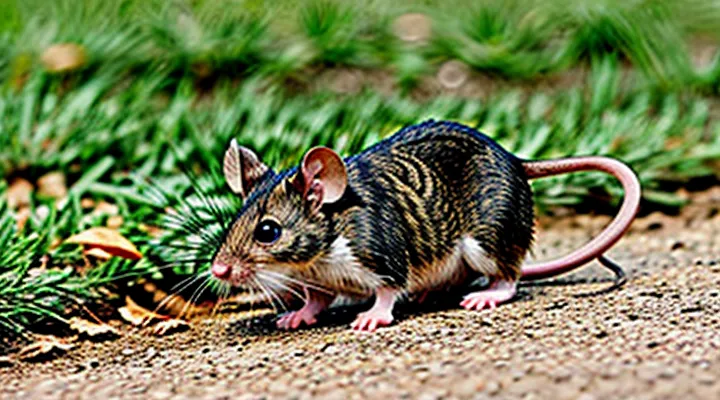
Wild Mouse
Characteristics and Behavior
Habitat and Diet
Mice occupy a wide range of environments. In natural settings they thrive in fields, forests, grasslands, and human‑associated structures such as barns and storage facilities. They construct nests from shredded vegetation, paper, or insulation, typically near sources of food and shelter. Domestic mice kept as companions reside in cages that provide bedding, hiding places, and controlled temperature, replicating the protective aspects of their wild burrows.
Their diet reflects opportunistic feeding habits. Wild individuals consume:
- Seeds and grains
- Insects and larvae
- Fruit and berries
- Small amounts of plant material, fungi, and carrion
Pet mice receive a formulated mix of laboratory‑grade pellets, supplemented with fresh vegetables, occasional fruit, and protein sources such as boiled egg or mealworms. Both wild and captive mice require constant access to clean water.
Social Structure
Mice exhibit a structured social system that varies with the environment in which they live. In natural habitats, individuals form colonies that are organized around a dominant breeding pair, subordinate adults, and offspring. Dominance is maintained through aggressive encounters, scent marking, and ultrasonic vocalizations that convey status and reproductive readiness. Territorial boundaries are defended against intruders, and breeding opportunities are limited to the dominant pair, ensuring genetic cohesion within the group.
Pet mice, kept in cages or enclosures, retain a hierarchy but the intensity of competition declines. Constant access to food and water eliminates the need for territorial foraging, reducing aggressive disputes. Stable group composition allows subordinate individuals to develop affiliative behaviors such as huddling and grooming. Nonetheless, dominance hierarchies persist, and sudden introductions of unfamiliar mice often trigger brief aggression until a new order is established.
Key distinctions between wild colonies and captive groups:
- Resource distribution: natural colonies rely on contested food sources; captive groups receive unlimited provision.
- Territoriality: wild mice defend defined areas; pet mice occupy a shared enclosure without exclusive zones.
- Breeding control: dominance dictates reproduction in the wild; captive breeding is usually managed by the keeper.
- Communication: ultrasonic calls serve both aggression and courtship in the wild; in captivity, reduced competition lowers call frequency.
Understanding these patterns informs proper husbandry practices, such as maintaining compatible group sizes and minimizing abrupt introductions, thereby promoting welfare in domestic settings while reflecting the species’ inherent social architecture.
Risks and Dangers
Mice kept as companions and those encountered in the wild present distinct hazards that require careful management.
Health threats include transmission of zoonotic pathogens such as hantavirus, Lymphocytic choriomeningitis virus, and Salmonella. Bite wounds can become infected, especially when animals are stressed or inadequately restrained. Allergic reactions to rodent dander affect owners and personnel handling wild captures.
Behavioral risks arise from the animal’s innate tendency to gnaw. Domestic specimens may damage electrical cords, furniture, and food storage, creating fire hazards and economic loss. Wild individuals exhibit heightened fear responses, increasing the likelihood of escape, which can lead to infestations in residential or laboratory settings.
Environmental dangers involve contamination of surfaces with urine and feces, fostering bacterial growth and unpleasant odors. Improper cage hygiene accelerates pathogen proliferation, compromising both animal welfare and human safety.
Key risk categories
- Infectious disease transmission
- Bite‑related injuries
- Allergic sensitization
- Property damage from gnawing
- Escape and subsequent infestation
- Sanitation failures leading to bacterial contamination
Mitigation strategies must address each category through vaccination where available, strict handling protocols, secure enclosure design, regular cleaning schedules, and monitoring for signs of stress or illness. Failure to implement these controls increases the probability of adverse outcomes for both humans and the rodents involved.
Interaction with Humans
Pest Control
Rodent nuisance demands targeted interventions because the biological traits of wild and captive mice differ markedly. Wild specimens seek food and shelter in human structures, while domesticated individuals remain confined to controlled environments; each scenario requires distinct control measures.
Effective pest management combines three core actions: preventing entry, reducing population, and monitoring activity. Exclusion involves sealing gaps larger than ¼ inch, installing door sweeps, and maintaining vegetation at a distance from foundations. Trapping employs snap, live‑capture, or electronic devices placed along established runways; regular inspection and humane disposal prevent secondary infestations. Chemical options such as anticoagulant baits must be applied according to label instructions, with emphasis on restricted access for children and pets. Biological approaches include employing natural predators in agricultural settings, though they are unsuitable for indoor use.
For owners of pet mice, the following precautions protect both the animal and the household:
- Keep cages on elevated surfaces away from walls and baseboards.
- Use sealed feeding containers to eliminate spillage that could attract wild rodents.
- Inspect the premises weekly for gnaw marks, droppings, or unexplained noises.
- Maintain a strict cleaning schedule for bedding and accessories, disposing of waste in sealed bags.
Integrating exclusion, trapping, and vigilant monitoring yields the most reliable reduction of unwanted mouse activity while preserving the safety of companion rodents. Continuous assessment and adjustment of tactics ensure long‑term control without compromising animal welfare.
Disease Transmission
Rodents that live freely in the environment and those kept as companion animals differ markedly in their potential to spread pathogens to humans and other animals. Wild individuals encounter a broad spectrum of microorganisms in soil, vegetation, and other wildlife, while domestic specimens are typically confined to controlled indoor settings, limiting exposure but not eliminating risk.
Key disease agents associated with rodents include:
- Bacterial pathogens: Salmonella spp., Leptospira interrogans, Streptobacillus moniliformis (rat‑bite fever).
- Viral agents: Hantavirus, Lymphocytic choriomeningitis virus (LCMV), Cowpox virus.
- Parasitic organisms: Toxoplasma gondii oocysts, various helminths (e.g., Hymenolepis nana).
Transmission pathways are consistent across both groups:
- Direct contact: Bites, scratches, or handling of contaminated fur and saliva.
- Indirect contact: Contact with urine, feces, or nesting material that contains infectious agents.
- Aerosolization: Inhalation of dried droplet nuclei from contaminated bedding or dust.
Control measures focus on containment, hygiene, and monitoring:
- Restrict free‑roaming behavior of pet rodents; provide sealed cages with regular cleaning.
- Implement pest‑management programs to reduce wild rodent populations in residential and agricultural zones.
- Use personal protective equipment (gloves, masks) when cleaning cages or handling trapped wild rodents.
- Conduct periodic health screening of captive animals for serological markers of zoonotic infections.
Understanding the distinct ecological niches of free‑living and domesticated rodents informs risk assessment and guides effective preventive strategies against disease transmission.
Conservation Status
Wild mice belong to several species, most of which are classified by the International Union for Conservation of Nature (IUCN) as Least Concern because of their broad distribution and high reproductive rates. Exceptions exist for isolated populations that face habitat loss or predation pressure, resulting in Near‑Threatened or Vulnerable designations.
Domestic mice, primarily the subspecies Mus musculus domesticus used in laboratories and as companion animals, are not evaluated by IUCN. Their conservation status is effectively secure due to controlled breeding programs and the absence of wild pressures.
Key points regarding conservation:
- Most wild mouse species: Least Concern
- Endemic island populations (e.g., Mus musculus on certain archipelagos): Near‑Threatened or Vulnerable
- Captive‑bred pet mice: No IUCN assessment, population stability ensured by breeders
Conservation priorities focus on protecting habitats of threatened wild populations, monitoring genetic diversity in isolated groups, and preventing accidental release of domestic strains that could disrupt native ecosystems.
Domestic Pet Mouse
Choosing a Pet Mouse
Breeds and Varieties
Mice exist as a broad taxonomic group that includes numerous wild species and a range of domesticated varieties kept as companion animals. The family Muridae comprises over 30 recognized species in the genus Mus, each adapted to specific habitats, diets, and behaviors. Wild forms such as the common house mouse (Mus musculus domesticus) and the field mouse (Apodemus sylvaticus) display coloration and body size suited to camouflage in natural environments, with fur tones ranging from gray to brown and a robust skeletal structure for burrowing and foraging.
Domesticated mice have been selectively bred for traits that enhance their suitability as pets, research subjects, or show animals. Prominent pet varieties include:
- Fancy mice – exhibit a spectrum of coat colors (albino, black, agouti) and patterns (spotted, marbled). Their temperament is generally docile, and they are favored for ease of handling.
- Hairless mice – characterized by a lack of fur, requiring careful temperature regulation and skin care.
- Dwarf mice – smaller stature, often used in laboratory settings; maintain the same basic anatomy as larger breeds but with reduced body mass.
- Color-point mice – display darker pigmentation on ears, paws, and tail, reminiscent of Siamese cats; prized for aesthetic contrast.
- Long-haired mice – possess a silky, flowing coat that demands regular grooming to prevent matting.
Each breed presents distinct care requirements. For instance, hairless mice need ambient temperatures above 22 °C, while long-haired varieties benefit from weekly brushing. Nutritional needs converge on a high-quality rodent pellet base supplemented with fresh vegetables; however, breeding lines with genetic predispositions to obesity may require portion control.
Wild mice differ markedly in ecological role. They serve as prey for a variety of predators, contribute to seed dispersal, and influence soil composition through burrowing activity. Their reproductive cycles are rapid, with gestation periods of approximately 19–21 days and litters of 4–12 offspring, a factor that informs population dynamics in both natural and laboratory contexts.
In summary, the mouse population encompasses a diverse array of species and selectively bred varieties. Distinctions among wild forms, domesticated pets, and specialized breeds are defined by morphology, coat characteristics, behavioral traits, and husbandry needs, providing a comprehensive framework for identification, care, and scientific utilization.
Where to Acquire
Acquiring a mouse for observation or companionship requires selecting a source that matches legal, health, and ethical considerations.
Pet stores, reputable breeders, and university animal‑care facilities supply domesticated mice. These outlets guarantee species identification, health screening, and quarantine procedures. Prices, cage specifications, and genetic background are typically disclosed, allowing informed decisions.
Obtaining wild mice is restricted by regional wildlife regulations. When permitted, the following channels are viable:
- Licensed wildlife rehabilitation centers that release captured individuals after health assessment.
- Certified pest‑control contractors authorized to capture and relocate rodents for scientific study.
- Government‑issued permits enabling field collection by qualified researchers.
Each source mandates compliance with local animal‑welfare statutes and may require documentation of purpose, housing, and veterinary care. Failure to observe these requirements can result in legal penalties and compromise animal health.
Care and Maintenance
Housing and Environment
Mice require enclosures that prevent escape, protect against predators, and allow for natural behaviors. Minimum floor area should be 30 × 30 cm per animal, with additional space for enrichment. Solid flooring with a deep, absorbent substrate—such as aspen shavings, paper bedding, or coconut fiber—facilitates nesting and waste control. Avoid pine or cedar, which contain volatile oils harmful to respiratory health.
Temperature must remain between 18 °C and 24 °C (64 °F–75 °F). Relative humidity should be kept at 40‑60 % to prevent dehydration and fungal growth. Provide a stable environment free from drafts, direct sunlight, and sudden temperature fluctuations. For feral specimens, a semi‑natural habitat with hiding places, climbing structures, and foraging opportunities mimics outdoor conditions and reduces stress. Domesticated mice benefit from similar enrichment: tunnels, wheels, chew blocks, and nesting material encourage activity and dental health.
Cleaning protocols are essential for disease prevention. Remove soiled bedding daily, replace at least 25 % of substrate weekly, and disinfect cages with a dilute chlorhexidine solution every two weeks. Ensure that all accessories are made of non‑toxic, chew‑resistant materials; stainless steel, glazed ceramic, and untreated hardwood are suitable.
Ventilation must allow fresh air exchange without creating strong currents. A mesh top or side vent with a fine gauge (no larger than 1 mm) provides adequate airflow while maintaining security. Monitor air quality; ammonia levels above 25 ppm indicate insufficient cleaning or ventilation.
Overall, a well‑designed enclosure combines size, substrate, temperature, humidity, enrichment, and hygiene to support the health of both wild‑caught and pet mice.
Nutrition and Feeding
Mice living in the wild and those kept as companion animals have markedly different nutritional environments, demanding distinct feeding strategies.
Key dietary components for healthy mice include:
- Protein: 14‑20 % of calories; sources such as soy, whey, or insect meal.
- Fat: 5‑8 % of calories; essential fatty acids from vegetable oils or animal fats.
- Carbohydrates: 50‑60 % of calories; complex grains and starches.
- Fiber: 3‑5 % of diet; aids gastrointestinal motility.
- Vitamins and minerals: adequate levels of A, D, E, K, B‑complex, calcium, phosphorus, and trace elements.
- Water: continuous access to clean, fresh water.
Feeding practices differ between free‑ranging and domesticated specimens. Pet mice should receive:
- Commercially formulated rodent pellets, measured to meet daily caloric needs.
- Fresh vegetables (e.g., carrots, broccoli) offered in limited quantities to prevent excess sugar.
- Occasional protein treats such as boiled egg or mealworms, no more than 5 % of total intake.
- Small, frequent meals (2–3 times per day) to mimic natural foraging patterns.
Wild mice obtain nutrition from a varied diet of seeds, insects, fruits, and plant material, resulting in a naturally balanced nutrient profile. Captive mice lack this diversity and rely on the caretaker to provide a complete diet; failure to do so can lead to deficiencies, obesity, or metabolic disorders. Adjusting portion size and monitoring body condition are essential for maintaining health in domestic settings.
Health and Wellness
Mice, whether free‑living or kept as companions, require specific health and wellness practices to maintain optimal physiological function. Regular monitoring of weight, coat condition, and activity level provides early indication of illness. Veterinary examinations at least twice yearly ensure vaccination, parasite control, and detection of common ailments such as respiratory infections, dental overgrowth, and gastrointestinal disorders.
Balanced nutrition supports immune competence and organ health. Commercial rodent pellets formulated for laboratory or pet use deliver consistent protein, fat, and fiber ratios. Supplementary fresh vegetables—carrots, broccoli, leafy greens—should be introduced gradually to prevent digestive upset. Water must be fresh, clean, and available at all times; bottle dispensers reduce contamination compared to open bowls.
Disease prevention relies on hygiene and environmental management. Enclosures require weekly cleaning of bedding, removal of waste, and disinfection of food dishes. Nesting material should be changed regularly to limit mold growth. Quarantine new arrivals for a minimum of three weeks before integration with existing populations to avoid pathogen transmission.
Mental wellness depends on enrichment that mimics natural behaviors. Provide tunnels, climbing structures, and chewable objects to encourage exploration and gnawing, reducing stress‑induced stereotypies. Rotate items weekly to sustain interest and prevent habituation.
Key health checks for each mouse:
- Body weight measured against species‑specific standards
- Coat examined for bald patches, parasites, or wounds
- Eyes and nose inspected for discharge or crusting
- Teeth evaluated for proper alignment and length
- Respiratory sounds listened for wheezing or rattling
Implementing these measures promotes longevity and quality of life for mice in any setting.
Training and Interaction
Taming and Handling
Taming a mouse requires gradual exposure to human presence, consistent routine, and low‑stress handling. Begin with a quiet enclosure where the animal can retreat; keep lighting dim and temperature stable. Offer food by hand to associate the caregiver’s scent with nourishment, then introduce brief, gentle touches while the mouse is feeding. Repeat daily, extending contact time by a few seconds each session until the mouse allows brief restraint without vocalization or attempts to escape.
Effective handling minimizes injury to both mouse and handler. Use a cupped hand, palms facing upward, to guide the animal onto the palm rather than grasping by the tail. Support the body with both hands, keeping the spine aligned to prevent spinal stress. For transport, place the mouse in a secure, ventilated carrier with a soft bedding layer; avoid sudden movements that trigger a flight response.
Key considerations for domestic and wild‑derived mice differ slightly. Domestic strains exhibit reduced fear of humans and tolerate longer handling periods, while wild‑caught individuals retain heightened vigilance. In the latter case, limit sessions to two minutes, provide ample hiding spots, and allow longer acclimation before attempting hand‑feeding. Regular gentle handling reduces cortisol levels, improves habituation, and facilitates health assessments such as weight measurement and visual inspection.
A practical taming protocol:
- Day 1‑3: Place food near the cage opening; observe without interaction.
- Day 4‑7: Offer treats from a gloved fingertip; pause for 5‑10 seconds after each acceptance.
- Day 8‑14: Introduce brief hand‑holding, starting with 5 seconds, increasing by 5 seconds each day.
- Day 15 onward: Conduct short health checks while the mouse remains on the handler’s palm; maintain calm voice and steady movements.
Consistent application of these steps produces a mouse that tolerates routine handling, facilitating veterinary care, behavioral observation, and enrichment activities.
Enrichment and Toys
Enrichment for small rodents improves physical health, mental stimulation, and natural behavior expression. Proper toys and activities replicate foraging, climbing, and nesting instincts, reducing stress and preventing stereotypic movements.
Key enrichment categories:
- Foraging devices – tubes, cardboard rolls, and treat-dispensing blocks encourage exploration and problem‑solving.
- Climbing structures – wooden ladders, mesh shelves, and twisted paper provide vertical space and exercise.
- Chewing materials – untreated wood blocks, natural fiber ropes, and mineral chews satisfy gnawing urges and maintain dental health.
- Nest-building supplies – shredded paper, cotton pads, and soft bedding allow construction of secure hideaways.
- Sensory stimulation – safe herbs, citrus peels, and scented oils introduce varied aromas, while small mirrors or reflective surfaces engage visual curiosity.
Implementation guidelines:
- Rotate items weekly to maintain novelty.
- Secure all accessories to prevent escape or ingestion of hazardous fragments.
- Observe individual preferences; some mice favor climbing, others prioritize chewing.
- Clean reusable toys regularly to avoid bacterial buildup.
- Ensure that any edible components are nutritionally appropriate and free of toxic substances.
When mice are kept as companion animals, enrichment becomes a core component of husbandry. In natural habitats, similar structures—burrows, vegetation, and varied terrain—serve comparable functions, illustrating that environmental complexity is essential regardless of setting.
Common Behaviors
Mice exhibit a set of behaviors that remain consistent across wild populations and those kept as companions. Their activity cycles are primarily nocturnal; individuals emerge after dusk to explore, forage, and interact. Foraging involves rapid, repetitive nibbling on seeds, grains, and available food sources, accompanied by a strong preference for high‑carbohydrate items.
Social interaction follows a hierarchy‑based structure. Dominant individuals assert control through scent marking, grooming, and occasional brief chases, while subordinate mice respond with submissive postures and reduced vocalizations. Communication relies on ultrasonic calls, tail rattling, and pheromone trails, each serving specific functions such as alarm signaling or territorial delineation.
Problem‑solving displays a notable capacity for learning. Mice navigate mazes, manipulate simple mechanisms, and adapt to novel obstacles after a few exposures. This adaptability supports both survival in natural habitats and enrichment in captive settings.
Typical grooming routine consists of sequential cleaning of the face, ears, and body, performed multiple times per hour. Grooming maintains coat condition, removes parasites, and reduces stress.
Key behaviors can be summarized:
- Nocturnal foraging and hoarding
- Hierarchical social organization
- Ultrasonic and tactile communication
- Rapid learning and maze navigation
- Frequent self‑grooming
Understanding these patterns aids in managing wild populations and optimizing care for pet mice.