
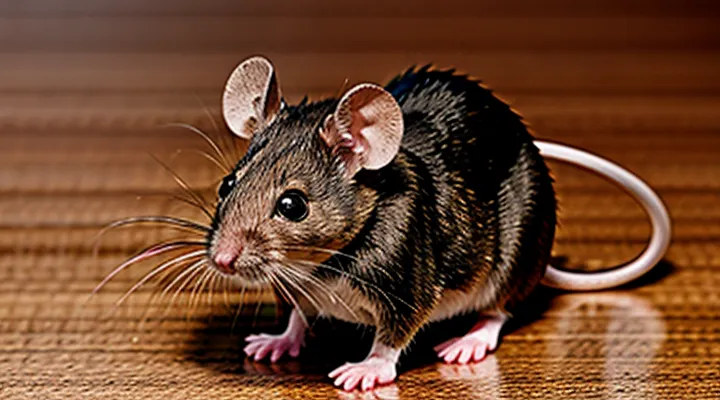
Understanding Mouse Tablets
What are Mouse Tablets?
Mouse tablets are orally administered solid dosage forms specifically formulated for rodents, primarily laboratory mice. They contain precise concentrations of active pharmaceutical ingredients (APIs) and excipients that ensure consistent dosing, palatability, and stability within the gastrointestinal environment of the animal.
Key characteristics include:
- Uniform dosage: Each tablet delivers a defined milligram amount of the API, calibrated to the typical weight range of adult mice (20–30 g).
- Controlled release: Formulations may employ immediate or sustained‑release technologies to match the pharmacokinetic profile required for the therapeutic goal.
- Palatability enhancers: Flavoring agents or sweeteners are added to encourage voluntary ingestion and reduce stress associated with forced administration.
- Safety excipients: Inert carriers such as microcrystalline cellulose, lactose, or mannitol are selected for low toxicity and minimal impact on gut flora.
Manufacturing processes adhere to Good Laboratory Practice (GLP) standards, employing precise granulation, compression, and coating steps to achieve the targeted tablet weight, hardness, and dissolution rate. Quality control involves weight uniformity testing, content assay, and disintegration assessment to confirm that each tablet meets regulatory specifications.
In practice, mouse tablets serve as a convenient vehicle for delivering antibiotics, analgesics, immunosuppressants, or experimental compounds in preclinical studies. Their solid form simplifies storage, reduces the risk of contamination, and facilitates accurate record‑keeping of administered doses.
How Mouse Tablets Work
Types of Active Ingredients
Active ingredients in rodenticide tablets fall into several pharmacological classes, each targeting a distinct physiological pathway to achieve lethal effects.
-
Anticoagulants – inhibit vitamin K epoxide reductase, preventing synthesis of clotting factors II, VII, IX, and X. First‑generation compounds (e.g., warfarin) require multiple doses; second‑generation agents (e.g., brodifacoum, bromadiolone) are effective after a single ingestion due to higher potency and longer half‑life.
-
Neurotoxins – disrupt nerve transmission by blocking acetylcholine receptors or interfering with sodium channels. Examples include zinc phosphide, which releases phosphine gas in the acidic stomach environment, and strychnine, which antagonizes glycine receptors, causing uncontrolled muscular convulsions.
-
Metabolic disruptors – impair cellular energy production or nutrient absorption. Phosphoric acid derivatives lower blood pH, leading to systemic acidosis, while certain organophosphates inhibit acetylcholinesterase, resulting in cholinergic overload.
-
Digestive irritants – cause severe gastrointestinal distress, leading to dehydration and death. Compounds such as sodium fluoroacetate interfere with the citric acid cycle, producing fatal metabolic failure after ingestion.
-
Hormonal antagonists – mimic or block endocrine signals that regulate growth and reproduction. Though less common, some experimental formulations target gonadotropin pathways to suppress breeding capacity before lethal action.
Selection of an active ingredient depends on target species susceptibility, resistance patterns, and regulatory constraints. Combining agents with complementary mechanisms can enhance efficacy but requires careful formulation to avoid cross‑resistance and ensure safety for non‑target organisms.
Mechanism of Action
Oral rodent therapeutics designed for disease management rely on a defined pharmacological cascade. After ingestion, the tablet dissolves in gastric fluids, releasing active compounds that cross the intestinal epithelium via passive diffusion or carrier-mediated transport. Systemic circulation then distributes the agents to target tissues, guided by plasma protein binding and tissue perfusion rates.
The therapeutic effect originates from interaction with specific molecular targets. For antimicrobial tablets, the active ingredient binds bacterial ribosomal subunits, inhibiting protein synthesis and leading to bacterial cell death. Antiparasitic formulations engage neurotransmitter receptors on helminths, causing neuromuscular paralysis and expulsion. Anti-inflammatory tablets inhibit cyclo‑oxygenase enzymes, reducing prostaglandin synthesis and attenuating inflammatory responses.
Key pharmacodynamic steps include:
- Receptor occupancy or enzyme inhibition proportional to drug concentration.
- Signal transduction modulation that halts pathogen replication or neutralizes toxins.
- Activation of host immune pathways that enhance pathogen clearance.
Elimination occurs primarily through renal excretion or hepatic metabolism, shortening exposure and limiting toxicity. Dose adjustments based on weight, renal function, and species-specific metabolism ensure therapeutic concentrations while preventing adverse effects.
Risks Associated with Mouse Tablets
Toxicity to Humans and Pets
Symptoms of Poisoning
Mouse tablet poisoning produces a predictable pattern of clinical signs that progress as the toxic agent interferes with blood clotting mechanisms. Early manifestations appear within 12–24 hours of ingestion and include nausea, vomiting, loss of appetite, and abdominal pain. Gastrointestinal irritation may be accompanied by mild diarrhea.
Subsequent signs reflect impaired coagulation and hemorrhage:
- Petechiae and ecchymoses on skin and mucous membranes
- Bleeding from gums, nose, or rectum
- Hematuria and melena
- Spontaneous bruising on internal organs, detectable by imaging or post‑mortem examination
Neurological involvement emerges as cerebral hemorrhage develops, presenting with:
- Lethargy or sudden collapse
- Seizures or tremors
- Pupillary dilation and loss of reflexes
The severity of symptoms correlates with the dose ingested and the specific anticoagulant formulation. Delayed onset, often 48–72 hours after exposure, should alert clinicians to the possibility of occult poisoning even when initial complaints are mild. Prompt recognition of these indicators enables early intervention with vitamin K₁ therapy and supportive care, reducing morbidity and mortality.
First Aid for Accidental Exposure
Accidental contact with rodent control tablets demands rapid response to limit toxicity. Immediate actions focus on removing the contaminant, reducing absorption, and securing professional medical assistance.
- Remove contaminated clothing and discard it safely.
- Rinse exposed skin with copious amounts of water for at least 15 minutes; avoid harsh soaps that could irritate wounds.
- If tablets have entered the eyes, flush with sterile saline or clean water for a minimum of 15 minutes, keeping eyelids open.
- For oral exposure, do not induce vomiting. Rinse the mouth thoroughly, then give a measured amount of water or milk; contact poison‑control for further instructions.
- Apply a clean, dry dressing to any chemical burns; keep the area elevated if swelling occurs.
- Call emergency services or a poison‑information center promptly, providing details of the product, concentration, and exposure route.
After first‑aid measures, transport the affected individual to a medical facility. Clinicians may administer activated charcoal, antidotes, or supportive therapies based on the specific toxin profile. Document the incident, including product label information and time of exposure, to aid treatment.
Preventive practices—such as storing tablets in locked containers, using tamper‑proof bait stations, and educating household members—reduce the likelihood of accidental encounters.
Environmental Impact
The use of oral rodent control tablets to treat and prevent mouse infestations generates several environmental consequences that require careful management.
Active ingredients, typically anticoagulant compounds, persist in soil and water after excretion or improper disposal. Residual concentrations can affect non‑target wildlife, especially predatory birds and small mammals that ingest poisoned rodents or contaminated prey. Accumulation in aquatic ecosystems leads to reduced invertebrate populations, disrupting food chains and nutrient cycling.
Manufacturing processes contribute to the overall ecological footprint. Energy consumption, greenhouse‑gas emissions, and the release of hazardous chemicals during synthesis increase the carbon and pollutant load associated with each kilogram of product. Waste generated from packaging, often consisting of non‑recyclable plastics, adds to landfill volume.
Improper handling of unused tablets amplifies risk. Common practices such as discarding them in household trash or flushing them down drains allow active substances to enter municipal waste streams and sewage treatment systems, where removal efficiency is limited.
Mitigation measures include:
- Selecting products with rapid degradation profiles to minimize persistence.
- Implementing integrated pest management (IPM) strategies that reduce reliance on chemical tablets.
- Using sealed, biodegradable packaging to lower solid‑waste impact.
- Educating users on safe disposal methods, such as returning unused tablets to authorized collection points.
- Monitoring environmental concentrations in high‑use areas to assess ecological effects.
Adhering to these practices limits negative outcomes while maintaining effective rodent control.
Effective Pest Control Without Mouse Tablets
Non-Toxic Baiting Solutions
Natural Repellents
Natural repellents provide a non‑chemical complement to tablet‑based rodent control strategies. Their primary function is to create an environment that deters mice from entering or remaining in a space, reducing reliance on oral baits and limiting exposure to anticoagulant compounds.
Effective natural repellents include:
- Peppermint oil – volatile menthol compounds irritate rodent olfactory receptors; apply diluted solution on cotton balls or soak fabric strips placed near entry points.
- Clove oil – eugenol disrupts scent tracking; use a few drops on cloth pads or mix with water for spray application.
- Cedar shavings – phenolic compounds emit a persistent odor; distribute in nesting areas, storage rooms, or under shelving.
- Ultrasonic devices – high‑frequency sound waves exceed mouse hearing thresholds; position units along walls and near potential burrows.
- Strong spices (e.g., cayenne, mustard) – capsaicin and allyl isothiocyanate produce a burning sensation; sprinkle thin layers around gaps and cracks.
Implementation guidelines:
- Identify all potential ingress points, including gaps around pipes, vents, and foundation seams.
- Apply repellents directly at or adjacent to these points; reapply after cleaning or when the scent diminishes, typically every 2–3 weeks.
- Combine repellents with physical barriers such as steel wool or silicone sealant to prevent re‑entry.
- Monitor mouse activity using non‑lethal traps or visual inspection; adjust repellent concentration if activity persists.
- Maintain sanitation by storing food in sealed containers and removing clutter that offers shelter.
Safety considerations:
- Essential oils may cause skin irritation; use gloves and avoid direct contact with pets.
- Ultrasonic devices should be placed out of reach of children and pets to prevent accidental exposure.
- Natural repellents do not eliminate an existing infestation; they are most effective as part of an integrated pest management program that includes bait tablets, trapping, and habitat modification.
By integrating these natural deterrents, operators can lower the number of tablets required, diminish the risk of secondary poisoning, and promote a more sustainable approach to mouse control.
Humane Trapping Methods
Humane traps provide an alternative to chemical control, allowing removal of rodents without lethal substances. Devices employ live‑capture cages, multi‑catch systems, or glue‑free mechanisms that secure mice for release at a safe distance from human habitation. Proper placement near walls, behind appliances, and along established runways maximizes capture rates.
Effective implementation requires regular monitoring. Traps should be checked at least twice daily to prevent stress, and captured animals must be transported in sealed containers before release. Release sites must be at least two miles from the original location to discourage return.
Key advantages include reduced risk of secondary poisoning, compliance with animal‑welfare regulations, and compatibility with integrated pest‑management programs that combine sanitation, exclusion, and targeted chemical use only when necessary.
- Live‑capture cages with trigger levers
- Multi‑catch box traps with separate compartments
- Electronic traps that immobilize without injury
- Bucket‑type traps using a gentle slide mechanism
- Release‑only bait stations that attract and guide mice into a containment area
Selecting the appropriate model depends on infestation size, indoor versus outdoor settings, and the desired frequency of release. Consistent sanitation and sealing of entry points remain essential to prevent re‑infestation, regardless of the trapping method employed.
Integrated Pest Management (IPM)
Sealing Entry Points
Sealing entry points eliminates the primary route rodents use to access indoor environments, thereby reducing reliance on rodent control tablets. Effective exclusion begins with a systematic inspection of the building envelope. Identify gaps larger than ¼ inch in foundations, walls, floors, and utility penetrations. Common locations include:
- Gaps around pipe sleeves, HVAC ducts, and electrical conduits
- Cracks in concrete slabs and foundation walls
- Openings beneath doors, windows, and garage doors
- Spaces around vent fans and exhaust flues
Repair methods must match the material and size of each opening. Use cement mortar for concrete cracks, expanding polyurethane foam for irregular gaps, and steel wool or copper mesh backed by caulk for larger voids. Install weatherstripping on doors and windows to maintain a tight seal while allowing movement. Replace damaged or missing lintels and flashing to prevent water intrusion that can enlarge openings over time.
After sealing, verify integrity by conducting a smoke test or using a flexible inspection camera to confirm that no hidden passages remain. Document all repairs and schedule periodic re‑inspections, especially after seasonal temperature shifts that can cause structural movement. Maintaining a sealed environment sustains the effectiveness of rodent control tablets, limits re‑infestation, and supports long‑term pest‑free conditions.
Sanitation Practices
Effective sanitation is essential for controlling rodenticide tablet use and reducing the risk of mouse infestations. Clean environments limit food sources, shelter, and entry points, thereby decreasing reliance on chemical interventions.
Key sanitation measures include:
- Immediate removal of food debris from floors, countertops, and equipment.
- Secure storage of dry goods in airtight containers.
- Regular disposal of waste in sealed bins with tight-fitting lids.
- Routine cleaning of kitchen appliances, ventilation ducts, and behind appliances where crumbs accumulate.
- Prompt repair of structural gaps, cracks, and openings in walls, floors, and foundations.
- Maintenance of proper drainage to prevent moisture buildup that attracts rodents.
Implementing these practices creates conditions unfavorable to mouse activity, supports the efficacy of tablet-based treatments, and minimizes the likelihood of secondary contamination. Consistent application of the outlined steps sustains a hygienic setting and complements pharmacological control methods.
Professional Pest Control Services
Professional pest‑control operators supply and manage rodenticide tablets designed to eliminate mouse infestations efficiently while minimizing risk to occupants and non‑target species. Their expertise includes selecting the appropriate formulation, calculating correct placement density, and complying with local pesticide regulations.
Treatment services focus on three core actions:
- Strategic placement of bait stations in concealed, high‑activity zones to ensure consistent exposure.
- Regular inspection and replenishment of tablets to maintain lethal concentration levels.
- Documentation of rodent activity, including tracking logs and post‑treatment assessments.
Prevention measures implemented by specialists reduce the likelihood of re‑infestation:
- Sealing gaps, cracks, and utility penetrations that provide entry routes.
- Implementing sanitation protocols that eliminate food sources and nesting materials.
- Installing monitoring devices that alert personnel to early signs of mouse presence.
By integrating targeted bait application with structural modifications and continuous monitoring, professional pest‑control services deliver a comprehensive approach that controls current outbreaks and deters future incursions.
Legal and Ethical Considerations
Regulations on Pesticide Use
Regulatory frameworks governing pesticide applications directly affect the production, distribution, and use of rodent control tablets. Agencies such as the Environmental Protection Agency (EPA) and the Food and Drug Administration (FDA) require comprehensive registration dossiers that detail active ingredients, toxicity, environmental fate, and efficacy data. Compliance with these dossiers determines market approval and dictates permissible usage patterns.
Labeling standards mandate clear dosage instructions, target species specifications, and mandatory safety warnings. Labels must include:
- Maximum application rates per hectare or per dwelling unit
- Required personal protective equipment for handlers
- Withdrawal periods for food‑producing environments
- First‑aid measures in case of accidental exposure
State and local statutes may impose additional restrictions, including:
- Prohibition of certain high‑toxicity compounds in residential settings
- Mandatory reporting of usage quantities above defined thresholds
- Buffer zones to protect waterways and non‑target wildlife
Enforcement mechanisms involve periodic inspections, residue testing, and penalties for non‑compliance. Violations can result in product recalls, fines, or suspension of registration. Continuous monitoring ensures that rodent control products remain effective while minimizing risks to humans, pets, and ecosystems.
Ethical Treatment of Pests
Ethical use of oral rodent control tablets requires a clear understanding of humane principles and regulatory obligations. Formulations should prioritize selective toxicity, ensuring that only the intended pest is affected while minimizing risk to non‑target wildlife, pets, and humans. Active ingredients must act swiftly to reduce the duration of distress, and product design should incorporate features that prevent accidental ingestion by unintended species.
Best practices for deployment include:
- Placement in sealed bait stations that restrict access to mice.
- Use of the lowest effective concentration to achieve control objectives.
- Regular inspection of bait stations to remove uneaten tablets and assess efficacy.
- Accurate labeling and storage in locked containers to prevent misuse.
Prevention measures that lessen dependence on lethal tablets consist of:
- Sealing entry points and gaps in building structures.
- Maintaining clean environments that eliminate food residues and nesting material.
- Installing physical barriers such as metal mesh or concrete trim around vulnerable openings.
- Employing monitoring devices to detect early signs of infestation and enable timely, targeted interventions.
Adherence to local wildlife protection statutes and professional pest‑management guidelines ensures that control efforts align with ethical standards. Documentation of all actions, including dosage records and disposal procedures, supports accountability and facilitates continuous improvement of humane pest‑management programs.