
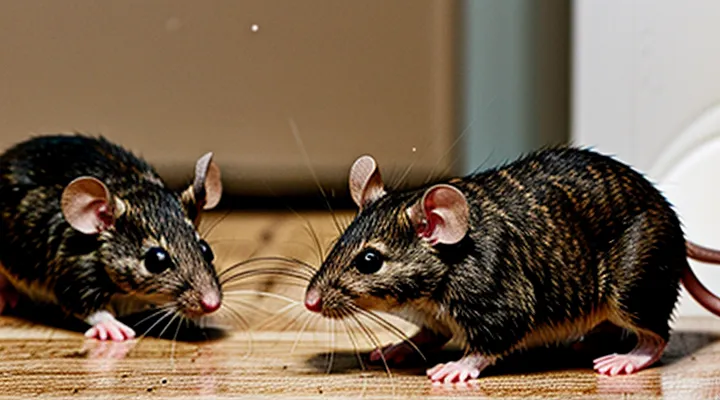
Understanding Mousepox (Ectromelia Virus)
Historical Context and Discovery
The first documented cases of mousepox emerged in laboratory colonies of Mus musculus during the early 1930s, when unexplained skin lesions and high mortality rates prompted veterinary investigations. Initial reports described vesicular eruptions on the tails and paws of affected animals, distinguishing the condition from other rodent dermatoses.
Systematic study began in 1935 when Dr. William H. Smith at the National Institute of Health isolated a poxvirus from infected mice and demonstrated its transmissibility through direct contact. Smith’s work established mousepox as a distinct orthopoxvirus, separate from cowpox and vaccinia, and provided the first experimental evidence of inter‑mouse spread.
Key milestones in the historical development of mousepox research include:
- 1935 – Isolation and characterization of the causative virus by Smith’s team.
- 1942 – Development of a live‑attenuated vaccine for laboratory mouse colonies, reducing outbreak frequency.
- 1956 – Electron‑microscopic confirmation of the virus’s brick‑shaped morphology, aligning it with the Orthopoxvirus genus.
- 1974 – Genetic mapping of viral loci associated with virulence, facilitating the creation of recombinant strains for immunological studies.
By the late 20th century, mousepox had become a model for studying poxvirus pathogenesis and host immunity, influencing vaccine design and antiviral research across multiple species. The historical progression from field observation to molecular analysis underscores the disease’s role in shaping contemporary virology.
Etiology and Classification
Ectromelia Virus (ECTV)
Ectromelia virus (ECTV) is a member of the genus Orthopoxvirus, family Poxviridae, and the etiological agent of mousepox, a severe systemic disease of laboratory and wild Mus species. The virion is enveloped, brick‑shaped, and contains a double‑stranded DNA genome of approximately 200 kb, encoding more than 200 proteins involved in replication, immune evasion, and virulence.
Transmission occurs primarily through direct contact with infected animals, contaminated bedding, and aerosolized particles. The virus replicates initially in the skin at the site of inoculation, producing vesicular lesions that progress to necrotic scabs. Systemic spread leads to hepatic necrosis, splenomegaly, and hemorrhagic diathesis, with mortality rates reaching 100 % in susceptible strains.
Key epidemiological features include:
- Endemic presence in mouse colonies maintained for research.
- High stability in the environment; viable for weeks at room temperature.
- Susceptibility varies among inbred mouse strains, providing a model for genetic resistance studies.
Diagnostic methods rely on:
- Polymerase chain reaction targeting conserved orthopoxvirus genes.
- Virus isolation in permissive cell cultures, confirmed by electron microscopy.
- Serological assays detecting specific IgG antibodies.
Control strategies emphasize strict biosecurity:
- Quarantine of new animal shipments.
- Regular health monitoring using sentinel animals.
- Depopulation and thorough decontamination of affected facilities.
Research applications exploit ECTV’s capacity to model human orthopoxvirus infections, evaluate antiviral compounds, and investigate host immune mechanisms, thereby contributing to the broader understanding of poxvirus biology and zoonotic risk.
Poxviridae Family Characteristics
The Poxviridae family comprises large, enveloped viruses with a double‑stranded DNA genome ranging from 130 to 300 kb. Virions possess a brick‑shaped morphology, a core containing the genome, and lateral bodies that carry enzymes essential for early infection stages. Replication occurs entirely in the cytoplasm, requiring the virus to encode its own transcription and DNA‑replication machinery.
Within the family, two subfamilies are recognized: Chordopoxvirinae, which infects vertebrates, and Entomopoxvirinae, which targets insects. The genus Orthopoxvirus, part of Chordopoxvirinae, includes the virus responsible for mouse pox. Members of this genus share conserved structural proteins and a similar replication strategy, yet display distinct host specificities.
The replication cycle proceeds through defined phases: (1) attachment to cell surface receptors and entry via macropinocytosis; (2) early gene expression using virion‑carried polymerase; (3) DNA replication and intermediate transcription; (4) late gene expression, virion assembly in cytoplasmic factories; and (5) egress through cell lysis or exocytosis. Each phase depends on viral enzymes packaged within the virion, allowing independence from host nuclear functions.
Mouse pox infection in laboratory and wild rodents reflects the broader pathogenic potential of Orthopoxviruses. Transmission occurs through direct contact, aerosolized particles, or contaminated bedding. Clinical signs include dermal lesions, respiratory distress, and systemic illness, with mortality rates varying by strain and host immunity. The virus persists in the environment due to the stability of its envelope and core proteins, facilitating indirect spread.
Key characteristics of the Poxviridae family
- Genome size: 130–300 kb, linear, covalently closed ends
- Virion structure: enveloped, brick‑shaped, core surrounded by lateral bodies
- Replication site: cytoplasm, independent of host nucleus
- Host range: broad (vertebrates and insects), with genera specialized for specific taxa
- Environmental stability: resistant to desiccation and moderate temperatures
Understanding these attributes clarifies the mechanisms by which the mouse pox virus propagates, causes disease, and presents challenges for control in rodent populations.
Epidemiology and Transmission
Natural Hosts and Reservoirs
Mouse pox, an orthopoxvirus infection affecting murine species, persists primarily in wild and peridomestic rodent populations. The virus maintains a stable transmission cycle without requiring external amplification.
Natural hosts include:
- House mouse (Mus musculus), the principal species in laboratory and urban environments.
- Field mouse (Apodemus sylvaticus) and related Apodemus spp., common in agricultural and forested regions.
- Voles (Microtus spp.) and other small muroid rodents, which can acquire and transmit the virus under natural conditions.
Reservoirs consist of:
- Established feral mouse colonies that sustain viral circulation year‑round.
- Synanthropic rodent communities inhabiting human dwellings, grain stores, and waste sites, providing continuous exposure to susceptible hosts.
- Environmental niches such as rodent nests and burrows, where viral particles remain viable for extended periods, facilitating indirect transmission.
Laboratory mouse colonies occasionally act as secondary reservoirs when biosecurity measures lapse, allowing re‑introduction into surrounding wild populations. Control strategies focus on monitoring wild rodent densities, limiting human‑rodent contact, and maintaining strict containment protocols in research facilities.
Modes of Transmission
Mouse pox spreads primarily through direct contact with infected rodents or their secretions. The virus persists in skin lesions, saliva, urine, and feces, creating multiple pathways for exposure.
- Bite or scratch: Penetration of skin by an infected mouse introduces the virus into the bloodstream.
- Aerosol inhalation: Fine particles contaminated with viral material become airborne in confined spaces, allowing respiratory uptake.
- Fomite transmission: Objects such as bedding, cages, or laboratory equipment retain viable virus; handling without protective gloves transfers the pathogen to mucous membranes.
- Vertical transmission: Infected females can pass the virus to offspring during gestation, leading to congenital infection.
Secondary spread occurs when susceptible individuals handle contaminated materials after primary exposure. Effective control relies on barrier protection, environmental decontamination, and isolation of affected rodents.
Geographic Distribution
Mousepox, a poxvirus infection of rodents, occurs across several continents, reflecting the global presence of susceptible host species. Documented occurrences include:
- United States and Canada, primarily in temperate agricultural zones.
- Western and Central Europe, especially in regions with dense mouse populations.
- East Asia, notably China, Japan, and South Korea, where laboratory colonies contribute to case reports.
- Parts of South America, such as Brazil and Argentina, linked to wild rodent reservoirs.
Distribution correlates with climatic conditions favorable to mouse habitation, including moderate temperatures and ample vegetation. Urban environments with high rodent density provide additional niches, while international trade of laboratory animals facilitates transboundary spread.
Surveillance networks in veterinary and public‑health institutions track outbreaks, enabling rapid identification of emerging foci. Continuous monitoring of wild and captive mouse populations remains essential for mapping the evolving geographic footprint of the disease.
Pathogenesis and Clinical Manifestations
Viral Replication and Spread
Mousepox is caused by a double‑stranded DNA poxvirus that infects murine hosts. The virus belongs to the genus Orthopoxvirus and carries a genome of approximately 200 kb encoding enzymes for DNA replication, transcription, and immune modulation.
The replication cycle proceeds through defined stages:
- Attachment and entry: Viral surface proteins bind heparan sulfate and integrin receptors on the host cell membrane; fusion mediates entry of the nucleocapsid.
- Uncoating: Capsid dissolution releases the viral core into the cytoplasm, where early transcription begins.
- Early gene expression: Viral RNA polymerase transcribes early genes that encode factors for DNA synthesis and host‑cell subversion.
- DNA replication: A bidirectional replication fork generates concatemeric genomes using viral DNA polymerase and auxiliary factors.
- Late gene expression: Structural proteins and enzymes for virion assembly are synthesized from replicated DNA templates.
- Assembly and maturation: Core particles assemble in viral factories; membrane acquisition occurs via budding from the trans‑Golgi network.
- Egress: Mature virions exit the cell by exocytosis or cell lysis, ready to infect neighboring cells.
Dissemination within the host relies on several mechanisms. Infected epithelial and immune cells release virions into interstitial fluid, establishing a viremia that transports the virus to distal organs. Cell‑to‑cell spread is facilitated by actin tail formation, propelling virions across the plasma membrane to adjacent cells without extracellular exposure. Shedding occurs through respiratory secretions, urine, and feces, providing routes for horizontal transmission among rodents and, occasionally, to laboratory personnel.
Understanding each replication step and the associated spread pathways informs the development of antiviral strategies and biosafety protocols for mousepox research.
Immune Response and Evasion
Mousepox infection triggers a rapid innate response characterized by production of type I interferons, activation of natural killer cells, and recruitment of macrophages to the dermal lesions. Interferon signaling limits viral replication, while NK cells mediate cytotoxicity against infected fibroblasts. Dendritic cells capture viral antigens and migrate to draining lymph nodes, initiating adaptive immunity.
Adaptive mechanisms involve CD8⁺ cytotoxic T lymphocytes that recognize viral peptides presented on MHC class I molecules and eliminate infected cells. CD4⁺ helper T cells provide cytokine support, enhancing B‑cell maturation. Neutralizing antibodies target the virion surface proteins, preventing cell entry and promoting opsonophagocytosis.
The virus employs multiple evasion tactics:
- Production of a soluble tumor‑necrosis‑factor receptor (CrmD) that sequesters TNF‑α, dampening inflammation.
- Expression of B13R, an IL‑1β binding protein, which blocks IL‑1 signaling and reduces fever and acute‑phase responses.
- Inhibition of the JAK/STAT pathway through viral phosphatases, impairing interferon‑induced transcription.
- Down‑regulation of MHC class I surface expression via viral proteins that retain heavy chains in the endoplasmic reticulum, limiting CD8⁺ T‑cell recognition.
- Encoding of viral homologues of host apoptosis regulators, delaying programmed cell death and extending the window for viral replication.
Collectively, these strategies enable the pathogen to persist despite robust host defenses, shaping the clinical course of rodent pox disease and informing the design of effective vaccines and antiviral therapies.
Clinical Signs in Mice
Acute Form
The acute manifestation of mousepox presents with rapid onset of systemic illness in affected rodents. After an incubation period of 3–7 days, fever, lethargy, and anorexia appear, followed by pronounced dermal lesions and hemorrhagic necrosis of internal organs. Characteristic signs include:
- Sudden weight loss exceeding 10 % of body mass
- Multifocal skin papules that progress to ulcerated crusts
- Hematuria and melena indicating gastrointestinal bleeding
- Respiratory distress due to pulmonary edema
Laboratory confirmation relies on virus isolation in cell culture, PCR amplification of viral DNA, and serologic detection of specific antibodies. Histopathology reveals necrotizing vasculitis and widespread cytokine-mediated inflammation. Antiviral agents such as cidofovir reduce viral replication when administered within 24 hours of symptom onset; supportive care focuses on fluid replacement and temperature regulation. Mortality rates reach 80–100 % without prompt intervention, while early treatment improves survival to 30–50 %. Outbreaks are facilitated by high-density housing, inadequate sanitation, and stressors that suppress immune function. Control measures include strict biosecurity, regular health monitoring, and vaccination of breeding colonies where available.
Chronic Form
Mouse pox can progress to a chronic condition when the orthopoxvirus establishes persistent infection in the host’s skin and internal tissues. The virus remains viable for months, producing intermittent lesions and low‑grade viral shedding that sustain transmission within rodent colonies.
Epidemiologically, chronic cases occur primarily in laboratory mouse strains and wild populations with high population density. Vertical transmission from dam to offspring, as well as chronic carrier status, amplify spread. Immunocompromised individuals and genetically susceptible strains exhibit higher prevalence.
Pathogenesis involves viral latency within dermal keratinocytes and macrophages. The virus evades immune clearance by down‑regulating major histocompatibility complex expression, permitting periodic reactivation. Lesions typically begin as papules that evolve into ulcerative nodules, persisting for weeks before resolution, only to recur later.
Clinical presentation includes:
- Persistent or recurrent cutaneous nodules on the ears, tail, and paws
- Gradual weight loss and reduced grooming behavior
- Subclinical respiratory signs in some cases
- Mild anemia and lymphoid hyperplasia on necropsy
Diagnostic protocols require confirmation of viral DNA by polymerase chain reaction from lesion swabs, paired with serologic detection of orthopoxvirus‑specific IgG. Histopathology reveals epidermal hyperplasia, ballooning degeneration, and intracytoplasmic inclusion bodies.
Management strategies consist of:
- Administration of antiviral agents such as cidofovir or brincidofovir, adjusted for renal function
- Supportive care including fluid therapy and nutritional supplementation
- Isolation of affected cages and implementation of strict biosecurity measures
- Depopulation of severely affected colonies when eradication is unfeasible
Preventive measures focus on maintaining pathogen‑free breeding stock, routine health monitoring, and vaccination of susceptible colonies with attenuated orthopoxvirus vaccines where available. Environmental decontamination with validated disinfectants reduces environmental reservoirs and limits chronic infection cycles.
Subclinical Infection
Subclinical infection refers to the presence of mousepox virus without observable clinical signs. Infected mice harbor replicating virus in epithelial and lymphoid tissues, yet maintain normal weight, activity, and survival rates. Viral shedding from the respiratory tract and feces can occur, facilitating silent transmission within colonies.
Epidemiological impact includes:
- Maintenance of viral reservoirs in breeding facilities
- Undetected spread to naïve cohorts during animal exchanges
- Potential alteration of experimental outcomes due to immune modulation
Detection relies on laboratory methods rather than symptom observation. Common approaches are:
- Quantitative PCR targeting conserved poxvirus genes in nasal swabs or fecal samples
- Serological assays (ELISA, immunofluorescence) measuring specific IgM and IgG antibodies
- Virus isolation in permissive cell cultures for confirmation of infectious particles
Management strategies emphasize biosecurity and routine screening. Quarantine of incoming animals, regular environmental sampling, and immediate removal of PCR‑positive individuals reduce the risk of covert outbreaks. Documentation of subclinical cases supports accurate prevalence estimates and informs vaccine efficacy studies.
Pathology and Histopathology
Mouse pox, caused by a murine orthopoxvirus, produces a distinct set of macroscopic and microscopic lesions that define its pathology. Gross examination reveals papular eruptions on the muzzle, ears, and paws, often coalescing into ulcerative plaques. Systemic spread may generate necrotic foci in the liver, spleen, and lymphoid tissues, accompanied by splenomegaly and hepatomegaly. Clinical progression includes fever, anorexia, and weight loss, culminating in mortality rates that vary with viral strain and host age.
Histopathological analysis provides definitive confirmation. Key microscopic characteristics include:
- Epidermal hyperplasia with ballooning degeneration of keratinocytes.
- Intracytoplasmic eosinophilic inclusion bodies (Guarnieri bodies) within infected epithelial and endothelial cells.
- Dermal edema and perivascular inflammatory infiltrates composed mainly of neutrophils and macrophages.
- Multifocal necrosis of hepatocytes and splenic white pulp, accompanied by fibrin deposition.
- Vascular endothelial swelling and occasional thrombosis in affected organs.
Immunohistochemistry enhances detection by labeling viral antigens in tissue sections, while electron microscopy reveals the characteristic brick‑shaped virions within cytoplasmic vacuoles. Correlation of gross lesions with these histological patterns enables accurate differentiation from other rodent poxviruses and bacterial skin infections.
Understanding the lesion distribution, cellular response, and viral replication sites informs both diagnostic protocols and experimental models that employ mouse pox to study orthopoxvirus pathogenesis.
Diagnosis and Management
Laboratory Diagnostics
PCR and Serology
PCR provides rapid detection of mousepox viral DNA in tissue, blood, or swab specimens. Amplification of conserved genes, such as the poxvirus DNA polymerase or envelope protein, yields results within hours. High analytical sensitivity permits identification of low‑level infections before clinical signs appear. Specificity is ensured by primer design and confirmatory sequencing. Quantitative PCR (qPCR) offers viral load estimation, supporting disease monitoring and treatment evaluation. Limitations include requirement for specialized equipment, risk of contamination, and reduced performance when inhibitors are present in the sample.
Serology measures host antibody responses to mousepox infection. Enzyme‑linked immunosorbent assays (ELISA) detect IgM and IgG against viral antigens, distinguishing recent from past exposure. Virus‑neutralization tests quantify functional antibodies that inhibit viral replication. Serological panels enable screening of colony animals and assessment of vaccine efficacy. Interpretation depends on the timing of sample collection: IgM appears within 5–7 days post‑infection, while IgG rises later and persists. Cross‑reactivity with related orthopoxviruses may produce false‑positive results, necessitating confirmatory assays.
Combining molecular and serological approaches enhances diagnostic confidence. PCR confirms active infection, whereas serology reveals exposure history and immune status. Selecting the appropriate method depends on clinical presentation, epidemiological goals, and laboratory resources.
Key considerations
- PCR: rapid, highly sensitive, requires nucleic‑acid extraction, prone to contamination.
- Serology: indicates exposure, useful for herd screening, limited by antibody‑development window and potential cross‑reactivity.
Virus Isolation
Virus isolation is the definitive method for confirming the presence of mousepox agents and obtaining material for downstream analyses. Specimens such as skin lesions, spleen homogenates, or blood collected from infected rodents must be placed in viral transport medium, kept at 4 °C, and processed within 24 hours to preserve infectivity.
Isolation proceeds under biosafety level 3 containment. Primary choices for propagation include:
- Monolayer cultures of murine fibroblast lines (e.g., L929, NIH‑3T3) incubated at 37 °C with 5 % CO₂.
- Embryonated chicken eggs inoculated into the chorioallantoic membrane, which support rapid viral replication and high yield.
After inoculation, cultures are monitored for cytopathic effects characteristic of orthopoxviruses: cell rounding, syncytium formation, and plaque development. Plaque assays on confluent monolayers quantify infectious units, while immunofluorescence using orthopoxvirus‑specific antibodies confirms identity.
Molecular verification employs quantitative PCR targeting conserved orthopoxviral genes (e.g., DNA polymerase, hemagglutinin). Sequencing of amplified fragments differentiates mousepox from related viruses and detects mutations relevant to virulence.
Isolated virus stocks are aliquoted and stored at –80 °C or in liquid nitrogen for long‑term preservation. Cryoprotectants such as 10 % dimethyl sulfoxide prevent loss of viability during freeze‑thaw cycles. Proper documentation of passage number, cell line, and storage conditions ensures reproducibility across laboratories.
Histopathological Examination
Histopathological examination provides definitive insight into the tissue alterations caused by mouse pox infection, allowing precise identification of viral cytopathic effects and associated inflammatory responses.
Typical microscopic findings include:
- Multifocal epidermal necrosis with ballooned keratinocytes.
- Basophilic intranuclear inclusion bodies within epithelial cells.
- Dermal edema accompanied by perivascular lymphoplasmacytic infiltrates.
- Dermal necrotic foci containing eosinophilic debris and viral particles observable with electron microscopy.
Special stains and immunohistochemical techniques enhance detection:
- Hematoxylin‑eosin staining highlights necrotic epithelium and inclusion bodies.
- Periodic acid‑Schiff accentuates viral glycoprotein–rich membranes.
- Antibody labeling against orthopoxvirus antigens confirms etiologic specificity.
Diagnostic value extends to differentiating mouse pox from other poxviral and bacterial skin diseases. Correlation with clinical presentation and molecular assays ensures accurate case confirmation and informs epidemiological monitoring.
Prevention and Control
Biosecurity Measures
Mousepox, an orthopoxvirus infection primarily affecting laboratory and wild rodents, demands rigorous biosecurity to prevent spread within facilities and to mitigate zoonotic risk.
Effective biosecurity comprises several interrelated actions.
- Physical containment: Operate all mouse colonies in sealed, negative‑pressure cages or isolators; restrict access to authorized personnel only.
- Personal protective equipment (PPE): Require gloves, disposable gowns, shoe covers, and face shields for anyone entering animal rooms; replace PPE after each use.
- Disinfection protocols: Apply EPA‑registered virucidal agents (e.g., 10 % bleach, vaporized hydrogen peroxide) to surfaces, equipment, and bedding before removal from the facility.
- Quarantine and monitoring: Isolate new arrivals for a minimum of 30 days; conduct regular clinical examinations and PCR testing of sentinel animals.
- Waste management: Autoclave or incinerate all animal waste, carcasses, and contaminated materials before disposal.
- Training and documentation: Provide mandatory biosecurity instruction for all staff; maintain detailed logs of animal movements, health status, and incident responses.
Compliance with these measures reduces the probability of accidental release, protects research integrity, and safeguards public health. Continuous evaluation of protocols against emerging data ensures that biosecurity remains aligned with the evolving understanding of mousepox transmission.
Vaccination Strategies
Mousepox, caused by a poxvirus that infects laboratory rodents, threatens colony health and experimental reliability. Effective immunization reduces morbidity, mortality, and the risk of accidental transmission to personnel.
- Live‑attenuated strains derived from serial passage retain immunogenicity while minimizing pathogenicity; they provide rapid, robust protection after a single dose.
- Recombinant subunit vaccines presenting conserved envelope proteins elicit neutralizing antibodies without the hazards of replication‑competent virus.
- DNA plasmids encoding viral antigens induce cellular and humoral responses; they are amenable to rapid redesign against emerging variants.
- Viral‑vector platforms, such as modified vaccinia Ankara, deliver mousepox antigens in a replication‑deficient context, enhancing immunogenicity in immunocompromised hosts.
- Passive immunization with monoclonal antibodies offers immediate protection for high‑risk cohorts and can bridge gaps during vaccine rollout.
Implementation requires species‑specific dosing schedules, typically a primary immunization followed by a booster 3–4 weeks later to sustain antibody titers. Sterile preparation, cold‑chain maintenance, and validation of batch potency are mandatory for compliance with animal‑use regulations. Monitoring seroconversion through ELISA or neutralization assays guides revaccination intervals and detects vaccine failure. Integration of vaccination with biosecurity measures—quarantine, sentinel testing, and environmental decontamination—optimizes colony resilience against mousepox outbreaks.
Antiviral Treatments and Supportive Care
Antiviral agents with demonstrated activity against orthopoxviruses form the cornerstone of pharmacologic management for mousepox infection. Cidofovir, administered intravenously at a dose of 5 mg/kg once weekly, reduces viral replication by inhibiting DNA polymerase. Brincidofovir, the lipid‑conjugated prodrug of cidofovir, offers oral dosing (200 mg twice weekly) and lower nephrotoxicity. Tecovirimat, a small‑molecule inhibitor of the viral VP37 protein, is approved for systemic orthopoxvirus disease; the standard regimen is 600 mg orally twice daily for 14 days. Ribavirin may be considered in severe cases, though evidence remains limited. Treatment initiation within 48 hours of symptom onset maximizes efficacy.
Supportive care addresses the multisystem effects of the infection. Key measures include:
- Intravenous fluid replacement to maintain hemodynamic stability.
- Antipyretic therapy (e.g., acetaminophen) to control fever.
- Analgesia for painful skin lesions, employing opioids when necessary.
- Wound management with sterile dressings and topical antiseptics to prevent secondary bacterial infection.
- Respiratory support ranging from supplemental oxygen to mechanical ventilation for pulmonary involvement.
- Isolation in a negative‑pressure environment to limit nosocomial spread.
- Continuous monitoring of hematologic parameters, liver enzymes, and renal function for drug‑related toxicity.
Adjunctive interventions such as vitamin A supplementation and immunoglobulin therapy have been explored but lack robust clinical validation. Decision‑making should integrate viral load assessment, organ‑system involvement, and patient comorbidities to tailor both antiviral and supportive strategies.