
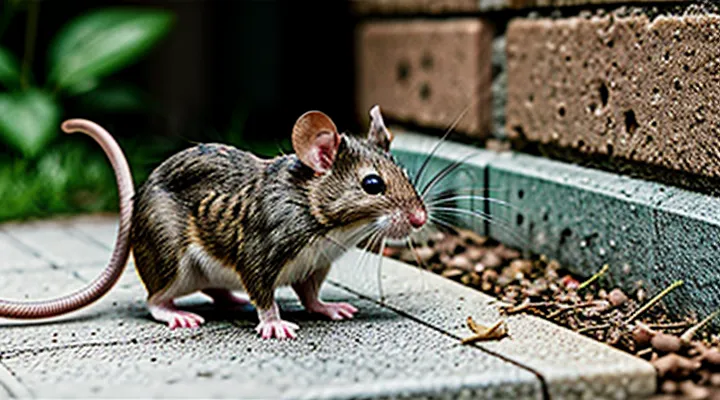
Understanding Rodenticide
Types of Rodenticides
Anticoagulants
Anticoagulant rodenticides interfere with the vitamin K cycle, preventing blood clotting and causing fatal internal hemorrhage in rodents. The disruption occurs after ingestion, typically within 24–48 hours, allowing bait consumption without immediate detection.
Common active ingredients fall into two groups. First‑generation compounds such as warfarin, chlorophacinone, and diphacinone require multiple feedings to achieve lethal dose. Second‑generation agents—including bromadiolone, difenacoum, and brodifacoum—possess higher potency, often lethal after a single meal.
Effective application follows precise guidelines:
- Use the concentration specified by the product label; over‑dilution reduces efficacy, under‑concentration increases risk of sub‑lethal exposure.
- Position bait stations along established rodent pathways, away from non‑target wildlife and human activity.
- Deploy bait in the evening when rodents are most active; retrieve unused bait each morning.
- Record placement locations to monitor coverage and identify hotspots.
Safety protocols protect handlers and non‑target species:
- Wear disposable gloves and a mask when handling bait.
- Store containers in locked, labeled cabinets inaccessible to children and pets.
- Install tamper‑resistant bait stations to reduce accidental ingestion.
- Conduct regular inspections for signs of secondary poisoning in predators and scavengers.
Resistance develops through mutations in the VKORC1 gene, reducing susceptibility to first‑generation agents. Management strategies include rotating active ingredients, integrating non‑chemical controls, and conducting susceptibility testing when control failures persist.
Disposal of unused or contaminated material must follow hazardous waste regulations. Seal residual bait in double‑layered containers, label as toxic, and submit to authorized collection services. Avoid land disposal to prevent leaching into soil and water systems.
Non-anticoagulants
Non‑anticoagulant rodenticides provide an alternative to blood‑clotting agents for mouse control. Their active ingredients disrupt metabolic pathways, nerve function, or cellular respiration, causing rapid mortality without the risk of delayed bleeding complications.
The most common categories include:
- Bromethalin – interferes with mitochondrial energy production, leading to cerebral edema.
- Cholecalciferol (Vitamin D₃) – induces hypercalcemia, resulting in renal failure.
- Zinc phosphide – releases phosphine gas when exposed to stomach acid, producing systemic toxicity.
- Strychnine – blocks inhibitory neurotransmission, causing convulsions and death.
Effective application requires precise placement to minimize non‑target exposure. Bait stations should be sealed, positioned along established mouse pathways, and inspected regularly. Replace depleted baits promptly; do not exceed label‑specified density, typically 0.5 g per square meter in indoor settings. Ensure ventilation when using zinc phosphide, as phosphine gas poses inhalation hazards.
Safety protocols mandate protective gloves, eye protection, and hand washing after handling. Store products in original containers, locked away from children and pets. In case of accidental ingestion, immediate medical evaluation is essential; treatment focuses on symptomatic support, as antidotes are unavailable for most non‑anticoagulants.
Disposal of unused bait follows local hazardous‑waste regulations. Do not discard in regular trash or down drains; contaminated materials must be sealed and labeled for proper collection.
Resistance monitoring remains critical. Rotating active ingredients every six months reduces selection pressure and preserves efficacy. Record field observations, noting any decline in mortality rates, to adjust management strategies promptly.
How Rodenticides Work
Mechanism of Action
Rodenticides exert lethal effects on mice by targeting essential physiological pathways. Anticoagulant compounds, such as warfarin‑type agents, inhibit vitamin K epoxide reductase, preventing the regeneration of active vitamin K. This disruption blocks the γ‑carboxylation of clotting factors II, VII, IX, and X, leading to progressive hemorrhage and death within 2–7 days after ingestion.
Neurotoxic rodenticides, exemplified by bromethalin, interfere with mitochondrial oxidative phosphorylation. The toxin uncouples electron transport, causing rapid depletion of ATP in neuronal cells. Energy failure results in axonal swelling, loss of membrane potential, and eventual paralysis and death within hours.
Metabolic poisons, including zinc phosphide, react with gastric acid to release phosphine gas. Phosphine penetrates cellular membranes and generates reactive oxygen species, damaging proteins, lipids, and DNA. Systemic toxicity manifests as respiratory failure and multi‑organ collapse, typically within 24 hours.
Key mechanisms can be summarized:
- Coagulant inhibition – blocks vitamin K recycling → impaired clot formation.
- Mitochondrial uncoupling – halts ATP production → neuronal dysfunction.
- Phosphine generation – induces oxidative stress → widespread cellular damage.
Understanding these biochemical targets guides proper application, dosage selection, and risk mitigation when employing rodent control measures.
Speed of Effect
Rodenticidal products act with varying latency depending on active ingredient, dosage, and target species. Anticoagulant formulations, such as warfarin‑based compounds, generally produce mortality within 3–7 days after ingestion because they require depletion of clotting factors. Single‑dose anticoagulants (e.g., brodifacoum) may extend this period to 5–10 days, reflecting their higher potency and slower physiological disruption.
Non‑anticoagulant agents exhibit more rapid outcomes. Bromethalin, a neurotoxic rodenticide, can cause death in 24–48 hours by impairing mitochondrial function. Zinc phosphide releases phosphine gas upon stomach acid contact, leading to fatal respiratory failure within 1–4 hours. Acute toxins such as strychnine produce convulsions and death within minutes to a few hours, but they are rarely employed in modern pest management due to safety concerns.
Factors influencing speed of effect include:
- Amount consumed – larger doses accelerate physiological collapse.
- Environmental temperature – higher temperatures increase metabolic rates, shortening onset.
- Health and age of the rodent – younger or weakened individuals succumb more quickly.
- Formulation type – baits with attractants may encourage rapid ingestion, while block formulations delay exposure.
Understanding these timelines is essential for planning control operations, monitoring efficacy, and implementing appropriate safety measures for non‑target organisms.
Safety First: Preventing Accidental Poisoning
Storage and Handling
Secure Locations
Secure placement of rodenticides minimizes accidental exposure and maximizes efficacy. Choose sites that restrict access to children, pets, and non‑target wildlife. Ensure the area is dry, well‑ventilated, and away from food preparation surfaces. Install tamper‑resistant bait stations whenever possible.
Key considerations for selecting a secure location:
- Elevation: mount stations at least 6 inches above ground to deter crawling insects.
- Enclosure: use lockable, weather‑proof containers that meet regulatory standards.
- Visibility: position stations where they can be inspected regularly without disturbing other activities.
- Proximity to target activity: locate bait within 10 feet of known mouse pathways, avoiding direct contact with human traffic zones.
Regular monitoring confirms that bait remains intact, stations are undisturbed, and no unintended organisms have accessed the product. Promptly replace compromised units and document each inspection to maintain compliance with safety protocols.
Original Containers
Original containers are the only packaging approved for storing and applying rodent control products. They are manufactured to meet regulatory standards that guarantee material integrity, resistance to leakage, and compatibility with the active ingredients. Using these containers preserves the potency of the poison, prevents accidental exposure, and ensures compliance with safety guidelines.
Key reasons to retain the manufacturer’s packaging:
- Chemical stability – sealed designs protect the formulation from moisture, temperature fluctuations, and light, which can degrade efficacy.
- Leak prevention – reinforced seams and tamper‑evident closures reduce the risk of spills during transport and handling.
- Label accuracy – original labels provide mandatory hazard warnings, first‑aid instructions, and dosage information that cannot be reliably reproduced elsewhere.
- Legal compliance – many jurisdictions require that rodenticides remain in their original packaging for traceability and audit purposes.
When deploying rodenticide, inspect each container for damage, verify the expiration date, and keep the product sealed until use. Transfer only the amount needed for immediate application, and return any unused portion to the original container promptly. This practice maintains product integrity, minimizes environmental contamination, and upholds occupational safety standards.
Protecting Non-Target Animals
Pet Safety Measures
Effective rodent control chemicals can endanger household animals if placed or stored incorrectly. Users must separate bait from pet areas, limit access, and maintain vigilance to prevent accidental ingestion.
- Store all formulations in locked containers out of reach of dogs and cats.
- Place bait stations behind barriers that pets cannot climb or squeeze through.
- Use tamper‑resistant bait blocks designed for indoor use only when pets are confined.
- Keep the surrounding floor clean; promptly remove spilled granules or crumbs.
- Label each container with a clear warning and keep the label visible at all times.
After deployment, observe pets for signs of distress such as vomiting, drooling, or lethargy. If symptoms appear, contact a veterinary professional immediately and provide details about the specific product used. Regularly inspect bait stations for damage or displacement, and replace them according to the manufacturer’s schedule. These practices reduce the likelihood of accidental exposure while maintaining effective rodent management.
Wildlife Considerations
Effective rodent control must account for non‑target wildlife. Poison formulations designed for mice can inadvertently affect birds, mammals, reptiles, and amphibians if not applied correctly. Understanding exposure pathways reduces collateral damage.
- Direct consumption: Predators or scavengers may ingest poisoned mice or bait particles. Use tamper‑resistant stations that limit access to target species only.
- Secondary poisoning: Carnivores that eat sub‑lethal rodents can accumulate toxic residues. Select active ingredients with low bioaccumulation potential and follow label‑specified dosage limits.
- Environmental persistence: Some rodenticides remain toxic in soil and water for extended periods. Choose products with rapid degradation rates and avoid application near streams, wetlands, or drainage ditches.
- Seasonal activity: Many wildlife species breed or forage intensively during spring and summer. Schedule bait placement outside these peak periods when possible to minimize interaction.
- Habitat proximity: Deploy bait stations away from known nesting sites, burrows, and foraging corridors of protected species. Conduct site surveys to identify sensitive areas before treatment.
Regulatory compliance reinforces wildlife protection. Documentation of bait locations, quantities, and monitoring results satisfies legal requirements and supports adaptive management. Regular inspection of stations detects unauthorized access, allowing prompt corrective action.
Integrating these considerations into rodenticide programs safeguards ecological balance while maintaining effective mouse control.
Child Safety Precautions
Placement Strategies
Effective rodenticide deployment depends on precise bait placement. Identify active pathways where mice travel between food sources and nesting sites. Observe droppings, gnaw marks, and fresh burrows to map these routes. Position bait stations directly along these corridors, ensuring the poison is the first item encountered.
- Place stations near wall junctions, behind appliances, and within concealed gaps less than 12 inches from known activity.
- Use tamper‑resistant containers at heights of 4–6 ft to deter pets and children while remaining accessible to rodents.
- Install bait at least 2 ft away from non‑target food storage, water sources, and ventilation openings.
- Replace or reposition stations every 3–4 days based on consumption data and new signs of activity.
Safety considerations require isolation of bait from domestic animals and humans. Secure stations with lockable lids and label them with hazard warnings. Maintain a record of placement locations, dates, and observed rodent activity to evaluate effectiveness and adjust the layout accordingly.
Seasonal factors influence placement. In colder months, mice seek indoor warmth, concentrating activity near heating vents and insulation. Summer conditions drive them toward cooler, damp areas such as basements and crawl spaces. Align bait locations with these shifts to sustain control throughout the year.
Education and Awareness
Education about the safe handling of rodenticides targeting mice must convey legal obligations, health risks, and correct application techniques. Training programs should include:
- Identification of approved active ingredients and concentration limits.
- Procedures for securing bait stations to prevent accidental ingestion by non‑target species.
- Personal protective equipment requirements and decontamination steps.
- Documentation of placement locations, quantities used, and disposal records.
Awareness campaigns need to reach property owners, pest‑control professionals, and community groups. Materials must present concise facts on toxicity, environmental impact, and emergency response actions. Distribution channels include printed guides, online modules, and public service announcements.
Regulatory compliance depends on documented knowledge. Certification courses verify that participants understand label instructions, storage conditions, and reporting duties. Regular refresher sessions maintain proficiency and incorporate updates to guidelines.
Risk reduction is achieved when individuals recognize symptoms of exposure, know how to isolate affected areas, and can contact medical or environmental authorities promptly. Clear communication of these protocols minimizes accidental poisoning incidents and supports responsible pest management.
Effective Application Techniques
Identifying Infestation Areas
Droppings and Gnaw Marks
Droppings and gnaw marks provide the most reliable evidence of mouse activity, allowing precise placement of rodenticides. Recognizing these signs reduces unnecessary exposure and improves control efficiency.
- Fresh droppings are small, dark, and cylindrical; their presence indicates recent movement and suggests an active foraging path.
- Gnaw marks appear on wood, plastic, or wiring; the depth and frequency reveal the size of the rodent and the intensity of traffic.
- Concentrations of both signs near entry points, food storage, or nesting sites pinpoint optimal bait locations.
- Monitoring the quantity and distribution of droppings over time helps assess the success of treatment and the need for additional applications.
Accurate interpretation of these indicators ensures that toxic baits are deployed where mice are most likely to encounter them, minimizing risk to non‑target species and enhancing overall pest management outcomes.
Runways and Nests
Rodenticide deployment requires precise identification of mouse movement corridors and nesting sites. Runways appear as narrow, regularly worn paths along walls, behind appliances, or within insulation. Nests are concentrated in undisturbed corners, under storage, or within building voids, often containing shredded material and droppings.
Accurate placement of bait minimizes waste and reduces non‑target exposure. Positioning should follow these guidelines:
- Locate fresh runways by observing parallel tracks less than 2 cm apart.
- Place bait directly on the runway, ensuring it contacts the mouse’s paws.
- Identify nests by the presence of shredded fibers and fecal pellets.
- Position a secondary bait station near each active nest, but not inside the nest cavity.
- Maintain a minimum distance of 5 ft from food preparation areas and pet feeding stations.
Monitoring after application confirms effectiveness. Replace bait only when consumption is evident and re‑evaluate runways and nests weekly to adjust placement as mouse activity shifts.
Bait Station Selection
Types of Bait Stations
Effective rodenticide deployment relies on selecting the appropriate bait station. Stations protect the poison from weather, non‑target animals, and accidental human contact while concentrating the attractant where mice are active.
Common station designs include:
- Enclosed, tamper‑resistant units – sealed compartments with narrow entry slots; suitable for indoor and outdoor use where pets or children may be present.
- Open trough or platform stations – simple containers that allow easy placement of bait; best for low‑traffic indoor areas where non‑target exposure is unlikely.
- Wall‑mounted or snap‑lock boxes – devices that attach to vertical surfaces, keeping bait out of sight and reducing spillage; ideal for crawl spaces and utility rooms.
- Electronic or timed‑release dispensers – programmable units that dispense measured doses at set intervals; useful in commercial settings that require precise inventory control.
Choosing a station matches the infestation location, safety requirements, and regulatory constraints. Proper installation—securing the unit, positioning it along mouse pathways, and monitoring for depletion—maximizes efficacy and minimizes risk to non‑target species.
Strategic Placement
Effective rodenticide deployment depends on precise positioning of bait stations. Identify zones where rodents travel, nest, or forage. Place devices along walls, near concealed openings, and in dark corners, avoiding open spaces where non‑target animals might encounter them.
Key factors for optimal placement:
- Proximity to known gnaw marks, droppings, or grease trails.
- Alignment with established runways, typically within 12–18 inches of the wall surface.
- Installation at a height of 2–4 inches above the floor to match mouse foraging behavior.
- Securing stations to prevent displacement by pets or children.
Safety considerations require that bait be concealed from pets, wildlife, and children. Use tamper‑resistant containers, and position them out of reach, preferably on the interior side of walls or under appliances. Record each location to facilitate regular inspection and replenishment.
Monitoring involves checking stations every 3–5 days for consumption, damage, or non‑target interference. Replace depleted units promptly and rotate placement if activity shifts, ensuring continuous control while minimizing environmental impact.
Bait Selection
Palatability Factors
Effective rodent control depends on bait acceptance; palatability determines whether mice will ingest the poison. Formulators must address sensory cues that drive feeding behavior.
- Flavor: Sweet, grain, or protein profiles mimic natural food sources, increasing consumption rates.
- Aroma: Strong, appealing odors mask the bitter taste of active ingredients and attract foraging rodents.
- Texture: Moist, crumbly, or gelled matrices facilitate easy handling and rapid ingestion.
- Attractants: Added sugars, fats, or pheromonal compounds enhance lure strength without compromising toxicity.
- Moisture content: Sufficient humidity prevents desiccation, preserving taste and preventing bait rejection.
Balancing these elements ensures bait remains attractive while maintaining lethal efficacy. Adjustments should be based on target species preferences and environmental conditions to maximize control outcomes.
Resistance Considerations
Rodenticide resistance develops when mouse populations survive repeated exposure to the same toxic agent, leading to genetic changes that diminish efficacy. Resistance mechanisms include altered target-site proteins, enhanced metabolic detoxification, and reduced uptake of the poison. Detecting resistance requires laboratory bioassays that compare mortality rates of field-collected specimens with a known susceptible strain. A mortality below 90 % after the standard exposure period indicates a probable resistance problem.
Effective management relies on several complementary actions:
- Rotate active ingredients with different modes of action every 3–4 months to prevent selection pressure.
- Employ mixture formulations that combine two or more agents, reducing the chance that a single resistance mechanism confers protection.
- Integrate non‑chemical measures such as sealing entry points, eliminating food sources, and using mechanical traps to lower population density.
- Conduct periodic susceptibility testing, especially after repeated applications in the same area.
- Adjust application rates only within label‑specified limits; excessive dosing does not overcome resistance and may accelerate its spread.
When resistance is confirmed, discontinue the ineffective compound immediately and replace it with an alternative that has a distinct biochemical target. Document all changes in a pest‑management log to track trends and support future decision‑making. Continuous monitoring and strategic rotation remain the most reliable methods to sustain control efficacy over time.
Post-Application Management
Monitoring and Replenishment
Frequency of Checks
Regular monitoring of rodenticide deployment is essential for effectiveness and safety. Checks should occur at intervals that reflect the product’s toxicity, environmental conditions, and infestation severity.
- Initial assessment: Within 24 hours of placement, verify that bait stations are intact and bait remains visible. Immediate detection of spillage or displacement prevents accidental exposure.
- Daily inspections: During active infestations, inspect stations each day. Confirm consumption of bait, replace depleted units, and record any signs of non‑target activity.
- Bi‑weekly review: In stable environments with low mouse activity, conduct checks every 14 days. Evaluate bait potency, replace expired material, and assess for new gnaw marks or droppings.
- Monthly audit: For long‑term control programs, perform a comprehensive inspection once per month. Include a visual sweep of surrounding areas, test for residual toxicity, and adjust placement density as needed.
Documentation of each visit—date, location, bait condition, and observed rodent activity—creates a traceable record that supports regulatory compliance and informs future dosing strategies. Adjust the schedule promptly if bait consumption accelerates, weather conditions degrade the product, or unexpected wildlife interactions occur.
Signs of Activity
Rodent presence becomes evident through specific indicators that guide effective rodenticide application. Recognizing these signs allows timely intervention and minimizes exposure risks.
Typical evidence includes:
- Small, dark droppings measuring 3‑5 mm, often found along walls, near food sources, or in concealed corners.
- Gnaw marks on wood, plastic, or wiring, characterized by clean, parallel incisions.
- Visible tracks or tail marks in dust, flour, or soft surfaces, revealing movement pathways.
- Accumulated shredded material, such as paper, insulation, or fabric, forming nests.
- Streaks or spots of urine, emitting a strong ammonia odor, especially around entry points.
- Chewed or damaged food packaging and storage containers.
- Audible scurrying or scratching noises, particularly at night.
Confirming activity through multiple signs strengthens the decision to deploy rodenticides, ensuring that bait placement aligns with established pathways and reduces the likelihood of non‑target exposure.
Carcass Disposal
Health Risks
Rodenticides contain anticoagulant agents, neurotoxins, or metal phosphides that can affect humans through ingestion, inhalation, or dermal contact. Acute exposure often produces gastrointestinal distress, bleeding disorders, or respiratory failure, depending on the active ingredient. Chronic exposure may lead to liver damage, kidney impairment, or cumulative blood clotting defects.
Key health hazards include:
- Anticoagulant compounds – disrupt vitamin K recycling, resulting in uncontrolled hemorrhage; symptoms appear within 24 hours and may progress to internal bleeding.
- Neurotoxic agents – interfere with acetylcholinesterase activity, causing muscle weakness, tremors, and seizures; onset can be rapid in high‑dose scenarios.
- Metal phosphides – release phosphine gas upon contact with moisture, producing pulmonary edema, cardiovascular collapse, and potentially fatal outcomes.
Vulnerable groups such as children, pregnant individuals, and household pets are at heightened risk because of lower body mass and frequent hand‑to‑mouth behavior. Secondary poisoning occurs when predators or scavengers consume contaminated prey, extending the toxic chain beyond the initial target.
Management of suspected poisoning requires immediate medical evaluation, administration of appropriate antidotes (e.g., vitamin K1 for anticoagulants), and supportive care. Decontamination of exposed skin with soap and water reduces dermal absorption; ventilation of enclosed spaces limits inhalation of volatile compounds.
Preventive measures focus on secure storage, use of bait stations that restrict access, and strict adherence to label instructions. Regular inspection of bait placements and prompt removal of displaced pellets further minimize accidental exposure.
Proper Removal Methods
Wear disposable gloves, a mask, and eye protection before handling any poisoned material. Isolate the affected area with plastic sheeting or a temporary barrier to prevent accidental contact with non‑target surfaces.
Collect all carcasses, bait stations, and contaminated debris. Place each item in a heavy‑duty, sealable bag or container that meets local hazardous‑waste regulations. Seal the container tightly, label it with the product name, concentration, and date of removal, then store it away from food preparation zones.
Dispose of sealed containers according to municipal hazardous‑waste guidelines or authorized pest‑control waste services. Do not place poisoned items in regular trash or recycling streams.
Decontaminate tools and surfaces after removal. Use a solution of at least 1 % sodium hypochlorite, apply for a minimum of five minutes, then rinse with clean water. Discard cleaning cloths in a sealed bag and treat them as hazardous waste.
Maintain records of each removal operation, including dates, locations, quantities removed, and disposal method. Retain documentation for the period required by local health and environmental authorities.
When to Seek Professional Help
Persistent Infestations
Persistent rodent problems often indicate that initial control measures failed to reach the entire population or that new individuals have entered the area. Incomplete bait placement, insufficient exposure time, and bait avoidance can all allow survivors to reproduce, leading to recurring activity.
Effective chemical control requires precise application. Place anticoagulant blocks where mouse movement is observed, ensuring each station is accessible but protected from non‑target species. Use a concentration that matches the target species’ susceptibility; sub‑lethal doses encourage resistance development. Rotate active ingredients periodically to prevent tolerance buildup.
Monitoring reinforces control. After bait deployment, inspect stations daily for consumption and replace depleted units promptly. Conduct visual checks for fresh droppings, gnaw marks, and nesting material at least twice a week. Document findings to identify hotspots and adjust bait density accordingly.
Integrated management reduces reliance on chemicals. Combine sanitation—sealing entry points, storing food in airtight containers, and removing clutter—with mechanical traps to lower population size before chemical treatment. This dual approach shortens the time required for bait to achieve eradication and minimizes the risk of re‑infestation.
Key actions for addressing ongoing rodent presence:
- Conduct a thorough inspection to locate all activity zones.
- Deploy bait stations at a density of one unit per 25 square feet in affected zones.
- Choose a first‑generation anticoagulant for initial use; switch to a second‑generation product if resistance is suspected.
- Rotate active ingredients every 6–12 months.
- Maintain daily bait checks and replace as needed.
- Implement structural repairs and strict sanitation protocols concurrently.
Adhering to these practices ensures that chemical control is both effective and sustainable, preventing the cycle of recurring infestations.
Large-Scale Problems
Large‑scale deployment of anticoagulant rodenticides creates significant environmental and public‑health challenges. Improper placement of bait stations near watercourses allows active ingredients to leach into soil and groundwater, contaminating ecosystems far beyond the target area. Persistent residues accumulate in the food chain, affecting predatory birds, mammals, and aquatic organisms that ingest poisoned rodents or directly encounter the chemicals.
Mass application also accelerates the evolution of resistance among rodent populations. Repeated exposure to sublethal doses selects for genetic mutations that diminish bait efficacy, requiring higher concentrations or alternative compounds. This feedback loop escalates costs and increases the volume of toxic substances released into the environment.
Regulatory compliance becomes increasingly complex when operations span multiple jurisdictions. Authorities impose strict limits on active‑ingredient concentrations, mandatory reporting, and mandatory mitigation measures such as secondary‑containment devices. Failure to adhere to these regulations results in legal penalties and loss of licensure.
Key large‑scale concerns include:
- Environmental contamination of soil, surface water, and groundwater.
- Non‑target wildlife mortality and bioaccumulation.
- Development of rodent resistance to anticoagulant formulations.
- Regulatory burdens and potential legal repercussions.
- Increased public‑health exposure through accidental ingestion or contact.