
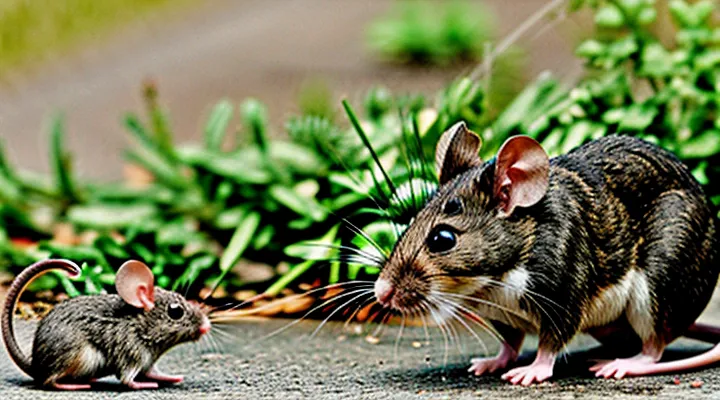
Types of Mouse Poisons
Anticoagulants
First-Generation Anticoagulants
First‑generation anticoagulant rodenticides are synthetic compounds that disrupt the blood‑clotting cascade in rodents. The active agents—warfarin, chlorophacinone, diphacinone, and coumachlor—bind to the enzyme vitamin K epoxide reductase (VKOR). Inhibition of VKOR prevents regeneration of reduced vitamin K, a cofactor required for the γ‑carboxylation of clotting factors II, VII, IX, and X. Without functional clotting factors, blood fails to coagulate, leading to internal hemorrhage.
Key pharmacological characteristics:
- Onset of action: 24–48 hours after ingestion; lethality typically occurs within 3–7 days.
- Dosage: Toxic dose (LD₅₀) for mice ranges from 0.1 mg to 0.5 mg per kilogram of body weight, depending on the specific compound.
- Single‑feed vs. multiple‑feed formulations: Single‑feed products contain higher concentrations to achieve lethal dose in one meal; multiple‑feed products rely on cumulative intake over several days.
Resistance mechanisms have emerged in some rodent populations. Mutations in the VKORC1 gene reduce binding affinity for first‑generation compounds, diminishing efficacy. Consequently, control programs may require higher concentrations, longer exposure periods, or rotation to second‑generation anticoagulants.
Environmental considerations include secondary poisoning of non‑target predators and scavengers that consume poisoned rodents. The persistent nature of first‑generation anticoagulants results in detectable residues in wildlife and soil, prompting regulatory limits on usage and mandatory bait placement strategies to minimize off‑target exposure.
Effective deployment of these rodenticides demands precise bait placement, monitoring of rodent activity, and adherence to label instructions that specify dosage, bait composition, and safety precautions. Proper implementation ensures rapid mortality in target species while reducing collateral risks.
Second-Generation Anticoagulants
Second‑generation anticoagulant rodenticides (SGARs) are synthetic compounds designed to overcome resistance observed with first‑generation agents. They act by inhibiting vitamin K epoxide reductase, a critical enzyme for recycling vitamin K. This blockade prevents the γ‑carboxylation of clotting factors II, VII, IX and X, leading to progressive hemorrhage and death after a delayed onset of 2–5 days.
The delayed effect allows rodents to consume multiple doses without immediate aversion. SGARs also possess a high affinity for hepatic storage proteins, resulting in a prolonged biological half‑life that can exceed 30 days in target species. Consequently, a single lethal dose may be as low as 0.1 mg kg⁻¹ body weight, while sub‑lethal exposure can cause chronic toxicity.
Typical SGARs include:
- Brodifacoum
- Difenacoum
- Bromadiolone
- Difethialone
These compounds differ in lipophilicity, metabolic stability and toxicity to non‑target organisms. Their potency stems from structural modifications that increase resistance to hepatic metabolism, extending the duration of anticoagulant activity.
Resistance management relies on rotating active ingredients and employing bait stations that limit access to non‑target wildlife. Antidotes such as vitamin K₁ can reverse coagulopathy if administered promptly, but the extensive tissue binding of SGARs may require prolonged treatment.
Environmental persistence is a concern; secondary poisoning has been documented in predatory birds and scavengers that ingest contaminated prey. Regulatory frameworks often mandate labeling, dosage restrictions and disposal protocols to mitigate these risks.
In practice, SGARs provide an effective tool for controlling rodent populations when applied according to manufacturer guidelines, integrated pest‑management principles, and local regulations.
Non-Anticoagulant Poisons
Cholecalciferol
Cholecalciferol, a synthetic form of vitamin D₃, is employed as an active ingredient in rodent control products that cause lethal hypercalcemia. After ingestion, the compound is metabolized in the liver to 25‑hydroxycholecalciferol and subsequently to the highly potent 1,25‑dihydroxycholecalciferol. This metabolite binds to vitamin D receptors in intestinal cells, markedly increasing calcium absorption from the diet and promoting calcium release from bone stores. Elevated serum calcium disrupts cardiac rhythm, induces renal failure, and ultimately leads to death within 24–48 hours.
Key toxicological characteristics:
- Acute oral LD₅₀ for mice ranges from 2 mg/kg to 4 mg/kg, reflecting high potency at low doses.
- Sublethal exposure produces muscle weakness, lethargy, and polyuria before progression to fatal outcomes.
- The delayed onset of clinical signs reduces the likelihood of bait avoidance, enhancing efficacy in populations tolerant to fast‑acting anticoagulants.
- Environmental persistence is limited; cholecalciferol degrades under ultraviolet light and is not bioaccumulative, minimizing secondary poisoning risk to non‑target species when used according to label instructions.
Regulatory guidelines require bait formulations to contain concentrations of 0.025 %–0.05 % cholecalciferol, ensuring sufficient intake per mouse while maintaining safety margins for larger mammals. Proper placement of bait stations, monitoring of consumption rates, and adherence to exclusion zones around domestic animal habitats are essential components of an integrated pest‑management strategy that leverages the specific mode of action of this vitamin D₃‑based rodenticide.
Bromethalin
Bromethalin is a synthetic, second‑generation anticoagulant rodenticide that functions by disrupting cellular energy production. After ingestion, the compound is absorbed through the gastrointestinal tract and converted to an active metabolite that uncouples oxidative phosphorylation in mitochondria. This interference halts ATP synthesis, leading to progressive cellular failure and eventual death of the animal.
The toxic effect manifests in a predictable sequence:
- Initial signs: lethargy, loss of coordination, and tremors within 12–24 hours.
- Progression: severe ataxia, paralysis of hind limbs, and respiratory distress.
- Terminal stage: convulsions and death, typically occurring 48–72 hours post‑exposure.
Bromethalin’s delayed action differentiates it from immediate‑acting poisons, reducing the likelihood of bait aversion. The compound remains stable in bait formulations, allowing for sustained exposure in environments where mice are active. Because the toxin does not rely on blood clotting pathways, resistance observed in some populations to first‑generation anticoagulants is less common.
Safety considerations require strict adherence to label instructions. Protective gloves and eye protection are mandatory during handling. Bait stations must be placed out of reach of children, pets, and non‑target wildlife. Disposal of unused product follows local hazardous waste regulations to prevent environmental contamination.
Zinc Phosphide
Zinc phosphide is a widely employed rodenticide formulated as granular, pellet, or bait blocks. The compound consists of zinc cations bonded to phosphide anions (Zn₃P₂) and is packaged for outdoor application where mouse populations are problematic.
When a mouse ingests zinc phosphide, gastric acid reacts with the phosphide ion, releasing phosphine gas (PH₃). Phosphine penetrates the bloodstream, inhibits cellular respiration, and induces rapid organ failure. The toxic effect appears within minutes to a few hours, depending on the dose consumed.
Key characteristics of zinc phosphide as a mouse control agent:
- Low palatability to non‑target species; attraction relies on added food bait.
- Effective dose for mice ranges from 2 to 5 mg of phosphine per kilogram of body weight.
- Single‑application field use provides control for up to three months before re‑baiting is required.
- Residual zinc remains inert in soil, but phosphine dissipates quickly, minimizing long‑term environmental contamination.
Safety protocols demand protective equipment, sealed storage, and exclusion of children and pets from treated areas. Application equipment must be calibrated to avoid over‑distribution, which can increase the risk of accidental exposure. Disposal of unused product follows hazardous waste regulations to prevent groundwater contamination.
Mechanisms of Action
How Anticoagulants Work
Internal Bleeding
Rodent control agents that interfere with blood clotting induce internal hemorrhage by blocking the vitamin K cycle. The compounds bind to the enzyme vitamin K epoxide reductase, preventing regeneration of active vitamin K. Without active vitamin K, hepatic synthesis of clotting factors II, VII, IX, and X declines sharply.
The reduction of functional clotting factors compromises the coagulation cascade. As fibrin formation becomes insufficient, microvascular injuries that normally seal quickly remain open, leading to progressive blood loss within tissues. Organs with rich vascular networks—such as the liver, lungs, and gastrointestinal tract—experience the most pronounced bleeding.
Consequences of unchecked internal bleeding include:
- Rapid drop in circulating red blood cells
- Decreased oxygen delivery to tissues
- Potential collapse of cardiovascular function
Timely detection of these signs is essential for effective intervention. Antidotes that restore vitamin K activity can reverse the anticoagulant effect if administered before irreversible damage occurs.
Delayed Effects
Rodent toxicants that act internally often incorporate a latency period before lethal symptoms appear. The delay allows the poison to be absorbed, distributed, and to interfere with physiological pathways without immediate detection by the animal.
After ingestion, the compound travels through the gastrointestinal tract, entering the bloodstream within minutes. Systemic circulation carries the agent to target organs—commonly the liver, heart, or nervous system—where it disrupts cellular function. Enzymatic inhibition, coagulation cascade interference, or neuroreceptor blockade progresses gradually, producing observable effects only after a threshold concentration is reached.
Typical latency intervals vary by formulation:
- Anticoagulant baits: 24–72 hours before internal bleeding becomes evident.
- Neurotoxic second‑generation agents: 6–12 hours prior to muscle paralysis or respiratory failure.
- Metabolic disruptors (e.g., phosphides): 2–4 hours until systemic acidosis manifests.
The delayed onset complicates monitoring because rodents often return to normal activity before symptoms develop, increasing the likelihood of secondary exposure to non‑target species. Effective control programs therefore require repeated placement of bait, observation of mortality over the full latency window, and proper disposal of carcasses to prevent environmental contamination.
How Non-Anticoagulants Work
Vitamin D Toxicity
Vitamin D toxicity, also known as hypervitaminosis D, is a primary mechanism exploited by certain rodenticides that rely on cholecalciferol. Excessive intake of the fat‑soluble vitamin raises serum calcium to lethal levels, disrupting cellular homeostasis and causing rapid organ failure.
The toxic cascade begins with uncontrolled intestinal calcium absorption, followed by mobilization of calcium from bone. Elevated calcium precipitates in soft tissues, leading to calcification of the kidneys, heart, and blood vessels. The resulting hypercalcemia suppresses parathyroid hormone, further impairing renal function and promoting diuresis.
Typical clinical manifestations include:
- Nausea and vomiting
- Polyuria and polydipsia
- Muscle weakness and lethargy
- Cardiac arrhythmias
- Acute renal insufficiency
Laboratory assessment reveals serum calcium concentrations markedly above the normal range, often exceeding 14 mg/dL, accompanied by low parathyroid hormone levels and elevated serum phosphate. Radiographic imaging may show soft‑tissue calcifications.
Management focuses on reducing calcium load and supporting organ function. Immediate measures comprise:
- Administration of isotonic saline to promote renal calcium excretion.
- Loop diuretics (e.g., furosemide) to enhance calciuresis after adequate hydration.
- Intravenous bisphosphonates to inhibit osteoclastic bone resorption.
- Corticosteroids to decrease intestinal calcium absorption.
- Dialysis in cases of severe renal compromise or refractory hypercalcemia.
Understanding the pathophysiology of vitamin D toxicity is essential for handling cholecalciferol‑based rodenticides safely. Knowledge of dose‑response relationships, symptom onset, and effective antidotes enables professionals to mitigate accidental exposure and to apply appropriate treatment protocols when poisoning occurs.
Neurological Disruption
Rodent toxicants designed to impair the nervous system act by disrupting normal neuronal signaling. Primary neurotoxic classes include anticholinesterases such as organophosphates, the uncoupler bromethalin, and phosphine‑generating compounds like zinc phosphide. Each agent interferes with distinct biochemical pathways that maintain synaptic function.
Anticholinesterase poisons inhibit acetylcholinesterase, preventing breakdown of acetylcholine. Accumulated neurotransmitter overstimulates muscarinic and nicotinic receptors, producing continuous depolarization, muscle fasciculations, seizures, and eventual respiratory collapse.
Bromethalin blocks mitochondrial ATP synthesis, causing rapid swelling of neuronal cells. Cerebral edema raises intracranial pressure, leading to loss of coordination, paralysis, and death without overt respiratory involvement.
Phosphine released from zinc phosphide interferes with cytochrome oxidase, reducing cellular respiration and inducing oxidative stress in neuronal tissue. Resulting energy failure manifests as lethargy, tremor, and eventual coma.
Typical neurological signs in exposed mice:
- Hyperexcitability
- Tremor
- Convulsive activity
- Ataxia
- Paralysis of respiratory muscles
These manifestations reflect the direct impact of neurotoxic agents on synaptic transmission, ion channel function, and cellular energy balance, providing the lethal efficacy of mouse control products that rely on neurological disruption.
Gas Production
Gas‑producing rodent toxicants rely on chemical reactions that generate lethal vapors inside the animal’s digestive tract. When a mouse ingests a bait containing metal phosphides, stomach acid converts the solid compound into phosphine (PH₃). Phosphine penetrates cell membranes, disrupts mitochondrial respiration, and causes rapid systemic failure. The reaction proceeds as follows:
- Metal phosphide (e.g., zinc or aluminum phosphide) contacts gastric HCl.
- Acidic dissolution releases phosphine gas.
- Gas diffuses into bloodstream, inhibiting cytochrome c oxidase.
Gas production creates a high‑pressure environment that accelerates toxin distribution. Phosphine’s low molecular weight allows swift diffusion through tissues, reaching the central nervous system within minutes. Toxicity thresholds are measured in parts per million; concentrations above 0.5 ppm are fatal for rodents.
Secondary gas‑forming agents, such as sodium nitrite, produce nitric oxide (NO) under physiological conditions. NO binds hemoglobin, forming methemoglobin, which impairs oxygen transport. The conversion sequence includes:
- Sodium nitrite reacts with gastric moisture.
- Nitrite ions reduce to nitric oxide.
- NO oxidizes hemoglobin to methemoglobin, leading to hypoxia.
Both phosphine and nitric oxide act independently of the animal’s metabolic rate, ensuring effectiveness across varied environmental temperatures. Proper formulation balances bait palatability with sufficient phosphide or nitrite content to guarantee gas generation above lethal concentrations while minimizing exposure risk to non‑target species.
Factors Influencing Efficacy
Dosage and Consumption
Dosage recommendations for rodent anticoagulant baits are expressed in milligrams of active ingredient per kilogram of body weight. The lethal dose (LD50) for common species such as the house mouse typically ranges from 0.2 mg/kg to 0.5 mg/kg, depending on the specific compound and formulation. Commercial products are calibrated to deliver a single dose sufficient to cause mortality after a single feeding event, usually containing 0.025 mg to 0.05 mg of active ingredient per gram of bait.
Consumption guidelines distinguish between primary and secondary exposure. Primary consumption assumes the target animal ingests the entire bait unit; secondary exposure occurs when a predator or scavenger consumes a poisoned mouse. To minimize secondary risk, manufacturers limit the concentration of the toxin and often incorporate bittering agents that deter non‑target species. Recommended practices include:
- Placing bait in secured stations that restrict access to rodents.
- Monitoring bait uptake and replenishing only when consumption falls below 10 % of the available amount.
- Removing uneaten bait after 48 hours to prevent accidental ingestion by pets or wildlife.
Safety margins are built into the formulation. Toxicological data indicate that a dosage of 0.01 mg/kg produces sub‑lethal effects, while doses above 0.2 mg/kg result in rapid onset of internal hemorrhage. Regulatory agencies require that product labeling specify the exact concentration of active ingredient, the maximum amount per bait, and the appropriate handling procedures for users. Compliance with these specifications ensures effective control of rodent populations while limiting unintended exposure.
Mouse Physiology
Mice possess a high metabolic rate, rapid heartbeats, and efficient renal clearance, factors that influence the speed and severity of toxicant action. Their small body mass results in a low volume of distribution, so a modest dose of poison can achieve lethal concentrations in blood and tissues.
The central nervous system controls locomotion, feeding, and thermoregulation. Neurotoxic agents interrupt synaptic transmission by binding to acetylcholine receptors or blocking voltage‑gated sodium channels, producing paralysis and respiratory failure. Because mice rely on reflexive escape responses, even brief inhibition of neuronal signaling leads to rapid immobilization.
Cardiovascular physiology features a heart rate of 300–600 beats per minute and a high cardiac output relative to body size. Anticoagulant compounds interfere with vitamin K recycling, preventing synthesis of clotting factors II, VII, IX, and X. The resulting coagulopathy manifests as internal bleeding; the rapid circulation distributes the toxin throughout the organism, accelerating hemorrhagic onset.
The digestive tract comprises a short, acidic stomach and a fast‑transit small intestine. Oral baits dissolve quickly, allowing swift absorption of active ingredients across the intestinal epithelium. Enzymatic activity in the liver, particularly cytochrome P450 isoforms, metabolizes many poisons; however, rodents exhibit limited capacity for detoxifying certain anticoagulants, leading to accumulation of active metabolites.
Renal excretion eliminates water‑soluble substances within minutes. High glomerular filtration rates can reduce toxin residence time, yet the lethal dose of many rodenticides exceeds the kidneys’ ability to clear them before systemic effects develop.
Key physiological attributes that determine poison efficacy include:
- Small body mass → low distribution volume
- High cardiac output → rapid systemic spread
- Fast gastrointestinal absorption → quick entry into circulation
- Limited hepatic detoxification for specific agents → sustained toxicity
- Efficient renal clearance → potential for sub‑lethal exposure if dose is insufficient
Understanding these physiological parameters clarifies why particular toxicants achieve rapid mortality in mice and informs the selection of compounds with appropriate potency and safety profiles.
Bait Resistance
Bait resistance refers to the reduced efficacy of rodent control formulations when target populations develop the ability to survive exposure. The phenomenon compromises population suppression and can lead to increased damage and disease risk.
Resistance arises through several biological pathways:
- Genetic mutations that alter target sites for anticoagulant compounds, preventing binding and subsequent disruption of blood clotting.
- Up‑regulated liver enzymes that metabolize toxicants faster than lethal concentrations can accumulate.
- Behavioral adaptations such as avoidance of poisoned food, often after a single sublethal encounter.
External factors accelerate resistance development. Repeated use of a single active ingredient creates selective pressure, while inconsistent bait placement allows mice to encounter sublethal doses. Low‑quality bait matrices may reduce palatability, encouraging shyness toward treated feed.
Effective management combines chemical and operational tactics. Rotating active ingredients with different modes of action limits selective pressure. Adding enzyme inhibitors or synergists restores susceptibility in populations with metabolic resistance. Regular field monitoring detects early signs of reduced bait performance, prompting timely adjustments to the control program. Proper bait density and secure placement ensure lethal intake, reducing the chance of sublethal exposure that fuels resistance.
Safety and Environmental Considerations
Risks to Non-Target Animals
Secondary Poisoning
Secondary poisoning occurs when a non‑target animal consumes a mouse that has ingested an anticoagulant or other rodent toxicant. The secondary victim receives a dose of the poison proportional to the amount of contaminated tissue ingested, which can be sufficient to cause clinical signs or death.
Anticoagulant rodenticides are the most common agents responsible for secondary effects. These compounds inhibit vitamin K recycling, leading to uncontrolled bleeding. Because they persist in liver tissue for weeks, predators and scavengers that feed on poisoned mice accumulate the toxin over multiple meals, a phenomenon known as cumulative secondary exposure.
Key factors influencing secondary poisoning risk include:
- Type of rodenticide (first‑generation versus second‑generation anticoagulants)
- Dose administered to the mouse
- Species and feeding habits of the secondary consumer
- Environmental conditions that affect carcass decomposition
Mitigation strategies focus on reducing exposure opportunities and limiting toxin persistence:
- Deploy bait stations that restrict access to rodents only.
- Select rodenticides with rapid degradation or lower bioaccumulation potential when non‑target risk is high.
- Monitor wildlife mortality in areas where rodenticides are applied and adjust practices accordingly.
- Educate users on proper placement, dosage, and disposal of unused bait.
Regulatory frameworks in many jurisdictions classify certain anticoagulants as restricted-use products, requiring certification and record‑keeping to track applications and prevent unintended secondary impacts. Compliance with these rules, combined with targeted baiting techniques, minimizes the likelihood of secondary poisoning while maintaining effective mouse control.
Environmental Impact
Rodent poisons, typically anticoagulants or neurotoxins, introduce chemicals into ecosystems that persist beyond the target species. These substances can be transferred through predation, scavenging, or environmental dispersion, leading to secondary poisoning of non‑target wildlife such as birds of prey, foxes, and domestic pets. Accumulation in tissues may cause sub‑lethal effects, reduced reproductive success, and mortality, thereby altering local food webs.
Key pathways of environmental contamination include:
- Runoff and leaching: Rainwater carries active compounds from bait stations into soil and surface water, contaminating aquatic habitats and affecting fish and invertebrate populations.
- Scavenger exposure: Carrion containing poison residues is consumed by opportunistic species, extending toxicity up the trophic ladder.
- Soil persistence: Certain anticoagulants bind to organic matter, remaining bioavailable for months and influencing soil microfauna and earthworm health.
Regulatory frameworks often require mitigation measures such as bait placement restrictions, use of biodegradable formulations, and monitoring programs to reduce unintended ecological damage. Implementing these controls limits chemical spread, protects biodiversity, and maintains ecosystem stability.
Proper Disposal
Proper disposal of rodent toxicants prevents accidental poisoning of non‑target animals, humans, and contaminates the environment.
- Seal used bait containers in a rigid, leak‑proof bag.
- Place the sealed bag in a labeled, puncture‑resistant trash container.
- Remove the container from the premises according to local hazardous‑waste collection schedules.
Compliance with regional regulations is mandatory. Identify the governing agency—often environmental protection or public health departments—and follow their specific guidelines for hazardous‑waste submission. Documentation, such as a disposal receipt, should be retained for audit purposes.
Store unused poison in its original, child‑resistant packaging until disposal. Transfer only the amount required for immediate use; excess material must undergo the same sealed‑bag procedure. Transport sealed containers in a vehicle compartment that isolates them from passengers and cargo.
By adhering to these protocols, users mitigate risk, meet legal obligations, and protect ecosystems from toxic residues.
Best Practices for Use
Placement Strategies
Effective placement of rodent bait maximizes contact while minimizing risk to non‑target animals and humans. Positioning should consider mouse behavior, environmental factors, and safety protocols.
- Locate stations near walls, as mice travel along edges. Install bait boxes within 10–15 cm of baseboards, behind appliances, and inside cabinets.
- Target active pathways identified by droppings, gnaw marks, or fresh runways. Place bait at the midpoint of each corridor to encourage forward movement.
- Secure bait at a height of 2–5 cm above the floor to match the typical foraging level of mice while remaining inaccessible to larger mammals.
- Use tamper‑resistant containers in areas with children or pets. Seal openings with snap‑fit lids that open only under mouse pressure.
- Rotate placement every 2–3 weeks to prevent bait aversion. Remove spent stations and replace with fresh units in the same zones.
- In multi‑story buildings, distribute bait on each level, focusing on stairwells, utility shafts, and vent openings where vertical movement occurs.
- Avoid placement near food preparation surfaces, open drains, or water sources to reduce contamination risk.
- Monitor stations daily for consumption, spoilage, or displacement. Adjust density of bait points if activity spikes, maintaining a maximum of one station per 30 m² in high‑traffic zones.
Proper execution of these strategies ensures consistent ingestion by target rodents while adhering to safety standards.
Monitoring and Follow-Up
Monitoring after rodenticide deployment confirms efficacy and prevents secondary risks. Immediate observation of bait stations identifies consumption patterns; absence of activity may indicate bait aversion or insufficient placement. Regular checks, at least every 24 hours during the first three days, provide data for rapid adjustment.
Key monitoring actions include:
- Visual inspection of bait locations for signs of tampering or non‑target exposure.
- Recording dead rodents, noting size, location, and time of discovery.
- Tracking bait depletion to calculate average consumption rates.
- Using motion‑activated cameras where visual access is limited.
Follow‑up procedures rely on documented findings. If dead‑rodent counts fall below expected thresholds, increase bait density or reposition stations. Replace depleted bait promptly to maintain continuous pressure on the population. Maintain a log of dates, locations, and quantities used; this record supports regulatory compliance and informs future control cycles. After the anticipated kill period, conduct a final sweep to verify eradication before removing all poison sources.
Emergency Procedures
When a person or pet comes into contact with rodent toxicant, immediate action determines the outcome. Remove the individual from the contaminated area, prevent further ingestion or skin absorption, and assess the severity of exposure. If the victim shows signs such as vomiting, difficulty breathing, or seizures, treat the situation as a medical emergency.
- Call emergency services or a poison‑control center without delay.
- If ingestion occurred, do not induce vomiting unless instructed by a professional.
- Provide the product name, active ingredient, and amount ingested to responders.
- For skin contact, remove contaminated clothing and rinse the affected area with plenty of water for at least 15 minutes.
- If eyes are exposed, flush with water or saline solution continuously for a minimum of 15 minutes, keeping the eyelids open.
After initial measures, keep the victim calm, monitor vital signs, and follow the guidance of medical personnel. Preserve any remaining product packaging for reference, and document the time of exposure to assist healthcare providers in delivering appropriate treatment.