
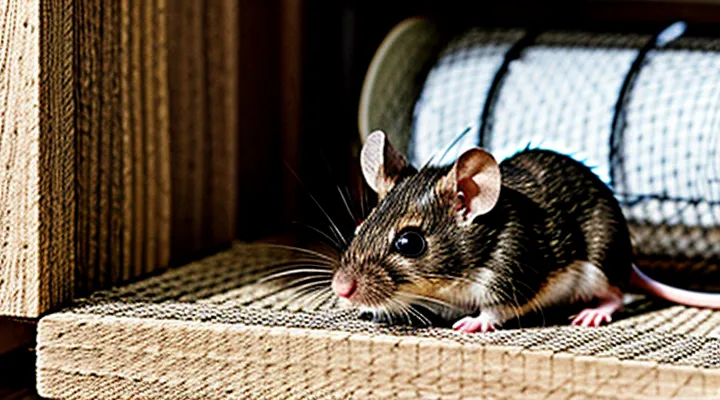
Why Frame Houses Are Vulnerable
Entry Points and Vulnerable Areas
Rodent intrusion in timber‑framed residences begins at specific openings where the building envelope is compromised. Gaps around utility penetrations, such as water pipes, electrical conduits, and HVAC ducts, often measure less than one inch yet provide sufficient clearance for mice. Openings at the foundation—cracks in concrete footings, deteriorated sill plates, and unsealed crawl‑space vents—allow direct access from the ground. Roof eaves, soffits, and attic vents constitute aerial pathways; poorly fitted flashing or damaged roofing underlayment creates tunnels that rodents exploit. Door and window frames with worn weatherstripping or misaligned casings generate peripheral gaps that serve as entry points during seasonal temperature changes.
These vulnerable zones share common characteristics: they are structural discontinuities, they experience regular movement or settlement, and they are frequently overlooked during routine maintenance. Identifying each location requires systematic inspection, beginning at the ground level and progressing upward, noting any visible gaps, damaged mesh, or signs of gnawing.
Mitigation through rodent‑resistant netting involves installing fine‑mesh barriers that seal each identified opening without impeding building functions. Key implementation steps include:
- Measuring each gap to select mesh with a 1/4‑inch opening or smaller, ensuring mice cannot pass.
- Securing netting with corrosion‑resistant staples or screws, overlapping seams by at least two inches to prevent seam failure.
- Applying a durable sealant or expanding foam around netting edges to create a continuous barrier.
- Inspecting and reinforcing netting after extreme weather events, as wind or snow load can displace or tear the material.
By focusing on these entry points and reinforcing them with appropriate mesh, homeowners achieve a comprehensive, long‑lasting defense against rodent activity in frame houses.
Health Risks and Structural Damage Caused by Rodents
Rodents infiltrating timber-framed dwellings create immediate threats to occupant health and building integrity.
Health risks associated with rodent activity include:
- Transmission of pathogens such as Hantavirus, leptospirosis, and salmonellosis through urine, feces, and saliva.
- Contamination of food supplies and kitchen surfaces, leading to gastrointestinal infections.
- Accumulation of allergens from droppings and dander, aggravating asthma and allergic rhinitis.
Structural damage caused by gnawing and nesting behavior comprises:
- Compromise of wooden framing members, reducing load‑bearing capacity and accelerating decay.
- Breach of insulation layers, resulting in thermal inefficiency and increased energy consumption.
- Damage to electrical wiring and plumbing, raising fire hazard and water‑damage potential.
Mitigating these hazards requires a physical barrier that excludes rodents from all entry points. Durable mesh installed around openings, vents, and crawl spaces prevents access, preserving both health standards and structural performance.
The Role of Mouse Netting in Rodent Control
What is Mouse Netting?
Mouse netting is a woven or non‑woven mesh designed to prevent small rodents from entering the interior of timber‑frame structures. The material typically consists of high‑tensile polypropylene, polyethylene, or stainless‑steel fibers, providing durability against weather, UV exposure, and gnawing. Mesh openings range from 1 mm to 6 mm, allowing airflow while excluding mice, voles, and similar pests.
Key characteristics include:
- Strength: Tensile rating of 250 kg m‑² or higher, ensuring resistance to pulling forces.
- Flexibility: Ability to conform to irregular framing, roof eaves, and vent openings without tearing.
- Corrosion resistance: Synthetic fibers resist moisture; metal options are coated to prevent rust.
- Ease of installation: Pre‑cut panels with grommets or self‑adhesive edges simplify attachment to studs, joists, and soffits.
Installation involves securing the netting to the building envelope with staples, screws, or zip ties, sealing all seams with UV‑stable tape, and ensuring overlap of at least 10 cm at joints. Properly fitted netting eliminates entry points, reduces the need for chemical deterrents, and protects insulation, wiring, and structural wood from rodent damage.
Overall, mouse netting serves as a physical barrier that safeguards frame houses from infestations, extending the lifespan of the building and maintaining its structural integrity.
Types of Mouse Netting Materials
Various materials are employed to create mouse netting that safeguards timber‑framed residences against rodent intrusion. Selection depends on durability, corrosion resistance, mesh aperture, and ease of installation.
-
Galvanized steel mesh: Offers high tensile strength, resists rust when properly coated, and maintains structural integrity over decades. Typical apertures range from 4 mm to 6 mm, sufficient to block common house mice while allowing airflow.
-
Stainless steel mesh: Provides superior corrosion resistance in humid or coastal environments. Although more expensive than galvanized options, it retains strength without additional coatings and is ideal for long‑term exposure.
-
Aluminum mesh: Lightweight and naturally resistant to oxidation. Suitable for interior framing where weight constraints exist, but requires careful handling to avoid denting that could enlarge openings.
-
Polypropylene netting: Flexible, UV‑stabilized plastic that resists moisture and chemical exposure. Mesh sizes can be customized, and the material is easy to cut and fasten. It lacks the rigidity of metal, making it appropriate for irregular cavity shapes.
-
Fiberglass reinforced mesh: Combines the strength of glass fibers with a polymer matrix. Resistant to moisture and temperature fluctuations, it offers a non‑metallic alternative that does not conduct electricity, useful near electrical installations.
-
PVC‑coated wire mesh: Steel wires encased in a PVC layer protect against rust and provide a smooth surface that reduces snagging during installation. The coating adds an extra barrier against moisture penetration.
Each material presents trade‑offs. Metal meshes excel in mechanical strength and long‑term durability but may require additional corrosion protection in aggressive environments. Plastic‑based nets excel in flexibility and resistance to moisture but may need reinforcement to prevent tearing under load. Proper mesh selection aligns material properties with the specific exposure conditions of the building envelope, ensuring reliable rodent exclusion.
Stainless Steel Mesh
Stainless steel mesh provides a durable barrier against rodents in timber‑framed dwellings. Its corrosion‑resistant alloy maintains structural integrity in humid or coastal environments, eliminating the need for frequent replacement.
Key attributes of stainless steel mesh for rodent exclusion:
- Mesh size: openings no larger than 6 mm prevent entry of mice and rats while allowing airflow.
- Gauge: 20‑30 gauge material balances flexibility for installation with sufficient strength to resist chewing.
- Finish: brushed or polished surfaces reduce adhesion of debris, simplifying cleaning.
- Temperature tolerance: retains performance from –30 °C to 200 °C, suitable for insulated roof spaces and attics.
Installation guidelines ensure effective protection:
- Seal all exterior wall cavities, soffits, and eaves with overlapping seams of at least 30 mm.
- Secure mesh to framing members using stainless‑steel staples or self‑tapping screws; avoid nails that may rust.
- Apply a continuous bead of silicone or polyurethane sealant along perimeter joints to block micro‑gaps.
- Inspect penetrations for utilities, vents, and wiring; install mesh sleeves or grommets to maintain continuity.
Maintenance requirements are minimal. Periodic visual checks for torn sections or rust spots suffice; any compromised area should be replaced immediately to preserve the integrity of the barrier.
Selecting the appropriate stainless steel mesh involves evaluating environmental exposure, required durability, and budget constraints. Galvanic compatibility with adjacent metal components prevents accelerated corrosion, while certified fire‑rating (e.g., ASTM E84) ensures compliance with building codes.
Overall, stainless steel mesh delivers a reliable, low‑maintenance solution for rodent exclusion in frame houses, combining strength, longevity, and ease of integration with existing construction practices.
Galvanized Steel Mesh
Galvanized steel mesh provides the structural integrity required for rodent barriers in timber‑frame construction. The zinc coating protects the steel from corrosion, extending the service life of the netting even in humid climates. Mesh openings typically range from 6 mm to 12 mm, small enough to prevent entry by mice while allowing airflow and light penetration.
Key performance attributes include:
- Tensile strength exceeding 300 MPa, sufficient to withstand pressure from nesting rodents.
- UV‑resistant coating that maintains protection under direct sunlight.
- Compatibility with standard framing members, enabling secure fastening with screws or staples.
- Recyclability, supporting sustainable building practices.
Installation demands precise alignment of the mesh along all wall cavities, roof eaves, and foundation gaps. Overlap sections by at least 150 mm and seal joints with stainless‑steel staples or rivets to eliminate potential entry points. Verify that fasteners are also galvanized to prevent localized corrosion.
Maintenance involves periodic visual inspection for tears, rust patches, or displaced sections. Prompt repair with matching mesh material restores barrier continuity and preserves the protective function throughout the building’s lifespan.
Advantages of Using Mouse Netting for Frame Houses
Mouse netting offers a practical solution for protecting timber-framed residences from rodent intrusion. The material creates a continuous physical barrier that prevents mice and other small pests from entering wall cavities, roof spaces, and floor joists.
- Fine mesh size blocks entry while allowing airflow, preserving ventilation efficiency.
- UV‑stabilized fibers resist degradation from sunlight and moisture, extending service life beyond typical roofing or siding materials.
- Installation requires only staple guns or nails; panels can be cut to fit irregular openings without specialized tools.
- Material cost per square foot remains lower than alternative pest‑exclusion systems, reducing overall project expenses.
- Compatibility with existing insulation and sheathing eliminates the need for additional structural modifications.
- Maintenance involves periodic visual inspections; damaged sections are easily replaced without extensive demolition.
These characteristics make mouse netting a reliable, cost‑effective, and low‑maintenance choice for safeguarding frame houses against rodent damage.
Planning Your Mouse Netting Installation
Assessing Your Frame House for Rodent Activity
Evaluating a timber‑framed residence for signs of rodent presence is the first step toward effective barrier installation. Direct observation, physical inspection, and documentation provide the data needed to target vulnerable areas.
Begin with a systematic walk‑through of the interior and exterior. Look for droppings, gnaw marks, shredded insulation, and nesting material. Pay special attention to attics, crawl spaces, and basements, where moisture and food sources attract rodents. Use a flashlight to illuminate concealed cavities and a magnifying lens to confirm small droppings or urine stains.
Exterior assessment should focus on potential entry points. Examine the following components:
- Roof eaves and soffits for gaps larger than ¼ in.
- Wall sheathing and siding seams for cracks or loose panels.
- Vent openings, including dryer, exhaust, and attic vents; ensure they are fitted with screens.
- Utility penetrations (pipes, wires, conduit) for unsealed holes.
- Foundation cracks and foundation vents; verify that they are sealed with appropriate material.
After identifying each opening, measure its dimensions and record its location. Prioritize repairs based on size and proximity to food sources or nesting sites. Seal gaps using steel wool, hardware cloth, or expandable foam designed for pest exclusion; avoid materials that rodents can easily chew through, such as soft caulk.
In parallel, evaluate the condition of existing insulation and structural members. Compromised insulation may indicate repeated activity and can harbor pathogens. Replace damaged sections and consider installing rodent‑resistant insulation types that incorporate metal mesh barriers.
Finally, create a concise report that lists:
- All observed signs of activity with photographic evidence.
- Each entry point, its size, and recommended sealing method.
- Structural components requiring repair or replacement.
- Immediate actions to reduce attractants (e.g., clearing debris, securing food storage).
The compiled data directs the installation of protective netting and ensures that the barrier addresses every identified weakness, minimizing future rodent incursions.
Determining Netting Requirements
Accurate calculation of netting needs begins with a comprehensive survey of all potential entry points. Measure each opening—ventilation ducts, window gaps, eaves, and foundation cracks—to the nearest millimeter. Record dimensions in a table for quick reference.
Select mesh size based on target species. For house mice, a 6 mm (¼ in) aperture prevents passage; larger pests require 12 mm (½ in) or greater. Verify that the chosen mesh complies with local building codes and pest‑control guidelines.
Determine total material by adding a 10 % allowance for overlap and waste. Multiply the length and height of each opening, then sum the results. Apply the allowance to the cumulative area to obtain the final purchase quantity.
Consider installation factors that affect material choice:
- Overlap: Minimum 30 mm (1 in) on all sides ensures a continuous barrier.
- Fastening: Stainless‑steel staples or corrosion‑resistant clips provide long‑term reliability.
- Tension: Use a tensioning rod or elastic cord to keep the net taut, preventing sagging that creates gaps.
- Weather exposure: UV‑stabilized polymer netting extends service life in sun‑intense regions.
Verify structural support before mounting. Reinforce weak framing members with additional bracing if the netting load exceeds 2 kg per square meter. After installation, conduct a walk‑through inspection to confirm that no seams are exposed and that all fasteners are secure.
Document the final specifications—mesh size, total area, overlap dimensions, and attachment method—in a project log. Retain the log for future maintenance and for compliance audits.
Mesh Size Considerations
The mesh size selected for a rodent barrier on timber-framed construction determines which species can penetrate the enclosure and influences installation ease, durability, and airflow. Smaller apertures block mice and voles but may increase material stiffness, making handling more difficult. Larger openings improve flexibility and ventilation but allow smaller pests to pass. Balancing these factors ensures effective protection without compromising structural integrity.
Key considerations for choosing an appropriate mesh dimension:
- Target species: mice require openings no larger than 1 mm; larger pests such as squirrels can be excluded with 6 mm openings.
- Material strength: finer meshes demand higher tensile strength to resist tearing under wind load or animal pressure.
- Installation environment: interior walls tolerate tighter weaves, while exterior cladding benefits from slightly larger gaps to accommodate thermal expansion.
- Airflow and moisture control: meshes larger than 5 mm facilitate ventilation, reducing condensation risk in enclosed cavities.
- Cost and availability: ultra‑fine meshes often carry a premium price and may have limited supplier options.
Selecting a mesh that meets the smallest relevant pest dimension while satisfying structural and environmental requirements delivers reliable rodent exclusion for framed houses.
Material Selection Based on Environmental Factors
Selecting a netting material that aligns with site‑specific conditions ensures long‑term rodent exclusion for timber‑frame dwellings.
Key environmental variables influencing material performance include:
- Temperature extremes and daily fluctuations
- Relative humidity and precipitation levels
- Ultraviolet (UV) radiation intensity
- Proximity to salt‑laden air or industrial pollutants
- Presence of large wildlife that may damage or bypass barriers
- Soil chemistry affecting corrosion potential
Commonly used netting substrates and their suitability:
- Galvanized steel – resistant to moderate humidity, effective under high UV exposure; vulnerable to corrosion in salty or acidic environments.
- Stainless steel (304/316) – superior corrosion resistance in coastal or industrial zones; maintains tensile strength across wide temperature ranges.
- Aluminum – lightweight, low corrosion risk in dry climates; reduced strength under heavy loads or extreme cold.
- High‑density polyethylene (HDPE) – flexible, UV‑stabilized grades withstand intense sunlight; limited durability when exposed to prolonged moisture without protective coating.
- Polypropylene – economical, resistant to chemical agents; performance declines with repeated thermal cycling.
- Coated fiberglass – high tensile strength, excellent UV stability; susceptible to abrasion from larger mammals.
Material selection process:
- Assess climate data to determine temperature and humidity profiles.
- Identify exposure to salt spray, industrial emissions, or aggressive soils.
- Evaluate UV index and expected sunlight duration for the installation site.
- Match material properties to the identified factors, prioritizing corrosion resistance and UV stability where relevant.
- Factor in installation constraints such as weight limits, fastening methods, and budget.
Applying this systematic evaluation yields a netting choice that maximizes durability, minimizes maintenance, and sustains effective rodent protection for frame houses.
Installation Techniques for Effective Mouse Netting
Tools and Materials Required for Installation
Effective installation of rodent‑proof netting on timber frames demands specific equipment and consumables. Selecting appropriate items ensures durability, proper fit, and ease of maintenance.
A typical toolkit includes:
- Heavy‑duty utility knife or scissors for cutting mesh to size.
- Measuring tape (minimum 25 ft) with metric and imperial markings.
- Chalk line or laser level to mark straight installation paths.
- Staple gun with corrosion‑resistant staples (3‑4 mm gauge) for attaching netting to wooden studs.
- Hammer or impact driver for driving fasteners into structural members.
- Screwdriver set (flat‑head and Phillips) for securing brackets and clamps.
- Pliers and wire cutters for trimming and bending metal components.
- Safety gear: gloves, safety glasses, and hearing protection.
Essential materials consist of:
- Galvanized or stainless‑steel mesh with openings no larger than ¼ inch, rated for outdoor exposure.
- Weather‑proof sealing tape to overlap joints and prevent gaps.
- UV‑stabilized adhesive strips for reinforcing edge connections.
- Metal or plastic brackets designed for framing applications, compatible with the chosen mesh gauge.
- Rust‑inhibiting primer and paint for exposed fasteners to extend service life.
Preparation steps involve measuring each opening, cutting the mesh with a clean edge, securing the material using the listed fasteners, and sealing all seams. Proper use of the described tools and materials yields a robust barrier that resists rodent intrusion while maintaining the structural integrity of the frame house.
Step-by-Step Installation Guide
The following guide details the installation of rodent‑proof netting on timber‑frame homes. Follow each step precisely to achieve a durable barrier.
-
Measure all openings. Record the width and height of vents, gaps around doors, window frames, and any penetrations for utilities. Add a 2‑inch margin to each dimension to allow for overlap.
-
Select netting material. Choose a galvanized‑steel or high‑tensile polymer mesh with a ¼‑inch or smaller aperture. Verify that the mesh rating meets local building codes for pest control.
-
Cut the netting. Using heavy‑duty scissors or a utility blade, trim pieces according to the recorded dimensions plus the overlap margin. Keep cuts straight to prevent gaps.
-
Prepare the framing surface. Remove debris, seal cracks with expanding foam, and ensure wood is dry. Apply a rust‑inhibiting primer if the frame is untreated.
-
Attach the netting. Position the cut piece over the opening, then fasten it with stainless‑steel staples or self‑drilling screws spaced no more than 6 inches apart. Drive fasteners into solid wood, avoiding studs that may split.
-
Seal seams. Overlap adjacent netting sections by at least 4 inches. Secure the overlap with mesh tape and a continuous line of fasteners. Apply a weather‑resistant sealant along the edges to block moisture infiltration.
-
Install reinforcement brackets. For high‑traffic areas, mount metal brackets at the top and bottom of the netting. Secure brackets with lag bolts, then bolt the netting to the brackets for added tension resistance.
-
Inspect the installation. Walk the perimeter, checking for loose fasteners, protruding edges, or gaps larger than ¼ inch. Tighten any slack and re‑seal as needed.
-
Document the work. Record dates, materials used, and any deviations from the plan. Store the documentation with other building maintenance records for future reference.
-
Schedule periodic checks. Conduct visual inspections quarterly, focusing on high‑risk zones such as utility penetrations and roof eaves. Replace damaged sections promptly to maintain continuous protection.
Securing Foundation Vents
Securing foundation vents is a critical component of rodent‑proofing timber‑framed residences. Openings that provide airflow to crawl spaces and basements also create pathways for mice and rats. Properly designed and installed vent protection eliminates these pathways while preserving ventilation performance.
Effective vent protection requires:
- Rigid metal or stainless‑steel mesh with openings no larger than ¼ inch to block even juvenile rodents.
- Weather‑resistant, corrosion‑inhibited fasteners that maintain structural integrity over time.
- Over‑lap seams and sealed joints to prevent gaps that rodents could exploit.
- Integration with existing vent louvers to avoid interference with airflow or drainage.
Installation proceeds in a defined sequence:
- Inspect each vent for damage, rust, or existing gaps. Remove loose debris and clean the surface.
- Measure the vent opening accurately; cut mesh to size with a margin of at least one inch on all sides.
- Position the mesh over the vent, align edges, and secure with stainless‑steel screws or self‑drilling rivets. Use a silicone‑based sealant at the perimeter to create a watertight barrier.
- Verify that the vent retains its rated airflow by measuring pressure drop before and after installation; adjust mesh tension if necessary.
- Document the installation with photographs and a maintenance log.
Routine checks should occur twice annually, focusing on:
- Mesh deformation or corrosion.
- Sealant integrity around the perimeter.
- Accumulation of debris that could reduce airflow or create new entry points.
When replacement is needed, follow the original installation protocol to ensure consistent protection. By adhering to these practices, foundation vents remain functional and impervious to rodent intrusion, supporting the overall durability of the building envelope.
Protecting Eaves and Soffits
Protecting eaves and soffits is essential for preventing rodents from entering the roof cavity of timber‑framed homes. These exposed areas provide direct access to insulation, wiring, and structural components, making them prime targets for mice and rats.
A durable mesh, typically made from galvanized steel or stainless‑steel wire, should be installed with a mesh size of ¼ inch or smaller. The material must resist corrosion and withstand weather extremes. Secure the netting to the underside of the eaves and the interior face of the soffit, overlapping seams by at least 6 inches and fastening with stainless‑steel staples or self‑drilling screws. Ensure the netting extends beyond the eave edge to close any gaps between the roof and the wall.
Key installation steps:
- Measure the perimeter of each eave and soffit section.
- Cut mesh to length, allowing excess for overlap.
- Attach mesh to the framing members, maintaining tension to prevent sagging.
- Seal joints with a rodent‑proof caulk or silicone sealant.
- Inspect for openings around vent pipes, wiring conduits, and drainage channels; cover each with mesh or a separate sealing element.
Regular inspection, at least twice a year, identifies damage caused by weather or rodents. Replace torn sections promptly and verify that fasteners remain tight. Maintaining a continuous barrier eliminates the most common entry points, preserving the integrity of the roof structure and reducing the risk of rodent‑related damage.
Sealing Gaps Around Pipes and Utilities
Sealing gaps around pipes and utilities forms a critical layer of protection against rodent intrusion in frame houses that employ mouse netting systems. Openings at water, gas, electrical, and ventilation lines provide direct access points for mice and rats, allowing them to bypass exterior barriers and establish nests within the building envelope.
Typical locations include:
- Service entrances where water or gas lines penetrate exterior walls
- Utility chases that run vertically through floor and ceiling assemblies
- HVAC duct sleeves and exhaust vents
- Cable and conduit penetrations around electrical panels
Effective sealing requires durable, pest-resistant materials and a systematic application process. Use high‑grade silicone sealant, expanding polyurethane foam, or metal flashing where movement or heat exposure is expected. Prior to application, remove debris, dry the surface, and inspect for structural damage. Apply sealant in a continuous bead, embed foam to fill larger voids, and finish with a weather‑resistant tape or mesh patch to reinforce the joint. Allow curing according to manufacturer specifications before exposing the area to moisture or temperature fluctuations.
Integrate sealed joints with the mouse netting by overlapping the netting material at each penetration and fastening it with stainless‑steel staples or clamps. Verify that no gaps remain between the netting and the sealed opening, and conduct a final visual inspection to confirm uninterrupted coverage. Regular maintenance checks should include re‑sealing any deteriorated joints and tightening netting fasteners to sustain a reliable rodent‑proof envelope.
Best Practices for a Secure Installation
Installing rodent‑proof netting on timber‑frame residences requires precise execution to prevent infiltration and long‑term damage. The following procedures ensure a reliable barrier that remains effective under typical environmental stresses.
- Measure all openings, including gaps around windows, doors, vents, and service shafts, before cutting material. Record dimensions to the nearest millimeter to avoid undersized sections.
- Select mesh with a minimum aperture of 6 mm, made from stainless‑steel or UV‑stabilized polyester. Verify that the material meets ASTM E1086 standards for durability and corrosion resistance.
- Cut netting using straight‑edge tools and heavy‑duty scissors or a utility knife. Maintain a 10‑cm margin beyond each measured edge to allow secure fastening.
- Secure the netting with corrosion‑resistant staples, screws, or zip ties, spacing fasteners no more than 15 cm apart. Overlap adjoining sheets by at least 30 cm and seal seams with stainless‑steel wire or approved mesh tape.
- Install flashing and sealant around the perimeter of the netted area. Apply a silicone‑based sealant to fill any residual voids, ensuring a continuous barrier.
- Conduct a visual inspection after installation. Verify that all fasteners are tight, seams are overlapped correctly, and no gaps exceed the mesh aperture.
Routine maintenance extends the barrier’s lifespan. Schedule semi‑annual inspections to detect corrosion, mesh tears, or displacement caused by wind or settlement. Replace compromised sections promptly, following the original installation protocol. Document each inspection and any corrective actions in a maintenance log.
Adhering to these practices yields a durable, rodent‑resistant envelope for frame houses, minimizing the risk of gnawing damage and associated repair costs.
Maintaining Your Mouse Netting System
Regular Inspections for Damage
Regular inspections are a cornerstone of effective rodent exclusion for timber‑framed residences. Systematic checks identify compromised netting before rodents gain access, preserving structural integrity and reducing repair costs.
Inspectors should examine the following elements during each visit:
- Mesh condition: look for tears, holes, or stretched sections that diminish barrier performance.
- Fastening points: verify that staples, screws, or clips remain secure; loose fixtures create entry routes.
- Seam continuity: ensure overlapping edges are tightly sealed and that sealant remains intact.
- Perimeter gaps: measure clearances at openings around windows, doors, and utility penetrations; any gap exceeding ¼ inch warrants immediate sealing.
- Signs of gnawing: note chew marks on netting, framing members, or adjacent insulation.
- Moisture damage: detect rot or corrosion that may weaken attachment hardware.
Inspection frequency should align with environmental stressors. Conduct a baseline assessment after installation, followed by quarterly reviews during active rodent seasons and after severe weather events. In regions with mild climates, a bi‑annual schedule may suffice, provided no damage is observed.
Document each inspection with a standardized log that records date, inspector, observed deficiencies, and corrective actions. Photographic evidence attached to the log enhances traceability and supports warranty claims.
When damage is detected, remedial steps must be immediate:
- Isolate the affected area to prevent rodent ingress.
- Replace compromised mesh sections with material matching the original gauge and mesh size.
- Re‑secure fasteners using corrosion‑resistant hardware.
- Re‑apply sealant or flashing to restore seamless coverage.
- Verify repair integrity with a follow‑up inspection before resuming normal occupancy.
Consistent, detail‑oriented inspections sustain the protective function of netting systems, ensuring long‑term resilience against rodent intrusion.
Cleaning and Repairing Netting
Regular maintenance of mouse netting preserves its structural integrity and ensures continued effectiveness against rodent intrusion. Inspect the mesh quarterly for tears, loose knots, or corrosion of fasteners. Prompt detection prevents small gaps from expanding into entry points.
Cleaning procedure:
- Remove debris with a stiff brush or low‑pressure air stream.
- Apply a mild detergent solution (e.g., 1 % liquid soap) to the mesh surface.
- Scrub gently to avoid damaging the fibers.
- Rinse with clean water, ensuring no soap residue remains.
- Allow the netting to dry completely before re‑installation.
Repair steps:
- Isolate the damaged section by securing surrounding area with clamps or temporary ties.
- Trim frayed edges with wire cutters to create a clean margin.
- Patch the hole using a piece of matching mesh; overlap at least 2 in (5 cm) on each side.
- Secure the patch with stainless‑steel staples or corrosion‑resistant zip ties, spacing fasteners no more than 1 in (2.5 cm) apart.
- Test the repaired area by applying light tension to confirm stability.
Preventive measures include applying a rust‑inhibiting coating to metal components, using UV‑stable polymer mesh for exposed sections, and storing spare netting in a dry environment. Adhering to this regimen extends the lifespan of the barrier and maintains its role in effective pest control for timber frame dwellings.
Complementary Rodent Control Strategies
Landscape Management for Rodent Prevention
Effective landscape management reduces the likelihood of rodents infiltrating frame houses, complementing physical barriers such as netting. Properly designed vegetation and site grading limit shelter and food sources, forcing rodents to seek alternative habitats.
Key practices include:
- Trimming trees and shrubs to maintain a minimum clearance of 12 inches from the building envelope, preventing direct bridges for climbing pests.
- Removing dense ground cover within a 5‑foot perimeter, eliminating nesting sites and limiting concealment.
- Installing a sloped grading system that directs water away from foundations, discouraging moisture‑loving species.
- Selecting low‑seed, non‑fruiting ornamental plants to reduce attractants.
- Conducting regular debris removal, targeting fallen leaves, branches, and compost piles that serve as food reservoirs.
Integrating these measures with mesh barriers creates a layered defense, where the environment is hostile to rodents while netting provides a physical block. Maintenance schedules should coordinate vegetation pruning with net inspection to ensure continuous protection.
Interior Rodent Control Measures
Effective interior rodent control begins with a thorough inspection of the building envelope. Identify all openings larger than ¼ inch, including gaps around pipes, vents, and utility penetrations, and seal them with steel wool, copper mesh, or approved caulking. This step eliminates the most common entry points that rodents exploit after encountering exterior netting.
Implement a layered trapping strategy. Deploy snap traps in high‑traffic zones such as kitchens, basements, and attics, positioning them perpendicular to walls where rodents travel. Complement snap traps with electronic or live‑capture devices in concealed areas to reduce visual impact while maintaining efficacy.
Use bait stations that meet local regulations. Place tamper‑resistant stations in concealed locations, ensuring they are inaccessible to children and non‑target wildlife. Rotate bait formulations periodically to prevent habituation.
Maintain rigorous sanitation standards. Store food in sealed containers made of metal or thick plastic, and remove crumbs and spills promptly. Dispose of waste in containers with tight‑fitting lids and empty them regularly to deny rodents a food source.
Establish a monitoring routine. Conduct weekly visual checks for droppings, gnaw marks, and new entry points. Record findings in a log and adjust control measures accordingly. Early detection allows rapid response before infestations spread.
Schedule periodic maintenance of the exterior netting system. Inspect the netting for tears or loose sections, repair them promptly, and verify that the netting remains taut against the frame structure. Properly maintained exterior barriers reduce the pressure on interior defenses, creating a comprehensive protection scheme for timber‑frame dwellings.