
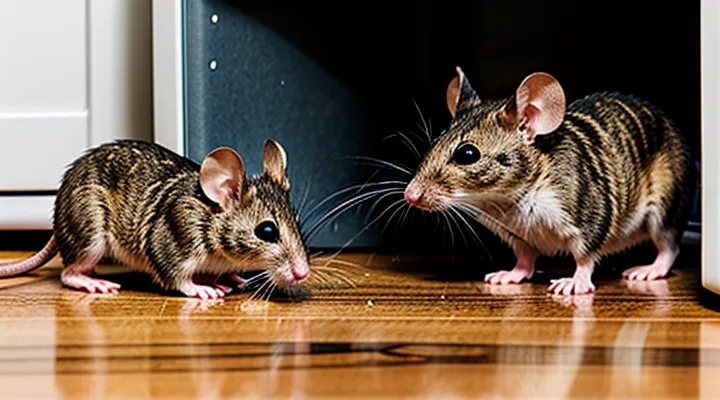
Understanding Mouse Infestations
Common Signs of Mice
Droppings and Urine Trails
Mouse droppings appear as small, dark, cylindrical pellets about one‑centimeter long. Urine trails are invisible but leave a distinct, ammonia‑like odor and may darken fabrics or wood where moisture accumulates.
These residues carry pathogens such as hantavirus, salmonella, and leptospira. Direct contact or inhalation of aerosolized particles from dried droppings can cause respiratory illness, fever, and gastrointestinal symptoms. Children and immunocompromised individuals face heightened risk.
The concentration and distribution of droppings and urine trails reveal infestation intensity. Dense clusters near food storage, pantry corners, or behind appliances indicate active foraging zones. Scattered deposits along baseboards, walls, and ceiling joists suggest movement pathways.
Effective removal follows a three‑step protocol:
- Wear disposable gloves and a N‑95 respirator; dampen droppings with a bleach solution (1 part bleach to 10 parts water) to prevent aerosolization.
- Collect waste with a sealable plastic bag, dispose of it in an outdoor trash container, and immediately clean the area with the same bleach solution.
- After drying, apply a disinfectant approved for rodent‑borne pathogens, then ventilate the space for at least 30 minutes.
Preventing future deposits requires eliminating conditions that attract mice:
- Store all food in airtight containers; avoid leaving pet food exposed overnight.
- Reduce clutter and remove cardboard boxes, paper piles, and fabric scraps that provide shelter.
- Seal cracks, gaps, and openings larger than ¼ inch with steel wool, caulk, or metal mesh.
- Install door sweeps and repair damaged screens to block entry points.
- Maintain low humidity by fixing leaks, using dehumidifiers, and ensuring proper ventilation in basements and crawl spaces.
Consistent sanitation and structural exclusion break the cycle of droppings and urine trails, protecting health and preserving the home environment.
Gnaw Marks and Damage
Rodents leave characteristic gnaw marks that reveal the extent of their activity. Teeth continuously grow, forcing mice to chew on hard surfaces to maintain proper length. The resulting incisions are typically V‑shaped, with clean edges and a depth of 2‑3 mm. These marks appear on wood, plastic, wiring, and insulation, indicating potential structural compromise and electrical hazards.
Common locations for gnaw damage include:
- Baseboard joints and cabinet backs where mice travel along walls.
- Electrical cords and cable bundles, creating exposed conductors that can spark.
- Furniture legs and upholstered frames, leading to weakened support.
- Food storage containers, resulting in contamination.
Detecting gnaw marks early prevents escalation. Look for fresh cuts, splintered material, and frayed wires. Inspect behind appliances, under sinks, and in attics where rodents prefer concealed routes.
Mitigation focuses on eliminating access and reducing attraction:
- Seal gaps larger than ¼ inch with steel wool, caulk, or metal flashing.
- Replace damaged wiring and insulation promptly to avoid fire risk.
- Store food in airtight containers and keep surfaces clean of crumbs.
- Deploy snap traps or electronic devices along identified pathways.
- Use natural deterrents such as peppermint oil on entry points, refreshing them weekly.
Consistent monitoring of gnaw marks and swift repair of affected areas limit property damage and safeguard household safety.
Nests and Hiding Spots
Mice establish nests and conceal themselves in areas that provide warmth, safety, and easy access to food. Frequently used sites include wall voids, attic insulation, under floorboards, behind appliances, inside cabinets, and within piles of stored items such as cardboard, clothing, or paper.
Nest construction relies on soft, fibrous materials that mice can shred and shape. Common components are shredded paper, fabric scraps, insulation fibers, dried plant matter, and even pet bedding. The resulting structure offers a compact refuge that retains body heat and protects against predators.
Signs that a nest is present consist of dense, tangled debris, droppings concentrated near the structure, gnaw marks on surrounding material, and a faint musky odor. Tracking these indicators helps locate infestation hotspots before damage escalates.
Preventive actions focus on eliminating suitable environments and limiting access:
- Remove clutter and store items in sealed containers.
- Reduce available nesting material by discarding cardboard boxes, paper piles, and unused fabric.
- Maintain insulation integrity; replace damaged sections and keep attic spaces clean.
- Seal cracks, gaps, and openings larger than ¼ inch with steel wool, caulk, or metal flashing.
- Install door sweeps and repair damaged screens to block entry points.
- Keep food in airtight containers and promptly clean spills to decrease attractants.
- Position traps or bait stations near identified nesting zones, monitoring them regularly.
By targeting the conditions that support nest creation, homeowners can disrupt mouse habitation cycles and reduce the likelihood of a broader infestation.
Unusual Noises
Mice generate a range of sounds that differ from typical household noises. Scratching on walls, ceilings, or stored items often occurs at night when rodents are most active. High‑pitched squeaks may indicate distress or territorial disputes, while rapid, repetitive thumping can signal movement through insulation or ductwork. These auditory cues frequently precede visible signs such as droppings or gnawed materials.
Identifying unusual noises helps locate entry points and nesting sites, which is essential for effective control. To address the problem:
- Seal gaps larger than ¼ inch in foundations, doors, and utility openings.
- Install steel‑wool or copper mesh around vents and pipe penetrations.
- Reduce clutter and store food in airtight containers to eliminate attractants.
- Set snap traps or electronic devices near identified sound sources; monitor and replace as needed.
- Maintain regular inspections of attics, basements, and crawl spaces for fresh droppings or gnaw marks.
Consistent monitoring of atypical sounds, combined with structural sealing and targeted trapping, minimizes the likelihood of a full‑scale rodent invasion.
Reasons for Mouse Presence
Food Sources
Mice are attracted to readily available nutrition, and unsecured food supplies create a direct pathway for infestation. Crumbs, spilled liquids, and improperly sealed containers provide the scent cues mice use to locate feeding sites. Pet food left out overnight, open pantry bags, and uncleaned countertops increase the risk of rodent activity.
- Fresh produce with high sugar content
- Grains, cereals, and flour stored in bulk
- Processed snacks, candy, and chocolate
- Pet kibble and treats
- Food waste in trash bins or compost containers
Effective control focuses on eliminating these attractants. Store dry goods in airtight, rodent‑proof containers; transfer pet meals to sealed feeders after each use. Clean surfaces after meal preparation, sweeping away residues and wiping spills immediately. Dispose of waste in bins equipped with tight‑fitting lids, and empty them regularly to prevent odor buildup. Maintain a schedule for cleaning under appliances and behind furniture, where crumbs often accumulate unnoticed. By restricting access to edible resources, the likelihood of mouse presence diminishes markedly.
Water Access
Mice require water for survival; any readily available moisture inside a residence creates a compelling attraction. Leaking pipes, dripping faucets, condensation on windows, and standing water in pet dishes all provide the hydration mice need to establish a nest and reproduce.
Identifying sources of water is the first step in control. Inspect under sinks, behind appliances, and in basements for moisture accumulation. Repair cracked hoses, tighten fittings, and replace worn seals promptly. Ensure that drainage systems function correctly and that gutters direct water away from the foundation.
Preventive actions focus on eliminating access to liquid:
- Seal all pipe joints and fittings with plumber’s tape or silicone caulk.
- Install drip‑catch trays beneath sinks and refrigerators; empty them daily.
- Use airtight containers for pet food and water; refresh water each day and clean bowls.
- Maintain low humidity by operating dehumidifiers in damp areas such as basements and crawl spaces.
- Direct exterior downspouts at least three feet from the house to reduce seepage into the foundation.
By removing reliable water sources, the environment becomes inhospitable to mice, reducing the likelihood of infestation and supporting broader pest‑management strategies.
Shelter and Warmth
Mice enter residential spaces primarily to find protected locations that maintain stable, warm conditions. Small gaps around foundations, pipes, and vents allow access to interior cavities where temperature fluctuations are minimal. Once inside, mice use insulation, stored clothing, and clutter as nesting material, creating concealed shelters that support breeding and survival.
Key factors that make a home attractive for shelter and warmth include:
- Unsealed cracks and holes in walls, floors, and rooflines.
- Accumulated debris, such as cardboard boxes, fabric piles, and unused appliances.
- Insulation that is exposed or compromised, providing easy building material.
- Indoor heating that creates localized warm zones, especially near radiators or appliances.
Effective prevention focuses on eliminating these opportunities:
- Inspect exterior walls, foundations, and roof perimeters; seal openings with steel wool, caulk, or metal flashing.
- Reduce interior clutter; store items in sealed containers and keep storage areas organized.
- Repair or replace damaged insulation; ensure it is covered and not exposed to rodent contact.
- Maintain consistent indoor temperature; avoid excessive heating in unoccupied rooms and use programmable thermostats to limit warm pockets.
- Install door sweeps and weather stripping to block entry under exterior doors.
By removing access points, limiting available nesting material, and controlling temperature gradients, homeowners can substantially lower the risk of mouse shelter formation and subsequent infestation.
Entry Points
Mice gain access to residential spaces through gaps and openings that provide unobstructed pathways. Identifying and eliminating these routes is essential for controlling rodent activity.
Typical entry points include:
- Cracks in foundation walls or basement floors.
- Gaps around utility penetrations, such as water, gas, and electrical lines.
- Unsealed openings around doors, windows, and sliding glass panels.
- Openings at roof eaves, soffits, and vent chutes.
- Holes in exterior siding, brickwork, or stucco.
- Spaces beneath or behind appliances, especially refrigerators and stoves.
- Unfinished crawl spaces and attic vents lacking mesh screens.
Preventive actions focus on sealing and reinforcing vulnerable areas:
- Apply steel wool or copper mesh to small cracks before using caulk or expanding foam; rodents cannot gnaw through metal.
- Install weatherstripping on doors and windows, ensuring tight closure.
- Fit door sweeps on exterior doors to block gaps at the threshold.
- Cover vents, chimneys, and utility openings with hardware cloth of ¼‑inch mesh.
- Repair damaged siding, replace missing trim, and seal gaps around pipe sleeves with silicone or mortar.
- Maintain a clear perimeter by trimming vegetation, removing debris, and storing firewood away from the foundation.
- Conduct regular inspections, especially after seasonal changes, to detect new openings promptly.
Consistent attention to these entry points reduces the likelihood of mouse intrusion and supports long‑term pest management.
Prevention and Control Strategies
Sealing Entry Points
Inspecting the Exterior
Inspecting the outside of a residence is the first step in preventing rodent intrusion. Identifying and eliminating entry points reduces the likelihood that mice will establish nests inside the structure.
- Examine the foundation for cracks larger than ¼ inch and seal them with cement or steel wool combined with expanding foam.
- Check all exterior doors and windows for gaps around frames; install weatherstripping or door sweeps as needed.
- Inspect ventilation openings, including attic vents and soffit gaps; cover them with mesh screen of ¼‑inch or smaller openings.
- Review utility penetrations such as pipe sleeves, electrical conduit, and cable entries; apply metal flashing or silicone sealant to close spaces.
- Survey the roofline for damaged shingles, loose flashing, or gaps in the eaves; repair or replace compromised materials promptly.
- Verify that crawl‑space access doors fit tightly and that the surrounding soil slope directs water away from the building.
After sealing identified gaps, conduct a visual walk‑through each season to confirm that repairs remain intact. Replace worn weatherstripping, reapply sealant where cracks reappear, and maintain vegetation at least two feet from the house to discourage mice from climbing. Consistent exterior maintenance creates a barrier that limits mouse activity and supports broader pest‑control strategies.
Sealing Cracks and Gaps
Sealing cracks and gaps eliminates the primary entry points that mice exploit to invade residential spaces. Small openings around foundations, walls, windows, doors, and utility penetrations provide direct access to food, shelter, and nesting sites. By eliminating these pathways, the likelihood of infestation drops sharply.
Identify vulnerable locations through a systematic inspection. Look for:
- Gaps larger than ¼ inch around baseboards, pipe sleeves, and vent ducts.
- Cracks in exterior walls, especially where siding meets brick or concrete.
- Openings around door frames, window sills, and sliding glass tracks.
- Unsealed openings for cables, cables, and electrical conduits.
Select appropriate sealing materials based on the substrate and exposure conditions:
- Expanding polyurethane foam for irregular gaps up to several inches.
- Steel wool combined with caulk for openings larger than ¼ inch that require reinforcement.
- Silicone or acrylic caulk for smooth surfaces and small fissures.
- Mortar or concrete patch for foundation cracks exceeding ½ inch.
Apply sealing measures in the following order:
- Clean the area to remove debris, dust, and loose material.
- Insert steel wool or mesh into larger openings to deter chewing.
- Apply caulk or foam, pressing firmly to fill the void completely.
- Smooth the surface with a putty knife or gloved finger to ensure full contact.
- Allow the sealant to cure according to manufacturer instructions before exposing the area to moisture or traffic.
Maintain the barrier by conducting periodic checks, especially after seasonal temperature shifts or construction work. Replace deteriorated caulk and repair new cracks promptly to preserve the integrity of the seal. Consistent upkeep sustains the exclusion strategy and prevents re‑entry by rodents.
Protecting Vents and Pipes
Mice regularly exploit gaps around ventilation ducts, air‑conditioning grilles, and utility pipes to reach interior spaces. Small openings, loose screens, and unsealed joints provide unobstructed pathways, especially in older constructions where wear compromises the building envelope.
- Install steel mesh or hardware cloth with openings no larger than ¼ inch over all vent openings.
- Seal gaps around pipe penetrations using fire‑rated silicone caulk or expanding foam rated for pest control.
- Fit pipe sleeves or conduit covers that extend at least 2 inches beyond the exterior wall surface.
- Attach removable vent covers equipped with latch mechanisms to prevent accidental removal.
- Conduct quarterly inspections to detect new cracks, rusted fittings, or displaced screens.
Regular maintenance reinforces these barriers. Remove debris that can conceal gaps, replace deteriorated screens promptly, and verify that weatherstripping remains intact. By systematically sealing and reinforcing ventilation and plumbing apertures, homeowners eliminate primary routes that mice use to infiltrate living areas.
Eliminating Food and Water Sources
Proper Food Storage
Proper food storage directly reduces the attraction of rodents to residential spaces. Food left exposed provides scent cues and easy access, encouraging mice to enter kitchens, pantries, and dining areas. Securing edible items eliminates these incentives and supports overall pest management.
Effective storage practices include:
- Seal all dry goods in airtight containers made of glass, metal, or heavy‑wall plastic. Containers must have tight‑fitting lids that cannot be opened by gnawing.
- Refrigerate or freeze perishable items promptly. Keep refrigerator doors closed and monitor temperature settings to prevent spoilage.
- Store pet food in the same manner as human food. Place bowls on elevated surfaces and remove leftovers after each feeding.
- Clean spills and crumbs immediately. Wipe countertops, sweep floors, and vacuum storage shelves regularly.
- Rotate stock to use older items first, minimizing the time food remains in the home.
Consistent application of these measures removes food sources that sustain mouse populations, lowers the likelihood of entry, and complements other control tactics such as sealing entry points and maintaining cleanliness. Implementing strict food storage protocols is a fundamental component of any residential rodent‑prevention strategy.
Managing Pet Food
Pet food left exposed provides a reliable food source for house mice, increasing the likelihood of an infestation. Secure storage eliminates the attractant and reduces the rodents’ ability to establish a foothold.
- Store dry kibble in airtight containers made of metal or heavy‑wall plastic.
- Keep containers on elevated surfaces away from walls and gaps.
- Remove uneaten food after each feeding session; discard it in a sealed bag.
- Clean feeding areas daily to eliminate crumbs and spills.
- Use feeders with lockable lids that restrict access to only the pet.
Consistent implementation of these practices removes a primary incentive for rodents, supporting broader efforts to control mouse populations within residential environments.
Addressing Leaks and Moisture
Leaks and excess humidity create ideal conditions for rodents to enter and thrive in residential spaces. Moisture softens building materials, enlarges gaps around pipes and walls, and provides a reliable water source, all of which lower the barriers that typically deter mice.
Addressing leaks requires systematic inspection and repair:
- Inspect all plumbing fixtures, including under‑sink valves, dishwasher connections, and washing‑machine hoses; replace worn seals and tighten fittings.
- Examine roofing, gutters, and exterior walls for water intrusion; seal cracks with appropriate caulking or flashing.
- Test basement and crawl‑space walls for condensation; install vapor barriers and improve drainage around foundations.
- Monitor appliances that generate steam, such as kettles or humidifiers; ensure proper venting and regular maintenance.
Controlling moisture complements structural repairs:
- Deploy dehumidifiers in damp areas, maintaining indoor relative humidity below 50 %.
- Ensure adequate ventilation in kitchens, bathrooms, and laundry rooms; use exhaust fans or open windows after water‑intensive activities.
- Promptly clean up spills and standing water; dry wet carpets or flooring within two hours to prevent saturation.
- Store firewood, pet food, and other organic materials off the ground and away from walls to reduce localized humidity.
By eliminating water sources and sealing entry points created by moisture damage, homeowners remove a primary attractant for mice, thereby strengthening overall rodent‑prevention strategies.
Regular Cleaning
Regular cleaning removes food residues that attract rodents. Crumbs, spilled grain, and pet food left on surfaces provide a reliable source of nutrition; eliminating them cuts off a primary incentive for mice to enter a dwelling.
Effective cleaning routines include:
- Wiping countertops, tables, and floors after meals to remove particles.
- Vacuuming or sweeping behind appliances, under cabinets, and in storage areas where debris accumulates.
- Disposing of garbage daily in sealed containers and cleaning the interior of trash bins.
- Laundering dishcloths, mop heads, and cleaning rags frequently to prevent odor buildup.
- Sanitizing pantry shelves and pantry doors to eliminate hidden crumbs.
By maintaining a clutter‑free environment, homeowners reduce hiding places and nesting opportunities. When surfaces remain free of organic matter, mice find the habitat less hospitable and are less likely to establish a presence.
Maintaining a Clean Environment
Decluttering
Decluttering removes shelter and food sources that attract rodents to residential environments. By reducing piles of paper, cardboard, and fabric, the number of potential nesting sites drops dramatically. Clear storage areas, especially basements and attics, to eliminate concealed cavities where mice can hide.
Key actions for effective decluttering:
- Remove all unused items from closets and shelves; donate or discard them promptly.
- Store necessary belongings in sealed plastic containers with tight‑fitting lids; avoid cardboard boxes that can be gnawed.
- Keep countertops, tables, and floors free of crumbs and debris; sweep and vacuum daily.
- Organize pantry goods on low shelves; place bulk items in airtight containers.
- Eliminate clutter around appliances, such as refrigerators and ovens, to prevent rodents from accessing warm surfaces.
Regular maintenance sustains the benefits. Schedule monthly inspections of storage spaces, discard any items showing signs of damage, and keep pathways clear to facilitate inspection. A consistently tidy home limits the attractive conditions that encourage mouse activity, thereby supporting broader pest‑control measures.
Outdoor Yard Maintenance
Outdoor yard conditions directly affect the likelihood of rodents entering residential structures. Overgrown vegetation, accumulated debris, and unsecured compost bins create shelter and food sources that attract mice, increasing pressure on the interior of the home. By reducing these external attractants, homeowners lower the incentive for mice to seek shelter indoors.
Effective yard upkeep includes the following actions:
- Trim grass and shrubs to a height of six inches or less, eliminating cover near the foundation.
- Remove leaf piles, mulch, and wood chips that exceed three inches in depth, discarding them away from the house.
- Store firewood on a raised platform, at least two feet from the building, and keep it covered with a waterproof tarp.
- Secure compost containers with tight-fitting lids; avoid adding meat or dairy scraps.
- Inspect and seal gaps around utility lines, vents, and drainage pipes to prevent rodent entry points.
Consistent implementation of these measures diminishes food availability and nesting sites outside the dwelling, thereby reducing the frequency of mouse incursions. Regular inspection and prompt repair of any new gaps maintain the barrier between the yard and the interior, supporting long‑term control of rodent activity.
Trash Management
Improper trash handling creates a reliable food source that draws mice into residential spaces. Food residues, spilled contents, and uncovered waste emit odors and visual cues that rodents detect from considerable distances.
Typical shortcomings include unsecured bags, overflowing bins, and outdoor containers lacking tight-fitting lids. These conditions allow mice to enter, feed, and establish nesting sites near the waste source.
Effective trash management reduces attractants and supports overall rodent control:
- Use containers with sealed lids and ensure lids remain closed after each use.
- Store waste bags inside the container rather than on top of it.
- Empty indoor bins daily; keep outdoor bins at least three meters from building foundations.
- Clean spills immediately; rinse containers before refilling.
- Employ rigid, chew‑resistant bins in areas where mice are known to breach plastic.
Integrating disciplined waste practices with sealing entry points and maintaining general cleanliness creates a hostile environment for mice, limiting their ability to locate food and reproduce within the home.
Deterrents and Trapping Methods
Natural Deterrents
Natural deterrents offer effective, non‑chemical options for managing rodent problems in residential settings. Their efficacy relies on sensory aversion, physical barriers, or predator cues that discourage mice from entering or remaining in a home.
- Peppermint essential oil – concentrated oil applied to cotton balls or cloth strips placed near entry points creates a strong aromatic barrier that mice avoid. Reapply weekly to maintain potency.
- Clove and eucalyptus oils – similar to peppermint, these volatile compounds interfere with rodents’ olfactory receptors. Dilute with water and spray around baseboards, cabinets, and pantry shelves.
- Steel wool or copper mesh – stuffing these materials into gaps around pipes, vents, and cracks blocks physical access while the metallic texture deters chewing.
- Live‑cat presence – a resident cat emits predator scents and sounds that reduce mouse activity. Even the presence of a cat’s bedding or pheromone‑infused toys can have a deterrent effect.
- Ultrasonic emitters – devices emit high‑frequency sound waves beyond human hearing. Proper placement near suspected entry zones creates an uncomfortable acoustic environment for rodents.
- Dryer sheets – the strong fragrance of fabric softener sheets, when placed in drawers, closets, or under appliances, repels mice through scent overload.
- Cedar shavings – dispersing cedar fragments in storage areas and pantry corners releases natural oils that are unappealing to rodents.
Implementing these measures requires systematic coverage of all potential access points. Combine multiple deterrents for synergistic effect; for instance, seal gaps with steel wool before deploying peppermint oil. Regular inspection ensures that barriers remain intact and that scent‑based deterrents are refreshed before losing potency. This layered approach minimizes reliance on toxic poisons while maintaining a rodent‑free environment.
Humane Trapping
Humane trapping provides a non‑lethal option for managing mouse activity in residential environments. The method captures animals alive, allowing relocation away from the dwelling while avoiding chemical or lethal devices.
Typical humane devices include:
- Live‑capture cages with spring‑triggered doors;
- Multi‑catch traps that hold several rodents before release;
- Glue‑free snap traps modified to retain the animal without injury.
Effective placement follows a pattern: locate signs of activity, position traps along walls, near food sources, and in concealed corners. Bait choices such as peanut butter, oats, or dried fruit increase capture rates. Check traps daily to prevent stress or dehydration.
When a mouse is secured, transport it at least one mile from the home, preferably to a wooded area with natural cover. Release the animal during daylight, open the door gently, and allow it to exit without handling. After release, clean the trap with mild detergent, disinfect, and store it for future use.
Humane trapping complements structural exclusion, waste management, and moisture control. By removing rodents while maintaining a safe environment, homeowners reduce health risks and property damage without resorting to toxic measures.
Lethal Trapping
Lethal trapping provides immediate reduction of mouse populations inside residential structures. The method relies on devices that kill rodents upon contact, preventing further damage to food supplies, wiring, and insulation.
Common lethal traps include:
- Snap traps with spring‑loaded bars, positioned along walls, behind appliances, and near entry points.
- Electronic traps delivering a high‑voltage shock, useful for indoor settings where quick disposal is required.
- Glue boards, placed in concealed locations, immobilize rodents for later removal.
Effective deployment follows a systematic approach:
- Identify high‑traffic zones by observing droppings, gnaw marks, and audible activity.
- Position traps perpendicular to walls, with the trigger side facing the expected travel direction.
- Bait traps with attractive foods such as peanut butter, dried fruit, or cheese, ensuring consistent scent.
- Check traps daily, remove deceased rodents, and reset or replace devices as needed.
- Seal identified entry points after the population declines to prevent re‑infestation.
Integrating lethal trapping with exclusion techniques and sanitation measures creates a comprehensive control program, minimizing the likelihood of future rodent incursions.
Professional Pest Control
When to Call an Expert
A professional pest‑control service should be contacted when any of the following conditions are observed:
- Multiple live mice are seen inside walls, ceilings, or stored‑food areas.
- Droppings appear in large numbers on countertops, pantry shelves, or near food preparation surfaces.
- Damage to structural components, such as gnawed wiring, insulation, or wooden framing, is evident.
- Persistent odor of mouse urine or strong, musky scent cannot be eliminated with routine cleaning.
- Attempts at DIY traps or baits fail to reduce the population after several days.
- Children, pets, or immunocompromised individuals are at risk of exposure to disease‑carrying rodents.
These indicators suggest that the infestation has surpassed a level manageable by household measures and poses health, safety, or property‑damage risks that require specialized assessment and treatment. Immediate professional intervention minimizes escalation and ensures compliance with local health regulations.
Benefits of Professional Services
Professional pest‑control firms bring specialized expertise that exceeds typical DIY attempts. Certified technicians conduct systematic inspections, identify entry points, and assess activity levels with tools calibrated for accuracy. This diagnostic precision prevents misdirected treatments and reduces the likelihood of recurrence.
Effective interventions rely on products approved for residential use and applied according to safety standards. Professionals select baits, traps, and exclusion methods that target rodents while minimizing risk to occupants and pets. Their knowledge of rodent behavior ensures placement of devices where activity is highest, increasing capture rates.
Service contracts often include monitoring visits, during which technicians verify the success of initial actions and adjust strategies as needed. Ongoing oversight creates a feedback loop that detects new infestations early, preserving the integrity of structural components and protecting stored food supplies.
Key advantages of engaging experts:
- Rapid reduction of rodent populations through calibrated application of control measures.
- Comprehensive sealing of structural gaps, reducing future ingress.
- Compliance with local health regulations, avoiding potential penalties.
- Documentation of actions taken, useful for insurance claims or property management records.
- Time savings for homeowners, allowing focus on other responsibilities.
Investing in professional services yields measurable reductions in damage, health risks, and long‑term costs associated with uncontrolled rodent activity.