
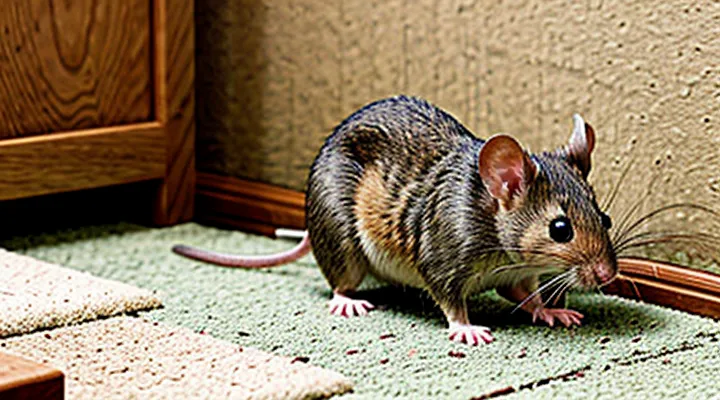
Understanding Mouse Needs
Natural Habitat and Behavior
Burrowing Instincts
Mice possess a natural drive to excavate tunnels and chambers, a behavior rooted in protection from predators, thermoregulation, and storage of food. This instinct manifests even in domesticated individuals, influencing how they interact with their surroundings.
Effective enclosure design must accommodate digging without compromising safety. Substrate should be deep enough to permit multiple layers of burrows, yet composed of non‑toxic, low‑dust materials such as paper‑based bedding or fine wood shavings. The bedding must remain dry to prevent mold growth and maintain optimal air quality.
Practical measures for supporting burrowing behavior:
- Provide at least 3–4 inches (7–10 cm) of bedding across the entire floor surface.
- Include a dedicated digging zone with softer material (e.g., shredded paper) to encourage exploration.
- Install solid walls and a secure lid to prevent escape while allowing ventilation.
- Offer removable sections of the enclosure for cleaning without disturbing the burrow structure.
Regular maintenance preserves the burrowing environment. Spot‑clean waste daily, replace damp bedding weekly, and monitor for signs of aggression or stress that may indicate inadequate shelter. By aligning enclosure specifications with the mouse’s innate digging tendencies, caretakers create a habitat that is both secure and comfortable.
Social Structure
Mice naturally organize into small colonies that reflect a defined hierarchy and division of labor. Dominant individuals secure preferred nesting sites, while subordinate members occupy peripheral areas and assist in foraging. Breeding pairs typically establish a shared nest, and offspring remain within the group until reaching independence, at which point they may disperse to form new colonies.
A well‑designed enclosure should accommodate these social patterns:
- Multiple nesting chambers positioned at varying distances to allow dominant and subordinate mice to select appropriate locations.
- Sufficient space for a stable hierarchy, generally 0.5 sq ft per adult, preventing overcrowding that can trigger aggression.
- Enrichment items such as tunnels, climbing structures, and chewable objects distributed throughout the habitat to encourage exploration and reduce stress.
- Separate zones for food and water to minimize competition and support natural foraging behavior.
- Visual barriers or opaque sections to give subordinate mice refuge from dominant individuals.
Monitoring group dynamics is essential. Signs of stable hierarchy include regular grooming, orderly feeding, and limited aggressive encounters. Persistent fighting, excessive vocalization, or frequent injuries indicate a need to adjust population size, spatial layout, or enrichment distribution. Implementing these considerations aligns the habitat with the innate social architecture of mice, promoting health and welfare.
Essential Habitat Components
Housing Options
Cage Types and Sizes
A well‑designed enclosure is essential for the health and behavior of laboratory or pet mice. Selecting the appropriate cage type and size determines the level of protection, enrichment, and ease of maintenance.
Common cage designs include:
- Solid‑bottom cages – provide a stable floor for bedding, facilitate cleaning, and prevent foot injuries.
- Wire‑mesh cages – offer excellent ventilation, require careful selection of bar spacing to avoid entrapment.
- Ventilated‑bottom cages – combine a perforated floor with a solid base, improve air flow while retaining bedding.
- Modular systems – allow expansion of living space, useful for breeding colonies or group housing.
Size recommendations follow minimum standards based on mouse weight and activity level:
- Single adult mouse – floor area of at least 120 cm²; height of 15–20 cm.
- Pair or small group (2–4 mice) – floor area of 250 cm² or greater; height of 20–25 cm.
- Breeding pairs with litter – floor area of 350 cm²; height of 25 cm or more to accommodate nesting material.
- Large colonies (>5 mice) – floor area of 500 cm² per animal; height of 30 cm to ensure adequate vertical space.
Key considerations when choosing a cage:
- Bar spacing – must not exceed 0.5 cm to prevent tail or paw injuries.
- Material durability – use stainless steel or coated wire to resist corrosion and simplify sterilization.
- Ease of access – doors and ports should open smoothly for cleaning and health checks without stressing the occupants.
- Compatibility with enrichment – ensure the cage can accommodate shelters, chew blocks, and exercise wheels without overcrowding.
Adhering to these guidelines creates a secure, comfortable environment that supports normal growth, reproduction, and behavioral expression in mice.
Materials to Avoid
When constructing a habitat for mice, selecting appropriate building materials prevents injury, stress, and disease.
- Untreated soft‑wood shavings (e.g., pine, cedar) that release aromatic oils toxic to rodents.
- Plastic containers containing BPA, phthalates, or other endocrine‑disrupting chemicals.
- Metal cages or accessories with sharp edges, rust, or exposed welds.
- Fibrous fabrics such as wool or synthetic fleece that can cause entanglement or matting.
- Adhesive tapes, glues, and sealants that emit volatile organic compounds.
- Paints, varnishes, or finishes lacking a non‑toxic certification.
- Scented or flavored bedding products that mask natural odors and interfere with scent communication.
These substances compromise respiratory health, cause skin irritation, or create hazards that can trap or injure the animal. Replacing them with untreated paper bedding, stainless‑steel components, BPA‑free acrylic, and unscented, low‑dust materials ensures a secure, hygienic environment conducive to normal behavior and well‑being.
Substrate and Bedding
Absorbency and Odor Control
Absorbency and odor control are critical factors in maintaining a healthy environment for pet mice. Effective moisture management prevents skin irritation and reduces the risk of bacterial growth, while odor mitigation promotes a pleasant living area for both animals and caretakers.
- High‑density wood shavings (e.g., aspen) absorb liquid waste quickly and produce minimal scent.
- Paper‑based bedding (recycled pulp) offers excellent soakage, low dust, and rapid decomposition.
- Coconut fiber (coir) provides moderate absorbency with natural antimicrobial properties.
- Hemp bedding combines strong absorption with a neutral odor profile.
Select a substrate that matches the enclosure size and the number of occupants. Replace the bedding regularly—at least once weekly for heavily used cages, and more often if visible moisture accumulates. Spot‑clean soiled sections daily to limit ammonia buildup.
Integrate a ventilation system that circulates fresh air without creating drafts. Position air intakes away from the bedding surface to avoid drying the substrate prematurely. Use a removable tray beneath the cage floor to capture excess liquid; empty and clean the tray daily.
Combine absorbent bedding with an activated charcoal filter in the cage lid. The filter adsorbs volatile compounds, extending the period between full cleanings. Monitor humidity levels with a hygrometer; maintain relative humidity between 40 % and 60 % to balance comfort and microbial control.
Nesting Materials
Choosing appropriate nesting materials enhances the health and well‑being of pet mice. Natural fibers such as shredded paper, untreated cotton, and soft wood shavings provide insulation and allow mice to construct secure nests. Synthetic options like fleece strips and low‑dust polyester fibers are durable and easy to clean, but must be free of chemicals and loose threads that could cause ingestion.
Key considerations when selecting materials include:
- Safety: Materials must be non‑toxic, free of dyes, and lack sharp edges. Avoid aromatic woods (e.g., cedar, pine) that emit volatile compounds harmful to respiratory systems.
- Absorbency: High‑absorbent substrates help control humidity and reduce the risk of skin irritation.
- Texture: A combination of soft and slightly rough fibers encourages natural grooming and nest‑building behavior.
- Longevity: Durable fibers resist breakdown, minimizing the frequency of replacement and limiting waste.
Proper arrangement of nesting supplies promotes organization within the enclosure. Distribute a modest amount of material in a corner or designated nest box, allowing mice to shape the structure without excessive clutter. Replace soiled or damp portions weekly to maintain hygiene and prevent mold growth.
Monitoring mouse interaction with the provided materials informs adjustments. If mice avoid a specific substrate, replace it with an alternative that matches the criteria above. Consistent observation ensures the habitat remains both safe and comfortable for its inhabitants.
Enrichment and Stimulation
Tunnels and Hiding Spots
Tunnels and hiding spots are essential components of a mouse enclosure, offering protection from predators, stress reduction, and opportunities for natural foraging behavior. Properly designed structures mimic burrows found in the wild, allowing rodents to retreat, explore, and establish territories without compromising safety.
Materials such as untreated wood, solid‑core cardboard, or non‑toxic PVC provide durability and easy cleaning. Surfaces should be smooth to prevent injuries, and any adhesives must be free of volatile compounds. Incorporate multiple entrances and exits to reduce congestion and enable escape routes during handling.
Key design considerations:
- Length of tunnels: 12–18 inches per segment, allowing full body extension.
- Diameter: 1.5–2 inches, matching the average adult mouse size for comfortable passage.
- Placement: arrange tunnels in a staggered pattern, creating intersecting pathways that discourage predator‑like shadows.
- Hiding spots: include enclosed chambers, rolled paper tubes, or ceramic hideaways positioned near the tunnel network.
- Ventilation: ensure airflow through the tunnel system without creating drafts that could chill the animal.
Maintenance routines should involve weekly inspection for wear, removal of soiled bedding from tunnel interiors, and replacement of any compromised sections. Disinfecting agents must be rinsed thoroughly to avoid residue exposure.
By integrating these specifications, a mouse habitat achieves a secure, stimulating environment that supports natural behaviors while minimizing health risks.
Chew Toys and Gnawing Materials
Chew toys and gnawing materials are indispensable for maintaining dental health in pet mice. Continuous tooth growth requires regular wear; without appropriate objects, overgrown incisors can cause pain, infection, and impaired eating.
Effective options include:
- Untreated hardwood blocks (e.g., apple, maple) that resist splintering and provide natural scent.
- Commercially manufactured chew sticks made from compressed fibers, designed to dissolve gradually.
- Mineral-rich rocks or calcium tablets that support enamel strength while satisfying gnawing instinct.
- Safe, untreated cardboard tubes or paper rolls that encourage exploration and reduce stress.
Placement of these items should consider accessibility and stability. Position each piece within the cage’s lower tier to prevent climbing hazards, and secure larger blocks to the cage wall to avoid rolling. Rotate materials weekly to sustain interest and minimize bacterial buildup.
Regular inspection is essential. Remove any fragment that shows sharp edges, mold, or excessive wear. Clean reusable toys with warm water and mild, fragrance‑free soap; discard disposable items once they become fragile. Consistent provision of appropriate gnawing supplies contributes directly to a secure and comfortable environment for rodents.
Exercise Wheels
Exercise wheels provide necessary aerobic activity for captive mice, preventing obesity and promoting cardiovascular health. Selecting an appropriate wheel involves matching diameter to the animal’s size; a minimum of 8 cm for dwarf breeds and 10–12 cm for standard mice ensures a natural gait and reduces strain on joints.
Material choice influences durability and hygiene. Silent, solid‑core plastic prevents rust and eliminates squeaking, while metal wheels with a smooth, powder‑coated surface offer long‑term strength but require regular inspection for sharp edges. Avoid wheels with wire mesh or exposed spokes, as they can cause injury.
Placement within the enclosure affects usage. Position the wheel on a flat surface, away from corners and climbing structures, to allow unobstructed entry and exit. Secure the wheel to the cage sidewalls or base to prevent tipping during vigorous exercise.
Maintenance routine includes weekly cleaning with mild, unscented detergent, thorough rinsing, and drying before reassembly. Inspect the axle and bearings for wear; replace worn components promptly to maintain smooth rotation.
Key considerations for integrating an exercise wheel:
- Diameter appropriate to mouse size (8–12 cm)
- Silent, solid‑core construction
- Smooth, non‑abrasive surface
- Stable mounting to prevent movement
- Routine cleaning and component inspection
Proper implementation of these guidelines enhances physical well‑being, reduces stress‑related behaviors, and contributes to a stable, comfortable environment for laboratory or pet mice.
Food and Water
Food Dishes and Water Bottles
Providing appropriate feeding equipment is essential for maintaining a healthy mouse enclosure. Choose dishes made of stainless steel or high‑quality ceramic; both resist gnawing and are easy to sterilize. Ensure the dish diameter exceeds the mouse’s body length by at least 2 cm to allow unrestricted access without crowding. Position the dish on a solid surface, away from corners where droppings accumulate, and secure it with a non‑slip mat to prevent tipping.
Select water bottles that feature a metal or BPA‑free plastic reservoir with a sipper tube designed for small rodents. Verify that the tube’s opening is no larger than 3 mm to limit contamination while allowing sufficient flow. Install the bottle at a height that matches the mouse’s natural drinking posture, typically 1–2 cm above the cage floor, and attach it to the side wall using stainless steel clamps to avoid plastic breakage.
Maintenance guidelines:
- Clean dishes and bottles daily with warm, unscented soap; rinse thoroughly to remove residues.
- Disinfect weekly using a diluted hydrogen peroxide solution (1 %); avoid harsh chemicals that can linger.
- Inspect sipper tubes for blockages each refill; clear obstructions with a thin brush or replace the tube if wear is evident.
- Rotate dishes and bottles between cages periodically to distribute wear evenly and reduce localized damage.
By adhering to these specifications, the feeding station remains hygienic, durable, and ergonomically suited to the mouse’s needs, supporting overall well‑being within the habitat.
Diet Considerations
A balanced diet is fundamental for maintaining the health and behavior of captive mice. Nutrient composition must meet the species’ high metabolic rate, support rapid growth, and prevent common deficiencies.
Key dietary components include:
- Commercial rodent pellets formulated to provide consistent protein (14‑20 %), fat (4‑6 %), fiber, vitamins, and minerals.
- Fresh vegetables such as carrots, broccoli, and leafy greens, offered in limited quantities to avoid excess moisture and spoilage.
- Small portions of whole grains or seeds (e.g., oats, sunflower seeds) for enrichment, ensuring they do not exceed 10 % of total intake.
- Clean, fresh water available at all times, preferably in a sipper bottle to reduce contamination.
Avoid foods that are toxic or difficult to digest: chocolate, caffeine, citrus peels, raw beans, and high‑fat human snacks. Rotate fresh items daily to prevent monotony and monitor for signs of overconsumption, such as rapid weight gain or digestive upset. Adjust portions based on age, reproductive status, and activity level, aiming for a body condition score that reflects a slight waistline and firm musculature.
Maintaining a Healthy Environment
Cleaning and Sanitation
Daily Spot Cleaning
Daily spot cleaning targets localized messes that appear between routine full‑cage changes. It removes food crumbs, droppings, and wet bedding that can harbor pathogens and attract pests. Prompt removal reduces the risk of bacterial growth and keeps the environment hygienic for the rodent.
Effective spot cleaning follows a consistent procedure:
- Identify the affected area by visual inspection or by monitoring mouse activity.
- Use a clean, soft brush or disposable paper towel to lift solid waste without scattering particles.
- Apply a small amount of mild, rodent‑safe disinfectant or a diluted white‑vinegar solution; allow it to sit for 30 seconds.
- Wipe the surface with a damp, lint‑free cloth, then dry it with a clean towel.
- Replace any displaced bedding with fresh material of the same type and depth.
Materials required for each session include disposable gloves, a soft brush, pre‑measured disinfectant, lint‑free cloths, and a supply of clean bedding. All items should be stored in a designated cleaning station to prevent cross‑contamination.
Neglecting spot cleaning leads to visible stains, odor buildup, and increased stress for the mouse due to poor air quality. Regular observation and immediate action maintain a stable microenvironment, supporting the animal’s health and behavior without the need for extensive cage overhauls.
Weekly Deep Cleaning
Weekly deep cleaning preserves the health of a mouse enclosure and prevents the buildup of harmful agents. The process targets hidden debris, microbial growth, and lingering odors that routine spot cleaning cannot eliminate.
- Remove all accessories, food dishes, and nesting material.
- Place the cage on a clean surface and vacuum loose particles from corners and wire mesh.
- Disassemble removable components (ramps, wheels, hideouts) and soak them in warm water with a mild, rodent‑safe detergent.
- Scrub the interior using a soft brush and a solution of diluted white vinegar or an enzymatic cleaner approved for small mammals.
- Rinse thoroughly, ensuring no residue remains, then dry each part with a lint‑free cloth.
- Reassemble the habitat, replenish fresh bedding, and arrange enrichment items in a clean layout.
A consistent schedule—once every seven days—balances thorough sanitation with minimal disruption to the animals’ routine. Perform the cleaning at the same time each week to establish predictability for the rodents.
Safety measures include wearing gloves, avoiding harsh chemicals such as bleach or ammonia, and ensuring adequate ventilation during drying. Verify that all cleaning agents are non‑toxic and fully rinsed to protect the mice from respiratory irritation or ingestion.
Regular deep cleaning reduces the risk of respiratory infections, skin conditions, and stress‑related behaviors. It also extends the lifespan of cage components, lowers the need for emergency replacements, and maintains a stable microenvironment conducive to natural activity patterns.
Disinfection Protocols
Effective disinfection safeguards the health of mice and preserves the integrity of their enclosure. Pathogens introduced through food, bedding, or handling can proliferate rapidly in confined spaces, compromising animal welfare and experimental validity.
Disinfection must be systematic, employing agents proven safe for rodents and compatible with enclosure materials. Select a broad‑spectrum disinfectant—such as a 10 % bleach solution, quaternary ammonium compound, or veterinary‑grade hydrogen peroxide—based on material resistance and residue toxicity. Apply the agent after thorough removal of organic matter; residual debris neutralizes most chemicals.
Standard disinfection protocol
- Remove all animals and transfer them to a temporary, sanitized holding area.
- Discard used bedding and any contaminated food items.
- Clean surfaces with warm water and a mild detergent to eliminate visible soil.
- Rinse thoroughly to prevent detergent buildup.
- Apply disinfectant according to manufacturer’s concentration and contact time specifications (typically 5–10 minutes).
- Air‑dry the enclosure completely; moisture promotes microbial growth.
- Re‑line with fresh, sterile bedding and restore food and water supplies.
- Return mice to the cleaned environment, monitoring for signs of stress or illness.
After each cycle, inspect the enclosure for cracks, corrosion, or wear that could harbor microorganisms. Schedule routine deep‑cleaning quarterly, increasing frequency during outbreak investigations or after introduction of new stock.
Adhering to these procedures creates a consistently hygienic habitat, minimizes disease risk, and supports the well‑being of laboratory or pet rodents.
Temperature and Humidity
Ideal Ranges
Mice thrive when temperature stays within a narrow band. The optimal range is 68 °F to 77 °F (20 °C – 25 °C). Temperatures above 80 °F (27 °C) increase stress and risk of heat‑related illness; below 65 °F (18 °C) can impair immune function.
Relative humidity should be kept between 30 % and 50 %. Levels lower than 30 % dry the skin and respiratory passages; levels above 55 % encourage mold growth and bacterial proliferation.
Lighting must follow a regular cycle of 12 hours light and 12 hours darkness. Light intensity should not exceed 200 lux at cage level, and direct glare must be avoided to prevent retinal damage.
Noise levels are critical for calm behavior. Ambient sound should remain under 55 dB (A) measured at cage height. Sudden spikes above 70 dB (A) trigger acute stress responses.
Space requirements are defined by floor area per individual. Minimum recommendations are:
- 200 sq cm (≈ 31 sq in) per mouse for solitary housing
- 150 sq cm (≈ 23 sq in) per mouse when housed in groups, provided enrichment items are distributed evenly
Vertical height should be at least 30 cm (≈ 12 in) to accommodate climbing structures and nesting material. Insufficient space limits natural foraging and exercise, leading to obesity and stereotypic behaviors.
Avoiding Extremes
A stable mouse enclosure requires careful control of environmental extremes. Sudden temperature shifts can stress rodents, impair immunity, and reduce breeding success. Maintain a constant temperature between 68 °F and 78 °F (20 °C–26 °C), using a thermostat‑regulated heater or a climate‑controlled room. Avoid direct drafts from windows, doors, or ventilation shafts; position the cage away from air‑conditioning vents and heating radiators.
Humidity influences respiratory health. Keep relative humidity within 40 %–60 %. Excess moisture encourages mold growth, while overly dry air dries nasal passages. Use a hygrometer to monitor levels and employ a dehumidifier or humidifier as needed.
Light exposure should mimic natural cycles without abrupt changes. Provide 12–14 hours of dim, uniform illumination per day, using a timer to ensure consistent on/off periods. Shield the cage from bright sunlight that can cause overheating and glare.
Noise levels affect stress responses. Place the habitat in a quiet area, away from loud appliances, televisions, or traffic. Soft padding beneath the cage can dampen vibrations.
Key practices for preventing extremes
- Install a reliable thermostat and hygrometer; check readings daily.
- Use insulated cage covers to buffer temperature fluctuations.
- Position the enclosure on a stable surface, free from drafts.
- Employ a timer for lighting; avoid manual switching that creates irregular intervals.
- Monitor ambient noise; relocate the cage if persistent sounds exceed 50 dB.
By eliminating temperature, humidity, lighting, and acoustic extremes, the enclosure remains a secure, comfortable environment that supports mouse health and natural behavior.
Pest Control and Safety
Preventing Escapes
A secure enclosure is the foundation of escape prevention. Choose a cage with smooth, non‑chewable walls, such as reinforced polycarbonate or stainless‑steel panels, and ensure all seams are tightly sealed. Install a latch that engages automatically and test it repeatedly to confirm reliable closure.
- Use a wire mesh cover with openings no larger than 0.5 mm; this blocks both climbing and gnawing attempts.
- Reinforce any junctions between the cage floor and walls with metal brackets or silicone sealant.
- Fit a double‑door entry system: a vestibule where the outer door closes before the inner door is opened, eliminating direct access to the interior.
- Regularly inspect the structure for signs of wear, loose fittings, or gnawed material; replace compromised components immediately.
Enrichment reduces the motivation to escape. Provide nesting material, climbing structures, and foraging opportunities that satisfy natural behaviors. Adequate space—minimum 120 cm² per mouse—prevents stress‑driven attempts to flee.
Maintain a consistent cleaning schedule, but avoid using strong chemicals that may damage cage integrity. When cleaning, detach the enclosure from its support frame to verify that all attachment points remain secure.
Document each inspection and maintenance action in a log. A recorded history highlights recurring problem areas and supports timely corrective measures, ensuring the rodent habitat remains both safe and comfortable.
Protecting from Predators
Providing a safe enclosure for mice requires eliminating access points that predators can exploit. Secure the cage with a solid base and a lid that locks tightly; wire mesh should have openings no larger than ¼ inch to prevent entry by cats, snakes, or birds of prey. Install a secondary barrier, such as a plastic or acrylic cover, beneath the main lid to guard against small predators that might slip through gaps.
Maintain a clear perimeter around the habitat. Remove clutter, such as stacks of paper or fabric, that could conceal predators. Keep the enclosure away from windows, doors, and ventilation ducts where larger animals might reach inside. Use pet‑safe deterrents—ultrasonic devices or motion‑activated lights—only if they do not stress the rodents.
Regular inspection supports predator protection. Check seals, hinges, and mesh for wear weekly; replace damaged components immediately. Verify that feeding stations and water bottles are securely attached, preventing predators from pulling them down to access food.
Key protective measures:
- Tight‑fitting, lockable lid with fine mesh
- Secondary inner cover for added security
- Minimal surrounding clutter and safe placement away from potential entry points
- Routine inspection and maintenance of all enclosure parts
Implementing these steps creates a fortified environment that minimizes the risk of predation, ensuring the mice remain healthy and stress‑free.
Identifying Hazards
When constructing a living area for small rodents, the first step is to locate potential threats that could compromise health or safety. Examine every component of the enclosure and the surrounding environment for items that may cause injury, illness, or stress.
Common hazards include:
- Sharp metal bars, broken glass, or jagged cage edges that can puncture skin or paws.
- Exposed electrical cords and heating elements that pose electrocution or burn risks.
- Toxic chemicals such as disinfectants, pesticides, or scented cleaners that can be ingested or inhaled.
- Plants, seeds, or food items containing natural toxins (e.g., azaleas, chocolate, citrus peels).
- Temperature extremes: drafts, direct sunlight, or hot spots that disrupt thermoregulation.
- Predatory insects or other small animals that may enter the enclosure through gaps.
- Insufficient ventilation leading to ammonia buildup from urine, which damages respiratory tissue.
- Overcrowding that limits movement and increases aggression, resulting in wounds.
To mitigate these dangers, perform a systematic walk‑through of the habitat before introducing the mouse. Remove or replace hazardous objects, seal gaps, and secure all wiring. Replace toxic cleaning agents with pet‑safe alternatives. Verify that the substrate remains dry and that the temperature stays within the species‑specific comfort range. Finally, monitor the enclosure regularly for new risks that may develop as the habitat ages.