
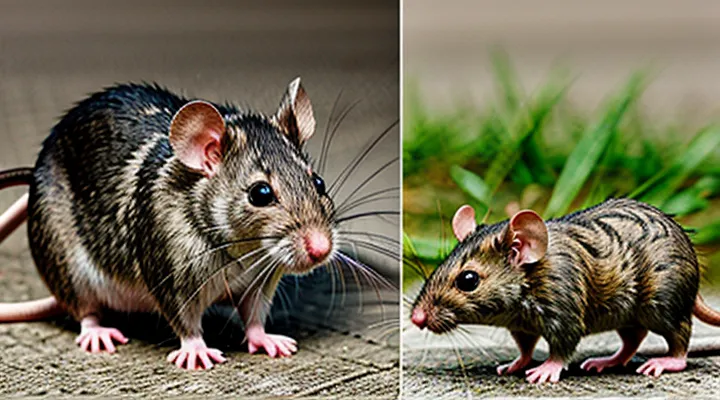
Introduction
What are Rodents?
Rodents constitute the largest order of mammals, encompassing over two thousand species that share a distinctive dental arrangement. Each individual possesses a single pair of continuously growing incisors in both the upper and lower jaws, which must be worn down by gnawing on hard materials. This adaptation enables exploitation of a wide range of foods, from seeds and grains to wood and bark.
Key biological traits include:
- A compact skull with a pronounced rostrum.
- Highly developed cheek pouches in certain families for temporary food storage.
- Reproductive cycles characterized by short gestation periods and large litter sizes, facilitating rapid population growth.
- Acute senses of smell and hearing, compensating for relatively limited visual acuity.
Ecologically, rodents occupy diverse habitats, ranging from arid deserts to dense forests and urban environments. Their foraging behavior influences seed dispersal, soil aeration, and the structure of plant communities. In agricultural and residential settings, species such as the house mouse and the brown rat often intersect with human activity, prompting the need for comparative analysis of their habits, physiology, and control measures.
Physical Characteristics
Size and Weight
The body dimensions of mice and rats diverge substantially. A typical house mouse measures 6–10 cm from nose to the base of the tail, with a tail length of 5–10 cm, and weighs between 15 and 30 g. In contrast, a common Norway rat reaches 20–25 cm in body length, possesses a tail of 15–20 cm, and carries a mass of 250–500 g.
- Mouse
- Body length: 6–10 cm
- Tail length: 5–10 cm
- Weight: 15–30 g
- Rat
- Body length: 20–25 cm
- Tail length: 15–20 cm
- Weight: 250–500 g
Greater mass and length give rats a broader range of burrowing depth, stronger bite force, and higher energy reserves, while the smaller stature of mice facilitates navigation through narrow openings and reduces visibility to predators. These physical distinctions shape habitat selection, foraging behavior, and susceptibility to environmental pressures.
Appearance and Body Structure
Tail Length and Texture
Mice possess relatively short tails, typically ranging from 7 to 10 cm, proportionate to their 7–10 cm body length. The tail surface is covered with fine, sparse hairs, giving it a smooth, almost hairless appearance. This morphology contributes to thermoregulation and balance during agile movements.
Rats exhibit longer tails, often measuring 15–20 cm, exceeding the length of their 20–25 cm bodies. Their tails are densely furred along the entire length, providing a thicker, more tactile surface. The increased fur density enhances sensory feedback and protects the tail from environmental abrasion.
Key distinctions:
- Length: mouse tail ≈ 70–100 % of body length; rat tail ≈ 80–100 % of body length, generally longer in absolute terms.
- Hair coverage: mouse tail sparsely haired, nearly naked; rat tail fully furred, providing a thicker texture.
- Functionality: short, smooth tail aids rapid maneuvering; longer, furred tail supports sensory perception and durability.
Ear Shape and Size
Mice possess relatively large, rounded ears that extend outward from the skull, providing a broad surface area for sound capture. The ear pinna typically measures 8–10 mm in length, with a thin, flexible cartilage that allows subtle movements. The auditory canal is short, ending in a well‑developed cochlea suited for high‑frequency detection.
Rats exhibit longer, more angular ears that project laterally and slightly upward. Ear length ranges from 12–15 mm, giving a greater surface area than that of mice, while the pinna is thicker and more rigid. Their auditory canal is proportionally longer, supporting a broader frequency range that includes both low and high tones.
Key differences:
- Size: rat ears are approximately 30–50 % larger than mouse ears.
- Shape: mouse ears are rounded; rat ears are elongated with a sharper edge.
- Flexibility: mouse pinnae are more pliable; rat pinnae are sturdier.
- Frequency emphasis: mouse morphology favors high‑frequency sounds; rat morphology accommodates a wider spectrum.
Snout and Head Proportions
Mice and rats exhibit distinct snout and head proportions that reflect their ecological niches and feeding strategies. The mouse head is relatively small, with a snout length constituting approximately 30 % of total head length, while the rat’s snout accounts for roughly 40 % of its head length. This difference results in a more tapered facial profile in mice and a broader, sturdier muzzle in rats.
Key dimensional ratios:
- Snout‑to‑head length: mouse ≈ 0.30, rat ≈ 0.40.
- Skull width at the zygomatic arches: mouse ≈ 0.45 of head length, rat ≈ 0.55.
- Nasal bone length relative to overall skull length: mouse ≈ 0.25, rat ≈ 0.35.
These measurements correlate with bite force and dietary preferences. The rat’s larger, more robust snout supports stronger musculature for processing tougher food items, whereas the mouse’s shorter snout facilitates rapid gnawing of softer seeds and insects. The proportional disparity also influences sensory organ placement; rats possess a wider inter‑orbital distance, enhancing peripheral vision, while mice have closer-set eyes that favor depth perception at short ranges.
Fur Color and Type
Mice and rats display distinct fur coloration and texture that aid species identification and reflect adaptations to their environments.
Mice generally possess finer, softer pelage. Common color patterns include:
- Light brown to gray dorsal fur with a paler ventral side.
- Agouti coloration, featuring alternating dark and light bands on individual hairs.
- Albino strains with pure white fur and pink eyes, resulting from melanin deficiency.
Rats exhibit coarser, denser coats. Typical fur characteristics are:
- Dark brown to black dorsal fur, occasionally with a reddish hue in certain breeds.
- Uniform coloration across the body, lacking the agouti banding common in mice.
- White laboratory rats with short, glossy fur, often used for research due to genetic uniformity.
Both rodents may develop seasonal variations; some mouse populations acquire a thicker undercoat in colder months, while rat fur remains relatively consistent year‑round. Fur texture influences thermoregulation and tactile sensing, with mouse whisker follicles embedded in a softer fur matrix compared to the more robust fur surrounding rat vibrissae.
Behavior and Habitat
Social Structure and Habits
Nocturnal vs. Diurnal Activity
Mice and rats display distinct temporal patterns of activity that influence their behavior, physiology, and suitability for experimental protocols. Mice are primarily nocturnal, initiating vigorous locomotion, foraging, and social interaction shortly after lights off. Rats, although capable of limited daytime activity, tend to concentrate most of their movement and feeding during the dark phase, yet they exhibit a broader activity window that can extend into crepuscular periods.
-
Nocturnal orientation (mice)
- Peak locomotor bursts within the first three hours of darkness.
- Elevated corticosterone levels synchronized with night onset.
- Enhanced olfactory exploration and nesting behavior during dark periods.
-
Extended nocturnal/crepuscular orientation (rats)
These temporal distinctions affect experimental design: timing of behavioral assays, drug administration, and physiological measurements must align with each species’ active phase to obtain reliable data and avoid confounding circadian influences.
Diet and Feeding Patterns
Mice and rats share an omnivorous diet but differ markedly in composition and consumption rhythm. In the wild, mice primarily ingest seeds, insects, and plant material, whereas rats favor larger items such as fruits, nuts, carrion, and human‑derived waste. Laboratory strains receive formulated pellets that balance protein, carbohydrate, fat, vitamins, and minerals; mice require approximately 15 % protein and 4 % fat, while rats thrive on diets containing 18–20 % protein and 5–6 % fat. Seasonal fluctuations affect mouse intake more sharply, with increased grain consumption during autumn, whereas rat feeding remains relatively stable throughout the year.
- Food preference
- Feeding frequency
- Mice: multiple short bouts throughout the night; average 10–12 meals per 24 h.
- Rats: fewer but larger meals; average 6–8 meals per 24 h.
- Foraging behavior
- Mice: high mobility, extensive exploration of small niches, frequent cache building.
- Rats: use established routes, exploit bulk resources, minimal caching.
- Metabolic demand
- Mice: higher basal metabolic rate per gram, necessitating continuous caloric intake.
- Rats: lower relative metabolic rate, allowing longer intervals between meals.
These distinctions influence experimental design, pest management, and ecological impact assessments, requiring species‑specific dietary considerations.
Natural Habitats
Mice and rats occupy distinct ecological niches despite overlapping geographic ranges. Wild mice favor open fields, grasslands, and low vegetation where seed abundance supports their diet. They also inhabit forest edges and agricultural margins, using shallow burrows or natural crevices for shelter. In contrast, rats thrive in densely populated environments, exploiting human-made structures such as sewers, basements, and warehouses. Their tolerance for moisture and ability to gnaw through varied materials enable colonization of damp riverbanks, coastal marshes, and urban drainage systems.
Typical natural habitats include:
- House mouse (Mus domesticus): grassland perimeters, cultivated fields, hedgerows, and abandoned burrows.
- Field mouse (Apodemus sylvaticus): deciduous forests, leaf litter layers, and rocky outcrops.
- Norway rat (Rattus norvegicus): riverbanks, floodplains, sewage networks, and industrial sites.
- Roof rat (Rattus rattus): tropical coastal vegetation, palm groves, and upper levels of buildings.
Habitat selection reflects each species’ foraging strategy and predator avoidance. Mice rely on cover and proximity to seed sources, while rats prioritize access to water and anthropogenic food supplies. Seasonal variations influence distribution: mice expand into higher elevations during warm months, whereas rats may retreat to subterranean refuges during extreme cold.
Reproduction and Life Cycle
Litter Size and Frequency
Mice typically produce litters of 5‑8 pups, with some strains reaching up to 12. Reproductive cycles are rapid; females can become fertile within 6‑8 weeks of birth and may breed every 3‑4 weeks. Consequently, a single mouse can generate 5‑6 litters per year under optimal conditions.
Rats usually have larger litters, averaging 8‑12 offspring, and occasionally exceeding 15. Female rats reach sexual maturity at 8‑10 weeks and can conceive shortly after weaning. The gestation period is about 21‑23 days, allowing 6‑7 litters annually for a well‑managed colony.
Key comparative points:
- Average litter size: mice ≈ 6 pups; rats ≈ 10 pups.
- Maximum annual litters: mice ≈ 6; rats ≈ 7.
- Onset of fertility: mice ≈ 6 weeks; rats ≈ 9 weeks.
- Gestation length: mice ≈ 19‑21 days; rats ≈ 21‑23 days.
These figures demonstrate that rats produce more offspring per litter and sustain a slightly higher reproductive turnover, while mice compensate with shorter intervals between breeding cycles.
Lifespan
Mice typically live 1 to 3 years, with laboratory strains reaching the upper limit under controlled conditions. Rats generally live 2 to 4 years; laboratory varieties often achieve 3 years, while wild individuals tend toward the lower end of the range.
Key factors influencing longevity include:
- Species genetics: inherent metabolic rates differ, leading to shorter lifespans in mice.
- Environment: access to food, shelter, and protection from predators extends life expectancy for both rodents.
- Health management: veterinary care, disease prevention, and breeding practices markedly affect lifespan in captive populations.
Comparative data:
- House mouse (Mus musculus): average 2 years; maximum recorded 4 years.
- Norway rat (Rattus norvegicus): average 3 years; maximum recorded 5 years.
These figures illustrate that rats consistently outlive mice, primarily due to slower metabolism and larger body size, which correlate with reduced cellular turnover rates.
Differences and Similarities
Key Distinguishing Features
Mice and rats share many biological traits, yet several characteristics reliably separate the two species.
- Size: average adult mouse length 6–10 cm, weight 15–30 g; average adult rat length 20–25 cm, weight 250–500 g.
- Tail proportion: mouse tail roughly equal to body length; rat tail noticeably shorter relative to body.
- Snout shape: mouse exhibits a pointed, triangular snout; rat displays a blunter, broader snout.
- Ear size: mouse ears large relative to head, often hairless; rat ears modest, covered with fine fur.
- Fur coloration: mouse coats frequently uniform, ranging from white to brown; rat coats show more varied patterns, including dorsal stripes and ventral lighter patches.
- Dental arrangement: both possess continuously growing incisors, but rat incisors are thicker and have a more pronounced curvature.
- Behavior: mice are primarily nocturnal foragers; rats exhibit crepuscular activity and stronger social hierarchies.
These distinctions aid researchers, pest control professionals, and veterinarians in accurate identification and appropriate management of each rodent.
Shared Traits and Adaptations
Mice and rats belong to the same family, share a compact skull, continuously growing incisors, and a body mass that rarely exceeds a few hundred grams. Both species possess a high reproductive capacity, producing multiple litters each year, and maintain an omnivorous diet that includes seeds, insects, and human‑derived waste. Their activity patterns are predominantly nocturnal, and they exhibit social organization ranging from solitary individuals to complex colonies.
- Small, agile body enabling access to narrow burrows and crevices
- Continuously erupting incisors for gnawing hard materials
- Rapid reproductive cycle with short gestation and large litters
- Omnivorous feeding strategy adaptable to varied food sources
- Nocturnal behavior supported by keen vision and olfaction
- Social flexibility allowing both solitary and group living
Adaptations that reinforce these traits include:
- Vibrissae and acute auditory receptors for detecting predators and prey in low‑light environments
- Elevated basal metabolic rate that sustains activity during short rest periods
- Efficient water conservation mechanisms permitting survival in arid microhabitats
- Behavioral plasticity that facilitates colonization of human structures, sewers, and agricultural fields
These shared characteristics and adaptations account for the ecological success of both rodents, their prevalence in urban and rural settings, and their value as model organisms in biomedical research.
Impact on Humans
Pest Control Considerations
Both mice and rats frequently invade residential, commercial, and agricultural settings, causing material damage, contaminating food supplies, and transmitting pathogens. Their rapid breeding cycles and adaptability make timely intervention essential for effective management.
Identifying an infestation relies on observable evidence such as gnaw marks, droppings, urine stains, and nesting material. Regular inspections of vulnerable areas—kitchens, storage rooms, utility tunnels, and building perimeters—provide the data needed to assess population size and activity patterns.
Preventive actions reduce entry opportunities and eliminate attractants. Sealing gaps larger than ¼ inch, repairing damaged screens, and installing door sweeps block access. Maintaining clean surfaces, storing food in airtight containers, and managing waste promptly diminish food sources that sustain rodent populations.
Control techniques fall into three categories:
- Mechanical devices: snap traps, live‑catch traps, and electronic devices deliver immediate removal with minimal chemical exposure.
- Chemical agents: anticoagulant and non‑anticoagulant baits provide systemic lethality; placement must follow label directions to prevent accidental poisoning.
- Biological options: predatory birds, feral cats, and rodent‑specific pathogens can suppress numbers when integrated into an overall program.
Implementation must comply with local regulations governing pesticide use, waste disposal, and wildlife protection. Selecting low‑risk products, training personnel, and documenting actions ensure safety for non‑target species and occupants while achieving sustainable population control.
Role in Research
Mice and rats dominate laboratory research due to their genetic tractability, short reproductive cycles, and well‑characterized physiology. Their genomes can be edited with CRISPR, allowing precise manipulation of disease‑related genes. Standardized inbred strains provide reproducible baseline data across institutions.
Research applications include:
- Genetic disease models – engineered mutations replicate human conditions such as cystic fibrosis, Duchenne muscular dystrophy, and Huntington’s disease.
- Pharmacological testing – dose‑response and toxicity studies in rodents guide early‑phase drug development.
- Neuroscience – behavioral assays (e.g., maze navigation, fear conditioning) elucidate neural circuitry underlying cognition and emotion.
- Immunology – infection models for pathogens like influenza, SARS‑CoV‑2, and Mycobacterium tuberculosis reveal host immune dynamics.
- Metabolic studies – diet‑induced obesity and diabetes models enable investigation of energy balance and insulin signaling.
Data generated from these rodents inform regulatory submissions, support translational research, and accelerate the progression from bench to clinic.
Conclusion
Both species share the order Rodentia but differ markedly in size, lifespan, reproductive rate, and typical habitats. These distinctions shape their roles in scientific research, pest management, and ecological impact.
- Physical dimensions: Mice average 15–30 mm body length; rats range 150–250 mm.
- Reproductive capacity: Mice produce 5–10 litters per year with 5–8 offspring each; rats generate 4–6 litters with 6–12 offspring.
- Behavioral traits: Mice exhibit higher exploratory activity and rapid adaptation to confined spaces; rats demonstrate stronger problem‑solving abilities and social hierarchies.
- Research applications: Mice dominate genetic studies due to extensive genome resources; rats are preferred for neurobehavioral experiments because of larger brain structures.
- Pest considerations: Rats cause greater structural damage and disease transmission; mice are more likely to infiltrate food storage areas.
The comparative analysis underscores that selection between the two rodents should align with specific experimental goals, control strategies, or ecological assessments rather than treating them as interchangeable subjects.