
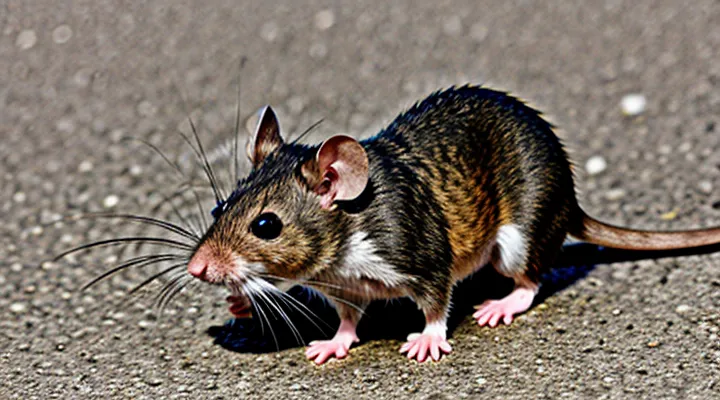
Introduction to Rodent Skeletal System
General Characteristics of Rodent Bones
Adaptations for Movement
The skeletal system of rodents is optimized for rapid, agile locomotion. Long bones of the fore‑ and hindlimbs display a high length‑to‑diameter ratio, reducing mass while preserving structural integrity. The proximal epiphyses are expanded to accommodate large muscle attachment sites, increasing leverage during propulsion.
Vertebral columns exhibit reduced intervertebral spacing and partial fusion of lumbar vertebrae, creating a rigid yet flexible axis that transmits force efficiently. The sacrum is enlarged, providing a sturdy anchor for the pelvis and supporting the transmission of hindlimb thrust.
Joint architecture reflects functional specialization. The hip joint functions as a ball‑and‑socket articulation, allowing multidirectional movement, while the knee operates as a hinge, limiting motion to flexion and extension for stability during sprinting. Distal limb joints possess shallow fossae and elongated condyles, facilitating swift extension and rapid retraction.
Key skeletal adaptations for movement include:
- Light, hollow cortical bone in the diaphysis, lowering inertia.
- Prominent trochanters on the femur and humerus, enhancing muscle torque.
- Enlarged olecranon process on the ulna, providing a powerful lever for forelimb extension.
- Curved phalanges with reinforced distal pads, supporting grip on varied substrates.
- Reduced caudal vertebrae length, allowing tail flexibility for balance without excessive weight.
Adaptations for Digging and Climbing
Rodent skeletal morphology exhibits specialized modifications that support both subterranean excavation and arboreal locomotion. The forelimb exhibits a shortened humerus with a robust deltoid tuberosity, providing increased leverage for powerful protraction of the forearm during digging. The radius and ulna are fused or tightly articulated, creating a rigid lever that transmits force efficiently to the manus. In the manus, enlarged metacarpals and reinforced phalangeal shafts accommodate enlarged claw muscles and resist repetitive soil compression.
The hindlimb adapts for climbing through elongation of the femur and enlargement of the greater trochanter, which enlarges the attachment area for the gluteal musculature. A pronounced dorsal ridge on the tibia supports the flexor muscles required for grip on vertical surfaces. The pes displays elongated distal phalanges with a well‑developed ungual sheath, allowing precise placement of the claws on narrow substrates.
Key skeletal traits that differentiate digging versus climbing specializations include:
- Forelimb robustness – thick cortical bone, expanded deltoid crest (digging) vs. slender shafts with increased joint mobility (climbing).
- Joint morphology – limited rotational capacity in the elbow for force transmission (digging) versus greater range of motion in the hip and ankle for maneuverability (climbing).
- Claw attachment – expanded distal phalanges with reinforced ungual pads for climbing; shortened, stout phalanges with reinforced keratinized tips for soil displacement.
These adaptations arise from selective pressures that favor efficient substrate interaction. The integration of muscular attachment sites, bone geometry, and joint articulation enables a single species to exploit both burrowing and arboreal niches without compromising structural integrity.
Axial Skeleton
Skull
Cranium
The mouse cranium encases the brain, supports the sensory organs, and provides attachment sites for masticatory muscles. It consists of eight bones that fuse during post‑natal development, forming a rigid yet lightweight protective case.
- Neurocranium: composed of the frontal, parietal (paired), interparietal, occipital, and sphenoid bones. These elements create the dorsal vault and house the cranial cavity.
- Viscerocranium: includes the nasal, maxillary, and zygomatic bones, forming the facial skeleton and contributing to the oral and nasal passages.
- Mandible: a single bone of the lower jaw, articulating with the temporal bone at the temporomandibular joint.
Sutures such as the coronal, sagittal, and lambdoid lines separate the major plates, allowing limited growth in juveniles. As the animal matures, ossification centers merge, and sutures become increasingly interdigitated, enhancing structural integrity.
Key foramina provide neurovascular access:
- Optic canal transmits the optic nerve and ophthalmic artery.
- Foramen rotundum and foramen ovale convey branches of the trigeminal nerve.
- Carotid canal accommodates the internal carotid artery.
The cranium’s morphology reflects functional demands. The flattened dorsal profile reduces resistance during locomotion in confined spaces, while the enlarged infraorbital foramen permits extensive whisker musculature, essential for tactile exploration. Comparative analysis shows that laboratory mouse strains exhibit subtle variations in cranial length and width, influencing bite force and skull biomechanics.
Developmentally, the cranium originates from neural crest cells and mesodermal mesenchyme. Early ossification follows a predictable sequence: the parietal and frontal bones appear first, followed by the occipital and sphenoid regions. Disruptions in signaling pathways such as BMP and FGF result in malformations observable in mutant mouse models, providing insight into vertebrate craniofacial genetics.
Mandible
The mandible of a mouse is a single, fused bone forming the lower jaw. It bears the lower incisors and molars and provides the primary site for mastication forces.
Key anatomical regions include:
- Body, the central shaft supporting the dental arcade;
- Ramus, the posterior vertical extension;
- Coronoid process, attachment for the temporalis muscle;
- Angular process, lever arm for the masseter;
- Alveolar ridge, socket for the continuously growing incisors;
- Condylar region, articulation surface with the skull.
Cortical bone forms a dense outer shell, while an inner trabecular network reduces weight without compromising strength. Mineral density varies along the shaft, reaching peak values near the condyle where load transmission is greatest.
The mandible articulates with the temporal bone at a hinge-like temporomandibular joint. The condylar head fits into the mandibular fossa, allowing opening and closing motions essential for gnawing. No additional sutural connections exist between the dentary and adjacent cranial elements.
Mechanical design supports high‑frequency gnawing. The angular process creates a long lever arm for the masseter, amplifying bite force. Continuous incisor eruption is accommodated by a specialized growth zone at the incisal edge, balanced by wear from food processing.
Ossification originates from the first pharyngeal arch. Endochondral and intramembranous processes generate the mandibular body and ramus, respectively. Growth plates at the coronoid and condylar ends regulate lengthening during postnatal development.
The mouse mandible serves as a model for studies of skeletal biomechanics, genetic regulation of bone formation, and dental pathology. High‑resolution imaging and finite‑element analysis exploit its predictable geometry and relevance to human craniofacial research.
Vertebral Column
Cervical Vertebrae
The cervical region of the mouse skeleton comprises seven vertebrae, designated C1 through C7, each contributing to head mobility and neural protection. The first two vertebrae, the atlas (C1) and axis (C2), exhibit specialized morphology: the atlas lacks a true vertebral body and supports the skull via a dorsal arch and lateral masses, while the axis possesses a prominent odontoid process (dens) that articulates with the atlas, enabling rotation of the head.
C3–C7 resemble typical mammalian cervical vertebrae but are reduced in size relative to larger rodents. Their key structural elements include:
- Small, rectangular vertebral bodies with thin cortical bone surrounding a trabecular core.
- Well‑developed transverse processes containing foramina for the passage of the vertebral arteries.
- Spinous processes that are short and bifid, providing attachment sites for cervical musculature.
- Neural arches that enclose the spinal canal, protecting the cervical spinal cord.
During embryogenesis, cervical vertebrae arise from the somites of the cervical region, ossifying via endochondral ossification. The timing of ossification centers follows a proximal‑to‑distal sequence, with C1 and C2 completing ossification earlier than the more caudal cervical elements.
Comparative analysis shows that mouse cervical vertebrae maintain the conserved seven‑vertebra pattern observed across most mammals, yet display proportionally shorter spinous processes and reduced overall length, adaptations that accommodate the species’ diminutive skull and high‑frequency head movements.
Understanding the precise anatomy of the mouse cervical vertebrae is essential for interpreting experimental data involving neurosurgical interventions, orthopedic models, and biomechanical studies of rodent locomotion.
Thoracic Vertebrae
The thoracic vertebrae of the laboratory mouse form a central component of its axial skeleton, situated between the cervical and lumbar regions. Thirteen vertebrae constitute this segment, each integrated with a pair of ribs that create a rigid thoracic cage. The vertebrae share a common architecture yet display specific adaptations for rib articulation and spinal stability.
Key morphological elements of each thoracic vertebra include:
- A robust cylindrical body that bears compressive loads.
- A neural arch composed of pedicles and laminae, enclosing the spinal canal.
- Transverse processes bearing costal facets for rib attachment.
- A dorsal spinous process that provides attachment for musculature.
- Articular facets on the superior and inferior ends that facilitate intervertebral motion while limiting rotation.
The transverse costal facets differentiate thoracic vertebrae from cervical and lumbar counterparts. In mice, these facets are positioned laterally on the transverse processes and are shallow, allowing a single rib to articulate with each vertebra. The vertebral bodies are relatively short along the anteroposterior axis, reflecting the compact size of the rodent torso. The spinous processes are inclined dorsally, contributing to the curvature of the thoracic spine.
Functionally, the thoracic vertebrae support the rib cage, protect the thoracic spinal cord, and transmit forces generated during locomotion and respiration. Their rigidity limits axial rotation, directing movement primarily to flexion–extension within the thoracolumbar region. Comparative analyses reveal that the number of thoracic vertebrae remains constant across most murine species, while variations in facet orientation correlate with differences in respiratory mechanics and locomotive strategies.
Lumbar Vertebrae
The lumbar region of the mouse spine consists of five vertebrae (L1‑L5) positioned between the thoracic and sacral segments. These elements form the central portion of the axial skeleton and support the hind‑limb musculature.
Each lumbar vertebra displays a robust, cylindrical centrum with a relatively short neural arch. The transverse processes are reduced, while the spinous processes are elongated and dorsally directed, providing attachment sites for the epaxial musculature. Articular facets are oriented mediolaterally, permitting limited rotation and enhanced flexion–extension movements. The vertebral foramen accommodates the spinal cord and associated nerve roots, with the dorsal root ganglia emerging at each level.
Functional significance includes:
- Transmission of caudal body weight to the pelvis and hind limbs.
- Stabilization of the lumbar curvature during locomotion.
- Protection of the lumbar enlargement of the spinal cord, which innervates hind‑limb muscles.
Compared with larger rodents such as rats, mouse lumbar vertebrae are proportionally shorter and display a higher degree of vertebral fusion in the sacral region. This adaptation reflects the species’ compact body plan and rapid, agile movement.
Sacral Vertebrae
The sacral region of the mouse vertebral column consists of a single, enlarged vertebra that is fused to the adjacent lumbar and caudal elements, forming a rigid platform for pelvic attachment. This vertebra exhibits a broad, triangular body, thickened neural arches, and robust transverse processes that articulate with the ilia. The fusion of the sacral vertebra with the first coccygeal vertebra creates the sacrococcygeal joint, which limits flexion and stabilizes the hind‑limb girdle.
Key anatomical features include:
- A fused centrum that provides a solid base for the sacroiliac ligaments.
- Enlarged dorsal and ventral spinal processes that serve as attachment sites for the gluteal and hamstring musculature.
- A pronounced sacral canal that houses the sacral spinal nerves, which exit through foramina to innervate the pelvic floor and hind‑limb structures.
Developmentally, the sacral vertebra originates from the same somite series as the lumbar vertebrae but undergoes a distinct pattern of ossification and fusion during the postnatal period. Genetic mutations affecting Hox gene expression can alter sacral morphology, leading to malformations that compromise pelvic stability.
In comparative perspective, the sacral configuration of mice differs from larger rodents, which may possess two sacral vertebrae. The single sacral element in mice reflects an adaptation to their small size and high locomotor agility, providing sufficient rigidity without excessive mass.
Clinical relevance centers on the use of the sacral vertebra as a landmark in imaging and surgical procedures. Its predictable anatomy facilitates precise placement of intrathecal catheters and evaluation of sacral nerve injuries in experimental models of neuropathic pain.
Caudal Vertebrae
The caudal vertebral column of mice comprises a series of short, cylindrical centra that extend from the sacrum to the terminal coccygeal element. Each vertebra possesses a centrally located body, paired transverse processes, and a dorsal neural arch that houses the spinal cord. The posterior vertebrae display a progressive reduction in size, culminating in a single, fused coccygeal bone that supports the anal and perineal musculature.
Key morphological features include:
- Number of elements: typically 18–20 caudal vertebrae, with the distal few fused into the coccyx.
- Articulation: intervertebral joints are simple, cartilaginous connections allowing limited flexion.
- Process development: transverse processes diminish posteriorly, reflecting reduced leverage for tail musculature.
- Spinal canal: narrows toward the tip, accommodating the tapering spinal cord and cauda equina.
Developmentally, the caudal series originates from the somitic mesoderm and undergoes ossification in a cranial‑to‑caudal sequence. Genetic mutations affecting Hox gene expression can alter vertebral count and morphology, providing a model for studying axial patterning. In laboratory practice, the tail vertebrae serve as a reliable site for blood sampling, drug administration, and identification of skeletal phenotypes linked to musculoskeletal disorders.
Rib Cage
Ribs
Mice possess a rib cage composed of fourteen pairs of ribs. The first seven pairs (true ribs) attach directly to the thoracic vertebrae via costovertebral joints; each rib’s head articulates with the bodies of adjacent vertebrae, while the tubercle contacts the transverse processes. Pairs eight through twelve are classified as false ribs; they lack a direct vertebral attachment and are connected to the sternum through progressively longer costal cartilages. The final two pairs are floating ribs, terminating in soft tissue without sternal connection.
The ribs are thin, curved bones formed from intramembranous ossification that begins during embryonic development and completes shortly after birth. Growth plates located at the proximal ends contribute to longitudinal expansion, while the distal ends remain flexible due to unossified cartilage. This arrangement provides structural support for the lungs and mediastinal organs while permitting respiratory movements.
Key morphological characteristics include:
- Uniform curvature that creates a cylindrical thoracic cavity.
- A dorsal rib angle that aligns with the vertebral column.
- Ventral costal cartilage length increasing from the first to the twelfth rib.
- Absence of a true sternum; mice rely on the cartilaginous sternum (manubrium) for ventral attachment.
Variations among rodent species often involve differences in rib count, cartilage length, and the degree of ossification, reflecting adaptations to body size and locomotor demands. In laboratory mice, the rib structure is consistent, making it a reliable reference for comparative studies of skeletal development, disease models, and biomechanics.
Sternum
The mouse sternum is a flattened, median bone situated on the ventral surface of the thoracic cage. It comprises three distinct elements: the manubrium, the body, and the xiphoid process. The manubrium articulates with the first pair of ribs, while the body supports ribs two through seven. The xiphoid process, a reduced posterior projection, terminates the structure and provides attachment for the rectus abdominis muscle.
Key morphological characteristics include:
- Thin cortical lamellae surrounding a spongy medullary core, facilitating lightweight support.
- A series of intercostal foramina that permit passage of nerves and vessels to the thoracic wall.
- Ossification centers that appear prenatally and fuse shortly after birth, resulting in a single, solid sternum in adult specimens.
Comparative analysis reveals that the murine sternum is proportionally shorter and broader than that of larger rodents, reflecting adaptations for rapid locomotion and a compact thoracic cavity. Its structural simplicity contributes to the overall flexibility of the rodent thorax while maintaining sufficient rigidity for protection of vital organs.
Appendicular Skeleton
Pectoral Girdle
Scapula
The scapula of the laboratory mouse is a thin, triangular bone situated on the dorsal surface of the thorax. Its dorsal border extends from the cranial to the caudal end, forming a broad surface for the attachment of the serratus anterior and pectoralis muscles. The ventral side presents a shallow glenoid fossa that articulates with the head of the humerus, allowing a wide range of forelimb motion.
Key anatomical features include:
- Acromial process: a modest projection that serves as an attachment site for the trapezius and deltoid muscles.
- Coracoid process: a short, robust outgrowth providing leverage for the biceps brachii and coracobrachialis.
- Supraspinous and infraspinous fossae: shallow depressions that accommodate portions of the supraspinatus and infraspinatus muscles, respectively.
The bone is composed primarily of cortical tissue with a thin layer of trabecular bone within the glenoid region. Ossification begins during embryonic development through intramembranous ossification, completing shortly after birth. The scapular morphology in mice differs from that of larger rodents by its reduced thickness and proportionally larger glenoid cavity, reflecting adaptations for rapid, high‑frequency forelimb movements.
Muscle insertions on the scapula contribute to the stabilization of the shoulder joint and facilitate precise manipulations during foraging and grooming. The scapular spine, though less pronounced than in carnivores, provides a ridge for the attachment of the latissimus dorsi, influencing the power stroke of the forelimb.
Overall, the mouse scapula exemplifies a lightweight, yet functionally versatile component of the rodent skeletal framework, optimized for the species’ locomotor and behavioral demands.
Clavicle
The clavicle in mice is a reduced, often vestigial bone that differs markedly from the robust clavicle of larger mammals. In most laboratory strains, the element is a narrow, ossified rod situated between the sternum and the scapula, providing limited attachment for the pectoral musculature. Developmentally, the clavicle originates from the lateral plate mesoderm during embryogenesis and ossifies early, typically completing mineralization by post‑natal day 10.
Key characteristics:
- Length: 2–3 mm in adult Mus musculus, proportionally shorter than in rats.
- Shape: slender, slightly curved, with a distal expansion that articulates weakly with the acromial process.
- Composition: cortical bone predominates, with a thin medullary cavity; marrow elements are minimal.
- Variation: some wild‑derived mouse species retain a more pronounced clavicle, reflecting ecological adaptations that demand greater forelimb stability.
Functional implications
The diminutive clavicle contributes to the suspension of the forelimb, yet its mechanical role is modest. Muscle attachments include the pectoralis major and minor, which generate limited leverage due to the bone’s size. Consequently, mice rely heavily on the scapulocoracoid complex and the sternocostal ribs for forelimb support during locomotion.
Comparative perspective
- Rats possess a slightly larger clavicle, reflecting their larger body mass.
- Hamsters exhibit a completely absent clavicle, demonstrating the spectrum of reduction within Rodentia.
- In contrast, primates maintain a robust clavicle that serves as a primary strut for arm elevation.
Research relevance
The clavicle’s morphology serves as a diagnostic marker in phylogenetic studies and can influence the interpretation of skeletal remains in paleontological investigations. Its variability also informs genetic models investigating bone development pathways, such as those involving the Runx2 and Sox9 transcription factors.
Forelimb
Humerus
The humerus of the laboratory mouse is a long, cylindrical bone extending from the shoulder joint to the elbow. Its proximal end forms a spherical head that articulates with the glenoid cavity of the scapula, allowing multidirectional movement of the forelimb. The distal extremity terminates in a trochlear groove that accommodates the ulna and a capitulum that receives the radius, establishing the elbow joint’s hinge mechanism.
Morphologically, the mouse humerus exhibits:
- A thin cortical shell surrounding a modest trabecular core, providing strength while minimizing mass.
- A distinct deltoid tuberosity on the lateral shaft, serving as the primary attachment for the deltoid muscle.
- An enlarged medial epicondyle that anchors forearm flexor muscles, including the pronator teres and flexor carpi ulnaris.
- A growth plate (proximal epiphysis) that remains active until approximately eight weeks of age, influencing longitudinal growth rates.
Muscle insertions are limited to a few robust sites: the deltoid tuberosity, the lateral supracondylar ridge, and the medial epicondyle. These attachment points support forelimb protraction, retraction, and pronation‑supination movements essential for tasks such as grasping and locomotion.
Researchers frequently measure humeral length, cortical thickness, and trabecular density to assess skeletal development, genetic modifications, or disease models. Standardized micro‑CT protocols provide three‑dimensional reconstructions, enabling precise quantification of morphological parameters across experimental groups.
Radius
The radius is the lateral forearm bone of the laboratory mouse, positioned parallel to the ulna and extending from the proximal humeral articulation to the distal carpal joint. Its proximal end forms a hemispherical head that articulates with the capitulum of the humerus, allowing flexion‑extension and limited pronation‑supination movements. The distal epiphysis expands into a broad, triangular surface that contributes to the radiocarpal joint and supports the scaphoid and lunate carpal bones.
Morphologically, the mouse radius exhibits:
- A thin cortical shell surrounding a trabecular core, with cortical thickness averaging 0.15 mm in adult specimens.
- Longitudinally oriented primary osteons aligned with the mechanical axis, providing resistance to bending stresses.
- A central medullary cavity that houses hematopoietic tissue and, in mature individuals, a modest amount of adipose marrow.
Developmentally, the radius originates from the lateral limb bud mesenchyme under the influence of Hox‑A and Hox‑D gene clusters. Endochondral ossification proceeds from a primary cartilage model, with secondary ossification centers appearing near the distal epiphysis at post‑natal day 14. Growth plates remain active until approximately eight weeks of age, after which longitudinal growth ceases and the bone reaches its adult dimensions.
Histologically, the cortical region contains densely packed lamellar bone interspersed with Sharpey’s fibers that anchor periosteal ligaments. The trabecular compartment displays a high surface‑to‑volume ratio, facilitating rapid remodeling in response to mechanical loading. Osteocyte lacunae are uniformly distributed, enabling efficient mechanotransduction.
Functionally, the radius contributes to forelimb stability during grasping and locomotion. Its articulation with the ulna via the interosseous membrane distributes tensile forces, while the distal joint surfaces transmit load to the carpal elements during substrate manipulation.
In experimental contexts, the radius serves as a reliable site for micro‑CT imaging, biomechanical testing, and gene‑expression analyses related to skeletal development and disease models. Its size and consistent geometry allow for standardized placement of fixation devices and implantation of orthopedic implants in murine studies.
Ulna
The ulna of laboratory and wild rodents is a slender, elongated bone situated on the medial side of the forearm, extending from the elbow joint to the wrist. Its proximal end forms the olecranon process, which projects posteriorly to create the lever for elbow extension. Distally, the ulna contributes to the carpal articulation through the ulnar notch, allowing limited rotation relative to the radius. The bone’s shaft is cylindrical, with a modestly thickened cortical layer that resists bending stresses generated during gnawing and climbing activities.
Muscle attachments on the rodent ulna include the flexor carpi ulnaris and portions of the pronator teres, which originate from the medial supracondylar ridge and the interosseous membrane. The interosseous membrane itself spans the length of the ulna and radius, providing structural stability and transmitting forces between the two bones during forelimb movement. The distal epiphysis contains a growth plate that remains active through the juvenile period, enabling rapid lengthening of the forelimb as the animal matures.
Key anatomical features of the rodent ulna:
- Olecranon process: posterior projection for triceps brachii attachment and elbow extension.
- Medial supracondylar ridge: origin site for forearm flexor muscles.
- Interosseous membrane attachment: continuous surface linking ulna and radius.
- Cylindrical shaft: cortical thickness optimized for torsional resistance.
- Distal ulnar notch: articulation surface with the carpal bones, facilitating limited pronation-supination.
Carpals
The carpal region of the mouse consists of eight small bones arranged in two rows that link the forearm to the digits. The proximal row includes the scaphoid, lunate, and triquetral; the distal row comprises the hamate, capitate, trapezoid, and two trapezia. These elements articulate with the distal radius and ulna, forming a flexible yet stable joint that accommodates rapid forelimb movements required for grooming, climbing, and food handling.
Ossification of the carpals begins shortly after birth, with the scaphoid and lunate appearing first, followed by the remaining bones during the first three weeks of development. This staggered pattern reflects the functional demand for early forelimb stability while allowing continued growth of the manus.
Comparative analysis across rodent species shows that the mouse carpal skeleton is reduced relative to larger rodents, such as rats, which possess a similar eight‑bone configuration but with proportionally larger elements. The reduction contributes to a more compact forelimb, enhancing maneuverability in confined environments.
Key functional attributes of the mouse carpals include:
- Rotational flexibility at the radiocarpal joint, permitting pronation and supination of the paw.
- Load distribution across the distal forearm, minimizing stress on individual bones during digging or burrowing.
- Attachment sites for intrinsic hand muscles, facilitating precise digit movements essential for tactile exploration.
Understanding the morphology and development of these bones provides a foundation for interpreting musculoskeletal disorders, evaluating genetic models of skeletal disease, and designing biomechanical experiments that rely on accurate representation of the mouse forelimb.
Metacarpals
The metacarpal series in mice consists of five elongated bones that bridge the carpal cluster and the terminal phalanges. Each metacarpal is slender, slightly curved, and exhibits a distal expansion that accommodates the attachment of the distal phalanges.
Morphologically, the metacarpals display the following characteristics:
- Uniform length gradient, with the first metacarpal (digital I) being the shortest and the fifth the longest.
- Central medullary cavity that narrows toward the proximal end.
- Surface ridges for the insertion of intrinsic hand muscles, notably the flexor digitorum brevis and extensor digitorum longus.
Articulation occurs at the carpometacarpal joints, where the convex distal carpal surfaces meet the concave proximal metacarpal heads. This configuration permits limited flexion–extension while restricting lateral displacement, thereby providing the precision required for gnawing and manipulation of small objects.
Developmentally, metacarpal ossification proceeds via endochondral conversion, beginning at the distal epiphysis around post‑natal day 7 and completing by week 4. Species‑specific variations in shaft robustness correlate with ecological niche; arboreal murids display proportionally thicker cortices compared with terrestrial counterparts.
Phalanges
Phalanges constitute the distal series of bones in the mouse manus and pes, forming the functional endpoint of the limb. Each digit contains a proximal, middle, and distal phalanx, except for the fifth digit, which typically lacks a middle element. The distal phalanx terminates in a keratinized claw sheath that provides traction during locomotion and substrate manipulation.
- Proximal phalanx (P1): robust, articulates with the metacarpal/metatarsal via a condyloid joint; exhibits a shallow trochlear surface for flexion‑extension.
- Middle phalanx (P2): present in digits I–IV; cylindrical shaft with expanded ends that accommodate collateral ligaments; absent in digit V.
- Distal phalanx (P3): slender, tapering toward the claw; contains a ventral groove for the nail bed; ossifies later in development than proximal elements.
Morphological variation among phalanges reflects functional specialization. Digits I–III possess longer shafts and larger articular surfaces, supporting grasping and climbing. Digit IV displays a more compact configuration, contributing to stability during rapid sprinting. The reduced fifth digit minimizes drag and facilitates efficient hind‑limb thrust.
Developmentally, phalangeal ossification follows a proximal‑to‑distal sequence, beginning around embryonic day 14.5 and completing postnatally. Growth plates persist at each interphalangeal joint, allowing continued elongation until skeletal maturity. Histological analysis reveals a dense cortical layer surrounding a trabecular core, optimized for load transmission while maintaining lightweight structure.
Pelvic Girdle
Pelvis
The pelvic region in rodents consists of three fused elements—ilium, ischium, and pubis—forming a single innominate bone on each side. The ilium projects dorsally, the ischium extends ventrally, and the pubis projects anteriorly, creating a robust structure that supports the hindlimb girdle.
The innominate bone articulates with the sacral vertebrae at the sacroiliac joint, forming a stable connection to the axial skeleton. The acetabulum, a deep socket on the lateral surface, receives the femoral head, allowing a wide range of motion while maintaining joint integrity. Thin cortical bone surrounds a trabecular core that adapts to mechanical loads.
Primary functions include transmission of locomotor forces from the hindlimbs to the spine, attachment for major muscle groups such as the gluteus, adductor, and hamstring complexes, and protection of pelvic viscera. The pelvis also serves as a lever for hindlimb extension during rapid propulsion.
Species-specific variations affect pelvic dimensions and curvature. Laboratory mice display a relatively narrow pelvic inlet compared with larger rodents such as rats or gerbils, reflecting differences in body size and locomotor demands. Morphometric measurements correlate with gait patterns and habitat preferences.
Development proceeds through endochondral ossification. Primary ossification centers appear in the ilium and ischium around embryonic day 14.5, with secondary centers forming in the pubis postnatally. Fusion of the three elements completes by four weeks of age, establishing the mature pelvic architecture.
Key anatomical landmarks:
- Anterior inferior iliac spine (AIIS)
- Posterior superior iliac spine (PSIS)
- Ischial tuberosity
- Pubic symphysis
- Acetabular rim
These structures provide reference points for surgical interventions, imaging studies, and comparative research across rodent models.
Sacrum Integration
The sacrum in rodents consists of fused sacral vertebrae that form a single block linking the axial skeleton to the pelvic girdle. This structure typically comprises three to four vertebrae whose neural arches and centra are completely ossified, eliminating intervertebral joints within the sacral region.
Integration of the sacrum occurs through several precise articulations:
- Sacroiliac joints: the lateral surfaces of the sacral block interlock with the ventral iliac wings, creating a rigid, weight‑bearing connection.
- Coccygeal attachment: the posterior margin of the sacrum merges with the first caudal vertebra, extending the axial column into the tail.
- Muscle and ligament insertions: the sacral body serves as the attachment site for the sacrospinalis muscle group and the sacrotuberous ligament, reinforcing pelvic stability.
These connections channel forces generated by the hind limbs directly into the vertebral column, reducing shear at the lumbar–sacral junction and enhancing locomotor efficiency. The rigid sacroiliac complex limits rotational freedom, favoring sagittal plane movement essential for rapid sprinting and burrowing.
Comparative examinations reveal species‑specific adaptations:
- Small ground‑dwelling mice display a compact sacrum with limited lateral expansion, correlating with a narrow pelvic inlet.
- Larger arboreal rodents possess a broader sacral surface, accommodating expanded iliac plates that support increased hind‑limb leverage during climbing.
- Burrowing species exhibit reinforced sacroiliac sutures, reflecting heightened axial loading during excavation.
Overall, sacral integration provides a structural bridge that unifies the spine and pelvis, optimizes load distribution, and underpins the diverse locomotive strategies observed across rodent taxa.
Hindlimb
Femur
The femur of the laboratory mouse is a slender, slightly curved long bone extending from the hip joint to the knee. Its proximal end forms a hemispherical head that articulates with the acetabulum, while the distal end terminates in a condylar surface that engages the tibia and patella.
The shaft (diaphysis) is predominantly cortical bone, providing rigidity. Near the metaphyses, a transition zone of trabecular bone fills the medullary cavity, supporting hematopoiesis and metabolic exchange. Growth plates (physes) remain active throughout the animal’s rapid post‑natal development, allowing longitudinal extension.
Key structural features include:
- Greater trochanter: origin for the gluteus maximus and other hip extensors.
- Lesser trochanter: insertion of the iliopsoas muscle.
- Intertrochanteric line: attachment site for the adductor muscles.
- Medial and lateral condyles: articulation surfaces for the tibial plateau.
Mechanical function centers on weight transmission from the pelvis to the hind limb and serving as a lever for locomotor muscles. The bone’s geometry balances stiffness with lightweight construction, enabling swift, agile movement.
Compared with larger rodents, the mouse femur exhibits a higher cortical thickness‑to‑diameter ratio and a more pronounced curvature, reflecting adaptations to a high‑frequency gait and reduced body mass.
Patella
The patella in mice is a sesamoid bone embedded within the quadriceps tendon, situated anterior to the knee joint and articulating with the femoral trochlea. It consists primarily of compact cortical bone surrounding a trabecular core, providing structural support for the extensor mechanism. Ossification begins centrally during the post‑natal period, typically completing by three weeks of age, and follows a pattern similar to that of other rodent sesamoids.
Key anatomical characteristics include:
- Length averaging 2–3 mm in adult laboratory strains.
- Triangular cross‑section with a broad proximal surface for tendon attachment and a narrower distal facet contacting the femur.
- Presence of a thin articular cartilage layer on the distal surface, facilitating smooth joint motion.
- Rich vascularization from the genicular arteries, supporting rapid remodeling during growth and experimental manipulation.
Functionally, the patella enhances the mechanical advantage of the quadriceps muscle by increasing the lever arm, thereby improving knee extension force. Its position also protects the anterior capsule from direct impact. In research, the mouse patella serves as a model for studying sesamoid development, osteoarthritis, and tendon‑bone interactions, owing to its accessibility and similarity to human patellar pathology at the cellular level.
Tibia
The tibia in laboratory mice is a long, cylindrical bone situated on the medial side of the hind limb, extending from the proximal tibio‑femoral joint to the distal ankle joint. Its proximal epiphysis articulates with the femoral condyles, while the distal epiphysis forms the talocrural joint with the astragalus and calcaneus.
Morphologically, the mouse tibia exhibits a thin cortical shell surrounding a central marrow cavity. The cortical thickness averages 0.15 mm in adult specimens, providing sufficient rigidity for locomotion while maintaining low body mass. The diaphysis displays a slight curvature that aligns with the animal’s natural gait pattern.
Key anatomical features include:
- Proximal growth plate: a hyaline cartilage zone responsible for longitudinal growth until skeletal maturity.
- Fibular crest: a narrow ridge on the lateral surface that serves as attachment for the interosseous membrane and fibular ligament.
- Tibial tuberosity: an anterior prominence for the insertion of the quadriceps femoris tendon.
- Distal condyles: medial and lateral expansions that accommodate articulation with the ankle bones.
Histologically, the cortical bone comprises concentric lamellae organized into osteons, while the trabecular region at the proximal and distal ends contains a lattice of spongy bone that supports metabolic activity and hematopoiesis. Vascular supply derives from the nutrient artery entering the mid‑shaft and periosteal branches that penetrate the cortical surface.
In experimental settings, the mouse tibia serves as a standard model for:
- Biomechanical testing: three‑point bending and axial compression assess material properties such as elastic modulus and ultimate load.
- Bone remodeling studies: micro‑CT imaging quantifies changes in trabecular architecture following genetic manipulation or pharmacologic treatment.
- Fracture healing research: controlled osteotomy models enable evaluation of callus formation and remodeling kinetics.
Comparative analysis shows that the mouse tibia is proportionally shorter relative to body length than that of larger rodents, reflecting adaptations for rapid, high‑frequency locomotion. Despite size differences, the fundamental structural organization mirrors that of other mammals, making it a reliable surrogate for translational bone research.
Fibula
The fibula in rodents is a slender, elongated bone situated laterally to the tibia, extending from the proximal knee joint to the distal ankle region. Its proximal end articulates with the tibial plateau via a modest head, while the distal end forms a joint with the talus, contributing to the ankle’s stability. The shaft is markedly thin, exhibiting a slight curvature that follows the contour of the lower limb.
Primary characteristics include:
- Lateral positioning relative to the tibia, providing a surface for muscle attachment.
- Minimal load-bearing function compared with the tibia, reflecting its reduced structural role.
- Presence of a well‑defined interosseous membrane connecting it to the tibia, facilitating force transmission.
- Developmental ossification beginning in the embryonic stage, with growth plates persisting into adulthood.
In laboratory studies, the mouse fibula serves as a reference point for assessing skeletal morphology, evaluating fracture models, and investigating genetic influences on bone formation. Its consistent anatomy across strains allows comparative analyses of musculoskeletal disorders and therapeutic interventions.
Tarsals
The tarsal region of the mouse foot comprises seven distinct bones that form the distal segment of the hind‑limb skeleton. These elements articulate proximally with the distal tibia and fibula and distally with the metatarsals, providing a rigid yet mobile platform for quadrupedal locomotion.
- Calcaneus – large posterior bone bearing the Achilles tendon attachment, contributing to plantar flexion.
- Talus – central bone that receives the distal tibia, transmitting load to the remaining tarsals.
- Navicular – situated anterior to the talus, supports the medial longitudinal arch.
- Cuboid – positioned laterally, contacts the fourth and fifth metatarsals.
- Medial cuneiform – lies between the navicular and the first metatarsal.
- Intermediate cuneiform – located between the medial and lateral cuneiforms, articulates with the second metatarsal.
- Lateral cuneiform – adjacent to the cuboid, articulates with the third metatarsal.
Each tarsal bone ossifies from a primary center during the early postnatal period, with secondary centers appearing in the calcaneus and talus by the third week. The compact cortical shell surrounds a trabecular interior that adapts to mechanical loading, enhancing resistance to compressive forces generated during rapid gait cycles. Morphometric studies show that the calcaneal length correlates with stride length, while variations in cuneiform dimensions reflect species‑specific adaptations for substrate interaction.
The arrangement of joints between these bones permits dorsiflexion, plantarflexion, inversion, and eversion, enabling precise foot placement on uneven terrain. Muscular tendons attach to the calcaneus and the distal tarsals, translating contractile forces into controlled movements. The tarsal architecture thus integrates structural stability with the flexibility required for agile locomotion in rodents.
Metatarsals
Metatarsals in the mouse comprise five long bones situated between the tarsal region and the distal phalanges. Each metatarsal is slender, slightly curved, and exhibits a distinct proximal head, a central shaft (diaphysis), and a distal condyle that articulates with the corresponding toe bone. The proximal ends articulate with the cuboid, navicular, and cuneiform tarsals, forming a stable yet flexible platform for locomotion.
The bones develop from mesenchymal condensations that undergo endochondral ossification, beginning around embryonic day 12.5. Primary ossification centers appear in the diaphysis, followed by secondary centers in the epiphyses, which fuse post‑natally. Growth plates contain columnar chondrocytes, hypertrophic zones, and a mineralized matrix, mirroring the pattern observed in larger mammals but compressed into a compact structure.
Key anatomical features include:
- Proximal head: Broad, articulating surface with tarsal bones; supports weight transmission.
- Diaphysis: Cylindrical, composed of cortical bone surrounding a medullary cavity; contains nutrient foramina for vascular supply.
- Distal condyle: Narrow, articulates with the proximal phalanx; provides leverage for digit flexion and extension.
- Muscle attachments: Extensor digitorum longus and flexor digitorum brevis insert on the dorsal and plantar aspects, respectively, enabling precise foot movements.
- Ligamentous connections: Collateral ligaments reinforce the metatarsophalangeal joints, maintaining alignment during rapid gait cycles.
In functional terms, mouse metatarsals contribute to the high‑frequency, low‑amplitude foot strikes characteristic of rodent locomotion. Their lightweight construction reduces inertial load, while the robust cortical shell resists bending stresses generated during sprinting and climbing. Comparative studies show that the metatarsal length-to-width ratio in mice is lower than in larger rodents, reflecting adaptation to their small body mass and agility.
Histologically, the cortical layer displays tightly packed osteons with minimal haversian canals, whereas the trabecular interior contains a reticular network that supports metabolic activity and rapid bone remodeling. This architecture facilitates swift response to mechanical loading, a feature exploited in experimental models of bone healing and osteogenesis.
Research applications often target the metatarsals for:
- Genetic knock‑out analyses of skeletal development genes, due to the bones’ accessibility and clear phenotypic outcomes.
- Biomechanical testing of load‑bearing capacity, providing insight into fracture resistance and material properties.
- Pharmacological screening for agents influencing osteoblast and osteoclast activity, using the metatarsal growth plate as a measurable endpoint.
Overall, the mouse metatarsal series exemplifies a compact, highly specialized component of the rodent skeletal system, integrating structural efficiency with functional versatility.
Phalanges
The phalanges are the terminal bones of the mouse manus and pes, forming the distal segment of each digit. In the forelimb, each digit contains three phalanges—proximal, middle, and distal—except for the thumb (digit I), which is reduced to a single, stout phalange. The hindlimb mirrors this arrangement, with the hallux (digit I) also reduced to a single phalanx, while digits II–V retain the tripartite structure.
Morphologically, mouse phalanges are slender, cylindrical elements with well‑developed epiphyses that fuse during post‑natal development. The distal phalanges terminate in ungual pads, providing a hardened surface for claw attachment. The proximal and middle phalanges exhibit distinct trochlear surfaces that articulate with adjacent metacarpal or metatarsal bones, allowing precise flexion–extension movements essential for climbing, gnawing, and substrate manipulation.
Key characteristics include:
- Length-to-width ratio: High values reflect the need for rapid digit extension during locomotion.
- Cortical thickness: Increases toward the distal end, reinforcing the claw attachment zone.
- Ossification pattern: Primary ossification centers appear centrally in each phalanx; secondary centers develop at the epiphyses during the third post‑natal week.
Functionally, the reduced thumb and hallux enhance grip strength and enable the mouse to exert concentrated force on narrow surfaces. The triphalangeal digits provide a balance between flexibility and support, facilitating complex paw movements such as substrate exploration and food handling.
Comparative analysis shows that the phalangeal formula (1‑3‑3‑3‑3) is conserved across most murine species, with minor variations in the relative size of the distal phalanges correlating with habitat specialization. For example, arboreal rodents exhibit elongated distal phalanges, whereas fossorial species possess shortened, robust phalanges adapted for digging.
In research contexts, the phalanges serve as reliable markers for skeletal maturity and genetic mutations affecting limb development. Micro‑CT imaging of phalangeal architecture provides quantitative data on bone density, growth plate closure, and remodeling rates, supporting studies in developmental biology and orthopaedic pathology.
Bone Development and Growth in Mice
Ossification Processes
Endochondral Ossification
Endochondral ossification converts a cartilaginous scaffold into mineralized bone during the development of the mouse skeleton. The process initiates when mesenchymal cells aggregate at future growth‑plate sites and differentiate into chondrocytes, establishing a hyaline cartilage model that mirrors the eventual shape of the bone.
- Proliferation: chondrocytes divide, extending the cartilage column.
- Hypertrophy: cells enlarge, increase production of type X collagen, and begin expressing vascular endothelial growth factor.
- Vascular invasion: blood vessels penetrate the hypertrophic zone, delivering osteoprogenitor cells.
- Mineralization: matrix calcifies, osteoblasts lay down woven bone on the scaffold.
- Remodeling: woven bone is replaced by lamellar bone, establishing mature cortical and trabecular structures.
Molecular regulation relies on a cascade of signaling pathways. Indian hedgehog (Ihh) released by pre‑hypertrophic chondrocytes stimulates proliferation and induces parathyroid hormone‑related protein (PTHrP) expression, which maintains chondrocytes in a proliferative state. Bone morphogenetic proteins (BMPs) and fibroblast growth factor (FGF) gradients modulate differentiation, while the transcription factor Runx2 drives osteoblast commitment and matrix deposition.
In rodents, the temporal window for each stage is compressed relative to larger mammals, allowing the entire ossification sequence to conclude within weeks after birth. This accelerated timeline facilitates experimental manipulation and rapid phenotypic assessment.
Researchers exploit mouse endochondral ossification to investigate genetic mutations, pharmacologic agents, and mechanical loading effects on skeletal growth. Precise characterization of the cartilage‑bone transition informs the interpretation of disease models such as osteogenesis imperfecta and growth‑plate injuries.
Intramembranous Ossification
Intramembranous ossification is the direct formation of bone from mesenchymal tissue, without a preceding cartilage model. In rodents, this process generates the flat bones of the skull, the clavicle, and portions of the mandible, providing structural support for the cranium and facilitating rapid growth during early development.
The sequence of events proceeds as follows:
- Mesenchymal cells aggregate into dense condensations beneath the future bone surface.
- Within the condensations, a subset of cells commits to the osteogenic lineage, expressing transcription factors such as Runx2 and Osterix.
- Differentiated osteoblasts begin secreting osteoid, a collagen‑rich extracellular matrix that serves as the scaffold for mineral deposition.
- Calcium phosphate crystals nucleate within the osteoid, leading to progressive calcification and the emergence of trabecular bone.
- Vascular invasion supplies nutrients and recruits osteoclasts, which remodel the primary trabecular network into mature lamellar bone.
Regulation of this pathway relies on signaling molecules including bone morphogenetic proteins (BMPs), fibroblast growth factors (FGFs), and transforming growth factor‑β (TGF‑β). These factors modulate cell proliferation, differentiation, and matrix production, ensuring timely completion of ossification and alignment with overall skeletal growth.
The resulting bone structures contribute to the rigidity of the rodent skull, protect the brain, and provide attachment sites for masticatory muscles. Their flat geometry optimizes resistance to compressive forces while maintaining a low overall mass, a characteristic adaptation for the high‑frequency chewing behavior observed in many species.
Factors Influencing Bone Density
Genetics
Genetic variation determines the architecture of the mouse skeletal system, influencing bone length, density, and shape. Specific alleles modify osteoblast differentiation, mineral deposition, and remodeling rates, thereby shaping the overall framework of the rodent skeleton.
Key genes governing skeletal development include:
- Runx2 – drives osteoblast lineage commitment and matrix production.
- Sox9 – controls chondrogenesis, affecting early cartilage templates that become bone.
- Col1a1 – encodes type I collagen, a primary component of the extracellular matrix.
- Ostn (osteocrin) – modulates cortical thickness through signaling pathways.
- Pthr1 – regulates endochondral ossification via parathyroid hormone–related signaling.
Genetic manipulation techniques provide experimental access to these pathways. Knockout models reveal loss-of-function effects such as reduced trabecular volume and increased fragility. Transgenic overexpression can produce hypermineralized cortex and altered growth plate morphology. CRISPR‑based editing enables precise allele substitution, facilitating studies of single‑nucleotide polymorphisms linked to bone phenotypes.
Phenotypic assessments demonstrate that mutations in the listed genes produce measurable changes: decreased cortical area, altered trabecular number, and modified femoral curvature. Quantitative imaging confirms genotype‑dependent variation, supporting the use of mouse models for dissecting the genetic basis of bone structure.
Nutrition
Adequate nutrition directly influences the development and maintenance of the skeletal framework in laboratory mice. Essential minerals, particularly calcium and phosphorus, must be supplied in a ratio that supports hydroxyapatite formation; deviations impair mineralization and reduce bone density. Vitamin D facilitates intestinal absorption of calcium, and deficiency leads to osteomalacia and compromised structural integrity. Adequate protein intake provides amino acids required for collagen synthesis, the organic matrix that gives bone tensile strength.
Energy balance affects bone remodeling: caloric restriction reduces osteoblast activity, while excess adiposity increases inflammatory cytokines that stimulate osteoclast-mediated resorption. Micronutrients such as magnesium, zinc, and vitamin K contribute to enzymatic processes involved in bone turnover and matrix maturation.
When formulating rodent diets for skeletal studies, consider the following components:
- Calcium: 0.5–1.0 % of diet (dry weight)
- Phosphorus: 0.3–0.8 % of diet, maintaining a Ca:P ratio of approximately 2:1
- Vitamin D3: 1000–2000 IU kg⁻¹ feed
- Protein: 18–20 % of diet, with a balanced amino acid profile
- Magnesium: 0.05–0.1 % of diet
- Zinc: 30–50 mg kg⁻¹ feed
- Vitamin K2: 0.5–1 mg kg⁻¹ feed
Monitoring serum biomarkers (e.g., osteocalcin, C‑telopeptide) alongside bone densitometry provides quantitative assessment of nutritional impact. Adjustments to diet composition should reflect the specific strain, age, and experimental endpoint to ensure reproducible skeletal outcomes.
Hormonal Regulation
Hormonal control of the skeletal framework in laboratory mice integrates systemic signals that dictate osteoblast proliferation, osteoclast activation, and matrix mineralization. Growth hormone stimulates hepatic production of insulin‑like growth factor‑1, which enhances periosteal apposition and trabecular expansion. Parathyroid hormone, acting intermittently, increases osteoblastic activity and promotes calcium influx, while sustained elevation favors osteoclastic resorption. Calcitonin suppresses osteoclastogenesis, contributing to cortical stability during periods of rapid growth.
Sex steroids exert distinct effects on bone geometry. Estrogen limits endosteal resorption, preserving trabecular thickness, whereas testosterone augments periosteal growth, resulting in increased diaphyseal diameter. Thyroid hormones accelerate bone turnover, influencing both formation and resorption rates, and may alter cortical porosity when dysregulated. Glucocorticoids inhibit osteoblast differentiation and enhance osteoclast survival, leading to reduced bone mass and compromised microarchitecture.
Additional regulators include fibroblast growth factor 23, which modulates phosphate homeostasis and indirectly affects mineral deposition, and sclerostin, a Wnt pathway antagonist that restrains osteoblast activity. The net outcome of these endocrine inputs determines cortical thickness, trabecular number, and overall skeletal robustness in mice.
Key hormonal influences on murine bone structure:
- Growth hormone → IGF‑1 → periosteal apposition
- Parathyroid hormone (intermittent) → osteoblast stimulation
- Calcitonin → osteoclast inhibition
- Estrogen → endosteal preservation
- Testosterone → periosteal expansion
- Thyroid hormones → turnover acceleration
- Glucocorticoids → osteoblast suppression
- FGF23 → phosphate regulation
- Sclerostin → Wnt signaling inhibition