
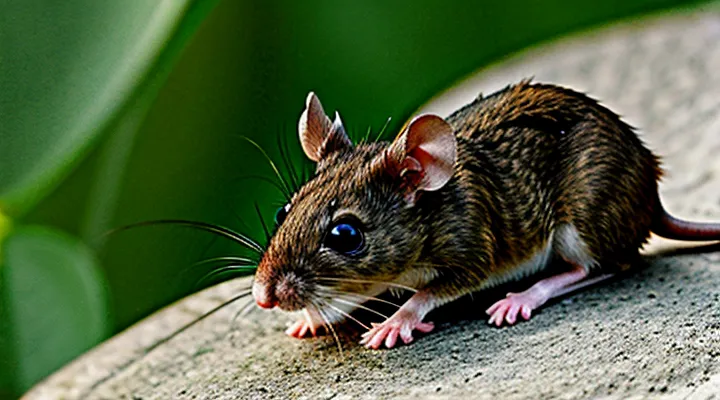
Introduction to Unusual Snout Morphology in Mice
Evolutionary Significance of Snout Variation
Snout morphology among murine species exhibits a wide range of elongation, flattening, and curvature, reflecting adaptations to distinct ecological pressures. Variation is not random; morphological extremes correlate with dietary specialization, substrate interaction, and sensory demands.
Key adaptive functions of atypical snouts include:
- Enhanced reach for extracting seeds, insects, or nectar from narrow crevices.
- Modified tactile receptors that improve substrate discrimination in subterranean habitats.
- Altered airflow patterns that increase olfactory sensitivity for locating dispersed food sources.
Phylogenetic analyses reveal repeated emergence of similar snout forms in unrelated lineages, indicating convergent evolution driven by comparable selective regimes. Genomic studies identify regulatory changes in craniofacial development genes (e.g., Bmp, Shh) as primary drivers of shape diversification, while downstream modifier loci fine‑tune dimensions.
Ecological consequences of snout diversification extend to niche partitioning and reproductive isolation. Populations with distinct snout configurations exploit separate resource pools, reducing interspecific competition and fostering divergent selection. Over time, such ecological segregation can generate reproductive barriers, contributing to the formation of new species within the murine clade.
Functional Adaptations of Unique Snouts
Rodents possessing atypical snout morphologies exhibit a range of functional adaptations that directly influence their ecological niches. The shape of the snout determines the manner in which food is captured, processed, and sensed, while also affecting burrowing efficiency and social interactions.
Elongated snouts increase reach into narrow crevices, allowing access to insects, larvae, and seeds hidden within substrates. The extended nasal cavity houses enlarged olfactory epithelium, enhancing detection of volatile compounds. Species such as the long‑snouted mouse (Pseudomys elongatus) rely on these traits for foraging in leaf litter and under bark.
Flattened, broad snouts provide a larger surface area for tactile exploration. Dense vibrissae along the rostrum detect subtle substrate vibrations, aiding navigation in dark burrows. The broad‑snouted wood mouse (Apodemus platyrostris) utilizes this configuration to locate underground fungal bodies.
Upturned or hooked snouts facilitate the manipulation of hard‑shelled items. Strengthened incisor alignment and reinforced maxillary bones enable cracking of seeds and nuts. The hooked‑snout field mouse (Microtus uncus) demonstrates this adaptation in grassland environments where seed hardness varies seasonally.
Thermoregulatory functions also correlate with snout design. Narrow snouts reduce surface area, limiting heat loss in arid habitats, whereas broader snouts dissipate excess heat in humid regions. The desert pocket mouse (Chaetodipus deserti) exhibits a slender rostrum that minimizes evaporative cooling demands.
Key functional adaptations linked to snout diversity include:
- Feeding specialization – elongated or hooked rostra for probing and cracking.
- Sensory enhancement – expanded nasal chambers and dense vibrissae for olfaction and tactile perception.
- Burrowing efficiency – flattened snouts that streamline soil displacement.
- Thermoregulation – snout surface area adjustments to balance heat exchange.
- Social signaling – distinctive snout shapes used in visual displays during mating rituals.
These adaptations illustrate how variations in rostral morphology drive niche partitioning among rodent species, enabling coexistence in overlapping habitats and promoting evolutionary diversification.
Diverse Snout Shapes and Their Characteristics
Proboscis-like Snouts
Species with Elongated Snouts
Rodents possessing markedly extended rostra exhibit adaptations that enhance probing, foraging, and tactile exploration in narrow substrates. The elongation typically involves a proportional increase of the nasal bones and associated musculature, resulting in a slender, pointed snout that can exceed the length of the head’s cranial vault. These morphological changes correlate with specialized dietary niches, such as insectivory, seed extraction from deep crevices, or burrow navigation.
- Long‑snouted mouse (Genus Hemicricetus) – native to semi‑arid grasslands; snout length averages 30 % of skull length; diet consists primarily of termites accessed through soil tunnels.
- Narrow‑rostrum deer mouse (Peromyscus angustirostris) – inhabits rocky outcrops; elongated muzzle facilitates extraction of seeds lodged in fissures; exhibits heightened vibrissae density for tactile discrimination.
- Spiral‑snout wood mouse (Apodemus spiralis) – found in temperate forests; curved, elongated snout aids in probing bark crevices for larvae; possesses reinforced nasal cartilage to withstand repeated substrate pressure.
- Deep‑bore pocket mouse (Chaetodipus profundus) – desert dweller; extreme rostral extension (up to 35 % of skull length) enables deep soil probing for buried arthropods; displays reduced dentition aligned with soft prey consumption.
These species share common physiological traits: enhanced olfactory epithelium surface area, reinforced mandibular joints, and increased innervation of the rostral region. The combination of skeletal elongation and sensory augmentation permits exploitation of ecological niches inaccessible to typical mouse morphologies, underscoring the evolutionary significance of rostral specialization within murine lineages.
Behavioral Implications of Long Snouts
Long snouts in certain murine species alter foraging strategies by extending reach into narrow crevices and enhancing tactile discrimination. Individuals with elongated rostra can exploit food sources inaccessible to short‑snouted counterparts, such as insects hidden under bark or seeds lodged in tight soil pockets. This morphological adaptation correlates with increased exploratory activity and a higher frequency of substrate‑probing movements during nocturnal searches.
The extended nasal structure also influences social interactions. Long‑snouted mice display a distinct pattern of scent marking: elongated vibrissae and nasal glands produce broader scent trails, facilitating territory delineation and mate recognition over larger areas. Observational data reveal:
- More frequent head‑tilting gestures when investigating conspecific odors
- Extended duration of sniffing bouts during courtship displays
- Reduced reliance on auditory cues in favor of olfactory information
Predation risk is mitigated by the ability to detect subtle airflow changes through the elongated nasal passages, allowing earlier detection of approaching predators. Consequently, long‑snouted individuals exhibit tighter burst‑escape responses and a propensity to occupy concealed microhabitats where visual detection is limited.
Flattened or Broad Snouts
Rodents with Wide Snout Structures
Rodents possessing notably broad snouts display a suite of morphological adaptations that distinguish them from typical murine forms. The expansion of the rostral region often correlates with specialized feeding strategies, enhanced tactile perception, and modified cranial musculature. These traits enable exploitation of ecological niches where bulkier prey or hard‑seed consumption prevails.
Key characteristics of wide‑snouted rodents include:
- Enlarged nasal cavities that increase olfactory surface area.
- Flattened maxillary bones providing a wider dental arcade.
- Strengthened incisors and jaw muscles suited for crushing resistant food items.
- Modified whisker arrangement that improves detection of substrate texture.
Representative species exemplify these adaptations:
- Peromyscus megacephalus – a forest‑dwelling mouse with a pronounced, laterally expanded snout that facilitates consumption of large fruit seeds.
- Mus maculatus – a savanna species whose broad rostrum supports a diet of hard‑shelled insects and arthropod exoskeletons.
- Rattus robustus – an island endemic whose wide snout allows processing of fibrous plant material and occasional carrion.
- Apodemus platyrostris – a mountainous mouse with a flattened snout adapted for foraging among dense moss and lichens.
Phylogenetic analyses indicate that wide snout morphology has arisen independently in several rodent lineages, reflecting convergent evolution driven by similar selective pressures. Comparative cranial imaging reveals consistent expansion of the nasal septum and maxillary sutures across these taxa, underscoring a common developmental pathway.
Understanding the functional implications of broadened rostra contributes to broader knowledge of rodent ecological diversification and informs conservation strategies for species occupying specialized habitats.
Ecological Roles of Broad-Snouted Mice
Broad‑snouted mice occupy niche positions in ecosystems where their distinctive rostral morphology facilitates specialized foraging and habitat use. Their flattened, wide snouts increase surface area for tactile exploration, allowing efficient extraction of seeds, nuts, and underground invertebrates that narrower‑snouted species cannot exploit. This dietary specialization reduces competition and supports plant seed dispersal and soil fauna regulation.
- Seed predation and dispersal – Broad‑snouted individuals harvest larger seeds, consuming portions while transporting remnants that germinate, thereby influencing plant community composition.
- Soil turnover – Frequent digging for subterranean prey aerates soil, enhances nutrient cycling, and creates microhabitats for other organisms.
- Predator–prey dynamics – Their foraging patterns attract avian and mammalian predators, linking lower trophic levels to higher ones and contributing to energy flow.
- Disease vector regulation – By preying on insects that serve as disease carriers, these mice indirectly affect pathogen prevalence in their habitats.
Population density correlates with habitat complexity; dense understory and leaf litter provide the structural environment needed for effective foraging. Seasonal fluctuations in food availability drive reproductive timing, aligning offspring emergence with peak seed production periods. Consequently, broad‑snouted mice act as agents of both biotic and abiotic ecosystem processes, reinforcing biodiversity and functional resilience.
Upward-Turning Snouts
Distinctive Upturned Snout Species
Mice possessing a pronounced upward curvature of the rostrum represent a distinct subset of rodents with atypical snout morphology. This cranial adaptation modifies the spatial arrangement of incisors and enhances forward‑directed tactile perception, influencing foraging techniques and burrow construction.
Key morphological characteristics include:
- Dorsally angled premaxillae producing a visible upturn of the nose.
- Incisors oriented slightly anteriorly relative to the mandibular plane.
- Expanded nasolacrimal ducts that augment olfactory flow.
- Musculature adjustments that facilitate precise gnawing at steep angles.
Representative species:
- Mus nasus (upturned‑snout mouse): inhabits temperate grasslands of Eastern Europe; distinguished by a 12‑mm dorsal snout curvature and a diet rich in seed husks.
- Peromyscus elevatus (elevated‑snout deer mouse): found in the Sierra Madre highlands; exhibits a 15‑mm upward bend and specializes in extracting insects from crevices.
- Apodemus levatus (levated field mouse): native to East Asian deciduous forests; features a 10‑mm rostral tilt and demonstrates enhanced digging efficiency.
- Rattus flexus (flexed‑snout rat): distributed across Southeast Asian mangroves; possesses a 13‑mm upturned snout, enabling navigation of submerged root systems.
Ecological implications are evident in feeding behavior; the upturned rostrum permits access to food sources unavailable to straight‑snouted counterparts, such as surface‑lying seeds and insects hidden beneath litter. Habitat utilization reflects this advantage, with species occupying niches that demand precise vertical gnawing or excavation.
Conservation assessments reveal that several upturned‑snout taxa face habitat fragmentation, particularly those restricted to mountainous or coastal ecosystems. Ongoing taxonomic surveys and morphological analyses contribute to understanding evolutionary pressures shaping rostral curvature, informing both biodiversity preservation and comparative vertebrate anatomy research.
Feeding Strategies Associated with Upturned Snouts
Upward‑curved snouts in certain murine species modify oral mechanics, allowing precise contact with substrates that lie above the animal’s body axis. The altered angle concentrates bite forces toward the tip, enhances tactile discrimination, and creates a narrow feeding channel that can access concealed food items.
- Probing shallow crevices for seeds and insects; the elevated tip reaches beneath leaf litter without displacing surrounding material.
- Scraping bark or woody surfaces to liberate lichens, mosses, and sap; the snout’s angle directs scraping motions close to the surface, reducing waste.
- Harvesting nectar from low‑lying flowers; the upturned orientation aligns the mouth with tubular corollas, enabling efficient suction.
- Grazing on epiphytic plant parts; the snout’s shape permits selective clipping of aerial foliage while maintaining body stability on slender stems.
Species exemplifying these strategies include Peromyscus attwateri, which exploits seed pockets in desert rock fissures, and Apodemus argenteus, specialized in bark‑scraping for fungal spores. In montane forests, Rattus montanus utilizes the same morphology to feed on epiphytic mosses clinging to tree trunks. Each case demonstrates convergence on a feeding niche that would be inaccessible to rodents with straight snouts.
The morphological adaptation thus expands dietary breadth, reduces interspecific competition, and supports survival in habitats where food resources are spatially restricted or concealed.
Biological Mechanisms Behind Snout Diversity
Genetic Factors Influencing Snout Development
Genetic control of snout morphology in rodents involves multiple signaling pathways that regulate craniofacial outgrowth. The Sonic hedgehog (Shh) gradient establishes the anterior‑posterior axis of the facial primordium; reduced Shh activity correlates with shortened, broad snouts, while elevated activity produces elongated rostral extensions. Fibroblast growth factor (Fgf) ligands, particularly Fgf8 and Fgf10, drive proliferation of the frontonasal mesenchyme; mutations in Fgf8 result in narrowed snouts with decreased nasal bone length. Bone morphogenetic proteins (Bmp2, Bmp4) modulate osteogenic differentiation of the nasal capsule, and altered Bmp signaling leads to variations in snout curvature.
Quantitative trait loci (QTL) mapping in laboratory mouse strains identifies chromosomal regions linked to snout width and length. The QTL on chromosome 2 encompasses the HoxD cluster, whose expression pattern determines the positional identity of nasal cartilage. Deletion of Hoxd13 produces a pronounced tapering of the rostral tip. Similarly, the Dlx5/Dlx6 locus on chromosome 4 regulates ventral facial patterning; loss‑of‑function alleles generate a flattened snout profile.
Epigenetic mechanisms further refine snout shape. DNA methylation of regulatory enhancers near the Fgf10 locus modulates expression levels during embryogenesis, producing subtle species‑specific differences. Histone acetylation patterns in the Shh promoter region affect transcriptional output, contributing to the diversity of rostral elongation observed among wild mouse species.
Recent whole‑genome sequencing of atypical rodents reveals convergent mutations in the same developmental genes. Species with pronounced snout protrusion share missense substitutions in the Bmp4 coding region that enhance ligand activity. Conversely, mice with blunt snouts exhibit promoter variants that diminish Shh transcription.
Key genetic elements influencing snout development:
- Shh pathway: gradient intensity, promoter variants, enhancer methylation
- Fgf family: Fgf8/Fgf10 expression levels, coding‑region mutations
- Bmp signaling: ligand activity, receptor affinity changes
- Hox and Dlx transcription factors: positional identity, loss‑of‑function alleles
- Epigenetic regulators: DNA methylation, histone acetylation at craniofacial enhancers
Understanding the interaction of these genes and regulatory layers explains the morphological spectrum of rodent snouts, from the short, broad rostrum of some house mouse populations to the elongated, tapered snout of desert-dwelling relatives.
Environmental Pressures Shaping Snout Evolution
Mice that exhibit markedly elongated, flattened, or tapered rostra demonstrate adaptations driven by a range of ecological forces. These forces impose selective pressures that shape snout morphology to enhance survival and reproductive success in specific habitats.
Key environmental drivers include:
- Substrate composition – Dense leaf litter or compact soils favor narrow, pointed snouts that reduce resistance during burrowing, whereas loose, sandy environments select for broader, flatter rostra that aid in digging and moisture retention.
- Food resource specialization – Access to deep‑buried seeds, tubers, or insect larvae requires elongated snouts capable of probing, while surface feeding on soft vegetation benefits from short, wide snouts that increase bite surface.
- Predation risk – Open habitats with high predator visibility promote streamlined snouts that minimize silhouette and improve rapid head movements, whereas sheltered microhabitats allow for broader snouts without increased detection.
- Microclimatic conditions – Arid regions impose desiccation stress; flattened snouts increase surface area for heat dissipation and may house specialized nasal glands. In contrast, cool, humid forests favor elongated snouts that enhance olfactory sampling of scarce cues.
- Social interaction – Species that engage in aggressive territorial displays often develop reinforced, robust snouts to withstand combat, while solitary foragers may evolve more delicate structures optimized for precise manipulation.
These pressures act concurrently, producing a mosaic of snout configurations across murine taxa. Evolutionary trajectories reflect the balance between mechanical efficiency, sensory capability, and thermoregulatory demands imposed by each ecological niche.
Case Studies of Mice with Specialized Snouts
The Star-Nosed Mouse: A Model of Sensory Adaptation
Anatomical Features of the Star-Nose
The star‑nose phenotype appears in several rodent lineages that have evolved a pentagonal or stellate rostral outline. The nasal bones fuse into a broad, shallow arch that expands laterally, creating five pronounced projections. Each projection supports a pair of enlarged premaxillary processes, which reinforce the snout against mechanical stress during excavation. The underlying cartilage remains flexible, permitting subtle deformation when the animal probes narrow cavities.
The external integument of the star‑nose is heavily keratinized, forming a durable sheath that resists abrasion. Across the dorsal surface, dense whisker follicles (vibrissae) emerge from each point of the star, providing tactile coverage that matches the geometric layout. Below the keratin layer, a thick layer of subcutaneous adipose tissue cushions the skeletal framework and stores energy reserves for prolonged foraging bouts.
Sensory structures adapt to the unusual geometry. Olfactory epithelium lines the interior of the nasal cavity, extending into each lateral lobe to increase surface area for odor detection. Mechanoreceptive nerve endings concentrate at the junctions of the star’s ridges, enhancing the animal’s ability to detect vibrations and pressure changes while navigating complex tunnel systems.
Key anatomical characteristics of the star‑nose include:
- Broad, fused nasal arch with five lateral extensions
- Reinforced premaxillary processes supporting the projections
- Thick keratinized skin covering the rostrum
- Dense, radially arranged vibrissae follicles
- Expanded olfactory epithelium within each lateral lobe
- Concentrated mechanoreceptors at ridge junctions
These features collectively improve durability, tactile perception, and olfactory performance, allowing star‑nose mice to exploit habitats that demand precise navigation and vigorous substrate manipulation.
Sensory Function and Prey Detection
Mice possessing distinctive snout configurations exhibit sensory adaptations that directly influence how they locate and capture prey. The altered rostral shape modifies the spatial arrangement of mechanoreceptors, olfactory receptors, and vibrissae, thereby reshaping the information flow to the central nervous system.
Mechanoreceptive cells embedded in the nasal pad respond to subtle pressure changes generated by prey movement. Expanded snout surfaces increase the contact area, enhancing detection of low‑amplitude vibrations. Concurrently, elongated nasal passages house a larger olfactory epithelium, allowing a higher density of odorant receptors to sample airborne cues. Vibrissae anchored on the snout tip provide precise tactile feedback, enabling mice to discriminate prey size and texture in near‑dark conditions.
Species examples illustrate functional diversity:
- Peromyscus californicus – broad, flattened snout; heightened pressure‑sensitive receptors; excels at detecting burrowing insects.
- Apodemus sylvaticus – tapered, elongated snout; expanded olfactory epithelium; specializes in tracking scent trails of arthropods.
- Mus minutoides – short, stout snout; dense vibrissal array; proficient at rapid tactile assessment of surface‑dwelling larvae.
These morphological specializations create a multimodal detection system in which mechanical, chemical, and tactile inputs converge to guide predatory behavior. The integration of enhanced receptor fields with neural processing pathways yields a measurable increase in prey capture efficiency compared with mice bearing conventional snout shapes.
The Shrew-Mouse: Convergent Evolution of Snout Form
Similarities to Shrews
Mice that possess elongated, tapering, or otherwise atypical snouts share several characteristics with shrews, despite belonging to distinct orders. Both groups display convergent adaptations that reflect similar ecological pressures.
- Skull and dental structure: Reduced rostral length and enlarged incisors create a pointed snout useful for probing soil and leaf litter. Premolars are often simplified, mirroring the insectivorous dentition of many shrew species.
- Sensory specialization: Vibrissae are densely packed and highly innervated, providing tactile feedback comparable to the mechanoreceptive whisker fields of shrews. Olfactory epithelium is expanded, enhancing detection of minute prey cues.
- Foraging behavior: Both taxa engage in active, ground‑level hunting of invertebrates, employing rapid, snout‑directed strikes. Their diet consists primarily of insects, arachnids, and soft‑bodied worms, with occasional consumption of seeds when prey is scarce.
- Metabolic demands: Elevated basal metabolic rates necessitate continual food intake, a trait shared with shrews that maintain high energy turnover.
- Reproductive timing: Breeding seasons align with periods of peak invertebrate abundance, ensuring sufficient resources for offspring growth.
These parallels illustrate functional convergence, where similar snout morphology supports comparable ecological roles across phylogenetically distant mammals.
Niche Partitioning and Resource Utilization
Variation in snout morphology among murine species creates functional differences that enable niche partitioning and reduce direct competition for food resources.
Distinct snout shapes correlate with specific foraging strategies. Species with elongated, slender snouts penetrate narrow soil cracks and extract invertebrates hidden deep underground. Those possessing short, broad snouts generate higher bite forces, allowing consumption of hard‑shelled seeds and nuts. Small, upturned snouts facilitate harvesting of surface pollen and nectar from low‑lying flowers.
- Elongated snout – deep soil invertebrates, worm larvae, beetle pupae.
- Broad snout – hard seeds, tubers, crustacean exoskeletons.
- Upturned snout – surface pollen, nectar, soft fruit skins.
Microhabitat use aligns with snout type. Long‑snouted species dominate moist, loamy substrates where prey burrows are abundant, while broad‑snouted forms concentrate in open, dry patches rich in seed banks. Upturned‑snout mice frequent shrub layers and meadow edges where floral resources are dense. This spatial segregation limits overlap in resource zones.
Morphological specialization extends to sensory and muscular systems. Long snouts house enhanced tactile receptors that detect vibrations within tight crevices. Broad snouts exhibit reinforced masseter muscles and enlarged molar surfaces for processing resistant food items. Upturned snouts feature increased olfactory epithelium density, improving detection of volatile floral compounds.
Collectively, snout diversity expands the range of exploitable resources, stabilizes population dynamics, and supports higher species richness within rodent communities.
Conservation Challenges and Future Research
Impact of Habitat Loss on Specialized Snout Species
Habitat loss reduces the availability of microhabitats required by rodents with atypical snout morphology. These species depend on narrow ecological niches—such as leaf litter, rocky crevices, or specialized burrow systems—where the shape of the snout enhances foraging efficiency or substrate penetration. When forest cover, grassland patches, or wetland margins are cleared, the structural complexity necessary for these niches disappears, forcing individuals into suboptimal environments.
The decline in suitable habitat leads to several measurable impacts:
- Reduced food access: Specialized snouts are adapted to extract particular prey or seeds hidden in specific substrates; loss of those substrates limits dietary options.
- Lower reproductive success: Breeding sites often coincide with the same microhabitats used for feeding; their removal disrupts nesting behavior and decreases clutch size.
- Increased predation risk: Open or altered landscapes expose mice to predators that would otherwise be avoided within dense cover.
- Genetic bottlenecks: Fragmented populations experience reduced gene flow, accelerating loss of genetic diversity and elevating extinction risk.
Long‑term observations show population declines correlate with the rate of land conversion. Conservation measures that preserve or restore habitat complexity—such as reforestation, protection of riparian zones, and maintenance of rock outcrops—directly support the survival of these snout‑specialized rodents. Monitoring programs that track habitat integrity alongside population metrics provide essential data for adaptive management.
Genetic Research and Phylogenetic Studies
Genetic investigations of murine taxa possessing atypical rostral morphology have identified several loci that correlate with snout elongation, curvature, and width variation. Whole‑genome sequencing of representative specimens reveals recurrent mutations in the Bmp4, Shh, and Fgf8 pathways, which regulate craniofacial development. Comparative transcriptomic profiling demonstrates up‑regulation of extracellular matrix genes in species with pronounced snout protrusion, suggesting a mechanistic link between gene expression and morphological adaptation.
Phylogenetic reconstruction based on concatenated nuclear and mitochondrial markers places these morphologically divergent rodents within distinct clades that diverge from the canonical Mus lineage. Bayesian and maximum‑likelihood analyses consistently recover two primary lineages:
- A clade comprising high‑snouted species endemic to arid grasslands, characterized by a rapid radiation event dated to the late Pleistocene.
- A clade of short‑snouted, broad‑rostrum species inhabiting mountainous regions, showing deeper divergence from the common ancestor.
Molecular clock estimates align lineage splits with historical climatic fluctuations, implying that environmental pressures drove selection on craniofacial genes. Genomic introgression tests detect limited gene flow between the two clades, reinforcing their independent evolutionary trajectories.
Future research should prioritize functional validation of candidate genes through CRISPR‑mediated knockouts and in‑situ hybridization. Integrating phenotypic measurements with high‑resolution phylogenomics will refine the understanding of how genetic variation translates into the diverse snout architectures observed across these rodents.