
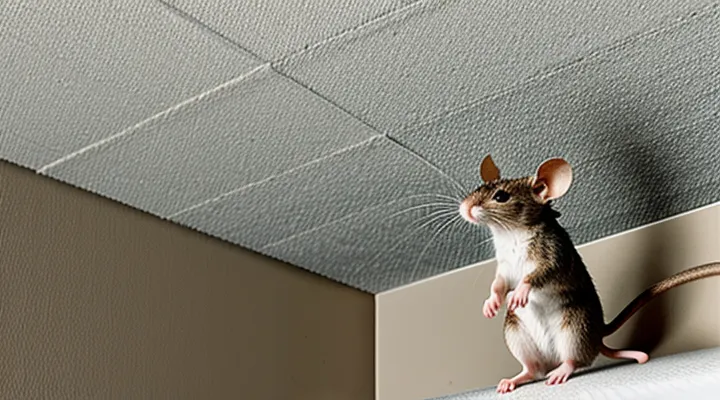
Recognizing the Signs of Mice in Your Stretch Ceiling
Auditory Clues
Scratching and Squeaking Sounds
The presence of intermittent scratching and squeaking within a suspended ceiling often signals rodent activity. These noises typically originate from gnawing on insulation, wiring, or structural components, and may intensify during nighttime when mice are most active.
To verify the source, inspect the ceiling after dark using a flashlight and a portable audio recorder. Look for fresh droppings, gnaw marks, or shredded material near vents, light fixtures, and access panels. If the sounds persist despite visual inspection, place motion-activated cameras to capture movement and confirm infestation.
Effective response steps include:
- Seal entry points: Apply steel wool and expanding foam to gaps around ducts, pipes, and wall penetrations larger than ¼ in.
- Deploy traps: Position snap or live-catch traps along the identified pathways, baited with peanut butter or cheese.
- Remove attractants: Eliminate food residues, store waste in sealed containers, and maintain a clean environment in adjacent rooms.
- Conduct professional exclusion: Engage a licensed pest‑control specialist to assess structural vulnerabilities and implement long‑term barriers.
After eliminating the rodents, replace damaged insulation and repair any compromised wiring to prevent future disturbances and maintain safety standards. Regular monitoring of the ceiling space will detect re‑infestation early, allowing prompt corrective action.
Gnawing Noises
When gnawing sounds echo from a suspended ceiling, the source is often small mammals accessing the space through gaps in insulation, wiring channels, or ventilation openings. The noise pattern—intermittent, sharp, and repetitive—indicates active chewing on structural components such as wooden joists, plastic trays, or metal brackets. Continuous activity can compromise the integrity of the ceiling system and create pathways for further infestation.
Identify the origin by:
- Inspecting accessible panels for fresh chew marks, droppings, or shredded material.
- Listening with a handheld recorder to pinpoint the loudest area during quiet periods.
- Tracing utility routes that may serve as concealed travel corridors.
Mitigate the problem by:
- Sealing entry points with steel wool, caulk, or metal flashing to prevent re‑entry.
- Installing snap traps or electronic bait stations directly beneath the identified zone.
- Applying a rodent‑resistant coating to exposed wood or plastic surfaces.
- Scheduling a professional pest‑control service for comprehensive removal and follow‑up monitoring.
After treatment, verify success by re‑checking for gnawing evidence weekly for at least one month. Persistent sounds warrant immediate re‑inspection, as unnoticed colonies can cause structural damage and pose health risks.
Visual Indicators
Droppings and Urine Stains
Rodent droppings in suspended ceilings appear as small, dark, cylindrical pellets, typically 4‑6 mm long. Urine stains manifest as discolored patches, often yellowish or brown, sometimes accompanied by a lingering odor. Both indicators confirm active presence of mice within the ceiling space.
Droppings and urine pose health hazards by harboring pathogens such as Hantavirus, Salmonella, and Leptospira. Moisture from urine can weaken ceiling tiles, promote mold growth, and accelerate structural degradation. Persistent odor reduces indoor air quality and may affect occupant comfort.
When contamination is discovered, adopt protective measures before any cleaning. Wear disposable gloves, a N‑95 respirator, and eye protection. Isolate the affected area by sealing vents and limiting airflow to prevent aerosolization of particles.
- Remove loose droppings with a disposable scoop or damp paper towel; discard in a sealed bag.
- Apply an EPA‑registered disinfectant (e.g., a 1 % bleach solution) to the contaminated surface; let it sit for at least 10 minutes.
- Scrub the area with a soft brush or non‑abrasive pad to lift residues.
- Rinse with clean water, then dry thoroughly using a low‑speed fan or dehumidifier.
- Dispose of all cleaning materials in sealed waste containers; wash hands and sanitize tools.
Prevent future contamination by sealing entry points: install steel‑wool or copper mesh around pipe penetrations, repair gaps in the ceiling grid, and apply expanding foam to cracks. Deploy snap traps or electronic bait stations near suspected pathways, and schedule regular inspections to detect new activity promptly. Professional pest‑control services may be required for extensive infestations or when structural damage is evident.
Gnaw Marks on Ceiling Materials
Gnaw marks on stretch‑ceiling surfaces appear as shallow, crescent‑shaped cuts or irregular holes where rodents have chewed the underlying fabric or PVC coating. The edges are typically smooth, indicating repeated biting rather than accidental damage.
Identify marks by inspecting the ceiling under bright light. Look for:
- Linear or curved gouges exposing the backing material.
- Fine powder or shavings accumulating around the cuts.
- Small droppings or urine stains near the affected area.
These signs reveal active rodent presence and potential compromise of the ceiling’s integrity. Chewed sections lose tensile strength, increasing the risk of sagging or tearing. Exposed fibers can harbor bacteria and allergens, affecting indoor air quality.
When gnaw marks are discovered, take the following steps:
- Document location and size of each mark.
- Seal visible entry points with steel wool, caulk, or metal mesh.
- Set snap traps or humane catch‑and‑release devices along suspected travel routes.
- Contact a licensed pest‑control professional to confirm infestation level.
- Arrange for a qualified ceiling installer to repair or replace damaged panels, ensuring the new material is resistant to rodent chewing.
Prevent future damage by maintaining a clean environment, storing food in sealed containers, and regularly checking utility lines, vents, and wall gaps for signs of intrusion. Routine inspections of the ceiling surface, combined with prompt repair of any breaches, sustain both aesthetic appearance and structural performance.
Unexplained Debris or Dust
Unexplained particles often appear in stretch‑ceiling installations where rodents have gained access. The material may be droppings, urine stains, shredded insulation, or gnawed fragments of the ceiling membrane. These residues differ from construction dust by their irregular shape, darker color, and occasional odor.
To confirm a mouse origin, follow a systematic inspection:
- Illuminate the affected area with a strong light source; look for droppings ¼‑inch long, dark brown, and clustered near seams or corners.
- Examine the ceiling surface for chew marks or frayed edges on the fabric.
- Smell for a characteristic ammonia scent that indicates urine.
- Collect a small sample with a disposable swab; send it to a laboratory for rodent‑specific DNA analysis if uncertainty remains.
Once the source is verified, clean the area using protective equipment (gloves, mask, eye protection). Begin with a HEPA‑rated vacuum to remove loose debris, then wipe the surface with a detergent solution, and finish with a rodent‑approved disinfectant. Allow the ceiling to dry completely before resealing any openings.
Prevent recurrence by sealing gaps larger than ¼ inch, installing rodent‑proof barriers at ceiling edges, and scheduling quarterly visual checks. Traps or bait stations placed outside the ceiling cavity reduce the likelihood of future infestations, protecting the integrity of the stretch‑ceiling system.
Olfactory Evidence
Persistent Musty or Ammonia-Like Odor
A lingering musty or ammonia-like smell signals rodent activity within a suspended stretch ceiling. The odor typically originates from urine, feces, and decomposing nesting material that accumulate in concealed spaces. Moisture from these waste products promotes mold growth, while ammonia released by urine intensifies the foul scent.
The presence of ammonia and mold spores poses health hazards. Inhalation can irritate the respiratory tract, aggravate asthma, and increase the risk of allergic reactions. Additionally, rodent droppings may carry pathogens such as Hantavirus and Salmonella, further compromising indoor air quality.
Addressing the odor requires a systematic approach:
- Inspect the ceiling cavity for visible signs of mice, droppings, and nesting debris.
- Seal entry points using steel mesh, caulk, or expanding foam to prevent further intrusion.
- Remove contaminated insulation, droppings, and any soiled materials; dispose of them in sealed bags.
- Clean remaining surfaces with a disinfectant solution containing quaternary ammonium compounds.
- Install a dehumidifier or improve ventilation to lower humidity and inhibit mold development.
- Apply a non-toxic odor-neutralizing agent, such as activated charcoal or an ozone generator, following manufacturer safety guidelines.
- Schedule regular monitoring to confirm the absence of new waste and to detect any recurring odor promptly.
Implementing these steps eliminates the source of the smell, restores air quality, and reduces the likelihood of future rodent infestations in the ceiling system.
Immediate Actions Upon Discovery
Assessing the Extent of Infestation
Locating Entry Points
Identifying how rodents access a suspended ceiling is the first step in any control program. Inspect the perimeter for gaps where the ceiling material meets walls, beams, or ducts. Look for openings around light fixtures, air vents, and cable penetrations; even a ¼‑inch breach permits entry. Examine the attic or space above the ceiling for signs of gnawing on joists, insulation, or mounting brackets. Trace any visible droppings, gnaw marks, or urine stains back to their source; they often converge on a single intrusion point.
Use a flashlight and mirror to view concealed seams and corners. Check exterior walls for cracks, missing siding, or damaged flashing that could channel mice inward. Verify that all exterior vents are covered with metal mesh of appropriate gauge. Seal identified openings with steel wool, copper mesh, or expanding polyurethane foam, then cover with a durable material such as metal flashing or cement board to prevent re‑entry.
A systematic approach—perimeter examination, interior inspection, and exterior verification—ensures all potential entry routes are discovered and eliminated.
Identifying Nesting Areas
Mice choose concealed spots in suspended ceilings for nesting, often near structural joints, insulation, or pipe penetrations. Recognizing these locations is essential for effective control.
Typical indicators of nesting activity include:
- Accumulated shredded material such as paper, fabric, or insulation fibers
- Concentrated droppings, especially in corners or behind ceiling panels
- Gnaw marks on wiring, ductwork, or mounting brackets
- Strong musky odor emanating from confined spaces
- Presence of live or dead mice, skins, or nests made of soft debris
Inspection should follow a systematic approach:
- Turn off power to the area and use a flashlight to examine all accessible ceiling sections.
- Remove removable panels or tiles to expose underlying framework.
- Trace any gaps around vents, light fixtures, and cable entries; probe with a thin probe or mirror.
- Record the exact position of each finding, noting material type and extent of damage.
Documented nesting sites guide targeted remediation, allowing removal of debris, sealing of entry points, and placement of traps or bait stations directly where mice congregate. Continuous monitoring after intervention confirms the success of the measures.
Ensuring Safety and Hygiene
Ventilating the Area
Mice nesting behind a stretched ceiling create moisture buildup, odor, and temperature spikes that encourage further infestation. Proper ventilation removes excess humidity, lowers ambient temperature, and disperses smells that attract rodents.
Effective ventilation requires a combination of passive and active measures:
- Install vent grilles at regular intervals along the ceiling perimeter to allow fresh air exchange.
- Fit exhaust fans in high‑risk zones, such as near food preparation areas, to pull stale air outward.
- Use ductwork that connects the ceiling cavity to exterior vents, ensuring a continuous airflow path.
- Seal gaps around lighting fixtures, HVAC diffusers, and pipe penetrations to prevent mice from re‑entering.
- Incorporate passive vents with adjustable louvers to balance airflow without excessive energy use.
Regular maintenance sustains ventilation performance:
- Clean vent openings monthly to remove dust, debris, and droppings.
- Inspect fan motors and duct seals quarterly for wear or blockage.
- Monitor humidity levels with a hygrometer; maintain readings below 50 % to deter nesting.
- Replace damaged grilles or louvers promptly to preserve airtight integrity.
By establishing consistent airflow and promptly addressing obstructions, the ceiling cavity remains inhospitable to rodents while preserving structural integrity.
Wearing Protective Gear
Rodent intrusion in suspended ceiling systems creates a hazardous environment for maintenance personnel. Direct contact with mice, their droppings, and nesting material exposes workers to pathogens and allergens, making appropriate protective equipment essential.
- Heavy‑duty gloves resistant to puncture and chemicals
- N95 or higher‑efficiency respirators to filter airborne particles
- Safety goggles or full‑face shields against splashes and debris
- Disposable coveralls with sealed seams to prevent contamination of clothing
- Antimicrobial boot covers for foot protection
Each item mitigates specific risks. Gloves protect against bites and contact with urine‑laden fur. Respirators filter dust, mold spores, and potential airborne pathogens. Eye protection prevents irritation from droplet spray during cleaning. Coveralls isolate the body from contaminants, reducing cross‑contamination. Boot covers keep footwear clean and limit the spread of infestations to other areas.
Select equipment certified by recognized standards (e.g., ANSI, NIOSH). Inspect for tears, compromised seals, or expired filter cartridges before each use. Replace disposable items after a single exposure; clean reusable gear according to manufacturer instructions. Store all gear in a dry, sealed container to maintain integrity.
Adhering to this protective protocol minimizes health hazards while addressing mouse activity in the ceiling system, ensuring safe and effective remediation.
Communicating with Professionals
Pest Control Experts
Professional pest‑control specialists assess mouse activity in suspended ceilings by inspecting visible entry points, droppings, gnaw marks, and damage to the fabric. They identify species, estimate population size, and determine the extent of infestation before selecting an intervention.
Typical actions performed by experts include:
- Sealing gaps around ducts, pipes, and lighting fixtures with steel‑wool or caulk to prevent re‑entry.
- Installing bait stations or snap traps in concealed locations to reduce the rodent count while limiting exposure to occupants.
- Applying rodent‑resistant mesh or wire behind the stretch fabric to protect the ceiling structure.
- Conducting a thorough sanitation review, removing food sources and debris that attract mice.
- Providing a maintenance schedule that outlines periodic inspections and trap checks.
When a problem is confirmed, consultants recommend an integrated approach that combines exclusion, mechanical control, and ongoing monitoring. They also advise property managers on documentation requirements for health‑code compliance and suggest record‑keeping of trap activity to evaluate effectiveness over time.
Stretch Ceiling Repair Technicians
Stretch‑ceiling repair technicians specialize in diagnosing and eliminating rodent damage within suspended ceiling systems. Their primary responsibilities include locating entry points, assessing structural compromise, and restoring the original aesthetic and functional integrity of the ceiling.
Key competencies required for effective intervention:
- Knowledge of common mouse pathways and nesting habits specific to ceiling cavities.
- Proficiency with cutting, welding, and heat‑shrink techniques used to replace torn fabric or PVC panels.
- Ability to apply sealants, mesh barriers, and ultrasonic deterrents to prevent recurrence.
- Familiarity with building codes governing fire resistance and acoustic performance of stretch‑ceiling materials.
Typical workflow when addressing a mouse‑related incident:
- Conduct a visual inspection and use a fiber‑optic camera to map damage.
- Mark compromised sections and isolate the area to protect occupants from debris.
- Remove damaged fabric, clean the substrate, and treat any residual droppings with approved disinfectants.
- Install a new stretch‑ceiling segment, ensuring tension uniformity and seamless edge bonding.
- Apply a rodent‑proof barrier—such as metal flashing or reinforced polymer strips—around seams and perimeter joints.
- Verify the installation meets acoustic and fire‑rating specifications, then document the repair for future maintenance.
When selecting a technician, verify certification in ceiling installation, documented experience with pest‑related repairs, and a portfolio demonstrating successful restoration of affected sites. Regular maintenance contracts with these professionals can reduce downtime and preserve the ceiling’s visual quality.
Eradication Strategies
Non-Lethal Trapping Methods
Live Traps
Live traps provide a humane solution for mouse activity within suspended ceilings. They capture rodents without killing them, allowing removal and relocation while preventing damage to acoustic panels and lighting fixtures.
Common live-trap models include:
- Wire-mesh cages with spring-loaded doors, suitable for tight spaces.
- Plastic box traps with bait chambers, easy to clean and reset.
- Multi-catch traps that hold several individuals, reducing the frequency of checking.
Effective placement follows three principles: locate near droppings or gnaw marks, position at least 2–3 inches from ceiling edges to avoid interference with fixtures, and align traps perpendicular to mouse travel routes. Secure traps with adhesive pads or brackets to prevent displacement by airflow.
After capture, inspect traps every 12 hours. Transfer each mouse to a wooded area at least 1 mile from the building, release near natural cover, and disinfect the trap before reuse. Record capture dates and locations to identify activity patterns and adjust trap density accordingly.
Repellents
Rodent activity within stretch‑ceiling systems can compromise structural integrity and create sanitation concerns. Effective repellents reduce the likelihood of mice entering or nesting in these suspended panels.
Chemical repellents contain volatile compounds such as peppermint oil, citronella, or synthetic rodent‑deterrent formulations. Apply the product to the underside of the ceiling and to any accessible joists. Reapply according to manufacturer guidelines, typically every 2–4 weeks, to maintain potency.
Ultrasonic devices emit high‑frequency sounds that mice find uncomfortable. Place units at regular intervals along the ceiling grid, ensuring no obstacles block the wave propagation. Verify that the frequency range matches the target species; many devices operate between 20–65 kHz.
Physical barriers include metal mesh or dense foam strips installed beneath the ceiling membrane. Secure the material with staples or adhesive, eliminating gaps larger than ½ inch. This method provides a non‑chemical, long‑term solution.
Natural deterrents such as dried lavender, cloves, or crushed mint leaves can be scattered in the cavity space. Their effectiveness diminishes after a few days, requiring frequent replacement.
When selecting a repellent, consider:
- Safety for occupants and pets – choose products with low toxicity ratings.
- Compatibility with ceiling materials – avoid substances that degrade plastic or fabric membranes.
- Maintenance frequency – balance initial cost against recurring application needs.
- Evidence of efficacy – prioritize formulations validated by independent studies.
Combine multiple strategies for optimal results. For example, install a physical barrier, supplement with a chemical repellent, and position an ultrasonic unit to address different behavioral triggers. Regular inspection of the ceiling cavity will reveal early signs of infestation, allowing prompt adjustment of the repellent regimen.
Lethal Trapping Methods
Snap Traps
Snap traps provide a direct, humane method for eliminating rodents that have entered a suspended ceiling. The device consists of a spring‑loaded bar that closes rapidly when triggered, delivering an instantaneous kill.
Choosing the appropriate model matters. Opt for a sturdy wooden or plastic base, a stainless‑steel spring, and a clear trigger mechanism. Bait selection influences effectiveness; peanut butter, dried fruit, or a small piece of meat attract mice without creating lingering odors.
Placement determines capture rates. Position traps along the ceiling joists where droppings or gnaw marks are visible, ideally within 12‑18 inches of known activity. Secure the trap to the joist using a screw or zip tie to prevent movement when the mouse contacts the trigger.
Safety considerations include wearing gloves during handling, keeping traps out of reach of children and pets, and disposing of captured rodents in sealed plastic bags before discarding in a trash receptacle. After each capture, reset the trap promptly to maintain pressure on the infestation.
Monitoring progress requires a simple log: record date, location, and outcome for each trap. If catches decline, relocate traps to new hotspots or increase the number of devices per joist segment.
When the infestation subsides, remove all traps, clean the area with a mild disinfectant, and seal any openings that allowed entry. This final step prevents re‑infestation and preserves the integrity of the stretch‑ceiling system.
Electronic Traps
Electronic traps provide a rapid, non‑chemical response to rodent activity within suspended ceiling structures. The devices deliver a high‑voltage pulse that incapacitates a mouse within milliseconds, eliminating the need for bait or poison.
The core mechanism relies on a sensor that detects the presence of a small animal, then releases a controlled electrical discharge. Typical models operate at 2,000–3,000 volts but limit current to a few milliamps, ensuring lethal effect while preventing fire hazards. Most units include insulated housing, a safety lockout for accidental contact, and an indicator that confirms each activation.
Key factors when choosing a trap:
- Power source: mains‑connected for continuous operation, battery‑powered for temporary placement.
- Detection method: infrared beam, motion sensor, or pressure plate.
- Capacity: single‑kill versus multi‑kill chambers.
- Durability: corrosion‑resistant casing suitable for humid ceiling environments.
Installation proceeds in three steps:
- Identify mouse pathways by observing droppings, gnaw marks, or damage to insulation.
- Mount the trap at a height that aligns with the detected route, securing it to the ceiling framework with provided brackets.
- Connect power, activate the sensor, and perform a test trigger to verify functionality.
Routine upkeep includes:
- Removing and disposing of deceased rodents after each activation.
- Replacing batteries or checking the power supply monthly.
- Wiping the interior with a mild disinfectant to prevent odor buildup.
- Inspecting the sensor lens for dust or debris that could impair detection.
Advantages:
- Immediate mortality eliminates breeding potential.
- No chemical residues, safe for nearby occupants and pets.
- Quiet operation avoids disruption in occupied spaces.
Limitations:
- Requires an electrical source; outages render the device inactive.
- Traps must be serviced regularly to maintain efficacy.
- Effectiveness declines if mice circumvent the sensor area.
When integrated with sealing of entry points and sanitation measures, electronic traps constitute a reliable component of an overall rodent‑management plan for overhead ceiling systems.
Chemical Solutions
Baits and Rodenticides (Use with Extreme Caution)
Mice that have entered the suspended ceiling require prompt, controlled action. Baits and rodenticides provide effective eradication, but misuse can endanger occupants, pets, and the building structure.
Effective bait selection depends on species behavior and access points. Common options include:
- Block-type anticoagulant pellets, low‑dose formulations for chronic exposure.
- Immediate‑action bromethalin blocks for rapid knock‑down.
- Zinc phosphide granules for areas with limited human traffic.
Safety measures must be observed at every stage:
- Identify all non‑target species present in the ceiling void.
- Seal entry points before placing bait to prevent accidental ingestion.
- Use tamper‑resistant bait stations rated for rodent control.
- Position stations at least 12 inches away from ventilation ducts and lighting fixtures.
- Label stations with hazard warnings and keep records of placement dates.
- Wear disposable gloves and protective eyewear during handling.
- Store rodenticides in locked, child‑proof containers away from food areas.
- Dispose of unused or expired bait according to local hazardous waste regulations.
Application guidelines:
- Place a single bait station per 100 sq ft of accessible ceiling area.
- Monitor stations weekly; replace depleted units promptly.
- After a confirmed kill, remove the station, seal the area, and clean residues with a mild detergent solution.
Legal compliance:
- Verify that the chosen rodenticide is registered for indoor use in the jurisdiction.
- Maintain a Material Safety Data Sheet (MSDS) on site for reference.
- Ensure that all personnel involved have completed a certified rodenticide handling course.
Alternative methods, such as snap traps or electronic devices, should be considered when the risk to non‑target organisms is high. When baits are employed, strict adherence to the outlined precautions minimizes hazards while delivering reliable control.
Preventing Future Infestations
Sealing Entry Points
Inspecting and Repairing Gaps and Cracks
Mice can enter a stretch‑ceiling system through tiny openings created by settling, humidity fluctuations, or previous repairs. Detecting these entry points early prevents damage to the ceiling membrane and reduces the likelihood of infestation.
Begin with a thorough visual inspection. Walk the perimeter of the room, focusing on seams where the ceiling meets walls, lighting fixtures, and ventilation ducts. Use a bright flashlight to reveal hairline cracks and gaps that are invisible under normal lighting. A handheld mirror can help view recessed areas behind fixtures.
When gaps are identified, follow a systematic repair process:
- Clean the area with a vacuum or brush to remove debris, dust, and any droppings.
- Apply a flexible, paint‑compatible sealant designed for stretch‑fabric surfaces. Push the sealant into the crack with a putty knife, ensuring complete coverage.
- For larger openings, insert a thin metal or fiberglass mesh patch before sealing. The mesh provides structural support and prevents the sealant from cracking under tension.
- Smooth the sealant surface, remove excess material, and allow the product to cure according to the manufacturer’s instructions—typically 24 hours for full strength.
- After curing, inspect the repaired spot for adhesion and continuity. Re‑seal any areas that show signs of shrinkage or separation.
Regular maintenance includes a quarterly walk‑through to spot new fissures, especially after seasonal temperature changes. Document each inspection and repair date to track the ceiling’s integrity over time. Promptly addressing gaps and cracks limits mouse access and preserves the aesthetic and functional qualities of the stretch ceiling.
Securing Vents and Pipes
Mice can infiltrate stretched‑ceiling systems by exploiting gaps around ventilation openings and plumbing conduits. Unsealed passages provide direct routes to insulation, where rodents find shelter and food sources. Protecting these entry points eliminates the primary pathway and reduces damage to the ceiling structure.
- Inspect all supply and return vents for cracks, loose trim, or missing mesh; replace damaged components with metal or reinforced plastic covers.
- Apply stainless‑steel mesh or copper flashing around pipe sleeves; secure with corrosion‑resistant screws and sealant to create a continuous barrier.
- Use expandable polyurethane foam to fill irregular gaps; ensure the foam is rodent‑resistant and does not compromise fire‑rating requirements.
- Install snap‑on vent grilles equipped with tight‑fit gaskets; verify that the grille sits flush against the ceiling surface.
- Conduct periodic checks after installation; reapply sealant or replace worn mesh as needed.
Implementing these measures creates a sealed envelope that denies rodents access while maintaining airflow and compliance with building codes.
Eliminating Food Sources
Proper Food Storage
Mice that have taken residence in a suspended ceiling are often attracted by improperly stored food. Securing food eliminates a primary incentive for infestation and supports any control strategy.
- Keep all edibles in airtight containers made of metal or heavy‑wall plastic.
- Store bulk items in sealed, labeled bins that can be stacked without gaps.
- Place containers on a stable surface away from walls and ceiling fixtures.
- Use temperature‑controlled storage for perishable goods; discard anything past its safe‑use date.
- Clean spills immediately; wipe down surfaces with a disinfectant after each use.
Regularly audit storage areas, rotate stock to use older products first, and maintain a log of inventory dates. Implementing these practices reduces food odors and crumbs, thereby decreasing the likelihood that rodents will explore or inhabit the ceiling space.
Regular Cleaning and Sanitization
Regular cleaning and sanitization are essential components of any strategy to control rodent activity within stretch‑ceiling installations. Dirt, food particles, and droppings provide a food source and breeding sites for mice; removing these elements reduces attraction and limits population growth.
Effective cleaning routines should include:
- Weekly vacuuming of the ceiling surface using a HEPA‑rated attachment to capture fine debris and hair.
- Bi‑weekly wet wiping with a mild detergent solution to dissolve residue and prevent buildup.
- Monthly application of an EPA‑registered disinfectant specifically labeled for indoor use, ensuring contact time complies with manufacturer instructions.
Sanitization must address both visible contamination and hidden areas. Inspect seams, joints, and support structures for accumulation of droppings or urine stains. Use a flexible brush to dislodge material from hard‑to‑reach corners, then apply disinfectant directly to the affected zones.
When selecting cleaning agents, prioritize products that are:
- Non‑corrosive to the PVC or fabric layers of the ceiling.
- Effective against common rodent pathogens such as Salmonella and Hantavirus.
- Safe for occupants and compliant with indoor air quality standards.
Documentation of each cleaning cycle supports accountability and helps identify trends. Record date, personnel, products used, and any observations of rodent signs. Review logs monthly to adjust frequency or introduce supplemental measures, such as trap placement or sealing of entry points.
Consistent execution of the outlined procedures minimizes the risk of infestation, protects structural integrity, and maintains a hygienic environment for building occupants.
Maintaining a Hostile Environment for Pests
Decluttering Attics and Storage Areas
Mice can travel from cluttered attics and storage spaces into ceiling cavities, where stretch‑mounted ceilings provide hidden pathways. Reducing debris and organizing these areas eliminates shelter and food sources, making the environment less attractive to rodents.
Clear out attics and storage zones by following a systematic approach:
- Conduct a thorough inventory; separate items into keep, donate, and discard categories.
- Remove all cardboard, paper, and fabric scraps that serve as nesting material.
- Store remaining belongings in sealed, plastic containers with tight‑fitting lids.
- Install sturdy shelving to keep items off the floor and away from walls.
- Dispose of trash promptly and recycle materials that could harbor insects.
After decluttering, inspect the attic for gaps, cracks, and ventilation openings. Apply steel wool, caulk, or metal mesh to seal each opening, preventing mice from entering the ceiling space. Regularly revisit the storage area to maintain order and ensure that new clutter does not accumulate.
A disciplined storage routine combined with proper sealing creates a barrier that discourages rodents from accessing stretch‑mounted ceilings, reducing the risk of damage and health concerns.
Utilizing Ultrasonic Repellents
Ultrasonic devices provide a non‑chemical method for deterring rodents that have entered suspended ceiling systems. The emitters generate high‑frequency sound waves beyond human hearing, causing discomfort to mice and prompting them to vacate the area.
Key considerations when selecting an ultrasonic repellent for a stretch‑ceiling environment:
- Frequency range: 20–65 kHz, compatible with the hearing sensitivity of common house mice.
- Coverage radius: match the device’s specified area to the dimensions of the ceiling cavity.
- Power source: choose models with continuous mains power or reliable battery backup to ensure uninterrupted operation.
- Timer or motion sensor: devices that activate only when movement is detected conserve energy and maintain effectiveness.
Installation guidelines:
- Position emitters at evenly spaced intervals along the ceiling grid, avoiding direct line‑of‑sight obstructions such as insulation panels or lighting fixtures.
- Secure units with mounting brackets designed for suspended structures to prevent displacement during maintenance.
- Connect all devices to a single power strip equipped with surge protection to safeguard against voltage spikes.
- Verify each unit’s audible output with a calibrated detector to confirm proper functioning after installation.
Maintenance practices:
- Inspect emitters quarterly for dust accumulation that can attenuate sound transmission.
- Replace batteries in backup units according to manufacturer recommendations, typically every 12 months.
- Log performance metrics, noting any resurgence of mouse activity, to assess the need for additional units or alternative control measures.
Limitations:
- Ultrasonic waves lose potency through dense materials; thick insulation or metal panels can create dead zones.
- Some rodent populations may acclimate over time, reducing deterrent efficacy.
- Devices do not address existing infestations; combine with trapping or exclusion techniques for comprehensive control.
Integrating ultrasonic repellents with proper sealing of entry points and regular monitoring creates a layered strategy that minimizes mouse presence in stretch‑ceiling installations.