
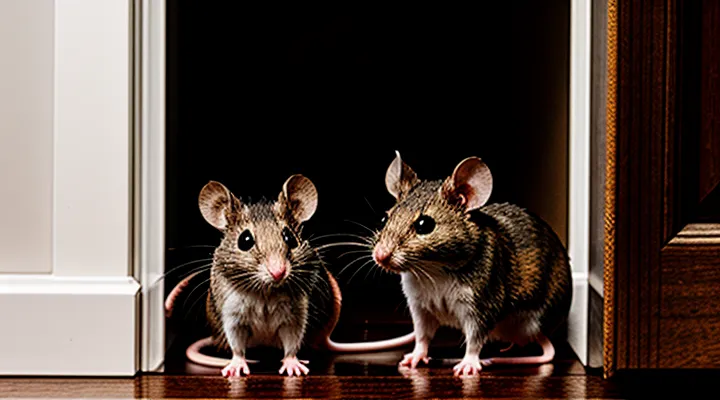
Historical Perspective: Rodents and Human Beliefs
Ancient Civilizations and Mouse Symbolism
Mice have appeared repeatedly in the mythic record of early societies, where their presence inside dwellings was interpreted as a signal of forthcoming events. Archaeological reliefs from Mesopotamia depict rodents scurrying across palace courtyards, accompanied by inscriptions that associate the sighting with impending political change. In these texts, the animal functions as a messenger, its movement through the threshold of the home conveying a warning that the ruler must heed.
In ancient Egypt, tomb paintings show mice perched on grain stores, while accompanying hieroglyphic notes link the creatures to the concept of abundance turning into scarcity. The duality of the mouse—both a protector of stored food and a potential destroyer—mirrored the Egyptian belief in balance between order and chaos. Priests recorded the appearance of mice during harvest festivals, interpreting the event as a divine reminder to maintain ritual purity.
Key civilizations and their mouse-related portents:
- Sumer – rodent sightings near city walls signaled a shift in trade routes.
- Indus Valley – mouse figurines placed at household entrances served as talismans against disease.
- Minoan Crete – frescoes featuring mice alongside lunar symbols suggested a connection between nocturnal activity and prophetic dreams.
- Ancient China – oracle bone inscriptions described mice entering a chamber as an omen of a forthcoming flood.
The recurring pattern across these cultures demonstrates that domestic rodent activity was not merely a nuisance but a coded indicator embedded in ritual practice. Scholars interpret the consistency of this symbolism as evidence of a shared human instinct to read animal behavior as a barometer of environmental and societal flux.
Medieval Interpretations of Mouse Sightings
During the Middle Ages, the appearance of a mouse inside a dwelling was routinely recorded as a portent. Chroniclers such as Matthew Paris and monastic annalists linked rodent sightings to forthcoming events, treating the creature as a messenger of divine will or earthly danger.
Interpretations fell into several categories:
- Divine warning – A mouse crossing the threshold signaled potential punishment for moral transgressions; penitential rites were often prescribed.
- Political omen – Royal courts consulted astrologers who read mouse activity as an indicator of instability, rebellion, or the death of a ruler.
- Agricultural forecast – Farmers believed that an influx of mice foretold poor harvests, pestilence, or loss of livestock, prompting storage of grain and increased vigilance.
- Health portent – Medical treatises associated mouse infestations with the spread of contagion, leading to recommendations for purification rituals.
The symbolic weight of the animal derived from its nocturnal habits and its capacity to infiltrate sealed spaces. Authors of bestiaries described the mouse as “the silent intruder,” emphasizing its role as an unseen herald. Legal codes sometimes mandated compensation for households damaged by mice, reflecting the belief that material loss accompanied the omen.
Consequently, medieval societies integrated mouse sightings into a broader framework of omenology, employing religious, political, and practical responses to mitigate the perceived threats conveyed by the small rodent.
Modern Superstitions and Interpretations
Positive Omens: Prosperity and Fortune
Mice appearing indoors have long been interpreted as favorable indicators of wealth and success. Folklore across Europe, East Asia, and the Middle East links the presence of these small mammals to an influx of resources, often tied to agricultural abundance or commercial gain. Historical records describe households where sudden rodent activity preceded periods of increased harvest yields, expanded trade, or inheritance.
Key manifestations of this positive symbolism include:
- Mice found near grain stores or pantry shelves, suggesting imminent surplus.
- Multiple mice observed simultaneously, interpreted as a signal of collective prosperity.
- Mice nesting in corners of newly built rooms, viewed as an omen of stable future occupancy and financial security.
Cultural analysis reveals a consistent pattern: societies that regard indoor mice as auspicious also associate them with protective spirits that safeguard assets. Rituals such as offering milk or grain to the creatures reinforce the belief that goodwill toward the animals attracts continued affluence. Contemporary practitioners maintain these traditions, citing anecdotal correlation between respectful treatment of house mice and sustained economic stability.
Unexpected Wealth and Abundance
House mice have long been interpreted as heralds of sudden financial gain. When a mouse appears in a domestic setting, traditional lore often links the encounter to an unanticipated influx of resources, ranging from monetary windfalls to bountiful harvests.
Historical records from agrarian societies describe instances where a mouse’s presence preceded the discovery of hidden treasure or the arrival of profitable trade. In medieval chronicles, a mouse found in a pantry was taken as a signal that stored provisions would multiply, ensuring abundance for the household. Folklorists note that the animal’s rapid breeding and adaptability symbolize the swift and self‑propagating nature of unexpected wealth.
Practical observations derived from these beliefs include:
- A mouse discovered in a kitchen predicts an increase in food supplies or a profitable market opportunity.
- Multiple mice appearing simultaneously suggest a larger, more sustained inflow of capital.
- A solitary mouse crossing the threshold of a home indicates a one‑time financial boost, such as an inheritance or lottery win.
Rituals accompanying the sighting often involve preserving the creature or offering a modest tribute, actions believed to secure the promised prosperity. The underlying principle equates the mouse’s agility and hidden activity with the concealed potential of sudden affluence, encouraging households to remain vigilant for such omens.
Fertility and New Beginnings
Mice appearing inside a dwelling have long been read as signals of reproductive vigor and the onset of fresh cycles. Their rapid breeding capacity mirrors human concerns about fertility, prompting observers to associate a sudden influx of rodents with the prospect of increased birth rates or agricultural abundance.
Historical records from agrarian societies link rodent activity to seasonal renewal. When mice multiply in storage rooms, elders interpret the event as a reminder that the earth is preparing to support new growth. This interpretation extends beyond literal grain loss; it reflects a cultural belief that the household’s internal ecosystem mirrors broader ecological cycles.
Key associations include:
- Prolific nesting behavior → indication of forthcoming family expansion.
- Persistent foraging in hidden corners → suggestion that hidden potential is surfacing.
- Sudden migration into living spaces → warning that current stability will give way to transformative change.
Contemporary folklore retains these meanings, using mouse sightings as informal markers for decisions about marriage, childbirth, or starting new ventures. The animal’s presence thus functions as a concise, recognizable omen that encourages individuals to align personal plans with perceived natural rhythms.
Negative Portents: Warnings and Misfortune
Mice that appear inside a dwelling have long signified impending trouble. Their sudden presence triggers a series of interpretations that link the animal’s behavior to specific adverse outcomes. Observers associate the intrusion with a breach of domestic order, interpreting it as a signal that the household’s stability is compromised.
Common negative indications include:
- Sudden death of a family member or close associate.
- Onset of contagious illness affecting multiple occupants.
- Unexpected loss of income, debt accumulation, or failure of a business venture.
- Betrayal by a trusted individual, often revealed through secretive actions.
- Structural damage to the building, such as weakened foundations or roof leaks.
Cultural records describe these associations across diverse societies. In agrarian settings, a mouse infestation foretold crop failure, while urban folklore linked it to legal disputes or property seizure. The animal’s nocturnal activity amplifies the sense of hidden danger, prompting preemptive measures such as cleansing rituals, sealing entry points, and heightened vigilance.
Interpretation of mouse sightings remains a practical tool for risk assessment. Recognizing the pattern enables early response, reducing the impact of the predicted misfortune.
Impending Illness or Death
Mice observed inside a dwelling have long been interpreted as harbingers of serious health threats. Their sudden appearance, especially in large numbers, signals a disruption in the household’s internal equilibrium, often preceding a contagious illness or a fatal condition affecting a resident.
Typical manifestations linked to this omen include:
- Unexplained fevers or respiratory distress emerging shortly after the sighting.
- Rapid decline in vitality of an individual who was previously healthy.
- Reports of unexplained bruising, hemorrhage, or loss of consciousness within days.
Historical records and contemporary case studies consistently associate these events with the presence of rodents, reinforcing the view that mouse incursions serve as a warning of imminent medical crisis. Prompt medical evaluation and environmental sanitation are therefore advised whenever such an intrusion occurs.
Financial Loss and Ruin
Throughout various cultures, the presence of mice within a dwelling has been interpreted as a warning of impending economic decline. Historical records associate rodent infestations with depleted grain stores, compromised trade routes, and the collapse of household budgets. The symbolism extends beyond literal damage; it reflects a broader pattern where small, unnoticed threats precipitate large-scale financial instability.
Key indicators linked to this omen include:
- Sudden increase in pest activity coinciding with market volatility.
- Unexplained loss of inventory or cash flow that parallels rodent damage reports.
- Community narratives that connect household rodent sightings with subsequent bankruptcy or foreclosure.
When such signs appear, prudent measures focus on containment and financial safeguards. Immediate actions involve rigorous sanitation, sealing entry points, and conducting inventory audits to quantify loss. Parallel financial steps consist of tightening cash reserves, diversifying income streams, and reviewing credit exposure to mitigate cascading effects.
Long-term strategies derive from the lesson that minor neglect can amplify into fiscal ruin. Regular monitoring of household conditions, combined with proactive budgeting, transforms the traditional portent into a catalyst for resilient financial planning.
Regional Variations in Mouse Lore
European Folk Beliefs
Mice appearing indoors have long been interpreted as warnings in European folklore. Their sudden presence was taken as a signal that unseen forces were influencing household affairs.
In the British tradition, a mouse seen at night was linked to impending financial loss, while a white mouse crossing the threshold suggested an upcoming marriage. German tales equated a mouse scurrying across the floor with the arrival of a sudden illness; a mouse entering through a crack was thought to foretell a legal dispute. Scandinavian legends associated a mouse nesting in the pantry with a period of scarcity, whereas a mouse found in the hearth signaled a future fire. Slavic cultures viewed a mouse emerging from the wall as an omen of death in the family, and a mouse that escaped unnoticed was believed to protect the home from malevolent spirits. Mediterranean folklore, especially in Italy and Spain, regarded a mouse that gnaws furniture as a warning of political unrest, while a mouse found in a grain bin indicated a forthcoming famine.
Common motifs across the region include:
- Direction of movement: Mice heading outward often implied departure of a loved one; inward movement suggested the arrival of guests.
- Color: White mice were linked to purity and marriage; black mice signaled danger or disease.
- Quantity: A single mouse foretold a minor event; a swarm warned of a major calamity.
These patterns demonstrate how rural societies used observable animal behavior to anticipate changes affecting health, wealth, and social stability.
Asian Cultural Perspectives
Rodent appearances inside a dwelling have long been interpreted as communicative signs in Asian societies, linking household events to broader moral or cosmic cycles.
In Chinese tradition, a mouse entering a home is read as a forecast of wealth expansion when the animal is white or gray; a black mouse suggests an upcoming loss of resources. The animal’s movement toward the kitchen signals forthcoming abundance of food, while its presence near the entrance warns of potential disputes among family members. Ritual response often includes offering rice grains at the threshold to appease the spirit believed to guide the mouse.
Japanese folklore treats house mice as messengers of the kami. A white mouse observed at night indicates a favorable change in personal fortune, whereas a brown mouse signals the need for caution in business dealings. When a mouse is found in a storage room, the customary action is to clean the area thoroughly and place a small amulet of Inari‑fox symbolism to redirect the animal’s influence toward prosperity.
Korean cultural reading assigns a mouse in the living room to impending health concerns for the household’s elders. A mouse in the attic is associated with hidden talents emerging within younger members. Traditional practice involves burning dried mugwort near the mouse’s location to purify the space and mitigate adverse effects.
In the Indian subcontinent, a mouse spotted in a kitchen predicts an increase in culinary activity and, by extension, social gatherings. A mouse found in a bedroom is taken as an omen of marital tension. Protective measures include sprinkling turmeric powder around the mouse’s path and reciting a short mantra invoking the deity Ganesha for protection against misfortune.
Vietnamese belief links a mouse crossing the doorway to the arrival of unexpected visitors. If the mouse moves toward the hearth, it heralds a period of financial gain; movement away from fire suggests a need for caution in investments. The customary response is to place a small bowl of water at the threshold, symbolizing balance and hospitality.
Collectively, these perspectives illustrate a regional pattern: mouse sightings serve as diagnostic symbols, prompting specific domestic rituals designed to channel the implied message toward favorable outcomes.
American Indigenous Traditions
Mice appearing inside a dwelling have long been interpreted by Indigenous peoples of North America as carriers of specific messages about the household and its surroundings. The animal’s behavior, frequency of sightings, and direction of movement are read as signs that influence communal decisions and personal conduct.
Interpretations commonly associate mice with:
- Health warnings – sudden influx of rodents is taken as an indication of disease or contamination within the home.
- Resource scarcity – abundant foraging activity signals impending shortages of stored food.
- Spiritual visitation – nocturnal scurrying is viewed as a reminder that ancestral spirits are observing the household’s affairs.
- Environmental change – migration patterns of mice are linked to shifts in weather or seasonal cycles.
Among distinct tribal traditions:
- The Ojibwe regard a mouse that enters through a doorway as a prompt to perform a purification ceremony, believing the creature conveys a request for balance.
- The Pueblo peoples interpret a mouse gnawing on corn storage as a caution against waste, prompting communal redistribution of supplies.
- The Lakota associate a mouse found in a hearth with an omen of upcoming conflict, advising leaders to convene a council for deliberation.
- The Cherokee view a mouse nesting under the floorboards as a sign that protective charms have weakened, leading to the renewal of protective rites.
These readings shape daily practices: households may place specific herbs to deter unwanted visits, conduct brief prayers when a mouse is sighted, or adjust food storage methods in response to perceived warnings. The systematic observation of mice thus functions as a cultural mechanism for monitoring well‑being, resource management, and spiritual alignment within Indigenous communities.
Psychological and Cultural Significance
The Unconscious Mind and Animal Symbolism
Mice appearing within domestic spaces trigger deep‑seated associations that emerge from the unconscious. The brain registers the small rodent as a signal of hidden intrusion, prompting instinctive vigilance even when rational analysis dismisses immediate danger.
Across cultures, the creature functions as a recurring emblem of secrecy, scarcity, and transformation. Typical interpretations include:
- Representation of concealed threats that may destabilize household stability.
- Symbol of overlooked resources or opportunities, urging attention to marginal aspects of life.
- Indicator of psychological renewal, where the mouse’s nocturnal activity mirrors the mind’s hidden processes.
These meanings arise from collective imagery stored in the psyche, allowing a single sighting to activate archetypal narratives without conscious deliberation. The unconscious mind thus converts an ordinary encounter into a portent that influences perception, behavior, and emotional response.
Social Perceptions of Rodents
Rodent symbolism permeates domestic folklore, influencing how societies interpret the presence of mice within dwellings. Historically, households regarded these small mammals as messengers, attributing to them predictive qualities that reflected communal anxieties and aspirations.
In agrarian cultures, a sudden appearance of mice often signaled an impending scarcity of grain, prompting proactive storage measures. Conversely, a quiet, unobtrusive coexistence was sometimes interpreted as a sign of household stability, suggesting that the environment remained hospitable enough to sustain the creatures without disruption.
Contemporary urban narratives reinterpret these associations. Many modern observers view mice as indicators of structural neglect, linking infestations to inadequate maintenance and potential health hazards. This perspective reinforces public policies that prioritize pest control as a metric of residential safety.
Key patterns in social perception include:
- Omens of abundance or loss: Traditional lore links mouse activity to fluctuations in food supply.
- Markers of hygiene: Urban discourse equates sightings with sanitation shortcomings.
- Cultural metaphors: Literature and film employ mice as symbols of vulnerability, stealth, or resilience, shaping collective attitudes.
- Economic signals: Property assessments may consider rodent presence when evaluating building condition and market value.
These viewpoints converge on a central premise: the visibility of mice within a home functions as a social barometer, reflecting underlying concerns about resource security, environmental stewardship, and communal well‑being.
Separating Fact from Fiction
Pest Control and Practical Solutions
Mice entering residential spaces often trigger superstitious interpretations, yet the priority remains eliminating health risks and property damage. Recognizing infestation early prevents escalation.
Typical indicators include gnaw marks on furniture, droppings in corners, and audible scurrying at night. Confirming these signs guides the selection of appropriate interventions.
Preventive actions focus on denying entry and reducing attractants. Seal cracks larger than ¼ inch, install metal flashing around utility penetrations, and maintain a clean environment free of accessible food waste. Store grains, cereals, and pet food in airtight containers.
Practical control methods fall into three categories:
- Exclusion: Fit door sweeps, repair damaged screens, and use copper mesh to block gaps around pipes.
- Mechanical trapping: Deploy snap traps or electronic devices along walls, positioning bait at the rear to avoid premature contact.
- Chemical baiting: Apply anticoagulant pellets in tamper‑proof stations, monitoring placement to avoid accidental exposure of children or pets.
When using traps, check daily, dispose of captured rodents according to local regulations, and reset devices promptly. Bait stations require periodic replacement of poisoned blocks, typically every 30 days, to maintain efficacy.
After removal, conduct a thorough inspection to verify that all access points are sealed and that no residual food sources remain. Schedule quarterly reviews of structural integrity and sanitation practices to sustain long‑term protection.
Distinguishing Superstition from Reality
Rodent activity inside a residence often triggers folklore that links mouse sightings to future events. Historical accounts describe such creatures as heralds of wealth, loss, or illness, yet contemporary research provides a different perspective.
Empirical data show that mouse presence correlates with specific environmental conditions rather than metaphysical predictions. Key factors include:
- Food availability – unsecured storage and crumbs create attractants.
- Structural entry points – gaps around pipes, doors, and foundations allow ingress.
- Seasonal temperature shifts – colder months drive rodents indoors in search of warmth.
- Sanitation standards – clutter and waste increase habitat suitability.
Psychological dynamics reinforce superstition. Human tendency to assign meaning to unexpected occurrences, known as apophenia, amplifies the perceived significance of a mouse entering a room. Confirmation bias further entrenches belief: individuals recall incidents that match the omen narrative while disregarding neutral or contradictory cases.
Scientific assessment distinguishes myth from measurable risk. When a mouse is observed, the appropriate response involves inspection for breaches, implementation of exclusion measures, and, if necessary, professional pest control. These actions address the tangible cause—habitat suitability—rather than an imagined forecast.